


21482 Results
Level of archival description:
Project
Project
Actions:
Reference number:
AP142.S1.D89
Description:
File documents an unexecuted (?) project for urban revitalization in the M2 district of Rome, Italy, delimited by the railway Roma-Sulmona, Palmiro Togliatti Street and Collatina Street. Material in this file was produced in 1985. File contains architect's reports, quantity surveys, building codes, reference sources, sketches, drawings and photographic material.
AP142.S1.D89
Description:
File documents an unexecuted (?) project for urban revitalization in the M2 district of Rome, Italy, delimited by the railway Roma-Sulmona, Palmiro Togliatti Street and Collatina Street. Material in this file was produced in 1985. File contains architect's reports, quantity surveys, building codes, reference sources, sketches, drawings and photographic material.
People:
Date:
1985
1985
Title:
Insediamento non residenziale della zona M2 "via Collatina" a Roma
Actions:
AP142.S1.D89
Description:
File documents an unexecuted (?) project for urban revitalization in the M2 district of Rome, Italy, delimited by the railway Roma-Sulmona, Palmiro Togliatti Street and Collatina Street. Material in this file was produced in 1985. File contains architect's reports, quantity surveys, building codes, reference sources, sketches, drawings and photographic material.
Insediamento non residenziale della zona M2 "via Collatina" a Roma
Actions:
AP142.S1.D89
Description:
File documents an unexecuted (?) project for urban revitalization in the M2 district of Rome, Italy, delimited by the railway Roma-Sulmona, Palmiro Togliatti Street and Collatina Street. Material in this file was produced in 1985. File contains architect's reports, quantity surveys, building codes, reference sources, sketches, drawings and photographic material.
Level of archival description:
File 89
File 89
Date:
1985
1985
People:
Level of archival description:
Project
Project
Reference number:
AP164.S1.1988.D7
Description:
This project series documents the urban plan for the industrial zone in Alcorcón, Spain. The design was based on the pattern for the project Ordenación de Nueva Montaña Quijano en Santander (see project series AP164.S1.1987.D1 in this fonds). The firm identified this project as number 54. Documenting this project are design development drawings.
AP164.S1.1988.D7
Description:
This project series documents the urban plan for the industrial zone in Alcorcón, Spain. The design was based on the pattern for the project Ordenación de Nueva Montaña Quijano en Santander (see project series AP164.S1.1987.D1 in this fonds). The firm identified this project as number 54. Documenting this project are design development drawings.
People:
Date:
1988
1988
Title:
Polígono industrial Alcorcón, Spain (1988)
Actions:
AP164.S1.1988.D7
Description:
This project series documents the urban plan for the industrial zone in Alcorcón, Spain. The design was based on the pattern for the project Ordenación de Nueva Montaña Quijano en Santander (see project series AP164.S1.1987.D1 in this fonds). The firm identified this project as number 54. Documenting this project are design development drawings.
Polígono industrial Alcorcón, Spain (1988)
Actions:
AP164.S1.1988.D7
Description:
This project series documents the urban plan for the industrial zone in Alcorcón, Spain. The design was based on the pattern for the project Ordenación de Nueva Montaña Quijano en Santander (see project series AP164.S1.1987.D1 in this fonds). The firm identified this project as number 54. Documenting this project are design development drawings.
Level of archival description:
Project
Project
Date:
1988
1988
People:
Level of archival description:
Project
Project
Title:
Manhattan Waterfront Project
Manhattan Waterfront Project
Actions:
Reference number:
AP143.S6.D1
Description:
File documents an unexecuted project for the Manhattan Waterfront, New York, New York, United States. The project was exhibited as part of the exhibition "The new city : architecture and urban renewal" at the Museum of Modern Art, New York, January 23-March 13, 1967. Material in this file was probably produced in 1966 and 1967. File contains schematic drawings and photographic materials.
AP143.S6.D1
Description:
File documents an unexecuted project for the Manhattan Waterfront, New York, New York, United States. The project was exhibited as part of the exhibition "The new city : architecture and urban renewal" at the Museum of Modern Art, New York, January 23-March 13, 1967. Material in this file was probably produced in 1966 and 1967. File contains schematic drawings and photographic materials.
People:
Date:
[between 1966 and 1967]
[between 1966 and 1967]
Title:
Manhattan Waterfront Project
Actions:
AP143.S6.D1
Description:
File documents an unexecuted project for the Manhattan Waterfront, New York, New York, United States. The project was exhibited as part of the exhibition "The new city : architecture and urban renewal" at the Museum of Modern Art, New York, January 23-March 13, 1967. Material in this file was probably produced in 1966 and 1967. File contains schematic drawings and photographic materials.
Manhattan Waterfront Project
Actions:
AP143.S6.D1
Description:
File documents an unexecuted project for the Manhattan Waterfront, New York, New York, United States. The project was exhibited as part of the exhibition "The new city : architecture and urban renewal" at the Museum of Modern Art, New York, January 23-March 13, 1967. Material in this file was probably produced in 1966 and 1967. File contains schematic drawings and photographic materials.
Level of archival description:
File 1
File 1
Date:
[between 1966 and 1967]
[between 1966 and 1967]
People:
Level of archival description:
Project
Project
Title:
Haven
Haven
Reference number:
AP144.S2.D165
Description:
File documents an entry in an invited competition for an urban renewal plan for a dockyard area of Bremerhaven, Germany. Material in this file was produced in 1981 and between 1991 and 1999, but predominantly in 1993. File contains conceptual drawings, design development drawings, reference drawings, other drawings, presentation panels, photographic materials, and textual records.
AP144.S2.D165
Description:
File documents an entry in an invited competition for an urban renewal plan for a dockyard area of Bremerhaven, Germany. Material in this file was produced in 1981 and between 1991 and 1999, but predominantly in 1993. File contains conceptual drawings, design development drawings, reference drawings, other drawings, presentation panels, photographic materials, and textual records.
People:
Date:
1981, 1991-1999, predominant 1993
1981, 1991-1999, predominant 1993
Title:
Haven
Actions:
AP144.S2.D165
Description:
File documents an entry in an invited competition for an urban renewal plan for a dockyard area of Bremerhaven, Germany. Material in this file was produced in 1981 and between 1991 and 1999, but predominantly in 1993. File contains conceptual drawings, design development drawings, reference drawings, other drawings, presentation panels, photographic materials, and textual records.
Haven
Actions:
AP144.S2.D165
Description:
File documents an entry in an invited competition for an urban renewal plan for a dockyard area of Bremerhaven, Germany. Material in this file was produced in 1981 and between 1991 and 1999, but predominantly in 1993. File contains conceptual drawings, design development drawings, reference drawings, other drawings, presentation panels, photographic materials, and textual records.
Level of archival description:
File 165
File 165
Date:
1981, 1991-1999, predominant 1993
1981, 1991-1999, predominant 1993
People:
Level of archival description:
Project
Project
Reference number:
AP164.S1.1989.D4
Description:
The project series documents the design presented to the international competition “Vivienda y Ciudad” organised by the Council of Barcelona and/or the periodical Quaderns in 1989. This was an urban planning project for Diagonal Avenue, in Barcelona, Spain. The firm identified this project as number 59. The firm won second place in the competition. Documenting this project are design development drawings.
AP164.S1.1989.D4
Description:
The project series documents the design presented to the international competition “Vivienda y Ciudad” organised by the Council of Barcelona and/or the periodical Quaderns in 1989. This was an urban planning project for Diagonal Avenue, in Barcelona, Spain. The firm identified this project as number 59. The firm won second place in the competition. Documenting this project are design development drawings.
People:
Date:
circa 1989
circa 1989
Title:
Vivienda y ciudad, avenida Diagonal, Barcelona, Spain (1989)
Actions:
AP164.S1.1989.D4
Description:
The project series documents the design presented to the international competition “Vivienda y Ciudad” organised by the Council of Barcelona and/or the periodical Quaderns in 1989. This was an urban planning project for Diagonal Avenue, in Barcelona, Spain. The firm identified this project as number 59. The firm won second place in the competition. Documenting this project are design development drawings.
Vivienda y ciudad, avenida Diagonal, Barcelona, Spain (1989)
Actions:
AP164.S1.1989.D4
Description:
The project series documents the design presented to the international competition “Vivienda y Ciudad” organised by the Council of Barcelona and/or the periodical Quaderns in 1989. This was an urban planning project for Diagonal Avenue, in Barcelona, Spain. The firm identified this project as number 59. The firm won second place in the competition. Documenting this project are design development drawings.
Level of archival description:
Project
Project
Date:
circa 1989
circa 1989
People:
Level of archival description:
Project
Project
Actions:
Reference number:
AP164.S1.2004.D8
Description:
The project series documents the design of the “deCoro” pattern of urban system railings used in lattice windows, fences, blocking stones, ventilation, etc. The firm identified this project as number 186. Abalos & Herreros worked with Rubén Briongos and Luis Matanzo. Documenting the project are digital materials which have not yet been processed.
AP164.S1.2004.D8
Description:
The project series documents the design of the “deCoro” pattern of urban system railings used in lattice windows, fences, blocking stones, ventilation, etc. The firm identified this project as number 186. Abalos & Herreros worked with Rubén Briongos and Luis Matanzo. Documenting the project are digital materials which have not yet been processed.
People:
Date:
circa 2004
circa 2004
Title:
DeCoro: decoración urbana (2004)
Actions:
AP164.S1.2004.D8
Description:
The project series documents the design of the “deCoro” pattern of urban system railings used in lattice windows, fences, blocking stones, ventilation, etc. The firm identified this project as number 186. Abalos & Herreros worked with Rubén Briongos and Luis Matanzo. Documenting the project are digital materials which have not yet been processed.
DeCoro: decoración urbana (2004)
Actions:
AP164.S1.2004.D8
Description:
The project series documents the design of the “deCoro” pattern of urban system railings used in lattice windows, fences, blocking stones, ventilation, etc. The firm identified this project as number 186. Abalos & Herreros worked with Rubén Briongos and Luis Matanzo. Documenting the project are digital materials which have not yet been processed.
Level of archival description:
Project
Project
Date:
circa 2004
circa 2004
People:
Level of archival description:
Project
Project
Reference number:
AP140.S2.SS1.D64
Description:
File documents an unexecuted urban planning project for a new town centre, designated as "Zone A", for the municipality of Casalecchio di Reno, Italy. Material in this file was produced between 1970 and 1987. File contains reference and design development drawings. File also contains textual records, including photographs of the site and of a study model.
AP140.S2.SS1.D64
Description:
File documents an unexecuted urban planning project for a new town centre, designated as "Zone A", for the municipality of Casalecchio di Reno, Italy. Material in this file was produced between 1970 and 1987. File contains reference and design development drawings. File also contains textual records, including photographs of the site and of a study model.
People:
Date:
1970-1987
1970-1987
Title:
New Town Centre, Casalecchio di Reno, Italy
Actions:
AP140.S2.SS1.D64
Description:
File documents an unexecuted urban planning project for a new town centre, designated as "Zone A", for the municipality of Casalecchio di Reno, Italy. Material in this file was produced between 1970 and 1987. File contains reference and design development drawings. File also contains textual records, including photographs of the site and of a study model.
New Town Centre, Casalecchio di Reno, Italy
Actions:
AP140.S2.SS1.D64
Description:
File documents an unexecuted urban planning project for a new town centre, designated as "Zone A", for the municipality of Casalecchio di Reno, Italy. Material in this file was produced between 1970 and 1987. File contains reference and design development drawings. File also contains textual records, including photographs of the site and of a study model.
Level of archival description:
File 64
File 64
Date:
1970-1987
1970-1987
People:
Form:
events
events
Actions:
Description:
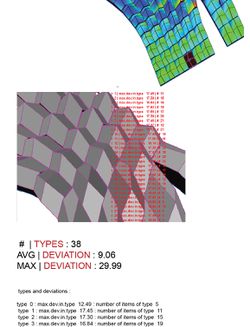
That digital tools have changed the very nature of designing and making buildings is unquestioned. Yet formal innovation and ingenuity—and the technical competence needed to achieve those ends—are not merely a function of the virtuosity of form-making. Rather, they also make evident the dramatic impact that digital capabilities have on the roles, responsibility, and(...)
That digital tools have changed the very nature of designing and making buildings is unquestioned. Yet formal innovation and ingenuity—and the technical competence needed to achieve those ends—are not merely a function of the virtuosity of form-making. Rather, they also make evident the dramatic impact that digital capabilities have on the roles, responsibility, and(...)
Location:
Paul Desmarais Theatre
Paul Desmarais Theatre
Date:
20 October 2016, 6pm
20 October 2016, 6pm
Title:
Sound Advice and Clear Drawings: Design and Computation in the Second Machine Age
Actions:
Description:
That digital tools have changed the very nature of designing and making buildings is unquestioned. Yet formal innovation and ingenuity—and the technical competence needed to achieve those ends—are not merely a function of the virtuosity of form-making. Rather, they also make evident the dramatic impact that digital capabilities have on the roles, responsibility, and(...)
Sound Advice and Clear Drawings: Design and Computation in the Second Machine Age
Actions:
Description:
That digital tools have changed the very nature of designing and making buildings is unquestioned. Yet formal innovation and ingenuity—and the technical competence needed to achieve those ends—are not merely a function of the virtuosity of form-making. Rather, they also make evident the dramatic impact that digital capabilities have on the roles, responsibility, and(...)
Form:
events
events
Date:
20 October 2016
6pm
20 October 2016
6pm
Location:
Paul Desmarais Theatre
Paul Desmarais Theatre
Form:
textual records
textual records
Actions:
Reference number:
ARCH252845
ARCH252845
People:
Date:
1968
1968
Form:
textual records
textual records
Date:
1968
1968
People:
Form:
textual records
textual records
Actions:
Reference number:
ARCH252846
ARCH252846
People:
Date:
1968
1968
Form:
textual records
textual records
Date:
1968
1968
People:


