


36154 Results
Form:
books
books
Actions:
Price:
$101.95
(available to order)
Summary:
Fleuron de la collection, Architecture, méthode et vocabulaire de Jean-Marie Pérouse de Montclos fait autorité en la matière, depuis sa première édition en 1972. Unique au monde, il fait aujourd’hui l’objet d’une nouvelle édition avec un texte revu et enrichi par l’auteur et une iconographie généreusement augmentée et ouverte à la couleur. Ainsi, une relation étroite est(...)
$101.95
(available to order)
Summary:
Fleuron de la collection, Architecture, méthode et vocabulaire de Jean-Marie Pérouse de Montclos fait autorité en la matière, depuis sa première édition en 1972. Unique au monde, il fait aujourd’hui l’objet d’une nouvelle édition avec un texte revu et enrichi par l’auteur et une iconographie généreusement augmentée et ouverte à la couleur. Ainsi, une relation étroite est(...)
Title:
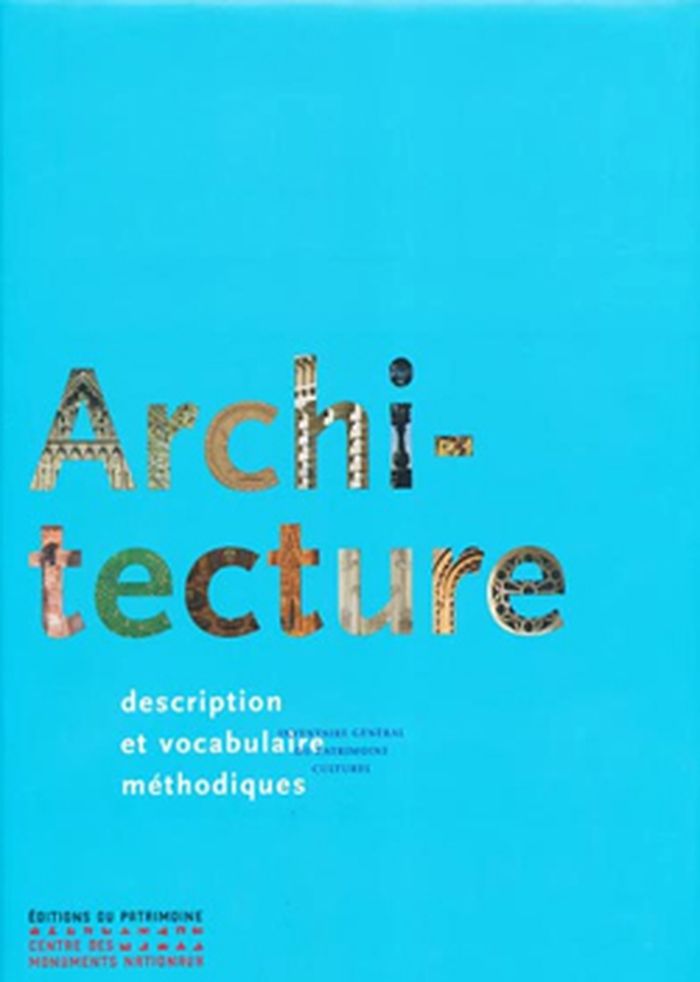
Architecture: description et vocabulaire méthodiques
Actions:
Price:
$101.95
(available to order)
Summary:
Fleuron de la collection, Architecture, méthode et vocabulaire de Jean-Marie Pérouse de Montclos fait autorité en la matière, depuis sa première édition en 1972. Unique au monde, il fait aujourd’hui l’objet d’une nouvelle édition avec un texte revu et enrichi par l’auteur et une iconographie généreusement augmentée et ouverte à la couleur. Ainsi, une relation étroite est établie entre le texte et l’image, tandis que l’appareil de notes précise les références historiques et bibliographiques.
Architecture: description et vocabulaire méthodiques
Actions:
Price:
$101.95
(available to order)
Summary:
Fleuron de la collection, Architecture, méthode et vocabulaire de Jean-Marie Pérouse de Montclos fait autorité en la matière, depuis sa première édition en 1972. Unique au monde, il fait aujourd’hui l’objet d’une nouvelle édition avec un texte revu et enrichi par l’auteur et une iconographie généreusement augmentée et ouverte à la couleur. Ainsi, une relation étroite est établie entre le texte et l’image, tandis que l’appareil de notes précise les références historiques et bibliographiques.
Form:
books
books
Publication:
November 2011
November 2011
Subject:
Dictionaries
Dictionaries
Form:
books
books
Actions:
Price:
$34.95
(available to order)
Summary:
Il fut une époque, du XVe siècle au début du XXe, où les architectes avaient pour mission d’ennoblir les palais, les lieux de culte et les résidences des puissants en les embellissant. La maîtrise des projections mathématiques, et de la perspective qui en découle, donnait aux artistes et aux architectes un pouvoir nouveau ; l’idéal platonicien du beau faisait accepter par(...)
$34.95
(available to order)
Summary:
Il fut une époque, du XVe siècle au début du XXe, où les architectes avaient pour mission d’ennoblir les palais, les lieux de culte et les résidences des puissants en les embellissant. La maîtrise des projections mathématiques, et de la perspective qui en découle, donnait aux artistes et aux architectes un pouvoir nouveau ; l’idéal platonicien du beau faisait accepter par(...)
Title:
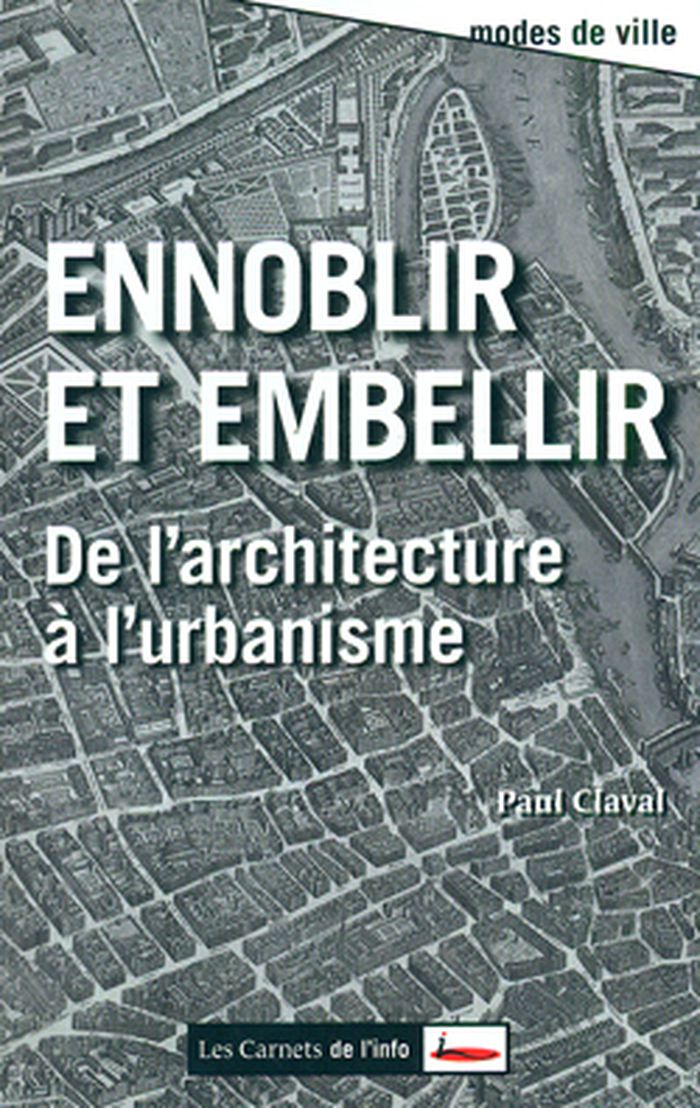
Ennoblir et embellir: de l'architecture à l'urbanisme
Actions:
Price:
$34.95
(available to order)
Summary:
Il fut une époque, du XVe siècle au début du XXe, où les architectes avaient pour mission d’ennoblir les palais, les lieux de culte et les résidences des puissants en les embellissant. La maîtrise des projections mathématiques, et de la perspective qui en découle, donnait aux artistes et aux architectes un pouvoir nouveau ; l’idéal platonicien du beau faisait accepter par tous une grammaire universelle des formes.A partir du XVIIIe siècle, les conditions se transforment : la société s’urbanise, s’industrialise et devient plus mobile : l’esthétique d’inspiration platonicienne est critiquée ; le principe du beau est désormais recherché du côté de la raison ou de l’histoire. Un compromis incarné par Jacques-Nicolas-Louis Durand est imaginé à la jointure du XVIIIe et du XIXe siècle. Il concilie la volonté d’embellissement, dont entendent désormais bénéficier les classes moyennes, avec le souci d’efficacité fonctionnelle.Cette façon de concevoir l’aménagement des villes s’efface au début du XXe siècle, au moment où s’impose le terme d’urbanisme et le programme qu’il désigne : l’amélioration des conditions de vie de tous les citadins. L’art d’ennoblir pour embellir a cependant légué à l’urbanisme de tradition européenne un rêve : celui d’harmoniser les formes bâties.
Ennoblir et embellir: de l'architecture à l'urbanisme
Actions:
Price:
$34.95
(available to order)
Summary:
Il fut une époque, du XVe siècle au début du XXe, où les architectes avaient pour mission d’ennoblir les palais, les lieux de culte et les résidences des puissants en les embellissant. La maîtrise des projections mathématiques, et de la perspective qui en découle, donnait aux artistes et aux architectes un pouvoir nouveau ; l’idéal platonicien du beau faisait accepter par tous une grammaire universelle des formes.A partir du XVIIIe siècle, les conditions se transforment : la société s’urbanise, s’industrialise et devient plus mobile : l’esthétique d’inspiration platonicienne est critiquée ; le principe du beau est désormais recherché du côté de la raison ou de l’histoire. Un compromis incarné par Jacques-Nicolas-Louis Durand est imaginé à la jointure du XVIIIe et du XIXe siècle. Il concilie la volonté d’embellissement, dont entendent désormais bénéficier les classes moyennes, avec le souci d’efficacité fonctionnelle.Cette façon de concevoir l’aménagement des villes s’efface au début du XXe siècle, au moment où s’impose le terme d’urbanisme et le programme qu’il désigne : l’amélioration des conditions de vie de tous les citadins. L’art d’ennoblir pour embellir a cependant légué à l’urbanisme de tradition européenne un rêve : celui d’harmoniser les formes bâties.
Form:
books
books
Publication:
November 2011
November 2011
Subject:
Urban Theory
Urban Theory
Form:
books
books
Actions:
Price:
$21.95
(available to order)
Summary:
Premier volume de la trilogie intitulée Sphères, destinée à analyser les conditions dans lesquelles l'homme peut rendre le monde habitable, Bulles examine depuis la relation utérine jusqu'à l'extase mystique, les formes que prend une intériorité aimantée par l'extérieur. Ce faisant, il parcourt, de Platon à Lacan, nombre de figures de l'histoire de la philosophie, relues(...)
$21.95
(available to order)
Summary:
Premier volume de la trilogie intitulée Sphères, destinée à analyser les conditions dans lesquelles l'homme peut rendre le monde habitable, Bulles examine depuis la relation utérine jusqu'à l'extase mystique, les formes que prend une intériorité aimantée par l'extérieur. Ce faisant, il parcourt, de Platon à Lacan, nombre de figures de l'histoire de la philosophie, relues(...)
Title:
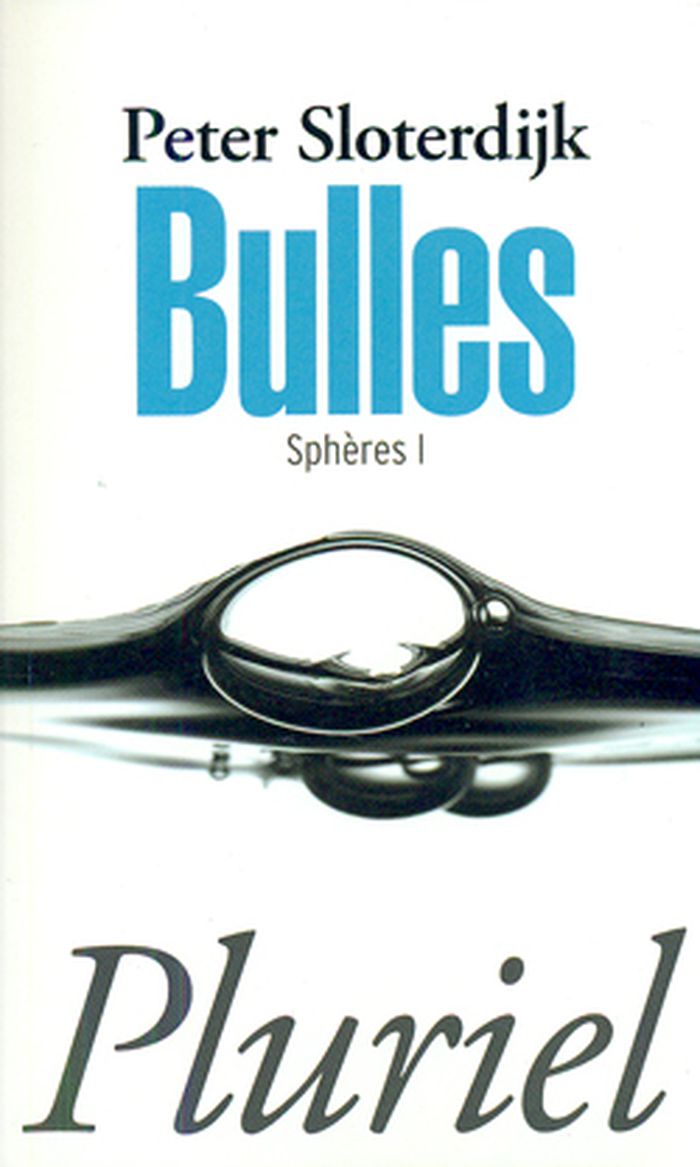
Peter Sloterdijk : Bulles, sphère I
Actions:
Price:
$21.95
(available to order)
Summary:
Premier volume de la trilogie intitulée Sphères, destinée à analyser les conditions dans lesquelles l'homme peut rendre le monde habitable, Bulles examine depuis la relation utérine jusqu'à l'extase mystique, les formes que prend une intériorité aimantée par l'extérieur. Ce faisant, il parcourt, de Platon à Lacan, nombre de figures de l'histoire de la philosophie, relues avec une très grande liberté. Toujours en quête de ce que nous avons gagné ou perdu avec la modernité, l'auteur y souligne notre exil hors de l'Un et notre quête d'une nouvelle unité.
Peter Sloterdijk : Bulles, sphère I
Actions:
Price:
$21.95
(available to order)
Summary:
Premier volume de la trilogie intitulée Sphères, destinée à analyser les conditions dans lesquelles l'homme peut rendre le monde habitable, Bulles examine depuis la relation utérine jusqu'à l'extase mystique, les formes que prend une intériorité aimantée par l'extérieur. Ce faisant, il parcourt, de Platon à Lacan, nombre de figures de l'histoire de la philosophie, relues avec une très grande liberté. Toujours en quête de ce que nous avons gagné ou perdu avec la modernité, l'auteur y souligne notre exil hors de l'Un et notre quête d'une nouvelle unité.
Form:
books
books
Publication:
March 2011
March 2011
Subject:
Critical Theory
Critical Theory
Form:
books
books
Actions:
Price:
$21.95
(available to order)
Summary:
Dans l'Antiquité, la sphère est la représentation de la perfection de ce qui n'a ni commencement, ni fin, échappe à la corruption du temps, symbolise le divin qui s'offre à la contemplation. Depuis les Grecs, la totalisation du monde s'opère sous la forme d'un globe, à la fois vision cosmogonique, projection géométrique et spéculation philosophique, mais aussi(...)
$21.95
(available to order)
Summary:
Dans l'Antiquité, la sphère est la représentation de la perfection de ce qui n'a ni commencement, ni fin, échappe à la corruption du temps, symbolise le divin qui s'offre à la contemplation. Depuis les Grecs, la totalisation du monde s'opère sous la forme d'un globe, à la fois vision cosmogonique, projection géométrique et spéculation philosophique, mais aussi(...)
Title:
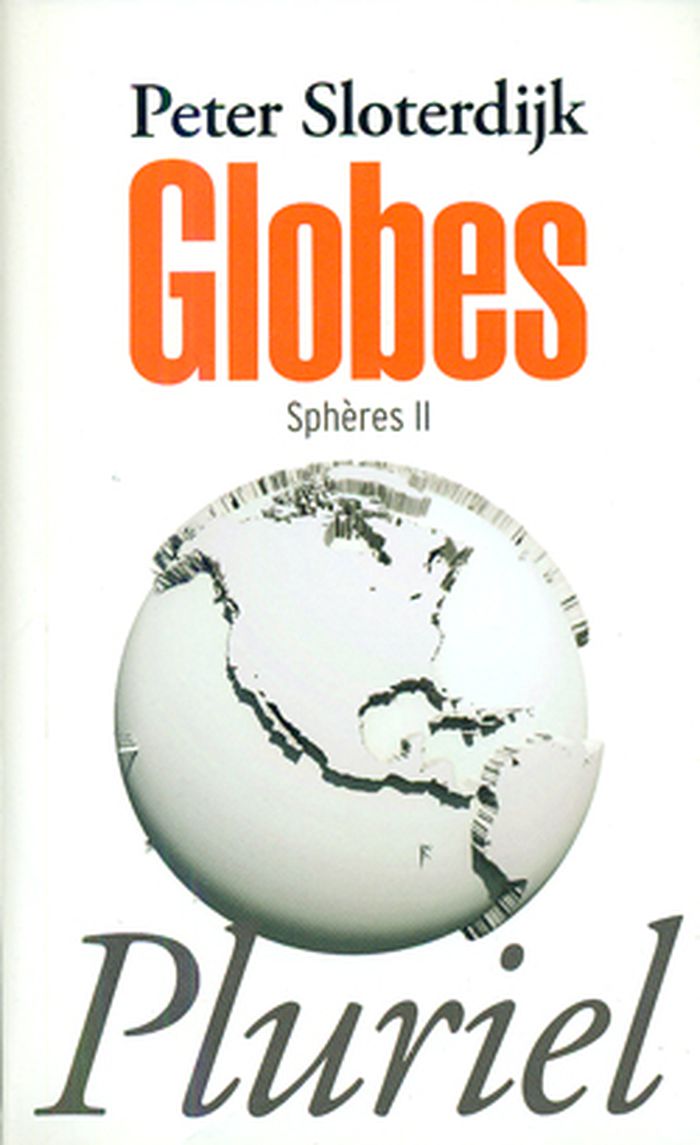
Peter Sloterdijk : Globes, sphères II
Actions:
Price:
$21.95
(available to order)
Summary:
Dans l'Antiquité, la sphère est la représentation de la perfection de ce qui n'a ni commencement, ni fin, échappe à la corruption du temps, symbolise le divin qui s'offre à la contemplation. Depuis les Grecs, la totalisation du monde s'opère sous la forme d'un globe, à la fois vision cosmogonique, projection géométrique et spéculation philosophique, mais aussi représentation physique de la souveraineté et attribut des empereurs, monarques ou papes. Quand s'ouvre le monde, quand la circonférence ne le contient plus et que les hiérarchies sont bouleversées, que devient cette représentation dont nous sommes malgré tout les héritiers ? Suffit-il de la déclarer obsolète pour en être affranchi ? Avec son brio habituel de conteur, Peter Sloterdijk nous entraîne dans un voyage passionnant à travers les civilisations et les époques, au gré de la position qu'y occupe le centre de la sphère
Peter Sloterdijk : Globes, sphères II
Actions:
Price:
$21.95
(available to order)
Summary:
Dans l'Antiquité, la sphère est la représentation de la perfection de ce qui n'a ni commencement, ni fin, échappe à la corruption du temps, symbolise le divin qui s'offre à la contemplation. Depuis les Grecs, la totalisation du monde s'opère sous la forme d'un globe, à la fois vision cosmogonique, projection géométrique et spéculation philosophique, mais aussi représentation physique de la souveraineté et attribut des empereurs, monarques ou papes. Quand s'ouvre le monde, quand la circonférence ne le contient plus et que les hiérarchies sont bouleversées, que devient cette représentation dont nous sommes malgré tout les héritiers ? Suffit-il de la déclarer obsolète pour en être affranchi ? Avec son brio habituel de conteur, Peter Sloterdijk nous entraîne dans un voyage passionnant à travers les civilisations et les époques, au gré de la position qu'y occupe le centre de la sphère
Form:
books
books
Publication:
March 2011
March 2011
Subject:
Critical Theory
Critical Theory
Form:
books
books
Actions:
Price:
$49.95
(available to order)
Summary:
Despite attempts to promote the aesthetics of ruins in Russia - from Catherine the Great's construction of fake ruins in imperial parks to Josef Brodsky's elegiac meditations - ruins have never achieved the status they enjoy in Western Europe. While the Soviet Union was notorious for leveling churches, post-Soviet Russia has only intensified the practice of massive(...)
$49.95
(available to order)
Summary:
Despite attempts to promote the aesthetics of ruins in Russia - from Catherine the Great's construction of fake ruins in imperial parks to Josef Brodsky's elegiac meditations - ruins have never achieved the status they enjoy in Western Europe. While the Soviet Union was notorious for leveling churches, post-Soviet Russia has only intensified the practice of massive(...)
Title:
Architecture of oblivion : ruins and historical consciousness in modern Russia
Actions:
Price:
$49.95
(available to order)
Summary:
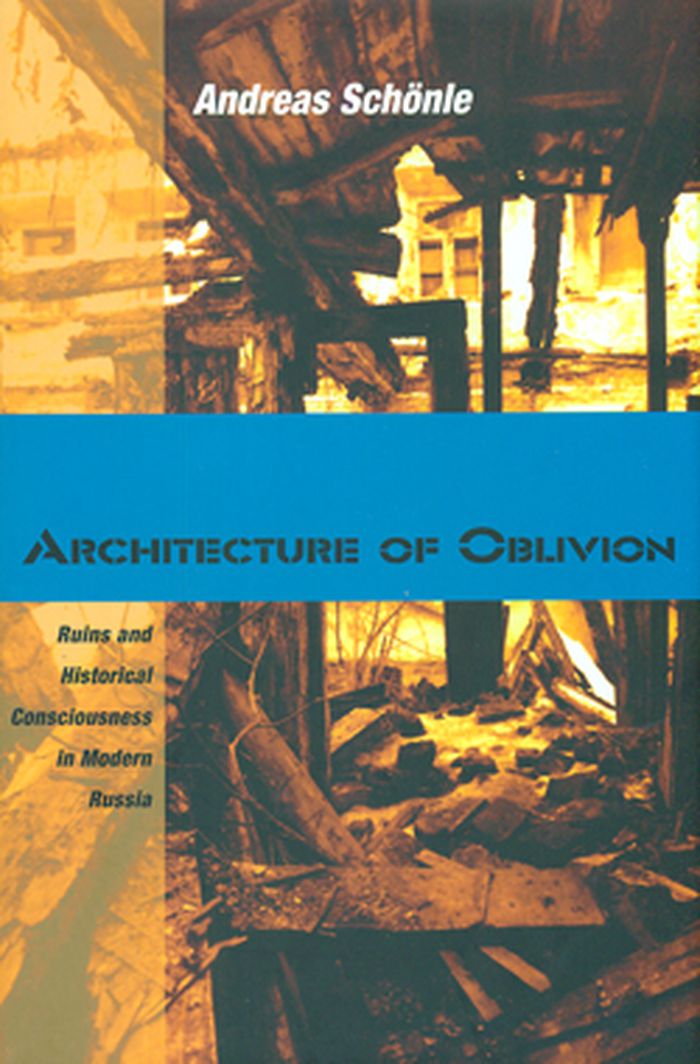
Despite attempts to promote the aesthetics of ruins in Russia - from Catherine the Great's construction of fake ruins in imperial parks to Josef Brodsky's elegiac meditations - ruins have never achieved the status they enjoy in Western Europe. While the Soviet Union was notorious for leveling churches, post-Soviet Russia has only intensified the practice of massive destruction and reconstruction. "Architecture of Oblivion "examines the role of ruins in the development of Russia's historical consciousness from the 18th century to the present. This original work from a leading authority on the subject will appeal to historians of Russian culture and thought, literature and art scholars, and general readers interested in ruins.
Architecture of oblivion : ruins and historical consciousness in modern Russia
Actions:
Price:
$49.95
(available to order)
Summary:
Despite attempts to promote the aesthetics of ruins in Russia - from Catherine the Great's construction of fake ruins in imperial parks to Josef Brodsky's elegiac meditations - ruins have never achieved the status they enjoy in Western Europe. While the Soviet Union was notorious for leveling churches, post-Soviet Russia has only intensified the practice of massive destruction and reconstruction. "Architecture of Oblivion "examines the role of ruins in the development of Russia's historical consciousness from the 18th century to the present. This original work from a leading authority on the subject will appeal to historians of Russian culture and thought, literature and art scholars, and general readers interested in ruins.
Form:
books
books
Publication:
June 2011
June 2011
Subject:
Architectural Theory
Architectural Theory
Form:
books
books
Title:
Vivre Montréal 1920-1969
Vivre Montréal 1920-1969
Actions:
Price:
$32.95
(available to order)
Summary:
Vivre Montréal, c’est revivre Expo 67, la Ronde, le Parc Jarry, le Parc Belmont, mais c’est aussi vivre toutes les transformations de la Métropole au fil des années. Quiconque s’intéresse au caractère particulier de Montréal se reconnaît aisément dans l’une ou l’autre des scènes illustrées de ce nouveau titre de la collection «Aux limites de la mémoire». Les(...)
$32.95
(available to order)
Summary:
Vivre Montréal, c’est revivre Expo 67, la Ronde, le Parc Jarry, le Parc Belmont, mais c’est aussi vivre toutes les transformations de la Métropole au fil des années. Quiconque s’intéresse au caractère particulier de Montréal se reconnaît aisément dans l’une ou l’autre des scènes illustrées de ce nouveau titre de la collection «Aux limites de la mémoire». Les(...)
Subject:
Architecture de Montréal
Architecture de Montréal
Publication:
November 2011
November 2011
Title:
Vivre Montréal 1920-1969
Actions:
Price:
$32.95
(available to order)
Summary:
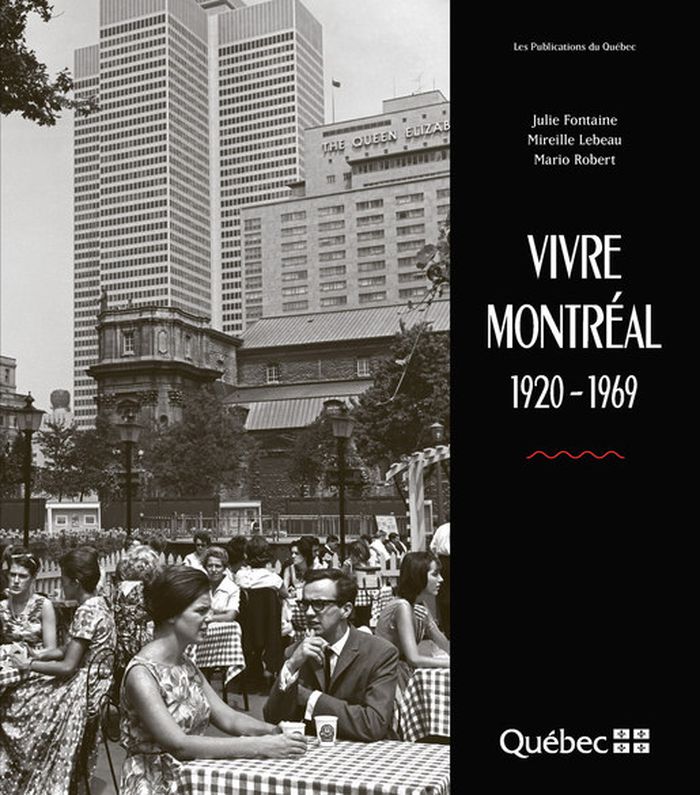
Vivre Montréal, c’est revivre Expo 67, la Ronde, le Parc Jarry, le Parc Belmont, mais c’est aussi vivre toutes les transformations de la Métropole au fil des années. Quiconque s’intéresse au caractère particulier de Montréal se reconnaît aisément dans l’une ou l’autre des scènes illustrées de ce nouveau titre de la collection «Aux limites de la mémoire». Les photographies de cet ouvrage sont éloquentes de l’atmosphère particulière qui régnait à Montréal, mais ce qu’on cherche surtout, dans ce livre, c’est de mettre l’accent sur les individus, les familles, les groupes et les foules qui ont fait vivre Montréal pendant des décennies à la fois troublantes et florissantes. Vivre Montréal est le vingtième titre de la collection Aux limites de la mémoire.
Vivre Montréal 1920-1969
Actions:
Price:
$32.95
(available to order)
Summary:
Vivre Montréal, c’est revivre Expo 67, la Ronde, le Parc Jarry, le Parc Belmont, mais c’est aussi vivre toutes les transformations de la Métropole au fil des années. Quiconque s’intéresse au caractère particulier de Montréal se reconnaît aisément dans l’une ou l’autre des scènes illustrées de ce nouveau titre de la collection «Aux limites de la mémoire». Les photographies de cet ouvrage sont éloquentes de l’atmosphère particulière qui régnait à Montréal, mais ce qu’on cherche surtout, dans ce livre, c’est de mettre l’accent sur les individus, les familles, les groupes et les foules qui ont fait vivre Montréal pendant des décennies à la fois troublantes et florissantes. Vivre Montréal est le vingtième titre de la collection Aux limites de la mémoire.
Form:
books
books
Publication:
November 2011
November 2011
Subject:
Architecture de Montréal
Architecture de Montréal
Form:
books
books
Title:
Vhutemas: Moscou 1920-1930
Vhutemas: Moscou 1920-1930
Actions:
Price:
$190.00
(available to order)
Summary:
Créées en 1920 au lendemain de la Révolution d’Octobre, les Vhutemas – Ateliers Supérieurs d’Art et de Technique - étaient composés de huit facultés : trois dites des beaux-arts (peinture, sculpture et architecture) et cinq dites industrielles ou de production (travail du bois, du métal, textile, céramique et arts graphiques). Souvent citée par les historiens du Mouvement(...)
$190.00
(available to order)
Summary:
Créées en 1920 au lendemain de la Révolution d’Octobre, les Vhutemas – Ateliers Supérieurs d’Art et de Technique - étaient composés de huit facultés : trois dites des beaux-arts (peinture, sculpture et architecture) et cinq dites industrielles ou de production (travail du bois, du métal, textile, céramique et arts graphiques). Souvent citée par les historiens du Mouvement(...)
Title:
Vhutemas: Moscou 1920-1930
Actions:
Price:
$190.00
(available to order)
Summary:
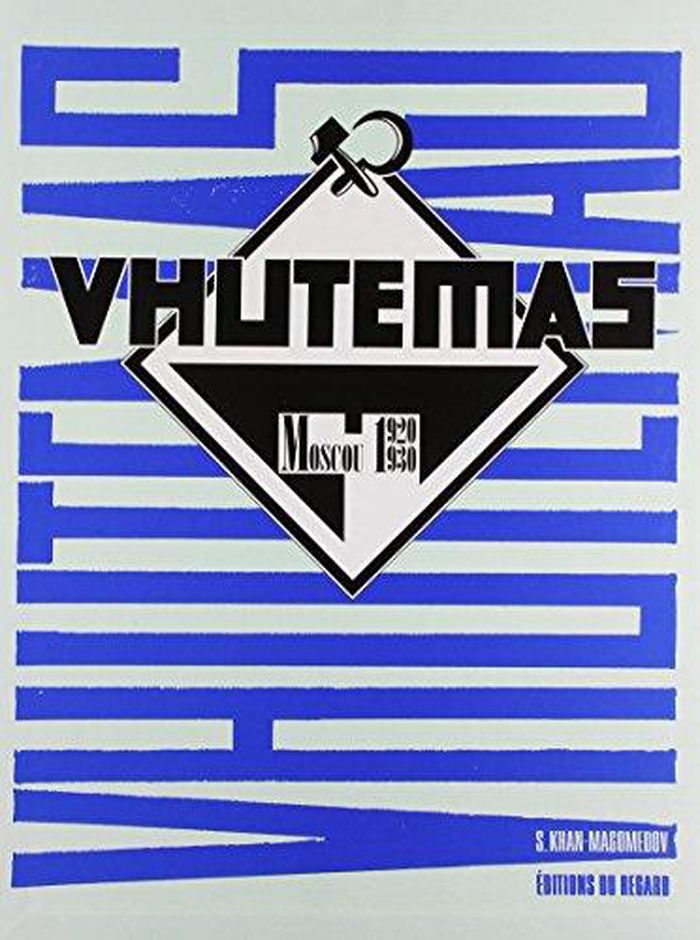
Créées en 1920 au lendemain de la Révolution d’Octobre, les Vhutemas – Ateliers Supérieurs d’Art et de Technique - étaient composés de huit facultés : trois dites des beaux-arts (peinture, sculpture et architecture) et cinq dites industrielles ou de production (travail du bois, du métal, textile, céramique et arts graphiques). Souvent citée par les historiens du Mouvement Moderne et comparée à juste titre à celle du Bauhaus allemand, l’histoire des Vhutemas reste malgré tout mal connue. L’enseignement qui y fut dispensé, la personnalité vitalité du patrimoine artistique légué par les Vhutemas, en font un des fleurons de l’histoire de l’art mondial.
Vhutemas: Moscou 1920-1930
Actions:
Price:
$190.00
(available to order)
Summary:
Créées en 1920 au lendemain de la Révolution d’Octobre, les Vhutemas – Ateliers Supérieurs d’Art et de Technique - étaient composés de huit facultés : trois dites des beaux-arts (peinture, sculpture et architecture) et cinq dites industrielles ou de production (travail du bois, du métal, textile, céramique et arts graphiques). Souvent citée par les historiens du Mouvement Moderne et comparée à juste titre à celle du Bauhaus allemand, l’histoire des Vhutemas reste malgré tout mal connue. L’enseignement qui y fut dispensé, la personnalité vitalité du patrimoine artistique légué par les Vhutemas, en font un des fleurons de l’histoire de l’art mondial.
Form:
books
books
Publication:
December 1990
December 1990
Subject:
Modernism
Modernism
Form:
books
books
Title:
Young & Giroux
Young & Giroux
Actions:
Price:
$30.00
(available to order)
Summary:
Daniel Young and Christian Giroux have been making art together for nearly ten years. Their sculpture, public art and film installations are the product of an ongoing conversation concerning mid-century modernity, and the production of space and the built environment. This first in-depth monograph provides a career overview as well as an exploration of the duo's latest(...)
$30.00
(available to order)
Summary:
Daniel Young and Christian Giroux have been making art together for nearly ten years. Their sculpture, public art and film installations are the product of an ongoing conversation concerning mid-century modernity, and the production of space and the built environment. This first in-depth monograph provides a career overview as well as an exploration of the duo's latest(...)
Title:
Young & Giroux
Actions:
Price:
$30.00
(available to order)
Summary:
Daniel Young and Christian Giroux have been making art together for nearly ten years. Their sculpture, public art and film installations are the product of an ongoing conversation concerning mid-century modernity, and the production of space and the built environment. This first in-depth monograph provides a career overview as well as an exploration of the duo's latest and most emblematic project, Beta Boole - sculptures involving Ikea furniture. The term Boole comes from the 3D computer modeling operation of adding and subtracting simple forms to generate more complex ones. These pieces of furniture provide both a recognizable and vernacular set of domestic forms, which perversely realize the Modernist goal of universal design through the machinations of globalization. Brancusi, Gordon Matta-Clark, and the Japanese architectural office SANAA are among their critical influences.
Young & Giroux
Actions:
Price:
$30.00
(available to order)
Summary:
Daniel Young and Christian Giroux have been making art together for nearly ten years. Their sculpture, public art and film installations are the product of an ongoing conversation concerning mid-century modernity, and the production of space and the built environment. This first in-depth monograph provides a career overview as well as an exploration of the duo's latest and most emblematic project, Beta Boole - sculptures involving Ikea furniture. The term Boole comes from the 3D computer modeling operation of adding and subtracting simple forms to generate more complex ones. These pieces of furniture provide both a recognizable and vernacular set of domestic forms, which perversely realize the Modernist goal of universal design through the machinations of globalization. Brancusi, Gordon Matta-Clark, and the Japanese architectural office SANAA are among their critical influences.
Form:
books
books
Publication:
November 2011
November 2011
Subject:
Canadian art
Canadian art
Form:
books
books
Actions:
Price:
$32.95
(available to order)
Summary:
Dans cet ouvrage sont réunis les travaux du groupe de recherche Métropolisation et Société (MéSo) qui portent sur les questions de mobilité, de morphologie urbaine et de gouvernance métropolitaine. L’hypothèse d’une métropole formée d’axes de mobilité découpés par des pôles urbains multifonctionnels est ici posée. En prenant ainsi le pouls de la métropole, on se(...)
$32.95
(available to order)
Summary:
Dans cet ouvrage sont réunis les travaux du groupe de recherche Métropolisation et Société (MéSo) qui portent sur les questions de mobilité, de morphologie urbaine et de gouvernance métropolitaine. L’hypothèse d’une métropole formée d’axes de mobilité découpés par des pôles urbains multifonctionnels est ici posée. En prenant ainsi le pouls de la métropole, on se(...)
Title:
L'espace-temps métropolitain: forme et représentations de la région de Montréal
Actions:
Price:
$32.95
(available to order)
Summary:
Dans cet ouvrage sont réunis les travaux du groupe de recherche Métropolisation et Société (MéSo) qui portent sur les questions de mobilité, de morphologie urbaine et de gouvernance métropolitaine. L’hypothèse d’une métropole formée d’axes de mobilité découpés par des pôles urbains multifonctionnels est ici posée. En prenant ainsi le pouls de la métropole, on se demande comment les planificateurs engagés aux échelles régionales et locales abordent la mobilité et cherchent à recomposer le territoire métropolitain. Les démarches de planification qui sont élaborées témoignent des représentations spatiales défendues par leurs auteurs. Elles sont projetées vers des scènes de débat où les acteurs de la société civile prennent le relais de ceux qui sont issus des organismes publics. Au constat d’une gouvernance métropolitaine ne panne se substitue l’hypothèse d’une gouvernance métropolitaine produite par le bas, négociée localement et ouverte à la participation citoyenne.
L'espace-temps métropolitain: forme et représentations de la région de Montréal
Actions:
Price:
$32.95
(available to order)
Summary:
Dans cet ouvrage sont réunis les travaux du groupe de recherche Métropolisation et Société (MéSo) qui portent sur les questions de mobilité, de morphologie urbaine et de gouvernance métropolitaine. L’hypothèse d’une métropole formée d’axes de mobilité découpés par des pôles urbains multifonctionnels est ici posée. En prenant ainsi le pouls de la métropole, on se demande comment les planificateurs engagés aux échelles régionales et locales abordent la mobilité et cherchent à recomposer le territoire métropolitain. Les démarches de planification qui sont élaborées témoignent des représentations spatiales défendues par leurs auteurs. Elles sont projetées vers des scènes de débat où les acteurs de la société civile prennent le relais de ceux qui sont issus des organismes publics. Au constat d’une gouvernance métropolitaine ne panne se substitue l’hypothèse d’une gouvernance métropolitaine produite par le bas, négociée localement et ouverte à la participation citoyenne.
Form:
books
books
Publication:
November 2011
November 2011
Subject:
Architecture de Montréal
Architecture de Montréal
Form:
books
books
Title:
Le jardin japonais
Le jardin japonais
Actions:
Price:
$18.95
(available to order)
Summary:
Le jardin japonais appartient au domaine de l'architecture; dans sa plus belle expression, c'est la nature qui se fait art. Les différentes phases de son histoire illustrent la redéfinition permanente de la manière dont l'homme se place et se conduit au sein de la nature. Mais si l'auteur détaille les caractéristiques spécifiques qui différencient et distinguent chacune(...)
$18.95
(available to order)
Summary:
Le jardin japonais appartient au domaine de l'architecture; dans sa plus belle expression, c'est la nature qui se fait art. Les différentes phases de son histoire illustrent la redéfinition permanente de la manière dont l'homme se place et se conduit au sein de la nature. Mais si l'auteur détaille les caractéristiques spécifiques qui différencient et distinguent chacune(...)
Title:
Le jardin japonais
Actions:
Price:
$18.95
(available to order)
Summary:
Le jardin japonais appartient au domaine de l'architecture; dans sa plus belle expression, c'est la nature qui se fait art. Les différentes phases de son histoire illustrent la redéfinition permanente de la manière dont l'homme se place et se conduit au sein de la nature. Mais si l'auteur détaille les caractéristiques spécifiques qui différencient et distinguent chacune des cinq grandes époques de l'histoire des jardins japonais, il fait également apparaître le point commun qui les rassemble toutes: la recherche récurrente d'une synthèse entre la beauté accidentelle de la nature et la beauté retravaillée par l'homme, pour parvenir à la symbiose entre le hasard apparent des formes naturelles et la stricte géométrie de l'angle droit.
Le jardin japonais
Actions:
Price:
$18.95
(available to order)
Summary:
Le jardin japonais appartient au domaine de l'architecture; dans sa plus belle expression, c'est la nature qui se fait art. Les différentes phases de son histoire illustrent la redéfinition permanente de la manière dont l'homme se place et se conduit au sein de la nature. Mais si l'auteur détaille les caractéristiques spécifiques qui différencient et distinguent chacune des cinq grandes époques de l'histoire des jardins japonais, il fait également apparaître le point commun qui les rassemble toutes: la recherche récurrente d'une synthèse entre la beauté accidentelle de la nature et la beauté retravaillée par l'homme, pour parvenir à la symbiose entre le hasard apparent des formes naturelles et la stricte géométrie de l'angle droit.
Form:
books
books
Publication:
November 2011
November 2011
Subject:
Gardens
Gardens


