


12071 Results
Form:
books
books
Actions:
Price:
$39.99
(available to order)
Summary:
Event-Cities 4 is the latest in the Event-Cities series from Bernard Tschumi, documenting recent built and theoretical projects in the context of his evolving views on architecture, urbanism, and design. Event-Cities 4 follows directly from the work of Event-Cities 3, which examined the interaction of architectural content, concept, and context. This volume takes the(...)
$39.99
(available to order)
Summary:
Event-Cities 4 is the latest in the Event-Cities series from Bernard Tschumi, documenting recent built and theoretical projects in the context of his evolving views on architecture, urbanism, and design. Event-Cities 4 follows directly from the work of Event-Cities 3, which examined the interaction of architectural content, concept, and context. This volume takes the(...)
Title:
Bernard Tschumi : event-cities 4, concept - form
Actions:
Price:
$39.99
(available to order)
Summary:
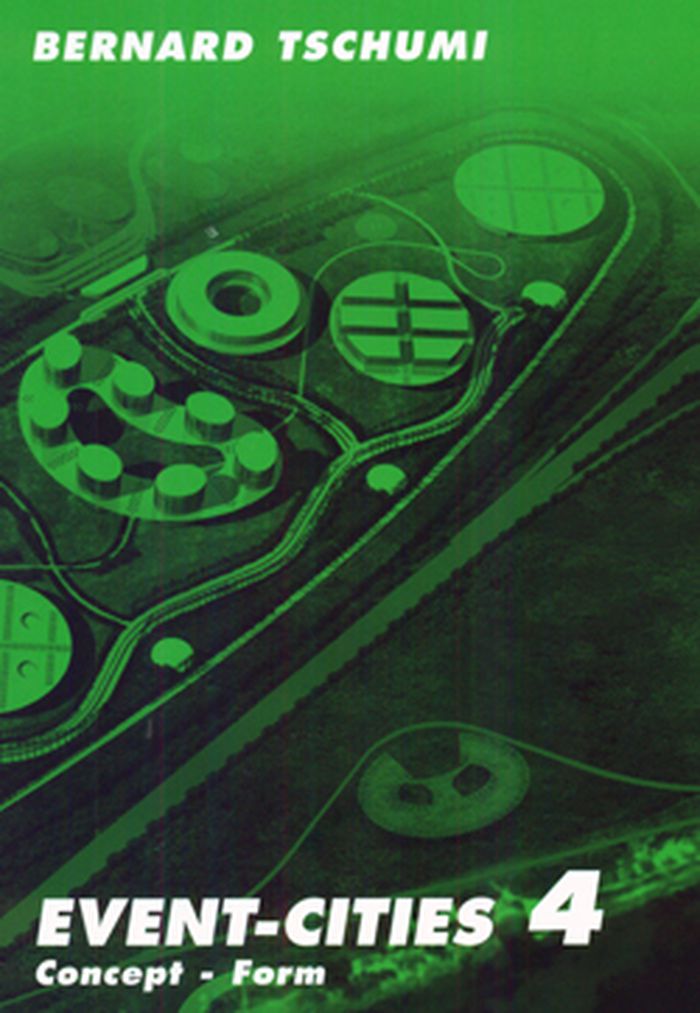
Event-Cities 4 is the latest in the Event-Cities series from Bernard Tschumi, documenting recent built and theoretical projects in the context of his evolving views on architecture, urbanism, and design. Event-Cities 4 follows directly from the work of Event-Cities 3, which examined the interaction of architectural content, concept, and context. This volume takes the interaction a step further, looking at a series of projects for which program or context are insufficient as a generative conceptual strategy, hence requiring a different approach. Tschumi has said, "Over the past years, there is one word I have almost never used, except in order to attack it: 'form.'" In Event-Cities 4, Tschumi introduces the "concept-form": a concept generating a form, or a form generating a concept, so that one reinforces the other. The concept may be programmatic, technological, or social. The form may be singular or multiple, regular or irregular. Concept-forms act as organizing devices or common denominators for the multiple dimensions of programs and their evolution over time, and drive the projects featured in this book. Highlights include master plans for a pair of media-based work spaces and cultural campuses in Singapore and Abu Dhabi; a major master plan for a financial center with 40,000 projected inhabitants in the Dominican Republic; the innovative Blue Residential Tower in New York City; a group of museums and cultural buildings in France, Abu Dhabi, Dubai, and South Korea; a pedestrian bridge in France; and a "multi-programmatic" furniture piece, the TypoLounger. The book contains more than twenty of the Tschumi firm's recent projects.
Bernard Tschumi : event-cities 4, concept - form
Actions:
Price:
$39.99
(available to order)
Summary:
Event-Cities 4 is the latest in the Event-Cities series from Bernard Tschumi, documenting recent built and theoretical projects in the context of his evolving views on architecture, urbanism, and design. Event-Cities 4 follows directly from the work of Event-Cities 3, which examined the interaction of architectural content, concept, and context. This volume takes the interaction a step further, looking at a series of projects for which program or context are insufficient as a generative conceptual strategy, hence requiring a different approach. Tschumi has said, "Over the past years, there is one word I have almost never used, except in order to attack it: 'form.'" In Event-Cities 4, Tschumi introduces the "concept-form": a concept generating a form, or a form generating a concept, so that one reinforces the other. The concept may be programmatic, technological, or social. The form may be singular or multiple, regular or irregular. Concept-forms act as organizing devices or common denominators for the multiple dimensions of programs and their evolution over time, and drive the projects featured in this book. Highlights include master plans for a pair of media-based work spaces and cultural campuses in Singapore and Abu Dhabi; a major master plan for a financial center with 40,000 projected inhabitants in the Dominican Republic; the innovative Blue Residential Tower in New York City; a group of museums and cultural buildings in France, Abu Dhabi, Dubai, and South Korea; a pedestrian bridge in France; and a "multi-programmatic" furniture piece, the TypoLounger. The book contains more than twenty of the Tschumi firm's recent projects.
Form:
books
books
Publication:
September 2010
September 2010
Subject:
Architecture Monographs
Architecture Monographs
Form:
books
books
Actions:
Price:
$57.00
(available to order)
Summary:
An insider's look into one of contemporary architecture's most cutting-edge firms. SHoP's striking projects and unique business model are captured in this monograph. Designed in a playful and intricate manner, "SHoP: Out of Practice" reflects the character and attitudes of the firm itself. Thirteen projects are shown in detail, including the Barclays Center at Atlantic(...)
$57.00
(available to order)
Summary:
An insider's look into one of contemporary architecture's most cutting-edge firms. SHoP's striking projects and unique business model are captured in this monograph. Designed in a playful and intricate manner, "SHoP: Out of Practice" reflects the character and attitudes of the firm itself. Thirteen projects are shown in detail, including the Barclays Center at Atlantic(...)
Title:
Shop architects : out of practice
Actions:
Price:
$57.00
(available to order)
Summary:
An insider's look into one of contemporary architecture's most cutting-edge firms. SHoP's striking projects and unique business model are captured in this monograph. Designed in a playful and intricate manner, "SHoP: Out of Practice" reflects the character and attitudes of the firm itself. Thirteen projects are shown in detail, including the Barclays Center at Atlantic Yards, Brooklyn; a master plan for the East River Waterfront, New York; and Dunescape, winner of the annual MoMA/P.S.1 competition for a summer courtyard installation. Interspersed between the projects are thematic explorations of current issues in architecture: style, risk, innovation, sustainability, and more.
Shop architects : out of practice
Actions:
Price:
$57.00
(available to order)
Summary:
An insider's look into one of contemporary architecture's most cutting-edge firms. SHoP's striking projects and unique business model are captured in this monograph. Designed in a playful and intricate manner, "SHoP: Out of Practice" reflects the character and attitudes of the firm itself. Thirteen projects are shown in detail, including the Barclays Center at Atlantic Yards, Brooklyn; a master plan for the East River Waterfront, New York; and Dunescape, winner of the annual MoMA/P.S.1 competition for a summer courtyard installation. Interspersed between the projects are thematic explorations of current issues in architecture: style, risk, innovation, sustainability, and more.
Form:
books
books
Publication:
January 2012
January 2012
Subject:
Architecture Monographs
Architecture Monographs
Form:
books
books
Actions:
Price:
$22.95
(available to order)
Summary:
Local Motion presents an in-depth analysis of civic engagement in Canada’s largest city. Essays by politicians and senior journalists explain what makes one city, Toronto, tick and stall. They explore electoral reform, civic organizations, ethnicity and racism, the press gallery and grassroots activism, offering up ways in which the people who live there might help to(...)
$22.95
(available to order)
Summary:
Local Motion presents an in-depth analysis of civic engagement in Canada’s largest city. Essays by politicians and senior journalists explain what makes one city, Toronto, tick and stall. They explore electoral reform, civic organizations, ethnicity and racism, the press gallery and grassroots activism, offering up ways in which the people who live there might help to(...)
Subject:
Architecture in Canada
Architecture in Canada
Publication:
August 2010
August 2010
Title:
Local motion: The art of civic engagement in Toronto
Actions:
Price:
$22.95
(available to order)
Summary:
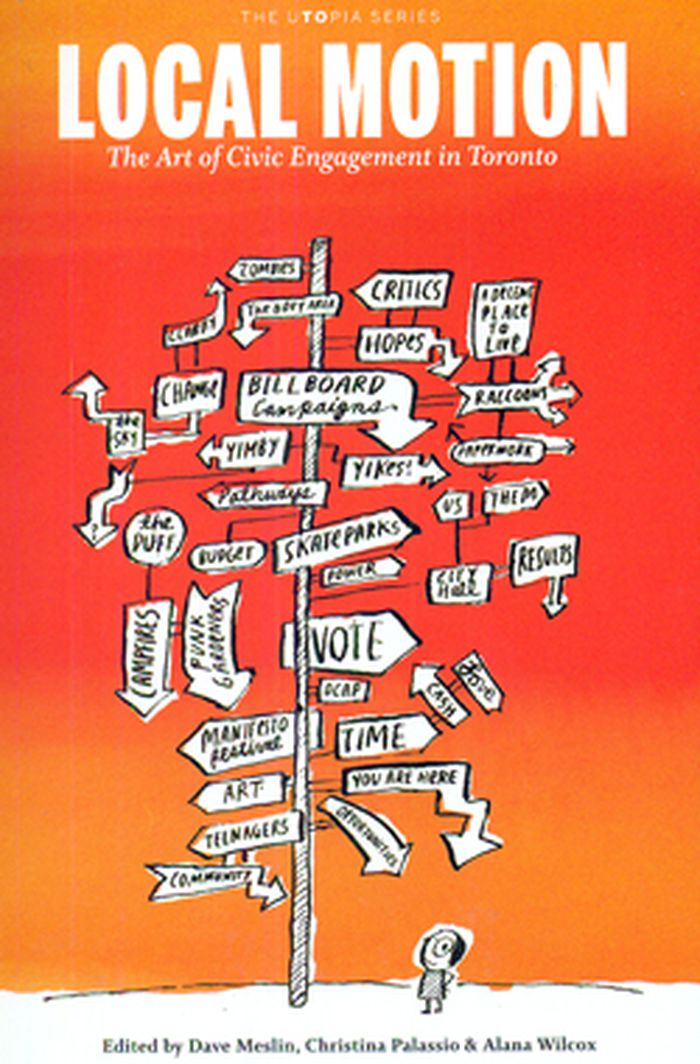
Local Motion presents an in-depth analysis of civic engagement in Canada’s largest city. Essays by politicians and senior journalists explain what makes one city, Toronto, tick and stall. They explore electoral reform, civic organizations, ethnicity and racism, the press gallery and grassroots activism, offering up ways in which the people who live there might help to make their city a better, more humane one.
Local motion: The art of civic engagement in Toronto
Actions:
Price:
$22.95
(available to order)
Summary:
Local Motion presents an in-depth analysis of civic engagement in Canada’s largest city. Essays by politicians and senior journalists explain what makes one city, Toronto, tick and stall. They explore electoral reform, civic organizations, ethnicity and racism, the press gallery and grassroots activism, offering up ways in which the people who live there might help to make their city a better, more humane one.
Form:
books
books
Publication:
August 2010
August 2010
Subject:
Architecture in Canada
Architecture in Canada
Form:
books
books
Title:
A people's history of Quebec
A people's history of Quebec
Actions:
Price:
$19.95
(available to order)
Summary:
This book is a guide to a little-known part of North American history. It tells of the settlement of the St. Lawrence Valley, but also of the Montreal and Quebec-based explorers and traders who travelled, mapped, and inhabited most of North America, and embrothered the peoples they met. Based on meticulous research, Jacques Lacoursière and Robin Philpot connect everyday(...)
$19.95
(available to order)
Summary:
This book is a guide to a little-known part of North American history. It tells of the settlement of the St. Lawrence Valley, but also of the Montreal and Quebec-based explorers and traders who travelled, mapped, and inhabited most of North America, and embrothered the peoples they met. Based on meticulous research, Jacques Lacoursière and Robin Philpot connect everyday(...)
Title:
A people's history of Quebec
Actions:
Price:
$19.95
(available to order)
Summary:
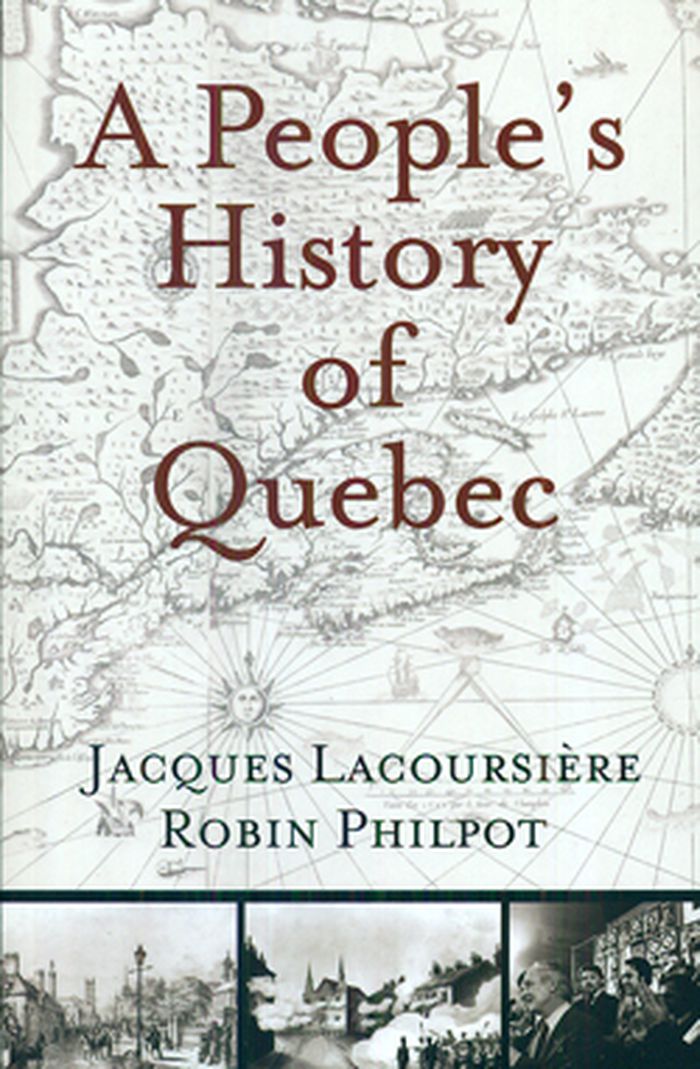
This book is a guide to a little-known part of North American history. It tells of the settlement of the St. Lawrence Valley, but also of the Montreal and Quebec-based explorers and traders who travelled, mapped, and inhabited most of North America, and embrothered the peoples they met. Based on meticulous research, Jacques Lacoursière and Robin Philpot connect everyday life to the events that emerged as historical turning points in the life of a people, thus shedding new light on Quebec’s 450-year history — and the historical forces that lie behind its two recent efforts to gain independence.
A people's history of Quebec
Actions:
Price:
$19.95
(available to order)
Summary:
This book is a guide to a little-known part of North American history. It tells of the settlement of the St. Lawrence Valley, but also of the Montreal and Quebec-based explorers and traders who travelled, mapped, and inhabited most of North America, and embrothered the peoples they met. Based on meticulous research, Jacques Lacoursière and Robin Philpot connect everyday life to the events that emerged as historical turning points in the life of a people, thus shedding new light on Quebec’s 450-year history — and the historical forces that lie behind its two recent efforts to gain independence.
Form:
books
books
Publication:
June 2009
June 2009
Subject:
Architecture du Québec
Architecture du Québec
Form:
books
books
Price:
$89.95
(available to order)
Summary:
La première chronologie des travaux formels de Yona Friedman a été publiée à Rotterdam en 1999. Ce nouveau livre reprend le même principe en augmentant et compilant, depuis 1945 jusqu'à aujourd'hui, l'ensemble de ses travaux. L'accent a été volontairement mis sur la qualité architecturale et les solutions constructives que Yona Friedman propose depuis plus de soixante(...)
$89.95
(available to order)
Summary:
La première chronologie des travaux formels de Yona Friedman a été publiée à Rotterdam en 1999. Ce nouveau livre reprend le même principe en augmentant et compilant, depuis 1945 jusqu'à aujourd'hui, l'ensemble de ses travaux. L'accent a été volontairement mis sur la qualité architecturale et les solutions constructives que Yona Friedman propose depuis plus de soixante(...)
Title:
Yona Friedman: Drawings & Models, dessins & maquettes 1945-2010
Actions:
Price:
$89.95
(available to order)
Summary:
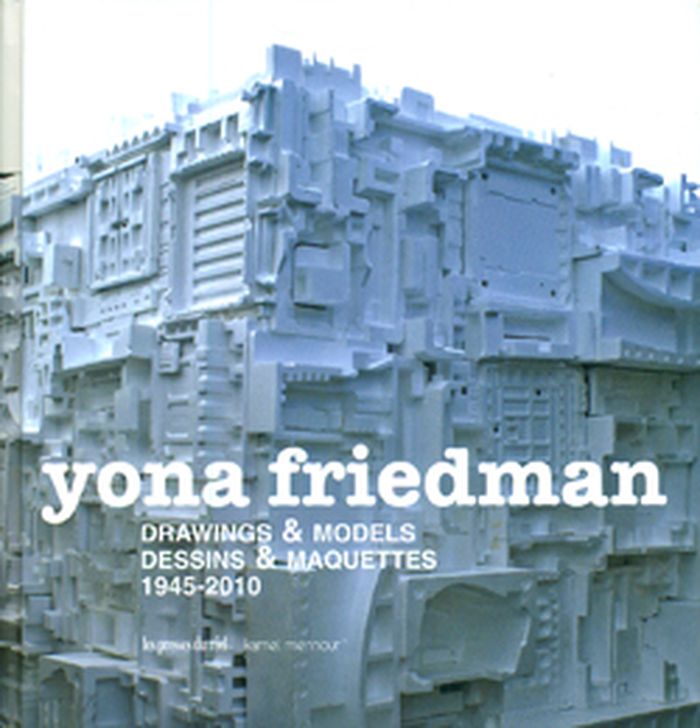
La première chronologie des travaux formels de Yona Friedman a été publiée à Rotterdam en 1999. Ce nouveau livre reprend le même principe en augmentant et compilant, depuis 1945 jusqu'à aujourd'hui, l'ensemble de ses travaux. L'accent a été volontairement mis sur la qualité architecturale et les solutions constructives que Yona Friedman propose depuis plus de soixante ans. Au total, plus de 1700 images, souvent inédites, viennent renforcer son rôle important en tant qu'architecte urbaniste. Tout a été généreusement pensé et détaillé pour l'homme, de son habitat à sa vie en groupe, de l'économie à l'écologie, du social au politique, au travers de plans, schémas, dessins, maquettes, collages, installations… Tous les documents proviennent des archives de Yona Friedman Budapest-born and resident in Paris, Yona Friedman has since the mid-twentieth century pioneered the concept of 'mobile architecture', whereby town planning and housing is conceived by users, and anticipates the flux and uncertainty of future users' needs. Friedman's concentration on 'mobile architecture' – a position gaining in popularity today – has imbued his work with great social generosity, and an improving ideology. This compilation of Friedman's output offers a comprehensive overview of one of today's most influential architects and urban theorists, and includes plans, sketches, drawings, models, collages and installations.
Yona Friedman: Drawings & Models, dessins & maquettes 1945-2010
Actions:
Price:
$89.95
(available to order)
Summary:
La première chronologie des travaux formels de Yona Friedman a été publiée à Rotterdam en 1999. Ce nouveau livre reprend le même principe en augmentant et compilant, depuis 1945 jusqu'à aujourd'hui, l'ensemble de ses travaux. L'accent a été volontairement mis sur la qualité architecturale et les solutions constructives que Yona Friedman propose depuis plus de soixante ans. Au total, plus de 1700 images, souvent inédites, viennent renforcer son rôle important en tant qu'architecte urbaniste. Tout a été généreusement pensé et détaillé pour l'homme, de son habitat à sa vie en groupe, de l'économie à l'écologie, du social au politique, au travers de plans, schémas, dessins, maquettes, collages, installations… Tous les documents proviennent des archives de Yona Friedman Budapest-born and resident in Paris, Yona Friedman has since the mid-twentieth century pioneered the concept of 'mobile architecture', whereby town planning and housing is conceived by users, and anticipates the flux and uncertainty of future users' needs. Friedman's concentration on 'mobile architecture' – a position gaining in popularity today – has imbued his work with great social generosity, and an improving ideology. This compilation of Friedman's output offers a comprehensive overview of one of today's most influential architects and urban theorists, and includes plans, sketches, drawings, models, collages and installations.
Form:
books
books
Publication:
June 2010
June 2010
Subject:
Architecture Monographs
Architecture Monographs
Form:
books
books
Actions:
Price:
$19.50
(available to order)
Summary:
Few man-made things seem as stable, as immutable, as a building. Yet the life of any structure is neither fixed nor timeless. Buildings are forced to adapt to each succeeding age. The Parthenon, that epitome of a ruined temple, was for centuries a working church and then a mosque; the cathedral of Notre Dame was “restored” to a design that none of its original makers(...)
$19.50
(available to order)
Summary:
Few man-made things seem as stable, as immutable, as a building. Yet the life of any structure is neither fixed nor timeless. Buildings are forced to adapt to each succeeding age. The Parthenon, that epitome of a ruined temple, was for centuries a working church and then a mosque; the cathedral of Notre Dame was “restored” to a design that none of its original makers(...)
Title:
The secret lives of buildings : from the ruins of the Parthenon to the Vegas strip in thirteen stories
Actions:
Price:
$19.50
(available to order)
Summary:
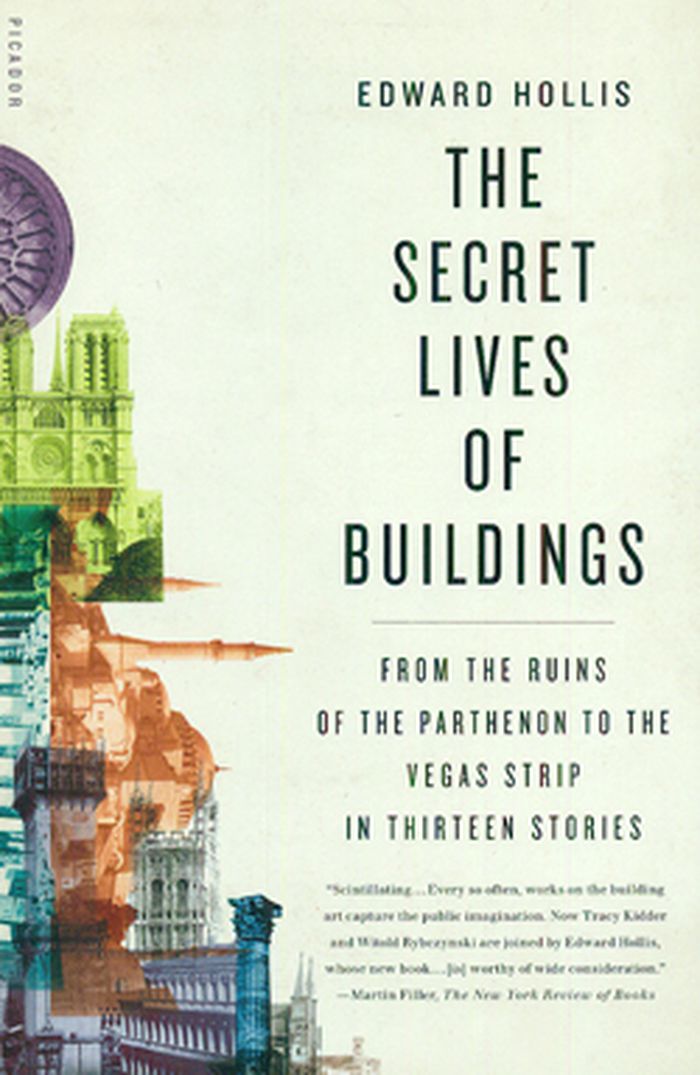
Few man-made things seem as stable, as immutable, as a building. Yet the life of any structure is neither fixed nor timeless. Buildings are forced to adapt to each succeeding age. The Parthenon, that epitome of a ruined temple, was for centuries a working church and then a mosque; the cathedral of Notre Dame was “restored” to a design that none of its original makers would have recognized; remains of the Berlin Wall, once gleefully smashed, have become precious relics. Here Edward Hollis recounts the most enthralling of these metamorphoses and shows how buildings have come to embody the history of Western culture.
The secret lives of buildings : from the ruins of the Parthenon to the Vegas strip in thirteen stories
Actions:
Price:
$19.50
(available to order)
Summary:
Few man-made things seem as stable, as immutable, as a building. Yet the life of any structure is neither fixed nor timeless. Buildings are forced to adapt to each succeeding age. The Parthenon, that epitome of a ruined temple, was for centuries a working church and then a mosque; the cathedral of Notre Dame was “restored” to a design that none of its original makers would have recognized; remains of the Berlin Wall, once gleefully smashed, have become precious relics. Here Edward Hollis recounts the most enthralling of these metamorphoses and shows how buildings have come to embody the history of Western culture.
Form:
books
books
Publication:
November 2010
November 2010
Subject:
Architectural Theory
Architectural Theory
Form:
books
books
Actions:
Price:
$39.95
(available to order)
Summary:
Architectural Papers series is edited by the Josep Lluís Mateo Chair at the ETH Zurich since 2005. Covering the wide range of topics related to teaching and architectural culture in general, it is aimed at expanding the narrow boundaries of the discipline. Its fifth issue concentrates around the new conditions for architectural practice and around the new epistemologies(...)
$39.95
(available to order)
Summary:
Architectural Papers series is edited by the Josep Lluís Mateo Chair at the ETH Zurich since 2005. Covering the wide range of topics related to teaching and architectural culture in general, it is aimed at expanding the narrow boundaries of the discipline. Its fifth issue concentrates around the new conditions for architectural practice and around the new epistemologies(...)
Title:
After crisis : contemporary architectural conditions, Architectural papers V, ETH Zürich
Actions:
Price:
$39.95
(available to order)
Summary:
Architectural Papers series is edited by the Josep Lluís Mateo Chair at the ETH Zurich since 2005. Covering the wide range of topics related to teaching and architectural culture in general, it is aimed at expanding the narrow boundaries of the discipline. Its fifth issue concentrates around the new conditions for architectural practice and around the new epistemologies that may inform it in the next future. That is, in the period after the financial bubble has collapsed and living and working conditions have significantly changed. Essays, studies and interviews, along with a selection of indicative projects, tackle the actual issues of growth and shrinking, economy and ideology, craftsmanship and social space in the city, materiality and sustainability in architecture. In a logical sequence, they depict the current reality of architecture. With contributions by Iñaki Ábalos, Solano Benitez, Alexander Brodsky, Isabel Concheiro, Frederick Cooper Llosa, Hans Ibelings, Krunoslav Ivanisin, Julio Martinez Calzon, Josep Lluís Mateo, Richard Sennett, Wang Shu and Ramias Steinemann.
After crisis : contemporary architectural conditions, Architectural papers V, ETH Zürich
Actions:
Price:
$39.95
(available to order)
Summary:
Architectural Papers series is edited by the Josep Lluís Mateo Chair at the ETH Zurich since 2005. Covering the wide range of topics related to teaching and architectural culture in general, it is aimed at expanding the narrow boundaries of the discipline. Its fifth issue concentrates around the new conditions for architectural practice and around the new epistemologies that may inform it in the next future. That is, in the period after the financial bubble has collapsed and living and working conditions have significantly changed. Essays, studies and interviews, along with a selection of indicative projects, tackle the actual issues of growth and shrinking, economy and ideology, craftsmanship and social space in the city, materiality and sustainability in architecture. In a logical sequence, they depict the current reality of architecture. With contributions by Iñaki Ábalos, Solano Benitez, Alexander Brodsky, Isabel Concheiro, Frederick Cooper Llosa, Hans Ibelings, Krunoslav Ivanisin, Julio Martinez Calzon, Josep Lluís Mateo, Richard Sennett, Wang Shu and Ramias Steinemann.
Form:
books
books
Publication:
October 2010
October 2010
Subject:
Contemporary Architecture
Contemporary Architecture
Form:
books
books
Price:
$29.95
(available to order)
Summary:
Architecture’s Evil Empire, looks at how today’s trademark architectural individualism stretches beyond the well-known works and ultimately extends to the entire built environment. Glendinning examines how the global empire of the current modernism emerged—particularly in relation to the excesses of global capitalism—and explains its key organizational and architectural(...)
$29.95
(available to order)
Summary:
Architecture’s Evil Empire, looks at how today’s trademark architectural individualism stretches beyond the well-known works and ultimately extends to the entire built environment. Glendinning examines how the global empire of the current modernism emerged—particularly in relation to the excesses of global capitalism—and explains its key organizational and architectural(...)
Title:
Architecture's evil empire: The triumph and tragedy of global modernism
Actions:
Price:
$29.95
(available to order)
Summary:
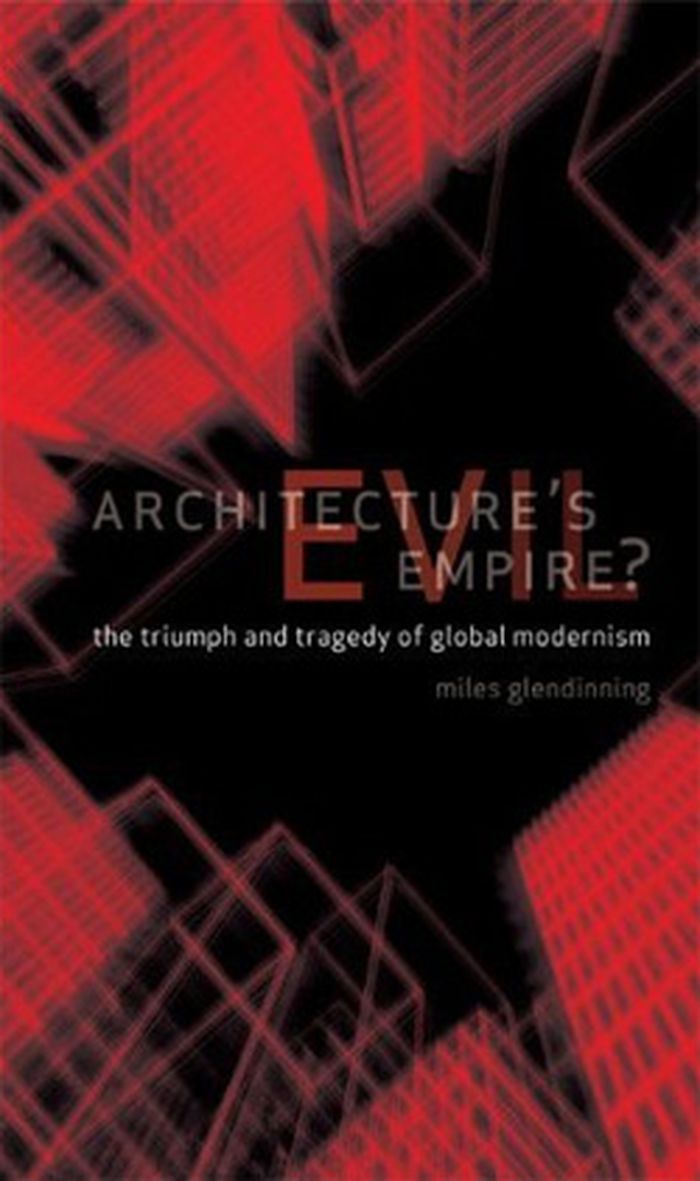
Architecture’s Evil Empire, looks at how today’s trademark architectural individualism stretches beyond the well-known works and ultimately extends to the entire built environment. Glendinning examines how the global empire of the current modernism emerged—particularly in relation to the excesses of global capitalism—and explains its key organizational and architectural features, placing its most influential theorists and designers in a broader context of history and artistic movements.
Architecture's evil empire: The triumph and tragedy of global modernism
Actions:
Price:
$29.95
(available to order)
Summary:
Architecture’s Evil Empire, looks at how today’s trademark architectural individualism stretches beyond the well-known works and ultimately extends to the entire built environment. Glendinning examines how the global empire of the current modernism emerged—particularly in relation to the excesses of global capitalism—and explains its key organizational and architectural features, placing its most influential theorists and designers in a broader context of history and artistic movements.
Form:
books
books
Publication:
October 2010
October 2010
Subject:
Architectural Theory
Architectural Theory
Form:
books
books
Actions:
Price:
$49.95
(available to order)
Summary:
Not far from Verona on a gentle hill on the northern edge of the Po valley stands a remarkable building: A silvery, shining, modernist villa on a huge, reddish stone set in the middle of a park. Inside is a motor that turns the house 360 degrees on its own axis: Villa Girasole, constructed in 1935 by Angelo Invernizzi, follows the path of the sun and the views into the(...)
$49.95
(available to order)
Summary:
Not far from Verona on a gentle hill on the northern edge of the Po valley stands a remarkable building: A silvery, shining, modernist villa on a huge, reddish stone set in the middle of a park. Inside is a motor that turns the house 360 degrees on its own axis: Villa Girasole, constructed in 1935 by Angelo Invernizzi, follows the path of the sun and the views into the(...)
Title:
Invernizzi and Fagiuoli: Il Girasole
Actions:
Price:
$49.95
(available to order)
Summary:
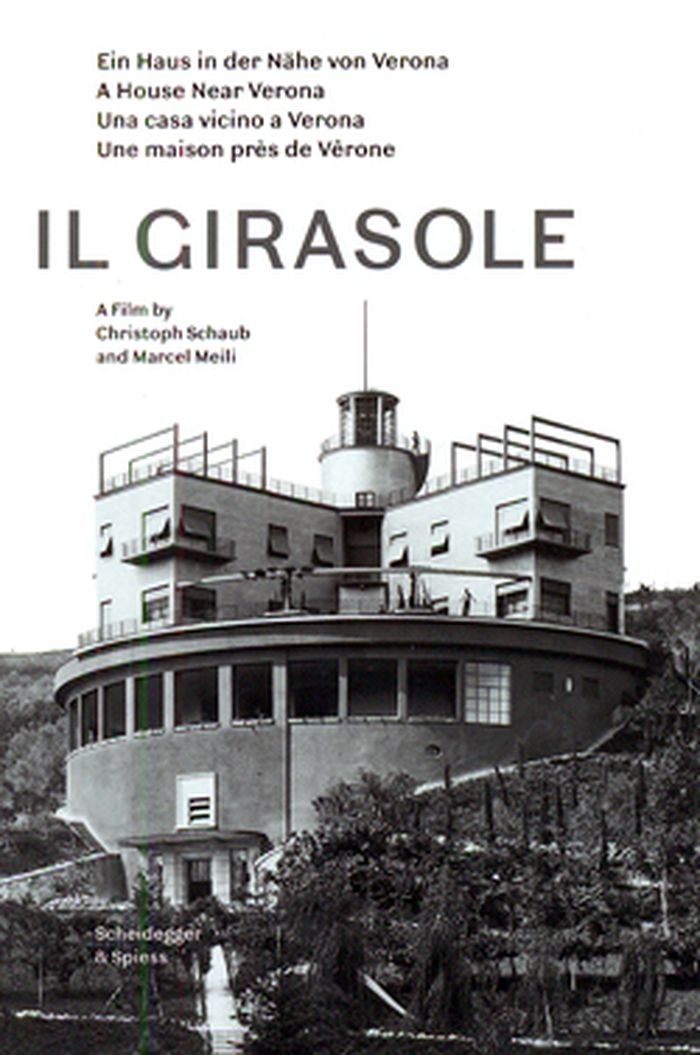
Not far from Verona on a gentle hill on the northern edge of the Po valley stands a remarkable building: A silvery, shining, modernist villa on a huge, reddish stone set in the middle of a park. Inside is a motor that turns the house 360 degrees on its own axis: Villa Girasole, constructed in 1935 by Angelo Invernizzi, follows the path of the sun and the views into the landscape. Il Girasole shows an entire day’s course. During this time, the film captures the villa’s architecture and atmosphere, its spaces and furnishings, thus becoming a space of imagination of life back then; and the building, a resonating body of the era’s eccentric ideas.
Invernizzi and Fagiuoli: Il Girasole
Actions:
Price:
$49.95
(available to order)
Summary:
Not far from Verona on a gentle hill on the northern edge of the Po valley stands a remarkable building: A silvery, shining, modernist villa on a huge, reddish stone set in the middle of a park. Inside is a motor that turns the house 360 degrees on its own axis: Villa Girasole, constructed in 1935 by Angelo Invernizzi, follows the path of the sun and the views into the landscape. Il Girasole shows an entire day’s course. During this time, the film captures the villa’s architecture and atmosphere, its spaces and furnishings, thus becoming a space of imagination of life back then; and the building, a resonating body of the era’s eccentric ideas.
Form:
books
books
Publication:
August 2010
August 2010
Subject:
Architecture Monographs
Architecture Monographs
Form:
books
books
Title:
Expo 67 not just a souvenir
Expo 67 not just a souvenir
Actions:
Price:
$42.95
(available to order)
Summary:
Expo 67, the world's fair held in Montreal during the summer of 1967, brought architecture, art, design, and technology together into a glittering modern package. Heralding the ideal city of the future to its visitors, the Expo site was perceived by critics as a laboratory for urban and architectural design as well as for cultural exchange, intended to enhance global(...)
$42.95
(available to order)
Summary:
Expo 67, the world's fair held in Montreal during the summer of 1967, brought architecture, art, design, and technology together into a glittering modern package. Heralding the ideal city of the future to its visitors, the Expo site was perceived by critics as a laboratory for urban and architectural design as well as for cultural exchange, intended to enhance global(...)
Subject:
Architecture de Montréal
Architecture de Montréal
Publication:
October 2010
October 2010
Title:
Expo 67 not just a souvenir
Actions:
Price:
$42.95
(available to order)
Summary:
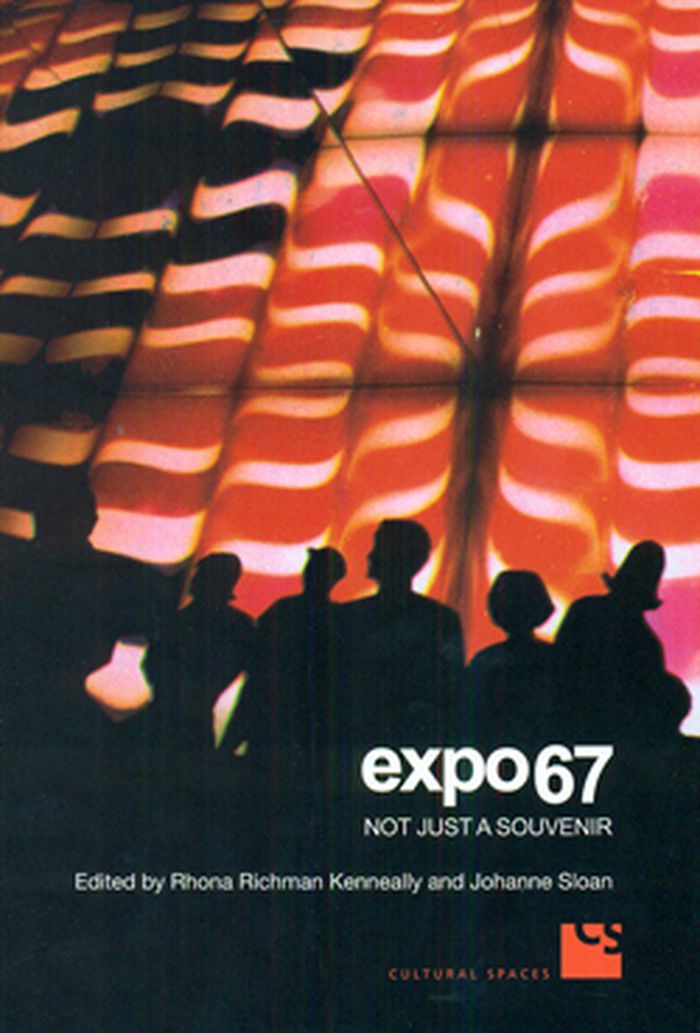
Expo 67, the world's fair held in Montreal during the summer of 1967, brought architecture, art, design, and technology together into a glittering modern package. Heralding the ideal city of the future to its visitors, the Expo site was perceived by critics as a laboratory for urban and architectural design as well as for cultural exchange, intended to enhance global understanding and international cooperation. This collection of essays brings new critical perspectives to Expo 67, an event that left behind a significant material and imaginative legacy.
Expo 67 not just a souvenir
Actions:
Price:
$42.95
(available to order)
Summary:
Expo 67, the world's fair held in Montreal during the summer of 1967, brought architecture, art, design, and technology together into a glittering modern package. Heralding the ideal city of the future to its visitors, the Expo site was perceived by critics as a laboratory for urban and architectural design as well as for cultural exchange, intended to enhance global understanding and international cooperation. This collection of essays brings new critical perspectives to Expo 67, an event that left behind a significant material and imaginative legacy.
Form:
books
books
Publication:
October 2010
October 2010
Subject:
Architecture de Montréal
Architecture de Montréal


