


6943 Results
Form:
books
books

Actions:
Price:
$16.95
(available to order)
Summary:
In Richard Prince's 1977 work Untitled (couple), difference mixes uncannily with sameness. We can't quite tell whether the shiny couple we see is human or android; their clothing seems curiously out of date. Why do they fascinate us? What is it about their typicality that produces an impression of strangeness? Michael Newman explores Prince's work and his revival of the(...)
$16.95
(available to order)
Summary:
In Richard Prince's 1977 work Untitled (couple), difference mixes uncannily with sameness. We can't quite tell whether the shiny couple we see is human or android; their clothing seems curiously out of date. Why do they fascinate us? What is it about their typicality that produces an impression of strangeness? Michael Newman explores Prince's work and his revival of the(...)
Title:
Richard Prince: untitled (couple)
Actions:
Price:
$16.95
(available to order)
Summary:
In Richard Prince's 1977 work Untitled (couple), difference mixes uncannily with sameness. We can't quite tell whether the shiny couple we see is human or android; their clothing seems curiously out of date. Why do they fascinate us? What is it about their typicality that produces an impression of strangeness? Michael Newman explores Prince's work and his revival of the image through photography—rephotographed reproduced photographs—after the impasses of conceptualism. Newman examines the relation of Prince's work to images appearing in illustrated magazines, advertising, and television during the artist's formative years and argues that the vintage TV series The Twilight Zone is crucial to understanding Prince's use of images in his work. Michael Newman is Associate Professor of Art History, Theory, and Criticism in the School of the Art Institute of Chicago. He has published in ArtForum, Art in America, Parachute, and other journals and is coeditor of the book Rewriting Conceptual Art.
Richard Prince: untitled (couple)
Actions:
Price:
$16.95
(available to order)
Summary:
In Richard Prince's 1977 work Untitled (couple), difference mixes uncannily with sameness. We can't quite tell whether the shiny couple we see is human or android; their clothing seems curiously out of date. Why do they fascinate us? What is it about their typicality that produces an impression of strangeness? Michael Newman explores Prince's work and his revival of the image through photography—rephotographed reproduced photographs—after the impasses of conceptualism. Newman examines the relation of Prince's work to images appearing in illustrated magazines, advertising, and television during the artist's formative years and argues that the vintage TV series The Twilight Zone is crucial to understanding Prince's use of images in his work. Michael Newman is Associate Professor of Art History, Theory, and Criticism in the School of the Art Institute of Chicago. He has published in ArtForum, Art in America, Parachute, and other journals and is coeditor of the book Rewriting Conceptual Art.
Form:
books
books
Publication:
January 1900, London
January 1900, London
Subject:
Art Theory
Art Theory
Form:
books
books
Actions:
Price:
$41.99
(available to order)
Summary:
Robert Earl Paige is one of the most iconic artists and designers from Chicago’s South Side. A multidisciplinary artist and arts educator, he works across textile design, painting, collage, and sculpture. During the 1970s, he brought West African–inspired patterns to U.S. shoppers through the Dakkabar fabrics collection available at Sears, Roebuck, leading to the(...)
$41.99
(available to order)
Summary:
Robert Earl Paige is one of the most iconic artists and designers from Chicago’s South Side. A multidisciplinary artist and arts educator, he works across textile design, painting, collage, and sculpture. During the 1970s, he brought West African–inspired patterns to U.S. shoppers through the Dakkabar fabrics collection available at Sears, Roebuck, leading to the(...)
Title:
The united colors of Robert Earl Paige
Actions:
Price:
$41.99
(available to order)
Summary:
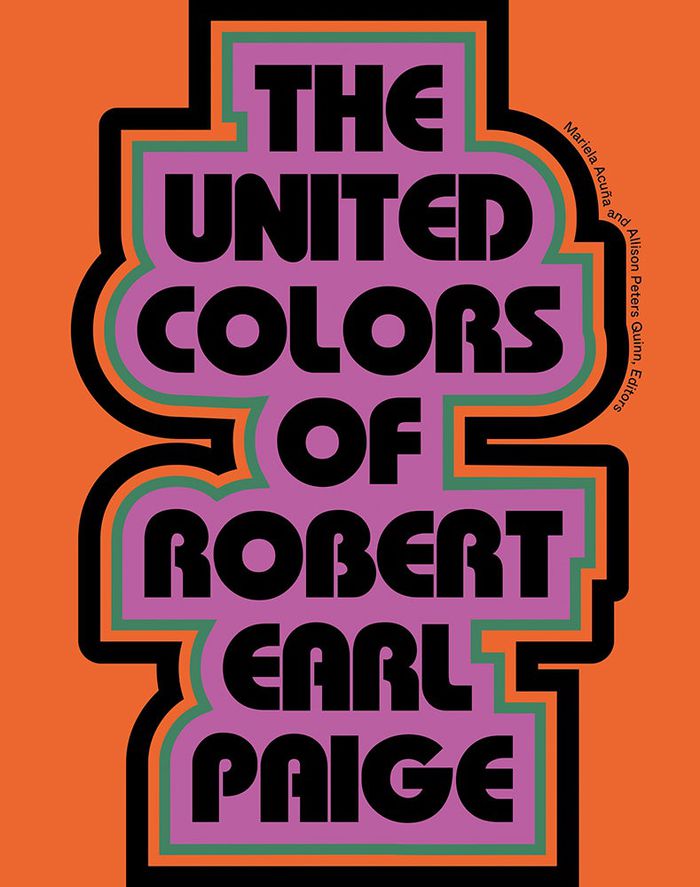
Robert Earl Paige is one of the most iconic artists and designers from Chicago’s South Side. A multidisciplinary artist and arts educator, he works across textile design, painting, collage, and sculpture. During the 1970s, he brought West African–inspired patterns to U.S. shoppers through the Dakkabar fabrics collection available at Sears, Roebuck, leading to the inclusion of Black culture in home design. In addition to exploring Paige’s personal and artistic practice, through essays by Dr. Romi Crawford and Dr. Gervais Marsh, ''The United Colors of Robert Earl Paige'' contextualizes his work in relation to social and artistic movements, from the minimalism and abstraction of the 1960s and 1970s to AfriCOBRA and the Black Arts Movement in Chicago and across the United States. Published in conjunction with Paige’s exhibition at Hyde Park Art Center in 2024, this fully illustrated book includes reproductions of the artist’s handpainted scarves, collages, and rugs made during the past sixty years, along with new ceramic tiles, collages, and textiles.
The united colors of Robert Earl Paige
Actions:
Price:
$41.99
(available to order)
Summary:
Robert Earl Paige is one of the most iconic artists and designers from Chicago’s South Side. A multidisciplinary artist and arts educator, he works across textile design, painting, collage, and sculpture. During the 1970s, he brought West African–inspired patterns to U.S. shoppers through the Dakkabar fabrics collection available at Sears, Roebuck, leading to the inclusion of Black culture in home design. In addition to exploring Paige’s personal and artistic practice, through essays by Dr. Romi Crawford and Dr. Gervais Marsh, ''The United Colors of Robert Earl Paige'' contextualizes his work in relation to social and artistic movements, from the minimalism and abstraction of the 1960s and 1970s to AfriCOBRA and the Black Arts Movement in Chicago and across the United States. Published in conjunction with Paige’s exhibition at Hyde Park Art Center in 2024, this fully illustrated book includes reproductions of the artist’s handpainted scarves, collages, and rugs made during the past sixty years, along with new ceramic tiles, collages, and textiles.
Form:
books
books
Publication:
June 2025
June 2025
Subject:
Design Monographs
Design Monographs
Form:
books
books
Actions:
Price:
$38.95
(available in store)
Summary:
During US colonial rule in the Philippines, reinforced concrete was used to the near exclusion of all other building materials. In Concrete Colonialism , Diana Jean S. Martinez examines the motivations for and lasting effects of this forgotten colonial policy. Arguing that the pervasive use of reinforced concrete technologies revolutionized techniques of imperial(...)
$38.95
(available in store)
Summary:
During US colonial rule in the Philippines, reinforced concrete was used to the near exclusion of all other building materials. In Concrete Colonialism , Diana Jean S. Martinez examines the motivations for and lasting effects of this forgotten colonial policy. Arguing that the pervasive use of reinforced concrete technologies revolutionized techniques of imperial(...)
Title:
Concrete colonialism: Architecture, urbanism, and the US imperial project in the Philippines
Actions:
Price:
$38.95
(available in store)
Summary:
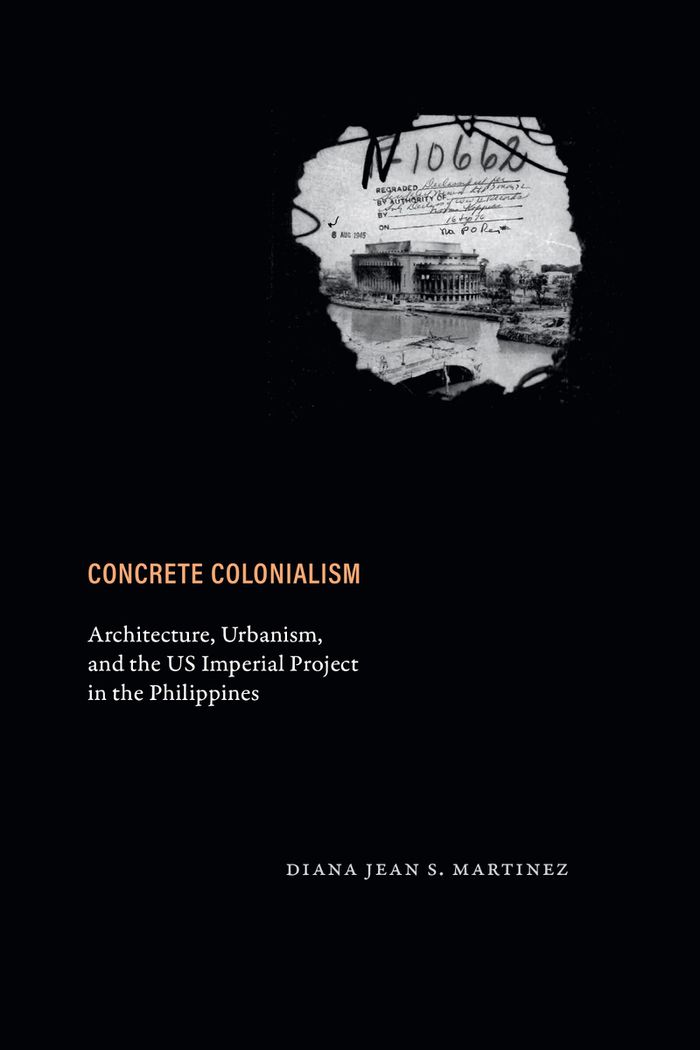
During US colonial rule in the Philippines, reinforced concrete was used to the near exclusion of all other building materials. In Concrete Colonialism , Diana Jean S. Martinez examines the motivations for and lasting effects of this forgotten colonial policy. Arguing that the pervasive use of reinforced concrete technologies revolutionized techniques of imperial conquest, Martinez shows how concrete reshaped colonialism as a project that sought durable change through the reformation of environments, colonial society, and racialized biologies. Martinez locates the origins of this material revolution in the development of Chicago, highlighting how building this urban center atop exceptionally challenging geology made it possible to transform diverse global ecologies. She details how the material's stability, plasticity, strength, and other qualities served the shifting imperatives of the US colonial regime, playing a central role in defending territory, controlling disease, and constructing monuments to nation and empire. By describing a world irreversibly remade, Martinez urges readers to consider how colonialism persists--in concrete forms--despite claims of its conclusion.
Concrete colonialism: Architecture, urbanism, and the US imperial project in the Philippines
Actions:
Price:
$38.95
(available in store)
Summary:
During US colonial rule in the Philippines, reinforced concrete was used to the near exclusion of all other building materials. In Concrete Colonialism , Diana Jean S. Martinez examines the motivations for and lasting effects of this forgotten colonial policy. Arguing that the pervasive use of reinforced concrete technologies revolutionized techniques of imperial conquest, Martinez shows how concrete reshaped colonialism as a project that sought durable change through the reformation of environments, colonial society, and racialized biologies. Martinez locates the origins of this material revolution in the development of Chicago, highlighting how building this urban center atop exceptionally challenging geology made it possible to transform diverse global ecologies. She details how the material's stability, plasticity, strength, and other qualities served the shifting imperatives of the US colonial regime, playing a central role in defending territory, controlling disease, and constructing monuments to nation and empire. By describing a world irreversibly remade, Martinez urges readers to consider how colonialism persists--in concrete forms--despite claims of its conclusion.
Form:
books
books
Publication:
October 2025
October 2025
Subject:
Architectural Theory
Architectural Theory
Form:
books
books
Price:
$62.00
(available to order)
Summary:
Over the past three decades, Vancouver artist Jeff Wall's large color transparencies have won international acclaim. Wall has created a unique, seductive and complex pictorial universe by drawing upon philosophy, literature, nineteenth-century painting, Neo-Realist cinema and the traditions of both Conceptual art and documentary photography. Organized by The Museum of(...)
$62.00
(available to order)
Summary:
Over the past three decades, Vancouver artist Jeff Wall's large color transparencies have won international acclaim. Wall has created a unique, seductive and complex pictorial universe by drawing upon philosophy, literature, nineteenth-century painting, Neo-Realist cinema and the traditions of both Conceptual art and documentary photography. Organized by The Museum of(...)
Subject:
Contemporary Art Monographs
Contemporary Art Monographs
Publication:
February 2007, New York
February 2007, New York
Title:
Jeff Wall
Actions:
Price:
$62.00
(available to order)
Summary:
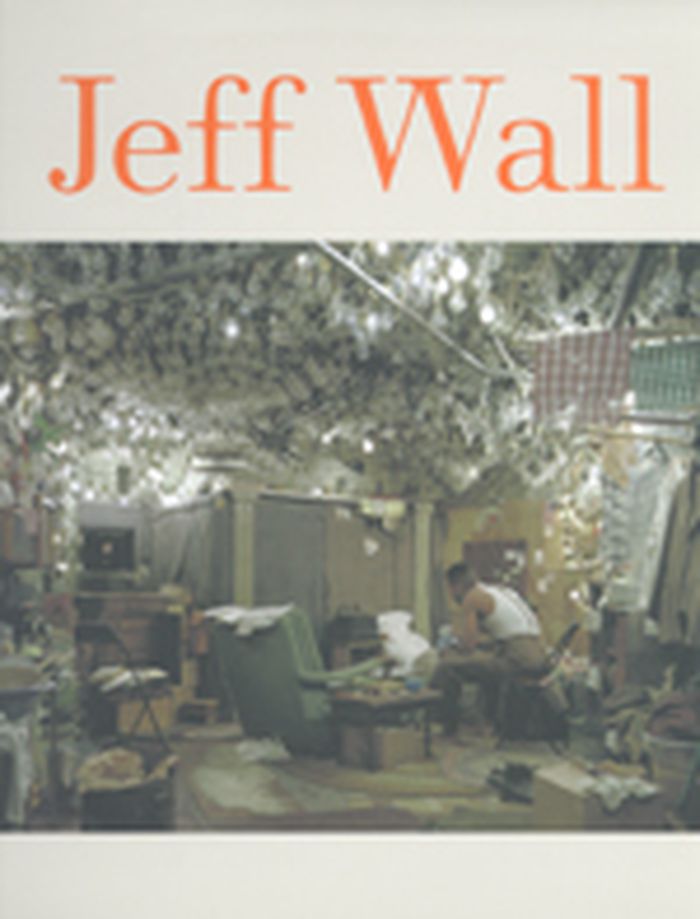
Over the past three decades, Vancouver artist Jeff Wall's large color transparencies have won international acclaim. Wall has created a unique, seductive and complex pictorial universe by drawing upon philosophy, literature, nineteenth-century painting, Neo-Realist cinema and the traditions of both Conceptual art and documentary photography. Organized by The Museum of Modern Art, New York, and the San Francisco Museum of Modern Art, Wall's 2007 American traveling retrospective will include all of the artist's major works to date. In addition to color plates and illuminating details, the exhibition catalogue includes an essay by Peter Galassi that explores the full range of Wall's artistic and intellectual interests and offers fresh perspectives on one of the most adventurous creative achievements of our time. The essay is followed by an interview with the artist by James Rondeau, Curator of Modern and Contemporary Art at the Art Institute of Chicago, where the exhibition will be on view during the Summer of 2007.
Jeff Wall
Actions:
Price:
$62.00
(available to order)
Summary:
Over the past three decades, Vancouver artist Jeff Wall's large color transparencies have won international acclaim. Wall has created a unique, seductive and complex pictorial universe by drawing upon philosophy, literature, nineteenth-century painting, Neo-Realist cinema and the traditions of both Conceptual art and documentary photography. Organized by The Museum of Modern Art, New York, and the San Francisco Museum of Modern Art, Wall's 2007 American traveling retrospective will include all of the artist's major works to date. In addition to color plates and illuminating details, the exhibition catalogue includes an essay by Peter Galassi that explores the full range of Wall's artistic and intellectual interests and offers fresh perspectives on one of the most adventurous creative achievements of our time. The essay is followed by an interview with the artist by James Rondeau, Curator of Modern and Contemporary Art at the Art Institute of Chicago, where the exhibition will be on view during the Summer of 2007.
Form:
books
books
Publication:
February 2007, New York
February 2007, New York
Subject:
Contemporary Art Monographs
Contemporary Art Monographs
Form:
books
books
![[Collecting systems] : learning book #001](/img-bookstore/8f1VgIQpwBbXOpoE_9GM4qCs1mc=/700x998/MIG-18252.jpg)
Actions:
Price:
$11.50
(available to order)
Summary:
Factories, farms, and ecosystems all generate mountains of unused material every day. These materials—often viewed as useless leftovers —actually have rich, untapped creative potential. The artist collective Learning Group created several art projects that explore these possibilities, and [Collecting systems] presents these projects in images and words. Members of(...)
$11.50
(available to order)
Summary:
Factories, farms, and ecosystems all generate mountains of unused material every day. These materials—often viewed as useless leftovers —actually have rich, untapped creative potential. The artist collective Learning Group created several art projects that explore these possibilities, and [Collecting systems] presents these projects in images and words. Members of(...)
Publication:
August 2006, Chicago
August 2006, Chicago
Title:
[Collecting systems] : learning book #001
Actions:
Price:
$11.50
(available to order)
Summary:
Factories, farms, and ecosystems all generate mountains of unused material every day. These materials—often viewed as useless leftovers —actually have rich, untapped creative potential. The artist collective Learning Group created several art projects that explore these possibilities, and [Collecting systems] presents these projects in images and words. Members of Learning Group traveled to three different urban environments—Chicago; Monterrey, Mexico; and Mikado, Japan — and built structures that incorporated waste objects in unexpected and fascinating ways. Whether a cardboard house modeled after the structure of sea urchin shells, a wearable walking city, or two houses made of plastic bottles and other gathered materials, their projects recycle trash into treasure. The authors investigate the social issues connected to these projects, such as economics, labor, property rights, and environmental conditions, and they propose innovative courses of action on these issues. In an increasingly disposable world, [Collecting systems] is a compelling look at how we can use the materials around us to their fullest potential.
[Collecting systems] : learning book #001
Actions:
Price:
$11.50
(available to order)
Summary:
Factories, farms, and ecosystems all generate mountains of unused material every day. These materials—often viewed as useless leftovers —actually have rich, untapped creative potential. The artist collective Learning Group created several art projects that explore these possibilities, and [Collecting systems] presents these projects in images and words. Members of Learning Group traveled to three different urban environments—Chicago; Monterrey, Mexico; and Mikado, Japan — and built structures that incorporated waste objects in unexpected and fascinating ways. Whether a cardboard house modeled after the structure of sea urchin shells, a wearable walking city, or two houses made of plastic bottles and other gathered materials, their projects recycle trash into treasure. The authors investigate the social issues connected to these projects, such as economics, labor, property rights, and environmental conditions, and they propose innovative courses of action on these issues. In an increasingly disposable world, [Collecting systems] is a compelling look at how we can use the materials around us to their fullest potential.
Form:
books
books
Publication:
August 2006, Chicago
August 2006, Chicago
Form:
books
books
Actions:
Price:
$77.00
(available to order)
Summary:
In 1966, Sol LeWitt (1928–2007) conceived a new type of work that he described as “drawings without drawing,” in which he replaced the act of drawing itself by using various ways of folding paper. In 1969, he started to regularly produce what he called Folds, first as gifts to friends, then as works to be distributed by his dealers. In 1971 he added the Rips, drawings(...)
$77.00
(available to order)
Summary:
In 1966, Sol LeWitt (1928–2007) conceived a new type of work that he described as “drawings without drawing,” in which he replaced the act of drawing itself by using various ways of folding paper. In 1969, he started to regularly produce what he called Folds, first as gifts to friends, then as works to be distributed by his dealers. In 1971 he added the Rips, drawings(...)
Title:
Sol Lewitt: Folds and rips 1966-1980
Actions:
Price:
$77.00
(available to order)
Summary:
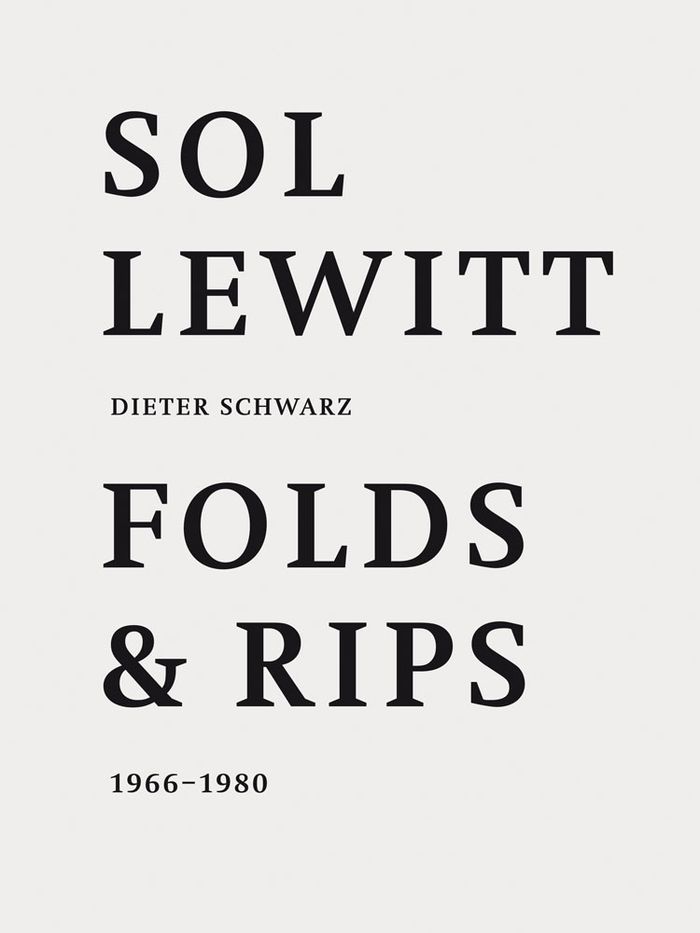
In 1966, Sol LeWitt (1928–2007) conceived a new type of work that he described as “drawings without drawing,” in which he replaced the act of drawing itself by using various ways of folding paper. In 1969, he started to regularly produce what he called Folds, first as gifts to friends, then as works to be distributed by his dealers. In 1971 he added the Rips, drawings made of ripped paper. LeWitt developed this extended approach to drawing from ripping papers of various sizes and colors to working with city maps and aerial photos of Florence, Manhattan and Chicago from which he removed various areas. This systematic approach, on which so much of LeWitt’s work is famously based, was also applied to the Folds and the Rips, and so they tended to be created in series. The book presents these works for the first time, along with a historical essay by Dieter Schwarz and full-color reproductions of the Folds and the Rips.
Sol Lewitt: Folds and rips 1966-1980
Actions:
Price:
$77.00
(available to order)
Summary:
In 1966, Sol LeWitt (1928–2007) conceived a new type of work that he described as “drawings without drawing,” in which he replaced the act of drawing itself by using various ways of folding paper. In 1969, he started to regularly produce what he called Folds, first as gifts to friends, then as works to be distributed by his dealers. In 1971 he added the Rips, drawings made of ripped paper. LeWitt developed this extended approach to drawing from ripping papers of various sizes and colors to working with city maps and aerial photos of Florence, Manhattan and Chicago from which he removed various areas. This systematic approach, on which so much of LeWitt’s work is famously based, was also applied to the Folds and the Rips, and so they tended to be created in series. The book presents these works for the first time, along with a historical essay by Dieter Schwarz and full-color reproductions of the Folds and the Rips.
Form:
books
books
Publication:
April 2020
April 2020
Subject:
Contemporary Art Monographs
Contemporary Art Monographs
Form:
books
books
Price:
$62.99
(available to order)
Summary:
For six months in 1961, Richard Nickel, John Vinci, and David Norris salvaged the interior and exterior ornamentation of the Garrick Theater, Adler & Sullivan’s magnificent architectural masterpiece in Chicago’s theater district. The building was replaced by a parking garage, and its demolition ignited the historic preservation movement in Chicago. The Garrick(...)
$62.99
(available to order)
Summary:
For six months in 1961, Richard Nickel, John Vinci, and David Norris salvaged the interior and exterior ornamentation of the Garrick Theater, Adler & Sullivan’s magnificent architectural masterpiece in Chicago’s theater district. The building was replaced by a parking garage, and its demolition ignited the historic preservation movement in Chicago. The Garrick(...)
Subject:
Architecture Monographs
Architecture Monographs
Publication:
October 2021
October 2021
Title:
Reconstructing the Garrick: Adler & Sullivan's lost masterpiece
Actions:
Price:
$62.99
(available to order)
Summary:
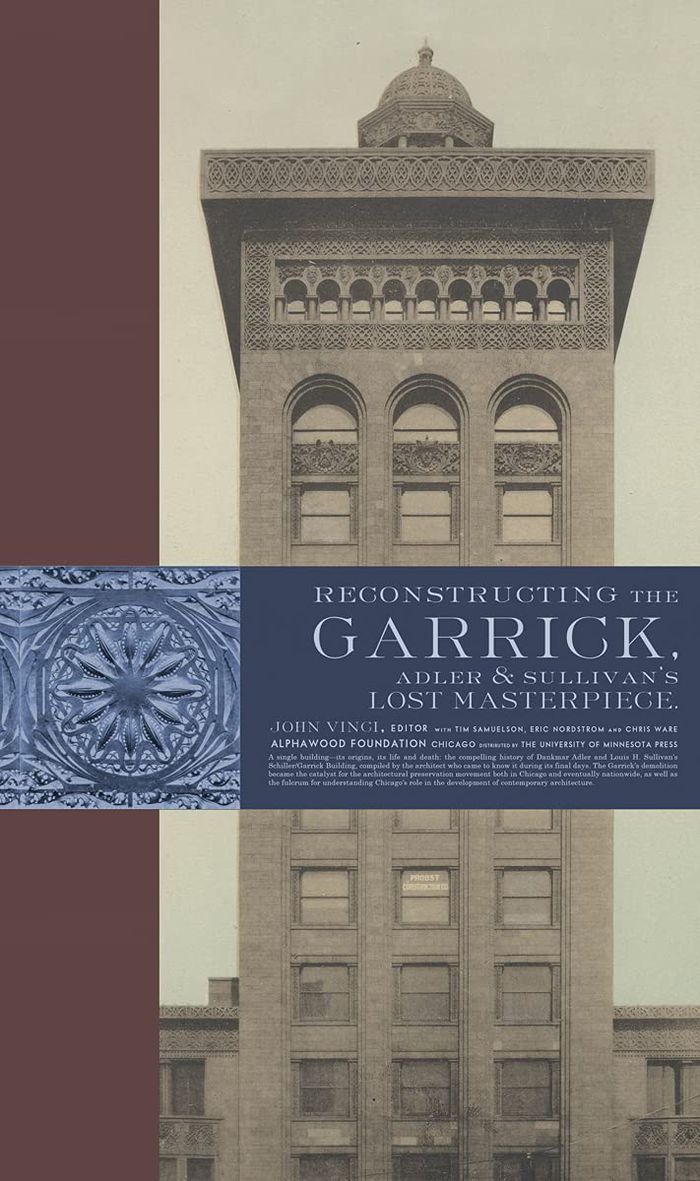
For six months in 1961, Richard Nickel, John Vinci, and David Norris salvaged the interior and exterior ornamentation of the Garrick Theater, Adler & Sullivan’s magnificent architectural masterpiece in Chicago’s theater district. The building was replaced by a parking garage, and its demolition ignited the historic preservation movement in Chicago. The Garrick (originally the Schiller Building) was built in 1892 and featured elaborate embellishments, especially in its theater and exterior, including the ornamentation and colorful decorative stenciling that would become hallmarks of Louis Sullivan’s career. ''Reconstructing the Garrick'' documents the enormous salvaging job undertaken to preserve elements of the building’s design, but also presents the full life story of the Garrick, featuring historic and architectural photographs, essays by prominent architectural and art historians, interviews, drawings, ephemera from throughout its lively history and details of its remarkable ornamentation—a significant resource and compelling tribute to one of Chicago’s finest lost buildings. A seventy-two-page facsimile of Richard Nickel’s salvage workbook is tipped into the binding.
Reconstructing the Garrick: Adler & Sullivan's lost masterpiece
Actions:
Price:
$62.99
(available to order)
Summary:
For six months in 1961, Richard Nickel, John Vinci, and David Norris salvaged the interior and exterior ornamentation of the Garrick Theater, Adler & Sullivan’s magnificent architectural masterpiece in Chicago’s theater district. The building was replaced by a parking garage, and its demolition ignited the historic preservation movement in Chicago. The Garrick (originally the Schiller Building) was built in 1892 and featured elaborate embellishments, especially in its theater and exterior, including the ornamentation and colorful decorative stenciling that would become hallmarks of Louis Sullivan’s career. ''Reconstructing the Garrick'' documents the enormous salvaging job undertaken to preserve elements of the building’s design, but also presents the full life story of the Garrick, featuring historic and architectural photographs, essays by prominent architectural and art historians, interviews, drawings, ephemera from throughout its lively history and details of its remarkable ornamentation—a significant resource and compelling tribute to one of Chicago’s finest lost buildings. A seventy-two-page facsimile of Richard Nickel’s salvage workbook is tipped into the binding.
Form:
books
books
Publication:
October 2021
October 2021
Subject:
Architecture Monographs
Architecture Monographs
Form:
books
books
Actions:
Price:
$135.00
(available in store)
Summary:
Renzo Piano rose to international prominence with his co-design of the Pompidou Center in Paris, described by The New York Times as a building that "turned the architecture world upside down." Since then, he has continued to craft such iconic cultural spaces as the Modern Wing of the Art Institute of Chicago and, more recently, the Whitney Museum of American Art, an(...)
$135.00
(available in store)
Summary:
Renzo Piano rose to international prominence with his co-design of the Pompidou Center in Paris, described by The New York Times as a building that "turned the architecture world upside down." Since then, he has continued to craft such iconic cultural spaces as the Modern Wing of the Art Institute of Chicago and, more recently, the Whitney Museum of American Art, an(...)
Title:
Piano. Complete works 1966-Today. 2021 edition
Actions:
Price:
$135.00
(available in store)
Summary:
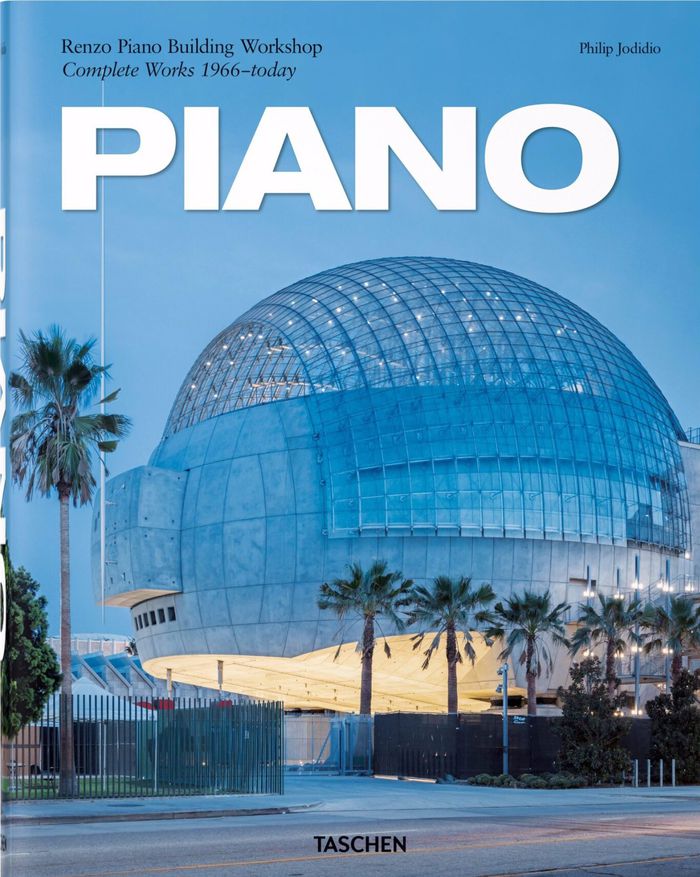
Renzo Piano rose to international prominence with his co-design of the Pompidou Center in Paris, described by The New York Times as a building that "turned the architecture world upside down." Since then, he has continued to craft such iconic cultural spaces as the Modern Wing of the Art Institute of Chicago and, more recently, the Whitney Museum of American Art, an asymmetric nine-story structure in Manhattan’s Meatpacking District with both indoor and outdoor galleries. In London, the Piano touch has also transformed the skyline with the Shard. At the age of 84, the Italian maestro retains all of his enthusiasm and kindness—and his recent roster is more impressive than ever. As he confided to the author, "I think at a certain age, one can discover that there is what the French call the 'fil rouge,' a kind of red thread that relates one building to another over time. In my case, I believe it is about lightness and the art of building."
Piano. Complete works 1966-Today. 2021 edition
Actions:
Price:
$135.00
(available in store)
Summary:
Renzo Piano rose to international prominence with his co-design of the Pompidou Center in Paris, described by The New York Times as a building that "turned the architecture world upside down." Since then, he has continued to craft such iconic cultural spaces as the Modern Wing of the Art Institute of Chicago and, more recently, the Whitney Museum of American Art, an asymmetric nine-story structure in Manhattan’s Meatpacking District with both indoor and outdoor galleries. In London, the Piano touch has also transformed the skyline with the Shard. At the age of 84, the Italian maestro retains all of his enthusiasm and kindness—and his recent roster is more impressive than ever. As he confided to the author, "I think at a certain age, one can discover that there is what the French call the 'fil rouge,' a kind of red thread that relates one building to another over time. In my case, I believe it is about lightness and the art of building."
Form:
books
books
Publication:
August 2021
August 2021
Subject:
Architecture Monographs
Architecture Monographs
Form:
books
books
Price:
$35.95
(available to order)
Summary:
In Emerald Cities, Joan Fitzgerald shows how in the absence of a comprehensive national policy, cities like Chicago, New York, Portland, San Francisco, and Seattle have taken the lead in addressing the interrelated environmental problems of global warming, pollution, energy dependence, and social justice. Cities are major sources of pollution but because of their(...)
$35.95
(available to order)
Summary:
In Emerald Cities, Joan Fitzgerald shows how in the absence of a comprehensive national policy, cities like Chicago, New York, Portland, San Francisco, and Seattle have taken the lead in addressing the interrelated environmental problems of global warming, pollution, energy dependence, and social justice. Cities are major sources of pollution but because of their(...)
Title:
Emerald cities: urban sustainability and economic development
Actions:
Price:
$35.95
(available to order)
Summary:
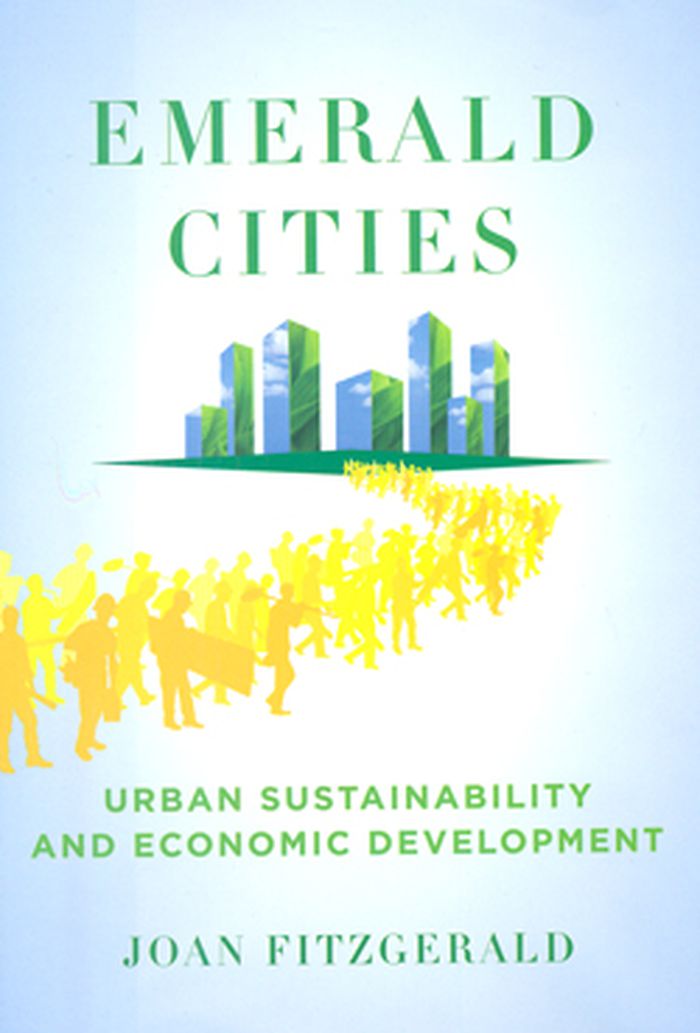
In Emerald Cities, Joan Fitzgerald shows how in the absence of a comprehensive national policy, cities like Chicago, New York, Portland, San Francisco, and Seattle have taken the lead in addressing the interrelated environmental problems of global warming, pollution, energy dependence, and social justice. Cities are major sources of pollution but because of their population density, reliance on public transportation, and other factors, Fitzgerald argues that they are uniquely suited to promote and benefit from green economic development. For cities facing worsening budget constraints, investing in high-paying green jobs in renewable energy technology, construction, manufacturing, recycling, and other fields will solve two problems at once, sparking economic growth while at the same time dramatically improving quality of life. Fitzgerald shows which strategies will be most effective according to each city's size, economic history, geography, and other unique circumstances. But cities cannot act alone, and Fitzgerald analyzes the role of state and national government policy in helping cities create the next wave of clean technology growth.
Emerald cities: urban sustainability and economic development
Actions:
Price:
$35.95
(available to order)
Summary:
In Emerald Cities, Joan Fitzgerald shows how in the absence of a comprehensive national policy, cities like Chicago, New York, Portland, San Francisco, and Seattle have taken the lead in addressing the interrelated environmental problems of global warming, pollution, energy dependence, and social justice. Cities are major sources of pollution but because of their population density, reliance on public transportation, and other factors, Fitzgerald argues that they are uniquely suited to promote and benefit from green economic development. For cities facing worsening budget constraints, investing in high-paying green jobs in renewable energy technology, construction, manufacturing, recycling, and other fields will solve two problems at once, sparking economic growth while at the same time dramatically improving quality of life. Fitzgerald shows which strategies will be most effective according to each city's size, economic history, geography, and other unique circumstances. But cities cannot act alone, and Fitzgerald analyzes the role of state and national government policy in helping cities create the next wave of clean technology growth.
Form:
books
books
Publication:
December 2009
December 2009
Subject:
Green Architecture
Green Architecture
Form:
books
books
Actions:
Price:
$93.50
(available to order)
Summary:
American Art Museum Architecture: Documents and Design explores all aspects of, and approaches to, museum architecture—the aesthetic, the practical, the innovative, and the functional. Architectural historian Eric M. Wolf delves into the archives of some of the country’s premier institutions not only to explore the design decisions made at their founding, but also to(...)
$93.50
(available to order)
Summary:
American Art Museum Architecture: Documents and Design explores all aspects of, and approaches to, museum architecture—the aesthetic, the practical, the innovative, and the functional. Architectural historian Eric M. Wolf delves into the archives of some of the country’s premier institutions not only to explore the design decisions made at their founding, but also to(...)
Title:
American art museum architecture
Actions:
Price:
$93.50
(available to order)
Summary:
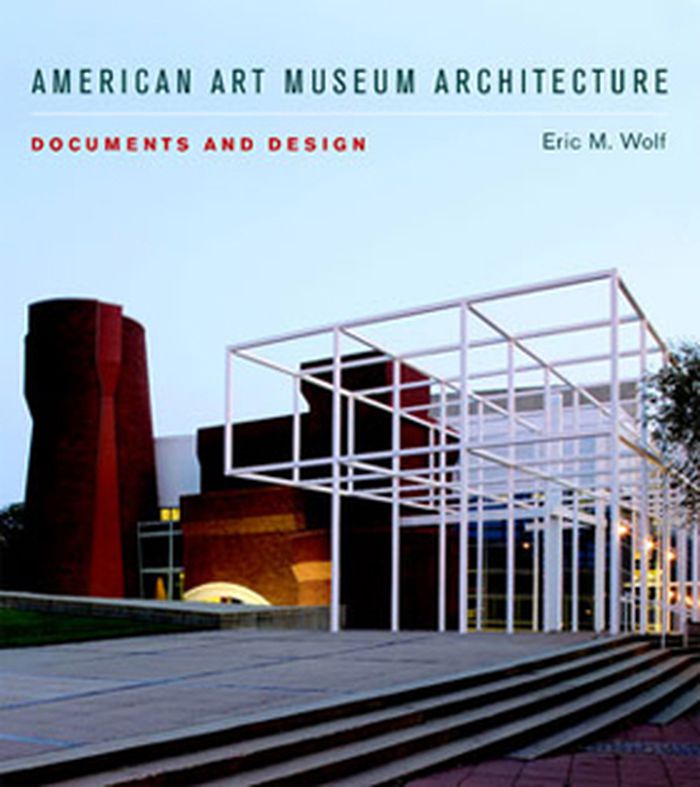
American Art Museum Architecture: Documents and Design explores all aspects of, and approaches to, museum architecture—the aesthetic, the practical, the innovative, and the functional. Architectural historian Eric M. Wolf delves into the archives of some of the country’s premier institutions not only to explore the design decisions made at their founding, but also to understand how those institutions have continued to evolve along with their collections, up to the present day. Wolf examines the gradual development of six major museums: the Frick Collection, the Museum of Modern Art, and the Whitney Museum of American Art in New York; the Menil Collection in Houston, the Georgia O’Keefe Museum in Santa Fe, and the Art Institute of Chicago. He explains how each museum was originally conceived, how the architecture reflected or modified that original conception, and how the buildings have been reconsidered or revised in later years, as the nature of art, art display, and museum-going has evolved.
American art museum architecture
Actions:
Price:
$93.50
(available to order)
Summary:
American Art Museum Architecture: Documents and Design explores all aspects of, and approaches to, museum architecture—the aesthetic, the practical, the innovative, and the functional. Architectural historian Eric M. Wolf delves into the archives of some of the country’s premier institutions not only to explore the design decisions made at their founding, but also to understand how those institutions have continued to evolve along with their collections, up to the present day. Wolf examines the gradual development of six major museums: the Frick Collection, the Museum of Modern Art, and the Whitney Museum of American Art in New York; the Menil Collection in Houston, the Georgia O’Keefe Museum in Santa Fe, and the Art Institute of Chicago. He explains how each museum was originally conceived, how the architecture reflected or modified that original conception, and how the buildings have been reconsidered or revised in later years, as the nature of art, art display, and museum-going has evolved.
Form:
books
books
Publication:
July 2010
July 2010
Subject:
Museums and Universal Exhibitions
Museums and Universal Exhibitions


