


746 Results
Form:
books
books
Price:
$48.95
(available to order)
Summary:
With buildings and cities being one of the primary accelerators of climate change, the tightening of urban environments is one of the mechanisms by which architects and urban planners can affect change. To date, models of urban densification and compact cities have been focused on sites of urban consumption—residential, commercial, civic and social spaces. Little thought(...)
$48.95
(available to order)
Summary:
With buildings and cities being one of the primary accelerators of climate change, the tightening of urban environments is one of the mechanisms by which architects and urban planners can affect change. To date, models of urban densification and compact cities have been focused on sites of urban consumption—residential, commercial, civic and social spaces. Little thought(...)
Subject:
Humans and cities
Humans and cities
Publication:
October 2024
October 2024
Title:
House precinct territory: Design strategies for the productive city
Actions:
Price:
$48.95
(available to order)
Summary:
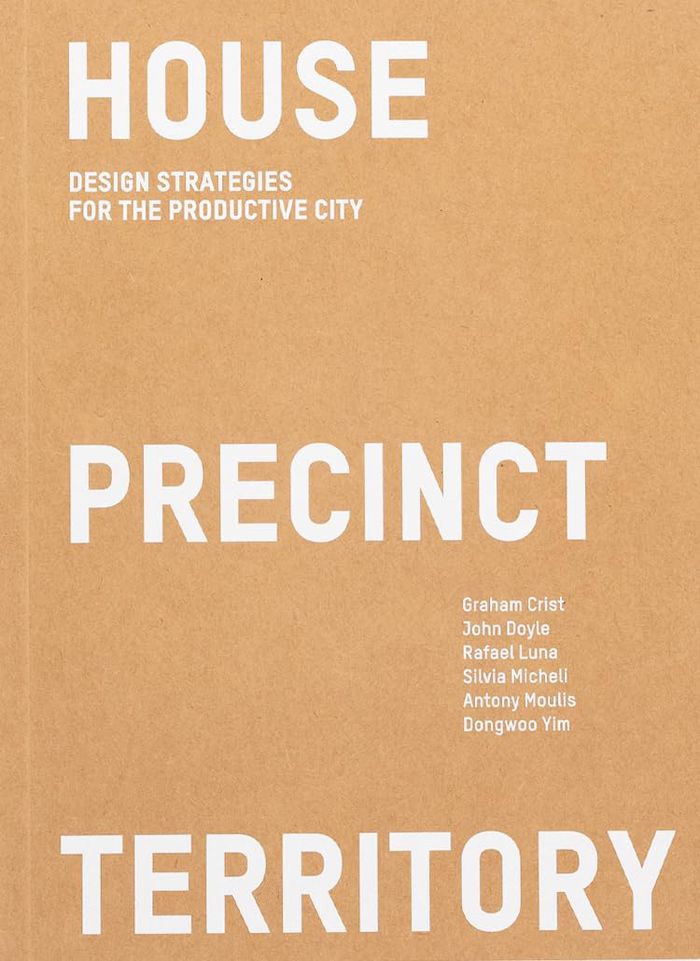
With buildings and cities being one of the primary accelerators of climate change, the tightening of urban environments is one of the mechanisms by which architects and urban planners can affect change. To date, models of urban densification and compact cities have been focused on sites of urban consumption—residential, commercial, civic and social spaces. Little thought has been given to the vast productive hinterlands around the world that support cities, through the growing of food, generation of power, production of goods and disposal of waste. Working through three scales of analysis, across three cities in the Asia Pacific Region, and deploying varying design research techniques ranging from critical observation to speculative scenario modeling, the book presents a series of projects that seek to retro-fit an existing urban environment with a productive program.
House precinct territory: Design strategies for the productive city
Actions:
Price:
$48.95
(available to order)
Summary:
With buildings and cities being one of the primary accelerators of climate change, the tightening of urban environments is one of the mechanisms by which architects and urban planners can affect change. To date, models of urban densification and compact cities have been focused on sites of urban consumption—residential, commercial, civic and social spaces. Little thought has been given to the vast productive hinterlands around the world that support cities, through the growing of food, generation of power, production of goods and disposal of waste. Working through three scales of analysis, across three cities in the Asia Pacific Region, and deploying varying design research techniques ranging from critical observation to speculative scenario modeling, the book presents a series of projects that seek to retro-fit an existing urban environment with a productive program.
Form:
books
books
Publication:
October 2024
October 2024
Subject:
Humans and cities
Humans and cities
Form:
books
books
Title:
The last landscape
The last landscape
Actions:
Price:
$43.75
(available to order)
Summary:
The remaining corner of an old farm, unclaimed by developers. The brook squeezed between housing plans. Abandoned railroad lines. The stand of woods along an expanded highway. These are the outposts of what was once a larger pattern of forests and farms, the "last landscape." According to William H. Whyte, the place to work out the problems of our metropolitan areas is(...)
$43.75
(available to order)
Summary:
The remaining corner of an old farm, unclaimed by developers. The brook squeezed between housing plans. Abandoned railroad lines. The stand of woods along an expanded highway. These are the outposts of what was once a larger pattern of forests and farms, the "last landscape." According to William H. Whyte, the place to work out the problems of our metropolitan areas is(...)
Subject:
Landscape Theory
Landscape Theory
Publication:
January 2002, Philadelphia
January 2002, Philadelphia
Title:
The last landscape
Actions:
Price:
$43.75
(available to order)
Summary:
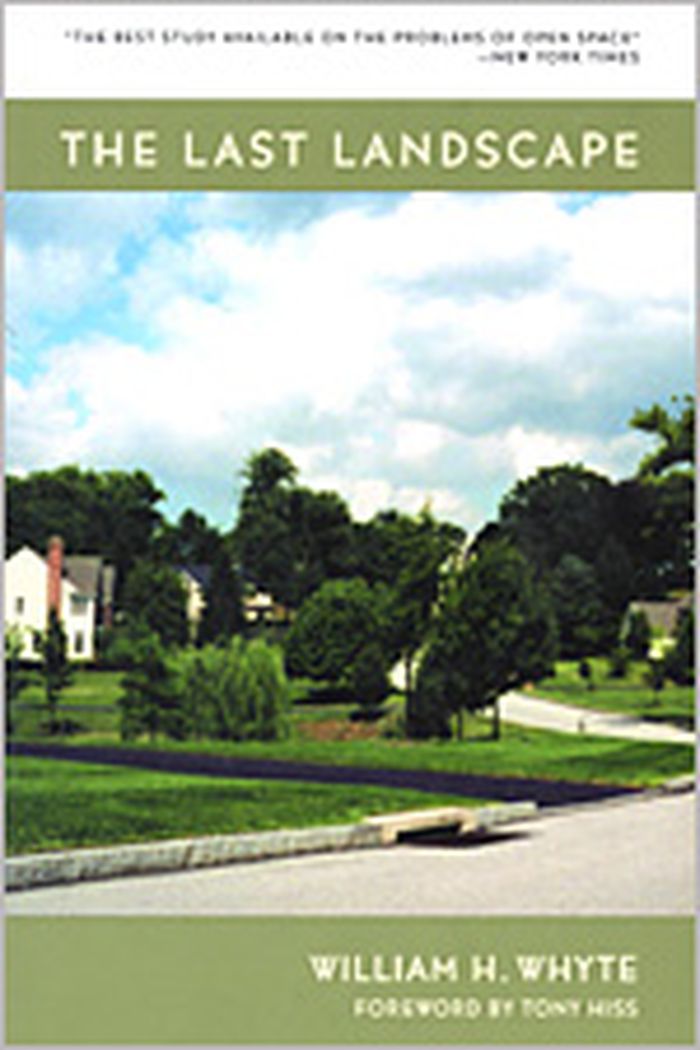
The remaining corner of an old farm, unclaimed by developers. The brook squeezed between housing plans. Abandoned railroad lines. The stand of woods along an expanded highway. These are the outposts of what was once a larger pattern of forests and farms, the "last landscape." According to William H. Whyte, the place to work out the problems of our metropolitan areas is within those areas, not outside them. The age of unchecked expansion without consequence is over, but where there is waste and neglect there is opportunity. Our cities and suburbs are not jammed; they just look that way. There are in fact plenty of ways to use this existing space to the benefit of the community, and The Last Landscape provides a practical and timeless framework for making informed decisions about its use.
The last landscape
Actions:
Price:
$43.75
(available to order)
Summary:
The remaining corner of an old farm, unclaimed by developers. The brook squeezed between housing plans. Abandoned railroad lines. The stand of woods along an expanded highway. These are the outposts of what was once a larger pattern of forests and farms, the "last landscape." According to William H. Whyte, the place to work out the problems of our metropolitan areas is within those areas, not outside them. The age of unchecked expansion without consequence is over, but where there is waste and neglect there is opportunity. Our cities and suburbs are not jammed; they just look that way. There are in fact plenty of ways to use this existing space to the benefit of the community, and The Last Landscape provides a practical and timeless framework for making informed decisions about its use.
Form:
books
books
Publication:
January 2002, Philadelphia
January 2002, Philadelphia
Subject:
Landscape Theory
Landscape Theory
Form:
books
books
Actions:
Price:
$47.00
(available to order)
Summary:
In post-colonial Africa, «White Elephant» was the name given to buildings erected with international money and never put to use; relic of an enormous waste. Europe has its own fair share of such mammoths: a pratically unused railway station designed by Santiago Calatrava near Lyon, the frame of an Aldo Rossi shopping mall in Berlin, a lonely feeder road in the middle of(...)
$47.00
(available to order)
Summary:
In post-colonial Africa, «White Elephant» was the name given to buildings erected with international money and never put to use; relic of an enormous waste. Europe has its own fair share of such mammoths: a pratically unused railway station designed by Santiago Calatrava near Lyon, the frame of an Aldo Rossi shopping mall in Berlin, a lonely feeder road in the middle of(...)
Title:
Weisse Elefanten / White Elephants
Actions:
Price:
$47.00
(available to order)
Summary:
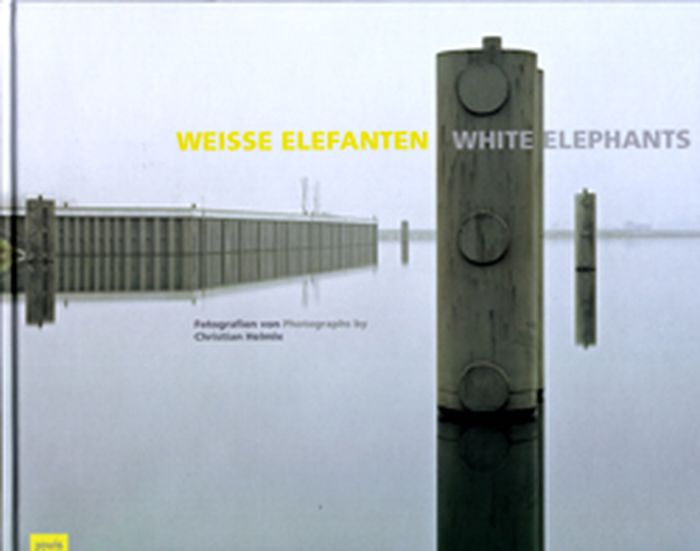
In post-colonial Africa, «White Elephant» was the name given to buildings erected with international money and never put to use; relic of an enormous waste. Europe has its own fair share of such mammoths: a pratically unused railway station designed by Santiago Calatrava near Lyon, the frame of an Aldo Rossi shopping mall in Berlin, a lonely feeder road in the middle of nowhere, now slowly being reclaimed by nature... On his search for new developments in ruins, the Swiss photographer Christian Helmle discovered a vast amount of monumental solitary buildings and complexes throughout Europe's cities and countrysides. Relieved of their original functions, the barren structures have lost any connection to their environments, appearing alien and surreal. Throught Christian Helmle's shots they develop their own individual, touchingly melancholic aesthetic.
Weisse Elefanten / White Elephants
Actions:
Price:
$47.00
(available to order)
Summary:
In post-colonial Africa, «White Elephant» was the name given to buildings erected with international money and never put to use; relic of an enormous waste. Europe has its own fair share of such mammoths: a pratically unused railway station designed by Santiago Calatrava near Lyon, the frame of an Aldo Rossi shopping mall in Berlin, a lonely feeder road in the middle of nowhere, now slowly being reclaimed by nature... On his search for new developments in ruins, the Swiss photographer Christian Helmle discovered a vast amount of monumental solitary buildings and complexes throughout Europe's cities and countrysides. Relieved of their original functions, the barren structures have lost any connection to their environments, appearing alien and surreal. Throught Christian Helmle's shots they develop their own individual, touchingly melancholic aesthetic.
Form:
books
books
Publication:
March 2008
March 2008
Subject:
Photography monographs
Photography monographs
Form:
books
books
Actions:
Price:
$66.00
(available to order)
Summary:
"Radical Matter: Revolutionary Materials and Design for a Sustainable Future" presents the ten “Big Ideas” that will shape and inform the choices of materials, design methods, and manufacturing processes made by designers in the years to come. Drawing from a worldwide community of designers who are pushing boundaries with innovative works that go beyond the notion of(...)
$66.00
(available to order)
Summary:
"Radical Matter: Revolutionary Materials and Design for a Sustainable Future" presents the ten “Big Ideas” that will shape and inform the choices of materials, design methods, and manufacturing processes made by designers in the years to come. Drawing from a worldwide community of designers who are pushing boundaries with innovative works that go beyond the notion of(...)
Title:
Radical matter: revolutionary materials and design for a sustainable future
Actions:
Price:
$66.00
(available to order)
Summary:
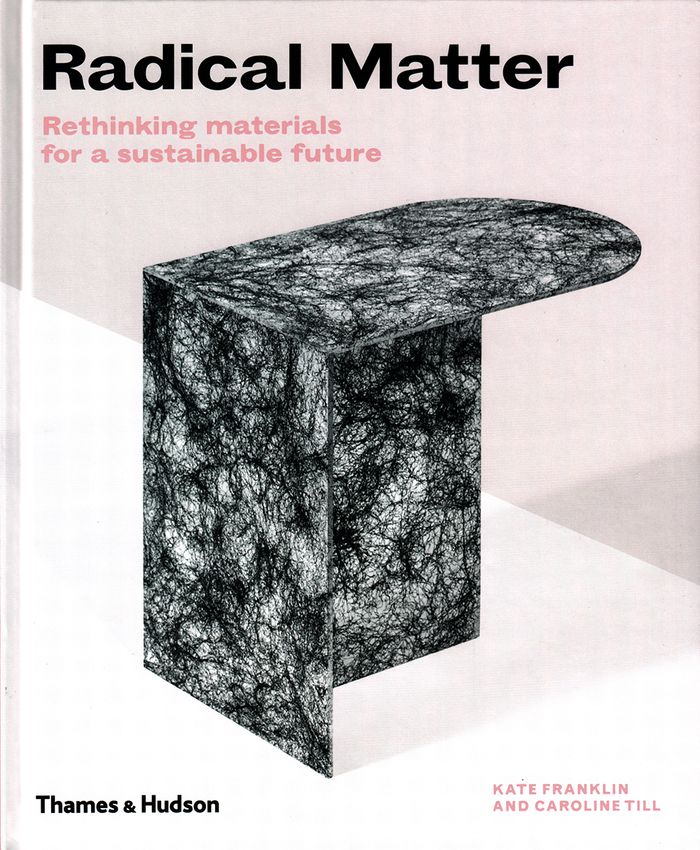
"Radical Matter: Revolutionary Materials and Design for a Sustainable Future" presents the ten “Big Ideas” that will shape and inform the choices of materials, design methods, and manufacturing processes made by designers in the years to come. Drawing from a worldwide community of designers who are pushing boundaries with innovative works that go beyond the notion of “sustainable design,” "Radical Matter" demonstrates how holistic systems of design, production, and consumption will benefit our world environmentally, socially, and economically. The ten “Big Ideas” unpack the themes that are impacting our material world through cutting-edge case studies and expert opinions: Repair Is Beautiful; Today’s Trash, Tomorrow’s Raw Material; Natural Assets; The Waste Revolution; Lessons from the Past; Co-Creation; Material Connections; Short Life Materials; Living Materials; and Future Mining.
Radical matter: revolutionary materials and design for a sustainable future
Actions:
Price:
$66.00
(available to order)
Summary:
"Radical Matter: Revolutionary Materials and Design for a Sustainable Future" presents the ten “Big Ideas” that will shape and inform the choices of materials, design methods, and manufacturing processes made by designers in the years to come. Drawing from a worldwide community of designers who are pushing boundaries with innovative works that go beyond the notion of “sustainable design,” "Radical Matter" demonstrates how holistic systems of design, production, and consumption will benefit our world environmentally, socially, and economically. The ten “Big Ideas” unpack the themes that are impacting our material world through cutting-edge case studies and expert opinions: Repair Is Beautiful; Today’s Trash, Tomorrow’s Raw Material; Natural Assets; The Waste Revolution; Lessons from the Past; Co-Creation; Material Connections; Short Life Materials; Living Materials; and Future Mining.
Form:
books
books
Publication:
April 2018
April 2018
Subject:
Materials and Lighting
Materials and Lighting
Form:
books
books

Actions:
Price:
$29.95
(available to order)
Summary:
Over the past decade, people have learned about oil contamination in the Ecuadorian Amazon through toxic tours in which a guide brings participants – students, lawyers, environmental activists, journalists, and foreign tourists – to visit contaminated sites. These toxic tours combine personal experience and local knowledge to convince visitors of the immediacy of(...)
$29.95
(available to order)
Summary:
Over the past decade, people have learned about oil contamination in the Ecuadorian Amazon through toxic tours in which a guide brings participants – students, lawyers, environmental activists, journalists, and foreign tourists – to visit contaminated sites. These toxic tours combine personal experience and local knowledge to convince visitors of the immediacy of(...)
Subject:
Environment and environmental theory
Environment and environmental theory
Publication:
February 2024
February 2024
Title:
Toxic: A tour of the Ecuadorian Amazon
Actions:
Price:
$29.95
(available to order)
Summary:
Over the past decade, people have learned about oil contamination in the Ecuadorian Amazon through toxic tours in which a guide brings participants – students, lawyers, environmental activists, journalists, and foreign tourists – to visit contaminated sites. These toxic tours combine personal experience and local knowledge to convince visitors of the immediacy of environmental issues. Drawing on extensive research and fieldwork, ''Toxic'' takes the reader on a visual toxic tour through the Amazon. Following the story of three fictional participants, this graphic novel paints a visceral picture of the waste pits, gas flares, and precarious lives of people in this region. The book challenges the reader to consider what it means to live in a place and historical moment where victims of industrial toxicants are continually required to prove that harm has occurred.
Toxic: A tour of the Ecuadorian Amazon
Actions:
Price:
$29.95
(available to order)
Summary:
Over the past decade, people have learned about oil contamination in the Ecuadorian Amazon through toxic tours in which a guide brings participants – students, lawyers, environmental activists, journalists, and foreign tourists – to visit contaminated sites. These toxic tours combine personal experience and local knowledge to convince visitors of the immediacy of environmental issues. Drawing on extensive research and fieldwork, ''Toxic'' takes the reader on a visual toxic tour through the Amazon. Following the story of three fictional participants, this graphic novel paints a visceral picture of the waste pits, gas flares, and precarious lives of people in this region. The book challenges the reader to consider what it means to live in a place and historical moment where victims of industrial toxicants are continually required to prove that harm has occurred.
Form:
books
books
Publication:
February 2024
February 2024
Subject:
Environment and environmental theory
Environment and environmental theory
Form:
journals and magazines
journals and magazines
Actions:
Price:
$115.00
(available in store)
Summary:
The second monograph that AV devotes to BIG is a snapshot of the busy moment that the studio is currently living. Their mediatic buildings have managed to combine the freedom of formal and ludic gestures that empathize with all kinds of clients and audiences, with a rigorous analysis of economic and environmental conditions. Opening with a conversation with Luis(...)
$115.00
(available in store)
Summary:
The second monograph that AV devotes to BIG is a snapshot of the busy moment that the studio is currently living. Their mediatic buildings have managed to combine the freedom of formal and ludic gestures that empathize with all kinds of clients and audiences, with a rigorous analysis of economic and environmental conditions. Opening with a conversation with Luis(...)
Title:
AV Mongraphs 211-212 : BIG Bjarke Ingels Group
Actions:
Price:
$115.00
(available in store)
Summary:
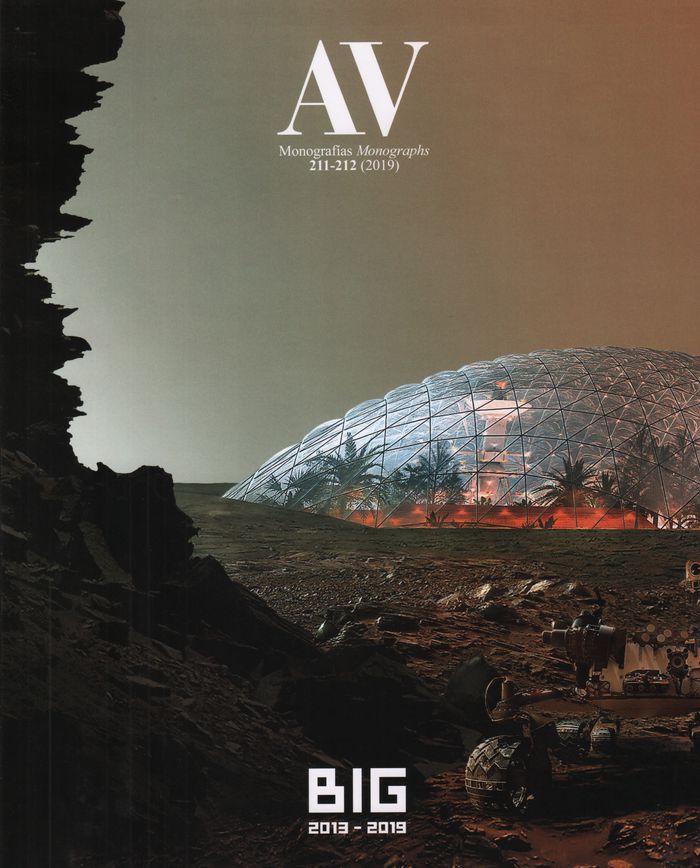
The second monograph that AV devotes to BIG is a snapshot of the busy moment that the studio is currently living. Their mediatic buildings have managed to combine the freedom of formal and ludic gestures that empathize with all kinds of clients and audiences, with a rigorous analysis of economic and environmental conditions. Opening with a conversation with Luis Fernández-Galiano, in which the Danish architect goes over his career, the monograph presents 35 works and designs drawn up since 2013, including the Maritime Museum of Denmark in Helsingør, the VIA 57 West residential building in New York, the LEGO House in Billund, the Amager waste treatment plant and skiing slope in Copenhagen, the 2 World Trade Center in New York, and the experimental project to build cities on Mars.
AV Mongraphs 211-212 : BIG Bjarke Ingels Group
Actions:
Price:
$115.00
(available in store)
Summary:
The second monograph that AV devotes to BIG is a snapshot of the busy moment that the studio is currently living. Their mediatic buildings have managed to combine the freedom of formal and ludic gestures that empathize with all kinds of clients and audiences, with a rigorous analysis of economic and environmental conditions. Opening with a conversation with Luis Fernández-Galiano, in which the Danish architect goes over his career, the monograph presents 35 works and designs drawn up since 2013, including the Maritime Museum of Denmark in Helsingør, the VIA 57 West residential building in New York, the LEGO House in Billund, the Amager waste treatment plant and skiing slope in Copenhagen, the 2 World Trade Center in New York, and the experimental project to build cities on Mars.
Form:
journals and magazines
journals and magazines
Publication:
April 2019
April 2019
Subject:
Magazines
Magazines
Form:
books
books
Title:
Low cost design, vol. 1
Low cost design, vol. 1
Actions:
Price:
$55.00
(available to order)
Summary:
This publication is based on the principle that the most innovative design ideas are probably not the ones passing through patent offices. Functioning as a visual dictionary of everyday ingenuity and self-sufficiency, and spanning Northern Europe and the Mediterranean, it catalogues inspiring examples of the creative repurposing of detritus, and of overlooked land, by(...)
$55.00
(available to order)
Summary:
This publication is based on the principle that the most innovative design ideas are probably not the ones passing through patent offices. Functioning as a visual dictionary of everyday ingenuity and self-sufficiency, and spanning Northern Europe and the Mediterranean, it catalogues inspiring examples of the creative repurposing of detritus, and of overlooked land, by(...)
Title:
Low cost design, vol. 1
Actions:
Price:
$55.00
(available to order)
Summary:
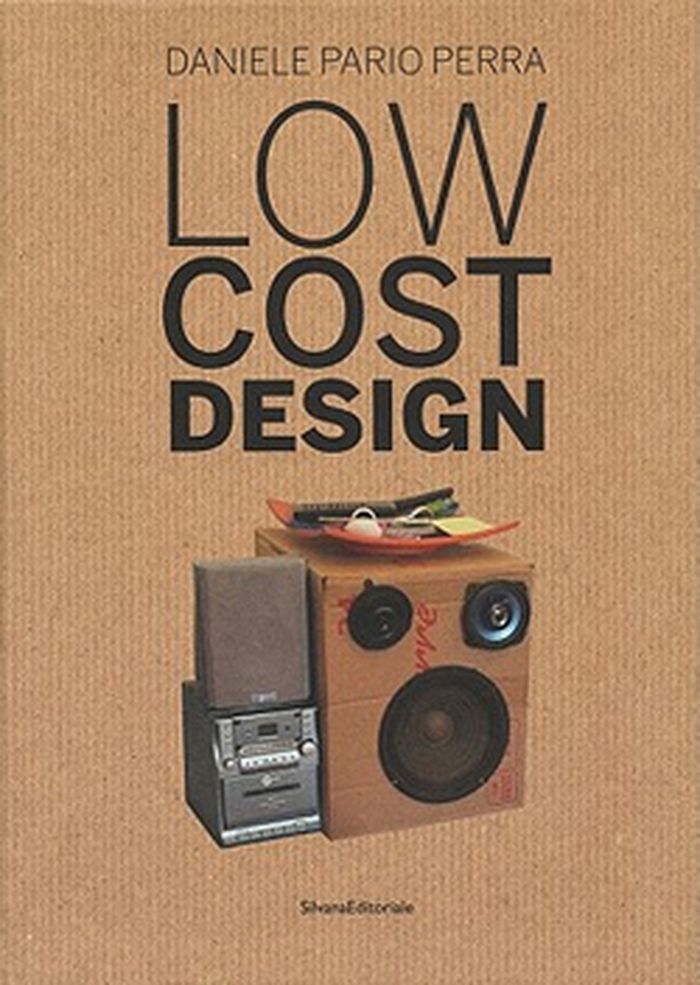
This publication is based on the principle that the most innovative design ideas are probably not the ones passing through patent offices. Functioning as a visual dictionary of everyday ingenuity and self-sufficiency, and spanning Northern Europe and the Mediterranean, it catalogues inspiring examples of the creative repurposing of detritus, and of overlooked land, by ordinary people — whether for reasons of subsistence, politics or sheer artistry. Thus, a flowerpot and a section of a fence become an improvised barbeque; a tree stump on a sidewalk is carved into a makeshift one-seater. The innovations are classified as either "objects" or "actions," demonstrating a decentralized but palpable European movement conscious of avoiding waste. The book features an essay by the artist and designer Daniele Pario Perra, who in 2001 began the Design on the Cheap database.
Low cost design, vol. 1
Actions:
Price:
$55.00
(available to order)
Summary:
This publication is based on the principle that the most innovative design ideas are probably not the ones passing through patent offices. Functioning as a visual dictionary of everyday ingenuity and self-sufficiency, and spanning Northern Europe and the Mediterranean, it catalogues inspiring examples of the creative repurposing of detritus, and of overlooked land, by ordinary people — whether for reasons of subsistence, politics or sheer artistry. Thus, a flowerpot and a section of a fence become an improvised barbeque; a tree stump on a sidewalk is carved into a makeshift one-seater. The innovations are classified as either "objects" or "actions," demonstrating a decentralized but palpable European movement conscious of avoiding waste. The book features an essay by the artist and designer Daniele Pario Perra, who in 2001 began the Design on the Cheap database.
Form:
books
books
Publication:
February 2011
February 2011
Subject:
Industrial Design
Industrial Design
Form:
books
books
Actions:
Price:
$134.95
(available to order)
Summary:
For more than twenty years, Swiss photographer Tobias Madörin has been working on his photo series Topos. Creating staged tableaux in the manner of nineteenth-century painters, Madörin investigates the interaction between the inhabitants and their surrounding environments in countries as diverse as Spain, Uganda, Indonesia, and Japan. His large-scale images examine(...)
$134.95
(available to order)
Summary:
For more than twenty years, Swiss photographer Tobias Madörin has been working on his photo series Topos. Creating staged tableaux in the manner of nineteenth-century painters, Madörin investigates the interaction between the inhabitants and their surrounding environments in countries as diverse as Spain, Uganda, Indonesia, and Japan. His large-scale images examine(...)
Title:
Tobias Madörin - Topos: Photographs 1991-2011
Actions:
Price:
$134.95
(available to order)
Summary:
For more than twenty years, Swiss photographer Tobias Madörin has been working on his photo series Topos. Creating staged tableaux in the manner of nineteenth-century painters, Madörin investigates the interaction between the inhabitants and their surrounding environments in countries as diverse as Spain, Uganda, Indonesia, and Japan. His large-scale images examine communal spaces, the outskirts of metropolises, waste disposals sites, and landscapes marked by agriculture and mining. Madörin’s work reveals that these locations are the products of human visions and ideals, yet they are also places of environmental exploitation. This tension, as well as Madörin’s approach to his subjects, makes his photographs evocative and complex. This book includes lavish, full-page photographs, many of which have never been published, and an introductory essay by Nadine Olonetzky that explains and contextualizes the photographer’s oeuvre.
Tobias Madörin - Topos: Photographs 1991-2011
Actions:
Price:
$134.95
(available to order)
Summary:
For more than twenty years, Swiss photographer Tobias Madörin has been working on his photo series Topos. Creating staged tableaux in the manner of nineteenth-century painters, Madörin investigates the interaction between the inhabitants and their surrounding environments in countries as diverse as Spain, Uganda, Indonesia, and Japan. His large-scale images examine communal spaces, the outskirts of metropolises, waste disposals sites, and landscapes marked by agriculture and mining. Madörin’s work reveals that these locations are the products of human visions and ideals, yet they are also places of environmental exploitation. This tension, as well as Madörin’s approach to his subjects, makes his photographs evocative and complex. This book includes lavish, full-page photographs, many of which have never been published, and an introductory essay by Nadine Olonetzky that explains and contextualizes the photographer’s oeuvre.
Form:
books
books
Publication:
December 2013
December 2013
Subject:
Photography monographs
Photography monographs
Form:
books
books
Price:
$56.95
(available to order)
Summary:
A Handful of Dust is David Campany’s speculative history of the last century, and a visual journey through some of its unlikeliest imagery. Let’s suppose the modern era begins in October of 1922. A little French avant-garde journal publishes a photograph of a sheet of glass covered in dust. The photographer is Man Ray, the glass is by Marcel Duchamp. At first they called(...)
$56.95
(available to order)
Summary:
A Handful of Dust is David Campany’s speculative history of the last century, and a visual journey through some of its unlikeliest imagery. Let’s suppose the modern era begins in October of 1922. A little French avant-garde journal publishes a photograph of a sheet of glass covered in dust. The photographer is Man Ray, the glass is by Marcel Duchamp. At first they called(...)
Title:
David Campany: a handful of dust, from the cosmic to the domestic
Actions:
Price:
$56.95
(available to order)
Summary:
A Handful of Dust is David Campany’s speculative history of the last century, and a visual journey through some of its unlikeliest imagery. Let’s suppose the modern era begins in October of 1922. A little French avant-garde journal publishes a photograph of a sheet of glass covered in dust. The photographer is Man Ray, the glass is by Marcel Duchamp. At first they called it a view from an aeroplane. Then they called it Dust Breeding. It’s abstract, it’s realist. It’s an artwork, it’s a document. It’s revolting and compelling. Cameras must be kept away from dust but they find it highly photogenic. At the same time, a little English journal publishes TS Eliot’s poem The Waste Land. “I will show you fear in a handful of dust.”
David Campany: a handful of dust, from the cosmic to the domestic
Actions:
Price:
$56.95
(available to order)
Summary:
A Handful of Dust is David Campany’s speculative history of the last century, and a visual journey through some of its unlikeliest imagery. Let’s suppose the modern era begins in October of 1922. A little French avant-garde journal publishes a photograph of a sheet of glass covered in dust. The photographer is Man Ray, the glass is by Marcel Duchamp. At first they called it a view from an aeroplane. Then they called it Dust Breeding. It’s abstract, it’s realist. It’s an artwork, it’s a document. It’s revolting and compelling. Cameras must be kept away from dust but they find it highly photogenic. At the same time, a little English journal publishes TS Eliot’s poem The Waste Land. “I will show you fear in a handful of dust.”
Form:
books
books
Publication:
October 2015
October 2015
Subject:
Photography monographs
Photography monographs
Form:
books
books
Price:
$54.95
(available to order)
Summary:
The cycle of production and consumption, artificially accelerated by advertising and marketing, has characterised our society for decades. This cycle has recently also taken hold of the architecture of the city, leading to a waste that is both economically and ecologically unacceptable. The destruction of buildings that are not actually obsolete is just as questionable as(...)
$54.95
(available to order)
Summary:
The cycle of production and consumption, artificially accelerated by advertising and marketing, has characterised our society for decades. This cycle has recently also taken hold of the architecture of the city, leading to a waste that is both economically and ecologically unacceptable. The destruction of buildings that are not actually obsolete is just as questionable as(...)
Title:
Radical normal: Propositions for the architecture of the city
Actions:
Price:
$54.95
(available to order)
Summary:
The cycle of production and consumption, artificially accelerated by advertising and marketing, has characterised our society for decades. This cycle has recently also taken hold of the architecture of the city, leading to a waste that is both economically and ecologically unacceptable. The destruction of buildings that are not actually obsolete is just as questionable as the production of extravagant architectures for which there is no real need. This book is a protest against the merciless globalisation of the city and its dissolution into faceless, inhospitable peripheries. At the same time, it puts forward alternative strategies of urban design to counteract such globalisation and dissolution. It formulates a different approach to urbanism, one which views the city not as a carnivalesque display of vanities but as a sophisticated spatial construction that lays down the conditions for a productive, sociable, serene, and happy life.
Radical normal: Propositions for the architecture of the city
Actions:
Price:
$54.95
(available to order)
Summary:
The cycle of production and consumption, artificially accelerated by advertising and marketing, has characterised our society for decades. This cycle has recently also taken hold of the architecture of the city, leading to a waste that is both economically and ecologically unacceptable. The destruction of buildings that are not actually obsolete is just as questionable as the production of extravagant architectures for which there is no real need. This book is a protest against the merciless globalisation of the city and its dissolution into faceless, inhospitable peripheries. At the same time, it puts forward alternative strategies of urban design to counteract such globalisation and dissolution. It formulates a different approach to urbanism, one which views the city not as a carnivalesque display of vanities but as a sophisticated spatial construction that lays down the conditions for a productive, sociable, serene, and happy life.
Form:
books
books
Publication:
November 2022
November 2022
Subject:
Architectural Theory
Architectural Theory


