


36154 Results
Form:
books
books
Actions:
Price:
$32.50
(available to order)
Summary:
Urban Rivers examines urban interventions on rivers through politics, economics, sanitation systems, technology, and societies; how rivers affected urbanization spatially, in infrastructure, territorial disputes, and in flood plains, and via their changing ecologies. Providing case studies from Vienna to Manitoba, the chapters assemble geographers and historians in a(...)
$32.50
(available to order)
Summary:
Urban Rivers examines urban interventions on rivers through politics, economics, sanitation systems, technology, and societies; how rivers affected urbanization spatially, in infrastructure, territorial disputes, and in flood plains, and via their changing ecologies. Providing case studies from Vienna to Manitoba, the chapters assemble geographers and historians in a(...)
Title:
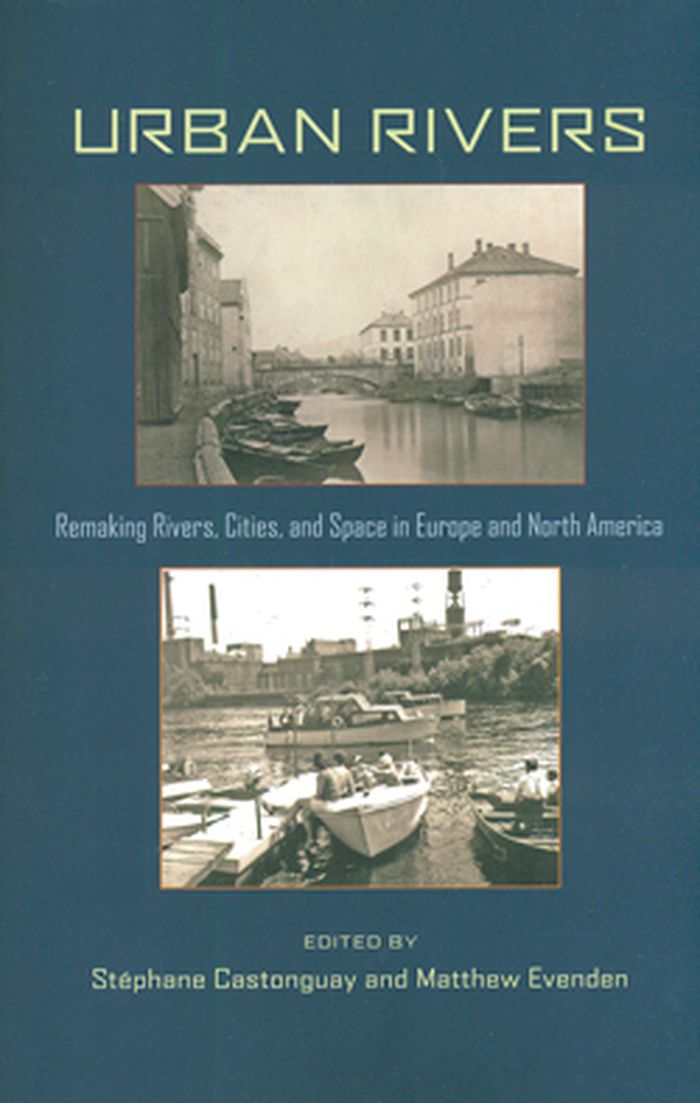
Urban rivers: remaking rivers, cities, and space in Europe and North America
Actions:
Price:
$32.50
(available to order)
Summary:
Urban Rivers examines urban interventions on rivers through politics, economics, sanitation systems, technology, and societies; how rivers affected urbanization spatially, in infrastructure, territorial disputes, and in flood plains, and via their changing ecologies. Providing case studies from Vienna to Manitoba, the chapters assemble geographers and historians in a comparative survey of how cities and rivers interact from the seventeenth century to the present.
Urban rivers: remaking rivers, cities, and space in Europe and North America
Actions:
Price:
$32.50
(available to order)
Summary:
Urban Rivers examines urban interventions on rivers through politics, economics, sanitation systems, technology, and societies; how rivers affected urbanization spatially, in infrastructure, territorial disputes, and in flood plains, and via their changing ecologies. Providing case studies from Vienna to Manitoba, the chapters assemble geographers and historians in a comparative survey of how cities and rivers interact from the seventeenth century to the present.
Form:
books
books
Publication:
April 2012
April 2012
Subject:
Urban Landscapes
Urban Landscapes
Form:
books
books
Title:
Petrochemical America
Petrochemical America
Actions:
Price:
$80.00
(available to order)
Summary:
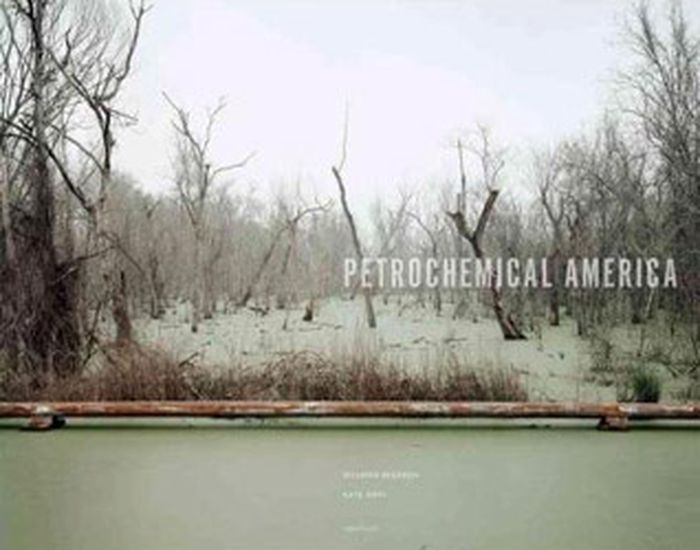
Petrochemical America offers an in-depth analysis of the causes of sustained environmental abuse along the largest river system in North America. It combines Richard Misrach's haunting photographs of Louisiana's "Chemical Corridor" with landscape architect Kate Orff's "Ecological Atlas" - a series of speculative drawings developed through intensive research and mapping of(...)
$80.00
(available to order)
Summary:
Petrochemical America offers an in-depth analysis of the causes of sustained environmental abuse along the largest river system in North America. It combines Richard Misrach's haunting photographs of Louisiana's "Chemical Corridor" with landscape architect Kate Orff's "Ecological Atlas" - a series of speculative drawings developed through intensive research and mapping of(...)
Title:
Petrochemical America
Actions:
Price:
$80.00
(available to order)
Summary:
Petrochemical America offers an in-depth analysis of the causes of sustained environmental abuse along the largest river system in North America. It combines Richard Misrach's haunting photographs of Louisiana's "Chemical Corridor" with landscape architect Kate Orff's "Ecological Atlas" - a series of speculative drawings developed through intensive research and mapping of data from the region. Misrach and Orff's joint effort depicts and unpacks the complex cultural, physical and economic ecologies of a particular region along 150 miles of the Mississippi River, from Baton Rouge to New Orleans - an area of intense chemical production that became known as "Cancer Alley" when unusually high occurrences of the disease were discovered in the region. This revelatory collaboration has resulted in a complex document and an extensively researched guidebook to the ways in which the petrochemical industry has permeated every facet of contemporary life.
Petrochemical America
Actions:
Price:
$80.00
(available to order)
Summary:
Petrochemical America offers an in-depth analysis of the causes of sustained environmental abuse along the largest river system in North America. It combines Richard Misrach's haunting photographs of Louisiana's "Chemical Corridor" with landscape architect Kate Orff's "Ecological Atlas" - a series of speculative drawings developed through intensive research and mapping of data from the region. Misrach and Orff's joint effort depicts and unpacks the complex cultural, physical and economic ecologies of a particular region along 150 miles of the Mississippi River, from Baton Rouge to New Orleans - an area of intense chemical production that became known as "Cancer Alley" when unusually high occurrences of the disease were discovered in the region. This revelatory collaboration has resulted in a complex document and an extensively researched guidebook to the ways in which the petrochemical industry has permeated every facet of contemporary life.
Form:
books
books
Publication:
February 2012
February 2012
Subject:
Photography monographs
Photography monographs
Form:
books
books
Actions:
Price:
$80.00
(available in store)
Summary:
In 1987 Aperture published Lynne Cohen's first monograph, Occupied Territory , an exploration of space as simulated experience--a sham reality, idealized and standardized. Now, Aperture is publishing a newly expanded and updated reissue of this classic monograph, making Cohen's pioneering work available to a contemporary audience and situating her within the lineage(...)
$80.00
(available in store)
Summary:
In 1987 Aperture published Lynne Cohen's first monograph, Occupied Territory , an exploration of space as simulated experience--a sham reality, idealized and standardized. Now, Aperture is publishing a newly expanded and updated reissue of this classic monograph, making Cohen's pioneering work available to a contemporary audience and situating her within the lineage(...)
Title:
Lynne Cohen: Occupied territory
Actions:
Price:
$80.00
(available in store)
Summary:
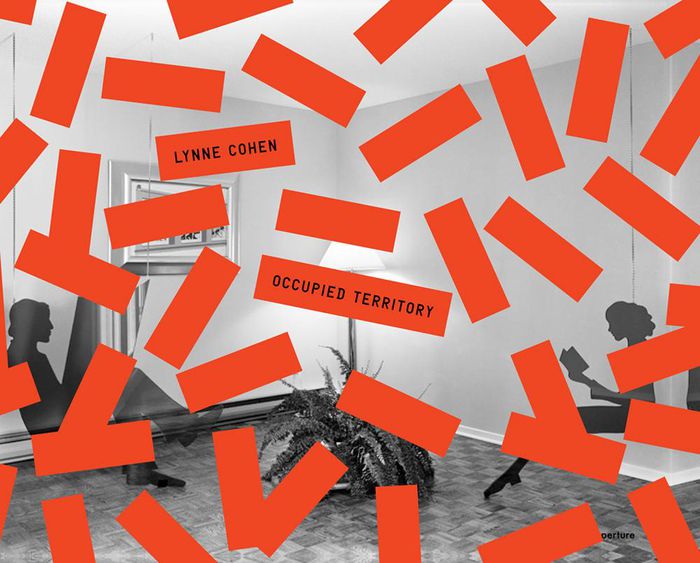
In 1987 Aperture published Lynne Cohen's first monograph, Occupied Territory , an exploration of space as simulated experience--a sham reality, idealized and standardized. Now, Aperture is publishing a newly expanded and updated reissue of this classic monograph, making Cohen's pioneering work available to a contemporary audience and situating her within the lineage of Lewis Baltz, Stephen Shore and other celebrated New Topographics photographers.
Lynne Cohen: Occupied territory
Actions:
Price:
$80.00
(available in store)
Summary:
In 1987 Aperture published Lynne Cohen's first monograph, Occupied Territory , an exploration of space as simulated experience--a sham reality, idealized and standardized. Now, Aperture is publishing a newly expanded and updated reissue of this classic monograph, making Cohen's pioneering work available to a contemporary audience and situating her within the lineage of Lewis Baltz, Stephen Shore and other celebrated New Topographics photographers.
Form:
books
books
Publication:
May 2012
May 2012
Subject:
Photography monographs
Photography monographs
Form:
books
books
Actions:
Price:
$53.00
(available to order)
Summary:
This publication fleshes out our understanding of the past with explorations of lived experiences of embodiment from the middle ages to modernity. This intimate approach to history makes it possible to foreground the tactile foundations of Western culture -the ways in which feelings shaped society. Constance Classen explores a variety of tactile realms including the feel(...)
$53.00
(available to order)
Summary:
This publication fleshes out our understanding of the past with explorations of lived experiences of embodiment from the middle ages to modernity. This intimate approach to history makes it possible to foreground the tactile foundations of Western culture -the ways in which feelings shaped society. Constance Classen explores a variety of tactile realms including the feel(...)
Title:
The deepest sense: a cultural history of touch
Actions:
Price:
$53.00
(available to order)
Summary:
This publication fleshes out our understanding of the past with explorations of lived experiences of embodiment from the middle ages to modernity. This intimate approach to history makes it possible to foreground the tactile foundations of Western culture -the ways in which feelings shaped society. Constance Classen explores a variety of tactile realms including the feel of the medieval city; the tactile appeal of relics; the social histories of pain, pleasure, and affection; the bonds of touch between humans and animals; the strenuous excitement of sports such as wrestling and jousting; and the sensuous attractions of consumer culture. She delves into a range of vital issues, from the uses--and prohibitions--of touch in social interaction to the disciplining of the body by the modern state, from the changing feel of the urban landscape to the technologization of touch in modernity.
The deepest sense: a cultural history of touch
Actions:
Price:
$53.00
(available to order)
Summary:
This publication fleshes out our understanding of the past with explorations of lived experiences of embodiment from the middle ages to modernity. This intimate approach to history makes it possible to foreground the tactile foundations of Western culture -the ways in which feelings shaped society. Constance Classen explores a variety of tactile realms including the feel of the medieval city; the tactile appeal of relics; the social histories of pain, pleasure, and affection; the bonds of touch between humans and animals; the strenuous excitement of sports such as wrestling and jousting; and the sensuous attractions of consumer culture. She delves into a range of vital issues, from the uses--and prohibitions--of touch in social interaction to the disciplining of the body by the modern state, from the changing feel of the urban landscape to the technologization of touch in modernity.
Form:
books
books
Publication:
May 2012
May 2012
Form:
books
books
Actions:
Price:
$31.25
(available to order)
Summary:
Wei Li documents the processes that have evolved with the spatial transformation of the Chinese American community of Los Angeles and that have converted the San Gabriel Valley into ethnoburbs in the latter half of the twentieth century, and she examines the opportunities and challenges that occurred as a result of these changes. The concept of the ethnoburb has redefined(...)
$31.25
(available to order)
Summary:
Wei Li documents the processes that have evolved with the spatial transformation of the Chinese American community of Los Angeles and that have converted the San Gabriel Valley into ethnoburbs in the latter half of the twentieth century, and she examines the opportunities and challenges that occurred as a result of these changes. The concept of the ethnoburb has redefined(...)
Title:
Ethnoburb: the new ethnic community in urban America
Actions:
Price:
$31.25
(available to order)
Summary:
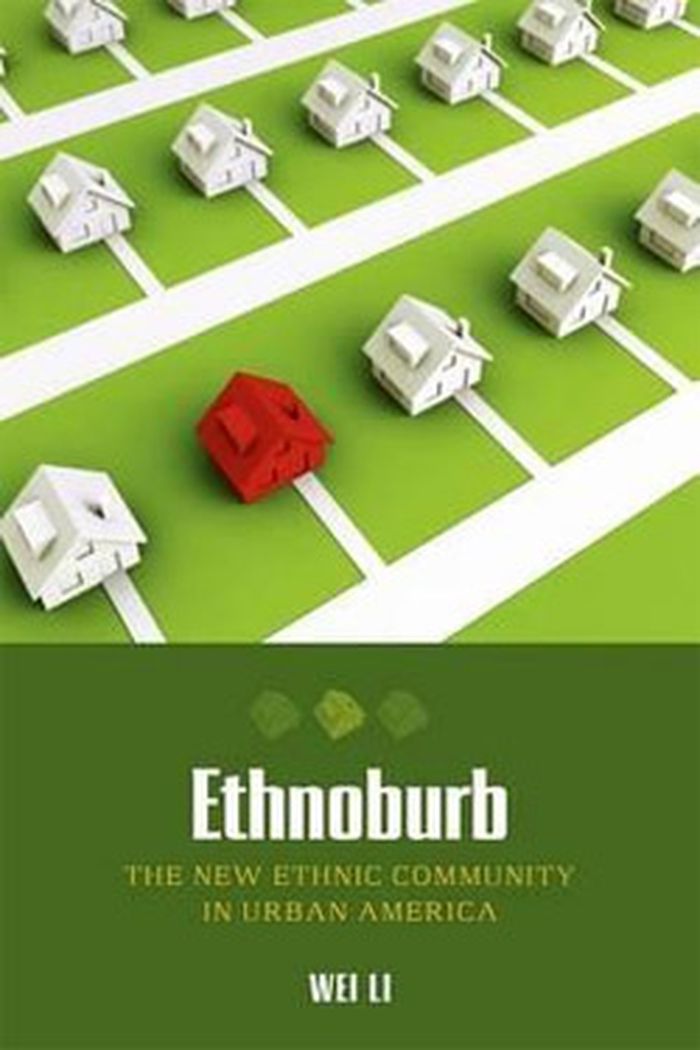
Wei Li documents the processes that have evolved with the spatial transformation of the Chinese American community of Los Angeles and that have converted the San Gabriel Valley into ethnoburbs in the latter half of the twentieth century, and she examines the opportunities and challenges that occurred as a result of these changes. The concept of the ethnoburb has redefined the way geographers and other scholars think about ethnic space, place, and process. This book will contribute significantly to both theoretical and empirical studies of immigration by presenting a more intensive and thorough "take" on arguments about spatial and social processes in urban and suburban America.
Ethnoburb: the new ethnic community in urban America
Actions:
Price:
$31.25
(available to order)
Summary:
Wei Li documents the processes that have evolved with the spatial transformation of the Chinese American community of Los Angeles and that have converted the San Gabriel Valley into ethnoburbs in the latter half of the twentieth century, and she examines the opportunities and challenges that occurred as a result of these changes. The concept of the ethnoburb has redefined the way geographers and other scholars think about ethnic space, place, and process. This book will contribute significantly to both theoretical and empirical studies of immigration by presenting a more intensive and thorough "take" on arguments about spatial and social processes in urban and suburban America.
Form:
books
books
Publication:
January 2012
January 2012
Subject:
Urban Theory
Urban Theory
Form:
books
books
Price:
$44.95
(available to order)
Summary:
Livre abécédaire accompagné de son jeu. Il s'agit de composer les 26 lettres de l'alphabet ou de créer ses propres lettres à partir des formes en plastique disponibles. Un jeu de construction qui mêle architecture et graphisme.
$44.95
(available to order)
Summary:
Livre abécédaire accompagné de son jeu. Il s'agit de composer les 26 lettres de l'alphabet ou de créer ses propres lettres à partir des formes en plastique disponibles. Un jeu de construction qui mêle architecture et graphisme.
Title:
Le jouet
Actions:
Price:
$44.95
(available to order)
Summary:
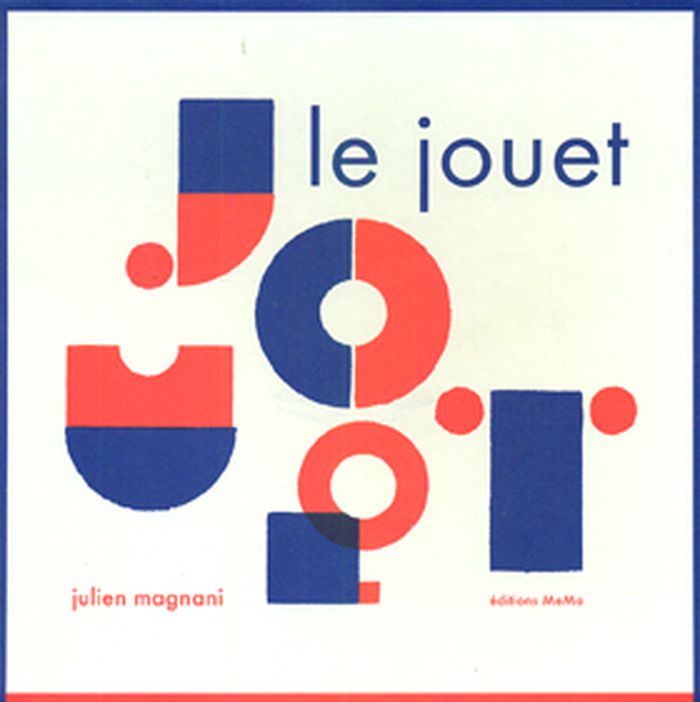
Livre abécédaire accompagné de son jeu. Il s'agit de composer les 26 lettres de l'alphabet ou de créer ses propres lettres à partir des formes en plastique disponibles. Un jeu de construction qui mêle architecture et graphisme.
Le jouet
Actions:
Price:
$44.95
(available to order)
Summary:
Livre abécédaire accompagné de son jeu. Il s'agit de composer les 26 lettres de l'alphabet ou de créer ses propres lettres à partir des formes en plastique disponibles. Un jeu de construction qui mêle architecture et graphisme.
Form:
books
books
Publication:
February 2012
February 2012
Subject:
Zines
Zines
Form:
books
books
Actions:
Price:
$44.95
(available to order)
Summary:
Le catalogue Incongru: quand l’art fait rire illustre la relation entre inconvenance et rire. Grâce au télescopage d’oeuvres de toutes époques, il montre la récurrence de l’incongruité dans le champ de l’histoire de l’art et l’évolution parallèle des notions d’humour, de parodie, d’ironie, de comique et de burlesque. Historiens de l’art, historiens, anthropologues et(...)
$44.95
(available to order)
Summary:
Le catalogue Incongru: quand l’art fait rire illustre la relation entre inconvenance et rire. Grâce au télescopage d’oeuvres de toutes époques, il montre la récurrence de l’incongruité dans le champ de l’histoire de l’art et l’évolution parallèle des notions d’humour, de parodie, d’ironie, de comique et de burlesque. Historiens de l’art, historiens, anthropologues et(...)
Title:
Incongru : quand l'art fait rire
Actions:
Price:
$44.95
(available to order)
Summary:
Le catalogue Incongru: quand l’art fait rire illustre la relation entre inconvenance et rire. Grâce au télescopage d’oeuvres de toutes époques, il montre la récurrence de l’incongruité dans le champ de l’histoire de l’art et l’évolution parallèle des notions d’humour, de parodie, d’ironie, de comique et de burlesque. Historiens de l’art, historiens, anthropologues et philosophes proposent leurs analyses de la question.
Incongru : quand l'art fait rire
Actions:
Price:
$44.95
(available to order)
Summary:
Le catalogue Incongru: quand l’art fait rire illustre la relation entre inconvenance et rire. Grâce au télescopage d’oeuvres de toutes époques, il montre la récurrence de l’incongruité dans le champ de l’histoire de l’art et l’évolution parallèle des notions d’humour, de parodie, d’ironie, de comique et de burlesque. Historiens de l’art, historiens, anthropologues et philosophes proposent leurs analyses de la question.
Form:
books
books
Publication:
February 2012
February 2012
Form:
books
books
Price:
$24.50
(available to order)
Summary:
An award-winning food journalist examines alternative food systems in cities around the globe and chronicles a game-changing movement, a rebellion against the industrial food behemoth, and a reclaiming of communities to grow, distribute, and eat locally.
$24.50
(available to order)
Summary:
An award-winning food journalist examines alternative food systems in cities around the globe and chronicles a game-changing movement, a rebellion against the industrial food behemoth, and a reclaiming of communities to grow, distribute, and eat locally.
Title:
Food and the city : urban agriculture and the new food revolution
Actions:
Price:
$24.50
(available to order)
Summary:
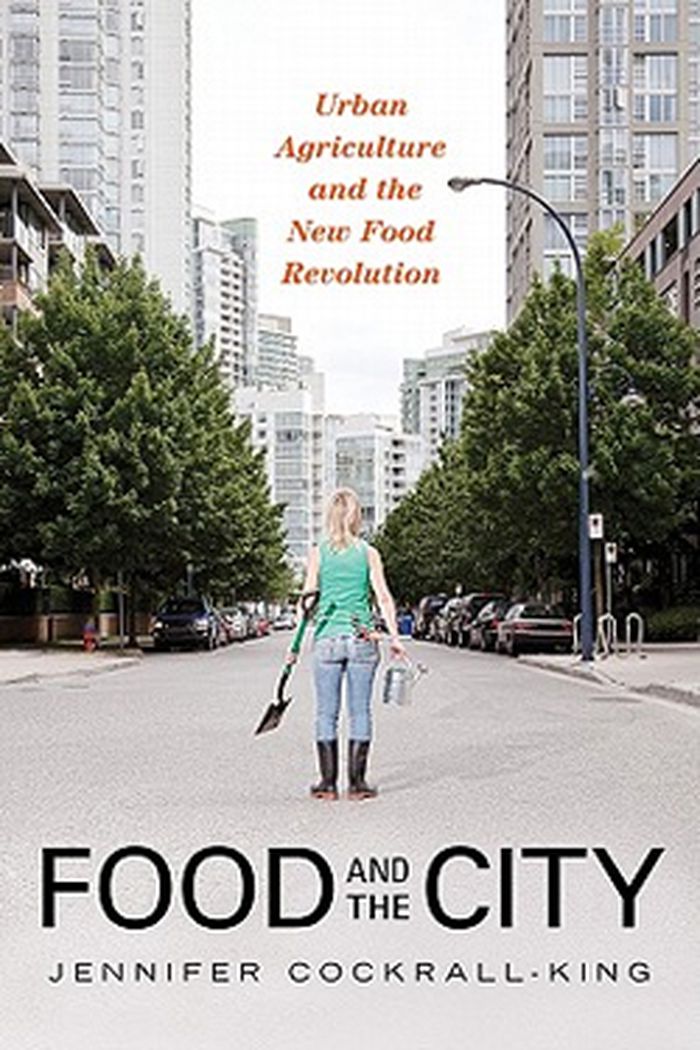
An award-winning food journalist examines alternative food systems in cities around the globe and chronicles a game-changing movement, a rebellion against the industrial food behemoth, and a reclaiming of communities to grow, distribute, and eat locally.
Food and the city : urban agriculture and the new food revolution
Actions:
Price:
$24.50
(available to order)
Summary:
An award-winning food journalist examines alternative food systems in cities around the globe and chronicles a game-changing movement, a rebellion against the industrial food behemoth, and a reclaiming of communities to grow, distribute, and eat locally.
Form:
books
books
Publication:
February 2012
February 2012
Subject:
Food
Food
Form:
books
books
Title:
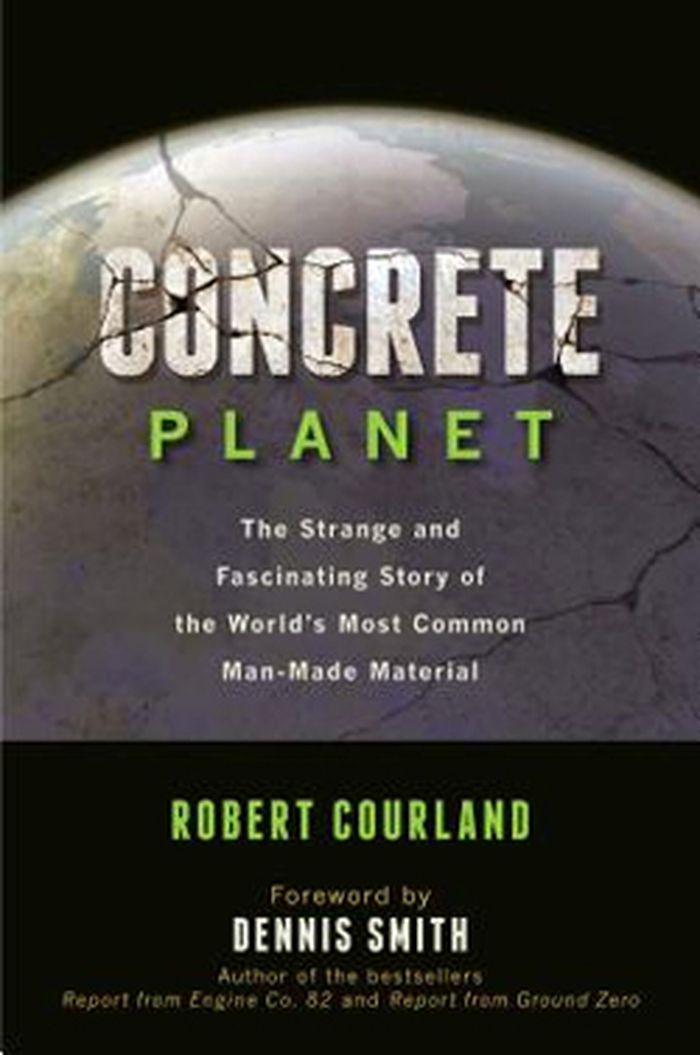
Concrete planet : the strange and fascinating story of the world's most common man-made material
Concrete planet : the strange and fascinating story of the world's most common man-made material
Actions:
Price:
$27.50
(available to order)
Summary:
Cocrete : we use it for our buildings, bridges, dams and roads. We walk on it, drive on it and many of us live and work within its walls. But very few of us know what it is.
$27.50
(available to order)
Summary:
Cocrete : we use it for our buildings, bridges, dams and roads. We walk on it, drive on it and many of us live and work within its walls. But very few of us know what it is.
Publication:
February 2012
February 2012
Title:
Concrete planet : the strange and fascinating story of the world's most common man-made material
Actions:
Price:
$27.50
(available to order)
Summary:
Cocrete : we use it for our buildings, bridges, dams and roads. We walk on it, drive on it and many of us live and work within its walls. But very few of us know what it is.
Concrete planet : the strange and fascinating story of the world's most common man-made material
Actions:
Price:
$27.50
(available to order)
Summary:
Cocrete : we use it for our buildings, bridges, dams and roads. We walk on it, drive on it and many of us live and work within its walls. But very few of us know what it is.
Form:
books
books
Publication:
February 2012
February 2012
Form:
books
books
Actions:
Price:
$18.00
(available to order)
Summary:
The Soviet Union was founded on a fairytale. It was built on 20th-century magic called 'the planned economy', which was going to gush forth an abundance of good things that the penny-pinching lands of capitalism could never match. And just for a little while, in the heady years of the late 1950s, the magic seemed to be working. "Red Plenty" is about that moment in(...)
$18.00
(available to order)
Summary:
The Soviet Union was founded on a fairytale. It was built on 20th-century magic called 'the planned economy', which was going to gush forth an abundance of good things that the penny-pinching lands of capitalism could never match. And just for a little while, in the heady years of the late 1950s, the magic seemed to be working. "Red Plenty" is about that moment in(...)
Title:
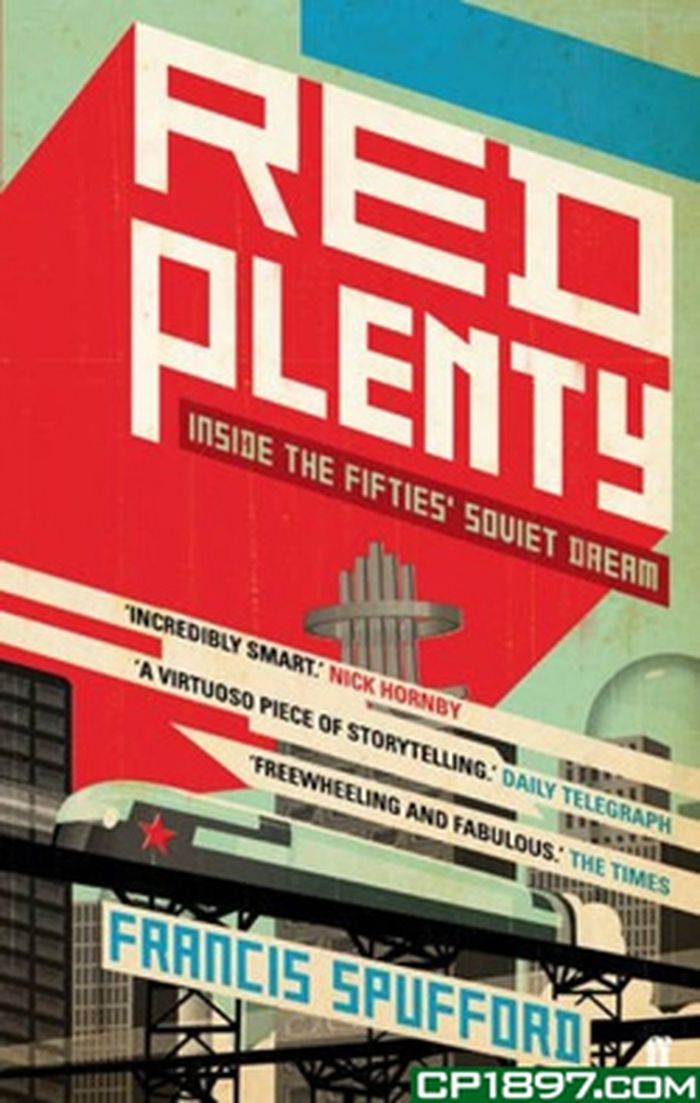
Red plenty: inside the fifties' soviet dream
Actions:
Price:
$18.00
(available to order)
Summary:
The Soviet Union was founded on a fairytale. It was built on 20th-century magic called 'the planned economy', which was going to gush forth an abundance of good things that the penny-pinching lands of capitalism could never match. And just for a little while, in the heady years of the late 1950s, the magic seemed to be working. "Red Plenty" is about that moment in history, and how it came, and how it went away; about the brief era when, under the rash leadership of Nikita Khrushchev, the Soviet Union looked forward to a future of rich communists and envious capitalists, when Moscow would out-glitter Manhattan, every Lada would be better engineered than a Porsche and sputniks would lead the way to the stars. And it's about the scientists who did their genuinely brilliant best to make the dream come true, to give the tyranny its happy ending.
Red plenty: inside the fifties' soviet dream
Actions:
Price:
$18.00
(available to order)
Summary:
The Soviet Union was founded on a fairytale. It was built on 20th-century magic called 'the planned economy', which was going to gush forth an abundance of good things that the penny-pinching lands of capitalism could never match. And just for a little while, in the heady years of the late 1950s, the magic seemed to be working. "Red Plenty" is about that moment in history, and how it came, and how it went away; about the brief era when, under the rash leadership of Nikita Khrushchev, the Soviet Union looked forward to a future of rich communists and envious capitalists, when Moscow would out-glitter Manhattan, every Lada would be better engineered than a Porsche and sputniks would lead the way to the stars. And it's about the scientists who did their genuinely brilliant best to make the dream come true, to give the tyranny its happy ending.
Form:
books
books
Publication:
August 2011
August 2011
Subject:
Architecture and the imaginary
Architecture and the imaginary


