


947 Results
Form:
books
books
Actions:
Price:
$50.95
(available to order)
Summary:
Architectural facades now have the potential to be literally kinetic, through automated sunscreens and a range of animated surfaces. This book explores the aesthetic potential of these new types of moving facades. Critique of theory and practice in architecture is combined here with ideas from kinetic art of the 1960's. From this background the basic principles of(...)
$50.95
(available to order)
Summary:
Architectural facades now have the potential to be literally kinetic, through automated sunscreens and a range of animated surfaces. This book explores the aesthetic potential of these new types of moving facades. Critique of theory and practice in architecture is combined here with ideas from kinetic art of the 1960's. From this background the basic principles of(...)
Title:
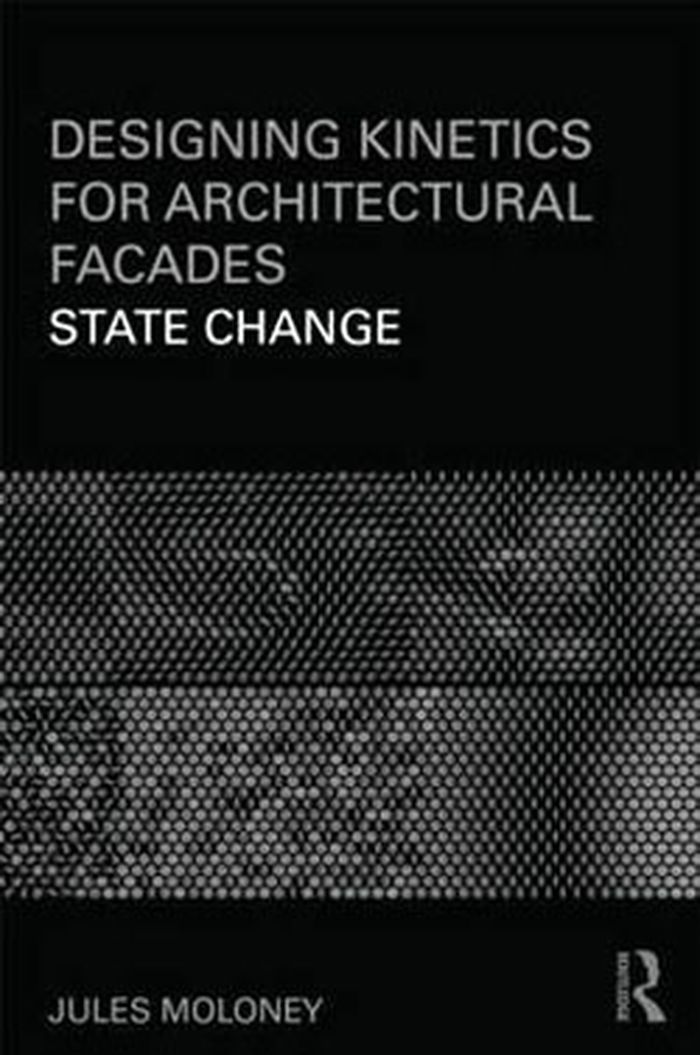
Designing kinetics for architectural facades: state change
Actions:
Price:
$50.95
(available to order)
Summary:
Architectural facades now have the potential to be literally kinetic, through automated sunscreens and a range of animated surfaces. This book explores the aesthetic potential of these new types of moving facades. Critique of theory and practice in architecture is combined here with ideas from kinetic art of the 1960's. From this background the basic principles of kinetics are defined and are used to generate experimental computer animations. By classifying the animations, a theory of kinetic form called 'state change' is developed. This design research provides a resource for those interested in the capacity of kinetics to enliven the public face of architecture.
Designing kinetics for architectural facades: state change
Actions:
Price:
$50.95
(available to order)
Summary:
Architectural facades now have the potential to be literally kinetic, through automated sunscreens and a range of animated surfaces. This book explores the aesthetic potential of these new types of moving facades. Critique of theory and practice in architecture is combined here with ideas from kinetic art of the 1960's. From this background the basic principles of kinetics are defined and are used to generate experimental computer animations. By classifying the animations, a theory of kinetic form called 'state change' is developed. This design research provides a resource for those interested in the capacity of kinetics to enliven the public face of architecture.
Form:
books
books
Publication:
July 2011
July 2011
Subject:
Digital Architecture
Digital Architecture
Form:
books
books
Actions:
Price:
$32.00
(available to order)
Summary:
Attempting to explore untapped potential in urban planning, Architecture in Context debates such topics as strategies for user-financed urban construction, transport in Copenhagen and urban planning in Africa. Contributors include architects, planners and theorists such as Christoph Laimer, Klaus Overmeyer, Andreas Denk, Oliver Bormann and Per Als.
$32.00
(available to order)
Summary:
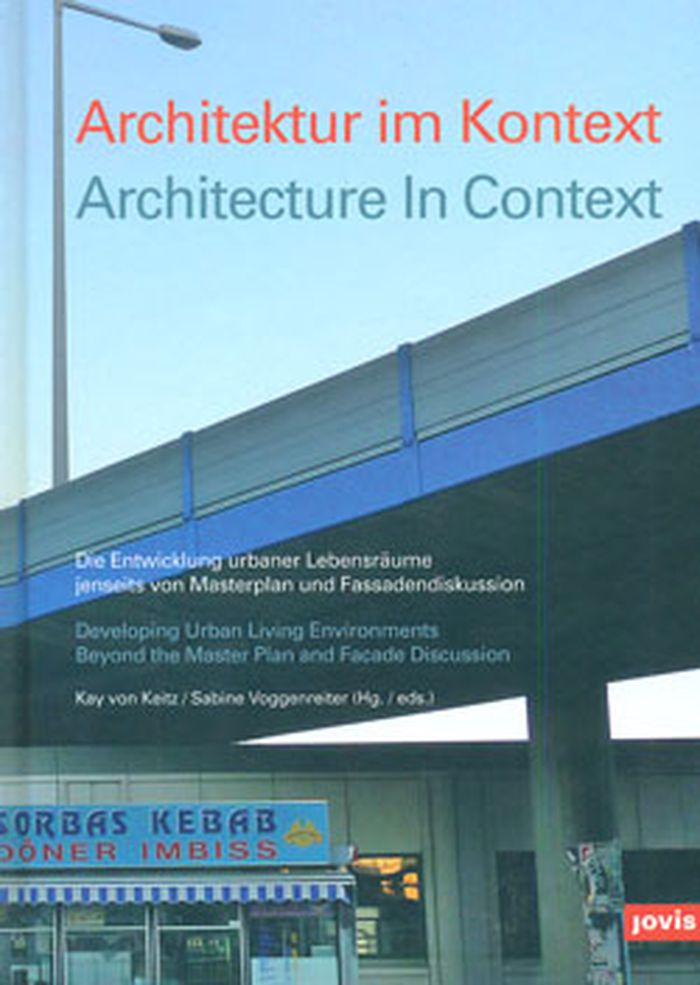
Attempting to explore untapped potential in urban planning, Architecture in Context debates such topics as strategies for user-financed urban construction, transport in Copenhagen and urban planning in Africa. Contributors include architects, planners and theorists such as Christoph Laimer, Klaus Overmeyer, Andreas Denk, Oliver Bormann and Per Als.
Subject:
Urban Theory
Urban Theory
Publication:
August 2014
August 2014
Title:
Architecture in context: developing urban living environments beyond the Master plan and facade discussion
Actions:
Price:
$32.00
(available to order)
Summary:
Attempting to explore untapped potential in urban planning, Architecture in Context debates such topics as strategies for user-financed urban construction, transport in Copenhagen and urban planning in Africa. Contributors include architects, planners and theorists such as Christoph Laimer, Klaus Overmeyer, Andreas Denk, Oliver Bormann and Per Als.
Architecture in context: developing urban living environments beyond the Master plan and facade discussion
Actions:
Price:
$32.00
(available to order)
Summary:
Attempting to explore untapped potential in urban planning, Architecture in Context debates such topics as strategies for user-financed urban construction, transport in Copenhagen and urban planning in Africa. Contributors include architects, planners and theorists such as Christoph Laimer, Klaus Overmeyer, Andreas Denk, Oliver Bormann and Per Als.
Form:
books
books
Publication:
August 2014
August 2014
Subject:
Urban Theory
Urban Theory
Form:
books
books
Actions:
Price:
$67.95
(available to order)
Summary:
Where is the space for dreaming in the twenty-first century? Lofty thoughts, like dreams, are born and live overhead, just as they have been represented in Renaissance paintings and modern cartoons. Ceilings are often repositories of stories, events and otherwise invisible oneiric narratives. Yet environments that inspire innovative thinking are dwindling as our world(...)
$67.95
(available to order)
Summary:
Where is the space for dreaming in the twenty-first century? Lofty thoughts, like dreams, are born and live overhead, just as they have been represented in Renaissance paintings and modern cartoons. Ceilings are often repositories of stories, events and otherwise invisible oneiric narratives. Yet environments that inspire innovative thinking are dwindling as our world(...)
Subject:
Architectural Theory
Architectural Theory
Publication:
August 2019
August 2019
Title:
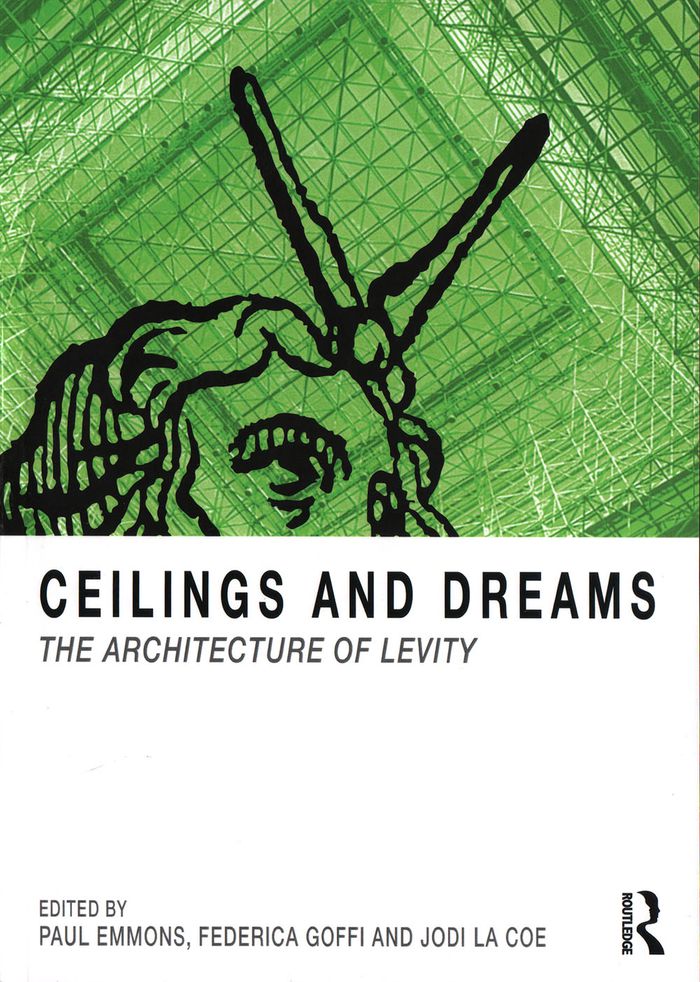
Ceilings and dreams: the architecture of levity
Actions:
Price:
$67.95
(available to order)
Summary:
Where is the space for dreaming in the twenty-first century? Lofty thoughts, like dreams, are born and live overhead, just as they have been represented in Renaissance paintings and modern cartoons. Ceilings are often repositories of stories, events and otherwise invisible oneiric narratives. Yet environments that inspire innovative thinking are dwindling as our world confronts enormous challenges, and almost all of our thinking, debating and decision-making takes place under endless ceiling grids. Quantitative research establishes that spaces with taller ceilings elicit broader, more creative thoughts. Today, ceilings are usually squat conduits of technology: they have become the blind spot of modern architecture. The twenty essays in this book look across cultures, places and ceilings over time to discover their potential to uplift the human spirit. Not just one building element among many, the ceiling is a key to unlock the architectural imagination.
Ceilings and dreams: the architecture of levity
Actions:
Price:
$67.95
(available to order)
Summary:
Where is the space for dreaming in the twenty-first century? Lofty thoughts, like dreams, are born and live overhead, just as they have been represented in Renaissance paintings and modern cartoons. Ceilings are often repositories of stories, events and otherwise invisible oneiric narratives. Yet environments that inspire innovative thinking are dwindling as our world confronts enormous challenges, and almost all of our thinking, debating and decision-making takes place under endless ceiling grids. Quantitative research establishes that spaces with taller ceilings elicit broader, more creative thoughts. Today, ceilings are usually squat conduits of technology: they have become the blind spot of modern architecture. The twenty essays in this book look across cultures, places and ceilings over time to discover their potential to uplift the human spirit. Not just one building element among many, the ceiling is a key to unlock the architectural imagination.
Form:
books
books
Publication:
August 2019
August 2019
Subject:
Architectural Theory
Architectural Theory
Form:
books
books
Price:
$34.00
(available to order)
Summary:
The recent collaboration between Gian Piero Frassinelli – founder of the Florentine collective Superstudio – and 2A+P/A an architectural practice based in Rome – relaunched a long-established, yet generally overlooked, debate on the relationship between architecture and anthropology. Moving away from a historical or scientific perspective to embrace the point of view of(...)
$34.00
(available to order)
Summary:
The recent collaboration between Gian Piero Frassinelli – founder of the Florentine collective Superstudio – and 2A+P/A an architectural practice based in Rome – relaunched a long-established, yet generally overlooked, debate on the relationship between architecture and anthropology. Moving away from a historical or scientific perspective to embrace the point of view of(...)
Title:
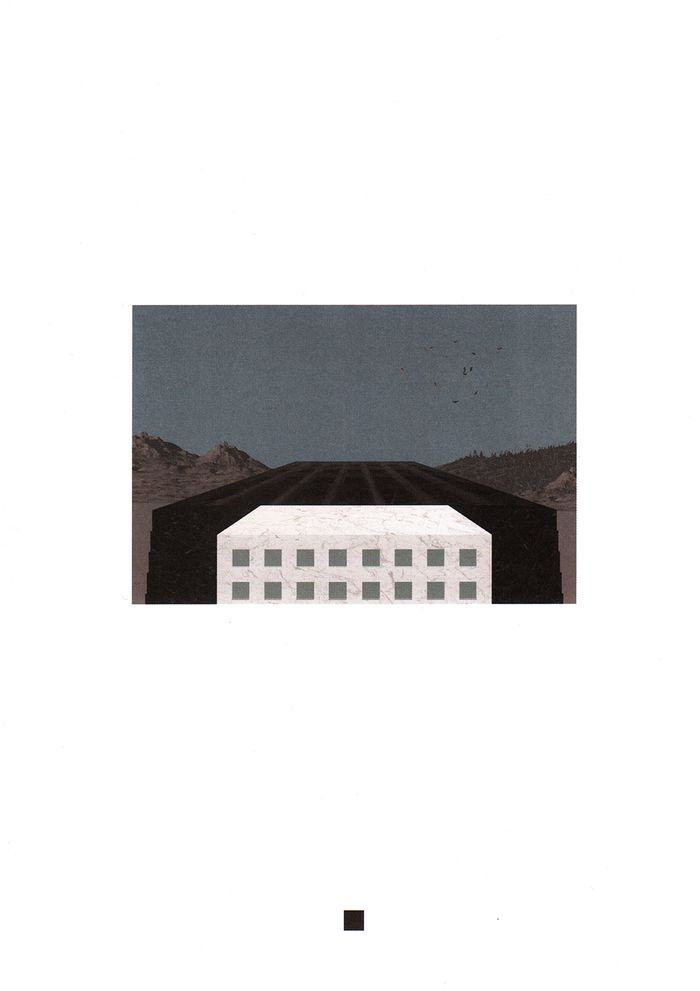
Savage architecture: Gian Piero Frassinelli, Superstudio, 2A + P/A
Actions:
Price:
$34.00
(available to order)
Summary:
The recent collaboration between Gian Piero Frassinelli – founder of the Florentine collective Superstudio – and 2A+P/A an architectural practice based in Rome – relaunched a long-established, yet generally overlooked, debate on the relationship between architecture and anthropology. Moving away from a historical or scientific perspective to embrace the point of view of the project, the exhibition Savage Architecture genealogically reconstructs the ethos of such collaboration in four episodes. The outcome is a journey through the imaginative potential of the anthropological gaze in constructing both meaning and a method for the architectural project as an alternative to the dominant belief in the economic and technological reasons.
Savage architecture: Gian Piero Frassinelli, Superstudio, 2A + P/A
Actions:
Price:
$34.00
(available to order)
Summary:
The recent collaboration between Gian Piero Frassinelli – founder of the Florentine collective Superstudio – and 2A+P/A an architectural practice based in Rome – relaunched a long-established, yet generally overlooked, debate on the relationship between architecture and anthropology. Moving away from a historical or scientific perspective to embrace the point of view of the project, the exhibition Savage Architecture genealogically reconstructs the ethos of such collaboration in four episodes. The outcome is a journey through the imaginative potential of the anthropological gaze in constructing both meaning and a method for the architectural project as an alternative to the dominant belief in the economic and technological reasons.
Form:
books
books
Publication:
October 2016
October 2016
Subject:
Current Exhibitions
Current Exhibitions
Form:
audio
audio
Title:
The Ghost of Jakob Jakobsen.
The Ghost of Jakob Jakobsen.
Actions:
Description:
1 online resource.
Author:
Subject:
Publication:
[Place of publication not identified] : Social Discipline, 2026., [Place of publication not identified] : Dream Academy, 2026., [Place of publication not identified] : SASUSU Radio, 2026.
[Place of publication not identified] : Social Discipline, 2026., [Place of publication not identified] : Dream Academy, 2026., [Place of publication not identified] : SASUSU Radio, 2026.
Form:
audio
audio
Publication:
[Place of publication not identified] : Social Discipline, 2026., [Place of publication not identified] : Dream Academy, 2026., [Place of publication not identified] : SASUSU Radio, 2026.
[Place of publication not identified] : Social Discipline, 2026., [Place of publication not identified] : Dream Academy, 2026., [Place of publication not identified] : SASUSU Radio, 2026.
Author:
Subject:
Form:
books
books
Price:
$41.50
(available to order)
Summary:
Designers around the world are carving out opportunities for new kinds of engagement, new kinds of collaboration, new kinds of design outcomes, and new kinds of practice; overturning the inherited assumptions of the design professions. Seventeen conversations with practitioners from the fields of architecture, policy, activism, design, education, research, history,(...)
$41.50
(available to order)
Summary:
Designers around the world are carving out opportunities for new kinds of engagement, new kinds of collaboration, new kinds of design outcomes, and new kinds of practice; overturning the inherited assumptions of the design professions. Seventeen conversations with practitioners from the fields of architecture, policy, activism, design, education, research, history,(...)
Title:
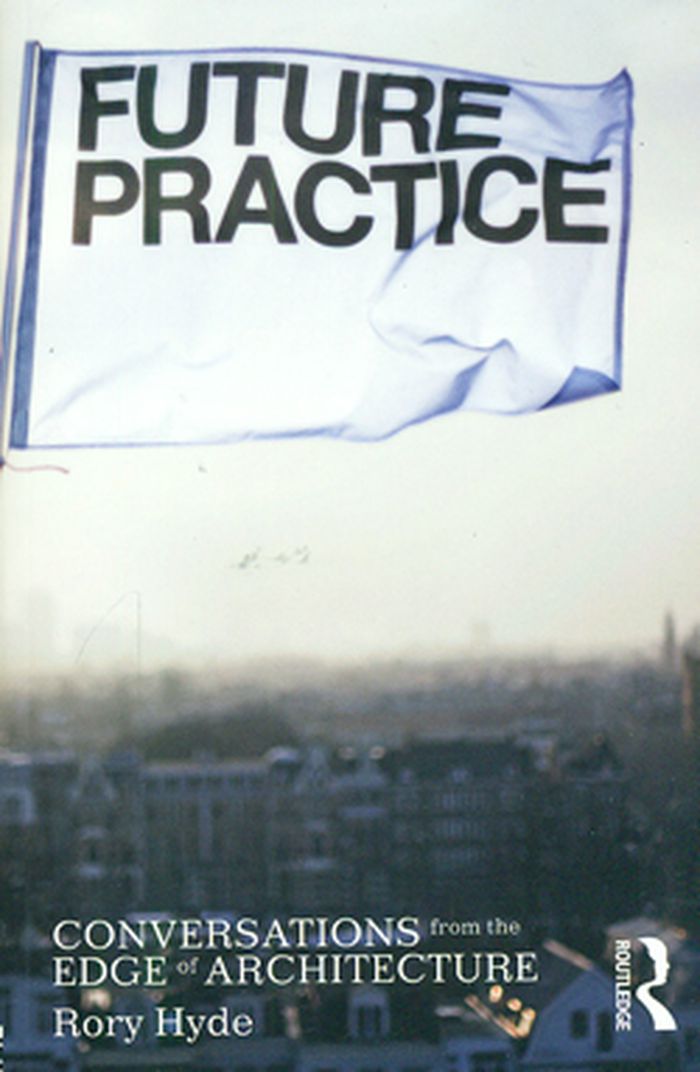
Future practice : conversations from the edge of architecture
Actions:
Price:
$41.50
(available to order)
Summary:
Designers around the world are carving out opportunities for new kinds of engagement, new kinds of collaboration, new kinds of design outcomes, and new kinds of practice; overturning the inherited assumptions of the design professions. Seventeen conversations with practitioners from the fields of architecture, policy, activism, design, education, research, history, community engagement and more, each representing an emergent role for designers to occupy. Whether the "civic entrepreneur," the "double agent," or the "strategic designer," this book offers a diverse spectrum of approaches to design, each offering a potential future for architectural practice. With a foreword by Dan Hill and interviews with Steve Ashton, ARM; Bryan Boyer, Helsinki Design Lab; Camila Bustamante; Mel Dodd, muf_aus; DUS Architects; Jeanne Gang, Studio Gang; Reinier de Graaf and Laura Baird, AMO; Conrad Hamann; Natalie Jeremijenko, xClinic; Indy Johar, 00:/;Bruce Mau; Arjen Oosterman and Lilet Breddels, Volume; Todd Reisz; Wouter Vanstiphout, Crimson; Matt Webb, BERG; Marcus Westbury, Renew Newcastle; and Liam Young, Unknown Fields
Future practice : conversations from the edge of architecture
Actions:
Price:
$41.50
(available to order)
Summary:
Designers around the world are carving out opportunities for new kinds of engagement, new kinds of collaboration, new kinds of design outcomes, and new kinds of practice; overturning the inherited assumptions of the design professions. Seventeen conversations with practitioners from the fields of architecture, policy, activism, design, education, research, history, community engagement and more, each representing an emergent role for designers to occupy. Whether the "civic entrepreneur," the "double agent," or the "strategic designer," this book offers a diverse spectrum of approaches to design, each offering a potential future for architectural practice. With a foreword by Dan Hill and interviews with Steve Ashton, ARM; Bryan Boyer, Helsinki Design Lab; Camila Bustamante; Mel Dodd, muf_aus; DUS Architects; Jeanne Gang, Studio Gang; Reinier de Graaf and Laura Baird, AMO; Conrad Hamann; Natalie Jeremijenko, xClinic; Indy Johar, 00:/;Bruce Mau; Arjen Oosterman and Lilet Breddels, Volume; Todd Reisz; Wouter Vanstiphout, Crimson; Matt Webb, BERG; Marcus Westbury, Renew Newcastle; and Liam Young, Unknown Fields
Form:
books
books
Publication:
August 2012
August 2012
Form:
books
books
Price:
$62.00
(available in store)
Summary:
Architecture, as a living organism, establishes a relationship between beings and their environment, where the notions of energy, breathing and light are the vectors for the conception of spaces. For Serero, ?architecture should reach the minimum impact on its local environment and aims to vanish and resiliate in nature. The work rethink architecture and shifts away its(...)
$62.00
(available in store)
Summary:
Architecture, as a living organism, establishes a relationship between beings and their environment, where the notions of energy, breathing and light are the vectors for the conception of spaces. For Serero, ?architecture should reach the minimum impact on its local environment and aims to vanish and resiliate in nature. The work rethink architecture and shifts away its(...)
Title:
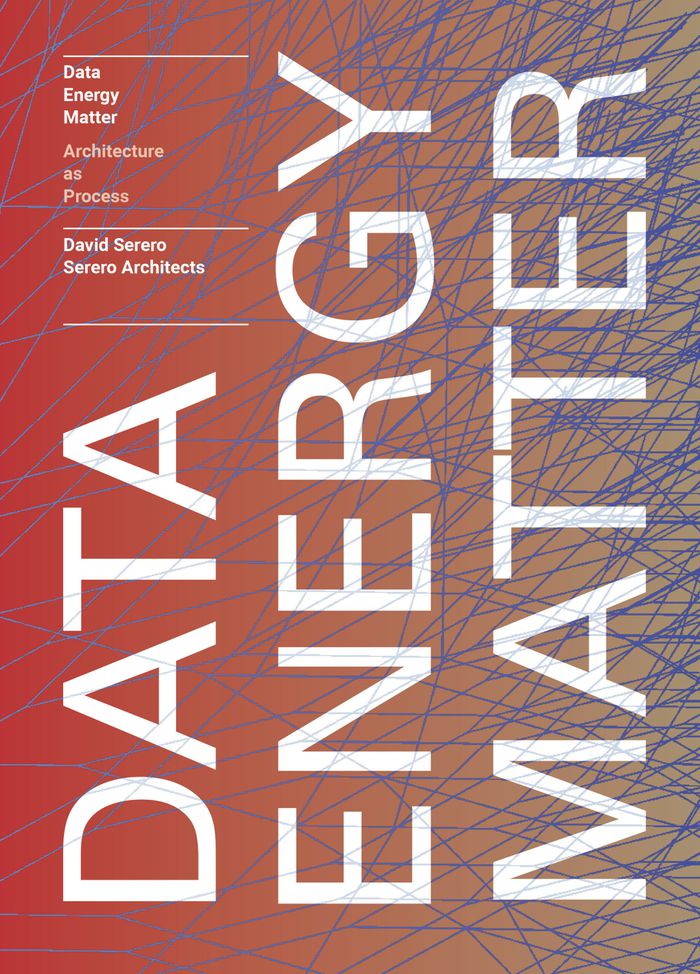
Data. Energy. Matter: Why architecture is key to climate change
Actions:
Price:
$62.00
(available in store)
Summary:
Architecture, as a living organism, establishes a relationship between beings and their environment, where the notions of energy, breathing and light are the vectors for the conception of spaces. For Serero, ?architecture should reach the minimum impact on its local environment and aims to vanish and resiliate in nature. The work rethink architecture and shifts away its permanent condition towards a transient and ephemeral one, with greater spatial versatility and multiplying the potential usage to propose an open architecture. This book reveals 3 profound transformations of recent architecture: the digital revolution and its impact on creative work in all conceptual aspects, the emergence of an internet of energy ?that buildings will contribute to create to share energy, and the profusion of new usage of private and public spaces, both collaborative and connected, creating an interstitial experience of spaces ?between the physical and the virtual.
Data. Energy. Matter: Why architecture is key to climate change
Actions:
Price:
$62.00
(available in store)
Summary:
Architecture, as a living organism, establishes a relationship between beings and their environment, where the notions of energy, breathing and light are the vectors for the conception of spaces. For Serero, ?architecture should reach the minimum impact on its local environment and aims to vanish and resiliate in nature. The work rethink architecture and shifts away its permanent condition towards a transient and ephemeral one, with greater spatial versatility and multiplying the potential usage to propose an open architecture. This book reveals 3 profound transformations of recent architecture: the digital revolution and its impact on creative work in all conceptual aspects, the emergence of an internet of energy ?that buildings will contribute to create to share energy, and the profusion of new usage of private and public spaces, both collaborative and connected, creating an interstitial experience of spaces ?between the physical and the virtual.
Form:
books
books
Publication:
December 2025
December 2025
Subject:
Environment and environmental theory
Environment and environmental theory
Form:
books
books
Actions:
Price:
$26.95
(available to order)
Summary:
This book brings together a provocative series of essays, conversations, and design proposals that attempt to intensify the potential of the multidisciplinary discourse developing in response to the Anthropocene thesis for contemporary architecture scholarship and practice. Research regarding the significance and consequence of anthropogenic transformations of the earth's(...)
$26.95
(available to order)
Summary:
This book brings together a provocative series of essays, conversations, and design proposals that attempt to intensify the potential of the multidisciplinary discourse developing in response to the Anthropocene thesis for contemporary architecture scholarship and practice. Research regarding the significance and consequence of anthropogenic transformations of the earth's(...)
Title:
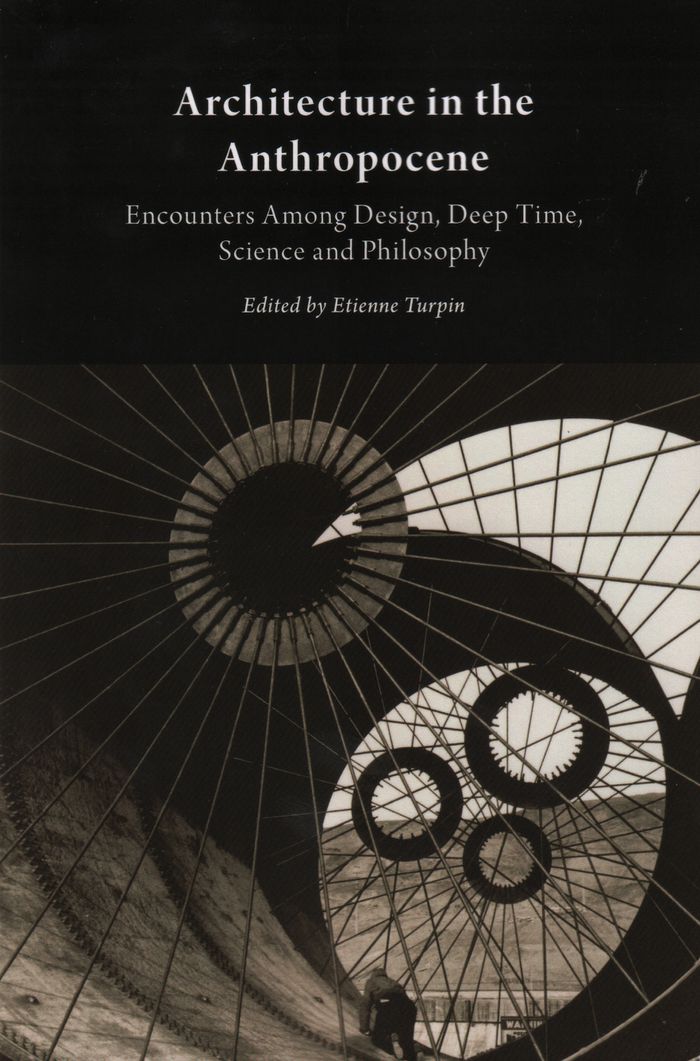
Architecture in the anthropocene: encounters among design, deep time, science and philosophy
Actions:
Price:
$26.95
(available to order)
Summary:
This book brings together a provocative series of essays, conversations, and design proposals that attempt to intensify the potential of the multidisciplinary discourse developing in response to the Anthropocene thesis for contemporary architecture scholarship and practice. Research regarding the significance and consequence of anthropogenic transformations of the earth's land, oceans, biosphere and climate have demonstrated that, from a wide variety of perspectives, it is almost certain that humans have initiated a new geological epoch, their own. First labeled the Anthropocene by the chemist Paul Crutzen, the consideration of the merits of the Anthropocene thesis by the International Commission on Stratigraphy and the International Union of Geological Sciences has also garnered the attention of philosophers, historians, and legal scholars, as well as an increasing number of researchers from a range of scientific backgrounds.
Architecture in the anthropocene: encounters among design, deep time, science and philosophy
Actions:
Price:
$26.95
(available to order)
Summary:
This book brings together a provocative series of essays, conversations, and design proposals that attempt to intensify the potential of the multidisciplinary discourse developing in response to the Anthropocene thesis for contemporary architecture scholarship and practice. Research regarding the significance and consequence of anthropogenic transformations of the earth's land, oceans, biosphere and climate have demonstrated that, from a wide variety of perspectives, it is almost certain that humans have initiated a new geological epoch, their own. First labeled the Anthropocene by the chemist Paul Crutzen, the consideration of the merits of the Anthropocene thesis by the International Commission on Stratigraphy and the International Union of Geological Sciences has also garnered the attention of philosophers, historians, and legal scholars, as well as an increasing number of researchers from a range of scientific backgrounds.
Form:
books
books
Publication:
November 2013
November 2013
Subject:
Architectural Theory
Architectural Theory
Form:
books
books
Actions:
Price:
$76.95
(available to order)
Summary:
At the inaugural festivities of the Moscow Palace of Young Pioneers in 1962, a Soviet news agency enthusiastically reported, “In this house, the walls will teach!” Propagandistic, yes, but this prescriptive attitude about the potential of architecture to shape modern life was implicit in much of the architecture of the 20th century. This collection of 12 essays and 24(...)
$76.95
(available to order)
Summary:
At the inaugural festivities of the Moscow Palace of Young Pioneers in 1962, a Soviet news agency enthusiastically reported, “In this house, the walls will teach!” Propagandistic, yes, but this prescriptive attitude about the potential of architecture to shape modern life was implicit in much of the architecture of the 20th century. This collection of 12 essays and 24(...)
Subject:
Commercial interiors, Building types
Commercial interiors, Building types
Publication:
January 2015
January 2015
Title:
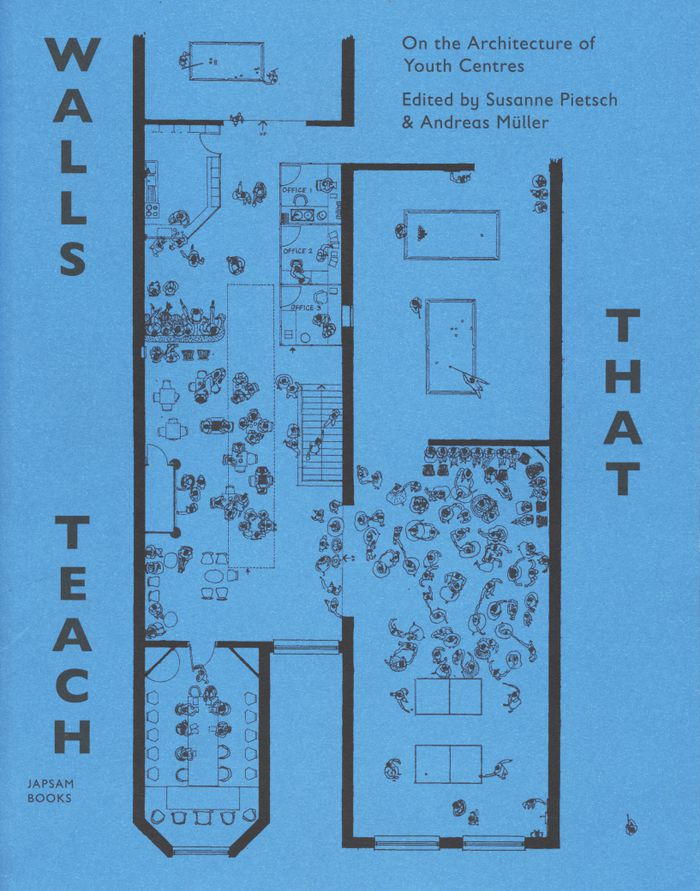
Walls that teach: on the architecture of youth centres
Actions:
Price:
$76.95
(available to order)
Summary:
At the inaugural festivities of the Moscow Palace of Young Pioneers in 1962, a Soviet news agency enthusiastically reported, “In this house, the walls will teach!” Propagandistic, yes, but this prescriptive attitude about the potential of architecture to shape modern life was implicit in much of the architecture of the 20th century. This collection of 12 essays and 24 case studies from leading architects and academics examines the architecture and programming of mid-century youth centers across Europe, from Utrecht to Manchester. The organization of these centers around leisure activities partially concealed their educational (and ultimately political) goals: their pedagogical power could be found not only in their physical design, but also in the way they were used and inhabited by the children themselves. Contributors include Tom Avermaete, Peter Blundell Jones, Jennifer Mack, Susan Reid, Sue Robertson, Piet Vollaard and many others.
Walls that teach: on the architecture of youth centres
Actions:
Price:
$76.95
(available to order)
Summary:
At the inaugural festivities of the Moscow Palace of Young Pioneers in 1962, a Soviet news agency enthusiastically reported, “In this house, the walls will teach!” Propagandistic, yes, but this prescriptive attitude about the potential of architecture to shape modern life was implicit in much of the architecture of the 20th century. This collection of 12 essays and 24 case studies from leading architects and academics examines the architecture and programming of mid-century youth centers across Europe, from Utrecht to Manchester. The organization of these centers around leisure activities partially concealed their educational (and ultimately political) goals: their pedagogical power could be found not only in their physical design, but also in the way they were used and inhabited by the children themselves. Contributors include Tom Avermaete, Peter Blundell Jones, Jennifer Mack, Susan Reid, Sue Robertson, Piet Vollaard and many others.
Form:
books
books
Publication:
January 2015
January 2015
Subject:
Commercial interiors, Building types
Commercial interiors, Building types
Form:
books
books
Title:
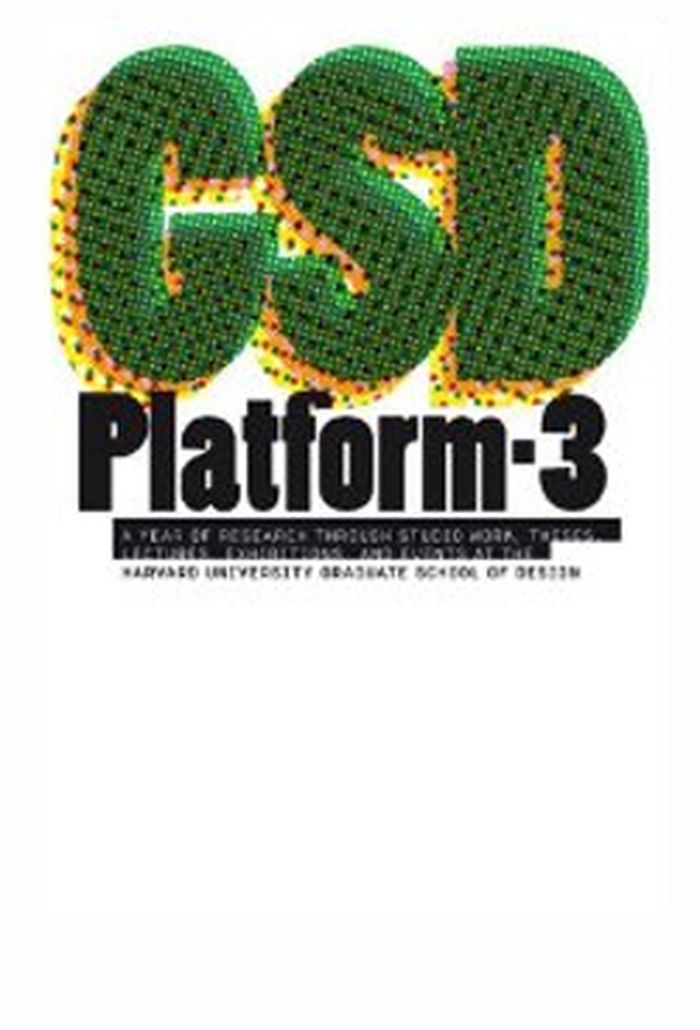
GSD platform 3
GSD platform 3
Actions:
Price:
$37.95
(available to order)
Summary:
Whether exploring the potential of a new technology, redefining a typology, or engaging a community on the other side of the globe, the lines of inquiry beginning at the GSD consistently indicate relevance to larger social, cultural, and spatial questions. To understand the scope of this potential impact, the work was framed with one simple question: “What can design(...)
$37.95
(available to order)
Summary:
Whether exploring the potential of a new technology, redefining a typology, or engaging a community on the other side of the globe, the lines of inquiry beginning at the GSD consistently indicate relevance to larger social, cultural, and spatial questions. To understand the scope of this potential impact, the work was framed with one simple question: “What can design(...)
Title:
GSD platform 3
Actions:
Price:
$37.95
(available to order)
Summary:
Whether exploring the potential of a new technology, redefining a typology, or engaging a community on the other side of the globe, the lines of inquiry beginning at the GSD consistently indicate relevance to larger social, cultural, and spatial questions. To understand the scope of this potential impact, the work was framed with one simple question: “What can design do?”. We have identified five actions that describe the ability of Architecture, Landscape Architecture, and Urban Planning and Design at the GSD to reach beyond their immediate contexts and out into the world: Instigate Evolution, Describe Identity, Construct Equality, Negotiate Growth, Imagine New Futures. The range and definition of these actions is tested through the work of a representative collection of studios, lectures, seminars, symposia, colloquia, thesis projects, and student research. The core studios are presented here in sequence.
GSD platform 3
Actions:
Price:
$37.95
(available to order)
Summary:
Whether exploring the potential of a new technology, redefining a typology, or engaging a community on the other side of the globe, the lines of inquiry beginning at the GSD consistently indicate relevance to larger social, cultural, and spatial questions. To understand the scope of this potential impact, the work was framed with one simple question: “What can design do?”. We have identified five actions that describe the ability of Architecture, Landscape Architecture, and Urban Planning and Design at the GSD to reach beyond their immediate contexts and out into the world: Instigate Evolution, Describe Identity, Construct Equality, Negotiate Growth, Imagine New Futures. The range and definition of these actions is tested through the work of a representative collection of studios, lectures, seminars, symposia, colloquia, thesis projects, and student research. The core studios are presented here in sequence.
Form:
books
books
Publication:
November 2010
November 2010
Subject:
Contemporary Architecture
Contemporary Architecture


