


805 Results
Form:
books
books
Price:
$41.99
(available to order)
Summary:
Modern environments are awash with pollutants churning through the air, from toxic gases and intensifying carbon to carcinogenic particles and novel viruses. The effects on our bodies and our planet are perilous. This is the first thorough study of the increasingly widespread use of digital technologies to monitor and respond to air pollution. It presents practice-based(...)
$41.99
(available to order)
Summary:
Modern environments are awash with pollutants churning through the air, from toxic gases and intensifying carbon to carcinogenic particles and novel viruses. The effects on our bodies and our planet are perilous. This is the first thorough study of the increasingly widespread use of digital technologies to monitor and respond to air pollution. It presents practice-based(...)
Title:
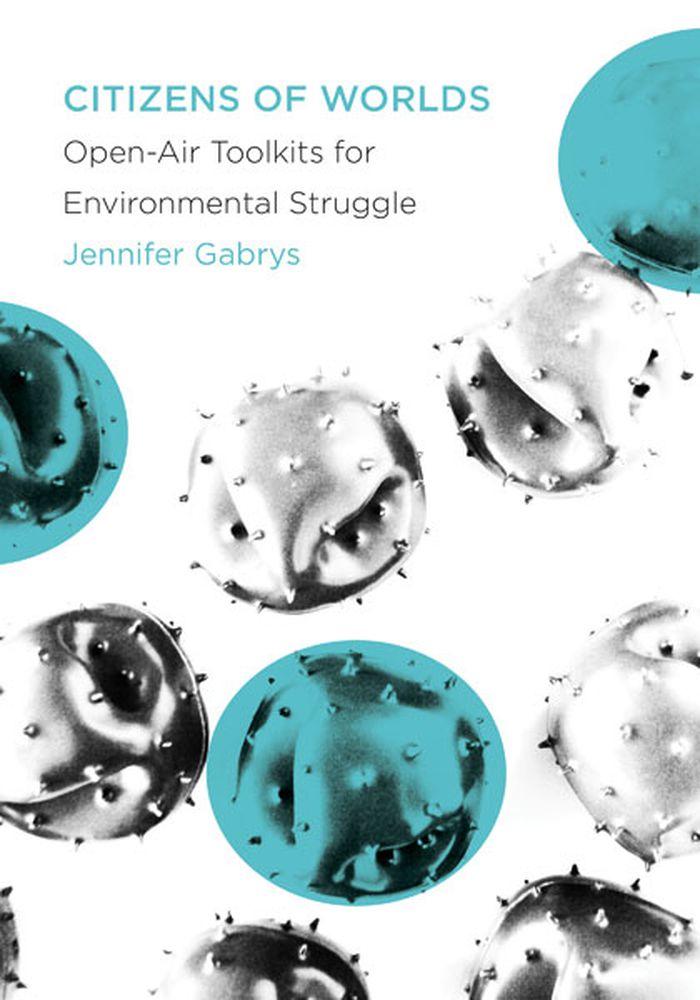
Citizens of worlds: Open-air toolkits for environmental struggle
Actions:
Price:
$41.99
(available to order)
Summary:
Modern environments are awash with pollutants churning through the air, from toxic gases and intensifying carbon to carcinogenic particles and novel viruses. The effects on our bodies and our planet are perilous. This is the first thorough study of the increasingly widespread use of digital technologies to monitor and respond to air pollution. It presents practice-based research on working with communities and making sensor toolkits to detect pollution while examining the political subjects, relations, and worlds these technologies generate. Spanning three project areas, this study describes collaborations to monitor air pollution from fracking infrastructure, to document emissions in urban environments, and to create air-quality gardens. As these projects show, how people respond to, care for, and struggle to transform environmental conditions informs the political subjects and collectives they become as they strive for more breathable worlds.
Citizens of worlds: Open-air toolkits for environmental struggle
Actions:
Price:
$41.99
(available to order)
Summary:
Modern environments are awash with pollutants churning through the air, from toxic gases and intensifying carbon to carcinogenic particles and novel viruses. The effects on our bodies and our planet are perilous. This is the first thorough study of the increasingly widespread use of digital technologies to monitor and respond to air pollution. It presents practice-based research on working with communities and making sensor toolkits to detect pollution while examining the political subjects, relations, and worlds these technologies generate. Spanning three project areas, this study describes collaborations to monitor air pollution from fracking infrastructure, to document emissions in urban environments, and to create air-quality gardens. As these projects show, how people respond to, care for, and struggle to transform environmental conditions informs the political subjects and collectives they become as they strive for more breathable worlds.
Form:
books
books
Publication:
November 2022
November 2022
Subject:
Environment and environmental theory
Environment and environmental theory
Form:
books
books
Actions:
Holdings:
Description:
285 pages : color illustrations ; 24 cm.
Description:
285 pages : color illustrations ; 24 cm.
Author:
Subject:
Publication:
Marseille : Parenthèses, [2015]
Marseille : Parenthèses, [2015]
Title:
Villes et changement climatique : îlots de chaleur urbains = Cities and climate change : urban heat islands / sous la direction de Jean-Jacques Terrin ; avec la collaboration de Jean-Baptiste Marie.
Actions:
Holdings:
Description:
285 pages : color illustrations ; 24 cm.
Villes et changement climatique : îlots de chaleur urbains = Cities and climate change : urban heat islands / sous la direction de Jean-Jacques Terrin ; avec la collaboration de Jean-Baptiste Marie.
Actions:
Holdings:
Description:
285 pages : color illustrations ; 24 cm.
Form:
books
books
Publication:
Marseille : Parenthèses, [2015]
Marseille : Parenthèses, [2015]
Author:
Subject:
Form:
books
books
Title:
Habitat durable : l'évidence de la construction passive / Jean-Loup Bertez, Jean-Claude Tremsal.
Habitat durable : l'évidence de la construction passive / Jean-Loup Bertez, Jean-Claude Tremsal.
Actions:
Holdings:
Description:
287 pages : illustrations (chiefly colour) ; 25 cm.
Description:
287 pages : illustrations (chiefly colour) ; 25 cm.
Author:
Subject:
Publication:
Paris : [Éditions Gallimard], [2017]
Paris : [Éditions Gallimard], [2017]
Title:
Habitat durable : l'évidence de la construction passive / Jean-Loup Bertez, Jean-Claude Tremsal.
Actions:
Holdings:
Description:
287 pages : illustrations (chiefly colour) ; 25 cm.
Habitat durable : l'évidence de la construction passive / Jean-Loup Bertez, Jean-Claude Tremsal.
Actions:
Holdings:
Description:
287 pages : illustrations (chiefly colour) ; 25 cm.
Form:
books
books
Publication:
Paris : [Éditions Gallimard], [2017]
Paris : [Éditions Gallimard], [2017]
Author:
Subject:
Form:
books
books
Actions:
Price:
$25.95
(available to order)
Summary:
The Earth has entered a new epoch: the Anthropocene. What we are facing is not only an environmental crisis, but a geological revolution of human origin. In two centuries, our planet has tipped into a state unknown for millions of years. How did we get to this point? Refuting the convenient view of a “human species” that upset the Earth system, unaware of what it was(...)
$25.95
(available to order)
Summary:
The Earth has entered a new epoch: the Anthropocene. What we are facing is not only an environmental crisis, but a geological revolution of human origin. In two centuries, our planet has tipped into a state unknown for millions of years. How did we get to this point? Refuting the convenient view of a “human species” that upset the Earth system, unaware of what it was(...)
Subject:
Environment and environmental theory
Environment and environmental theory
Publication:
April 2017
April 2017
Title:
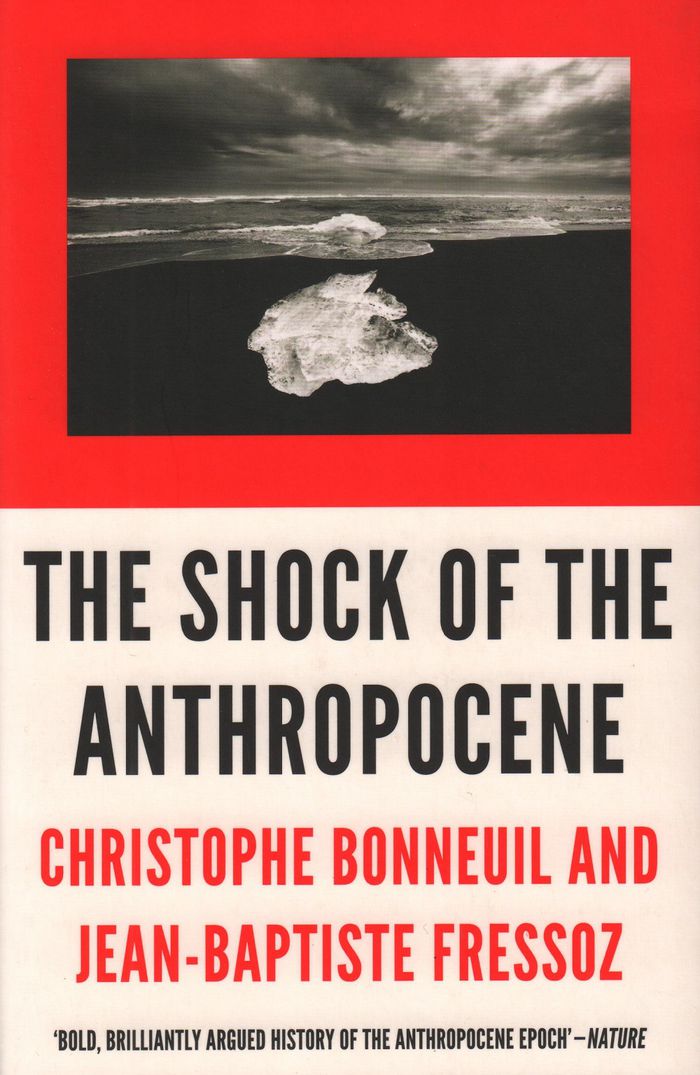
The shock of the anthropocene: the earth, history and us
Actions:
Price:
$25.95
(available to order)
Summary:
The Earth has entered a new epoch: the Anthropocene. What we are facing is not only an environmental crisis, but a geological revolution of human origin. In two centuries, our planet has tipped into a state unknown for millions of years. How did we get to this point? Refuting the convenient view of a “human species” that upset the Earth system, unaware of what it was doing, this book proposes the first critical history of the Anthropocene, shaking up many accepted ideas: about our supposedly recent “environmental awareness,” about previous challenges to industrialism, about the manufacture of ignorance and consumerism, about so-called energy transitions, as well as about the role of the military in environmental destruction. In a dialogue between science and history, The Shock of the Anthropocene dissects a new theoretical buzzword and explores paths for living and acting politically in this rapidly developing geological epoch.
The shock of the anthropocene: the earth, history and us
Actions:
Price:
$25.95
(available to order)
Summary:
The Earth has entered a new epoch: the Anthropocene. What we are facing is not only an environmental crisis, but a geological revolution of human origin. In two centuries, our planet has tipped into a state unknown for millions of years. How did we get to this point? Refuting the convenient view of a “human species” that upset the Earth system, unaware of what it was doing, this book proposes the first critical history of the Anthropocene, shaking up many accepted ideas: about our supposedly recent “environmental awareness,” about previous challenges to industrialism, about the manufacture of ignorance and consumerism, about so-called energy transitions, as well as about the role of the military in environmental destruction. In a dialogue between science and history, The Shock of the Anthropocene dissects a new theoretical buzzword and explores paths for living and acting politically in this rapidly developing geological epoch.
Form:
books
books
Publication:
April 2017
April 2017
Subject:
Environment and environmental theory
Environment and environmental theory
Form:
books
books
Actions:
Price:
$32.00
(available to order)
Summary:
The Earth has entered a new epoch: the Anthropocene. What we are facing is not only an environmental crisis, but a geological revolution of human origin. In two centuries, our planet has tipped into a state unknown for millions of years. How did we get to this point? Refuting the convenient view of a “human species” that upset the Earth system, unaware of what it was(...)
$32.00
(available to order)
Summary:
The Earth has entered a new epoch: the Anthropocene. What we are facing is not only an environmental crisis, but a geological revolution of human origin. In two centuries, our planet has tipped into a state unknown for millions of years. How did we get to this point? Refuting the convenient view of a “human species” that upset the Earth system, unaware of what it was(...)
Subject:
Green Architecture
Green Architecture
Publication:
March 2016
March 2016
Title:
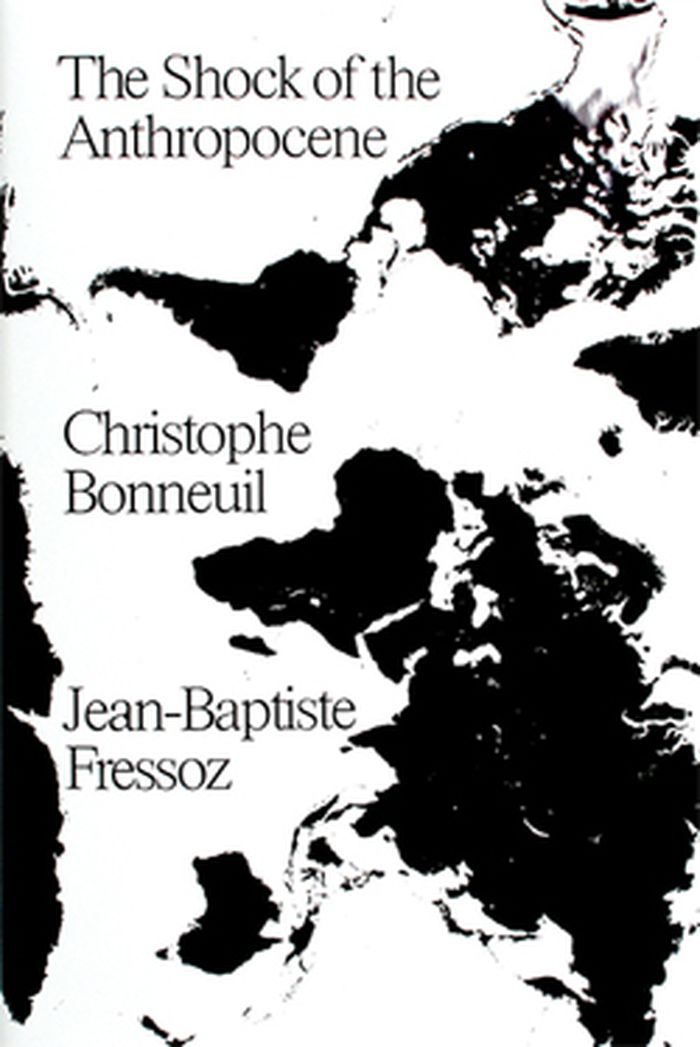
The Shock of the Anthropocene: The Earth, History and Us
Actions:
Price:
$32.00
(available to order)
Summary:
The Earth has entered a new epoch: the Anthropocene. What we are facing is not only an environmental crisis, but a geological revolution of human origin. In two centuries, our planet has tipped into a state unknown for millions of years. How did we get to this point? Refuting the convenient view of a “human species” that upset the Earth system, unaware of what it was doing, this book proposes the first critical history of the Anthropocene, shaking up many accepted ideas: about our supposedly recent “environmental awareness,” about previous challenges to industrialism, about the manufacture of ignorance and consumerism, about so-called energy transitions, as well as about the role of the military in environmental destruction. In a dialogue between science and history, The Shock of the Anthropocene dissects a new theoretical buzzword and explores paths for living and acting politically in this rapidly developing geological epoch.
The Shock of the Anthropocene: The Earth, History and Us
Actions:
Price:
$32.00
(available to order)
Summary:
The Earth has entered a new epoch: the Anthropocene. What we are facing is not only an environmental crisis, but a geological revolution of human origin. In two centuries, our planet has tipped into a state unknown for millions of years. How did we get to this point? Refuting the convenient view of a “human species” that upset the Earth system, unaware of what it was doing, this book proposes the first critical history of the Anthropocene, shaking up many accepted ideas: about our supposedly recent “environmental awareness,” about previous challenges to industrialism, about the manufacture of ignorance and consumerism, about so-called energy transitions, as well as about the role of the military in environmental destruction. In a dialogue between science and history, The Shock of the Anthropocene dissects a new theoretical buzzword and explores paths for living and acting politically in this rapidly developing geological epoch.
Form:
books
books
Publication:
March 2016
March 2016
Subject:
Green Architecture
Green Architecture
Form:
books
books
Actions:
Price:
$45.00
(available in store)
Summary:
The question Are We Human? is both urgent and ancient. Beatriz Colomina and Mark Wigley offer a multi-layered exploration of the intimate relationship between human and design and rethink the philosophy of design in a multi-dimensional exploration from the very ?rst tools and ornaments to the constant buzz of social media. The average day involves the experience of(...)
$45.00
(available in store)
Summary:
The question Are We Human? is both urgent and ancient. Beatriz Colomina and Mark Wigley offer a multi-layered exploration of the intimate relationship between human and design and rethink the philosophy of design in a multi-dimensional exploration from the very ?rst tools and ornaments to the constant buzz of social media. The average day involves the experience of(...)
Title:
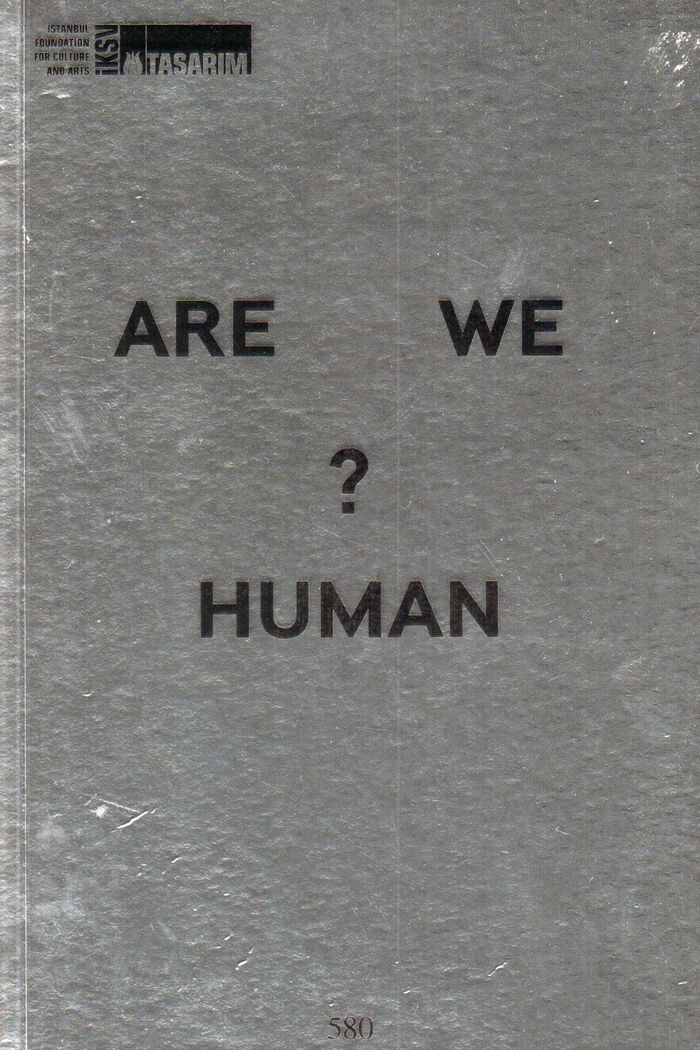
Are we human? The design of the species: 2 seconds, 2 days, 2 years, 200 years, 200,00 years. Istanbul Design Biennal 2016
Actions:
Price:
$45.00
(available in store)
Summary:
The question Are We Human? is both urgent and ancient. Beatriz Colomina and Mark Wigley offer a multi-layered exploration of the intimate relationship between human and design and rethink the philosophy of design in a multi-dimensional exploration from the very ?rst tools and ornaments to the constant buzz of social media. The average day involves the experience of thousands of layers of design that reach to outside space but also reach deep into our bodies and brains. Even the planet itself has been completely encrusted by design as a geological layer. There is no longer an outside to the world of design. Colomina’s and Wigley’s field notes offer an archaeology of the way design has gone viral and is now bigger than the world. They range across the last few hundred thousand years and the last few seconds to scrutinize the uniquely plastic relation between brain and artifact.
Are we human? The design of the species: 2 seconds, 2 days, 2 years, 200 years, 200,00 years. Istanbul Design Biennal 2016
Actions:
Price:
$45.00
(available in store)
Summary:
The question Are We Human? is both urgent and ancient. Beatriz Colomina and Mark Wigley offer a multi-layered exploration of the intimate relationship between human and design and rethink the philosophy of design in a multi-dimensional exploration from the very ?rst tools and ornaments to the constant buzz of social media. The average day involves the experience of thousands of layers of design that reach to outside space but also reach deep into our bodies and brains. Even the planet itself has been completely encrusted by design as a geological layer. There is no longer an outside to the world of design. Colomina’s and Wigley’s field notes offer an archaeology of the way design has gone viral and is now bigger than the world. They range across the last few hundred thousand years and the last few seconds to scrutinize the uniquely plastic relation between brain and artifact.
Form:
books
books
Publication:
October 2016
October 2016
Subject:
Design Theory
Design Theory
Form:
books
books
Actions:
Price:
$44.50
(available to order)
Summary:
This compendium of essays and projects presents a confrontation of radically dissimilar projects which underscores the exploration of architectural empowerment at the core of the office’s work. Four themes are presented in four volumes: Cultural Resistance, Occupying Earth, Public Prerogatives, and Territory and Transgressions. Architects build in and for a system that(...)
$44.50
(available to order)
Summary:
This compendium of essays and projects presents a confrontation of radically dissimilar projects which underscores the exploration of architectural empowerment at the core of the office’s work. Four themes are presented in four volumes: Cultural Resistance, Occupying Earth, Public Prerogatives, and Territory and Transgressions. Architects build in and for a system that(...)
Title:
Oualalou +Choi: Territories of disobedience
Actions:
Price:
$44.50
(available to order)
Summary:
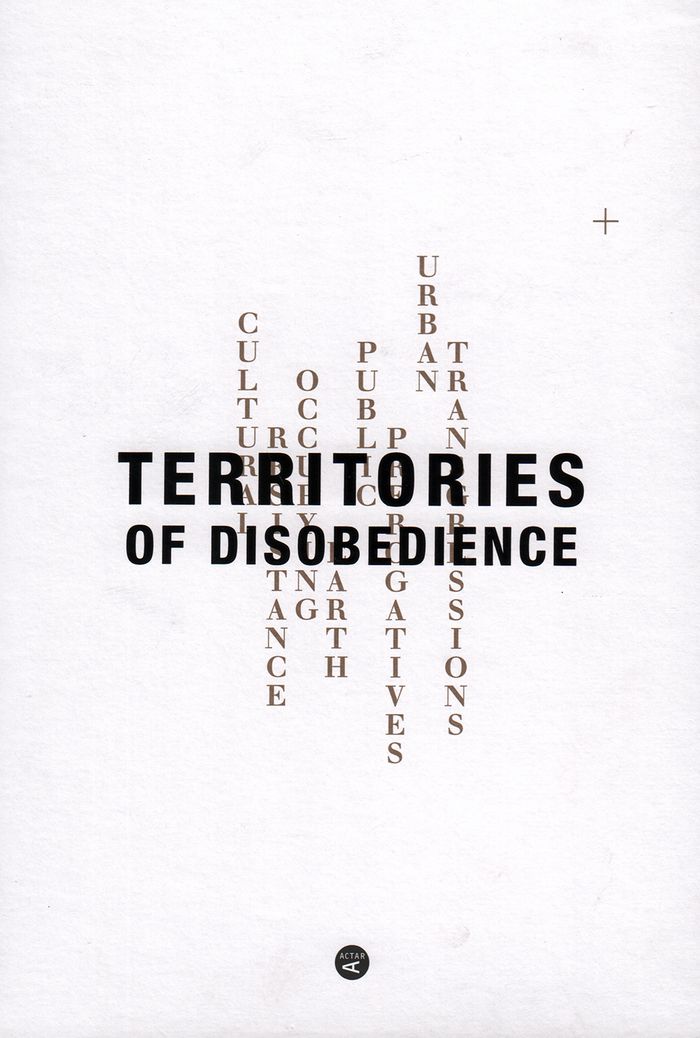
This compendium of essays and projects presents a confrontation of radically dissimilar projects which underscores the exploration of architectural empowerment at the core of the office’s work. Four themes are presented in four volumes: Cultural Resistance, Occupying Earth, Public Prerogatives, and Territory and Transgressions. Architects build in and for a system that is not only pathological, but toxic. It is ruining the only planet we have, and we are clearly at the end of what is still possible within this ecology. The architecture presented in this book is a form of resistance – one which actively engages in the societies and territories it is inscribed in and which presents an antidote to the accelerating banalization of our everyday environments. The search for singularity is not a search for formal distinction or a fetishism of the architectural object, but instead the desire to inscribe oneself into a unique territory and moment in time.
Oualalou +Choi: Territories of disobedience
Actions:
Price:
$44.50
(available to order)
Summary:
This compendium of essays and projects presents a confrontation of radically dissimilar projects which underscores the exploration of architectural empowerment at the core of the office’s work. Four themes are presented in four volumes: Cultural Resistance, Occupying Earth, Public Prerogatives, and Territory and Transgressions. Architects build in and for a system that is not only pathological, but toxic. It is ruining the only planet we have, and we are clearly at the end of what is still possible within this ecology. The architecture presented in this book is a form of resistance – one which actively engages in the societies and territories it is inscribed in and which presents an antidote to the accelerating banalization of our everyday environments. The search for singularity is not a search for formal distinction or a fetishism of the architectural object, but instead the desire to inscribe oneself into a unique territory and moment in time.
Form:
books
books
Publication:
July 2017
July 2017
Subject:
Architecture Monographs
Architecture Monographs
Form:
books
books
Actions:
Price:
$45.95
(available in store)
Summary:
Is there an enduring bond between philosophical thought and the earth, or is philosophy’s task to escape the planetary horizon? And what is the connection between the empirical earth, the contingent material support of human thinking, and the abstract ‘world’ that is the condition for a ‘whole’ of thought? Real and imaginary geographies and cartographies have played a(...)
$45.95
(available in store)
Summary:
Is there an enduring bond between philosophical thought and the earth, or is philosophy’s task to escape the planetary horizon? And what is the connection between the empirical earth, the contingent material support of human thinking, and the abstract ‘world’ that is the condition for a ‘whole’ of thought? Real and imaginary geographies and cartographies have played a(...)
Title:
Collapse: philosophical research and development,: geo/philosophy, volume VI
Actions:
Price:
$45.95
(available in store)
Summary:
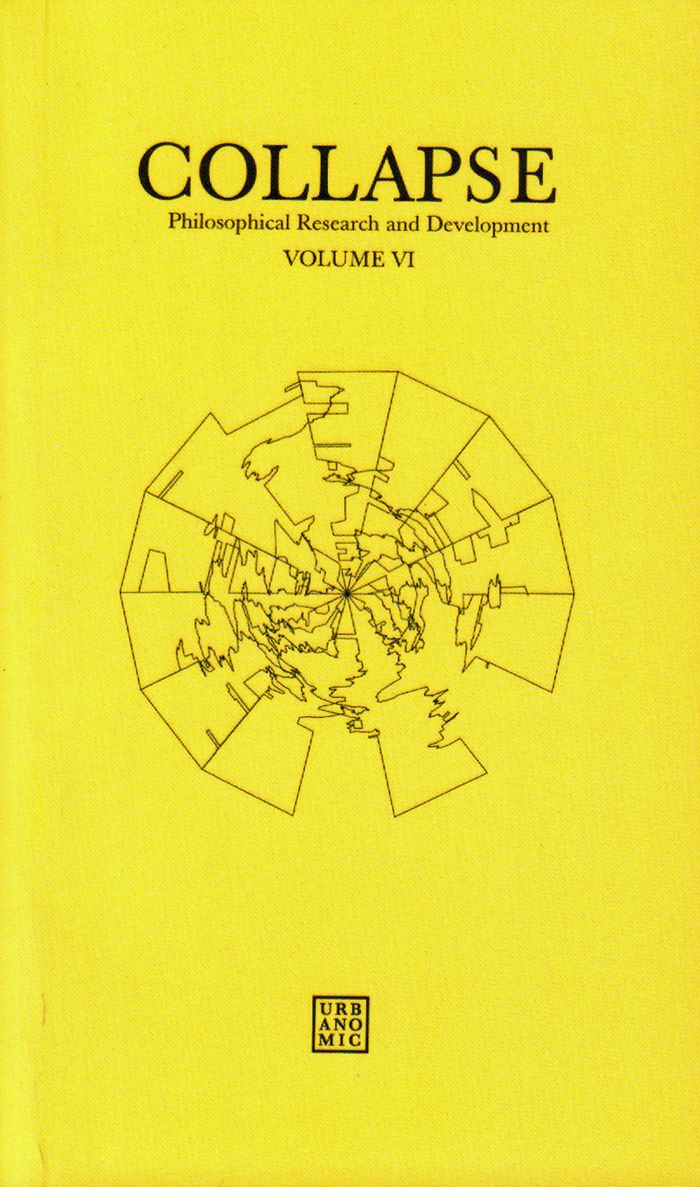
Is there an enduring bond between philosophical thought and the earth, or is philosophy’s task to escape the planetary horizon? And what is the connection between the empirical earth, the contingent material support of human thinking, and the abstract ‘world’ that is the condition for a ‘whole’ of thought? Real and imaginary geographies and cartographies have played a dual role in philosophy, serving both as governing metaphor and as ultimate grounding for philosophical thought; but urgent contemporary concerns introduce new problems for geophilosophy: planetary political, technological, military, and financial mutations have scrambled territorial formations, and scientific predictions now present us with the apocalyptic scenario of a planet without human thought. Collapse VI brings together philosophers, theorists, eco-critics, leading scientific experts in climate change, and artists whose work interrogates the link between philosophical thought, geography and cartography, in order to create a portrait of the present state of ‘planetary thought’.
Collapse: philosophical research and development,: geo/philosophy, volume VI
Actions:
Price:
$45.95
(available in store)
Summary:
Is there an enduring bond between philosophical thought and the earth, or is philosophy’s task to escape the planetary horizon? And what is the connection between the empirical earth, the contingent material support of human thinking, and the abstract ‘world’ that is the condition for a ‘whole’ of thought? Real and imaginary geographies and cartographies have played a dual role in philosophy, serving both as governing metaphor and as ultimate grounding for philosophical thought; but urgent contemporary concerns introduce new problems for geophilosophy: planetary political, technological, military, and financial mutations have scrambled territorial formations, and scientific predictions now present us with the apocalyptic scenario of a planet without human thought. Collapse VI brings together philosophers, theorists, eco-critics, leading scientific experts in climate change, and artists whose work interrogates the link between philosophical thought, geography and cartography, in order to create a portrait of the present state of ‘planetary thought’.
Form:
books
books
Publication:
December 2012
December 2012
Subject:
Environment and environmental theory
Environment and environmental theory
Form:
books
books

Actions:
Price:
$21.48
(available to order)
Summary:
This issue of Harvard Design Magazine investigates and unpacks the contents, containers, and systems of storage that organize our world. Storage is the aggregation and containment of the material and immaterial stuff of culture; but also the safeguarding—or hoarding—of energy and tools for some imagined future purpose. How does all this stuff mask or overcompensate for(...)
$21.48
(available to order)
Summary:
This issue of Harvard Design Magazine investigates and unpacks the contents, containers, and systems of storage that organize our world. Storage is the aggregation and containment of the material and immaterial stuff of culture; but also the safeguarding—or hoarding—of energy and tools for some imagined future purpose. How does all this stuff mask or overcompensate for(...)
Title:
Harvard Design magazine 43: shelf life
Actions:
Price:
$21.48
(available to order)
Summary:
This issue of Harvard Design Magazine investigates and unpacks the contents, containers, and systems of storage that organize our world. Storage is the aggregation and containment of the material and immaterial stuff of culture; but also the safeguarding—or hoarding—of energy and tools for some imagined future purpose. How does all this stuff mask or overcompensate for economic and ecological bankruptcy? Is storage about greed or need? Storage, perhaps, is everything we can live without but insist on living with. "Shelf Life" explores what’s inside the box (shed, tank, urn, vault, crypt, crate, case, pot, bag, vat, morgue, safe, bin, archive, warehouse, cabinet, cellar, cemetery, depository, locker, freezer, landfill, library). Even as we attempt to reduce and recycle, the stuff that we dispose of also needs to be stored. Where do we put it? Our planet is now a saturated receptacle. This warehouse is full, and we’re all inside it.
Harvard Design magazine 43: shelf life
Actions:
Price:
$21.48
(available to order)
Summary:
This issue of Harvard Design Magazine investigates and unpacks the contents, containers, and systems of storage that organize our world. Storage is the aggregation and containment of the material and immaterial stuff of culture; but also the safeguarding—or hoarding—of energy and tools for some imagined future purpose. How does all this stuff mask or overcompensate for economic and ecological bankruptcy? Is storage about greed or need? Storage, perhaps, is everything we can live without but insist on living with. "Shelf Life" explores what’s inside the box (shed, tank, urn, vault, crypt, crate, case, pot, bag, vat, morgue, safe, bin, archive, warehouse, cabinet, cellar, cemetery, depository, locker, freezer, landfill, library). Even as we attempt to reduce and recycle, the stuff that we dispose of also needs to be stored. Where do we put it? Our planet is now a saturated receptacle. This warehouse is full, and we’re all inside it.
Form:
books
books
Publication:
January 2017
January 2017
Subject:
Magazines
Magazines
Form:
books
books
Actions:
Price:
$48.00
(available in store)
Summary:
As photosynthetic organisms, seaweeds and other algae transfer billions of tons of carbon globally from the atmosphere to the deep ocean each year. Coming in all manner of colors, shapes, and sizes, from bioluminescent single-celled algae to giant kelps, they form the basis of most marine food webs, and are found in almost all environments on the planet. Touted as the(...)
$48.00
(available in store)
Summary:
As photosynthetic organisms, seaweeds and other algae transfer billions of tons of carbon globally from the atmosphere to the deep ocean each year. Coming in all manner of colors, shapes, and sizes, from bioluminescent single-celled algae to giant kelps, they form the basis of most marine food webs, and are found in almost all environments on the planet. Touted as the(...)
Title:
The lives of seaweeds: A natural history of our planet's seawees and other algae
Actions:
Price:
$48.00
(available in store)
Summary:
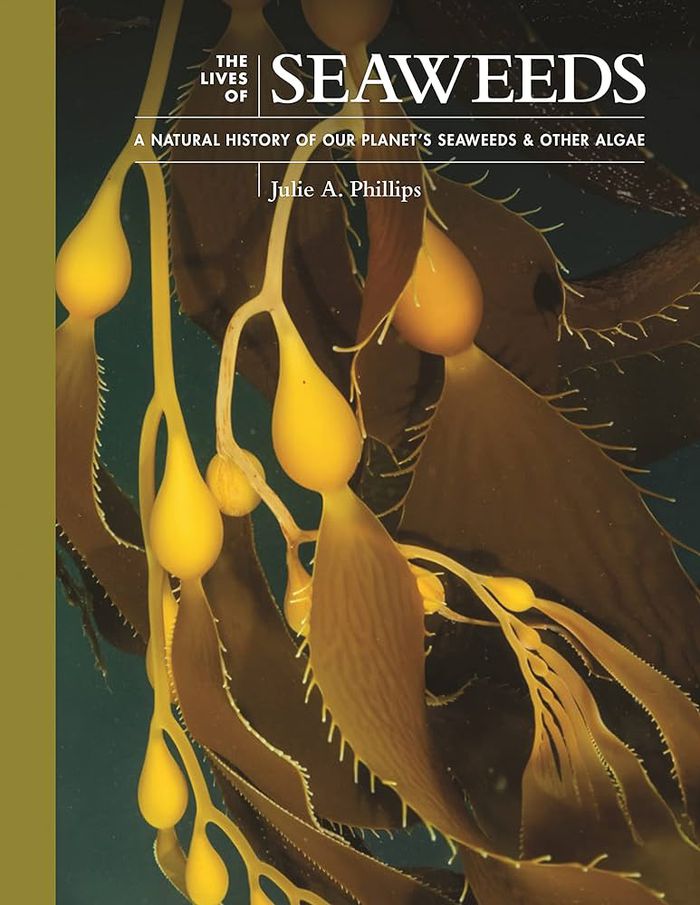
As photosynthetic organisms, seaweeds and other algae transfer billions of tons of carbon globally from the atmosphere to the deep ocean each year. Coming in all manner of colors, shapes, and sizes, from bioluminescent single-celled algae to giant kelps, they form the basis of most marine food webs, and are found in almost all environments on the planet. Touted as the biofuel of the future, seaweeds and algae also hold promise for biodegradable packaging, offer a nutritious food source, and exhibit antiviral and antitumor properties. Combining accessible text with stunning images and graphics, this book takes a deep dive to explore the unique characteristics of seaweeds and other algae, outlining their extraordinary evolution as well as their morphology, life histories, ecology, and uses. Offering rare insights into the algal world, ''The lives of seaweeds'' is essential reading for naturalists and marine life enthusiasts.
The lives of seaweeds: A natural history of our planet's seawees and other algae
Actions:
Price:
$48.00
(available in store)
Summary:
As photosynthetic organisms, seaweeds and other algae transfer billions of tons of carbon globally from the atmosphere to the deep ocean each year. Coming in all manner of colors, shapes, and sizes, from bioluminescent single-celled algae to giant kelps, they form the basis of most marine food webs, and are found in almost all environments on the planet. Touted as the biofuel of the future, seaweeds and algae also hold promise for biodegradable packaging, offer a nutritious food source, and exhibit antiviral and antitumor properties. Combining accessible text with stunning images and graphics, this book takes a deep dive to explore the unique characteristics of seaweeds and other algae, outlining their extraordinary evolution as well as their morphology, life histories, ecology, and uses. Offering rare insights into the algal world, ''The lives of seaweeds'' is essential reading for naturalists and marine life enthusiasts.
Form:
books
books
Publication:
November 2023
November 2023
Subject:
Fauna and flora
Fauna and flora


