


8588 Results
Form:
archives
Level of archival description:
Fonds
archives
Level of archival description:
Fonds
Reference number:
AP189
Synopsis:
L’installation Météorologie d’intérieur fut présentée au Centre Canadien d’Architecture (CCA) lors de l’exposition Environ(ne)ment (18 octobre 2006-10 juin 2007) et à Rovereto en Italie lors de l’exposition Manifesta 7 (19 juillet-2 novembre 2008). Les documents d’archives de l’installation comprennent le logiciel développé pour l’installation et une sélection des objets installés dans les deux espaces d’exposition. *** The installation Interior Weather was presented at the Candian Centre for Architecture (CCA) as part of the exhibition Environ(ne)ment (October 18, 2006-June 10, 2007) and in Rovereto, Italy as part of Manifesta 7 (July 19-November 2, 2008). The records of the installation Interior Weather include the software developed for the installation and a selection of objects installed in the exhibition spaces.
AP189
Synopsis:
L’installation Météorologie d’intérieur fut présentée au Centre Canadien d’Architecture (CCA) lors de l’exposition Environ(ne)ment (18 octobre 2006-10 juin 2007) et à Rovereto en Italie lors de l’exposition Manifesta 7 (19 juillet-2 novembre 2008). Les documents d’archives de l’installation comprennent le logiciel développé pour l’installation et une sélection des objets installés dans les deux espaces d’exposition. *** The installation Interior Weather was presented at the Candian Centre for Architecture (CCA) as part of the exhibition Environ(ne)ment (October 18, 2006-June 10, 2007) and in Rovereto, Italy as part of Manifesta 7 (July 19-November 2, 2008). The records of the installation Interior Weather include the software developed for the installation and a selection of objects installed in the exhibition spaces.
People:
Date:
2000-2008
2000-2008
Title:
Philippe Rahm "Interior Weather" installation records
Actions:
AP189
Synopsis:
L’installation Météorologie d’intérieur fut présentée au Centre Canadien d’Architecture (CCA) lors de l’exposition Environ(ne)ment (18 octobre 2006-10 juin 2007) et à Rovereto en Italie lors de l’exposition Manifesta 7 (19 juillet-2 novembre 2008). Les documents d’archives de l’installation comprennent le logiciel développé pour l’installation et une sélection des objets installés dans les deux espaces d’exposition. *** The installation Interior Weather was presented at the Candian Centre for Architecture (CCA) as part of the exhibition Environ(ne)ment (October 18, 2006-June 10, 2007) and in Rovereto, Italy as part of Manifesta 7 (July 19-November 2, 2008). The records of the installation Interior Weather include the software developed for the installation and a selection of objects installed in the exhibition spaces.
Philippe Rahm "Interior Weather" installation records
Actions:
AP189
Synopsis:
L’installation Météorologie d’intérieur fut présentée au Centre Canadien d’Architecture (CCA) lors de l’exposition Environ(ne)ment (18 octobre 2006-10 juin 2007) et à Rovereto en Italie lors de l’exposition Manifesta 7 (19 juillet-2 novembre 2008). Les documents d’archives de l’installation comprennent le logiciel développé pour l’installation et une sélection des objets installés dans les deux espaces d’exposition. *** The installation Interior Weather was presented at the Candian Centre for Architecture (CCA) as part of the exhibition Environ(ne)ment (October 18, 2006-June 10, 2007) and in Rovereto, Italy as part of Manifesta 7 (July 19-November 2, 2008). The records of the installation Interior Weather include the software developed for the installation and a selection of objects installed in the exhibition spaces.
Form:
archives
Level of archival description:
Fonds
archives
Level of archival description:
Fonds
Date:
2000-2008
2000-2008
People:
Form:
photographs
Quantity:
14 File
photographs
Quantity:
14 File
Actions:
Reference number:
ARCH261938
Description:
The case contains slides of the Pavilion of Trinidad & Tobago (4), of the Pavilion of India (2, + 3 incorrectly identified as Mexico, + 1 incorrectly identified as Habitat 67 [the grey scale drawing at the right is a representation of the same monument found in front of the Indian Pavilion] = 6), of the Steel Pavilion (1) and of the [Katimavik] (3)***. ***The Katimavik is inscribed on the case ARCH262025, however the corresponding slides are located in case ARCH261938 since there is no space to store them in ARCH262025.
ARCH261938
Description:
The case contains slides of the Pavilion of Trinidad & Tobago (4), of the Pavilion of India (2, + 3 incorrectly identified as Mexico, + 1 incorrectly identified as Habitat 67 [the grey scale drawing at the right is a representation of the same monument found in front of the Indian Pavilion] = 6), of the Steel Pavilion (1) and of the [Katimavik] (3)***. ***The Katimavik is inscribed on the case ARCH262025, however the corresponding slides are located in case ARCH261938 since there is no space to store them in ARCH262025.
People:
Date:
1967
1967
Title:
Coloured slides of the Pavilions of Trinidad & Tobago, and Grenada, of India, of the Katimavik and of the Steel Pavilion, Expo 67, Montréal, Québec
Actions:
ARCH261938
Description:
The case contains slides of the Pavilion of Trinidad & Tobago (4), of the Pavilion of India (2, + 3 incorrectly identified as Mexico, + 1 incorrectly identified as Habitat 67 [the grey scale drawing at the right is a representation of the same monument found in front of the Indian Pavilion] = 6), of the Steel Pavilion (1) and of the [Katimavik] (3)***. ***The Katimavik is inscribed on the case ARCH262025, however the corresponding slides are located in case ARCH261938 since there is no space to store them in ARCH262025.
Coloured slides of the Pavilions of Trinidad & Tobago, and Grenada, of India, of the Katimavik and of the Steel Pavilion, Expo 67, Montréal, Québec
Actions:
ARCH261938
Description:
The case contains slides of the Pavilion of Trinidad & Tobago (4), of the Pavilion of India (2, + 3 incorrectly identified as Mexico, + 1 incorrectly identified as Habitat 67 [the grey scale drawing at the right is a representation of the same monument found in front of the Indian Pavilion] = 6), of the Steel Pavilion (1) and of the [Katimavik] (3)***. ***The Katimavik is inscribed on the case ARCH262025, however the corresponding slides are located in case ARCH261938 since there is no space to store them in ARCH262025.
Form:
photographs
Quantity:
14 File
photographs
Quantity:
14 File
Date:
1967
1967
People:
Form:
articles
articles
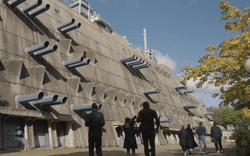
Title:
Architecting a Change
Architecting a Change
Actions:
Federica Zambeletti in conversation with Arno Brandlhuber and Olaf Grawert
Issue:
Forces of Friction
Forces of Friction
Published:
9 December 2024
9 December 2024
Title:
Architecting a Change
Federica Zambeletti in conversation with Arno Brandlhuber and Olaf Grawert
Actions:
Architecting a Change
Federica Zambeletti in conversation with Arno Brandlhuber and Olaf Grawert
Actions:
Issue:
Forces of Friction
Forces of Friction
Quantity:
50 photograph(s)
50 photograph(s)
Actions:
Reference number:
AP160.D3.P4
Description:
views by C. G. Rosenberg, G. E Kidder Smith and unknown photographer(s) of: - Cemetery and Crematorium - exterior views, including Way of the Cross, ceremonial plaza - Crematorium - rear façade, committal chamber, furnace and boiler room - Chapel of Hope - courtyard and gate, interior views including wall mosaic and frescoes, organ room, garden - Chapel of Faith - exterior view, interior views of pews and wall relief - Chapel of Holy Cross - Monument Hall, loggia, courtyard, exterior views, interior views including waiting room
AP160.D3.P4
Description:
views by C. G. Rosenberg, G. E Kidder Smith and unknown photographer(s) of: - Cemetery and Crematorium - exterior views, including Way of the Cross, ceremonial plaza - Crematorium - rear façade, committal chamber, furnace and boiler room - Chapel of Hope - courtyard and gate, interior views including wall mosaic and frescoes, organ room, garden - Chapel of Faith - exterior view, interior views of pews and wall relief - Chapel of Holy Cross - Monument Hall, loggia, courtyard, exterior views, interior views including waiting room
People:
Date:
after 1940
after 1940
Title:
Woodland Cemetery and Crematorium: photographs
Actions:
AP160.D3.P4
Description:
views by C. G. Rosenberg, G. E Kidder Smith and unknown photographer(s) of: - Cemetery and Crematorium - exterior views, including Way of the Cross, ceremonial plaza - Crematorium - rear façade, committal chamber, furnace and boiler room - Chapel of Hope - courtyard and gate, interior views including wall mosaic and frescoes, organ room, garden - Chapel of Faith - exterior view, interior views of pews and wall relief - Chapel of Holy Cross - Monument Hall, loggia, courtyard, exterior views, interior views including waiting room
Woodland Cemetery and Crematorium: photographs
Actions:
AP160.D3.P4
Description:
views by C. G. Rosenberg, G. E Kidder Smith and unknown photographer(s) of: - Cemetery and Crematorium - exterior views, including Way of the Cross, ceremonial plaza - Crematorium - rear façade, committal chamber, furnace and boiler room - Chapel of Hope - courtyard and gate, interior views including wall mosaic and frescoes, organ room, garden - Chapel of Faith - exterior view, interior views of pews and wall relief - Chapel of Holy Cross - Monument Hall, loggia, courtyard, exterior views, interior views including waiting room
Quantity:
50 photograph(s)
50 photograph(s)
Date:
after 1940
after 1940
People:
Level of archival description:
Series
Series
Title:
Projects
Projects
Reference number:
AP144.S2
Description:
Series documents Cedric Price's projects from his early work in the late 1950s to work dating from the time he founded his own practice in 1960 until 2000. Material includes numerous competition entries, planning and building projects, transportation-related projects, exhibitions, conceptual projects, furniture and interior designs, and monuments, follies, and decorations. Some projects also reflect his teaching, research, lecture and publication activities. Price also worked on several competition juries (see projects Musique, Elephant). Many of Cedric Price's projects in the series are unexecuted. Significant unrealized projects from the 1960s and 1970s include Fun Palace (1961-1974), Potteries Thinkbelt (1963-1967), Oxford Corner House (1965-1966), and Generator (1976-1980). Significant built projects from the same period include the New Aviary (1960-1966), his first major realized project (with Lord Snowdon and Frank Newby), and Inter-Action Centre (1971-1979). Other realized projects include an office building (BTDB Computer, 1968-1973) and restaurant (Blackpool Project, 1971-1975). Planning projects from the 1960s and 1970s include Potteries Thinkbelt, Detroit Think Grid (1969-1971) and Rice University's design charette, Atom (1967). In the 1980s and 1990s, Cedric Price worked on several building proposals including greenhouses (Serre, Serre (2)), museums, galleries, and pavilions (Trafalgar, Pertpavs, Snake), a railway station (Strate (2)), a cultural centre (Tiff), houses (Perthut, Castel), a bus station (Walsall), an aviary (CP Aviary) and office buildings (Domain, Berlin). Planning projects from the same time include parks and cultural complexes, (Parc, South Bank), urban areas, (Strate, Stratton, IFPRI, Haven, Mills), university campuses (Frankfurt, Unibad, Bedford), and rural areas (Stark, Arkage). Transportation-related projects include railways (Strate, Control, Rink), roadways (Stratton) and pedestrian links (Magnet, Halmag, South Bank). Only a few of his projects from that period were executed and those include the renovation projects Congress and SAS 29; a mobile market stall design for Westminster City Council (Westal) for which prototypes were built; a coffee cup design (Crowbar); and building conversion projects Gatard and Juke. Exhibition projects in the series include some devoted to Cedric Price's works (AA Exhibition, Aedes, AFX, Afella), some designed by him (Strike, Food for the Future, Topolski/Waterloo, Ashmole, Mean, AFX), as well as projects designed for exhibition (Citlin, Castel). The series also contains self-financed research and client-less projects, which form a significant part of Cedric Price's practice. Undertaken in anticipation of future clients or new planning needs, they include research into air structures and lightweight enclosures as well as integrated construction and transportation solutions (Trucksafe Air Portable Dock Ahoy), and housing research. South Bank, Magnet, and Duck Land represent a few of the client-less projects. The material in this series documents Cedric Price's work in the United Kingdom, in particular England (the Greater London area, and other areas) and Scotland, Germany, France, Austria, Australia, Japan, the United Arab Emirates, and the United States and other locations such as Canada, Nigeria, and Norway. Major clients include J. Lyons & Co. (Oxford Corner House), David Keddie (Two Tree Island, Southend Roof), Howard Gilman (Generator), British Railways (Strate and Strate (2), and others), the McAlpine family , particularly Alistair McAlpine, and their company Sir Robert McAlpine & Sons Ltd. (McAppy, Perthut, Trafalgar, Pertpavs, Ashmole, Perth, Obeliq, McVance); Établissement Public du Parc de la Villette (Parc, Serre, Serre (2), Musique) and the Canadian Centre for Architecture (IFPRI, Mean). He collaborated with several architects and engineers during the course of his career, his closest association being with engineer Frank Newby and quantity surveyor Douglas Smith. Some of his other collaborators include engineer Max Fordham (Strate (2), Tiff, Berlin), engineering firms Scott Wilson Kirkpatrick and Partners (Stratton, Rink, Control), and Sir Frederick Snow & Partners (South Bank), cybernetician Gordon Pask (Kawasaki/Japnet), architectural firm YRM/Yorke Rosenberg Mardall (Unibad), and architect Richard Rogers (Marman). He also collaborated with members of Archigram on the Trondheim Competition, (1972-1974), and with John and Julia Frazer who provided the computer modelling for Generator. David Price, Cedric Price's brother was the model maker for several projects. The series contains conceptual drawings, design development drawings, reference drawings and maps, presentation drawings (particularly for competitions), and working drawings. A significant amount of textual records are included, especially for projects involving a large amount of research or publicity (Air Structures, Lightweight Enclosures, South Bank, CP Aviary, Stratton), for executed projects, and for the larger unrealized projects like Fun Palace and Generator. Also includes photographic materials of project sites and models. Some models included in the series are made from durable materials (wood, metal, plastic), while others are in-office constructions made out of paper, cardboard and Fome-Cor (TM). Of particular note are the 11 models for Magnet, and a full-size prototype of a market stall for Westal. Series also contains publication layouts, including material for the "Cedric Price Supplement", 'Architectural Design' vols. 40- 42 (1970-1972). Changes in office practice are noted around 1971, evident in the Blackpool Project and later, including the adoption of the metric system, and the creation of working and detail drawings on A4 size paper and filed with textual records (e.g. approximately 300 such drawings are included in the textual records for Blackpool Project). At the same time fewer preamble drawings that relate to site sensing, progress and life-cycle graphs and tables are created for the projects (a common feature from the 1960s), although project progress tables are still used. Of particular interest is material in the Early Work and Miscellaneous Records file (AP144.S2.D1) that relates to office work methods and programmes.
AP144.S2
Description:
Series documents Cedric Price's projects from his early work in the late 1950s to work dating from the time he founded his own practice in 1960 until 2000. Material includes numerous competition entries, planning and building projects, transportation-related projects, exhibitions, conceptual projects, furniture and interior designs, and monuments, follies, and decorations. Some projects also reflect his teaching, research, lecture and publication activities. Price also worked on several competition juries (see projects Musique, Elephant). Many of Cedric Price's projects in the series are unexecuted. Significant unrealized projects from the 1960s and 1970s include Fun Palace (1961-1974), Potteries Thinkbelt (1963-1967), Oxford Corner House (1965-1966), and Generator (1976-1980). Significant built projects from the same period include the New Aviary (1960-1966), his first major realized project (with Lord Snowdon and Frank Newby), and Inter-Action Centre (1971-1979). Other realized projects include an office building (BTDB Computer, 1968-1973) and restaurant (Blackpool Project, 1971-1975). Planning projects from the 1960s and 1970s include Potteries Thinkbelt, Detroit Think Grid (1969-1971) and Rice University's design charette, Atom (1967). In the 1980s and 1990s, Cedric Price worked on several building proposals including greenhouses (Serre, Serre (2)), museums, galleries, and pavilions (Trafalgar, Pertpavs, Snake), a railway station (Strate (2)), a cultural centre (Tiff), houses (Perthut, Castel), a bus station (Walsall), an aviary (CP Aviary) and office buildings (Domain, Berlin). Planning projects from the same time include parks and cultural complexes, (Parc, South Bank), urban areas, (Strate, Stratton, IFPRI, Haven, Mills), university campuses (Frankfurt, Unibad, Bedford), and rural areas (Stark, Arkage). Transportation-related projects include railways (Strate, Control, Rink), roadways (Stratton) and pedestrian links (Magnet, Halmag, South Bank). Only a few of his projects from that period were executed and those include the renovation projects Congress and SAS 29; a mobile market stall design for Westminster City Council (Westal) for which prototypes were built; a coffee cup design (Crowbar); and building conversion projects Gatard and Juke. Exhibition projects in the series include some devoted to Cedric Price's works (AA Exhibition, Aedes, AFX, Afella), some designed by him (Strike, Food for the Future, Topolski/Waterloo, Ashmole, Mean, AFX), as well as projects designed for exhibition (Citlin, Castel). The series also contains self-financed research and client-less projects, which form a significant part of Cedric Price's practice. Undertaken in anticipation of future clients or new planning needs, they include research into air structures and lightweight enclosures as well as integrated construction and transportation solutions (Trucksafe Air Portable Dock Ahoy), and housing research. South Bank, Magnet, and Duck Land represent a few of the client-less projects. The material in this series documents Cedric Price's work in the United Kingdom, in particular England (the Greater London area, and other areas) and Scotland, Germany, France, Austria, Australia, Japan, the United Arab Emirates, and the United States and other locations such as Canada, Nigeria, and Norway. Major clients include J. Lyons & Co. (Oxford Corner House), David Keddie (Two Tree Island, Southend Roof), Howard Gilman (Generator), British Railways (Strate and Strate (2), and others), the McAlpine family , particularly Alistair McAlpine, and their company Sir Robert McAlpine & Sons Ltd. (McAppy, Perthut, Trafalgar, Pertpavs, Ashmole, Perth, Obeliq, McVance); Établissement Public du Parc de la Villette (Parc, Serre, Serre (2), Musique) and the Canadian Centre for Architecture (IFPRI, Mean). He collaborated with several architects and engineers during the course of his career, his closest association being with engineer Frank Newby and quantity surveyor Douglas Smith. Some of his other collaborators include engineer Max Fordham (Strate (2), Tiff, Berlin), engineering firms Scott Wilson Kirkpatrick and Partners (Stratton, Rink, Control), and Sir Frederick Snow & Partners (South Bank), cybernetician Gordon Pask (Kawasaki/Japnet), architectural firm YRM/Yorke Rosenberg Mardall (Unibad), and architect Richard Rogers (Marman). He also collaborated with members of Archigram on the Trondheim Competition, (1972-1974), and with John and Julia Frazer who provided the computer modelling for Generator. David Price, Cedric Price's brother was the model maker for several projects. The series contains conceptual drawings, design development drawings, reference drawings and maps, presentation drawings (particularly for competitions), and working drawings. A significant amount of textual records are included, especially for projects involving a large amount of research or publicity (Air Structures, Lightweight Enclosures, South Bank, CP Aviary, Stratton), for executed projects, and for the larger unrealized projects like Fun Palace and Generator. Also includes photographic materials of project sites and models. Some models included in the series are made from durable materials (wood, metal, plastic), while others are in-office constructions made out of paper, cardboard and Fome-Cor (TM). Of particular note are the 11 models for Magnet, and a full-size prototype of a market stall for Westal. Series also contains publication layouts, including material for the "Cedric Price Supplement", 'Architectural Design' vols. 40- 42 (1970-1972). Changes in office practice are noted around 1971, evident in the Blackpool Project and later, including the adoption of the metric system, and the creation of working and detail drawings on A4 size paper and filed with textual records (e.g. approximately 300 such drawings are included in the textual records for Blackpool Project). At the same time fewer preamble drawings that relate to site sensing, progress and life-cycle graphs and tables are created for the projects (a common feature from the 1960s), although project progress tables are still used. Of particular interest is material in the Early Work and Miscellaneous Records file (AP144.S2.D1) that relates to office work methods and programmes.
People:
Date:
1903-2003, predominant 1960-2000
1903-2003, predominant 1960-2000
Title:
Projects
Actions:
AP144.S2
Description:
Series documents Cedric Price's projects from his early work in the late 1950s to work dating from the time he founded his own practice in 1960 until 2000. Material includes numerous competition entries, planning and building projects, transportation-related projects, exhibitions, conceptual projects, furniture and interior designs, and monuments, follies, and decorations. Some projects also reflect his teaching, research, lecture and publication activities. Price also worked on several competition juries (see projects Musique, Elephant). Many of Cedric Price's projects in the series are unexecuted. Significant unrealized projects from the 1960s and 1970s include Fun Palace (1961-1974), Potteries Thinkbelt (1963-1967), Oxford Corner House (1965-1966), and Generator (1976-1980). Significant built projects from the same period include the New Aviary (1960-1966), his first major realized project (with Lord Snowdon and Frank Newby), and Inter-Action Centre (1971-1979). Other realized projects include an office building (BTDB Computer, 1968-1973) and restaurant (Blackpool Project, 1971-1975). Planning projects from the 1960s and 1970s include Potteries Thinkbelt, Detroit Think Grid (1969-1971) and Rice University's design charette, Atom (1967). In the 1980s and 1990s, Cedric Price worked on several building proposals including greenhouses (Serre, Serre (2)), museums, galleries, and pavilions (Trafalgar, Pertpavs, Snake), a railway station (Strate (2)), a cultural centre (Tiff), houses (Perthut, Castel), a bus station (Walsall), an aviary (CP Aviary) and office buildings (Domain, Berlin). Planning projects from the same time include parks and cultural complexes, (Parc, South Bank), urban areas, (Strate, Stratton, IFPRI, Haven, Mills), university campuses (Frankfurt, Unibad, Bedford), and rural areas (Stark, Arkage). Transportation-related projects include railways (Strate, Control, Rink), roadways (Stratton) and pedestrian links (Magnet, Halmag, South Bank). Only a few of his projects from that period were executed and those include the renovation projects Congress and SAS 29; a mobile market stall design for Westminster City Council (Westal) for which prototypes were built; a coffee cup design (Crowbar); and building conversion projects Gatard and Juke. Exhibition projects in the series include some devoted to Cedric Price's works (AA Exhibition, Aedes, AFX, Afella), some designed by him (Strike, Food for the Future, Topolski/Waterloo, Ashmole, Mean, AFX), as well as projects designed for exhibition (Citlin, Castel). The series also contains self-financed research and client-less projects, which form a significant part of Cedric Price's practice. Undertaken in anticipation of future clients or new planning needs, they include research into air structures and lightweight enclosures as well as integrated construction and transportation solutions (Trucksafe Air Portable Dock Ahoy), and housing research. South Bank, Magnet, and Duck Land represent a few of the client-less projects. The material in this series documents Cedric Price's work in the United Kingdom, in particular England (the Greater London area, and other areas) and Scotland, Germany, France, Austria, Australia, Japan, the United Arab Emirates, and the United States and other locations such as Canada, Nigeria, and Norway. Major clients include J. Lyons & Co. (Oxford Corner House), David Keddie (Two Tree Island, Southend Roof), Howard Gilman (Generator), British Railways (Strate and Strate (2), and others), the McAlpine family , particularly Alistair McAlpine, and their company Sir Robert McAlpine & Sons Ltd. (McAppy, Perthut, Trafalgar, Pertpavs, Ashmole, Perth, Obeliq, McVance); Établissement Public du Parc de la Villette (Parc, Serre, Serre (2), Musique) and the Canadian Centre for Architecture (IFPRI, Mean). He collaborated with several architects and engineers during the course of his career, his closest association being with engineer Frank Newby and quantity surveyor Douglas Smith. Some of his other collaborators include engineer Max Fordham (Strate (2), Tiff, Berlin), engineering firms Scott Wilson Kirkpatrick and Partners (Stratton, Rink, Control), and Sir Frederick Snow & Partners (South Bank), cybernetician Gordon Pask (Kawasaki/Japnet), architectural firm YRM/Yorke Rosenberg Mardall (Unibad), and architect Richard Rogers (Marman). He also collaborated with members of Archigram on the Trondheim Competition, (1972-1974), and with John and Julia Frazer who provided the computer modelling for Generator. David Price, Cedric Price's brother was the model maker for several projects. The series contains conceptual drawings, design development drawings, reference drawings and maps, presentation drawings (particularly for competitions), and working drawings. A significant amount of textual records are included, especially for projects involving a large amount of research or publicity (Air Structures, Lightweight Enclosures, South Bank, CP Aviary, Stratton), for executed projects, and for the larger unrealized projects like Fun Palace and Generator. Also includes photographic materials of project sites and models. Some models included in the series are made from durable materials (wood, metal, plastic), while others are in-office constructions made out of paper, cardboard and Fome-Cor (TM). Of particular note are the 11 models for Magnet, and a full-size prototype of a market stall for Westal. Series also contains publication layouts, including material for the "Cedric Price Supplement", 'Architectural Design' vols. 40- 42 (1970-1972). Changes in office practice are noted around 1971, evident in the Blackpool Project and later, including the adoption of the metric system, and the creation of working and detail drawings on A4 size paper and filed with textual records (e.g. approximately 300 such drawings are included in the textual records for Blackpool Project). At the same time fewer preamble drawings that relate to site sensing, progress and life-cycle graphs and tables are created for the projects (a common feature from the 1960s), although project progress tables are still used. Of particular interest is material in the Early Work and Miscellaneous Records file (AP144.S2.D1) that relates to office work methods and programmes.
Projects
Actions:
AP144.S2
Description:
Series documents Cedric Price's projects from his early work in the late 1950s to work dating from the time he founded his own practice in 1960 until 2000. Material includes numerous competition entries, planning and building projects, transportation-related projects, exhibitions, conceptual projects, furniture and interior designs, and monuments, follies, and decorations. Some projects also reflect his teaching, research, lecture and publication activities. Price also worked on several competition juries (see projects Musique, Elephant). Many of Cedric Price's projects in the series are unexecuted. Significant unrealized projects from the 1960s and 1970s include Fun Palace (1961-1974), Potteries Thinkbelt (1963-1967), Oxford Corner House (1965-1966), and Generator (1976-1980). Significant built projects from the same period include the New Aviary (1960-1966), his first major realized project (with Lord Snowdon and Frank Newby), and Inter-Action Centre (1971-1979). Other realized projects include an office building (BTDB Computer, 1968-1973) and restaurant (Blackpool Project, 1971-1975). Planning projects from the 1960s and 1970s include Potteries Thinkbelt, Detroit Think Grid (1969-1971) and Rice University's design charette, Atom (1967). In the 1980s and 1990s, Cedric Price worked on several building proposals including greenhouses (Serre, Serre (2)), museums, galleries, and pavilions (Trafalgar, Pertpavs, Snake), a railway station (Strate (2)), a cultural centre (Tiff), houses (Perthut, Castel), a bus station (Walsall), an aviary (CP Aviary) and office buildings (Domain, Berlin). Planning projects from the same time include parks and cultural complexes, (Parc, South Bank), urban areas, (Strate, Stratton, IFPRI, Haven, Mills), university campuses (Frankfurt, Unibad, Bedford), and rural areas (Stark, Arkage). Transportation-related projects include railways (Strate, Control, Rink), roadways (Stratton) and pedestrian links (Magnet, Halmag, South Bank). Only a few of his projects from that period were executed and those include the renovation projects Congress and SAS 29; a mobile market stall design for Westminster City Council (Westal) for which prototypes were built; a coffee cup design (Crowbar); and building conversion projects Gatard and Juke. Exhibition projects in the series include some devoted to Cedric Price's works (AA Exhibition, Aedes, AFX, Afella), some designed by him (Strike, Food for the Future, Topolski/Waterloo, Ashmole, Mean, AFX), as well as projects designed for exhibition (Citlin, Castel). The series also contains self-financed research and client-less projects, which form a significant part of Cedric Price's practice. Undertaken in anticipation of future clients or new planning needs, they include research into air structures and lightweight enclosures as well as integrated construction and transportation solutions (Trucksafe Air Portable Dock Ahoy), and housing research. South Bank, Magnet, and Duck Land represent a few of the client-less projects. The material in this series documents Cedric Price's work in the United Kingdom, in particular England (the Greater London area, and other areas) and Scotland, Germany, France, Austria, Australia, Japan, the United Arab Emirates, and the United States and other locations such as Canada, Nigeria, and Norway. Major clients include J. Lyons & Co. (Oxford Corner House), David Keddie (Two Tree Island, Southend Roof), Howard Gilman (Generator), British Railways (Strate and Strate (2), and others), the McAlpine family , particularly Alistair McAlpine, and their company Sir Robert McAlpine & Sons Ltd. (McAppy, Perthut, Trafalgar, Pertpavs, Ashmole, Perth, Obeliq, McVance); Établissement Public du Parc de la Villette (Parc, Serre, Serre (2), Musique) and the Canadian Centre for Architecture (IFPRI, Mean). He collaborated with several architects and engineers during the course of his career, his closest association being with engineer Frank Newby and quantity surveyor Douglas Smith. Some of his other collaborators include engineer Max Fordham (Strate (2), Tiff, Berlin), engineering firms Scott Wilson Kirkpatrick and Partners (Stratton, Rink, Control), and Sir Frederick Snow & Partners (South Bank), cybernetician Gordon Pask (Kawasaki/Japnet), architectural firm YRM/Yorke Rosenberg Mardall (Unibad), and architect Richard Rogers (Marman). He also collaborated with members of Archigram on the Trondheim Competition, (1972-1974), and with John and Julia Frazer who provided the computer modelling for Generator. David Price, Cedric Price's brother was the model maker for several projects. The series contains conceptual drawings, design development drawings, reference drawings and maps, presentation drawings (particularly for competitions), and working drawings. A significant amount of textual records are included, especially for projects involving a large amount of research or publicity (Air Structures, Lightweight Enclosures, South Bank, CP Aviary, Stratton), for executed projects, and for the larger unrealized projects like Fun Palace and Generator. Also includes photographic materials of project sites and models. Some models included in the series are made from durable materials (wood, metal, plastic), while others are in-office constructions made out of paper, cardboard and Fome-Cor (TM). Of particular note are the 11 models for Magnet, and a full-size prototype of a market stall for Westal. Series also contains publication layouts, including material for the "Cedric Price Supplement", 'Architectural Design' vols. 40- 42 (1970-1972). Changes in office practice are noted around 1971, evident in the Blackpool Project and later, including the adoption of the metric system, and the creation of working and detail drawings on A4 size paper and filed with textual records (e.g. approximately 300 such drawings are included in the textual records for Blackpool Project). At the same time fewer preamble drawings that relate to site sensing, progress and life-cycle graphs and tables are created for the projects (a common feature from the 1960s), although project progress tables are still used. Of particular interest is material in the Early Work and Miscellaneous Records file (AP144.S2.D1) that relates to office work methods and programmes.
Level of archival description:
Series
Series
Date:
1903-2003, predominant 1960-2000
1903-2003, predominant 1960-2000
People:
Form:
graphic materials
graphic materials
Reference number:
DR2012:0015:027
Description:
Portfolio containing ephemera and posters advertising the following conferences, events, and exhibitions: - mailout/poster for a Frank Stella exhibition at Leo Castelli Gallery, New York; - mailout/poster for an exhibition at the Hyde Park Art Centre, Chicago; - posters for the 7th Venice biennale of architeture; - poster for the 1. Kolloquium Funktionialismus, Hamburg; - poster for a Jean Rustin exhibition at Maison de la culture et des loisirs; - signed poster for a Ric Evans exhibition, at David Mirvish Books, Toronto; - poster for an Edward Keinholz exhibition, London; - poster for a Frank Auerbach exhibition at the 42nd Venice Biennale; - paper placemat of the Taj Mahal; - poster of Hindu deities; - poster for Perspecta, the Yale School of design journal, in which Melvin Charney's article, Experimental strategies: notes for environmental design, appeared in the 11th edition; - poster of Albrecht Dürer's Rhinoceros; - mailout/poster for a Roy Lichtenstein exhibition at Leo Castelli gallery; - poster for a Pierre Alechinsky exhibition, in Brussels; - poster for an exhibition on Pliny the Younger's La villa Laurentine, Paris; - poster for an exhibition, Places and monuments, in Paris; - poster for an event at George Gund Hall, Harvard; - posters for the exhibition, Rothmans salutes citysite sculpture, Visual Arts Ontario, Toronto (Melvin Charney participated); - poster for event, Coop Himmelblau: der Engel des Tons; - poster, "Seize the time"; - poster, "Meeting solidarité Chili"; - poster for Don Judd exhibition at Leo Castelli Gallery, New York; - posters for Aurora Borealis event at le Centre international d'art contemporain de Montréal (Melvin Charney participated); - poster for James Stirling exhibition at Riba Heinz Gallery, London; - untitled poster; - poster for political demonstration, UQAM; - poster for Joe Zucker exhibition, Combinations, at Holly Solomon Gallery, New York; - poster, "The drifting acropolis"; - poster for Lucas Samaras exhibition, Reconstructions, boxes, and photo-transformations, at Richard Grey Gallery, Chicago; - poster for Erica Lennard exhibition, Les femmes, les soeurs, at Agatha Gaillard Gallery, Paris.
DR2012:0015:027
Description:
Portfolio containing ephemera and posters advertising the following conferences, events, and exhibitions: - mailout/poster for a Frank Stella exhibition at Leo Castelli Gallery, New York; - mailout/poster for an exhibition at the Hyde Park Art Centre, Chicago; - posters for the 7th Venice biennale of architeture; - poster for the 1. Kolloquium Funktionialismus, Hamburg; - poster for a Jean Rustin exhibition at Maison de la culture et des loisirs; - signed poster for a Ric Evans exhibition, at David Mirvish Books, Toronto; - poster for an Edward Keinholz exhibition, London; - poster for a Frank Auerbach exhibition at the 42nd Venice Biennale; - paper placemat of the Taj Mahal; - poster of Hindu deities; - poster for Perspecta, the Yale School of design journal, in which Melvin Charney's article, Experimental strategies: notes for environmental design, appeared in the 11th edition; - poster of Albrecht Dürer's Rhinoceros; - mailout/poster for a Roy Lichtenstein exhibition at Leo Castelli gallery; - poster for a Pierre Alechinsky exhibition, in Brussels; - poster for an exhibition on Pliny the Younger's La villa Laurentine, Paris; - poster for an exhibition, Places and monuments, in Paris; - poster for an event at George Gund Hall, Harvard; - posters for the exhibition, Rothmans salutes citysite sculpture, Visual Arts Ontario, Toronto (Melvin Charney participated); - poster for event, Coop Himmelblau: der Engel des Tons; - poster, "Seize the time"; - poster, "Meeting solidarité Chili"; - poster for Don Judd exhibition at Leo Castelli Gallery, New York; - posters for Aurora Borealis event at le Centre international d'art contemporain de Montréal (Melvin Charney participated); - poster for James Stirling exhibition at Riba Heinz Gallery, London; - untitled poster; - poster for political demonstration, UQAM; - poster for Joe Zucker exhibition, Combinations, at Holly Solomon Gallery, New York; - poster, "The drifting acropolis"; - poster for Lucas Samaras exhibition, Reconstructions, boxes, and photo-transformations, at Richard Grey Gallery, Chicago; - poster for Erica Lennard exhibition, Les femmes, les soeurs, at Agatha Gaillard Gallery, Paris.
People:
Date:
1965-1985, 1994, 2000-2003
1965-1985, 1994, 2000-2003
Title:
Portfolio of assorted posters
Actions:
DR2012:0015:027
Description:
Portfolio containing ephemera and posters advertising the following conferences, events, and exhibitions: - mailout/poster for a Frank Stella exhibition at Leo Castelli Gallery, New York; - mailout/poster for an exhibition at the Hyde Park Art Centre, Chicago; - posters for the 7th Venice biennale of architeture; - poster for the 1. Kolloquium Funktionialismus, Hamburg; - poster for a Jean Rustin exhibition at Maison de la culture et des loisirs; - signed poster for a Ric Evans exhibition, at David Mirvish Books, Toronto; - poster for an Edward Keinholz exhibition, London; - poster for a Frank Auerbach exhibition at the 42nd Venice Biennale; - paper placemat of the Taj Mahal; - poster of Hindu deities; - poster for Perspecta, the Yale School of design journal, in which Melvin Charney's article, Experimental strategies: notes for environmental design, appeared in the 11th edition; - poster of Albrecht Dürer's Rhinoceros; - mailout/poster for a Roy Lichtenstein exhibition at Leo Castelli gallery; - poster for a Pierre Alechinsky exhibition, in Brussels; - poster for an exhibition on Pliny the Younger's La villa Laurentine, Paris; - poster for an exhibition, Places and monuments, in Paris; - poster for an event at George Gund Hall, Harvard; - posters for the exhibition, Rothmans salutes citysite sculpture, Visual Arts Ontario, Toronto (Melvin Charney participated); - poster for event, Coop Himmelblau: der Engel des Tons; - poster, "Seize the time"; - poster, "Meeting solidarité Chili"; - poster for Don Judd exhibition at Leo Castelli Gallery, New York; - posters for Aurora Borealis event at le Centre international d'art contemporain de Montréal (Melvin Charney participated); - poster for James Stirling exhibition at Riba Heinz Gallery, London; - untitled poster; - poster for political demonstration, UQAM; - poster for Joe Zucker exhibition, Combinations, at Holly Solomon Gallery, New York; - poster, "The drifting acropolis"; - poster for Lucas Samaras exhibition, Reconstructions, boxes, and photo-transformations, at Richard Grey Gallery, Chicago; - poster for Erica Lennard exhibition, Les femmes, les soeurs, at Agatha Gaillard Gallery, Paris.
Portfolio of assorted posters
Actions:
DR2012:0015:027
Description:
Portfolio containing ephemera and posters advertising the following conferences, events, and exhibitions: - mailout/poster for a Frank Stella exhibition at Leo Castelli Gallery, New York; - mailout/poster for an exhibition at the Hyde Park Art Centre, Chicago; - posters for the 7th Venice biennale of architeture; - poster for the 1. Kolloquium Funktionialismus, Hamburg; - poster for a Jean Rustin exhibition at Maison de la culture et des loisirs; - signed poster for a Ric Evans exhibition, at David Mirvish Books, Toronto; - poster for an Edward Keinholz exhibition, London; - poster for a Frank Auerbach exhibition at the 42nd Venice Biennale; - paper placemat of the Taj Mahal; - poster of Hindu deities; - poster for Perspecta, the Yale School of design journal, in which Melvin Charney's article, Experimental strategies: notes for environmental design, appeared in the 11th edition; - poster of Albrecht Dürer's Rhinoceros; - mailout/poster for a Roy Lichtenstein exhibition at Leo Castelli gallery; - poster for a Pierre Alechinsky exhibition, in Brussels; - poster for an exhibition on Pliny the Younger's La villa Laurentine, Paris; - poster for an exhibition, Places and monuments, in Paris; - poster for an event at George Gund Hall, Harvard; - posters for the exhibition, Rothmans salutes citysite sculpture, Visual Arts Ontario, Toronto (Melvin Charney participated); - poster for event, Coop Himmelblau: der Engel des Tons; - poster, "Seize the time"; - poster, "Meeting solidarité Chili"; - poster for Don Judd exhibition at Leo Castelli Gallery, New York; - posters for Aurora Borealis event at le Centre international d'art contemporain de Montréal (Melvin Charney participated); - poster for James Stirling exhibition at Riba Heinz Gallery, London; - untitled poster; - poster for political demonstration, UQAM; - poster for Joe Zucker exhibition, Combinations, at Holly Solomon Gallery, New York; - poster, "The drifting acropolis"; - poster for Lucas Samaras exhibition, Reconstructions, boxes, and photo-transformations, at Richard Grey Gallery, Chicago; - poster for Erica Lennard exhibition, Les femmes, les soeurs, at Agatha Gaillard Gallery, Paris.
Form:
graphic materials
graphic materials
Date:
1965-1985, 1994, 2000-2003
1965-1985, 1994, 2000-2003
People:
Form:
drawings
drawings

Actions:
Reference number:
DR1974:0002:013:001-008
Description:
- This album contains large rendered drawings executed by Hubert Rohault de Fleury between 1800 and 1802 for architectural competitions held at the École Spéciale de Peinture, Sculpture et Architecture. These include renderings submitted by him for the 1800 Grand Prix programme for an "École Nationale des Beaux-Arts" (DR1974:0002:013:002 and DR1974:0002:013:008), for which he won a "deuxième Grand Prix", and for the 1801 Grand Prix Programme for "Un forum ou place public dédié à la Paix" (DR1974:0002:013:001 and DR1974:0002:013:007). David Le Roy, professor of architectural theory at the École, has signed and dated all four drawings on the verso, which indicates that the sheets were blank before being completed "en loge" (Levine, 99 and Perouse de Montclos, 11). Drawings DR1974:0002:013:004, DR1974:0002:013:005 (front and rear elevations for the same building), and DR1974:0002:013:006 are probably renderings for either a Grand Prix competition or a "projet rendu". The subject matter depicted in drawings DR1974:0002:013:004 - DR1974:0002:013:006 remains unclear. Bergdoll suggests that the drawings may be for Grand Prix programmes, including a "Ministère des Relations Extérieures" and a warehouse (Bergdoll, "HUBERT ... ", 1985), however, the former is depicted in DR1974:0002:013:007 and is therefore part of the larger 1801 Grand Prix programme for "Un forum ou place dédié à la Paix" (1801). A warehouse complex was never chosen as a Grand Prix programme during 1800-1802, Hubert's student years at the École (Macmillan). A recent Master's thesis suggests that Hubert Rohault de Fleury may have begun his studies at the École des Beaux-Arts in 1798 rather than 1800 (Amouroux, 3), in which case the unidentified drawings could be for the Grand Prix competitions held in 1798 and 1799 for a "Bourse pour une ville maritime" and an "Élysée ou cimetière public". The drawing for a fountain in honour of General Desaix, place Thionville (DR1974:0002:013:003) is possibly an entry for a "Prix d'émulation", in which monuments were a favorite category (Jacques, 61).
DR1974:0002:013:001-008
Description:
- This album contains large rendered drawings executed by Hubert Rohault de Fleury between 1800 and 1802 for architectural competitions held at the École Spéciale de Peinture, Sculpture et Architecture. These include renderings submitted by him for the 1800 Grand Prix programme for an "École Nationale des Beaux-Arts" (DR1974:0002:013:002 and DR1974:0002:013:008), for which he won a "deuxième Grand Prix", and for the 1801 Grand Prix Programme for "Un forum ou place public dédié à la Paix" (DR1974:0002:013:001 and DR1974:0002:013:007). David Le Roy, professor of architectural theory at the École, has signed and dated all four drawings on the verso, which indicates that the sheets were blank before being completed "en loge" (Levine, 99 and Perouse de Montclos, 11). Drawings DR1974:0002:013:004, DR1974:0002:013:005 (front and rear elevations for the same building), and DR1974:0002:013:006 are probably renderings for either a Grand Prix competition or a "projet rendu". The subject matter depicted in drawings DR1974:0002:013:004 - DR1974:0002:013:006 remains unclear. Bergdoll suggests that the drawings may be for Grand Prix programmes, including a "Ministère des Relations Extérieures" and a warehouse (Bergdoll, "HUBERT ... ", 1985), however, the former is depicted in DR1974:0002:013:007 and is therefore part of the larger 1801 Grand Prix programme for "Un forum ou place dédié à la Paix" (1801). A warehouse complex was never chosen as a Grand Prix programme during 1800-1802, Hubert's student years at the École (Macmillan). A recent Master's thesis suggests that Hubert Rohault de Fleury may have begun his studies at the École des Beaux-Arts in 1798 rather than 1800 (Amouroux, 3), in which case the unidentified drawings could be for the Grand Prix competitions held in 1798 and 1799 for a "Bourse pour une ville maritime" and an "Élysée ou cimetière public". The drawing for a fountain in honour of General Desaix, place Thionville (DR1974:0002:013:003) is possibly an entry for a "Prix d'émulation", in which monuments were a favorite category (Jacques, 61).
People:
Subject:
architecture
architecture
Date:
1800-1802
1800-1802
Title:
Album of student drawings for architectural competitions held at the École spéciale de peinture, sculpture et architecture, Paris
Actions:
DR1974:0002:013:001-008
Description:
- This album contains large rendered drawings executed by Hubert Rohault de Fleury between 1800 and 1802 for architectural competitions held at the École Spéciale de Peinture, Sculpture et Architecture. These include renderings submitted by him for the 1800 Grand Prix programme for an "École Nationale des Beaux-Arts" (DR1974:0002:013:002 and DR1974:0002:013:008), for which he won a "deuxième Grand Prix", and for the 1801 Grand Prix Programme for "Un forum ou place public dédié à la Paix" (DR1974:0002:013:001 and DR1974:0002:013:007). David Le Roy, professor of architectural theory at the École, has signed and dated all four drawings on the verso, which indicates that the sheets were blank before being completed "en loge" (Levine, 99 and Perouse de Montclos, 11). Drawings DR1974:0002:013:004, DR1974:0002:013:005 (front and rear elevations for the same building), and DR1974:0002:013:006 are probably renderings for either a Grand Prix competition or a "projet rendu". The subject matter depicted in drawings DR1974:0002:013:004 - DR1974:0002:013:006 remains unclear. Bergdoll suggests that the drawings may be for Grand Prix programmes, including a "Ministère des Relations Extérieures" and a warehouse (Bergdoll, "HUBERT ... ", 1985), however, the former is depicted in DR1974:0002:013:007 and is therefore part of the larger 1801 Grand Prix programme for "Un forum ou place dédié à la Paix" (1801). A warehouse complex was never chosen as a Grand Prix programme during 1800-1802, Hubert's student years at the École (Macmillan). A recent Master's thesis suggests that Hubert Rohault de Fleury may have begun his studies at the École des Beaux-Arts in 1798 rather than 1800 (Amouroux, 3), in which case the unidentified drawings could be for the Grand Prix competitions held in 1798 and 1799 for a "Bourse pour une ville maritime" and an "Élysée ou cimetière public". The drawing for a fountain in honour of General Desaix, place Thionville (DR1974:0002:013:003) is possibly an entry for a "Prix d'émulation", in which monuments were a favorite category (Jacques, 61).
Album of student drawings for architectural competitions held at the École spéciale de peinture, sculpture et architecture, Paris
Actions:
DR1974:0002:013:001-008
Description:
- This album contains large rendered drawings executed by Hubert Rohault de Fleury between 1800 and 1802 for architectural competitions held at the École Spéciale de Peinture, Sculpture et Architecture. These include renderings submitted by him for the 1800 Grand Prix programme for an "École Nationale des Beaux-Arts" (DR1974:0002:013:002 and DR1974:0002:013:008), for which he won a "deuxième Grand Prix", and for the 1801 Grand Prix Programme for "Un forum ou place public dédié à la Paix" (DR1974:0002:013:001 and DR1974:0002:013:007). David Le Roy, professor of architectural theory at the École, has signed and dated all four drawings on the verso, which indicates that the sheets were blank before being completed "en loge" (Levine, 99 and Perouse de Montclos, 11). Drawings DR1974:0002:013:004, DR1974:0002:013:005 (front and rear elevations for the same building), and DR1974:0002:013:006 are probably renderings for either a Grand Prix competition or a "projet rendu". The subject matter depicted in drawings DR1974:0002:013:004 - DR1974:0002:013:006 remains unclear. Bergdoll suggests that the drawings may be for Grand Prix programmes, including a "Ministère des Relations Extérieures" and a warehouse (Bergdoll, "HUBERT ... ", 1985), however, the former is depicted in DR1974:0002:013:007 and is therefore part of the larger 1801 Grand Prix programme for "Un forum ou place dédié à la Paix" (1801). A warehouse complex was never chosen as a Grand Prix programme during 1800-1802, Hubert's student years at the École (Macmillan). A recent Master's thesis suggests that Hubert Rohault de Fleury may have begun his studies at the École des Beaux-Arts in 1798 rather than 1800 (Amouroux, 3), in which case the unidentified drawings could be for the Grand Prix competitions held in 1798 and 1799 for a "Bourse pour une ville maritime" and an "Élysée ou cimetière public". The drawing for a fountain in honour of General Desaix, place Thionville (DR1974:0002:013:003) is possibly an entry for a "Prix d'émulation", in which monuments were a favorite category (Jacques, 61).
Form:
drawings
drawings
Date:
1800-1802
1800-1802
People:
Subject:
architecture
architecture
Form:
photographs
photographs
Actions:
Reference number:
PH1998:0001:001
Description:
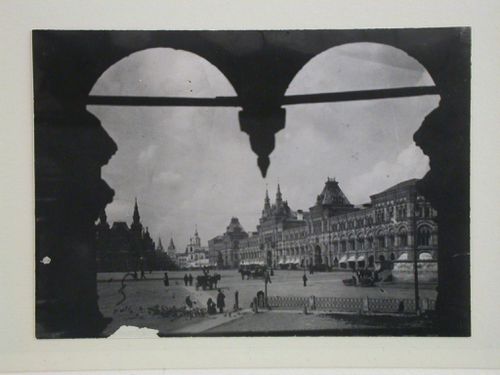
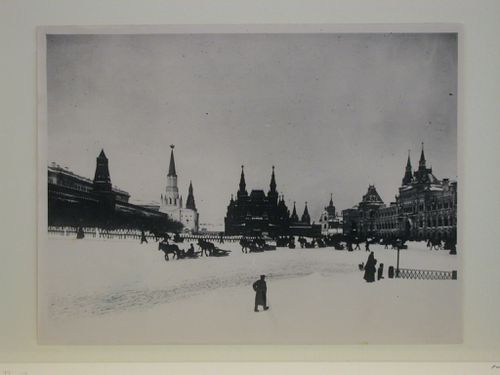
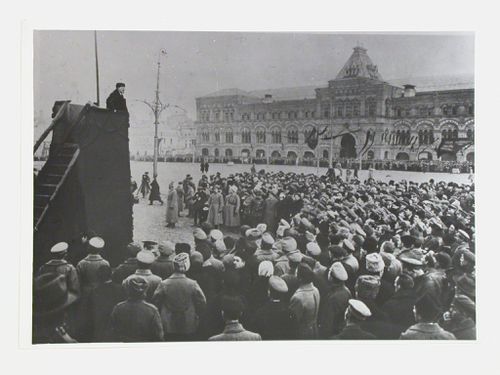
- Photographs PH1998:0001:001-058 show images of Red Square in Moscow before and during the construction of the three Lenin Mausoleums designed by A. Shchusev (before construction: PH1998:0001:001-004; the first wooden mausoleum: 25 - 27 January 1924, PH1998:0001:005-010 and PH1998:0001:012-015; the second wooden mausoleum: March - 1 May 1924, PH1998:0001:017-050; and the third stone mausoleum: June 1929 - 12 October 1930, PH1998:0001:051-058). Photographs PH1998:0001:001-058 also show images of some of the buildings in Red Square, including: the Kremlin Towers, Nikol'skaya Tower (Nicholas Tower), Spasskaia Tower, Corner Arsenal Tower, and Senate Tower; the Upper Shopping Arcades; the Historical Museum; Saint Basil Cathedral; the monument to Minin and Pozharsky; the Voskresenskie Iverskie Gates (Resurrection Gates); and the Senate Building.
PH1998:0001:001
Description:
- Photographs PH1998:0001:001-058 show images of Red Square in Moscow before and during the construction of the three Lenin Mausoleums designed by A. Shchusev (before construction: PH1998:0001:001-004; the first wooden mausoleum: 25 - 27 January 1924, PH1998:0001:005-010 and PH1998:0001:012-015; the second wooden mausoleum: March - 1 May 1924, PH1998:0001:017-050; and the third stone mausoleum: June 1929 - 12 October 1930, PH1998:0001:051-058). Photographs PH1998:0001:001-058 also show images of some of the buildings in Red Square, including: the Kremlin Towers, Nikol'skaya Tower (Nicholas Tower), Spasskaia Tower, Corner Arsenal Tower, and Senate Tower; the Upper Shopping Arcades; the Historical Museum; Saint Basil Cathedral; the monument to Minin and Pozharsky; the Voskresenskie Iverskie Gates (Resurrection Gates); and the Senate Building.
People:
Subject:
architecture
architecture
Date:
between 1893 and 1899
between 1893 and 1899
Title:
View of Red Square from a window showing the Historical Museum in the background and the Upper Shopping Arcades on the right, Moscow
Actions:
PH1998:0001:001
Description:
- Photographs PH1998:0001:001-058 show images of Red Square in Moscow before and during the construction of the three Lenin Mausoleums designed by A. Shchusev (before construction: PH1998:0001:001-004; the first wooden mausoleum: 25 - 27 January 1924, PH1998:0001:005-010 and PH1998:0001:012-015; the second wooden mausoleum: March - 1 May 1924, PH1998:0001:017-050; and the third stone mausoleum: June 1929 - 12 October 1930, PH1998:0001:051-058). Photographs PH1998:0001:001-058 also show images of some of the buildings in Red Square, including: the Kremlin Towers, Nikol'skaya Tower (Nicholas Tower), Spasskaia Tower, Corner Arsenal Tower, and Senate Tower; the Upper Shopping Arcades; the Historical Museum; Saint Basil Cathedral; the monument to Minin and Pozharsky; the Voskresenskie Iverskie Gates (Resurrection Gates); and the Senate Building.
View of Red Square from a window showing the Historical Museum in the background and the Upper Shopping Arcades on the right, Moscow
Actions:
PH1998:0001:001
Description:
- Photographs PH1998:0001:001-058 show images of Red Square in Moscow before and during the construction of the three Lenin Mausoleums designed by A. Shchusev (before construction: PH1998:0001:001-004; the first wooden mausoleum: 25 - 27 January 1924, PH1998:0001:005-010 and PH1998:0001:012-015; the second wooden mausoleum: March - 1 May 1924, PH1998:0001:017-050; and the third stone mausoleum: June 1929 - 12 October 1930, PH1998:0001:051-058). Photographs PH1998:0001:001-058 also show images of some of the buildings in Red Square, including: the Kremlin Towers, Nikol'skaya Tower (Nicholas Tower), Spasskaia Tower, Corner Arsenal Tower, and Senate Tower; the Upper Shopping Arcades; the Historical Museum; Saint Basil Cathedral; the monument to Minin and Pozharsky; the Voskresenskie Iverskie Gates (Resurrection Gates); and the Senate Building.
Form:
photographs
photographs
Date:
between 1893 and 1899
between 1893 and 1899
People:
Subject:
architecture
architecture
Form:
photographs
photographs
Actions:
Reference number:
PH1998:0001:002
Description:
- Photographs PH1998:0001:001-058 show images of Red Square in Moscow before and during the construction of the three Lenin Mausoleums designed by A. Shchusev (before construction: PH1998:0001:001-004; the first wooden mausoleum: 25 - 27 January 1924, PH1998:0001:005-010 and PH1998:0001:012-015; the second wooden mausoleum: March - 1 May 1924, PH1998:0001:017-050; and the third stone mausoleum: June 1929 - 12 October 1930, PH1998:0001:051-058). Photographs PH1998:0001:001-058 also show images of some of the buildings in Red Square, including: the Kremlin Towers, Nikol'skaya Tower (Nicholas Tower), Spasskaia Tower, Corner Arsenal Tower, and Senate Tower; the Upper Shopping Arcades; the Historical Museum; Saint Basil Cathedral; the monument to Minin and Pozharsky; the Voskresenskie Iverskie Gates (Resurrection Gates); and the Senate Building.
PH1998:0001:002
Description:
- Photographs PH1998:0001:001-058 show images of Red Square in Moscow before and during the construction of the three Lenin Mausoleums designed by A. Shchusev (before construction: PH1998:0001:001-004; the first wooden mausoleum: 25 - 27 January 1924, PH1998:0001:005-010 and PH1998:0001:012-015; the second wooden mausoleum: March - 1 May 1924, PH1998:0001:017-050; and the third stone mausoleum: June 1929 - 12 October 1930, PH1998:0001:051-058). Photographs PH1998:0001:001-058 also show images of some of the buildings in Red Square, including: the Kremlin Towers, Nikol'skaya Tower (Nicholas Tower), Spasskaia Tower, Corner Arsenal Tower, and Senate Tower; the Upper Shopping Arcades; the Historical Museum; Saint Basil Cathedral; the monument to Minin and Pozharsky; the Voskresenskie Iverskie Gates (Resurrection Gates); and the Senate Building.
People:
Subject:
architecture
architecture
Date:
early 20th century
early 20th century
Title:
View of Red Square showing the Kremlin Wall and towers on the left, the Historical Museum in the center, and the Upper Shopping Arcades on the right, Moscow
Actions:
PH1998:0001:002
Description:
- Photographs PH1998:0001:001-058 show images of Red Square in Moscow before and during the construction of the three Lenin Mausoleums designed by A. Shchusev (before construction: PH1998:0001:001-004; the first wooden mausoleum: 25 - 27 January 1924, PH1998:0001:005-010 and PH1998:0001:012-015; the second wooden mausoleum: March - 1 May 1924, PH1998:0001:017-050; and the third stone mausoleum: June 1929 - 12 October 1930, PH1998:0001:051-058). Photographs PH1998:0001:001-058 also show images of some of the buildings in Red Square, including: the Kremlin Towers, Nikol'skaya Tower (Nicholas Tower), Spasskaia Tower, Corner Arsenal Tower, and Senate Tower; the Upper Shopping Arcades; the Historical Museum; Saint Basil Cathedral; the monument to Minin and Pozharsky; the Voskresenskie Iverskie Gates (Resurrection Gates); and the Senate Building.
View of Red Square showing the Kremlin Wall and towers on the left, the Historical Museum in the center, and the Upper Shopping Arcades on the right, Moscow
Actions:
PH1998:0001:002
Description:
- Photographs PH1998:0001:001-058 show images of Red Square in Moscow before and during the construction of the three Lenin Mausoleums designed by A. Shchusev (before construction: PH1998:0001:001-004; the first wooden mausoleum: 25 - 27 January 1924, PH1998:0001:005-010 and PH1998:0001:012-015; the second wooden mausoleum: March - 1 May 1924, PH1998:0001:017-050; and the third stone mausoleum: June 1929 - 12 October 1930, PH1998:0001:051-058). Photographs PH1998:0001:001-058 also show images of some of the buildings in Red Square, including: the Kremlin Towers, Nikol'skaya Tower (Nicholas Tower), Spasskaia Tower, Corner Arsenal Tower, and Senate Tower; the Upper Shopping Arcades; the Historical Museum; Saint Basil Cathedral; the monument to Minin and Pozharsky; the Voskresenskie Iverskie Gates (Resurrection Gates); and the Senate Building.
Form:
photographs
photographs
Date:
early 20th century
early 20th century
People:
Subject:
architecture
architecture
Form:
photographs
photographs
Actions:
Reference number:
PH1998:0001:003
Description:
- Photographs PH1998:0001:001-058 show images of Red Square in Moscow before and during the construction of the three Lenin Mausoleums designed by A. Shchusev (before construction: PH1998:0001:001-004; the first wooden mausoleum: 25 - 27 January 1924, PH1998:0001:005-010 and PH1998:0001:012-015; the second wooden mausoleum: March - 1 May 1924, PH1998:0001:017-050; and the third stone mausoleum: June 1929 - 12 October 1930, PH1998:0001:051-058). Photographs PH1998:0001:001-058 also show images of some of the buildings in Red Square, including: the Kremlin Towers, Nikol'skaya Tower (Nicholas Tower), Spasskaia Tower, Corner Arsenal Tower, and Senate Tower; the Upper Shopping Arcades; the Historical Museum; Saint Basil Cathedral; the monument to Minin and Pozharsky; the Voskresenskie Iverskie Gates (Resurrection Gates); and the Senate Building.
PH1998:0001:003
Description:
- Photographs PH1998:0001:001-058 show images of Red Square in Moscow before and during the construction of the three Lenin Mausoleums designed by A. Shchusev (before construction: PH1998:0001:001-004; the first wooden mausoleum: 25 - 27 January 1924, PH1998:0001:005-010 and PH1998:0001:012-015; the second wooden mausoleum: March - 1 May 1924, PH1998:0001:017-050; and the third stone mausoleum: June 1929 - 12 October 1930, PH1998:0001:051-058). Photographs PH1998:0001:001-058 also show images of some of the buildings in Red Square, including: the Kremlin Towers, Nikol'skaya Tower (Nicholas Tower), Spasskaia Tower, Corner Arsenal Tower, and Senate Tower; the Upper Shopping Arcades; the Historical Museum; Saint Basil Cathedral; the monument to Minin and Pozharsky; the Voskresenskie Iverskie Gates (Resurrection Gates); and the Senate Building.
People:
Subject:
architecture
architecture
Date:
7 November 1918
7 November 1918
Title:
View of a meeting in Red Square showing Lenin addressing a group of soldiers from a podium with the Upper Shopping Arcades in the background, Moscow
Actions:
PH1998:0001:003
Description:
- Photographs PH1998:0001:001-058 show images of Red Square in Moscow before and during the construction of the three Lenin Mausoleums designed by A. Shchusev (before construction: PH1998:0001:001-004; the first wooden mausoleum: 25 - 27 January 1924, PH1998:0001:005-010 and PH1998:0001:012-015; the second wooden mausoleum: March - 1 May 1924, PH1998:0001:017-050; and the third stone mausoleum: June 1929 - 12 October 1930, PH1998:0001:051-058). Photographs PH1998:0001:001-058 also show images of some of the buildings in Red Square, including: the Kremlin Towers, Nikol'skaya Tower (Nicholas Tower), Spasskaia Tower, Corner Arsenal Tower, and Senate Tower; the Upper Shopping Arcades; the Historical Museum; Saint Basil Cathedral; the monument to Minin and Pozharsky; the Voskresenskie Iverskie Gates (Resurrection Gates); and the Senate Building.
View of a meeting in Red Square showing Lenin addressing a group of soldiers from a podium with the Upper Shopping Arcades in the background, Moscow
Actions:
PH1998:0001:003
Description:
- Photographs PH1998:0001:001-058 show images of Red Square in Moscow before and during the construction of the three Lenin Mausoleums designed by A. Shchusev (before construction: PH1998:0001:001-004; the first wooden mausoleum: 25 - 27 January 1924, PH1998:0001:005-010 and PH1998:0001:012-015; the second wooden mausoleum: March - 1 May 1924, PH1998:0001:017-050; and the third stone mausoleum: June 1929 - 12 October 1930, PH1998:0001:051-058). Photographs PH1998:0001:001-058 also show images of some of the buildings in Red Square, including: the Kremlin Towers, Nikol'skaya Tower (Nicholas Tower), Spasskaia Tower, Corner Arsenal Tower, and Senate Tower; the Upper Shopping Arcades; the Historical Museum; Saint Basil Cathedral; the monument to Minin and Pozharsky; the Voskresenskie Iverskie Gates (Resurrection Gates); and the Senate Building.
Form:
photographs
photographs
Date:
7 November 1918
7 November 1918
People:
Subject:
architecture
architecture


