


811 Results
Form:
books
books
Title:
Brackish waters
Brackish waters
Actions:
Price:
$29.95
(available in store)
Summary:
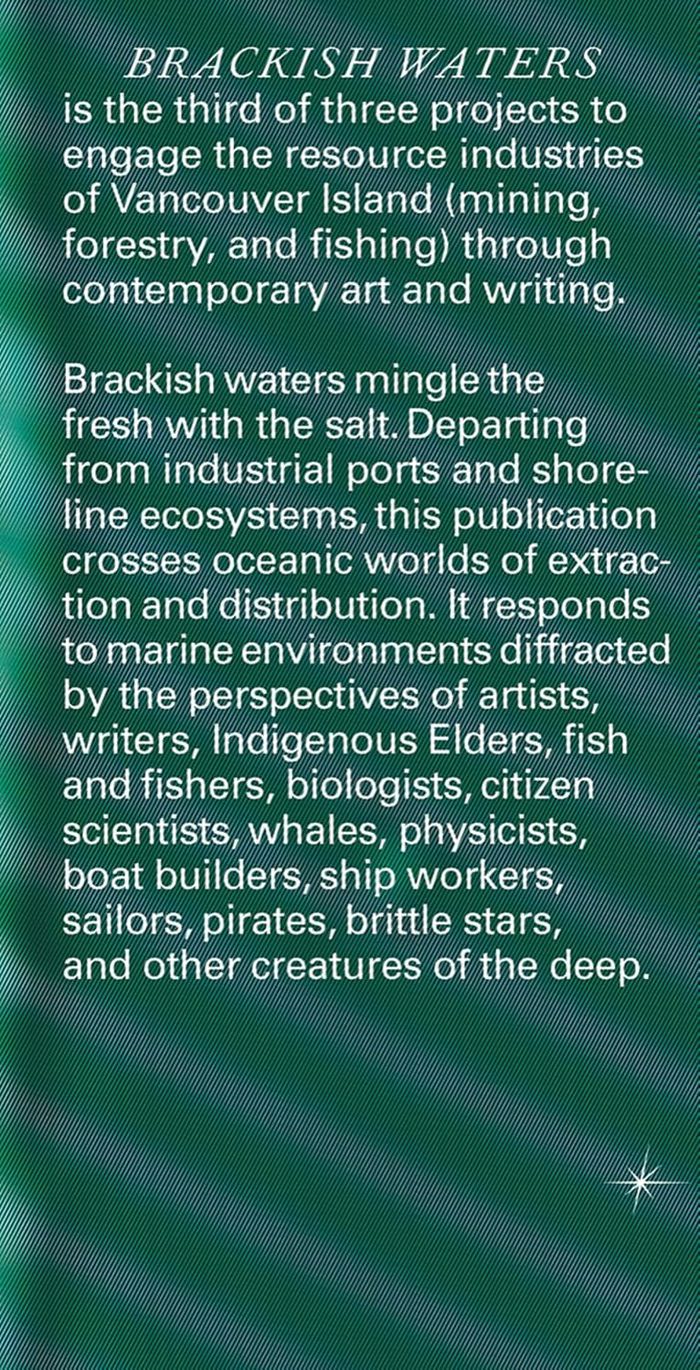
"Brakish waters" is the third of three projects to engage the resource industries of Vancouver Island (mining, forestry, and fishing), through contemporary art and writing. Brackish waters mingle the fresh with the salt. Departing from industrial ports and shoreline ecosystems, this publication crosses oceanic worlds of extraction and distribution. It responds to marine(...)
Title:
Brackish waters
Actions:
Price:
$29.95
(available in store)
Summary:
"Brakish waters" is the third of three projects to engage the resource industries of Vancouver Island (mining, forestry, and fishing), through contemporary art and writing. Brackish waters mingle the fresh with the salt. Departing from industrial ports and shoreline ecosystems, this publication crosses oceanic worlds of extraction and distribution. It responds to marine environments diffracted by the perspectives of artists, writers, Indigenous Elders, fish and fishers, biologists, citizen scientists, whales, physicists, boat builders, ship workers, sailors, pirates, brittle stars, and other creatures of the deep. Nanaimo Art Gallery is located on Snuneymuxw territory, one block from the city’s harbor, a place that has seen the forced displacement of Snuneymuxw villages, the arrival of precarious mine workers from China, the UK, and Scandinavia, and the World War II internment of Japanese Canadians who ran herring salteries and shipyards there.
Form:
books
books
Publication:
March 2026
March 2026
Subject:
Art Theory
Art Theory
Form:
books
books
Actions:
Price:
$35.95
(available to order)
Summary:
German type and book designer Jan Tschichold (1902-1974) revolutionized modern typography through his bold, asymmetrical designs and use of sanserif typography, both inspired by the work of the Bauhaus. He proclaimed his new design philosophy through a(...)
$35.95
(available to order)
Summary:
German type and book designer Jan Tschichold (1902-1974) revolutionized modern typography through his bold, asymmetrical designs and use of sanserif typography, both inspired by the work of the Bauhaus. He proclaimed his new design philosophy through a(...)
Title:
Jan Tschichold : a life in typography
Actions:
Price:
$35.95
(available to order)
Summary:
German type and book designer Jan Tschichold (1902-1974) revolutionized modern typography through his bold, asymmetrical designs and use of sanserif typography, both inspired by the work of the Bauhaus. He proclaimed his new design philosophy through a series of articles and books, including Die neue Typographie, published in Berlin in 1928. His international renown came largely as a result of his redesign of Penguin's entire series of paperback novels just after World War II. Any graphic designer practicing today owes a debt to Tschichold's innovation. "Jan Tschichold: A Life in Typography" offers a concise biography of Tschichold, accompanied by numerous examples of his vast body of work. It serves as an introduction to Tschichold for those who are unfamiliar with his influential style, yet for the experienced designer it is an excellent collection of the wide range of his designs.
Form:
books
books
Publication:
November 1997, New York
November 1997, New York
Subject:
Graphic Designers, Monographs
Graphic Designers, Monographs
Form:
books
books
Actions:
Price:
$205.00
(available to order)
Summary:
Presenting illustrations gathered together for the first time, Le Corbusier: Furniture and Interiors is a comprehensive account of Le Corbusier’s extensive work in furniture and interior design. As a young architect, Swiss-born Charles-Edouard Jeanneret primarily worked in designed furnishings. After he moved to Paris in the early 1920s and adopted his now famous moniker,(...)
Title:
Le Corbusier : furniture and interiors 1905-1965
Actions:
Price:
$205.00
(available to order)
Summary:
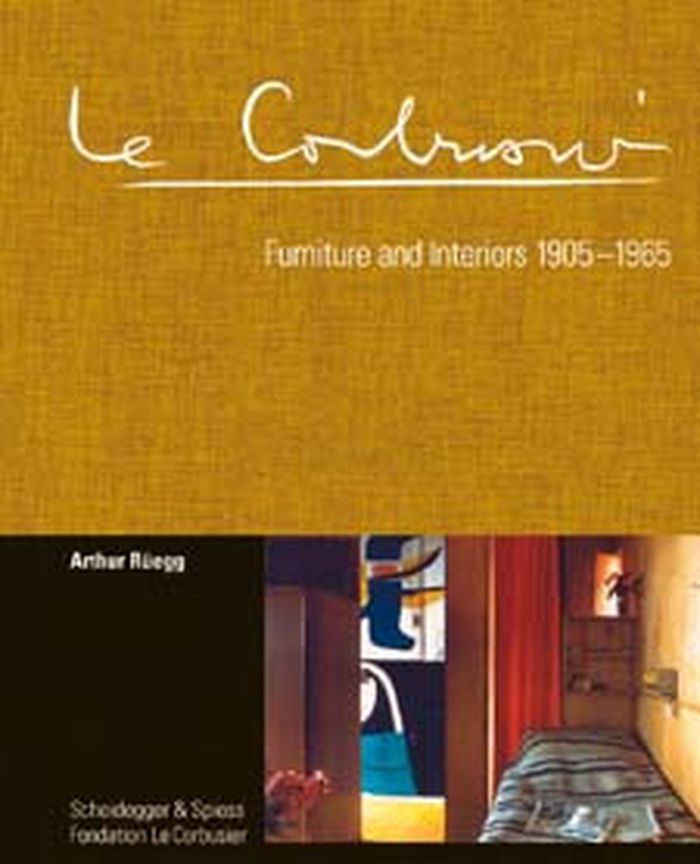
Presenting illustrations gathered together for the first time, Le Corbusier: Furniture and Interiors is a comprehensive account of Le Corbusier’s extensive work in furniture and interior design. As a young architect, Swiss-born Charles-Edouard Jeanneret primarily worked in designed furnishings. After he moved to Paris in the early 1920s and adopted his now famous moniker, Le Corbusier developed a particular interest in équipement, a term he coined for the essential furnishings of a residence. He focused specifically on tables, cabinets, and eventually the chrome and leather chairs—designed in collaboration with Pierre Jeanneret and Charlotte Perriand—for which he became famous. These pieces exhibit Le Corbusier’s trademark metal detailing and elegant austerity. After World War II, Le Corbusier shifted to more functional designs for use in everyday life. These wooden pieces resemble packing crates, evoking a rustic design aesthetic rooted in functionality.
Form:
books
books
Publication:
July 2012
July 2012
Subject:
Design Monographs
Design Monographs
Form:
books
books
Actions:
Price:
$50.00
(available to order)
Summary:
In the 1920s and 1930s, the Villa Foscari in Venice, better known as La Malcontenta, became a meeting place for intellectuals, artists, and members of the nobility such as Serge Diaghilev, Boris Kochno, Serge Lifar, Winston Churchill, Robert Byron, Diana Cooper, and Le Corbusier. It was an era of inspiring encounters between aristocrats, the avantgarde, snobs, and(...)
Title:
Tumult and order : Malcontenta, 1924-1939
Actions:
Price:
$50.00
(available to order)
Summary:
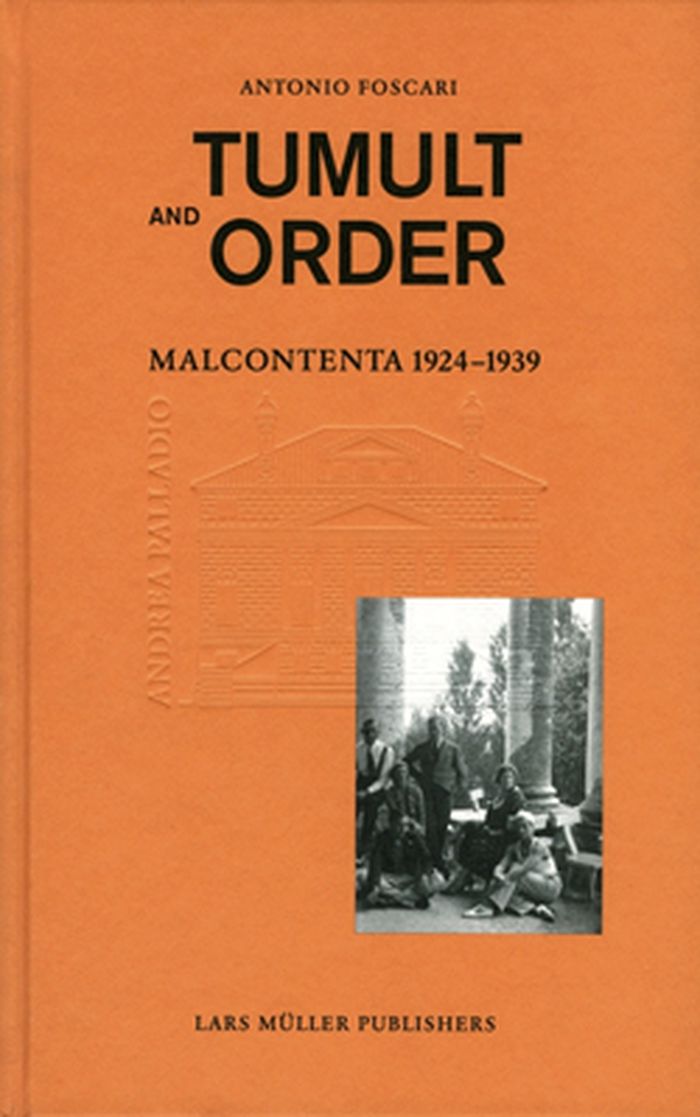
In the 1920s and 1930s, the Villa Foscari in Venice, better known as La Malcontenta, became a meeting place for intellectuals, artists, and members of the nobility such as Serge Diaghilev, Boris Kochno, Serge Lifar, Winston Churchill, Robert Byron, Diana Cooper, and Le Corbusier. It was an era of inspiring encounters between aristocrats, the avantgarde, snobs, and intellectuals that ended when Italy entered World War II. Antonio Foscari recounts this lively period in the building’s history and talks about its then owner, Bertie Landsberg, and his friends Catherine de Rochegude, Baroness of Erlanger, and Paul Rodocanachi, who not only lovingly renovated the villa, but made it such a lively place for the first time. The text is complemented by numerous photographs dating from this exciting time that convey an impression of what was happening in the villa in those days.
Form:
books
books
Publication:
August 2012
August 2012
Subject:
Architectural Theory
Architectural Theory
Form:
books
books

Actions:
Price:
$20.00
(available to order)
Summary:
Antonin Artaud's journey to Ireland in 1937 marked an extraordinary—and apocalyptic—turning point in his life and career. After publishing the manifesto ''The New Revelations of Being'' about the 'catastrophic immediate-future,' Artaud abruptly left Paris for Ireland, remaining there for six weeks without money. Artaud was eventually arrested as an undesirable alien,(...)
Title:
Artaud 1937 Apocalypse: letters from Ireland
Actions:
Price:
$20.00
(available to order)
Summary:
Antonin Artaud's journey to Ireland in 1937 marked an extraordinary—and apocalyptic—turning point in his life and career. After publishing the manifesto ''The New Revelations of Being'' about the 'catastrophic immediate-future,' Artaud abruptly left Paris for Ireland, remaining there for six weeks without money. Artaud was eventually arrested as an undesirable alien, beaten by the police, and summarily deported back to France. On his return, he spent nine years in asylums, remaining there through the entire span of World War II. During his fateful journey, Artaud wrote letters to friends in Paris which included several 'magic spells,' intended to curse his enemies and protect his friends from the city's forthcoming incineration and the Antichrist's appearance. This book collects all of Artaud's surviving correspondence from his time in Ireland, as well as photographs of the locations he traveled through.
Form:
books
books
Publication:
May 2019
May 2019
Subject:
Journeys
Journeys
Form:
books
books

Actions:
Price:
$72.00
(available to order)
Summary:
Writing about The Museum of Modern Art's monumental and critically acclaimed 2005 Lee Friedlander retrospective, Richard Lacayo of Time magazine said: "If a sophisticated notion of what a picture can look like, the continuous construction of new avenues of feeling, and sheer, sustained inventiveness are the measures we go by, then Friedlander is one of the most important(...)
Title:
Friedlander The Museum of Modern Art
Actions:
Price:
$72.00
(available to order)
Summary:
Writing about The Museum of Modern Art's monumental and critically acclaimed 2005 Lee Friedlander retrospective, Richard Lacayo of Time magazine said: "If a sophisticated notion of what a picture can look like, the continuous construction of new avenues of feeling, and sheer, sustained inventiveness are the measures we go by, then Friedlander is one of the most important American artists of any kind since World War II Friedlander loves the muchness of the world. He loves the haphazard multitude of things that can pop up in every picture--street signs, sunbeams, bits of roofline, a jagged shadow--all colliding and contradicting one another. In his breezy but very acute introduction to the show's catalogue, Peter Galassi, MoMA's chief curator of photography, gets it just right when he says some of Friedlander's pictures give you the impression that 'the physical world had been broken into fragments and reconstituted under pressure at three times its original density.'" Now available for the first time, the paperback edition of this definitive, comprehensive volume is being published to coincide with the traveling retrospective's stop in San Francisco at SFMOMA.
Form:
books
books
Publication:
February 2008, New York
February 2008, New York
Subject:
Photography monographs
Photography monographs
Form:
books
books
Price:
$48.99
(available to order)
Summary:
For almost seven years after World War II, a small group of architects took on an exciting task: to imagine the spaces of global governance for a new political organization called the United Nations (UN). To create the iconic headquarters of the UN in New York City, these architects experimented with room layouts, media technologies, and design in tribunal courtrooms,(...)
Title:
Assembly by design: The United Nations and its global interior
Actions:
Price:
$48.99
(available to order)
Summary:
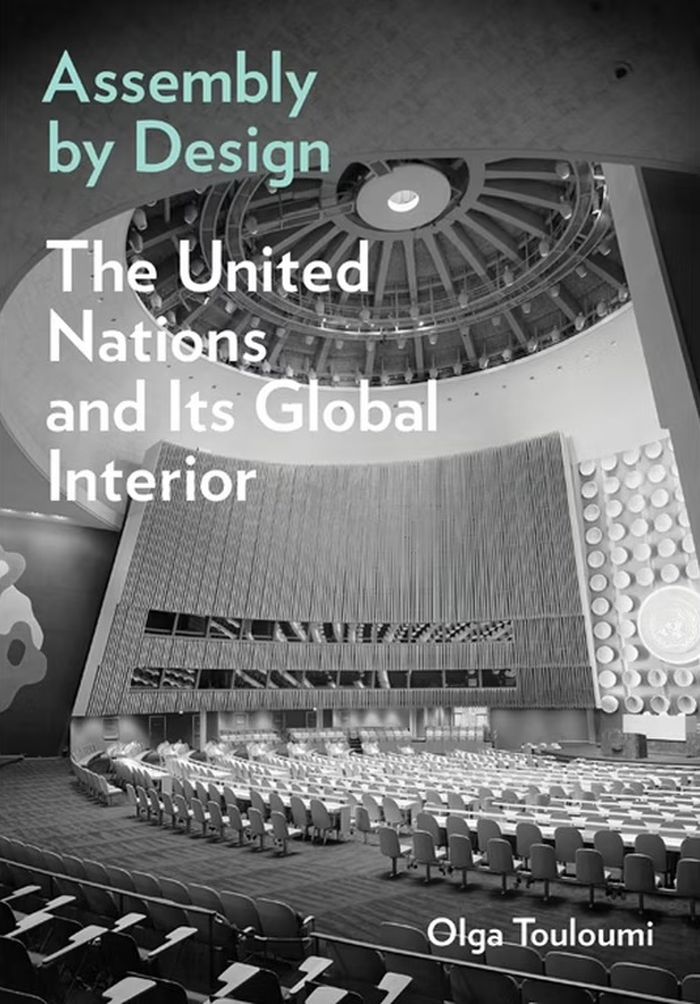
For almost seven years after World War II, a small group of architects took on an exciting task: to imagine the spaces of global governance for a new political organization called the United Nations (UN). To create the iconic headquarters of the UN in New York City, these architects experimented with room layouts, media technologies, and design in tribunal courtrooms, assembly halls, and council chambers. The result was the creation of a new type of public space, the global interior. "Assembly by design" shows how this space leveraged media to help the UN communicate with the world. With its media infrastructure, symbols, acoustic design, and architecture, the global interior defined political assembly both inside and outside the UN headquarters, serving as the architectural medium to organize multilateral encounters of international publics around the globe. Demonstrating how aesthetics have long held sway over political work, Olga Touloumi posits that the building framed diplomacy on the ground amid a changing political landscape that brought the United States to the forefront of international politics, destabilizing old and establishing new geopolitical alliances.
Form:
books
books
Publication:
October 2024
October 2024
Subject:
Architectural Theory
Architectural Theory
Form:
books
books
Title:
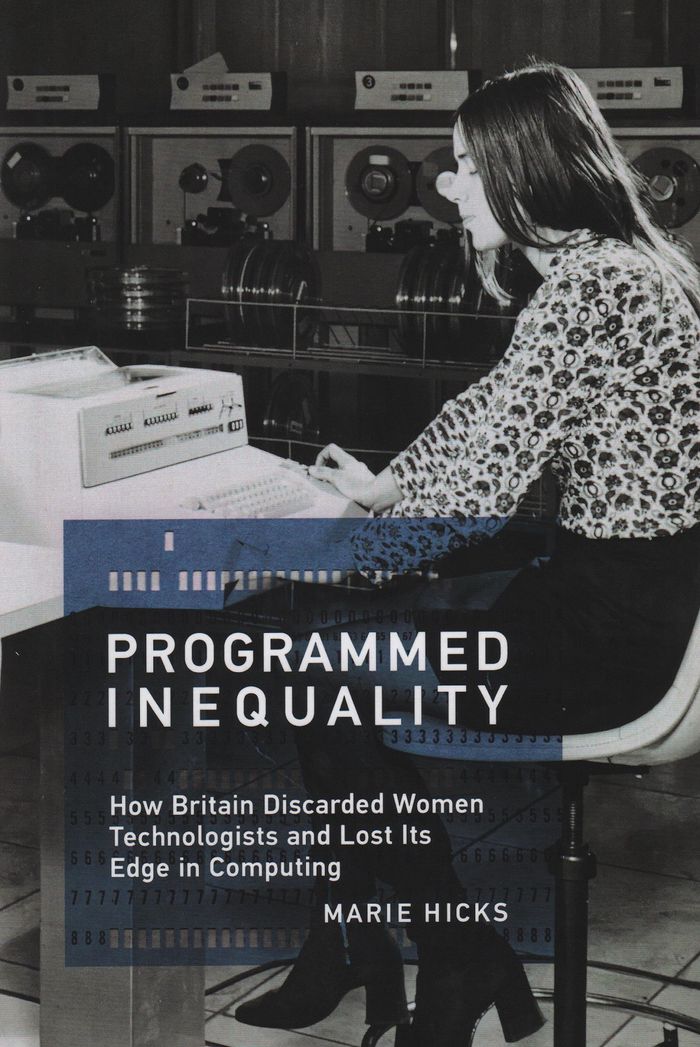
Programmed inequality: how Britain discarded women technologists and lost its edge in computing
Programmed inequality: how Britain discarded women technologists and lost its edge in computing
Actions:
Price:
$51.95
(available to order)
Summary:
In 1944, Britain led the world in electronic computing. By 1974, the British computer industry was all but extinct. What happened in the intervening thirty years holds lessons for all postindustrial superpowers. As Britain struggled to use technology to retain its global power, the nation’s inability to manage its technical labor force hobbled its transition into the(...)
Title:
Programmed inequality: how Britain discarded women technologists and lost its edge in computing
Actions:
Price:
$51.95
(available to order)
Summary:
In 1944, Britain led the world in electronic computing. By 1974, the British computer industry was all but extinct. What happened in the intervening thirty years holds lessons for all postindustrial superpowers. As Britain struggled to use technology to retain its global power, the nation’s inability to manage its technical labor force hobbled its transition into the information age. In "Programmed inequality", Marie Hicks explores the story of labor feminization and gendered technocracy that undercut British efforts to computerize. That failure sprang from the government’s systematic neglect of its largest trained technical workforce simply because they were women. Women were a hidden engine of growth in high technology from World War II to the 1960s. As computing experienced a gender flip, becoming male-identified in the 1960s and 1970s, labor problems grew into structural ones and gender discrimination caused the nation’s largest computer user—the civil service and sprawling public sector—to make decisions that were disastrous for the British computer industry and the nation as a whole.
Form:
books
books
Publication:
February 2017
February 2017
Subject:
Archive, library and the digital
Archive, library and the digital
Form:
books
books

Price:
$34.00
(available to order)
Summary:
In a sweeping journey through time, bestselling author Florian Illies tells the story of Caspar David Friedrich’s paintings and their impact on subsequent generations. Many of his most beautiful paintings were burned, first in his birthplace and then in World War II; others, like the Chalk Cliffs on Rügen, emerge from the mists of history a hundred years after(...)
Title:
The magic of silence: Caspar David Friedrich's journey through time
Actions:
Price:
$34.00
(available to order)
Summary:
In a sweeping journey through time, bestselling author Florian Illies tells the story of Caspar David Friedrich’s paintings and their impact on subsequent generations. Many of his most beautiful paintings were burned, first in his birthplace and then in World War II; others, like the Chalk Cliffs on Rügen, emerge from the mists of history a hundred years after Friedrich's death. Illies recounts the story of how Friedrich's paintings ended up at the Russian czar's court, others among a pile of winter tires in a Mafia car repair shop, and others still in the kitchen of a German social housing apartment. Adored by Hitler and Rainer Maria Rilke, despised by Stalin and by the generation of 68, this compelling narrative dances through 250 years of history as seen through Friedrich’s art and life. As a result, the man himself becomes flesh and blood before our very eyes.
Form:
books
books
Publication:
January 2025
January 2025
Subject:
Art Theory
Art Theory
Form:
books
books
Title:
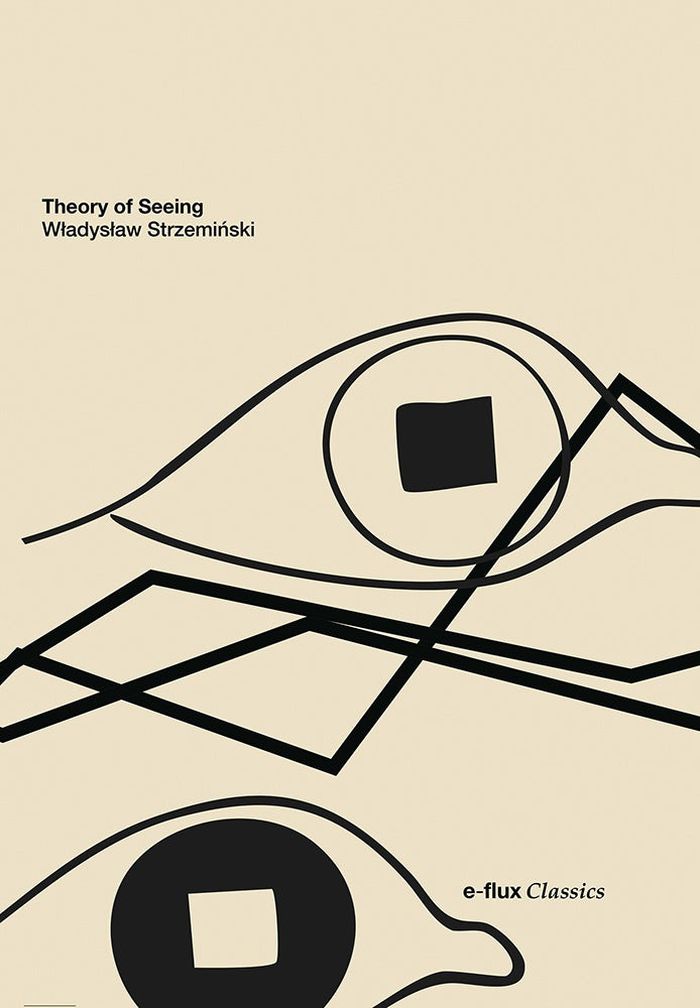
Theory of seeing
Theory of seeing
Actions:
Price:
$48.99
(available to order)
Summary:
The first English translation of a radical and influential theory of art by a leader of Poland’s avant-garde After World War II, socialist realism became the official state doctrine of art in Poland, with abstract works deemed counterrevolutionary and forbidden from public view. Wladyslaw Strzeminski, a leader of the Polish constructivist avant-garde, developed a treatise(...)
Title:
Theory of seeing
Actions:
Price:
$48.99
(available to order)
Summary:
The first English translation of a radical and influential theory of art by a leader of Poland’s avant-garde After World War II, socialist realism became the official state doctrine of art in Poland, with abstract works deemed counterrevolutionary and forbidden from public view. Wladyslaw Strzeminski, a leader of the Polish constructivist avant-garde, developed a treatise of visual consciousness as a foundation for progressive art, emphasizing art’s autonomy. His application of Marxist aesthetics to the physiology of seeing is expressed in Theory of Seeing, which was published posthumously in 1958 by his students from notes collected from his lectures. Preceding the comparable perspectives developed by Jacques Rancière, David Hockney, and John Berger, and even the cinema of Jean-Luc Godard, Strzeminski’s "Theory of seeing" introduces the radical and groundbreaking ideas of one of Poland’s most important artists to English-speaking audiences for the first time.
Form:
books
books
Publication:
September 2025
September 2025
Subject:
Art Theory
Art Theory


