


805 Results
Form:
books
books
Actions:
Price:
$33.95
(available to order)
Summary:
Hito Steyerl is one of the most celebrated artists of our time. Her work, both as an artist and a writer, has consistently challenged the political boundaries between art and technology. In this new collection of groundbreaking essays, she explores how AI, the use of large language models and the algorithmic creation of imagery transform our understanding of the world.(...)
$33.95
(available to order)
Summary:
Hito Steyerl is one of the most celebrated artists of our time. Her work, both as an artist and a writer, has consistently challenged the political boundaries between art and technology. In this new collection of groundbreaking essays, she explores how AI, the use of large language models and the algorithmic creation of imagery transform our understanding of the world.(...)
Title:
Medium hot: Images in the age of heat
Actions:
Price:
$33.95
(available to order)
Summary:
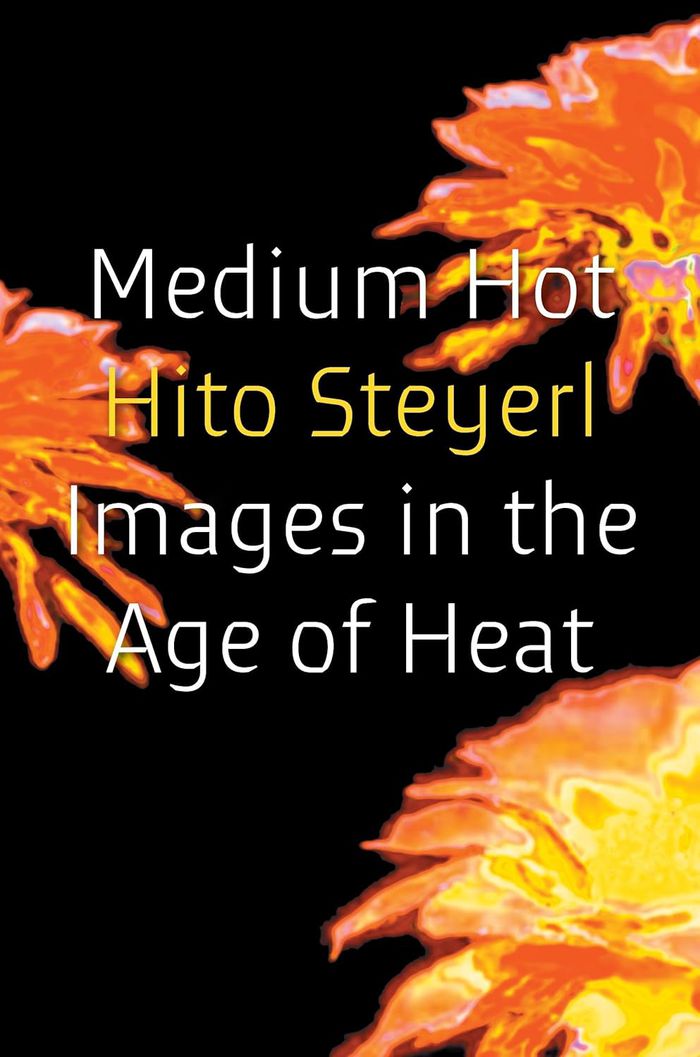
Hito Steyerl is one of the most celebrated artists of our time. Her work, both as an artist and a writer, has consistently challenged the political boundaries between art and technology. In this new collection of groundbreaking essays, she explores how AI, the use of large language models and the algorithmic creation of imagery transform our understanding of the world. She argues that such practices cannot be divorced from the economic and political conditions of the times. "Medium hot" is a collection of scintillating meditations on the limits of art and technology: the essential handbook for the present conjuncture. The pieces here probe the manufacture and distribution of images in the age of AI and climate change. She asks whether art can be made not only by machines but for machines. She argues against the production of images that heat up the planet, disfranchise workers and fuel the arms trade, and questions whether such creations can even be called art.
Medium hot: Images in the age of heat
Actions:
Price:
$33.95
(available to order)
Summary:
Hito Steyerl is one of the most celebrated artists of our time. Her work, both as an artist and a writer, has consistently challenged the political boundaries between art and technology. In this new collection of groundbreaking essays, she explores how AI, the use of large language models and the algorithmic creation of imagery transform our understanding of the world. She argues that such practices cannot be divorced from the economic and political conditions of the times. "Medium hot" is a collection of scintillating meditations on the limits of art and technology: the essential handbook for the present conjuncture. The pieces here probe the manufacture and distribution of images in the age of AI and climate change. She asks whether art can be made not only by machines but for machines. She argues against the production of images that heat up the planet, disfranchise workers and fuel the arms trade, and questions whether such creations can even be called art.
Form:
books
books
Publication:
June 2025
June 2025
Subject:
Art Theory
Art Theory
Form:
books
books
Actions:
Price:
$72.00
(available to order)
Summary:
Unknown Fields is a nomadic design studio that ventures out on expeditions into the shadows cast by the contemporary city, to uncover the industrial ecologies and precarious wilderness its technology and culture set in motion. "Tales from the dark side of the city" is a book series that forms an atlas to the territories and stories of a city that stretches across the(...)
$72.00
(available to order)
Summary:
Unknown Fields is a nomadic design studio that ventures out on expeditions into the shadows cast by the contemporary city, to uncover the industrial ecologies and precarious wilderness its technology and culture set in motion. "Tales from the dark side of the city" is a book series that forms an atlas to the territories and stories of a city that stretches across the(...)
Title:
Tales from the dark side of the city, box set
Actions:
Price:
$72.00
(available to order)
Summary:
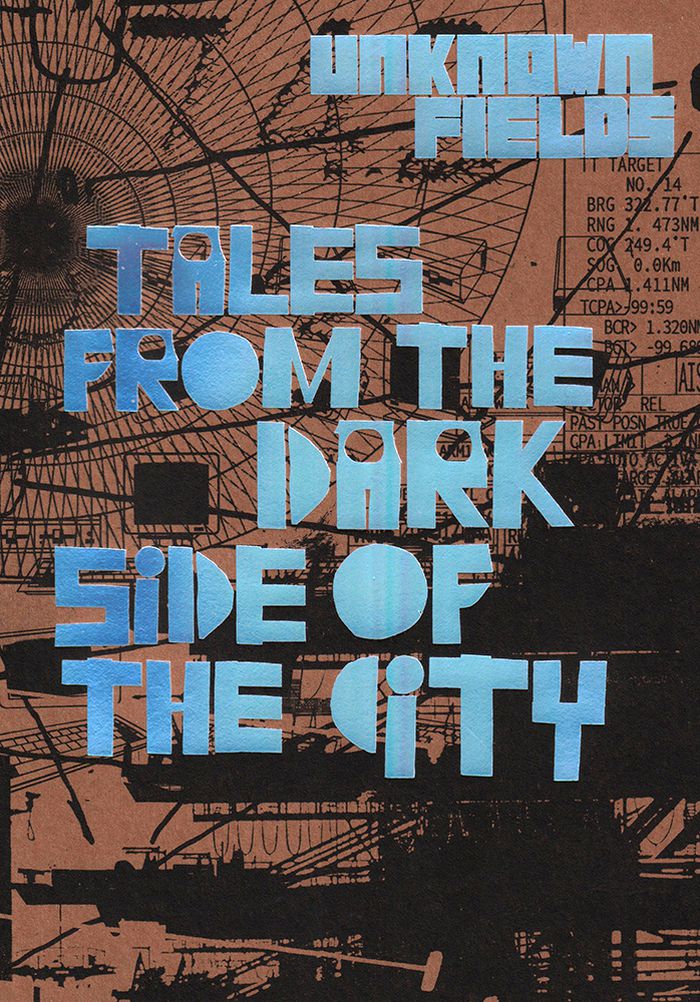
Unknown Fields is a nomadic design studio that ventures out on expeditions into the shadows cast by the contemporary city, to uncover the industrial ecologies and precarious wilderness its technology and culture set in motion. "Tales from the dark side of the city" is a book series that forms an atlas to the territories and stories of a city that stretches across the entire planet, a city that sits between documentary and fiction, a city of dislocated sites, of drone footage and hidden-camera investigations, of interviews and speculative narratives, of toxic objects and distributed matter from distant grounds. They are a collection of tales from the constellation of elsewheres that are conjured into being by the city’s wants and needs, fears and dreams. The series includes stories developed from expeditions through Bolivia and the Atacama Desert, the Western Australian Outback, the South China Sea and Inner Mongolia, the gemfields of Madagascar, Far North Alaska and the black sites of the United States.
Tales from the dark side of the city, box set
Actions:
Price:
$72.00
(available to order)
Summary:
Unknown Fields is a nomadic design studio that ventures out on expeditions into the shadows cast by the contemporary city, to uncover the industrial ecologies and precarious wilderness its technology and culture set in motion. "Tales from the dark side of the city" is a book series that forms an atlas to the territories and stories of a city that stretches across the entire planet, a city that sits between documentary and fiction, a city of dislocated sites, of drone footage and hidden-camera investigations, of interviews and speculative narratives, of toxic objects and distributed matter from distant grounds. They are a collection of tales from the constellation of elsewheres that are conjured into being by the city’s wants and needs, fears and dreams. The series includes stories developed from expeditions through Bolivia and the Atacama Desert, the Western Australian Outback, the South China Sea and Inner Mongolia, the gemfields of Madagascar, Far North Alaska and the black sites of the United States.
Form:
books
books
Publication:
November 2016
November 2016
Form:
books
books
Title:
Global environment history
Global environment history
Actions:
Price:
$55.00
(available to order)
Summary:
Examining this state of flux of both the natural environment and the living organisms that inhabit it, this book ranges from 10,000 BCE to the modern day to present an incredibly rich and deep time overview of how we have come to our current state of ecological crisis. A far-reaching approach that considers the truly global picture and recognizes the contributions of(...)
$55.00
(available to order)
Summary:
Examining this state of flux of both the natural environment and the living organisms that inhabit it, this book ranges from 10,000 BCE to the modern day to present an incredibly rich and deep time overview of how we have come to our current state of ecological crisis. A far-reaching approach that considers the truly global picture and recognizes the contributions of(...)
Title:
Global environment history
Actions:
Price:
$55.00
(available to order)
Summary:
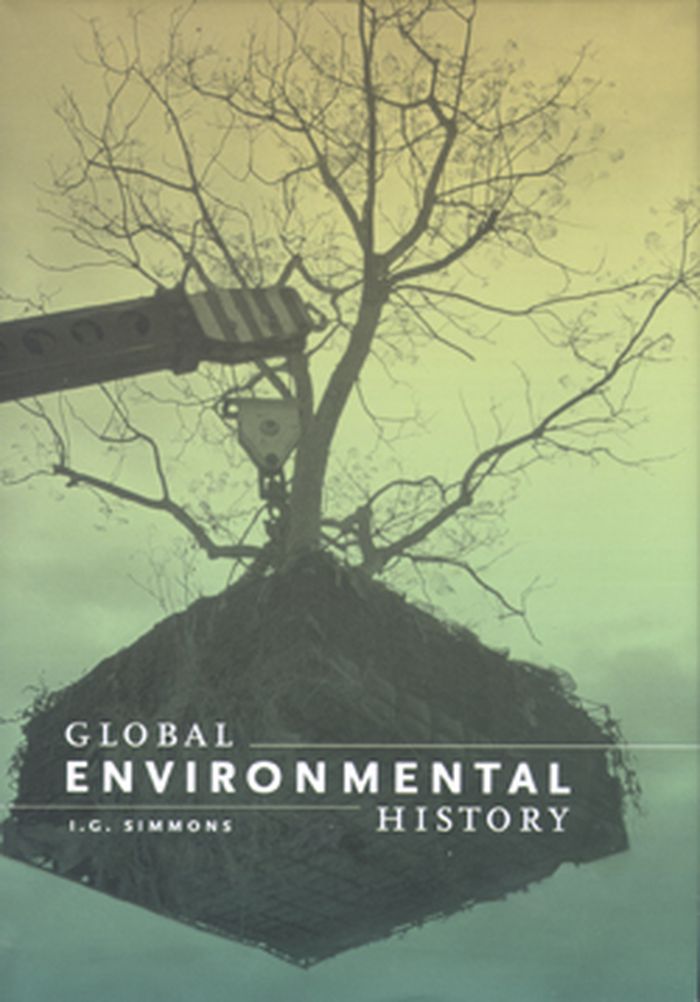
Examining this state of flux of both the natural environment and the living organisms that inhabit it, this book ranges from 10,000 BCE to the modern day to present an incredibly rich and deep time overview of how we have come to our current state of ecological crisis. A far-reaching approach that considers the truly global picture and recognizes the contributions of many disciplines — including the natural sciences, the social sciences, and increasingly, the humanities — this publication focuses not only on the material world but also on humans’ ideas about the planet and their place on it. Taking as his starting point the major phases of human technological evolution of the last 12,000 years, Simmons considers how these changes have affected the natural world and goes on to assess the response to conditions such as climate change. By putting today’s environmental preoccupations into a long-term perspective, Simmons reveals the history of some current anxieties.
Global environment history
Actions:
Price:
$55.00
(available to order)
Summary:
Examining this state of flux of both the natural environment and the living organisms that inhabit it, this book ranges from 10,000 BCE to the modern day to present an incredibly rich and deep time overview of how we have come to our current state of ecological crisis. A far-reaching approach that considers the truly global picture and recognizes the contributions of many disciplines — including the natural sciences, the social sciences, and increasingly, the humanities — this publication focuses not only on the material world but also on humans’ ideas about the planet and their place on it. Taking as his starting point the major phases of human technological evolution of the last 12,000 years, Simmons considers how these changes have affected the natural world and goes on to assess the response to conditions such as climate change. By putting today’s environmental preoccupations into a long-term perspective, Simmons reveals the history of some current anxieties.
Form:
books
books
Publication:
August 2008, Chicago, London
August 2008, Chicago, London
Subject:
Green Architecture
Green Architecture
Form:
books
books
Actions:
Price:
$23.95
(available to order)
Summary:
Some thousands of years ago, the world was home to an immense variety of large mammals. From wooly mammoths and saber-toothed tigers to giant ground sloths and armadillos the size of automobiles, these spectacular creatures roamed freely. Then human beings arrived. Devouring their way down the food chain as they spread across the planet, they began a process of voracious(...)
$23.95
(available to order)
Summary:
Some thousands of years ago, the world was home to an immense variety of large mammals. From wooly mammoths and saber-toothed tigers to giant ground sloths and armadillos the size of automobiles, these spectacular creatures roamed freely. Then human beings arrived. Devouring their way down the food chain as they spread across the planet, they began a process of voracious(...)
Title:
Extinction: a radical history
Actions:
Price:
$23.95
(available to order)
Summary:
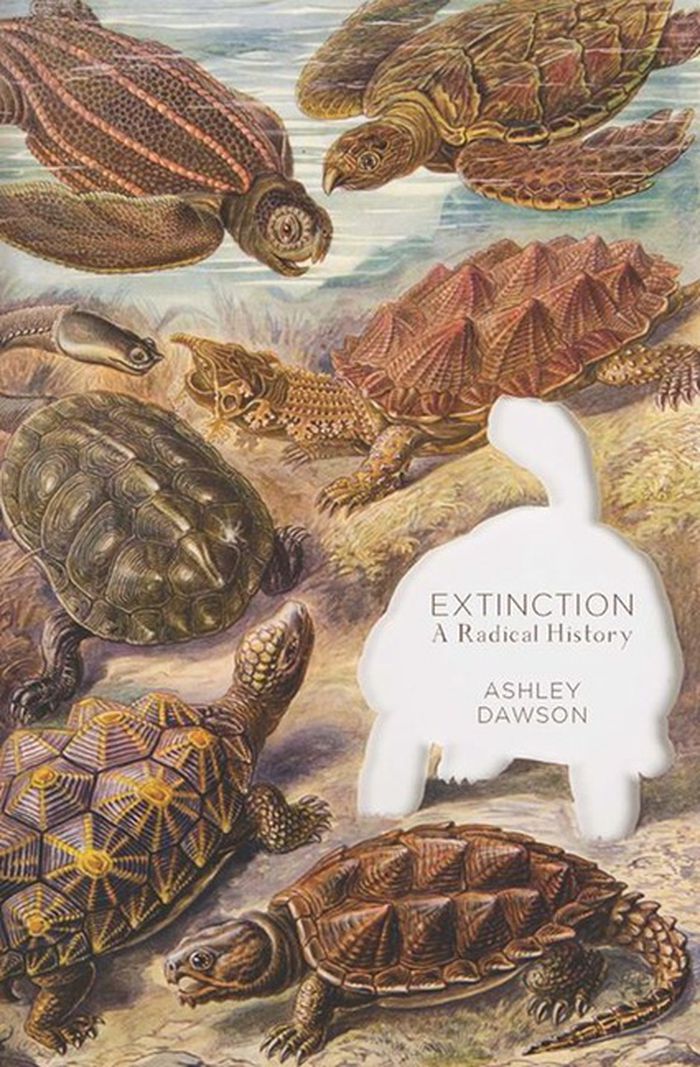
Some thousands of years ago, the world was home to an immense variety of large mammals. From wooly mammoths and saber-toothed tigers to giant ground sloths and armadillos the size of automobiles, these spectacular creatures roamed freely. Then human beings arrived. Devouring their way down the food chain as they spread across the planet, they began a process of voracious extinction that has continued to the present. For Ashley Dawson, this is the product of a global attack on the commons, the great trove of air, water, plants and creatures, as well as collectively created cultural forms such as language, that have been regarded traditionally as the inheritance of humanity as a whole. This attack has its genesis in the need for capital to expand relentlessly into all spheres of life. Extinction, Dawson argues, cannot be understood in isolation from a critique of our economic system. To achieve this we need to transgress the boundaries between science, environmentalism and radical politics.
Extinction: a radical history
Actions:
Price:
$23.95
(available to order)
Summary:
Some thousands of years ago, the world was home to an immense variety of large mammals. From wooly mammoths and saber-toothed tigers to giant ground sloths and armadillos the size of automobiles, these spectacular creatures roamed freely. Then human beings arrived. Devouring their way down the food chain as they spread across the planet, they began a process of voracious extinction that has continued to the present. For Ashley Dawson, this is the product of a global attack on the commons, the great trove of air, water, plants and creatures, as well as collectively created cultural forms such as language, that have been regarded traditionally as the inheritance of humanity as a whole. This attack has its genesis in the need for capital to expand relentlessly into all spheres of life. Extinction, Dawson argues, cannot be understood in isolation from a critique of our economic system. To achieve this we need to transgress the boundaries between science, environmentalism and radical politics.
Form:
books
books
Publication:
July 2016
July 2016
Subject:
Environment and environmental theory
Environment and environmental theory
Form:
books
books
Actions:
Price:
$48.95
(available in store)
Summary:
How do we make sense of the Earth at a moment in which it is presented in crisis? ''Geostories'' is a manifesto on the environmental imagination that renders sensible the issues of climate change and through geographic fiction invites readers to relate to the complexity of Earth systems in their vast scales of time and space. The book is organized into three(...)
$48.95
(available in store)
Summary:
How do we make sense of the Earth at a moment in which it is presented in crisis? ''Geostories'' is a manifesto on the environmental imagination that renders sensible the issues of climate change and through geographic fiction invites readers to relate to the complexity of Earth systems in their vast scales of time and space. The book is organized into three(...)
Title:
Geostories: another architecture for the environment
Actions:
Price:
$48.95
(available in store)
Summary:
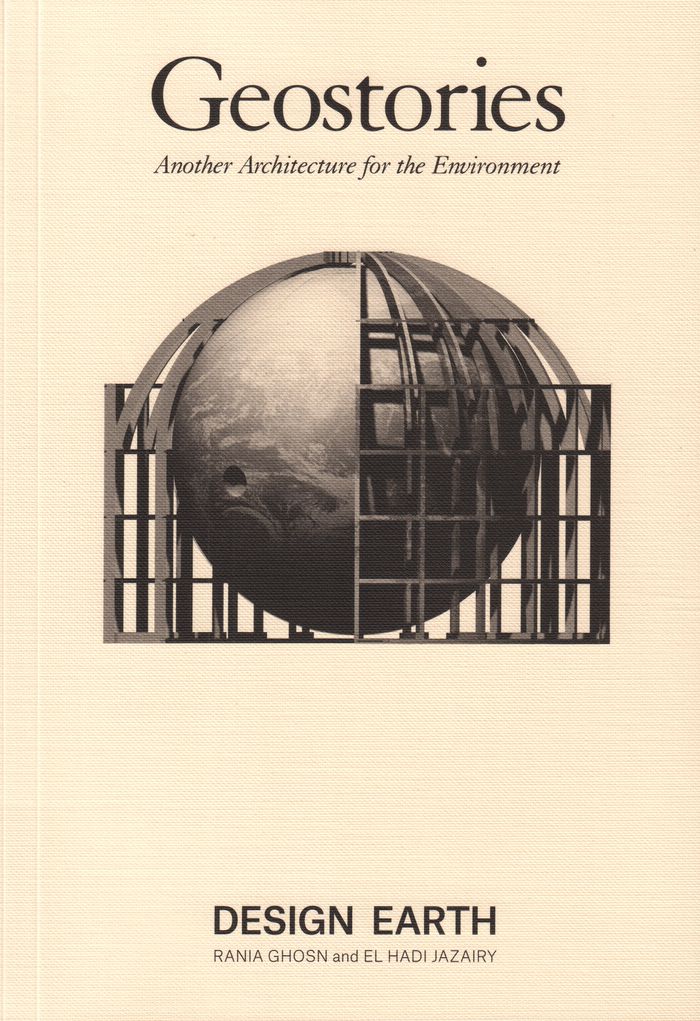
How do we make sense of the Earth at a moment in which it is presented in crisis? ''Geostories'' is a manifesto on the environmental imagination that renders sensible the issues of climate change and through geographic fiction invites readers to relate to the complexity of Earth systems in their vast scales of time and space. The book is organized into three sections–terrarium, aquarium, planetarium, each of which revisits such devices of wonder that assemble publics around representations of the Earth. The series of architectural projects becomes a medium to synthesize different forms and scales of knowledge on technological externalities, such as oil extraction, deep-sea mining, ocean acidification, water shortage, air pollution, trash, space debris, and a host of other social-ecological issues. Through design research, ''Geostories'' brings together spatial history, geographic representation, projective design, and material public assemblies to speculate on ways of living with such legacy technologies on the planet.
Geostories: another architecture for the environment
Actions:
Price:
$48.95
(available in store)
Summary:
How do we make sense of the Earth at a moment in which it is presented in crisis? ''Geostories'' is a manifesto on the environmental imagination that renders sensible the issues of climate change and through geographic fiction invites readers to relate to the complexity of Earth systems in their vast scales of time and space. The book is organized into three sections–terrarium, aquarium, planetarium, each of which revisits such devices of wonder that assemble publics around representations of the Earth. The series of architectural projects becomes a medium to synthesize different forms and scales of knowledge on technological externalities, such as oil extraction, deep-sea mining, ocean acidification, water shortage, air pollution, trash, space debris, and a host of other social-ecological issues. Through design research, ''Geostories'' brings together spatial history, geographic representation, projective design, and material public assemblies to speculate on ways of living with such legacy technologies on the planet.
Form:
books
books
Publication:
May 2018
May 2018
Subject:
Green Architecture
Green Architecture
Form:
books
books
Title:
Amber Husain: Meat love
Amber Husain: Meat love
Actions:
Price:
$25.00
(available to order)
Summary:
In an era of climate catastrophe and corporate agribusiness, meat has been decisively made over. Urbanites across the West are called upon to look at the animals we eat, and by looking, learn to treat them with love. We are asked to tenderise our carnal desire for flesh and dignify our relationship with the land. Yet can our appetite for meat be redeemed by this new way(...)
$25.00
(available to order)
Summary:
In an era of climate catastrophe and corporate agribusiness, meat has been decisively made over. Urbanites across the West are called upon to look at the animals we eat, and by looking, learn to treat them with love. We are asked to tenderise our carnal desire for flesh and dignify our relationship with the land. Yet can our appetite for meat be redeemed by this new way(...)
Title:
Amber Husain: Meat love
Actions:
Price:
$25.00
(available to order)
Summary:
In an era of climate catastrophe and corporate agribusiness, meat has been decisively made over. Urbanites across the West are called upon to look at the animals we eat, and by looking, learn to treat them with love. We are asked to tenderise our carnal desire for flesh and dignify our relationship with the land. Yet can our appetite for meat be redeemed by this new way of seeing? Can an ‘ethical’ approach to the farming, sale, and consumption of meat really save both the planet and our souls? In ''Meat love'', Amber Husain deconstructs the beauty, tragedy, and mystery with which our images of meat are embellished, drawing on a range of visual sources from contemporary art and film to Instagram and advertising. Probing the nature of ‘love’ in contemporary human-animal relations, this illustrated essay casts a materialist’s critical eye on the visual culture of meat as it gentrifies and mutates, informing, for better or for worse, our political imaginations.
Amber Husain: Meat love
Actions:
Price:
$25.00
(available to order)
Summary:
In an era of climate catastrophe and corporate agribusiness, meat has been decisively made over. Urbanites across the West are called upon to look at the animals we eat, and by looking, learn to treat them with love. We are asked to tenderise our carnal desire for flesh and dignify our relationship with the land. Yet can our appetite for meat be redeemed by this new way of seeing? Can an ‘ethical’ approach to the farming, sale, and consumption of meat really save both the planet and our souls? In ''Meat love'', Amber Husain deconstructs the beauty, tragedy, and mystery with which our images of meat are embellished, drawing on a range of visual sources from contemporary art and film to Instagram and advertising. Probing the nature of ‘love’ in contemporary human-animal relations, this illustrated essay casts a materialist’s critical eye on the visual culture of meat as it gentrifies and mutates, informing, for better or for worse, our political imaginations.
Form:
books
books
Publication:
July 2023
July 2023
Subject:
Theory of Photography
Theory of Photography
Form:
books
books
Actions:
Price:
$71.95
(available to order)
Summary:
The built environment is a critical factor in the climate equation. Approximately 40 percent of global emissions derive from the construction, operation, and demolition of human settlements. The 21st century must be the century of re-entanglement, where quintessential functions (housing, work, culture, recreation, etc.) are reintegrated within urban spaces; where(...)
$71.95
(available to order)
Summary:
The built environment is a critical factor in the climate equation. Approximately 40 percent of global emissions derive from the construction, operation, and demolition of human settlements. The 21st century must be the century of re-entanglement, where quintessential functions (housing, work, culture, recreation, etc.) are reintegrated within urban spaces; where(...)
Subject:
Green Architecture
Green Architecture
Publication:
September 2023
September 2023
Title:
Reconstructing the future: Cities as carbon sinks
Actions:
Price:
$71.95
(available to order)
Summary:
The built environment is a critical factor in the climate equation. Approximately 40 percent of global emissions derive from the construction, operation, and demolition of human settlements. The 21st century must be the century of re-entanglement, where quintessential functions (housing, work, culture, recreation, etc.) are reintegrated within urban spaces; where socioeconomic and ecological systems form a mutually supportive network of networks; and where past, present, and future are perceived as interwoven waves in the river of time. Fortunately, opportunities exist to transform the built environment from a carbon source to a carbon sink through, e.g. timber construction high-rise buildings, circular bioeconomy methods, AI-assisted design, smart recycling technology, multifunctional land use, integrated regional resource management, and community-based urban development, to name just a few. This volume compiles the papers presented by world-renowned scientists, architects, spatial planners, activists, and policy makers at the Reconstructing the Future for People and Planet conference, held at the Vatican in June 2022.
Reconstructing the future: Cities as carbon sinks
Actions:
Price:
$71.95
(available to order)
Summary:
The built environment is a critical factor in the climate equation. Approximately 40 percent of global emissions derive from the construction, operation, and demolition of human settlements. The 21st century must be the century of re-entanglement, where quintessential functions (housing, work, culture, recreation, etc.) are reintegrated within urban spaces; where socioeconomic and ecological systems form a mutually supportive network of networks; and where past, present, and future are perceived as interwoven waves in the river of time. Fortunately, opportunities exist to transform the built environment from a carbon source to a carbon sink through, e.g. timber construction high-rise buildings, circular bioeconomy methods, AI-assisted design, smart recycling technology, multifunctional land use, integrated regional resource management, and community-based urban development, to name just a few. This volume compiles the papers presented by world-renowned scientists, architects, spatial planners, activists, and policy makers at the Reconstructing the Future for People and Planet conference, held at the Vatican in June 2022.
Form:
books
books
Publication:
September 2023
September 2023
Subject:
Green Architecture
Green Architecture
Form:
books
books
Title:
Hot questions - Cold storage: Architecture from Austria. The permanent exhibition at the Az W
Hot questions - Cold storage: Architecture from Austria. The permanent exhibition at the Az W
Actions:
Price:
$85.00
(available to order)
Summary:
The new permanent display of Architekturzentrum Wien’s (Az W) collection is a milestone in the presentation of architecture and its social dimensions. ''Hot questions—cold storage'' is published alongside this comprehensive exhibition on Austrian architecture of the twentieth and twenty-first centuries, featuring color images of all exhibits, concise texts, and thematic(...)
$85.00
(available to order)
Summary:
The new permanent display of Architekturzentrum Wien’s (Az W) collection is a milestone in the presentation of architecture and its social dimensions. ''Hot questions—cold storage'' is published alongside this comprehensive exhibition on Austrian architecture of the twentieth and twenty-first centuries, featuring color images of all exhibits, concise texts, and thematic(...)
Subject:
Museums and Universal Exhibitions
Museums and Universal Exhibitions
Publication:
May 2023
May 2023
Title:
Hot questions - Cold storage: Architecture from Austria. The permanent exhibition at the Az W
Actions:
Price:
$85.00
(available to order)
Summary:
The new permanent display of Architekturzentrum Wien’s (Az W) collection is a milestone in the presentation of architecture and its social dimensions. ''Hot questions—cold storage'' is published alongside this comprehensive exhibition on Austrian architecture of the twentieth and twenty-first centuries, featuring color images of all exhibits, concise texts, and thematic essays. This book reexamines the country’s architectural culture of the last 150 years, situating it in its cultural, social, and political contexts. Each chapter is prefaced by a question, asking, for example, about the impact of capitalism on our cities and villages or about the contribution architecture can make to our survival on the planet. These ''Hot questions'' bring to life the ''Cold storage''—the silent repository of the collection’s holdings. This book offers a multi-perspective narrative that presents Austria’s building history with all the developments, ideologies, and institutions it comprises. The social relevance of objects and documents is revealed through questioning and visualization, in connecting research and the museum’s mission to collect.
Hot questions - Cold storage: Architecture from Austria. The permanent exhibition at the Az W
Actions:
Price:
$85.00
(available to order)
Summary:
The new permanent display of Architekturzentrum Wien’s (Az W) collection is a milestone in the presentation of architecture and its social dimensions. ''Hot questions—cold storage'' is published alongside this comprehensive exhibition on Austrian architecture of the twentieth and twenty-first centuries, featuring color images of all exhibits, concise texts, and thematic essays. This book reexamines the country’s architectural culture of the last 150 years, situating it in its cultural, social, and political contexts. Each chapter is prefaced by a question, asking, for example, about the impact of capitalism on our cities and villages or about the contribution architecture can make to our survival on the planet. These ''Hot questions'' bring to life the ''Cold storage''—the silent repository of the collection’s holdings. This book offers a multi-perspective narrative that presents Austria’s building history with all the developments, ideologies, and institutions it comprises. The social relevance of objects and documents is revealed through questioning and visualization, in connecting research and the museum’s mission to collect.
Form:
books
books
Publication:
May 2023
May 2023
Subject:
Museums and Universal Exhibitions
Museums and Universal Exhibitions
Form:
books
books
Title:
Midwife of the intellect
Midwife of the intellect
Actions:
Price:
$15.75
(available in store)
Summary:
How could a Rhineland mystic of the 13th century help us better navigate the 21st? In a provocative reading of the work of Meister Eckhart, Peter Sloterdijk offers a compelling answer: What medieval mysticism teaches us is that all there is doesn’t exist per se—everything only exists in relation. For Eckhart, living on Earth is the same as the Holy Trinity: in a(...)
$15.75
(available in store)
Summary:
How could a Rhineland mystic of the 13th century help us better navigate the 21st? In a provocative reading of the work of Meister Eckhart, Peter Sloterdijk offers a compelling answer: What medieval mysticism teaches us is that all there is doesn’t exist per se—everything only exists in relation. For Eckhart, living on Earth is the same as the Holy Trinity: in a(...)
Title:
Midwife of the intellect
Actions:
Price:
$15.75
(available in store)
Summary:
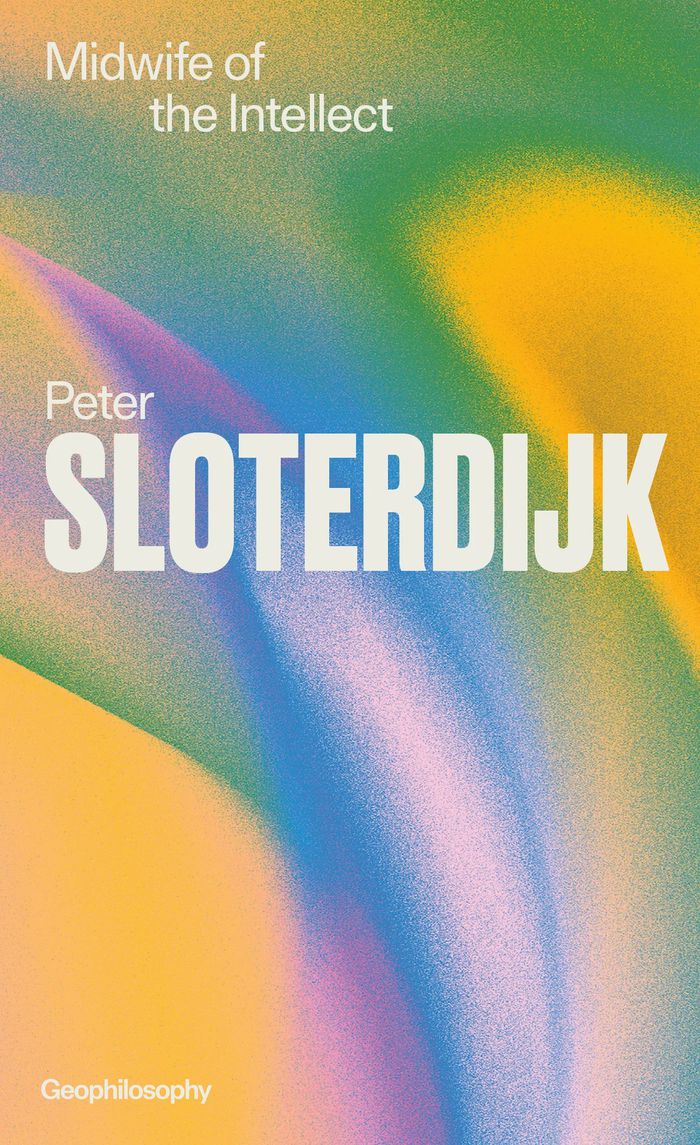
How could a Rhineland mystic of the 13th century help us better navigate the 21st? In a provocative reading of the work of Meister Eckhart, Peter Sloterdijk offers a compelling answer: What medieval mysticism teaches us is that all there is doesn’t exist per se—everything only exists in relation. For Eckhart, living on Earth is the same as the Holy Trinity: in a symbiosis, a form of co-relationship forgotten for too long. The triumph of individualism led to the shared illusion that humans, like everything else on the planet, had an essence, an identity, a being. But nothing could be more false. What everything is, is the others. What everything is, is a shared relationality. We are not alone—we are also all others; we depend on them. In the Anthropocene, when planetary symbiosis has never been more jeopardized, shifting our metaphysics and recalling lessons such as those of Meister Eckhart has become vital.
Midwife of the intellect
Actions:
Price:
$15.75
(available in store)
Summary:
How could a Rhineland mystic of the 13th century help us better navigate the 21st? In a provocative reading of the work of Meister Eckhart, Peter Sloterdijk offers a compelling answer: What medieval mysticism teaches us is that all there is doesn’t exist per se—everything only exists in relation. For Eckhart, living on Earth is the same as the Holy Trinity: in a symbiosis, a form of co-relationship forgotten for too long. The triumph of individualism led to the shared illusion that humans, like everything else on the planet, had an essence, an identity, a being. But nothing could be more false. What everything is, is the others. What everything is, is a shared relationality. We are not alone—we are also all others; we depend on them. In the Anthropocene, when planetary symbiosis has never been more jeopardized, shifting our metaphysics and recalling lessons such as those of Meister Eckhart has become vital.
Form:
books
books
Publication:
November 2025
November 2025
Subject:
Critical Theory
Critical Theory
Form:
books
books
Title:
The last pictures
The last pictures
Actions:
Price:
$52.00
(available in store)
Summary:
Human civilizations' longest lasting artifacts are not the great Pyramids of Giza, nor the cave paintings at Lascaux, but the communications satellites that circle our planet. In a stationary orbit above the equator, the satellites that broadcast our TV signals, route our phone calls, and process our credit card transactions experience no atmospheric drag. Their inert(...)
$52.00
(available in store)
Summary:
Human civilizations' longest lasting artifacts are not the great Pyramids of Giza, nor the cave paintings at Lascaux, but the communications satellites that circle our planet. In a stationary orbit above the equator, the satellites that broadcast our TV signals, route our phone calls, and process our credit card transactions experience no atmospheric drag. Their inert(...)
Title:
The last pictures
Actions:
Price:
$52.00
(available in store)
Summary:
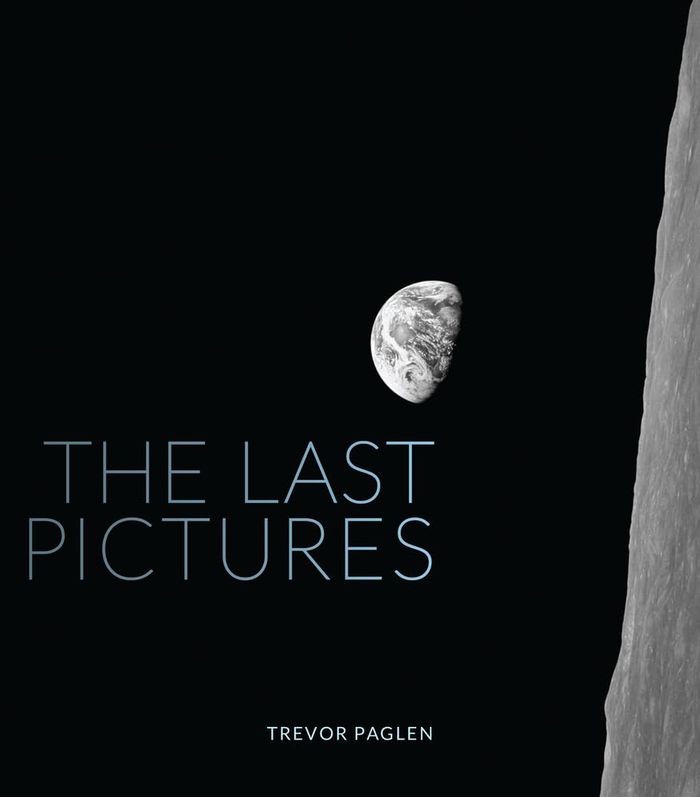
Human civilizations' longest lasting artifacts are not the great Pyramids of Giza, nor the cave paintings at Lascaux, but the communications satellites that circle our planet. In a stationary orbit above the equator, the satellites that broadcast our TV signals, route our phone calls, and process our credit card transactions experience no atmospheric drag. Their inert hulls will continue to drift around Earth until the Sun expands into a red giant and engulfs them about 4.5 billion years from now. he Last Pictures, co-published by Creative Time Books, is rooted in the premise that these communications satellites will ultimately become the cultural and material ruins of the late 20th and early 21st centuries, far outlasting anything else humans have created. Inspired in part by ancient cave paintings, nuclear waste warning signs, and Carl Sagan's Golden Records of the 1970s, artist/geographer and MacArthur "Genius" Fellow Trevor Paglen has developed a collection of one hundred images that will be etched onto an ultra-archival, golden silicon disc.
The last pictures
Actions:
Price:
$52.00
(available in store)
Summary:
Human civilizations' longest lasting artifacts are not the great Pyramids of Giza, nor the cave paintings at Lascaux, but the communications satellites that circle our planet. In a stationary orbit above the equator, the satellites that broadcast our TV signals, route our phone calls, and process our credit card transactions experience no atmospheric drag. Their inert hulls will continue to drift around Earth until the Sun expands into a red giant and engulfs them about 4.5 billion years from now. he Last Pictures, co-published by Creative Time Books, is rooted in the premise that these communications satellites will ultimately become the cultural and material ruins of the late 20th and early 21st centuries, far outlasting anything else humans have created. Inspired in part by ancient cave paintings, nuclear waste warning signs, and Carl Sagan's Golden Records of the 1970s, artist/geographer and MacArthur "Genius" Fellow Trevor Paglen has developed a collection of one hundred images that will be etched onto an ultra-archival, golden silicon disc.
Form:
books
books
Publication:
September 2012
September 2012
Subject:
Art Theory
Art Theory


