


36154 Results
Form:
books
books
Actions:
Price:
$30.00
(available in store)
Summary:
La notion de postmodernisme n'a jamais véritablement fait irruption dans le débat théorique français. Après l'acte fondateur lyotardien, et en grande partie à cause de lui, elle n'a plus guère servi que de simple marqueur culturel : une oeuvre, un édifice, un motif théorique se sont ainsi vu qualifiés de " postmodernes ", pour vanter, ou au contraire stigmatiser, leurs(...)
$30.00
(available in store)
Summary:
La notion de postmodernisme n'a jamais véritablement fait irruption dans le débat théorique français. Après l'acte fondateur lyotardien, et en grande partie à cause de lui, elle n'a plus guère servi que de simple marqueur culturel : une oeuvre, un édifice, un motif théorique se sont ainsi vu qualifiés de " postmodernes ", pour vanter, ou au contraire stigmatiser, leurs(...)
Title:
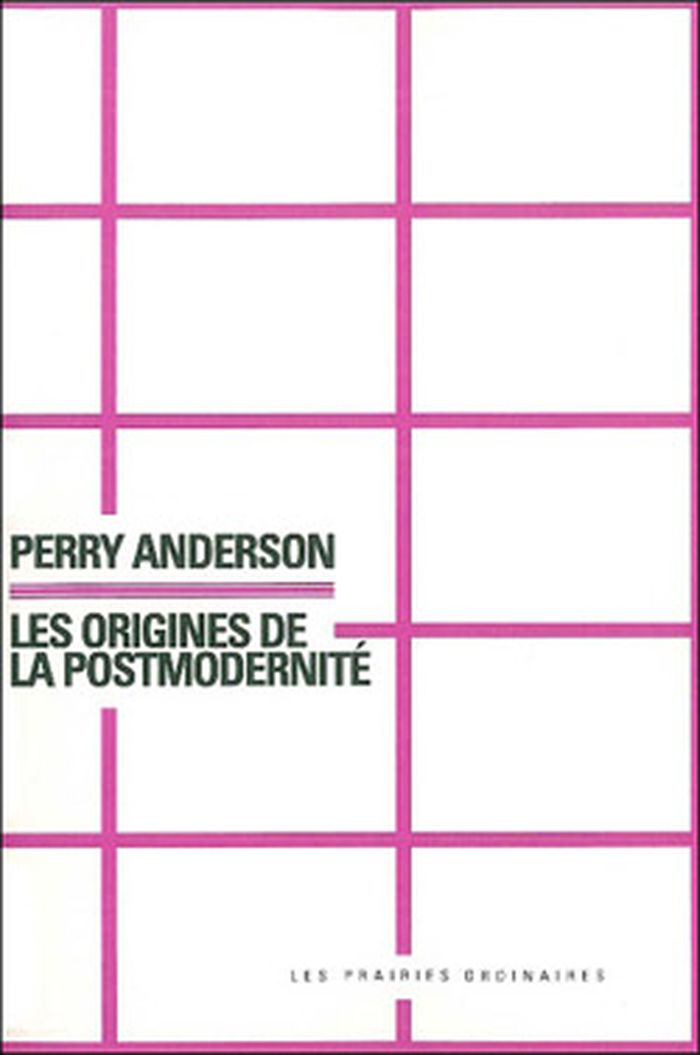
Perry Anderson : Les origines de la postmodernité
Actions:
Price:
$30.00
(available in store)
Summary:
La notion de postmodernisme n'a jamais véritablement fait irruption dans le débat théorique français. Après l'acte fondateur lyotardien, et en grande partie à cause de lui, elle n'a plus guère servi que de simple marqueur culturel : une oeuvre, un édifice, un motif théorique se sont ainsi vu qualifiés de " postmodernes ", pour vanter, ou au contraire stigmatiser, leurs attributs formels ou leur propension au " relativisme ". Et la fin des grands récits " est devenue la formule magique censée exprimer la vérité de notre temps. Pour mettre enfin un terme à ces usages stériles, Les Origines de la postmodernité retrace l'histoire de cette notion, depuis les milieux de l'avant-garde littéraire de l'Amérique hispanique dans les années 1920, jusqu'aux courants post-marxistes européens, avec Lyotard à Montréal en 1979, puis Habermas à Francfort en 1980. En 1982, à New York, Fredric Jameson lui fait subir une mutation fondamentale : désormais, le postmodernisme désignera l'hypothèse d'une rupture épochale. Selon Perry Anderson, Jameson est ainsi celui qui a su montrer la cohérence globale de notre époque globalisée, dont la caractéristique majeure tient, selon lui, à la subordination tendancielle de la culture à la logique d'accumulation du capital. La sphère esthétique, par laquelle s'appréhende le monde, est ainsi, selon Jameson, massivement colonisée et aujourd'hui incapable de trouver l'espace dans lequel continuer d'exprimer une transgression ou de tendre vers une alternative. Le postmodernisme, tel que le présente dans ce livre Perry Anderson, confine au système parfait, un système en mesure d'intégrer à la logique de sa perpétuation ses propres " dysfonctionnements ".
Perry Anderson : Les origines de la postmodernité
Actions:
Price:
$30.00
(available in store)
Summary:
La notion de postmodernisme n'a jamais véritablement fait irruption dans le débat théorique français. Après l'acte fondateur lyotardien, et en grande partie à cause de lui, elle n'a plus guère servi que de simple marqueur culturel : une oeuvre, un édifice, un motif théorique se sont ainsi vu qualifiés de " postmodernes ", pour vanter, ou au contraire stigmatiser, leurs attributs formels ou leur propension au " relativisme ". Et la fin des grands récits " est devenue la formule magique censée exprimer la vérité de notre temps. Pour mettre enfin un terme à ces usages stériles, Les Origines de la postmodernité retrace l'histoire de cette notion, depuis les milieux de l'avant-garde littéraire de l'Amérique hispanique dans les années 1920, jusqu'aux courants post-marxistes européens, avec Lyotard à Montréal en 1979, puis Habermas à Francfort en 1980. En 1982, à New York, Fredric Jameson lui fait subir une mutation fondamentale : désormais, le postmodernisme désignera l'hypothèse d'une rupture épochale. Selon Perry Anderson, Jameson est ainsi celui qui a su montrer la cohérence globale de notre époque globalisée, dont la caractéristique majeure tient, selon lui, à la subordination tendancielle de la culture à la logique d'accumulation du capital. La sphère esthétique, par laquelle s'appréhende le monde, est ainsi, selon Jameson, massivement colonisée et aujourd'hui incapable de trouver l'espace dans lequel continuer d'exprimer une transgression ou de tendre vers une alternative. Le postmodernisme, tel que le présente dans ce livre Perry Anderson, confine au système parfait, un système en mesure d'intégrer à la logique de sa perpétuation ses propres " dysfonctionnements ".
Form:
books
books
Publication:
July 2012
July 2012
Subject:
Art Theory
Art Theory
Form:
books
books
Actions:
Price:
$24.95
(available in store)
Summary:
Les données témoignant de la taille géante de Wal-Mart ne manquent pas : Wal-Mart est la plus grande entreprise mondiale, le plus grand employeur privé du monde, le huitième acheteur de produits chinois (devant la Russie et le Royaume-Uni) ; son chiffre d'affaires est supérieur au PIB de la Suisse ; son budget informatique supérieur à celui de la NASA ; le patrimoine(...)
$24.95
(available in store)
Summary:
Les données témoignant de la taille géante de Wal-Mart ne manquent pas : Wal-Mart est la plus grande entreprise mondiale, le plus grand employeur privé du monde, le huitième acheteur de produits chinois (devant la Russie et le Royaume-Uni) ; son chiffre d'affaires est supérieur au PIB de la Suisse ; son budget informatique supérieur à celui de la NASA ; le patrimoine(...)
Title:
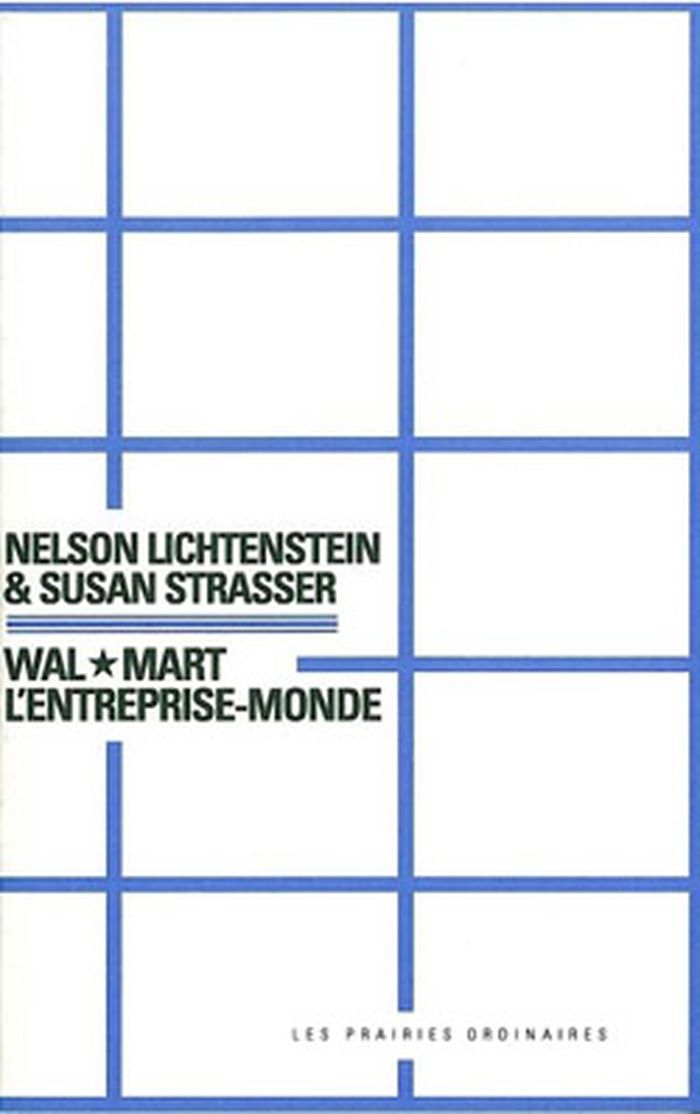
Wal mart : l'entreprise-monde
Actions:
Price:
$24.95
(available in store)
Summary:
Les données témoignant de la taille géante de Wal-Mart ne manquent pas : Wal-Mart est la plus grande entreprise mondiale, le plus grand employeur privé du monde, le huitième acheteur de produits chinois (devant la Russie et le Royaume-Uni) ; son chiffre d'affaires est supérieur au PIB de la Suisse ; son budget informatique supérieur à celui de la NASA ; le patrimoine financier des héritiers de Sam ' Walton (son fondateur) est deux fois plus élevé que celui de Bill Rates... Mais derrière ces superlatifs se cache l'histoire très singulière d'une société de l'Arkansas qui, en l'espace de 40 ans, a révolutionné les vieux modèles fordistes d'organisation du travail et largement ami reconfiguré les rapports producteurs /détaillants et toute l'économie américaine. Le succès et l'influence politique de cette entreprise géante lui permettent de redessiner les plans des villes, de déterminer le salaire minimum réel, de casser les syndicats, de définir les contours de la culture populaire, de peser sur les flux de capitaux dans le monde entier, et d'entretenir ce qui s'apparente à des relations diplomatiques avec des dizaines de pays. Alors que la marge de manœuvre des gouvernements demeure restreinte, Wal-Mart semble avoir aujourd'hui plus d'influence que n'importe quelle institution, non seulement sur des pans entiers de la politique sociale et industrielle américaine, mais aussi sur le modèle de vie et de consommation mondialisé, bigot et entièrement familialiste.
Wal mart : l'entreprise-monde
Actions:
Price:
$24.95
(available in store)
Summary:
Les données témoignant de la taille géante de Wal-Mart ne manquent pas : Wal-Mart est la plus grande entreprise mondiale, le plus grand employeur privé du monde, le huitième acheteur de produits chinois (devant la Russie et le Royaume-Uni) ; son chiffre d'affaires est supérieur au PIB de la Suisse ; son budget informatique supérieur à celui de la NASA ; le patrimoine financier des héritiers de Sam ' Walton (son fondateur) est deux fois plus élevé que celui de Bill Rates... Mais derrière ces superlatifs se cache l'histoire très singulière d'une société de l'Arkansas qui, en l'espace de 40 ans, a révolutionné les vieux modèles fordistes d'organisation du travail et largement ami reconfiguré les rapports producteurs /détaillants et toute l'économie américaine. Le succès et l'influence politique de cette entreprise géante lui permettent de redessiner les plans des villes, de déterminer le salaire minimum réel, de casser les syndicats, de définir les contours de la culture populaire, de peser sur les flux de capitaux dans le monde entier, et d'entretenir ce qui s'apparente à des relations diplomatiques avec des dizaines de pays. Alors que la marge de manœuvre des gouvernements demeure restreinte, Wal-Mart semble avoir aujourd'hui plus d'influence que n'importe quelle institution, non seulement sur des pans entiers de la politique sociale et industrielle américaine, mais aussi sur le modèle de vie et de consommation mondialisé, bigot et entièrement familialiste.
Form:
books
books
Publication:
July 2012
July 2012
Subject:
Urban Theory
Urban Theory
Form:
books
books
Actions:
Price:
$48.00
(available to order)
Summary:
Comment, au milieu du XIXe siècle, Paris a-t-elle pu devenir l’incarnation urbaine de la modernité ? Pour répondre à cette question, David Harvey a exploré les mutations connues par la ville à cette époque : transformation physique, avec les grands projets d’Haussmann, qui remplace le plan médiéval par les grands boulevards ; transformation économique, avec une(...)
$48.00
(available to order)
Summary:
Comment, au milieu du XIXe siècle, Paris a-t-elle pu devenir l’incarnation urbaine de la modernité ? Pour répondre à cette question, David Harvey a exploré les mutations connues par la ville à cette époque : transformation physique, avec les grands projets d’Haussmann, qui remplace le plan médiéval par les grands boulevards ; transformation économique, avec une(...)
Title:
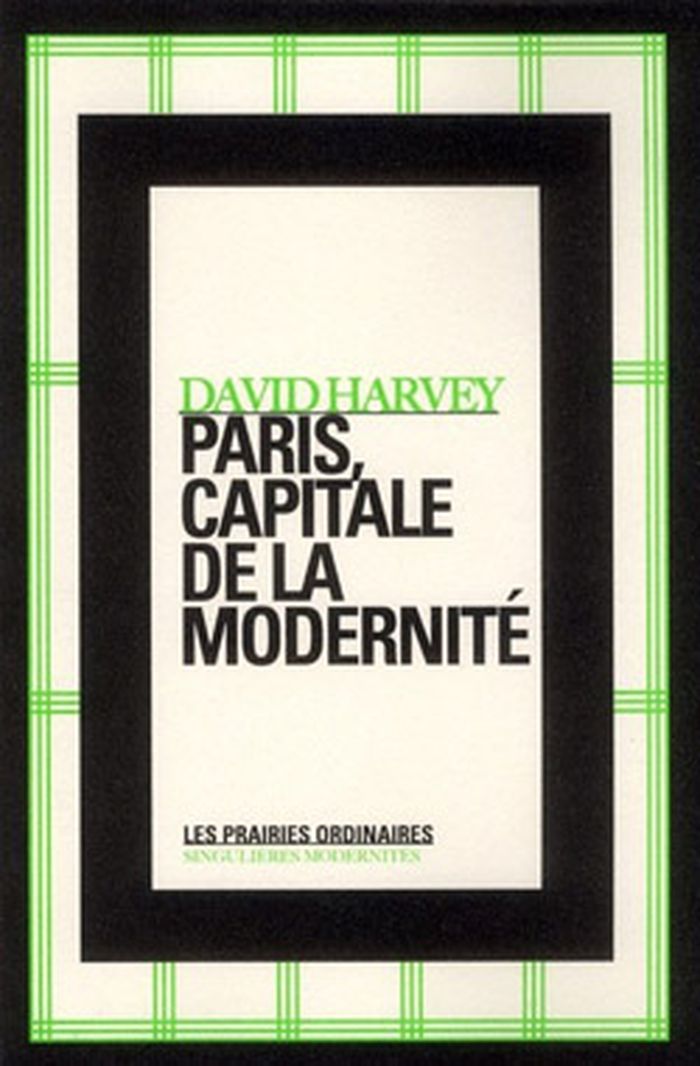
David Harvey : Paris, capitale de la modernité
Actions:
Price:
$48.00
(available to order)
Summary:
Comment, au milieu du XIXe siècle, Paris a-t-elle pu devenir l’incarnation urbaine de la modernité ? Pour répondre à cette question, David Harvey a exploré les mutations connues par la ville à cette époque : transformation physique, avec les grands projets d’Haussmann, qui remplace le plan médiéval par les grands boulevards ; transformation économique, avec une nouvelle forme de capitalisme dominée par les puissances financières et industrielles ; transformation culturelle, avec l’irruption de ce qu’on appellera plus tard le modernisme ; transformation sociale, avec l’émergence de violents antagonismes de classes qui atteignent leur paroxysme dans les révolutions de 1848 et de 1871. En présentant la ville moderne comme le produit instable de forces hétérogènes et contradictoires, David Harvey nous offre une image vivante du fonctionnement de Paris ainsi qu’une vision panoramique de la période décisive que fut le Second Empire. Mais cette analyse de la ville moderne est aussi l’occasion d’une réflexion magistrale sur la ville contemporaine – sur la part de la population dans l’urbanisation, sur son accès aux ressources, en somme sur le «droit à la ville».
David Harvey : Paris, capitale de la modernité
Actions:
Price:
$48.00
(available to order)
Summary:
Comment, au milieu du XIXe siècle, Paris a-t-elle pu devenir l’incarnation urbaine de la modernité ? Pour répondre à cette question, David Harvey a exploré les mutations connues par la ville à cette époque : transformation physique, avec les grands projets d’Haussmann, qui remplace le plan médiéval par les grands boulevards ; transformation économique, avec une nouvelle forme de capitalisme dominée par les puissances financières et industrielles ; transformation culturelle, avec l’irruption de ce qu’on appellera plus tard le modernisme ; transformation sociale, avec l’émergence de violents antagonismes de classes qui atteignent leur paroxysme dans les révolutions de 1848 et de 1871. En présentant la ville moderne comme le produit instable de forces hétérogènes et contradictoires, David Harvey nous offre une image vivante du fonctionnement de Paris ainsi qu’une vision panoramique de la période décisive que fut le Second Empire. Mais cette analyse de la ville moderne est aussi l’occasion d’une réflexion magistrale sur la ville contemporaine – sur la part de la population dans l’urbanisation, sur son accès aux ressources, en somme sur le «droit à la ville».
Form:
books
books
Publication:
July 2012
July 2012
Subject:
History since 1900, Reference Books
History since 1900, Reference Books
Form:
books
books
Title:
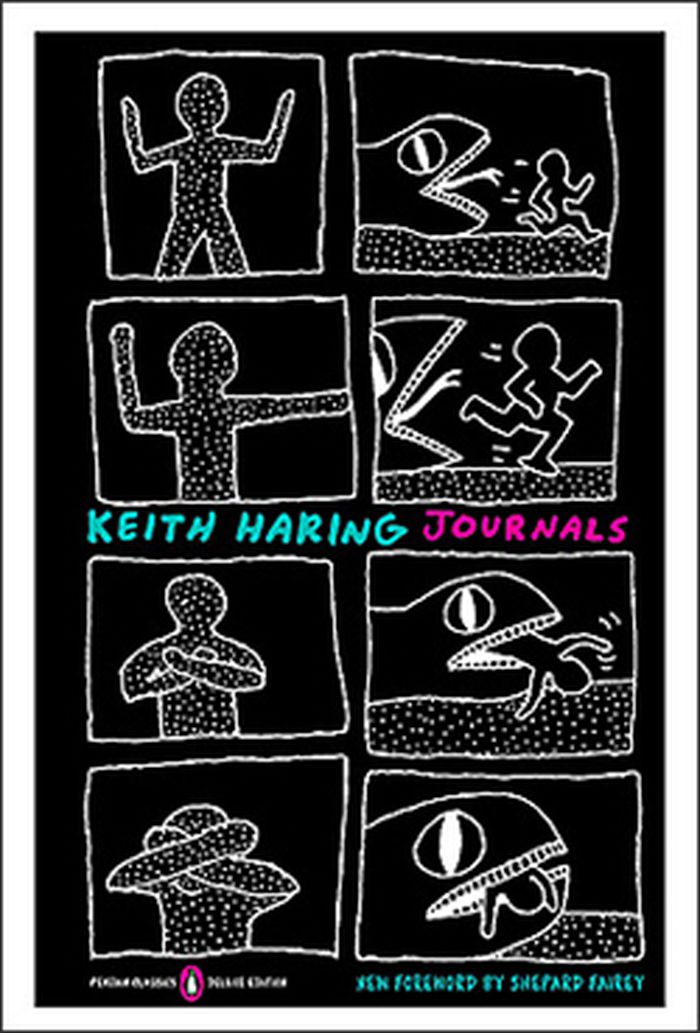
Keith Haring: Journals
Keith Haring: Journals
Actions:
Price:
$25.00
(available to order)
Summary:
During his lifetime, Haring's spontaneous, archetypal creations won both a street audience and the respect of the art establishment. These illuminating journals reveal Haring's conscious, committed drive to extend the boundaries of art. Photos & drawings throughout.
$25.00
(available to order)
Summary:
During his lifetime, Haring's spontaneous, archetypal creations won both a street audience and the respect of the art establishment. These illuminating journals reveal Haring's conscious, committed drive to extend the boundaries of art. Photos & drawings throughout.
Subject:
Contemporary Art Monographs
Contemporary Art Monographs
Publication:
July 2012
July 2012
Title:
Keith Haring: Journals
Actions:
Price:
$25.00
(available to order)
Summary:
During his lifetime, Haring's spontaneous, archetypal creations won both a street audience and the respect of the art establishment. These illuminating journals reveal Haring's conscious, committed drive to extend the boundaries of art. Photos & drawings throughout.
Keith Haring: Journals
Actions:
Price:
$25.00
(available to order)
Summary:
During his lifetime, Haring's spontaneous, archetypal creations won both a street audience and the respect of the art establishment. These illuminating journals reveal Haring's conscious, committed drive to extend the boundaries of art. Photos & drawings throughout.
Form:
books
books
Publication:
July 2012
July 2012
Subject:
Contemporary Art Monographs
Contemporary Art Monographs
Form:
books
books
Actions:
Price:
$63.00
(available to order)
Summary:
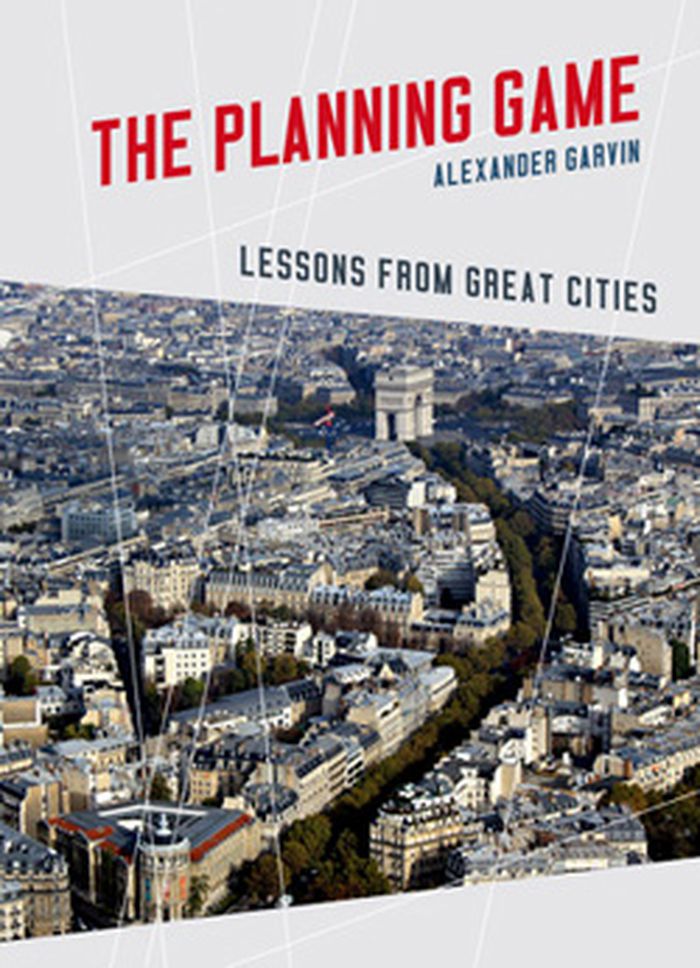
The Planning Game: Lessons from Great Cities provides a focused and thorough overview of how planning works, illustrated with 200 colorful photographs, diagrams, and maps created expressly for the book. It presents the public realm approach to planning—an approach that emphasizes the importance of public investments in what we own: streets, squares, parks, infrastructure,(...)
$63.00
(available to order)
Summary:
The Planning Game: Lessons from Great Cities provides a focused and thorough overview of how planning works, illustrated with 200 colorful photographs, diagrams, and maps created expressly for the book. It presents the public realm approach to planning—an approach that emphasizes the importance of public investments in what we own: streets, squares, parks, infrastructure,(...)
Title:
The planning game: lessons from great cities
Actions:
Price:
$63.00
(available to order)
Summary:
The Planning Game: Lessons from Great Cities provides a focused and thorough overview of how planning works, illustrated with 200 colorful photographs, diagrams, and maps created expressly for the book. It presents the public realm approach to planning—an approach that emphasizes the importance of public investments in what we own: streets, squares, parks, infrastructure, and public buildings. They are the fundamental elements in any community and are the way to determine our future. The book covers planning at every level, explaining the activities that go into successfully transforming a community as exemplified by four cities and their colorful motive forces: Paris (Baron Georges-Eugène Haussmann), New York (Robert Moses), Chicago (Daniel Burnham), and Philadelphia (Edmund Bacon).
The planning game: lessons from great cities
Actions:
Price:
$63.00
(available to order)
Summary:
The Planning Game: Lessons from Great Cities provides a focused and thorough overview of how planning works, illustrated with 200 colorful photographs, diagrams, and maps created expressly for the book. It presents the public realm approach to planning—an approach that emphasizes the importance of public investments in what we own: streets, squares, parks, infrastructure, and public buildings. They are the fundamental elements in any community and are the way to determine our future. The book covers planning at every level, explaining the activities that go into successfully transforming a community as exemplified by four cities and their colorful motive forces: Paris (Baron Georges-Eugène Haussmann), New York (Robert Moses), Chicago (Daniel Burnham), and Philadelphia (Edmund Bacon).
Form:
books
books
Publication:
October 2012
October 2012
Subject:
Urban Theory
Urban Theory
Form:
books
books
Actions:
Price:
$58.00
(available to order)
Summary:
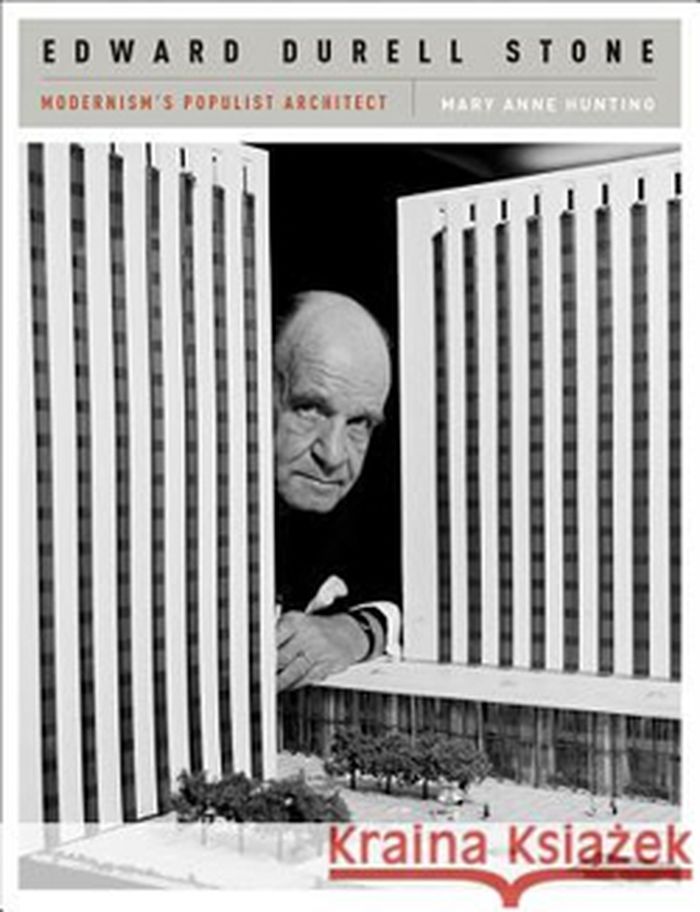
"Colossus," "visionary," "giant" are superlatives used in the mid-twentieth century to describe Edward Durell Stone (1902-1978), a celebrity architect whose wholly unique modern aesthetic of "new romanticism" played a crucial role in defining middle-class culture.
$58.00
(available to order)
Summary:
"Colossus," "visionary," "giant" are superlatives used in the mid-twentieth century to describe Edward Durell Stone (1902-1978), a celebrity architect whose wholly unique modern aesthetic of "new romanticism" played a crucial role in defining middle-class culture.
Title:
Edward Durell Stone: Modernism's populist architect
Actions:
Price:
$58.00
(available to order)
Summary:
"Colossus," "visionary," "giant" are superlatives used in the mid-twentieth century to describe Edward Durell Stone (1902-1978), a celebrity architect whose wholly unique modern aesthetic of "new romanticism" played a crucial role in defining middle-class culture.
Edward Durell Stone: Modernism's populist architect
Actions:
Price:
$58.00
(available to order)
Summary:
"Colossus," "visionary," "giant" are superlatives used in the mid-twentieth century to describe Edward Durell Stone (1902-1978), a celebrity architect whose wholly unique modern aesthetic of "new romanticism" played a crucial role in defining middle-class culture.
Form:
books
books
Publication:
November 2012
November 2012
Subject:
Architecture Monographs
Architecture Monographs
Form:
books
books
Price:
$52.50
(available to order)
Summary:
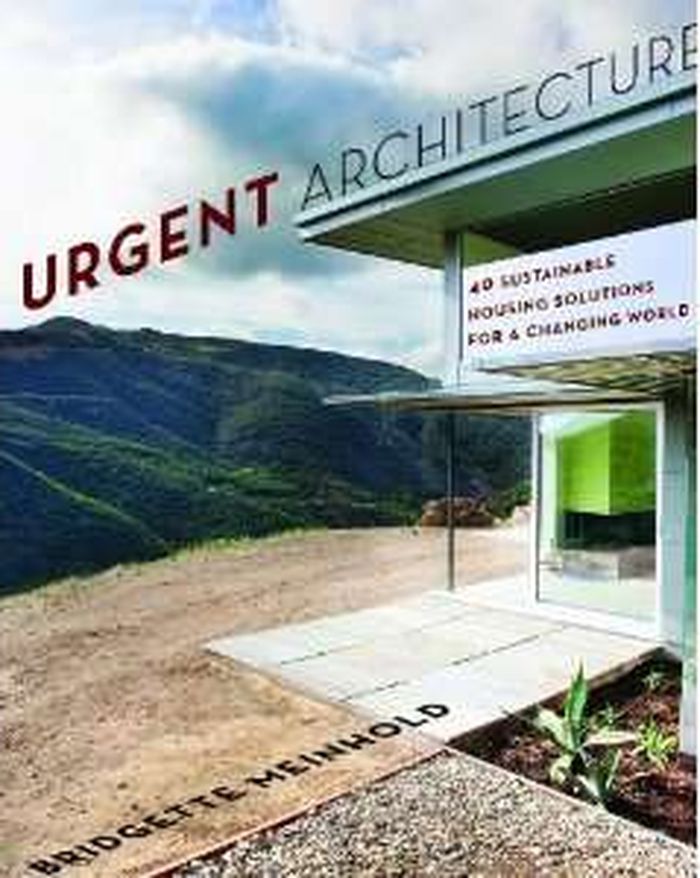
This publication presents disaster-proof, environmentally friendly housing solutions for a changing climate. The world is changing rapidly. Hurricanes, floods, earthquakes, and other disasters are increasingly destroying homes and lives and displacing large populations of people. This sourcebook of innovative designs—from shipping containers to sandbag homes—provides(...)
$52.50
(available to order)
Summary:
This publication presents disaster-proof, environmentally friendly housing solutions for a changing climate. The world is changing rapidly. Hurricanes, floods, earthquakes, and other disasters are increasingly destroying homes and lives and displacing large populations of people. This sourcebook of innovative designs—from shipping containers to sandbag homes—provides(...)
Title:
Urgent architecture: 40 sustainable housing solutions for a changing world
Actions:
Price:
$52.50
(available to order)
Summary:
This publication presents disaster-proof, environmentally friendly housing solutions for a changing climate. The world is changing rapidly. Hurricanes, floods, earthquakes, and other disasters are increasingly destroying homes and lives and displacing large populations of people. This sourcebook of innovative designs—from shipping containers to sandbag homes—provides prototypes for architects, designers, humanitarian relief organizations, and anyone interested in sustainable, affordable housing.
Urgent architecture: 40 sustainable housing solutions for a changing world
Actions:
Price:
$52.50
(available to order)
Summary:
This publication presents disaster-proof, environmentally friendly housing solutions for a changing climate. The world is changing rapidly. Hurricanes, floods, earthquakes, and other disasters are increasingly destroying homes and lives and displacing large populations of people. This sourcebook of innovative designs—from shipping containers to sandbag homes—provides prototypes for architects, designers, humanitarian relief organizations, and anyone interested in sustainable, affordable housing.
Form:
books
books
Publication:
October 2012
October 2012
Subject:
Green Architecture
Green Architecture
Form:
books
books
Price:
$20.00
(available to order)
Summary:
Contemporary short stories enacting giddy, witty revenge on the documents that define and dominate our lives.
$20.00
(available to order)
Summary:
Contemporary short stories enacting giddy, witty revenge on the documents that define and dominate our lives.
Subject:
Architecture and the imaginary
Architecture and the imaginary
Publication:
October 2012
October 2012
Title:
Fakes : an anthology of pseudo-interviews, faux-lectures, quasi-letters,
Actions:
Price:
$20.00
(available to order)
Summary:
Contemporary short stories enacting giddy, witty revenge on the documents that define and dominate our lives.
Fakes : an anthology of pseudo-interviews, faux-lectures, quasi-letters,
Actions:
Price:
$20.00
(available to order)
Summary:
Contemporary short stories enacting giddy, witty revenge on the documents that define and dominate our lives.
Form:
books
books
Publication:
October 2012
October 2012
Subject:
Architecture and the imaginary
Architecture and the imaginary
Form:
books
books
Title:
New York neon
New York neon
Actions:
Price:
$28.50
(available to order)
Summary:
Thomas E. Rinaldi captures the brilliant glow of surviving early- and mid-twentieth-century neon signs, those iconic elements of the cityscape now in danger of disappearing. This visual tour features two hundred signs, identified by location, with information on their manufacture, date of creation, and the businesses that commissioned them. In a generously illustrated(...)
$28.50
(available to order)
Summary:
Thomas E. Rinaldi captures the brilliant glow of surviving early- and mid-twentieth-century neon signs, those iconic elements of the cityscape now in danger of disappearing. This visual tour features two hundred signs, identified by location, with information on their manufacture, date of creation, and the businesses that commissioned them. In a generously illustrated(...)
Title:
New York neon
Actions:
Price:
$28.50
(available to order)
Summary:
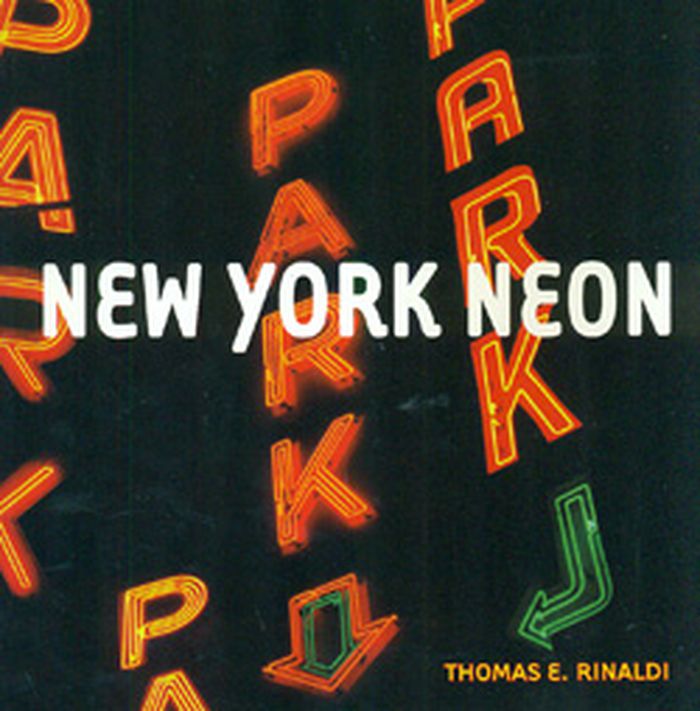
Thomas E. Rinaldi captures the brilliant glow of surviving early- and mid-twentieth-century neon signs, those iconic elements of the cityscape now in danger of disappearing. This visual tour features two hundred signs, identified by location, with information on their manufacture, date of creation, and the businesses that commissioned them. In a generously illustrated introduction, drawing on documents including rare period trade publications, Rinaldi recounts the development of signage and the technological evolution of neon and examines its role in the streets of New York, in America's cultural identity, and in our collective consciousness. New Yorkers and visitors to the city, neon-sign enthusiasts, and those interested in signs and historic advertising generally, as well as design professionals, serious historians, and casual students of the city, will want this colorful book, which comes at a critical moment when the disappearance of the original signs has inspired a growing interest in neon.
New York neon
Actions:
Price:
$28.50
(available to order)
Summary:
Thomas E. Rinaldi captures the brilliant glow of surviving early- and mid-twentieth-century neon signs, those iconic elements of the cityscape now in danger of disappearing. This visual tour features two hundred signs, identified by location, with information on their manufacture, date of creation, and the businesses that commissioned them. In a generously illustrated introduction, drawing on documents including rare period trade publications, Rinaldi recounts the development of signage and the technological evolution of neon and examines its role in the streets of New York, in America's cultural identity, and in our collective consciousness. New Yorkers and visitors to the city, neon-sign enthusiasts, and those interested in signs and historic advertising generally, as well as design professionals, serious historians, and casual students of the city, will want this colorful book, which comes at a critical moment when the disappearance of the original signs has inspired a growing interest in neon.
Form:
books
books
Publication:
October 2012
October 2012
Subject:
Signage
Signage
Form:
books
books
Title:
A history of future cities
A history of future cities
Actions:
Price:
$29.50
(available to order)
Summary:
On May 27, 1703, Tsar Peter the Great founded a new capital on a barren Baltic marsh. Modeled on Amsterdam, he believed it would erase Russian backwardness and usher in a modernized, Westernized future. In the nineteenth-century Age of Imperialism, the British rebuilt Bombay as a tropical London, while three Western powers made Shanghai look just like home. And in our own(...)
$29.50
(available to order)
Summary:
On May 27, 1703, Tsar Peter the Great founded a new capital on a barren Baltic marsh. Modeled on Amsterdam, he believed it would erase Russian backwardness and usher in a modernized, Westernized future. In the nineteenth-century Age of Imperialism, the British rebuilt Bombay as a tropical London, while three Western powers made Shanghai look just like home. And in our own(...)
Title:
A history of future cities
Actions:
Price:
$29.50
(available to order)
Summary:
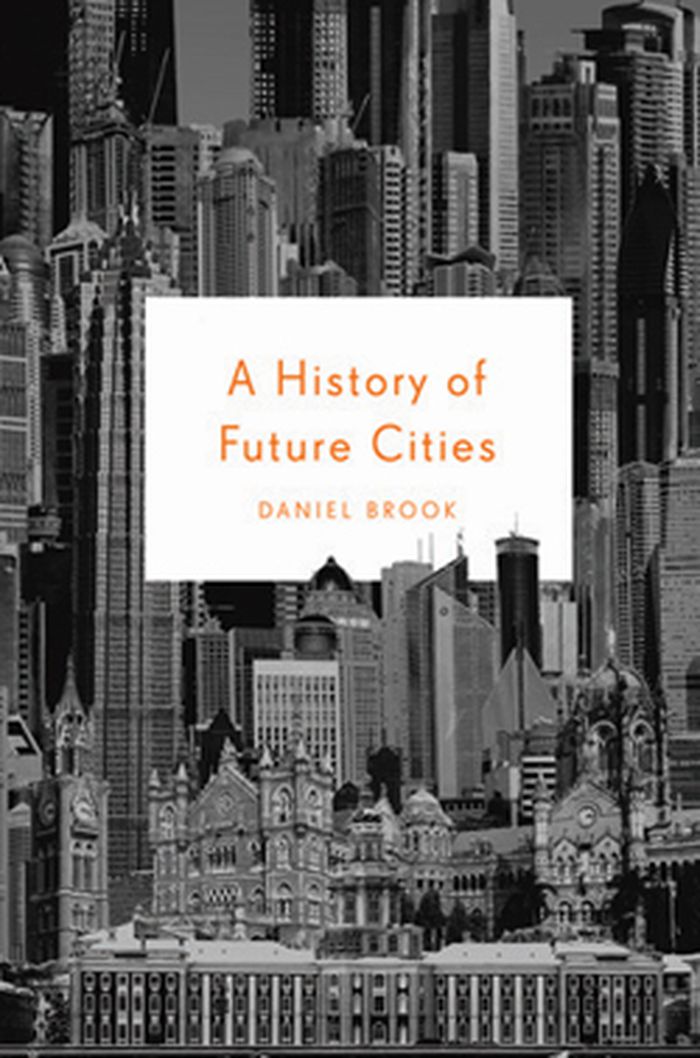
On May 27, 1703, Tsar Peter the Great founded a new capital on a barren Baltic marsh. Modeled on Amsterdam, he believed it would erase Russian backwardness and usher in a modernized, Westernized future. In the nineteenth-century Age of Imperialism, the British rebuilt Bombay as a tropical London, while three Western powers made Shanghai look just like home. And in our own time, the sheikh of Dubai has endeavored to transform his desert city into a Vegas-esque skyscraper-studded global hub. The cultural and historical threads that connect these cities and their conflicted embrace of modernity are brought into relief in Daniel Brook’s captivating mix of history and reportage—a story of architects and authoritarians, artists and revolutionaries who take these facsimiles of the West and turn them into crucibles of non-Western modernity.
A history of future cities
Actions:
Price:
$29.50
(available to order)
Summary:
On May 27, 1703, Tsar Peter the Great founded a new capital on a barren Baltic marsh. Modeled on Amsterdam, he believed it would erase Russian backwardness and usher in a modernized, Westernized future. In the nineteenth-century Age of Imperialism, the British rebuilt Bombay as a tropical London, while three Western powers made Shanghai look just like home. And in our own time, the sheikh of Dubai has endeavored to transform his desert city into a Vegas-esque skyscraper-studded global hub. The cultural and historical threads that connect these cities and their conflicted embrace of modernity are brought into relief in Daniel Brook’s captivating mix of history and reportage—a story of architects and authoritarians, artists and revolutionaries who take these facsimiles of the West and turn them into crucibles of non-Western modernity.
Form:
books
books
Publication:
February 2013
February 2013
Subject:
Urban Theory
Urban Theory


