


11183 Results
Form:
drawings, textual records, photographs
drawings, textual records, photographs
Title:
Correspondance,contrat et cahier de charge, ordre du jour de la réunion du jury de sélection, notes
Correspondance,contrat et cahier de charge, ordre du jour de la réunion du jury de sélection, notes
Actions:
Reference number:
ARCH168518
Description:
6 feuillets: Correspondance avec la Ville de Montréal 8 avril 1993 - 18 octobre 1993 24 feuillets: Contrat et cahier de charge 1 feuillet: Ordre du jour de la réunion du jury de sélection 14 feuillets: Notes manuscrites 1 dépliant: "Assurances pour oeuvre d'art" 9,5 x 27 cm 5 bordeaux de transmission par télécopieur 3 photocopies de photographies: vue de fouilles archéologiques sous la Place Jacques-Cartier une photocopie couleur 15 feuillets: Documentation diverse 2 feuillets: "La Place Jacques-Cartier" photocopie d'un article de la Presse 22 septembre 1991 1 photographie: Vue de la Place Jacques-Cartier noir et blanc 20 x 25,5 cm 1 dépliant: "Promo-Béton" 13 feuillets: Notes et esquisses pour la Place Jacques-Cartier dessins à la mine de plomb et photocopies 6 dessins: Esquisses mine de plomb et crayon de couleur sur calque jusqu'à 36 x 22 cm 1 collage de cartons de couleur et 1 photocopie du collage 11 x 37 cm 9 reprographies: schémas géométriques, Vues de la maquette photocopie sur acétate format lettre 3 copies laser de photographies 1 photographie: Vue de la maquette noir et blanc 20 x 25,5 cm
ARCH168518
Description:
6 feuillets: Correspondance avec la Ville de Montréal 8 avril 1993 - 18 octobre 1993 24 feuillets: Contrat et cahier de charge 1 feuillet: Ordre du jour de la réunion du jury de sélection 14 feuillets: Notes manuscrites 1 dépliant: "Assurances pour oeuvre d'art" 9,5 x 27 cm 5 bordeaux de transmission par télécopieur 3 photocopies de photographies: vue de fouilles archéologiques sous la Place Jacques-Cartier une photocopie couleur 15 feuillets: Documentation diverse 2 feuillets: "La Place Jacques-Cartier" photocopie d'un article de la Presse 22 septembre 1991 1 photographie: Vue de la Place Jacques-Cartier noir et blanc 20 x 25,5 cm 1 dépliant: "Promo-Béton" 13 feuillets: Notes et esquisses pour la Place Jacques-Cartier dessins à la mine de plomb et photocopies 6 dessins: Esquisses mine de plomb et crayon de couleur sur calque jusqu'à 36 x 22 cm 1 collage de cartons de couleur et 1 photocopie du collage 11 x 37 cm 9 reprographies: schémas géométriques, Vues de la maquette photocopie sur acétate format lettre 3 copies laser de photographies 1 photographie: Vue de la maquette noir et blanc 20 x 25,5 cm
People:
Title:
Correspondance,contrat et cahier de charge, ordre du jour de la réunion du jury de sélection, notes
Actions:
ARCH168518
Description:
6 feuillets: Correspondance avec la Ville de Montréal 8 avril 1993 - 18 octobre 1993 24 feuillets: Contrat et cahier de charge 1 feuillet: Ordre du jour de la réunion du jury de sélection 14 feuillets: Notes manuscrites 1 dépliant: "Assurances pour oeuvre d'art" 9,5 x 27 cm 5 bordeaux de transmission par télécopieur 3 photocopies de photographies: vue de fouilles archéologiques sous la Place Jacques-Cartier une photocopie couleur 15 feuillets: Documentation diverse 2 feuillets: "La Place Jacques-Cartier" photocopie d'un article de la Presse 22 septembre 1991 1 photographie: Vue de la Place Jacques-Cartier noir et blanc 20 x 25,5 cm 1 dépliant: "Promo-Béton" 13 feuillets: Notes et esquisses pour la Place Jacques-Cartier dessins à la mine de plomb et photocopies 6 dessins: Esquisses mine de plomb et crayon de couleur sur calque jusqu'à 36 x 22 cm 1 collage de cartons de couleur et 1 photocopie du collage 11 x 37 cm 9 reprographies: schémas géométriques, Vues de la maquette photocopie sur acétate format lettre 3 copies laser de photographies 1 photographie: Vue de la maquette noir et blanc 20 x 25,5 cm
Correspondance,contrat et cahier de charge, ordre du jour de la réunion du jury de sélection, notes
Actions:
ARCH168518
Description:
6 feuillets: Correspondance avec la Ville de Montréal 8 avril 1993 - 18 octobre 1993 24 feuillets: Contrat et cahier de charge 1 feuillet: Ordre du jour de la réunion du jury de sélection 14 feuillets: Notes manuscrites 1 dépliant: "Assurances pour oeuvre d'art" 9,5 x 27 cm 5 bordeaux de transmission par télécopieur 3 photocopies de photographies: vue de fouilles archéologiques sous la Place Jacques-Cartier une photocopie couleur 15 feuillets: Documentation diverse 2 feuillets: "La Place Jacques-Cartier" photocopie d'un article de la Presse 22 septembre 1991 1 photographie: Vue de la Place Jacques-Cartier noir et blanc 20 x 25,5 cm 1 dépliant: "Promo-Béton" 13 feuillets: Notes et esquisses pour la Place Jacques-Cartier dessins à la mine de plomb et photocopies 6 dessins: Esquisses mine de plomb et crayon de couleur sur calque jusqu'à 36 x 22 cm 1 collage de cartons de couleur et 1 photocopie du collage 11 x 37 cm 9 reprographies: schémas géométriques, Vues de la maquette photocopie sur acétate format lettre 3 copies laser de photographies 1 photographie: Vue de la maquette noir et blanc 20 x 25,5 cm
Form:
drawings, textual records, photographs
drawings, textual records, photographs
People:
Form:
events
events
Title:
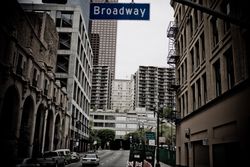
Learning from... Los Angeles
Learning from... Los Angeles
Actions:
Description:
Los Angeles-based historian and tour guide Richard Schave examines developments in Los Angeles in the 35 years since the landmark urban tour film Reyner Banham Loves Los Angeles (UK,1972). Schave, a former student of Banham, elaborates on his professor’s research by showing excerpts of the film in comparison with his own documentary photography. In particular, he explores(...)
Los Angeles-based historian and tour guide Richard Schave examines developments in Los Angeles in the 35 years since the landmark urban tour film Reyner Banham Loves Los Angeles (UK,1972). Schave, a former student of Banham, elaborates on his professor’s research by showing excerpts of the film in comparison with his own documentary photography. In particular, he explores(...)
Location:
Paul Desmarais Theatre
Paul Desmarais Theatre
Date:
28 May 2009
28 May 2009
Title:
Learning from... Los Angeles
Actions:
Description:
Los Angeles-based historian and tour guide Richard Schave examines developments in Los Angeles in the 35 years since the landmark urban tour film Reyner Banham Loves Los Angeles (UK,1972). Schave, a former student of Banham, elaborates on his professor’s research by showing excerpts of the film in comparison with his own documentary photography. In particular, he explores(...)
Learning from... Los Angeles
Actions:
Description:
Los Angeles-based historian and tour guide Richard Schave examines developments in Los Angeles in the 35 years since the landmark urban tour film Reyner Banham Loves Los Angeles (UK,1972). Schave, a former student of Banham, elaborates on his professor’s research by showing excerpts of the film in comparison with his own documentary photography. In particular, he explores(...)
Form:
events
events
Date:
28 May 2009
28 May 2009
Location:
Paul Desmarais Theatre
Paul Desmarais Theatre
Form:
exhibitions
exhibitions
Actions:
Description:
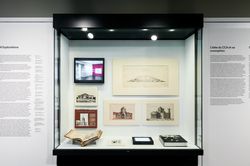
On the occasion of Phyllis Lambert’s ninetieth birthday, this exhibition offers an autobiographical glimpse into the evolution of the CCA founder’s ideas and her work as an architect, activist, editor, and curator. Highlighting her deep commitment to the city and to intellectual research, this display of archival material from the CCA’s collection, institutional archives,(...)
On the occasion of Phyllis Lambert’s ninetieth birthday, this exhibition offers an autobiographical glimpse into the evolution of the CCA founder’s ideas and her work as an architect, activist, editor, and curator. Highlighting her deep commitment to the city and to intellectual research, this display of archival material from the CCA’s collection, institutional archives,(...)
Location:
Hall cases
Hall cases
Date:
18 January 2017 to 11 June 2017
18 January 2017 to 11 June 2017
Title:
Phyllis Lambert: 75 Years At Work
Actions:
Description:
On the occasion of Phyllis Lambert’s ninetieth birthday, this exhibition offers an autobiographical glimpse into the evolution of the CCA founder’s ideas and her work as an architect, activist, editor, and curator. Highlighting her deep commitment to the city and to intellectual research, this display of archival material from the CCA’s collection, institutional archives,(...)
Phyllis Lambert: 75 Years At Work
Actions:
Description:
On the occasion of Phyllis Lambert’s ninetieth birthday, this exhibition offers an autobiographical glimpse into the evolution of the CCA founder’s ideas and her work as an architect, activist, editor, and curator. Highlighting her deep commitment to the city and to intellectual research, this display of archival material from the CCA’s collection, institutional archives,(...)
Form:
exhibitions
exhibitions
Date:
18 January 2017 to
11 June 2017
18 January 2017 to
11 June 2017
Location:
Hall cases
Hall cases
Form:
exhibitions
exhibitions

Title:
Streetview
Streetview
Actions:
Description:
Organized in conjunction with the initiative ABC : MTL, Streetview presents the everyday, street-level experience of Montréal throughout the twentieth century. It captures political and cultural change on a human scale with a survey of the city’s commercial, residential, and industrial areas. This overview of Montréal pulled from the CCA collection presents the street as(...)
Organized in conjunction with the initiative ABC : MTL, Streetview presents the everyday, street-level experience of Montréal throughout the twentieth century. It captures political and cultural change on a human scale with a survey of the city’s commercial, residential, and industrial areas. This overview of Montréal pulled from the CCA collection presents the street as(...)
Location:
Octagonal gallery
Octagonal gallery
Date:
31 January 2013 to 12 May 2013
31 January 2013 to 12 May 2013
Title:
Streetview
Actions:
Description:
Organized in conjunction with the initiative ABC : MTL, Streetview presents the everyday, street-level experience of Montréal throughout the twentieth century. It captures political and cultural change on a human scale with a survey of the city’s commercial, residential, and industrial areas. This overview of Montréal pulled from the CCA collection presents the street as(...)
Streetview
Actions:
Description:
Organized in conjunction with the initiative ABC : MTL, Streetview presents the everyday, street-level experience of Montréal throughout the twentieth century. It captures political and cultural change on a human scale with a survey of the city’s commercial, residential, and industrial areas. This overview of Montréal pulled from the CCA collection presents the street as(...)
Form:
exhibitions
exhibitions
Date:
31 January 2013 to
12 May 2013
31 January 2013 to
12 May 2013
Location:
Octagonal gallery
Octagonal gallery
Form:
events
events
Title:
Scouting Skateboard Sites
Scouting Skateboard Sites
Actions:
Description:
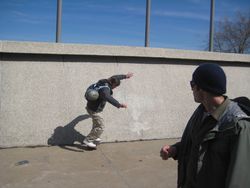
Skateboarder and landscape architect Mathieu Robichaud takes participants on a guided walk, analysing the skateboarding potential of urban spaces. Robichaud, of the firm Bloom Paysage, specialises in the design of skate parks. Inspired by the exhibition Actions: What You Can Do With the City (2008), the CCA hosts a series of workshops devoted to public actions in urban(...)
Skateboarder and landscape architect Mathieu Robichaud takes participants on a guided walk, analysing the skateboarding potential of urban spaces. Robichaud, of the firm Bloom Paysage, specialises in the design of skate parks. Inspired by the exhibition Actions: What You Can Do With the City (2008), the CCA hosts a series of workshops devoted to public actions in urban(...)
Date:
11 April 2009
11 April 2009
Title:
Scouting Skateboard Sites
Actions:
Description:
Skateboarder and landscape architect Mathieu Robichaud takes participants on a guided walk, analysing the skateboarding potential of urban spaces. Robichaud, of the firm Bloom Paysage, specialises in the design of skate parks. Inspired by the exhibition Actions: What You Can Do With the City (2008), the CCA hosts a series of workshops devoted to public actions in urban(...)
Scouting Skateboard Sites
Actions:
Description:
Skateboarder and landscape architect Mathieu Robichaud takes participants on a guided walk, analysing the skateboarding potential of urban spaces. Robichaud, of the firm Bloom Paysage, specialises in the design of skate parks. Inspired by the exhibition Actions: What You Can Do With the City (2008), the CCA hosts a series of workshops devoted to public actions in urban(...)
Form:
events
events
Date:
11 April 2009
11 April 2009
Form:
drawings
drawings
Reference number:
DR2006:0003
Description:
Le collage intitulé " Galerie de la grande architecture canadienne " a été produit dans le contexte de l'exposition " Canada-Trajectoires 1973 " présentée au Musée national d'art moderne de la ville de Paris au cours de l'été 1973. Le collage, appliqué sur papier cartonné, représente une sélection de textes et d'images d'œuvres exposées par Melvin Charney lors de cette exposition. L'objectif de l'exposition "Canada-Trajectoires 1973 " était de réunir des artistes ou des regroupements d'artistes engagés dans des discours critiques et de présenter leur travail non pas tant comme des oeuvres d'art mais plutôt " comme symptômes d'un certain climat ." (1) Selon le catalogue de l'exposition, et les divers comptes rendus qui en ont été fait dans la presse spécialisée, celle-ci était divisée en cinq sections. Quatre de ces sections étaient consacrées à des médiums spécifiques : art céramique, vidéo, peinture et sculpture, cinéma. Une cinquième section présentait des œuvres produites par des collectif d'artistes quelques soit le médium employé: galerie coopérative, coop d'artistes, workshop, banques d'images. C'est dans cette dernière section que Melvin Charney présenta trois projets créé avec l'assistance d'un groupe d'"action photographique", soit un "pavillon d'exposition" réalisé en 1969, une "monument à l'aviation" (1969) et "une galerie de la grande architecture" (1973). Dans un texte de Melvin Charney publié dans le catalogue de l'exposition, ces trois projets furent présentés sous l'intitulé "Quelques monuments nationaux". Le collage incorpore en une première strate collée obliquement par rapport au sens du carton d'œuvre, une image (en partie rognée), un texte manifeste (en partie coupée) et un intitulé. Ces trois éléments de toutes évidences se rapportent à L'ensemble des trois projets présenté par Charney. Sur une seconde strate, collée dans le sens du carton d'œuvres, Charney a collé des textes et des images se rapportant à deux des projets soit "une galerie de la grande architecture" (image et texte 25, 26 31 et 34, et monument à l'aviation, image et texte 50. Le collage est signé et daté en bas à droite. Des indications d'intercalation d'illustration au crayon graphite, - avec la mention "cut line" - détermine à même le carton d'œuvre, une zone regroupant l'ensemble des textes et des images collés. Au dos du collage figure à nouveau la signature de Charney et une numéro d'inventaire renvoyant possiblement à un catalogue constitué par Charney de son œuvre : "MC 1973 ? 02". Ce collage a servi de maquette pour la production d'une affiche publicisant l'exposition, ce qui explique la présence d'indications d'intercalation d'illustrations - une donnée signalant en règle générale que l'œuvre a été produite pour être publiée. (2) Ceci dit on ne sait pas si celle-ci fut effectivement tirée (nous n'en connaissons aucun exemplaire) avant, pendant ou après l'exposition. Cet aspect de l'historique de cette œuvre reste encore au moment où nous écrivons, à éclaircir. On peut établir toutefois avec certitude que cette œuvre, ou l'affiche qui en fut éventuellement tirée, a servi à produire la mise en page d'un article de Melvin Charney publié en avril 1974 dans la revue britannique Architectural Design. Un transparent a sans doute été pris du collage puis envoyé avec l'article de Charney à l'éditeur. Ce dernier a, à son tour, cadré l'image en fonction des indications d'intercalation d'illustrations latérales et supérieure,- on observe que le 3 de 1973 est bel et bien coupé - puis a éliminé les trois quart inférieur pour y placer le texte de l'article. La présence dans l'article publié du nom du musée d'art moderne de la ville de Paris - section arc, et son absence dans le collage est du à une perte. Un examen attentif révèle des marques sans doute de colle pour la bandelette de papier. Dans cet article publié en anglais Charney. 1- Suzanne Page, Canada trajectoires 73 : Musée d'art moderne de la ville de Paris, [Montréal?] : Publié par les Éditions Médiart pour le compte du Conseil des arts du Canada, [1973], [introduction] 2- Information fournie par l,artiste; voir aussi la légende de l'œuvre lors de sa reproduction dans un catalogue en 2000 où elle est décrite comme étant une maquette pour une affiche en offset sur papier.
DR2006:0003
Description:
Le collage intitulé " Galerie de la grande architecture canadienne " a été produit dans le contexte de l'exposition " Canada-Trajectoires 1973 " présentée au Musée national d'art moderne de la ville de Paris au cours de l'été 1973. Le collage, appliqué sur papier cartonné, représente une sélection de textes et d'images d'œuvres exposées par Melvin Charney lors de cette exposition. L'objectif de l'exposition "Canada-Trajectoires 1973 " était de réunir des artistes ou des regroupements d'artistes engagés dans des discours critiques et de présenter leur travail non pas tant comme des oeuvres d'art mais plutôt " comme symptômes d'un certain climat ." (1) Selon le catalogue de l'exposition, et les divers comptes rendus qui en ont été fait dans la presse spécialisée, celle-ci était divisée en cinq sections. Quatre de ces sections étaient consacrées à des médiums spécifiques : art céramique, vidéo, peinture et sculpture, cinéma. Une cinquième section présentait des œuvres produites par des collectif d'artistes quelques soit le médium employé: galerie coopérative, coop d'artistes, workshop, banques d'images. C'est dans cette dernière section que Melvin Charney présenta trois projets créé avec l'assistance d'un groupe d'"action photographique", soit un "pavillon d'exposition" réalisé en 1969, une "monument à l'aviation" (1969) et "une galerie de la grande architecture" (1973). Dans un texte de Melvin Charney publié dans le catalogue de l'exposition, ces trois projets furent présentés sous l'intitulé "Quelques monuments nationaux". Le collage incorpore en une première strate collée obliquement par rapport au sens du carton d'œuvre, une image (en partie rognée), un texte manifeste (en partie coupée) et un intitulé. Ces trois éléments de toutes évidences se rapportent à L'ensemble des trois projets présenté par Charney. Sur une seconde strate, collée dans le sens du carton d'œuvres, Charney a collé des textes et des images se rapportant à deux des projets soit "une galerie de la grande architecture" (image et texte 25, 26 31 et 34, et monument à l'aviation, image et texte 50. Le collage est signé et daté en bas à droite. Des indications d'intercalation d'illustration au crayon graphite, - avec la mention "cut line" - détermine à même le carton d'œuvre, une zone regroupant l'ensemble des textes et des images collés. Au dos du collage figure à nouveau la signature de Charney et une numéro d'inventaire renvoyant possiblement à un catalogue constitué par Charney de son œuvre : "MC 1973 ? 02". Ce collage a servi de maquette pour la production d'une affiche publicisant l'exposition, ce qui explique la présence d'indications d'intercalation d'illustrations - une donnée signalant en règle générale que l'œuvre a été produite pour être publiée. (2) Ceci dit on ne sait pas si celle-ci fut effectivement tirée (nous n'en connaissons aucun exemplaire) avant, pendant ou après l'exposition. Cet aspect de l'historique de cette œuvre reste encore au moment où nous écrivons, à éclaircir. On peut établir toutefois avec certitude que cette œuvre, ou l'affiche qui en fut éventuellement tirée, a servi à produire la mise en page d'un article de Melvin Charney publié en avril 1974 dans la revue britannique Architectural Design. Un transparent a sans doute été pris du collage puis envoyé avec l'article de Charney à l'éditeur. Ce dernier a, à son tour, cadré l'image en fonction des indications d'intercalation d'illustrations latérales et supérieure,- on observe que le 3 de 1973 est bel et bien coupé - puis a éliminé les trois quart inférieur pour y placer le texte de l'article. La présence dans l'article publié du nom du musée d'art moderne de la ville de Paris - section arc, et son absence dans le collage est du à une perte. Un examen attentif révèle des marques sans doute de colle pour la bandelette de papier. Dans cet article publié en anglais Charney. 1- Suzanne Page, Canada trajectoires 73 : Musée d'art moderne de la ville de Paris, [Montréal?] : Publié par les Éditions Médiart pour le compte du Conseil des arts du Canada, [1973], [introduction] 2- Information fournie par l,artiste; voir aussi la légende de l'œuvre lors de sa reproduction dans un catalogue en 2000 où elle est décrite comme étant une maquette pour une affiche en offset sur papier.
People:
Date:
1973
1973
Title:
Some national monuments, Canada trajectories
Actions:
DR2006:0003
Description:
Le collage intitulé " Galerie de la grande architecture canadienne " a été produit dans le contexte de l'exposition " Canada-Trajectoires 1973 " présentée au Musée national d'art moderne de la ville de Paris au cours de l'été 1973. Le collage, appliqué sur papier cartonné, représente une sélection de textes et d'images d'œuvres exposées par Melvin Charney lors de cette exposition. L'objectif de l'exposition "Canada-Trajectoires 1973 " était de réunir des artistes ou des regroupements d'artistes engagés dans des discours critiques et de présenter leur travail non pas tant comme des oeuvres d'art mais plutôt " comme symptômes d'un certain climat ." (1) Selon le catalogue de l'exposition, et les divers comptes rendus qui en ont été fait dans la presse spécialisée, celle-ci était divisée en cinq sections. Quatre de ces sections étaient consacrées à des médiums spécifiques : art céramique, vidéo, peinture et sculpture, cinéma. Une cinquième section présentait des œuvres produites par des collectif d'artistes quelques soit le médium employé: galerie coopérative, coop d'artistes, workshop, banques d'images. C'est dans cette dernière section que Melvin Charney présenta trois projets créé avec l'assistance d'un groupe d'"action photographique", soit un "pavillon d'exposition" réalisé en 1969, une "monument à l'aviation" (1969) et "une galerie de la grande architecture" (1973). Dans un texte de Melvin Charney publié dans le catalogue de l'exposition, ces trois projets furent présentés sous l'intitulé "Quelques monuments nationaux". Le collage incorpore en une première strate collée obliquement par rapport au sens du carton d'œuvre, une image (en partie rognée), un texte manifeste (en partie coupée) et un intitulé. Ces trois éléments de toutes évidences se rapportent à L'ensemble des trois projets présenté par Charney. Sur une seconde strate, collée dans le sens du carton d'œuvres, Charney a collé des textes et des images se rapportant à deux des projets soit "une galerie de la grande architecture" (image et texte 25, 26 31 et 34, et monument à l'aviation, image et texte 50. Le collage est signé et daté en bas à droite. Des indications d'intercalation d'illustration au crayon graphite, - avec la mention "cut line" - détermine à même le carton d'œuvre, une zone regroupant l'ensemble des textes et des images collés. Au dos du collage figure à nouveau la signature de Charney et une numéro d'inventaire renvoyant possiblement à un catalogue constitué par Charney de son œuvre : "MC 1973 ? 02". Ce collage a servi de maquette pour la production d'une affiche publicisant l'exposition, ce qui explique la présence d'indications d'intercalation d'illustrations - une donnée signalant en règle générale que l'œuvre a été produite pour être publiée. (2) Ceci dit on ne sait pas si celle-ci fut effectivement tirée (nous n'en connaissons aucun exemplaire) avant, pendant ou après l'exposition. Cet aspect de l'historique de cette œuvre reste encore au moment où nous écrivons, à éclaircir. On peut établir toutefois avec certitude que cette œuvre, ou l'affiche qui en fut éventuellement tirée, a servi à produire la mise en page d'un article de Melvin Charney publié en avril 1974 dans la revue britannique Architectural Design. Un transparent a sans doute été pris du collage puis envoyé avec l'article de Charney à l'éditeur. Ce dernier a, à son tour, cadré l'image en fonction des indications d'intercalation d'illustrations latérales et supérieure,- on observe que le 3 de 1973 est bel et bien coupé - puis a éliminé les trois quart inférieur pour y placer le texte de l'article. La présence dans l'article publié du nom du musée d'art moderne de la ville de Paris - section arc, et son absence dans le collage est du à une perte. Un examen attentif révèle des marques sans doute de colle pour la bandelette de papier. Dans cet article publié en anglais Charney. 1- Suzanne Page, Canada trajectoires 73 : Musée d'art moderne de la ville de Paris, [Montréal?] : Publié par les Éditions Médiart pour le compte du Conseil des arts du Canada, [1973], [introduction] 2- Information fournie par l,artiste; voir aussi la légende de l'œuvre lors de sa reproduction dans un catalogue en 2000 où elle est décrite comme étant une maquette pour une affiche en offset sur papier.
Some national monuments, Canada trajectories
Actions:
DR2006:0003
Description:
Le collage intitulé " Galerie de la grande architecture canadienne " a été produit dans le contexte de l'exposition " Canada-Trajectoires 1973 " présentée au Musée national d'art moderne de la ville de Paris au cours de l'été 1973. Le collage, appliqué sur papier cartonné, représente une sélection de textes et d'images d'œuvres exposées par Melvin Charney lors de cette exposition. L'objectif de l'exposition "Canada-Trajectoires 1973 " était de réunir des artistes ou des regroupements d'artistes engagés dans des discours critiques et de présenter leur travail non pas tant comme des oeuvres d'art mais plutôt " comme symptômes d'un certain climat ." (1) Selon le catalogue de l'exposition, et les divers comptes rendus qui en ont été fait dans la presse spécialisée, celle-ci était divisée en cinq sections. Quatre de ces sections étaient consacrées à des médiums spécifiques : art céramique, vidéo, peinture et sculpture, cinéma. Une cinquième section présentait des œuvres produites par des collectif d'artistes quelques soit le médium employé: galerie coopérative, coop d'artistes, workshop, banques d'images. C'est dans cette dernière section que Melvin Charney présenta trois projets créé avec l'assistance d'un groupe d'"action photographique", soit un "pavillon d'exposition" réalisé en 1969, une "monument à l'aviation" (1969) et "une galerie de la grande architecture" (1973). Dans un texte de Melvin Charney publié dans le catalogue de l'exposition, ces trois projets furent présentés sous l'intitulé "Quelques monuments nationaux". Le collage incorpore en une première strate collée obliquement par rapport au sens du carton d'œuvre, une image (en partie rognée), un texte manifeste (en partie coupée) et un intitulé. Ces trois éléments de toutes évidences se rapportent à L'ensemble des trois projets présenté par Charney. Sur une seconde strate, collée dans le sens du carton d'œuvres, Charney a collé des textes et des images se rapportant à deux des projets soit "une galerie de la grande architecture" (image et texte 25, 26 31 et 34, et monument à l'aviation, image et texte 50. Le collage est signé et daté en bas à droite. Des indications d'intercalation d'illustration au crayon graphite, - avec la mention "cut line" - détermine à même le carton d'œuvre, une zone regroupant l'ensemble des textes et des images collés. Au dos du collage figure à nouveau la signature de Charney et une numéro d'inventaire renvoyant possiblement à un catalogue constitué par Charney de son œuvre : "MC 1973 ? 02". Ce collage a servi de maquette pour la production d'une affiche publicisant l'exposition, ce qui explique la présence d'indications d'intercalation d'illustrations - une donnée signalant en règle générale que l'œuvre a été produite pour être publiée. (2) Ceci dit on ne sait pas si celle-ci fut effectivement tirée (nous n'en connaissons aucun exemplaire) avant, pendant ou après l'exposition. Cet aspect de l'historique de cette œuvre reste encore au moment où nous écrivons, à éclaircir. On peut établir toutefois avec certitude que cette œuvre, ou l'affiche qui en fut éventuellement tirée, a servi à produire la mise en page d'un article de Melvin Charney publié en avril 1974 dans la revue britannique Architectural Design. Un transparent a sans doute été pris du collage puis envoyé avec l'article de Charney à l'éditeur. Ce dernier a, à son tour, cadré l'image en fonction des indications d'intercalation d'illustrations latérales et supérieure,- on observe que le 3 de 1973 est bel et bien coupé - puis a éliminé les trois quart inférieur pour y placer le texte de l'article. La présence dans l'article publié du nom du musée d'art moderne de la ville de Paris - section arc, et son absence dans le collage est du à une perte. Un examen attentif révèle des marques sans doute de colle pour la bandelette de papier. Dans cet article publié en anglais Charney. 1- Suzanne Page, Canada trajectoires 73 : Musée d'art moderne de la ville de Paris, [Montréal?] : Publié par les Éditions Médiart pour le compte du Conseil des arts du Canada, [1973], [introduction] 2- Information fournie par l,artiste; voir aussi la légende de l'œuvre lors de sa reproduction dans un catalogue en 2000 où elle est décrite comme étant une maquette pour une affiche en offset sur papier.
Form:
drawings
drawings
Date:
1973
1973
People:
Form:
events
events
Title:
Pollinaction
Pollinaction
Actions:
Description:
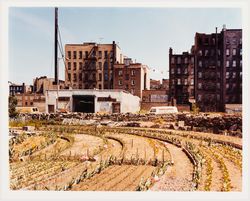
On the occasion of Earth Day, become agents of urban pollination to counter the decline of pollinating insects and nectar-producing plants. In collaboration with Éco-quartier Peter-McGill, discover how monarchs, bees, and milkweed contribute to the richness of the city’s biodiversity. Then get your hands dirty by creating seed bombs to disseminate during an exploration of(...)
On the occasion of Earth Day, become agents of urban pollination to counter the decline of pollinating insects and nectar-producing plants. In collaboration with Éco-quartier Peter-McGill, discover how monarchs, bees, and milkweed contribute to the richness of the city’s biodiversity. Then get your hands dirty by creating seed bombs to disseminate during an exploration of(...)
Date:
24 April 2016
24 April 2016
Title:
Pollinaction
Actions:
Description:
On the occasion of Earth Day, become agents of urban pollination to counter the decline of pollinating insects and nectar-producing plants. In collaboration with Éco-quartier Peter-McGill, discover how monarchs, bees, and milkweed contribute to the richness of the city’s biodiversity. Then get your hands dirty by creating seed bombs to disseminate during an exploration of(...)
Pollinaction
Actions:
Description:
On the occasion of Earth Day, become agents of urban pollination to counter the decline of pollinating insects and nectar-producing plants. In collaboration with Éco-quartier Peter-McGill, discover how monarchs, bees, and milkweed contribute to the richness of the city’s biodiversity. Then get your hands dirty by creating seed bombs to disseminate during an exploration of(...)
Form:
events
events
Date:
24 April 2016
24 April 2016
Form:
events
events

Title:
Learning from… São Paulo
Learning from… São Paulo
Actions:
Description:
Angelo Bucci, architect and professor at the University of São Paulo, Brazil, addresses the violence and changing environment of São Paulo in search of new urban forms. São Paulo’s urban violence can be understood as ruining the experience of the city and, as a result, the purpose of the architect’s work. The lecture examines São Paulo not as a static object, but as an(...)
Angelo Bucci, architect and professor at the University of São Paulo, Brazil, addresses the violence and changing environment of São Paulo in search of new urban forms. São Paulo’s urban violence can be understood as ruining the experience of the city and, as a result, the purpose of the architect’s work. The lecture examines São Paulo not as a static object, but as an(...)
Date:
22 April 2010
22 April 2010
Title:
Learning from… São Paulo
Actions:
Description:
Angelo Bucci, architect and professor at the University of São Paulo, Brazil, addresses the violence and changing environment of São Paulo in search of new urban forms. São Paulo’s urban violence can be understood as ruining the experience of the city and, as a result, the purpose of the architect’s work. The lecture examines São Paulo not as a static object, but as an(...)
Learning from… São Paulo
Actions:
Description:
Angelo Bucci, architect and professor at the University of São Paulo, Brazil, addresses the violence and changing environment of São Paulo in search of new urban forms. São Paulo’s urban violence can be understood as ruining the experience of the city and, as a result, the purpose of the architect’s work. The lecture examines São Paulo not as a static object, but as an(...)
Form:
events
events
Date:
22 April 2010
22 April 2010
Form:
exhibitions
exhibitions
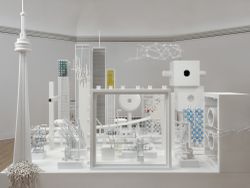
Title:
Super City
Super City
Actions:
Description:
This installation by Canadian writer and artist Douglas Coupland (Generation X) investigates the creative impact of the 1960s explosion of toy building kits, offering a reflection on the profound effect toys can have-not only on how children learn to perceive the world, but also in terms of the kinds of things they produce as adults. Named after Super City, a kit(...)
This installation by Canadian writer and artist Douglas Coupland (Generation X) investigates the creative impact of the 1960s explosion of toy building kits, offering a reflection on the profound effect toys can have-not only on how children learn to perceive the world, but also in terms of the kinds of things they produce as adults. Named after Super City, a kit(...)
Location:
Octagonal gallery
Octagonal gallery
Date:
9 June 2005 to 20 November 2005
9 June 2005 to 20 November 2005
Title:
Super City
Actions:
Description:
This installation by Canadian writer and artist Douglas Coupland (Generation X) investigates the creative impact of the 1960s explosion of toy building kits, offering a reflection on the profound effect toys can have-not only on how children learn to perceive the world, but also in terms of the kinds of things they produce as adults. Named after Super City, a kit(...)
Super City
Actions:
Description:
This installation by Canadian writer and artist Douglas Coupland (Generation X) investigates the creative impact of the 1960s explosion of toy building kits, offering a reflection on the profound effect toys can have-not only on how children learn to perceive the world, but also in terms of the kinds of things they produce as adults. Named after Super City, a kit(...)
Form:
exhibitions
exhibitions
Date:
9 June 2005 to
20 November 2005
9 June 2005 to
20 November 2005
Location:
Octagonal gallery
Octagonal gallery
Form:
exhibitions
exhibitions
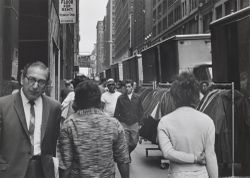
Title:
West 37th Street, Manhattan, photographed by John Veltri between 13 September and 18 September 1966
West 37th Street, Manhattan, photographed by John Veltri between 13 September and 18 September 1966
Actions:
Description:
This exhibition highlights a work that the New York engineering firm Leonard S. Wegman Co. commissioned in 1966 from John Veltri. Veltri was to photograph every building, parking area, and shaftway on West 37th Street between 8th and 9th Avenues, at the heart of Manhattan’s busy Garment District. The photographs Veltri made in connection with Wegman Co.’s redevelopment(...)
This exhibition highlights a work that the New York engineering firm Leonard S. Wegman Co. commissioned in 1966 from John Veltri. Veltri was to photograph every building, parking area, and shaftway on West 37th Street between 8th and 9th Avenues, at the heart of Manhattan’s busy Garment District. The photographs Veltri made in connection with Wegman Co.’s redevelopment(...)
Location:
Octagonal gallery
Octagonal gallery
Date:
11 December 2003 to 7 March 2004
11 December 2003 to 7 March 2004
Title:
West 37th Street, Manhattan, photographed by John Veltri between 13 September and 18 September 1966
Actions:
Description:
This exhibition highlights a work that the New York engineering firm Leonard S. Wegman Co. commissioned in 1966 from John Veltri. Veltri was to photograph every building, parking area, and shaftway on West 37th Street between 8th and 9th Avenues, at the heart of Manhattan’s busy Garment District. The photographs Veltri made in connection with Wegman Co.’s redevelopment(...)
West 37th Street, Manhattan, photographed by John Veltri between 13 September and 18 September 1966
Actions:
Description:
This exhibition highlights a work that the New York engineering firm Leonard S. Wegman Co. commissioned in 1966 from John Veltri. Veltri was to photograph every building, parking area, and shaftway on West 37th Street between 8th and 9th Avenues, at the heart of Manhattan’s busy Garment District. The photographs Veltri made in connection with Wegman Co.’s redevelopment(...)
Form:
exhibitions
exhibitions
Date:
11 December 2003 to
7 March 2004
11 December 2003 to
7 March 2004
Location:
Octagonal gallery
Octagonal gallery


