


8415 Results
Form:
books
books
Actions:
Price:
$70.95
(available to order)
Summary:
Why does a newspaper look different than a magazine or a book? What effect does using a certain typeface or a specific grid have? And why do some layouts just seem right, and others seem simply wrong? This handbook aims to convey the essential principles that will enable the reader to acquire the skills necessary to be independently creative in the field of graphic(...)
$70.95
(available to order)
Summary:
Why does a newspaper look different than a magazine or a book? What effect does using a certain typeface or a specific grid have? And why do some layouts just seem right, and others seem simply wrong? This handbook aims to convey the essential principles that will enable the reader to acquire the skills necessary to be independently creative in the field of graphic(...)
Subject:
Graphic Design and Typography
Graphic Design and Typography
Publication:
December 2017
December 2017
Title:
Design, typography etc. A handbook
Actions:
Price:
$70.95
(available to order)
Summary:
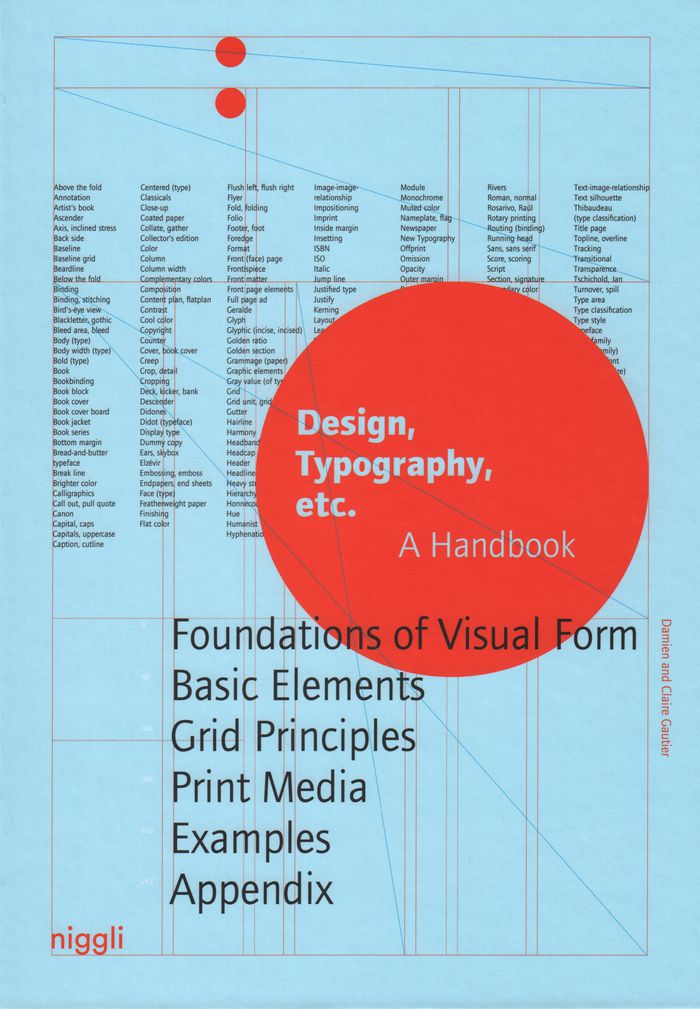
Why does a newspaper look different than a magazine or a book? What effect does using a certain typeface or a specific grid have? And why do some layouts just seem right, and others seem simply wrong? This handbook aims to convey the essential principles that will enable the reader to acquire the skills necessary to be independently creative in the field of graphic design. Richly illustrated with numerous examples from around the world, this volume addresses the most important aspects of good book, poster and advert design, offering guidance on everything from the correct use of colors and fonts through to column width and line spacing. Sketches and clarifying text serve to explain technical terms that are indispensable to understanding the interface of designing and producing print media.
Design, typography etc. A handbook
Actions:
Price:
$70.95
(available to order)
Summary:
Why does a newspaper look different than a magazine or a book? What effect does using a certain typeface or a specific grid have? And why do some layouts just seem right, and others seem simply wrong? This handbook aims to convey the essential principles that will enable the reader to acquire the skills necessary to be independently creative in the field of graphic design. Richly illustrated with numerous examples from around the world, this volume addresses the most important aspects of good book, poster and advert design, offering guidance on everything from the correct use of colors and fonts through to column width and line spacing. Sketches and clarifying text serve to explain technical terms that are indispensable to understanding the interface of designing and producing print media.
Form:
books
books
Publication:
December 2017
December 2017
Subject:
Graphic Design and Typography
Graphic Design and Typography
Form:
books
books
Actions:
Price:
$23.50
(available to order)
Summary:
“The revolution will be Twittered!” declared journalist Andrew Sullivan after protests erupted in Iran. But as journalist and social commentator Evgeny Morozov argues in The Net Delusion, the Internet is a tool that both revolutionaries and authoritarian governments can use. For all of the talk in the West about the power of the Internet to democratize societies, regimes(...)
$23.50
(available to order)
Summary:
“The revolution will be Twittered!” declared journalist Andrew Sullivan after protests erupted in Iran. But as journalist and social commentator Evgeny Morozov argues in The Net Delusion, the Internet is a tool that both revolutionaries and authoritarian governments can use. For all of the talk in the West about the power of the Internet to democratize societies, regimes(...)
Title:
The net delusion: the dark side of the internet
Actions:
Price:
$23.50
(available to order)
Summary:
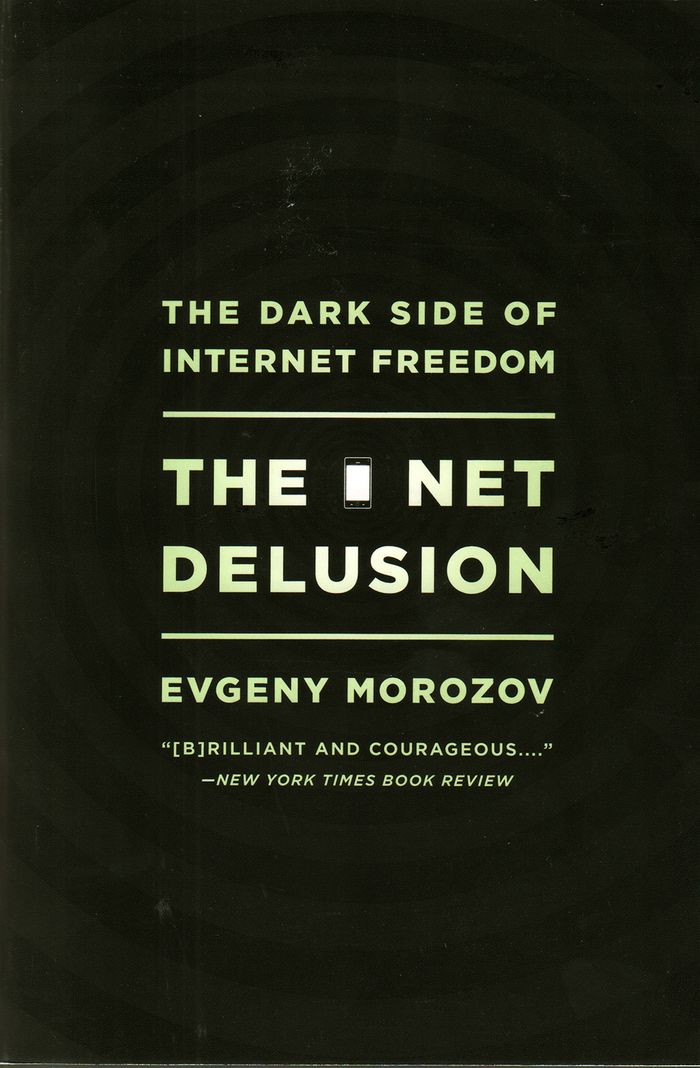
“The revolution will be Twittered!” declared journalist Andrew Sullivan after protests erupted in Iran. But as journalist and social commentator Evgeny Morozov argues in The Net Delusion, the Internet is a tool that both revolutionaries and authoritarian governments can use. For all of the talk in the West about the power of the Internet to democratize societies, regimes in Iran and China are as stable and repressive as ever. Social media sites have been used there to entrench dictators and threaten dissidents, making it harder—not easier—to promote democracy. Marshalling a compelling set of case studies, The Net Delusion shows why the cyber-utopian stance that the Internet is inherently liberating is wrong, and how ambitious and seemingly noble initiatives like the promotion of “Internet freedom” are misguided and, on occasion, harmful.
The net delusion: the dark side of the internet
Actions:
Price:
$23.50
(available to order)
Summary:
“The revolution will be Twittered!” declared journalist Andrew Sullivan after protests erupted in Iran. But as journalist and social commentator Evgeny Morozov argues in The Net Delusion, the Internet is a tool that both revolutionaries and authoritarian governments can use. For all of the talk in the West about the power of the Internet to democratize societies, regimes in Iran and China are as stable and repressive as ever. Social media sites have been used there to entrench dictators and threaten dissidents, making it harder—not easier—to promote democracy. Marshalling a compelling set of case studies, The Net Delusion shows why the cyber-utopian stance that the Internet is inherently liberating is wrong, and how ambitious and seemingly noble initiatives like the promotion of “Internet freedom” are misguided and, on occasion, harmful.
Form:
books
books
Publication:
February 2012
February 2012
Subject:
Archive, library and the digital
Archive, library and the digital
Form:
books
books
Title:
New Scandinavian photography
New Scandinavian photography
Actions:
Price:
$49.95
(available to order)
Summary:
Focusing on the last ten years, New Scandinavian Photography highlights the work produced by a diverse range of artists who are exploring and manipulating the use of photography in their practices and explores photography as a medium through academic texts and interviews, addressing the technical and material properties of photography in the context of fine art and(...)
$49.95
(available to order)
Summary:
Focusing on the last ten years, New Scandinavian Photography highlights the work produced by a diverse range of artists who are exploring and manipulating the use of photography in their practices and explores photography as a medium through academic texts and interviews, addressing the technical and material properties of photography in the context of fine art and(...)
Title:
New Scandinavian photography
Actions:
Price:
$49.95
(available to order)
Summary:
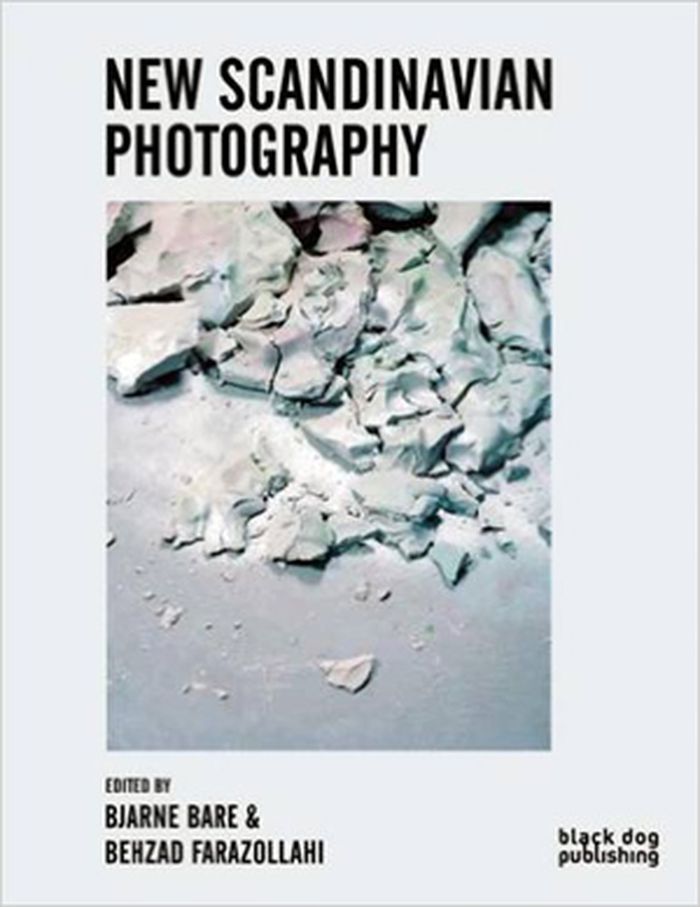
Focusing on the last ten years, New Scandinavian Photography highlights the work produced by a diverse range of artists who are exploring and manipulating the use of photography in their practices and explores photography as a medium through academic texts and interviews, addressing the technical and material properties of photography in the context of fine art and pan-media practice with a focus on the exhibition room as well as printed matter. Through critical examination and personal interviews, the book showcases established names in the photographic art scene such as Asger Carlsen and Emil Salto, along with emerging talents that include Marten Lange and Marthe Elise Stramund. A key focus is upon artist’s use of photography as a medium, along with their methods of presentation, from the white cube gallery space to intimate printed matter.
New Scandinavian photography
Actions:
Price:
$49.95
(available to order)
Summary:
Focusing on the last ten years, New Scandinavian Photography highlights the work produced by a diverse range of artists who are exploring and manipulating the use of photography in their practices and explores photography as a medium through academic texts and interviews, addressing the technical and material properties of photography in the context of fine art and pan-media practice with a focus on the exhibition room as well as printed matter. Through critical examination and personal interviews, the book showcases established names in the photographic art scene such as Asger Carlsen and Emil Salto, along with emerging talents that include Marten Lange and Marthe Elise Stramund. A key focus is upon artist’s use of photography as a medium, along with their methods of presentation, from the white cube gallery space to intimate printed matter.
Form:
books
books
Publication:
September 2015
September 2015
Subject:
Photography Collections
Photography Collections
Form:
books
books
Actions:
Price:
$65.00
(available in store)
Summary:
Now into its 50th edition, after its historical beginnings as Kunstmarkt Köln ’67, Art Cologne is still one of the most important art fairs in the world. And it still has its roots in Kunstmarkt Köln ’67, as a fair for classic modernism, postwar and contemporary art. Originated by the Cologne gallery owners Hein Stünke and Rudolf Zwirner, Kunstmarkt Köln ’67 opened on(...)
$65.00
(available in store)
Summary:
Now into its 50th edition, after its historical beginnings as Kunstmarkt Köln ’67, Art Cologne is still one of the most important art fairs in the world. And it still has its roots in Kunstmarkt Köln ’67, as a fair for classic modernism, postwar and contemporary art. Originated by the Cologne gallery owners Hein Stünke and Rudolf Zwirner, Kunstmarkt Köln ’67 opened on(...)
Subject:
Museums and Universal Exhibitions
Museums and Universal Exhibitions
Publication:
August 2016
August 2016
Title:
Art Cologne 1967-2016: the first art fair
Actions:
Price:
$65.00
(available in store)
Summary:
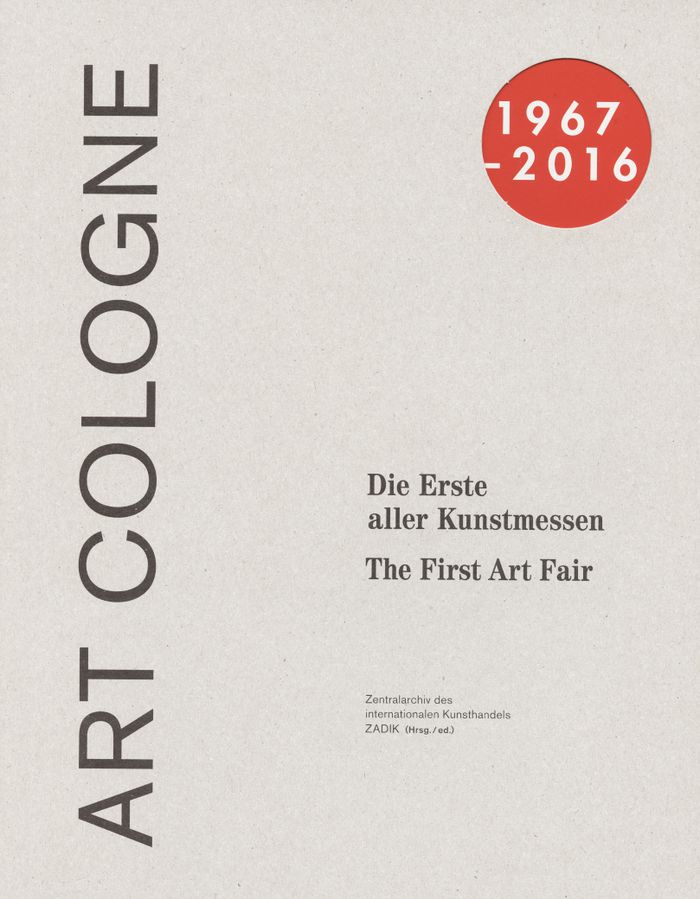
Now into its 50th edition, after its historical beginnings as Kunstmarkt Köln ’67, Art Cologne is still one of the most important art fairs in the world. And it still has its roots in Kunstmarkt Köln ’67, as a fair for classic modernism, postwar and contemporary art. Originated by the Cologne gallery owners Hein Stünke and Rudolf Zwirner, Kunstmarkt Köln ’67 opened on September 12, 1967, in Gürzenich, the City of Cologne’s gothic banqueting hall, and was to change the international art market forever. How revolutionary this first fair was can only be understood today by means of the immediate reactions at the time, which were recorded in a flood of media reports. With a wealth of documents and illustrations, this weighty volume traces the history of the fair in chronological order.
Art Cologne 1967-2016: the first art fair
Actions:
Price:
$65.00
(available in store)
Summary:
Now into its 50th edition, after its historical beginnings as Kunstmarkt Köln ’67, Art Cologne is still one of the most important art fairs in the world. And it still has its roots in Kunstmarkt Köln ’67, as a fair for classic modernism, postwar and contemporary art. Originated by the Cologne gallery owners Hein Stünke and Rudolf Zwirner, Kunstmarkt Köln ’67 opened on September 12, 1967, in Gürzenich, the City of Cologne’s gothic banqueting hall, and was to change the international art market forever. How revolutionary this first fair was can only be understood today by means of the immediate reactions at the time, which were recorded in a flood of media reports. With a wealth of documents and illustrations, this weighty volume traces the history of the fair in chronological order.
Form:
books
books
Publication:
August 2016
August 2016
Subject:
Museums and Universal Exhibitions
Museums and Universal Exhibitions
Form:
books
books
Price:
$79.95
(available to order)
Summary:
Americans, on average, spend between six and ten seconds with individual artworks in museums or galleries—hardly time enough. But how, in our culture of distraction, might we extend attention? Slow Art models sustained ways of looking, through encounters with various media both present and past—including photography, painting, sculpture, “living pictures,” film, video,(...)
$79.95
(available to order)
Summary:
Americans, on average, spend between six and ten seconds with individual artworks in museums or galleries—hardly time enough. But how, in our culture of distraction, might we extend attention? Slow Art models sustained ways of looking, through encounters with various media both present and past—including photography, painting, sculpture, “living pictures,” film, video,(...)
Title:
Slow art: the experience of looking, sacred images to James Turrell
Actions:
Price:
$79.95
(available to order)
Summary:
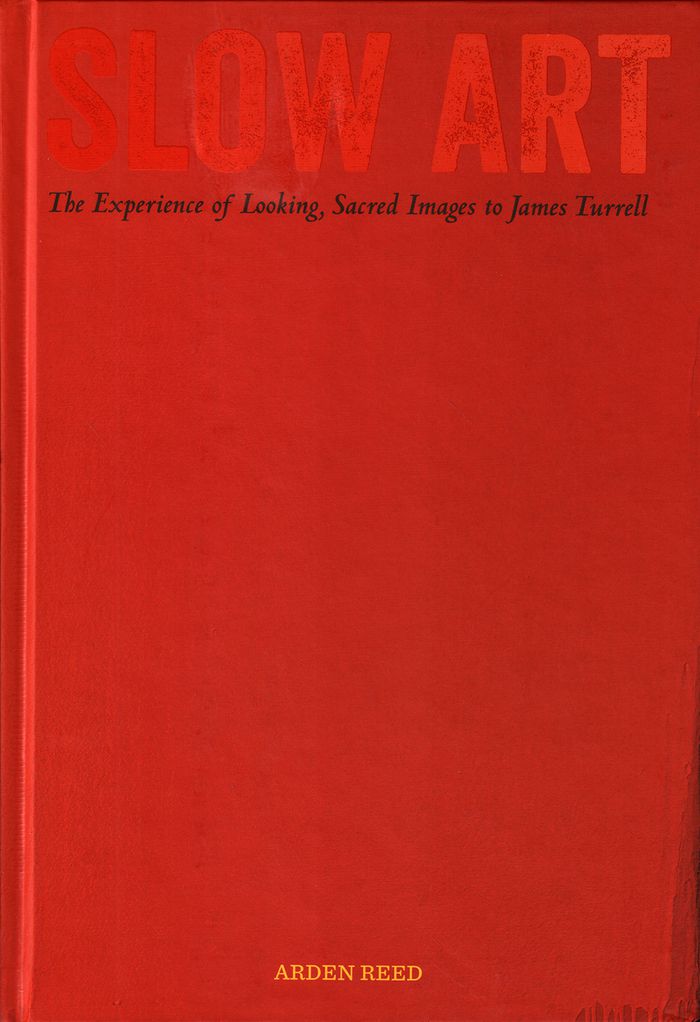
Americans, on average, spend between six and ten seconds with individual artworks in museums or galleries—hardly time enough. But how, in our culture of distraction, might we extend attention? Slow Art models sustained ways of looking, through encounters with various media both present and past—including photography, painting, sculpture, “living pictures,” film, video, digital and performance art—even light and space. Works by Diderot, Emma Hamilton, Oscar Wilde, Jeff Wall, Sam Taylor-Johnson, Andy Warhol, and Richard Serra, among others, shape a new and distinct aesthetic field. But rather than a collection of objects, slow art is participatory—it directly engages beholders to bring artworks to life. Against current orthodoxy, Arden Reed argues that, for contemporary viewers, the contemplation of slow art is akin to religious practices during the ages of faith.
Slow art: the experience of looking, sacred images to James Turrell
Actions:
Price:
$79.95
(available to order)
Summary:
Americans, on average, spend between six and ten seconds with individual artworks in museums or galleries—hardly time enough. But how, in our culture of distraction, might we extend attention? Slow Art models sustained ways of looking, through encounters with various media both present and past—including photography, painting, sculpture, “living pictures,” film, video, digital and performance art—even light and space. Works by Diderot, Emma Hamilton, Oscar Wilde, Jeff Wall, Sam Taylor-Johnson, Andy Warhol, and Richard Serra, among others, shape a new and distinct aesthetic field. But rather than a collection of objects, slow art is participatory—it directly engages beholders to bring artworks to life. Against current orthodoxy, Arden Reed argues that, for contemporary viewers, the contemplation of slow art is akin to religious practices during the ages of faith.
Form:
books
books
Publication:
June 2017
June 2017
Subject:
Art Theory
Art Theory
Form:
books
books
Price:
$40.00
(available to order)
Summary:
Susanne Kriemann's artist’s book "P(ech) B(lende), library for radioactive afterlife" looks at the political and actual invisibility of the highly radioactive mineral pitchblende (uraninite). From 1946 to 1989 pitchblende was mined in the Erzgebirge (Ore) Mountains in an area contained within the former GDR and was an important component in the USSR’s nuclear arsenal. The(...)
$40.00
(available to order)
Summary:
Susanne Kriemann's artist’s book "P(ech) B(lende), library for radioactive afterlife" looks at the political and actual invisibility of the highly radioactive mineral pitchblende (uraninite). From 1946 to 1989 pitchblende was mined in the Erzgebirge (Ore) Mountains in an area contained within the former GDR and was an important component in the USSR’s nuclear arsenal. The(...)
Title:
Susanne Kriemann: P(ech) B(blende). Library for radioactive afterlife
Actions:
Price:
$40.00
(available to order)
Summary:
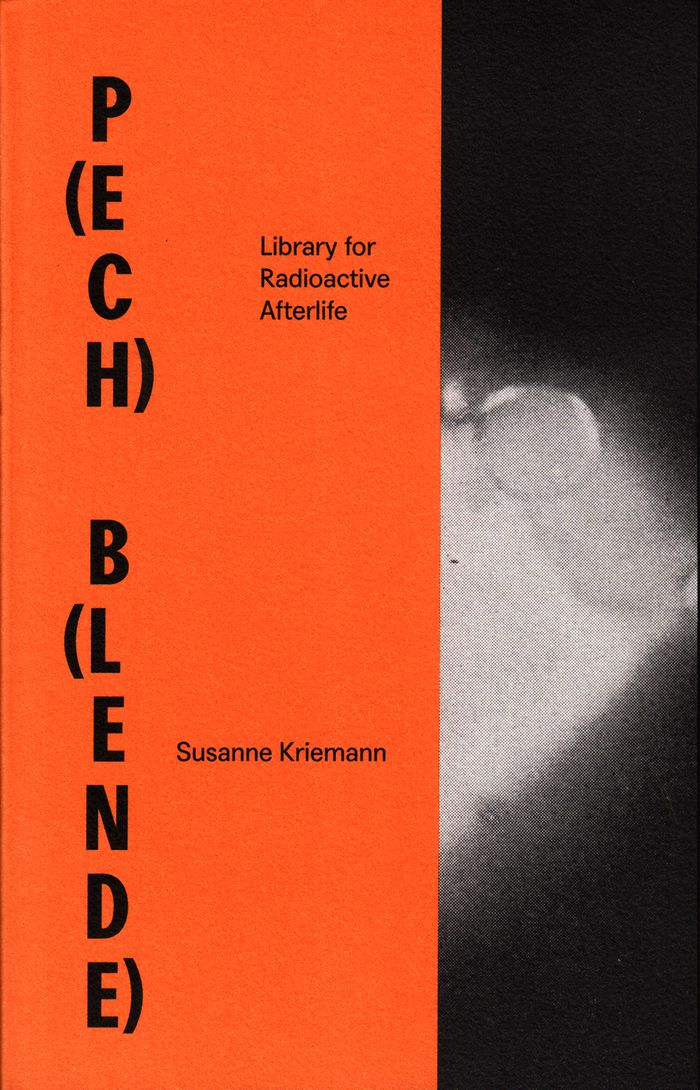
Susanne Kriemann's artist’s book "P(ech) B(lende), library for radioactive afterlife" looks at the political and actual invisibility of the highly radioactive mineral pitchblende (uraninite). From 1946 to 1989 pitchblende was mined in the Erzgebirge (Ore) Mountains in an area contained within the former GDR and was an important component in the USSR’s nuclear arsenal. The publication brings together seven texts viewing the subject with a literary eye through the lens of media theory. All the texts deal with the documentation of radioactive materials, their effects, and afterlife. The book P(ech) B(lende) ties in with Kriemann’s exhibition Pechblende (Chapter 1) at the Ernst Schering Foundation in Berlin (17, March to 5, June 2016). The work was previously on show at Prefix ICA in Toronto under the title Pechblende (Prologue).
Susanne Kriemann: P(ech) B(blende). Library for radioactive afterlife
Actions:
Price:
$40.00
(available to order)
Summary:
Susanne Kriemann's artist’s book "P(ech) B(lende), library for radioactive afterlife" looks at the political and actual invisibility of the highly radioactive mineral pitchblende (uraninite). From 1946 to 1989 pitchblende was mined in the Erzgebirge (Ore) Mountains in an area contained within the former GDR and was an important component in the USSR’s nuclear arsenal. The publication brings together seven texts viewing the subject with a literary eye through the lens of media theory. All the texts deal with the documentation of radioactive materials, their effects, and afterlife. The book P(ech) B(lende) ties in with Kriemann’s exhibition Pechblende (Chapter 1) at the Ernst Schering Foundation in Berlin (17, March to 5, June 2016). The work was previously on show at Prefix ICA in Toronto under the title Pechblende (Prologue).
Form:
books
books
Publication:
October 2017
October 2017
Subject:
Photography monographs
Photography monographs
Form:
journals and magazines
journals and magazines
Actions:
Price:
$35.00
(available in store)
Summary:
Our society seems to be locked into a position in which the user’s and voter’s choices determine how we shall live in the future. A disturbing collective urban life in a giant Big Brother House looms, a material and social world in which sensationalistic media and its commercial translation dominate. Our sense of what is real and what is quality is on the verge of(...)
$35.00
(available in store)
Summary:
Our society seems to be locked into a position in which the user’s and voter’s choices determine how we shall live in the future. A disturbing collective urban life in a giant Big Brother House looms, a material and social world in which sensationalistic media and its commercial translation dominate. Our sense of what is real and what is quality is on the verge of(...)
Title:
Volume 16 engineering society
Actions:
Price:
$35.00
(available in store)
Summary:
Our society seems to be locked into a position in which the user’s and voter’s choices determine how we shall live in the future. A disturbing collective urban life in a giant Big Brother House looms, a material and social world in which sensationalistic media and its commercial translation dominate. Our sense of what is real and what is quality is on the verge of collapse. The practice and education of the engineers of this society is determined by short-term effect instead of long-term social responsibility. Culture becomes little more than a market, politics its façade and the city its stage. Instead of reviving old school high modernist social engineering or claiming the need for an intellectual junta, we solicit new forms of social engineering. Where shall this lead?
Volume 16 engineering society
Actions:
Price:
$35.00
(available in store)
Summary:
Our society seems to be locked into a position in which the user’s and voter’s choices determine how we shall live in the future. A disturbing collective urban life in a giant Big Brother House looms, a material and social world in which sensationalistic media and its commercial translation dominate. Our sense of what is real and what is quality is on the verge of collapse. The practice and education of the engineers of this society is determined by short-term effect instead of long-term social responsibility. Culture becomes little more than a market, politics its façade and the city its stage. Instead of reviving old school high modernist social engineering or claiming the need for an intellectual junta, we solicit new forms of social engineering. Where shall this lead?
Form:
journals and magazines
journals and magazines
Publication:
July 2008, Amsterdam
July 2008, Amsterdam
Subject:
Magazines
Magazines
Form:
books
books
Title:
Earth architecture
Earth architecture
Actions:
Price:
$58.50
(available to order)
Summary:
Rael's engaging narrative addresses the misconceptions associated with earth architecture. Many assume that it’s only used for housing in poor rural areas – but there are examples of airports, embassies, hospitals, museums, and factories that are made of earth. It’s also assumed that earth is a fragile, ephemeral material, while in reality some of the oldest extant(...)
$58.50
(available to order)
Summary:
Rael's engaging narrative addresses the misconceptions associated with earth architecture. Many assume that it’s only used for housing in poor rural areas – but there are examples of airports, embassies, hospitals, museums, and factories that are made of earth. It’s also assumed that earth is a fragile, ephemeral material, while in reality some of the oldest extant(...)
Title:
Earth architecture
Actions:
Price:
$58.50
(available to order)
Summary:
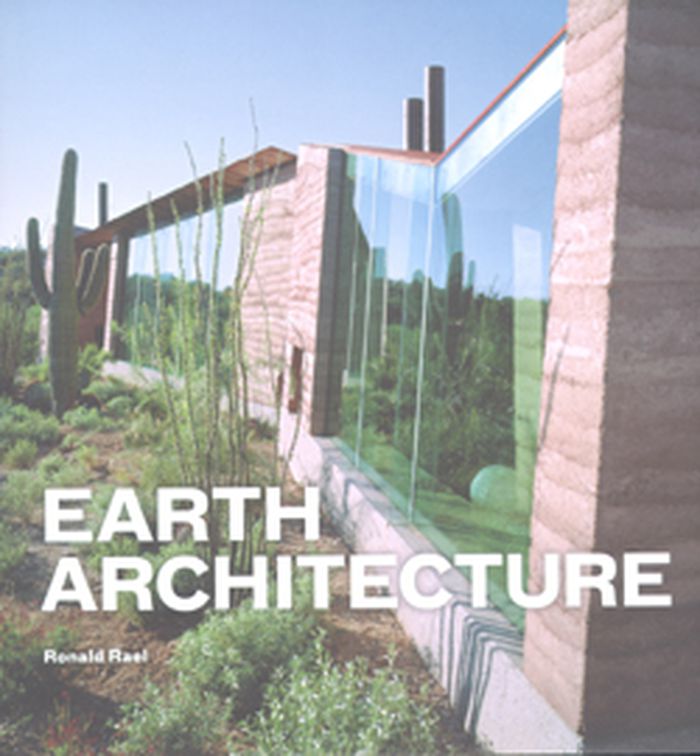
Rael's engaging narrative addresses the misconceptions associated with earth architecture. Many assume that it’s only used for housing in poor rural areas – but there are examples of airports, embassies, hospitals, museums, and factories that are made of earth. It’s also assumed that earth is a fragile, ephemeral material, while in reality some of the oldest extant buildings on the planet are made of earth. Rael also touches on many topics that pervade both architecture and popular media today, such as the ecological benefits and the politics of building with earth, particularly in developing nations where earth buildings are often thought of as pre-modern or backward. With engaging discussion and more than 300 images, Earth Architecture showcases the beauty and simplicity of one of humankind’s most evolved and sophisticated building technologies.
Earth architecture
Actions:
Price:
$58.50
(available to order)
Summary:
Rael's engaging narrative addresses the misconceptions associated with earth architecture. Many assume that it’s only used for housing in poor rural areas – but there are examples of airports, embassies, hospitals, museums, and factories that are made of earth. It’s also assumed that earth is a fragile, ephemeral material, while in reality some of the oldest extant buildings on the planet are made of earth. Rael also touches on many topics that pervade both architecture and popular media today, such as the ecological benefits and the politics of building with earth, particularly in developing nations where earth buildings are often thought of as pre-modern or backward. With engaging discussion and more than 300 images, Earth Architecture showcases the beauty and simplicity of one of humankind’s most evolved and sophisticated building technologies.
Form:
books
books
Publication:
December 2008, New York
December 2008, New York
Subject:
Green Architecture
Green Architecture
Form:
books
books
Title:
The digital condition
The digital condition
Actions:
Price:
$27.95
(available to order)
Summary:
Our daily lives, our culture, and our politics are now shaped by the digital condition, in which greater numbers of people are engaged in negotiating meaning in ever more dimensions of life, from the trivial to the profound. They are making use of a complex communication infrastructure, currently dominated by social mass media such as Twitter and Facebook, on which they(...)
$27.95
(available to order)
Summary:
Our daily lives, our culture, and our politics are now shaped by the digital condition, in which greater numbers of people are engaged in negotiating meaning in ever more dimensions of life, from the trivial to the profound. They are making use of a complex communication infrastructure, currently dominated by social mass media such as Twitter and Facebook, on which they(...)
Title:
The digital condition
Actions:
Price:
$27.95
(available to order)
Summary:
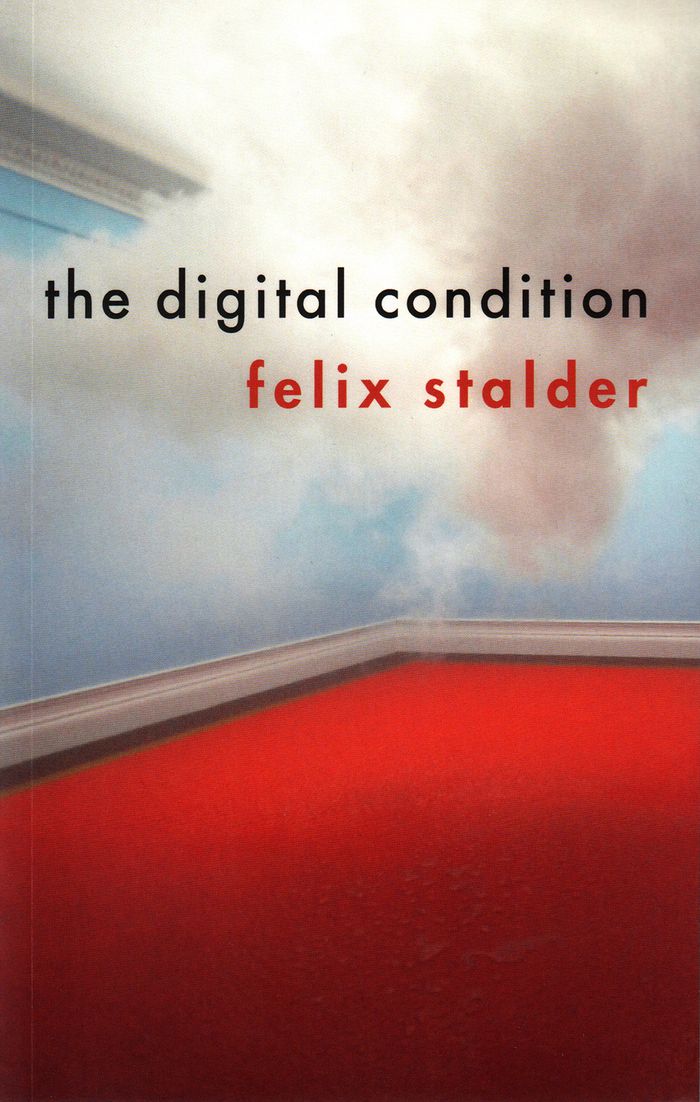
Our daily lives, our culture, and our politics are now shaped by the digital condition, in which greater numbers of people are engaged in negotiating meaning in ever more dimensions of life, from the trivial to the profound. They are making use of a complex communication infrastructure, currently dominated by social mass media such as Twitter and Facebook, on which they have come to depend.Amidst a confusing plurality, Felix Stalder argues that there are three key constituents of this condition: the use of existing cultural materials for one’s own production, the way in which new meaning is established as a collective endeavor, and the underlying role of algorithms and automated decision-making processes that give shape to massive volumes of data. These three characteristics define what Stalder calls “the digital condition.”
The digital condition
Actions:
Price:
$27.95
(available to order)
Summary:
Our daily lives, our culture, and our politics are now shaped by the digital condition, in which greater numbers of people are engaged in negotiating meaning in ever more dimensions of life, from the trivial to the profound. They are making use of a complex communication infrastructure, currently dominated by social mass media such as Twitter and Facebook, on which they have come to depend.Amidst a confusing plurality, Felix Stalder argues that there are three key constituents of this condition: the use of existing cultural materials for one’s own production, the way in which new meaning is established as a collective endeavor, and the underlying role of algorithms and automated decision-making processes that give shape to massive volumes of data. These three characteristics define what Stalder calls “the digital condition.”
Form:
books
books
Publication:
December 2017
December 2017
Subject:
Archive, library and the digital
Archive, library and the digital
Form:
books
books
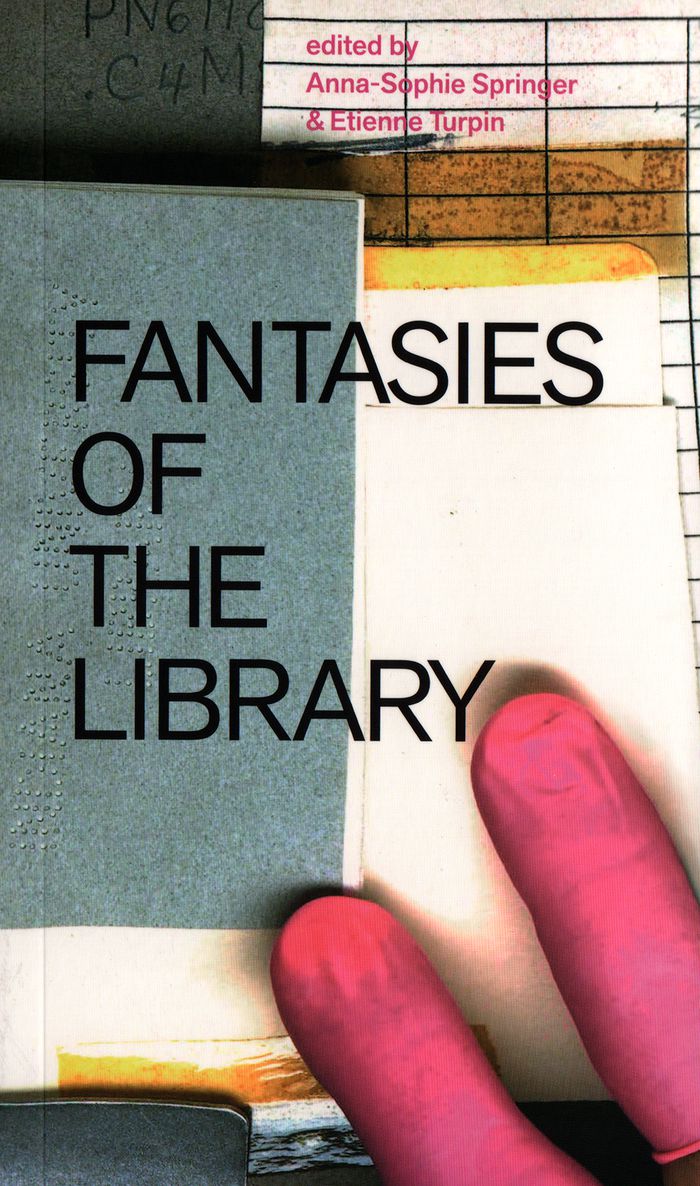
Title:
Fantasies of the library
Fantasies of the library
Actions:
Price:
$24.50
(available to order)
Summary:
''Fantasies of the Library'' imagines, and enacts, the library as both keeper of books and curator of ideas as a platform of the future. The book includes an essay on the institutional ordering principles of book collections; a conversation with the proprietors of the Prelinger Library in San Francisco; reflections on the role of cultural memory and the archive; and a(...)
$24.50
(available to order)
Summary:
''Fantasies of the Library'' imagines, and enacts, the library as both keeper of books and curator of ideas as a platform of the future. The book includes an essay on the institutional ordering principles of book collections; a conversation with the proprietors of the Prelinger Library in San Francisco; reflections on the role of cultural memory and the archive; and a(...)
Subject:
Archive, library and the digital
Archive, library and the digital
Publication:
August 2018
August 2018
Title:
Fantasies of the library
Actions:
Price:
$24.50
(available to order)
Summary:
''Fantasies of the Library'' imagines, and enacts, the library as both keeper of books and curator of ideas as a platform of the future. The book includes an essay on the institutional ordering principles of book collections; a conversation with the proprietors of the Prelinger Library in San Francisco; reflections on the role of cultural memory and the archive; and a dialogue with a new media theorist about experiments at the intersection of curatorial practice and open-source ebooks. The reader emerges from this book-as-exhibition with the growing conviction that the library is not only a curatorial space but a bibliological imaginary, ripe for the exploration of consequential paginated affairs. The physicality of the book- and this book- ''resists the digital,'' argues coeditor Etienne Turpin, ''but not in a nostalgic way.''
Fantasies of the library
Actions:
Price:
$24.50
(available to order)
Summary:
''Fantasies of the Library'' imagines, and enacts, the library as both keeper of books and curator of ideas as a platform of the future. The book includes an essay on the institutional ordering principles of book collections; a conversation with the proprietors of the Prelinger Library in San Francisco; reflections on the role of cultural memory and the archive; and a dialogue with a new media theorist about experiments at the intersection of curatorial practice and open-source ebooks. The reader emerges from this book-as-exhibition with the growing conviction that the library is not only a curatorial space but a bibliological imaginary, ripe for the exploration of consequential paginated affairs. The physicality of the book- and this book- ''resists the digital,'' argues coeditor Etienne Turpin, ''but not in a nostalgic way.''
Form:
books
books
Publication:
August 2018
August 2018
Subject:
Archive, library and the digital
Archive, library and the digital


