


834 Results
Form:
books
books
Actions:
Price:
$33.50
(available to order)
Summary:
"Ghostly ruins" shows the life and death of thirty structures, from transportation depots, factories, and jails to amusement parks, mansions, hotels, and entire towns. Author Harry Skrdla gives a guided tour of these structures at their peak of popularity juxtaposed with their current state. Structures discussed include the infamous Eastern State Penitentiary and(...)
$33.50
(available to order)
Summary:
"Ghostly ruins" shows the life and death of thirty structures, from transportation depots, factories, and jails to amusement parks, mansions, hotels, and entire towns. Author Harry Skrdla gives a guided tour of these structures at their peak of popularity juxtaposed with their current state. Structures discussed include the infamous Eastern State Penitentiary and(...)
Publication:
October 2006, New York
October 2006, New York
Title:
Ghostly ruins : America's forgotten architecture
Actions:
Price:
$33.50
(available to order)
Summary:
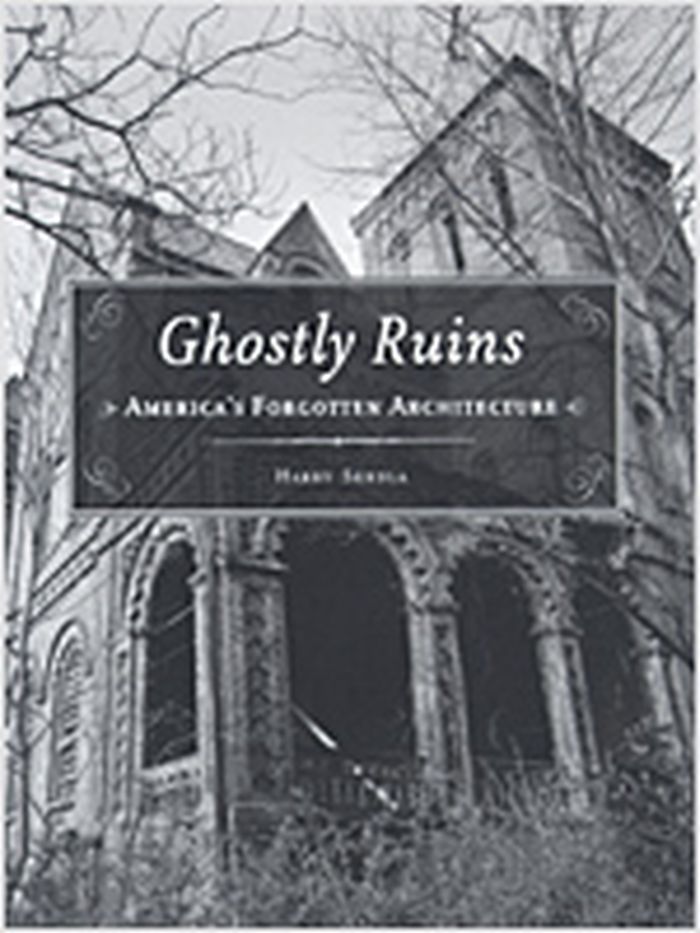
"Ghostly ruins" shows the life and death of thirty structures, from transportation depots, factories, and jails to amusement parks, mansions, hotels, and entire towns. Author Harry Skrdla gives a guided tour of these structures at their peak of popularity juxtaposed with their current state. Structures discussed include the infamous Eastern State Penitentiary and Bethlehem Steel factory in Pennsylvania, the Packard Motors Plant and Book-Cadillac Hotel in Detroit, and Philip Johnson's New York State Pavilion from the 1964/65 World's Fair. There is the entire town of Centralia, Pennsylvania, where a trash fire set inside an old mine in 1962 morphed into an underground inferno that incinerated the town from underneath; more than forty years later, the subterranean fire still rages. The town is empty now, just as the many other abandoned places in this chronicle.
Ghostly ruins : America's forgotten architecture
Actions:
Price:
$33.50
(available to order)
Summary:
"Ghostly ruins" shows the life and death of thirty structures, from transportation depots, factories, and jails to amusement parks, mansions, hotels, and entire towns. Author Harry Skrdla gives a guided tour of these structures at their peak of popularity juxtaposed with their current state. Structures discussed include the infamous Eastern State Penitentiary and Bethlehem Steel factory in Pennsylvania, the Packard Motors Plant and Book-Cadillac Hotel in Detroit, and Philip Johnson's New York State Pavilion from the 1964/65 World's Fair. There is the entire town of Centralia, Pennsylvania, where a trash fire set inside an old mine in 1962 morphed into an underground inferno that incinerated the town from underneath; more than forty years later, the subterranean fire still rages. The town is empty now, just as the many other abandoned places in this chronicle.
Form:
books
books
Publication:
October 2006, New York
October 2006, New York
Form:
books
books
Price:
$36.00
(available to order)
Summary:
Housing speaks directly to the challenges that define our times: social inequality, ecological crisis, displacement, asylum, migration and privatization. Framing the neo-liberal context as a defining condition of contemporary housing, International Case Studies consists of two parts: a series of essays by authors from architecture, anthropology, economy and literature,(...)
$36.00
(available to order)
Summary:
Housing speaks directly to the challenges that define our times: social inequality, ecological crisis, displacement, asylum, migration and privatization. Framing the neo-liberal context as a defining condition of contemporary housing, International Case Studies consists of two parts: a series of essays by authors from architecture, anthropology, economy and literature,(...)
Subject:
Collective Housing
Collective Housing
Publication:
July 2016
July 2016
Title:
Housing after the neoliberal turn: international case studies
Actions:
Price:
$36.00
(available to order)
Summary:
Housing speaks directly to the challenges that define our times: social inequality, ecological crisis, displacement, asylum, migration and privatization. Framing the neo-liberal context as a defining condition of contemporary housing, International Case Studies consists of two parts: a series of essays by authors from architecture, anthropology, economy and literature, and an “atlas” of global housing that takes neo-liberalism as its starting point. The essays shed light on the challenges and conflicts of contemporary housing production from Andrew Herscher’s research on the politics of “blight” in Detroit to Justin McGuirk’s text on domesticity as data and universal housing questions eclipse by the “Internet of Things.” Conceptualized and compiled by architectural critic-historian Anne Kockelkorn and Columbia professor Reinhold Martin, the illustrated “atlas” presents 33 housing examples rarely seen together and invites readers to think of housing as an unstable constellation evolving within the power relations of territorial processes.
Housing after the neoliberal turn: international case studies
Actions:
Price:
$36.00
(available to order)
Summary:
Housing speaks directly to the challenges that define our times: social inequality, ecological crisis, displacement, asylum, migration and privatization. Framing the neo-liberal context as a defining condition of contemporary housing, International Case Studies consists of two parts: a series of essays by authors from architecture, anthropology, economy and literature, and an “atlas” of global housing that takes neo-liberalism as its starting point. The essays shed light on the challenges and conflicts of contemporary housing production from Andrew Herscher’s research on the politics of “blight” in Detroit to Justin McGuirk’s text on domesticity as data and universal housing questions eclipse by the “Internet of Things.” Conceptualized and compiled by architectural critic-historian Anne Kockelkorn and Columbia professor Reinhold Martin, the illustrated “atlas” presents 33 housing examples rarely seen together and invites readers to think of housing as an unstable constellation evolving within the power relations of territorial processes.
Form:
books
books
Publication:
July 2016
July 2016
Subject:
Collective Housing
Collective Housing
Form:
books
books
Actions:
Price:
$6.99
(available to order)
Summary:
"Rubble" presents key episodes in the world of demolition. Stretching over more than five hundred years of razing and toppling, this story looks back to London’s Great Fire of 1666, where self-deputized wreckers artfully blew houses apart with barrels of gunpowder to halt the furious blaze, and spotlights the advent of dynamite - courtesy of demolition’s patron saint,(...)
$6.99
(available to order)
Summary:
"Rubble" presents key episodes in the world of demolition. Stretching over more than five hundred years of razing and toppling, this story looks back to London’s Great Fire of 1666, where self-deputized wreckers artfully blew houses apart with barrels of gunpowder to halt the furious blaze, and spotlights the advent of dynamite - courtesy of demolition’s patron saint,(...)
Title:
Rubble : unearthing the history of demolition
Actions:
Price:
$6.99
(available to order)
Summary:
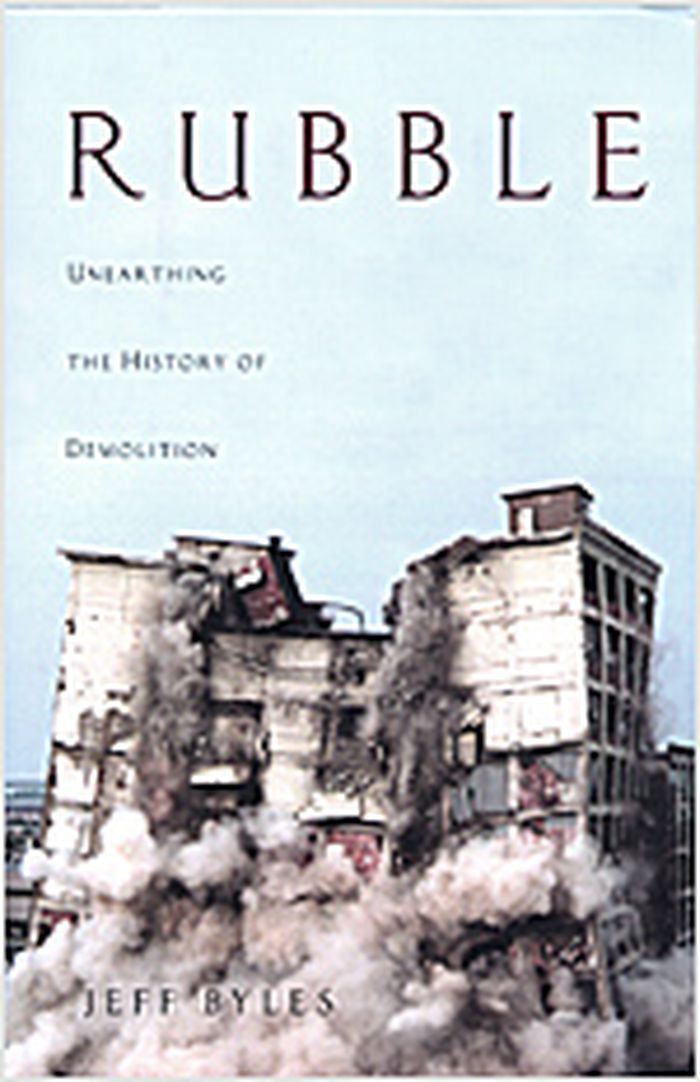
"Rubble" presents key episodes in the world of demolition. Stretching over more than five hundred years of razing and toppling, this story looks back to London’s Great Fire of 1666, where self-deputized wreckers artfully blew houses apart with barrels of gunpowder to halt the furious blaze, and spotlights the advent of dynamite - courtesy of demolition’s patron saint, Alfred Nobel - that would later fuel epochal feats of unbuilding such as the implosion of the infamous Pruitt-Igoe housing complex in St. Louis. Rubble also delves beyond these bravura blasts to survey the world-jarring invention of the wrecking ball; the oddly stirring ruin of New York’s old Pennsylvania Station, that potent symbol of the wrecker run amok; and the ever busy bulldozers in places as diverse as Detroit, Berlin, and the British countryside. "Rubble" is also an exploration of what happens when buildings fall, when monuments topple into memory, and when “destructive creativity” tears down to build again.
Rubble : unearthing the history of demolition
Actions:
Price:
$6.99
(available to order)
Summary:
"Rubble" presents key episodes in the world of demolition. Stretching over more than five hundred years of razing and toppling, this story looks back to London’s Great Fire of 1666, where self-deputized wreckers artfully blew houses apart with barrels of gunpowder to halt the furious blaze, and spotlights the advent of dynamite - courtesy of demolition’s patron saint, Alfred Nobel - that would later fuel epochal feats of unbuilding such as the implosion of the infamous Pruitt-Igoe housing complex in St. Louis. Rubble also delves beyond these bravura blasts to survey the world-jarring invention of the wrecking ball; the oddly stirring ruin of New York’s old Pennsylvania Station, that potent symbol of the wrecker run amok; and the ever busy bulldozers in places as diverse as Detroit, Berlin, and the British countryside. "Rubble" is also an exploration of what happens when buildings fall, when monuments topple into memory, and when “destructive creativity” tears down to build again.
Form:
books
books
Publication:
November 2005, New York
November 2005, New York
Subject:
sale books
sale books
Form:
books
books
Actions:
Price:
$37.95
(available in store)
Summary:
Some utopian plans have shaped our cities, from England's New Towns and Garden Cities to the Haussmann plan for Paris and the L'Enfant plan for Washington, DC. But these grand plans are the exception, and seldom turn out as envisioned by the utopian planner. Inviting city neighbourhoods are more often works of improvisation on a small scale. This type of bottom-up(...)
$37.95
(available in store)
Summary:
Some utopian plans have shaped our cities, from England's New Towns and Garden Cities to the Haussmann plan for Paris and the L'Enfant plan for Washington, DC. But these grand plans are the exception, and seldom turn out as envisioned by the utopian planner. Inviting city neighbourhoods are more often works of improvisation on a small scale. This type of bottom-up(...)
Title:
DIY city: The collective power of small actions
Actions:
Price:
$37.95
(available in store)
Summary:
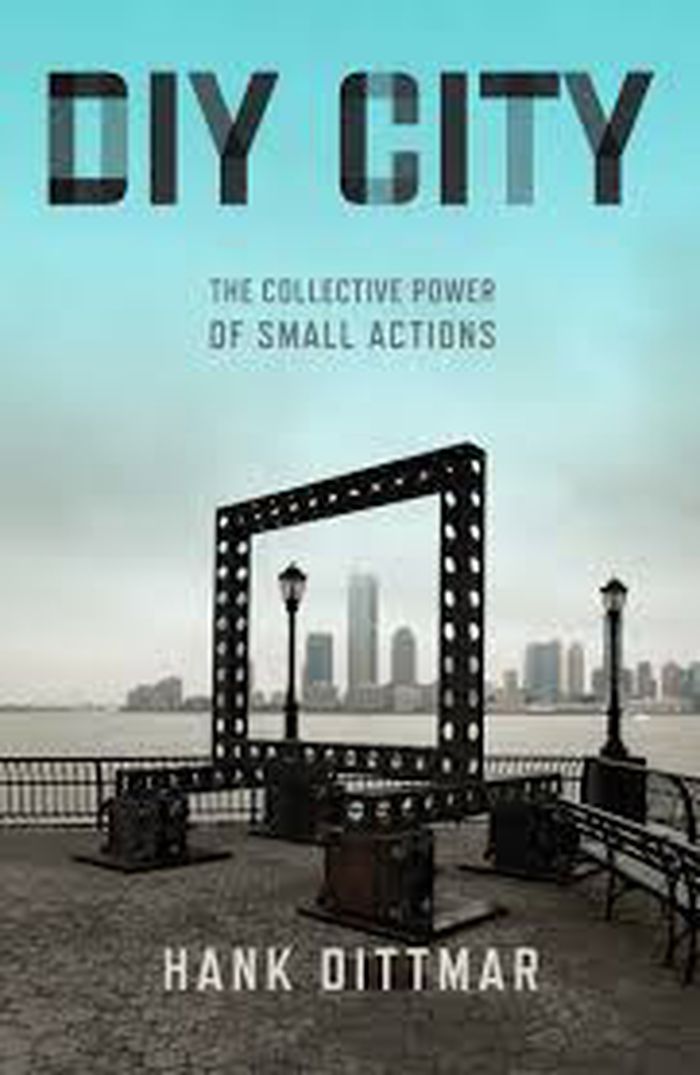
Some utopian plans have shaped our cities, from England's New Towns and Garden Cities to the Haussmann plan for Paris and the L'Enfant plan for Washington, DC. But these grand plans are the exception, and seldom turn out as envisioned by the utopian planner. Inviting city neighbourhoods are more often works of improvisation on a small scale. This type of bottom-up development gives cities both their character and the ability to respond to sudden change. In DIY City, Hank Dittmar explains why individual initiative, small-scale business, and small development matter, using lively stories from his own experience and examples from recent history, such as the revival of Camden Lock in London and the nascent rebirth of Detroit. DIY City, Dittmar's last original work, captures the lessons he learned throughout the course of his varied career, from transit-oriented development to Lean Urbanism, that can be replicated to create cities where people can flourish.
DIY city: The collective power of small actions
Actions:
Price:
$37.95
(available in store)
Summary:
Some utopian plans have shaped our cities, from England's New Towns and Garden Cities to the Haussmann plan for Paris and the L'Enfant plan for Washington, DC. But these grand plans are the exception, and seldom turn out as envisioned by the utopian planner. Inviting city neighbourhoods are more often works of improvisation on a small scale. This type of bottom-up development gives cities both their character and the ability to respond to sudden change. In DIY City, Hank Dittmar explains why individual initiative, small-scale business, and small development matter, using lively stories from his own experience and examples from recent history, such as the revival of Camden Lock in London and the nascent rebirth of Detroit. DIY City, Dittmar's last original work, captures the lessons he learned throughout the course of his varied career, from transit-oriented development to Lean Urbanism, that can be replicated to create cities where people can flourish.
Form:
books
books
Publication:
June 2020
June 2020
Subject:
Urban Theory
Urban Theory
Form:
books
books
Actions:
Price:
$54.95
(available to order)
Summary:
What form of housing will emerge in Dubai, where the majority of the population are non-citizens and average length of stay three days? How will depopulating cities reclaim vacant space, reorganize infrastructure and redefine their economic identity? What type of architecture results from the prevalence of airborne contaminants? What kind of urbanism does Google Earth(...)
$54.95
(available to order)
Summary:
What form of housing will emerge in Dubai, where the majority of the population are non-citizens and average length of stay three days? How will depopulating cities reclaim vacant space, reorganize infrastructure and redefine their economic identity? What type of architecture results from the prevalence of airborne contaminants? What kind of urbanism does Google Earth(...)
Title:
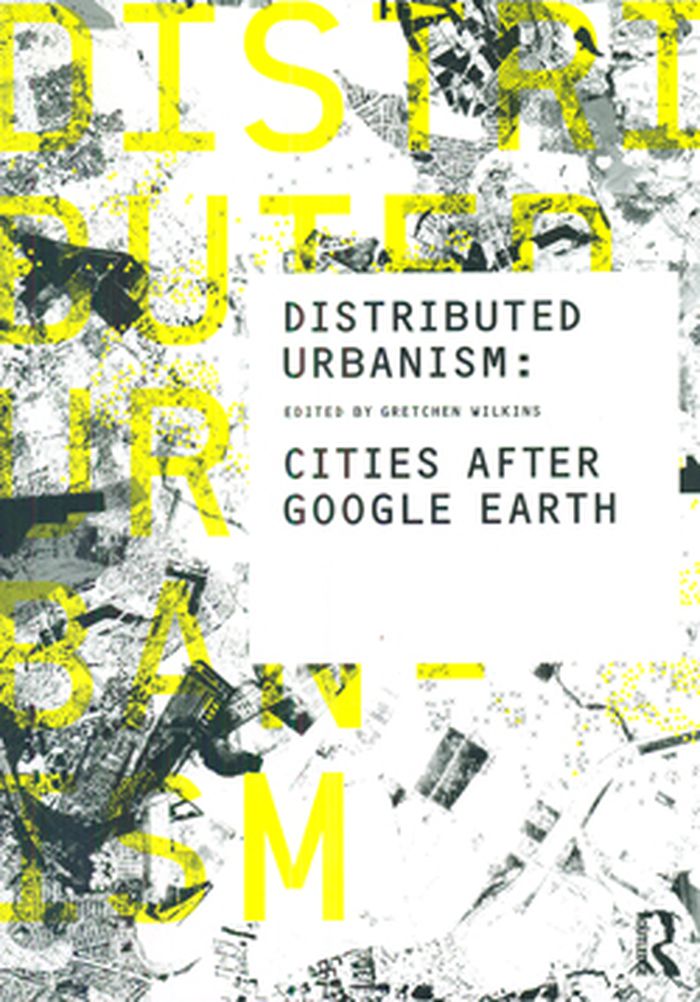
Distributed urbanism : cities after Google Earth
Actions:
Price:
$54.95
(available to order)
Summary:
What form of housing will emerge in Dubai, where the majority of the population are non-citizens and average length of stay three days? How will depopulating cities reclaim vacant space, reorganize infrastructure and redefine their economic identity? What type of architecture results from the prevalence of airborne contaminants? What kind of urbanism does Google Earth produce? Exploring the increasingly decentralized systems through which cities are organized and produced, this publication highlights the architectural practices that are emerging in response. Unlike early models of urbanism, in which centralized models of production, communication and governance were sited within a central business district, contemporary urbanism is shaped by remote, distributed mechanisms such as information technologies, (i.e. SatNav, Google Earth, E-trade, Photosynth or RSS web feeds) cooperative economic models and environmental networks, many of which are physically remote from the cities they shape. Consisting of a collection of case studies on global cities including Rotterdam, Tokyo, Barcelona, Detroit, Hong Kong, Dubai, Beijing and Mumbai, the authors draw on these cities in relation to current events, urban schemes and demographic data.
Distributed urbanism : cities after Google Earth
Actions:
Price:
$54.95
(available to order)
Summary:
What form of housing will emerge in Dubai, where the majority of the population are non-citizens and average length of stay three days? How will depopulating cities reclaim vacant space, reorganize infrastructure and redefine their economic identity? What type of architecture results from the prevalence of airborne contaminants? What kind of urbanism does Google Earth produce? Exploring the increasingly decentralized systems through which cities are organized and produced, this publication highlights the architectural practices that are emerging in response. Unlike early models of urbanism, in which centralized models of production, communication and governance were sited within a central business district, contemporary urbanism is shaped by remote, distributed mechanisms such as information technologies, (i.e. SatNav, Google Earth, E-trade, Photosynth or RSS web feeds) cooperative economic models and environmental networks, many of which are physically remote from the cities they shape. Consisting of a collection of case studies on global cities including Rotterdam, Tokyo, Barcelona, Detroit, Hong Kong, Dubai, Beijing and Mumbai, the authors draw on these cities in relation to current events, urban schemes and demographic data.
Form:
books
books
Publication:
July 2010
July 2010
Subject:
Urban Theory
Urban Theory
Form:
books
books
Price:
$69.50
(available to order)
Summary:
Real estate developers are integral to understanding the split narratives of twentieth-century American urban history. Rather than divide the decline of downtowns and the rise of suburbs into separate tales, Sara Stevens uses the figure of the real estate developer to explore how cities found new urban and architectural forms through both suburbanization and urban(...)
$69.50
(available to order)
Summary:
Real estate developers are integral to understanding the split narratives of twentieth-century American urban history. Rather than divide the decline of downtowns and the rise of suburbs into separate tales, Sara Stevens uses the figure of the real estate developer to explore how cities found new urban and architectural forms through both suburbanization and urban(...)
Title:
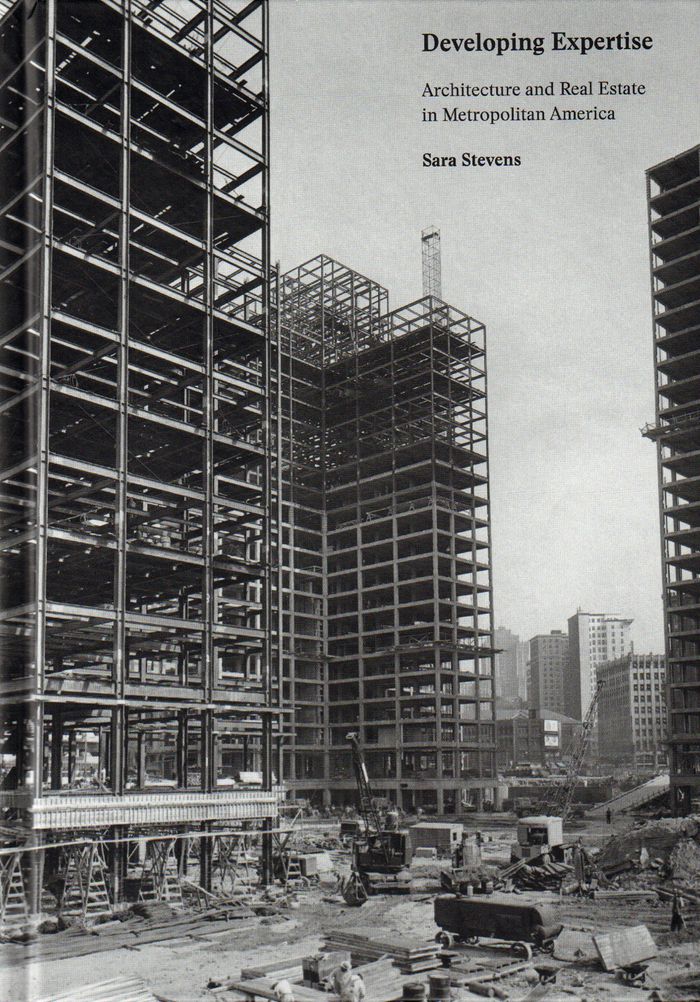
Developing expertise: architecture and real estate in metropolitan america
Actions:
Price:
$69.50
(available to order)
Summary:
Real estate developers are integral to understanding the split narratives of twentieth-century American urban history. Rather than divide the decline of downtowns and the rise of suburbs into separate tales, Sara Stevens uses the figure of the real estate developer to explore how cities found new urban and architectural forms through both suburbanization and urban renewal. Through nuanced discussions of Chicago, Kansas City, Detroit, Pittsburgh, Denver, Washington, D.C., and New York, Stevens explains how real estate developers, though often maligned, have shaped public policy through professional organizations, promoted investment security through design, and brought suburban models to downtowns. In this timely book, she considers how developers partnered with prominent architects, including Ludwig Mies van der Rohe and I. M. Pei, to sell their modern urban visions to the public. By viewing real estate developers as a critical link between capital and construction in prewar suburban development and postwar urban renewal, Stevens offers an original and enlightening look at the complex connections among suburbs and downtowns, policy, finance, and architectural history.
Developing expertise: architecture and real estate in metropolitan america
Actions:
Price:
$69.50
(available to order)
Summary:
Real estate developers are integral to understanding the split narratives of twentieth-century American urban history. Rather than divide the decline of downtowns and the rise of suburbs into separate tales, Sara Stevens uses the figure of the real estate developer to explore how cities found new urban and architectural forms through both suburbanization and urban renewal. Through nuanced discussions of Chicago, Kansas City, Detroit, Pittsburgh, Denver, Washington, D.C., and New York, Stevens explains how real estate developers, though often maligned, have shaped public policy through professional organizations, promoted investment security through design, and brought suburban models to downtowns. In this timely book, she considers how developers partnered with prominent architects, including Ludwig Mies van der Rohe and I. M. Pei, to sell their modern urban visions to the public. By viewing real estate developers as a critical link between capital and construction in prewar suburban development and postwar urban renewal, Stevens offers an original and enlightening look at the complex connections among suburbs and downtowns, policy, finance, and architectural history.
Form:
books
books
Publication:
November 2016
November 2016
Subject:
Architectural Theory
Architectural Theory
Form:
books
books
Actions:
Price:
$33.00
(available to order)
Summary:
Urbanization is a system of power and knowledge, and today’s city functions through the expansive material infrastructures of the urban order. In The Urban Apparatus, Reinhold Martin analyzes urbanization and the contemporary city in aesthetic, socioeconomic, and mediapolitical terms. He argues that understanding the city as infrastructure reveals urbanization to be a way(...)
$33.00
(available to order)
Summary:
Urbanization is a system of power and knowledge, and today’s city functions through the expansive material infrastructures of the urban order. In The Urban Apparatus, Reinhold Martin analyzes urbanization and the contemporary city in aesthetic, socioeconomic, and mediapolitical terms. He argues that understanding the city as infrastructure reveals urbanization to be a way(...)
Title:
The urban apparatus: mediapolitics and the city
Actions:
Price:
$33.00
(available to order)
Summary:
Urbanization is a system of power and knowledge, and today’s city functions through the expansive material infrastructures of the urban order. In The Urban Apparatus, Reinhold Martin analyzes urbanization and the contemporary city in aesthetic, socioeconomic, and mediapolitical terms. He argues that understanding the city as infrastructure reveals urbanization to be a way of imparting functional, aesthetic, and cognitive order to a contradictory, doubly bound neoliberal regime. Blending critical philosophy, political theory, and media theory, The Urban Apparatus explores how the aesthetics of cities and their political economies overlap. In a series of ten essays, with a detailed theoretical introduction, Martin explores questions related to urban life, drawn from a wide range of global topics—from the fiscal crisis in Detroit to speculative development in Mumbai to the landscape of Mars, from discussions of race and the environment to housing and economic inequality. Each essay proposes a particular “mediator” (or a material complex) that is shaped by imaginative practices, each answering the question “What is a city, today?”
The urban apparatus: mediapolitics and the city
Actions:
Price:
$33.00
(available to order)
Summary:
Urbanization is a system of power and knowledge, and today’s city functions through the expansive material infrastructures of the urban order. In The Urban Apparatus, Reinhold Martin analyzes urbanization and the contemporary city in aesthetic, socioeconomic, and mediapolitical terms. He argues that understanding the city as infrastructure reveals urbanization to be a way of imparting functional, aesthetic, and cognitive order to a contradictory, doubly bound neoliberal regime. Blending critical philosophy, political theory, and media theory, The Urban Apparatus explores how the aesthetics of cities and their political economies overlap. In a series of ten essays, with a detailed theoretical introduction, Martin explores questions related to urban life, drawn from a wide range of global topics—from the fiscal crisis in Detroit to speculative development in Mumbai to the landscape of Mars, from discussions of race and the environment to housing and economic inequality. Each essay proposes a particular “mediator” (or a material complex) that is shaped by imaginative practices, each answering the question “What is a city, today?”
Form:
books
books
Publication:
October 2016
October 2016
Subject:
Urban Theory
Urban Theory
Form:
books
books

Title:
Book of ruins
Book of ruins
Actions:
Price:
$80.99
(available to order)
Summary:
''Book of ruins'' offers a survey – not encyclopedic, but substantial – of leading moments when the fact and idea of ruins were taken up by writers, travellers and artists: painters, film makers, landscape architects, and architects. Gathering together short texts and extracts that describe and reflect on ruins, dating from remote antiquity (Scipio shedding tears when(...)
$80.99
(available to order)
Summary:
''Book of ruins'' offers a survey – not encyclopedic, but substantial – of leading moments when the fact and idea of ruins were taken up by writers, travellers and artists: painters, film makers, landscape architects, and architects. Gathering together short texts and extracts that describe and reflect on ruins, dating from remote antiquity (Scipio shedding tears when(...)
Subject:
Architectural Theory
Architectural Theory
Publication:
September 2022
September 2022
Title:
Book of ruins
Actions:
Price:
$80.99
(available to order)
Summary:
''Book of ruins'' offers a survey – not encyclopedic, but substantial – of leading moments when the fact and idea of ruins were taken up by writers, travellers and artists: painters, film makers, landscape architects, and architects. Gathering together short texts and extracts that describe and reflect on ruins, dating from remote antiquity (Scipio shedding tears when viewing the destruction of Carthage) to present times (the ruins of a modern city, portrayed in the film ''Requiem for Detroit''), it provides a perspective upon what the past has meant to different cultures at different times. Following an introductory essay, the book includes 70 entries, chronologically ordered, each including an indicative image (or two), an introductory commentary by the authors, and the text itself. The texts come from designers (from Bernini through Piranesi to David Chipperfield) as well as other artists (John Piper), and from literary figures (Goethe, Wordsworth, Byron and Shelley, Hugo, and Hardy). It concludes by discussing what we do with ruins by way of preservation, conservation, adaptive reuse and appropriation, and contemporary loss and ruin, as illustrated by 9/11 and the Neues Museum and highlighting the continuing relevance of the ruin.
Book of ruins
Actions:
Price:
$80.99
(available to order)
Summary:
''Book of ruins'' offers a survey – not encyclopedic, but substantial – of leading moments when the fact and idea of ruins were taken up by writers, travellers and artists: painters, film makers, landscape architects, and architects. Gathering together short texts and extracts that describe and reflect on ruins, dating from remote antiquity (Scipio shedding tears when viewing the destruction of Carthage) to present times (the ruins of a modern city, portrayed in the film ''Requiem for Detroit''), it provides a perspective upon what the past has meant to different cultures at different times. Following an introductory essay, the book includes 70 entries, chronologically ordered, each including an indicative image (or two), an introductory commentary by the authors, and the text itself. The texts come from designers (from Bernini through Piranesi to David Chipperfield) as well as other artists (John Piper), and from literary figures (Goethe, Wordsworth, Byron and Shelley, Hugo, and Hardy). It concludes by discussing what we do with ruins by way of preservation, conservation, adaptive reuse and appropriation, and contemporary loss and ruin, as illustrated by 9/11 and the Neues Museum and highlighting the continuing relevance of the ruin.
Form:
books
books
Publication:
September 2022
September 2022
Subject:
Architectural Theory
Architectural Theory
Form:
books
books
Title:
Don't build, rebuild
Don't build, rebuild
Actions:
Price:
$43.95
(available to order)
Summary:
As climate change has escalated into a crisis, the reuse of existing structures is the only way to even begin to preserve our wood, sand, silicon, and iron, let alone stop belching carbon monoxide into the air. Our housing crisis means that we need usable buildings now more than ever, but architect and critic Aaron Betsky shows that new construction—often seeking to(...)
$43.95
(available to order)
Summary:
As climate change has escalated into a crisis, the reuse of existing structures is the only way to even begin to preserve our wood, sand, silicon, and iron, let alone stop belching carbon monoxide into the air. Our housing crisis means that we need usable buildings now more than ever, but architect and critic Aaron Betsky shows that new construction—often seeking to(...)
Title:
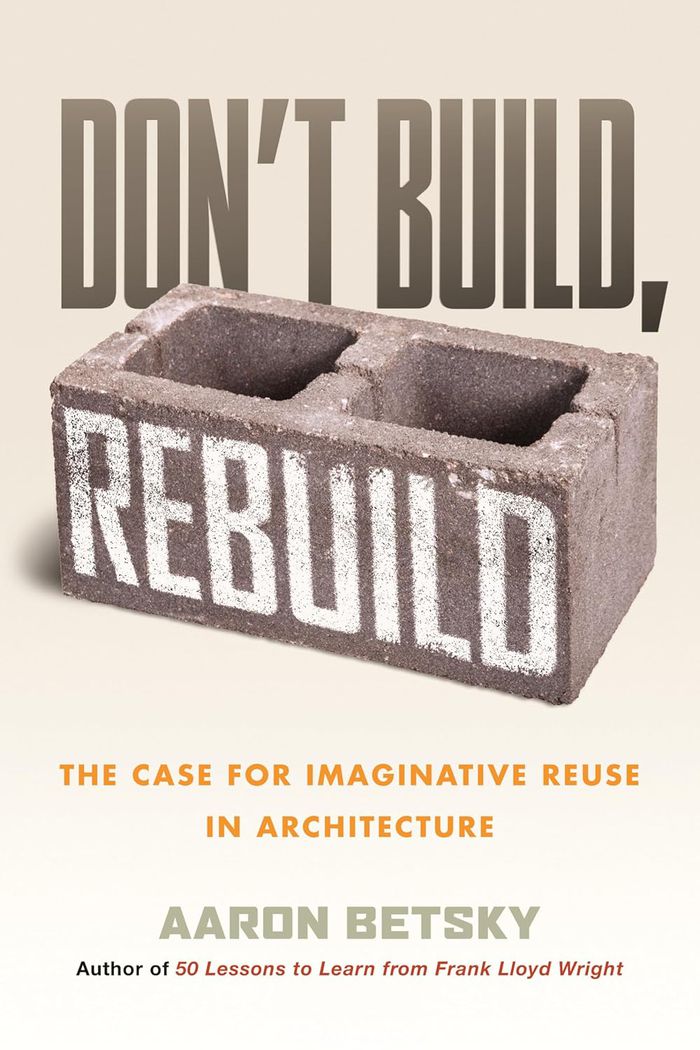
Don't build, rebuild
Actions:
Price:
$43.95
(available to order)
Summary:
As climate change has escalated into a crisis, the reuse of existing structures is the only way to even begin to preserve our wood, sand, silicon, and iron, let alone stop belching carbon monoxide into the air. Our housing crisis means that we need usable buildings now more than ever, but architect and critic Aaron Betsky shows that new construction—often seeking to maximize profits rather than resources, often soulless in its feel—is not the answer. Whenever possible, it is better to repair, recycle, renovate, and reuse—not only from an environmental perspective, but culturally and artistically as well. Architectural reuse is as old as civilization itself. In the streets of Europe, you can find fragments from the Roman Empire. More recently, marginalized communities from New York to Detroit—queer people looking for places to gather or cruise, punks looking to make loud music, artists and displaced people looking for space to work and live—have taken over industrial spaces created then abandoned by capitalism, forging a unique style in the process. Their methods—from urban mining to dumpster diving—now inform architects transforming old structures today.
Don't build, rebuild
Actions:
Price:
$43.95
(available to order)
Summary:
As climate change has escalated into a crisis, the reuse of existing structures is the only way to even begin to preserve our wood, sand, silicon, and iron, let alone stop belching carbon monoxide into the air. Our housing crisis means that we need usable buildings now more than ever, but architect and critic Aaron Betsky shows that new construction—often seeking to maximize profits rather than resources, often soulless in its feel—is not the answer. Whenever possible, it is better to repair, recycle, renovate, and reuse—not only from an environmental perspective, but culturally and artistically as well. Architectural reuse is as old as civilization itself. In the streets of Europe, you can find fragments from the Roman Empire. More recently, marginalized communities from New York to Detroit—queer people looking for places to gather or cruise, punks looking to make loud music, artists and displaced people looking for space to work and live—have taken over industrial spaces created then abandoned by capitalism, forging a unique style in the process. Their methods—from urban mining to dumpster diving—now inform architects transforming old structures today.
Form:
books
books
Publication:
November 2024
November 2024
Subject:
Architectural Theory
Architectural Theory
Form:
books
books

Actions:
Price:
$19.00
(available to order)
Summary:
From a renowned musician and visual artist comes "Bicycle Diaries" - part travelogue, part journal, part photo album - a behind-the-handlebars celebration of seeing the world from the seat of a bike. Byrne is fascinated by cities, especially as visited on a trusty fold-up bicycle, and in these random musings over many years while cycling through such places as Sydney,(...)
$19.00
(available to order)
Summary:
From a renowned musician and visual artist comes "Bicycle Diaries" - part travelogue, part journal, part photo album - a behind-the-handlebars celebration of seeing the world from the seat of a bike. Byrne is fascinated by cities, especially as visited on a trusty fold-up bicycle, and in these random musings over many years while cycling through such places as Sydney,(...)
Title:
David Byrne : bicycle diaries
Actions:
Price:
$19.00
(available to order)
Summary:
From a renowned musician and visual artist comes "Bicycle Diaries" - part travelogue, part journal, part photo album - a behind-the-handlebars celebration of seeing the world from the seat of a bike. Byrne is fascinated by cities, especially as visited on a trusty fold-up bicycle, and in these random musings over many years while cycling through such places as Sydney, Australia; Manila, Philippines; San Francisco; or his home of New York, the former Talking Head, artist and author (True Stories) offers his frank views on urban planning, art and postmodern civilization in general. For each city, he focuses on its germane issues, such as the still troublingly clear-cut class system in London, notions of justice and human migration that spring to mind while visiting the Stasi Museum in Berlin, religious iconography in Istanbul, gentrification in Buenos Aires and Imelda Marcos's legacy in Manila. He notes that the condition of the roads reveals much about a city, like the impossibly civilized, pleasant pathways designed just for bikes in Berlin versus the fractured car-mad system of highways in some American cities, giving way to an eerie post apocalyptic landscape (e.g., Detroit). Candid and self-deprecating, Byrne offers a work that is as engaging as it is cerebral and informative
David Byrne : bicycle diaries
Actions:
Price:
$19.00
(available to order)
Summary:
From a renowned musician and visual artist comes "Bicycle Diaries" - part travelogue, part journal, part photo album - a behind-the-handlebars celebration of seeing the world from the seat of a bike. Byrne is fascinated by cities, especially as visited on a trusty fold-up bicycle, and in these random musings over many years while cycling through such places as Sydney, Australia; Manila, Philippines; San Francisco; or his home of New York, the former Talking Head, artist and author (True Stories) offers his frank views on urban planning, art and postmodern civilization in general. For each city, he focuses on its germane issues, such as the still troublingly clear-cut class system in London, notions of justice and human migration that spring to mind while visiting the Stasi Museum in Berlin, religious iconography in Istanbul, gentrification in Buenos Aires and Imelda Marcos's legacy in Manila. He notes that the condition of the roads reveals much about a city, like the impossibly civilized, pleasant pathways designed just for bikes in Berlin versus the fractured car-mad system of highways in some American cities, giving way to an eerie post apocalyptic landscape (e.g., Detroit). Candid and self-deprecating, Byrne offers a work that is as engaging as it is cerebral and informative
Form:
books
books
Publication:
January 2011
January 2011
Subject:
Urban Theory
Urban Theory


