


876 Results
Form:
books
books

Actions:
Price:
$34.95
(available in store)
Summary:
Vancouver is heralded around the world as a model for sustainable development. In "Planning on the edge," nationally and internationally renowned planning scholars, activists, and Indigenous leaders assess whether that reputation is warranted. While recognizing the many successes of the "Vancouverism" model, the contributors acknowledge that the forces of globalization(...)
$34.95
(available in store)
Summary:
Vancouver is heralded around the world as a model for sustainable development. In "Planning on the edge," nationally and internationally renowned planning scholars, activists, and Indigenous leaders assess whether that reputation is warranted. While recognizing the many successes of the "Vancouverism" model, the contributors acknowledge that the forces of globalization(...)
Title:
Planning on the edge: Vancouver and the challenges of reconciliation, social justice, and sustainability
Actions:
Price:
$34.95
(available in store)
Summary:
Vancouver is heralded around the world as a model for sustainable development. In "Planning on the edge," nationally and internationally renowned planning scholars, activists, and Indigenous leaders assess whether that reputation is warranted. While recognizing the many successes of the "Vancouverism" model, the contributors acknowledge that the forces of globalization and speculative property development have increased social inequality and housing insecurity since the 1980s in the city and the region. To determine the city’s prospects for overcoming these problems, they look at city planning from all angles, including planning for the Indigenous population, environmental and disaster planning, housing and migration, and transportation and water management. By looking at policies at the local, provincial, and federal levels and taking reconciliation with Indigenous peoples into account, "Planning on the edge" highlights the kinds of policies and practices needed to reorient Vancouver’s development trajectory along a more environmentally sound and equitable path.
Planning on the edge: Vancouver and the challenges of reconciliation, social justice, and sustainability
Actions:
Price:
$34.95
(available in store)
Summary:
Vancouver is heralded around the world as a model for sustainable development. In "Planning on the edge," nationally and internationally renowned planning scholars, activists, and Indigenous leaders assess whether that reputation is warranted. While recognizing the many successes of the "Vancouverism" model, the contributors acknowledge that the forces of globalization and speculative property development have increased social inequality and housing insecurity since the 1980s in the city and the region. To determine the city’s prospects for overcoming these problems, they look at city planning from all angles, including planning for the Indigenous population, environmental and disaster planning, housing and migration, and transportation and water management. By looking at policies at the local, provincial, and federal levels and taking reconciliation with Indigenous peoples into account, "Planning on the edge" highlights the kinds of policies and practices needed to reorient Vancouver’s development trajectory along a more environmentally sound and equitable path.
Form:
books
books
Publication:
August 2020
August 2020
Subject:
Humans and cities
Humans and cities
Form:
books
books
Actions:
Price:
$41.00
(available in store)
Summary:
Globally, Black people are among the most affected by the climate crisis, despite contributing very little to it. For a long time, the crisis was portrayed as yet another injustice for Black people to care about, on top of the day-to-day oppression they face. In ''Black Climates'', Selina Nwulu reframes the crisis to encompass our disconnection from each other and the(...)
$41.00
(available in store)
Summary:
Globally, Black people are among the most affected by the climate crisis, despite contributing very little to it. For a long time, the crisis was portrayed as yet another injustice for Black people to care about, on top of the day-to-day oppression they face. In ''Black Climates'', Selina Nwulu reframes the crisis to encompass our disconnection from each other and the(...)
Title:
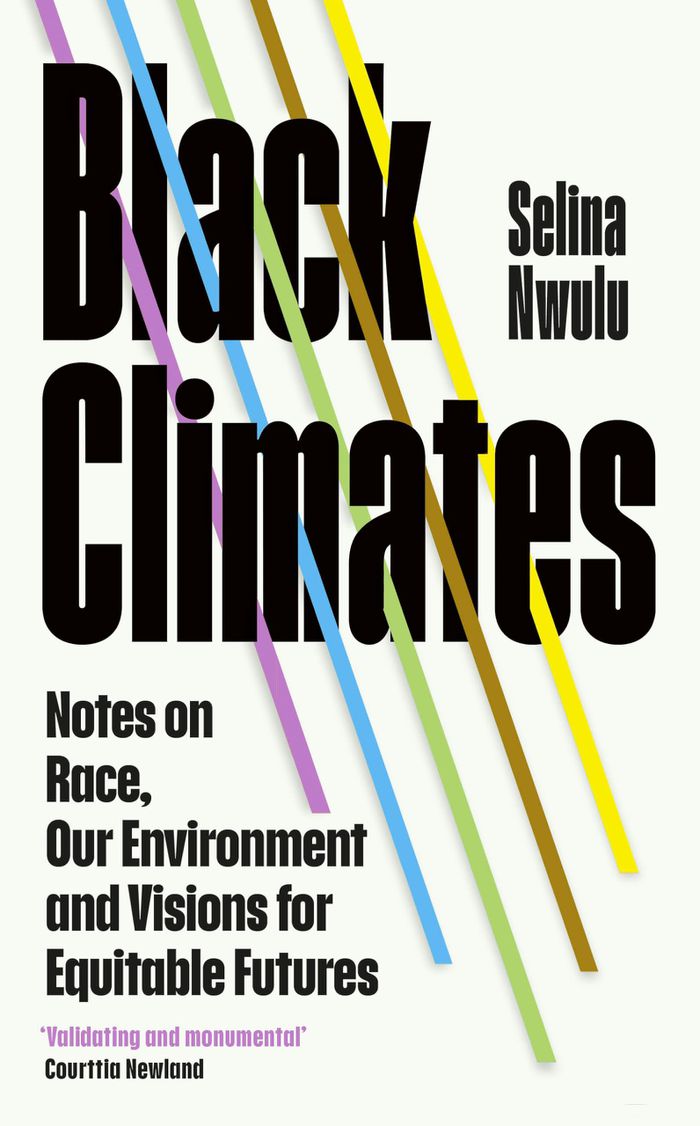
Black climates: Notes on race, our environment, and visions for equitable futures
Actions:
Price:
$41.00
(available in store)
Summary:
Globally, Black people are among the most affected by the climate crisis, despite contributing very little to it. For a long time, the crisis was portrayed as yet another injustice for Black people to care about, on top of the day-to-day oppression they face. In ''Black Climates'', Selina Nwulu reframes the crisis to encompass our disconnection from each other and the world around us. She argues that the root of climate change lies in historical colonial violence and ongoing exploitation, making it inherently racist. Nwulu, former Young People's Laureate for London, uses her poetic and skilful voice to directly address Black British readers who have been previously ignored in mainstream environmental conversations. She includes interviews with a wide range of creatives and campaigners to explore a variety of subjects, including air pollution, prison ecology, disability justice, migration, food, nature, community care, and radical imagination.
Black climates: Notes on race, our environment, and visions for equitable futures
Actions:
Price:
$41.00
(available in store)
Summary:
Globally, Black people are among the most affected by the climate crisis, despite contributing very little to it. For a long time, the crisis was portrayed as yet another injustice for Black people to care about, on top of the day-to-day oppression they face. In ''Black Climates'', Selina Nwulu reframes the crisis to encompass our disconnection from each other and the world around us. She argues that the root of climate change lies in historical colonial violence and ongoing exploitation, making it inherently racist. Nwulu, former Young People's Laureate for London, uses her poetic and skilful voice to directly address Black British readers who have been previously ignored in mainstream environmental conversations. She includes interviews with a wide range of creatives and campaigners to explore a variety of subjects, including air pollution, prison ecology, disability justice, migration, food, nature, community care, and radical imagination.
Form:
books
books
Publication:
January 2026
January 2026
Subject:
Environment and environmental theory
Environment and environmental theory
Form:
books
books
Title:
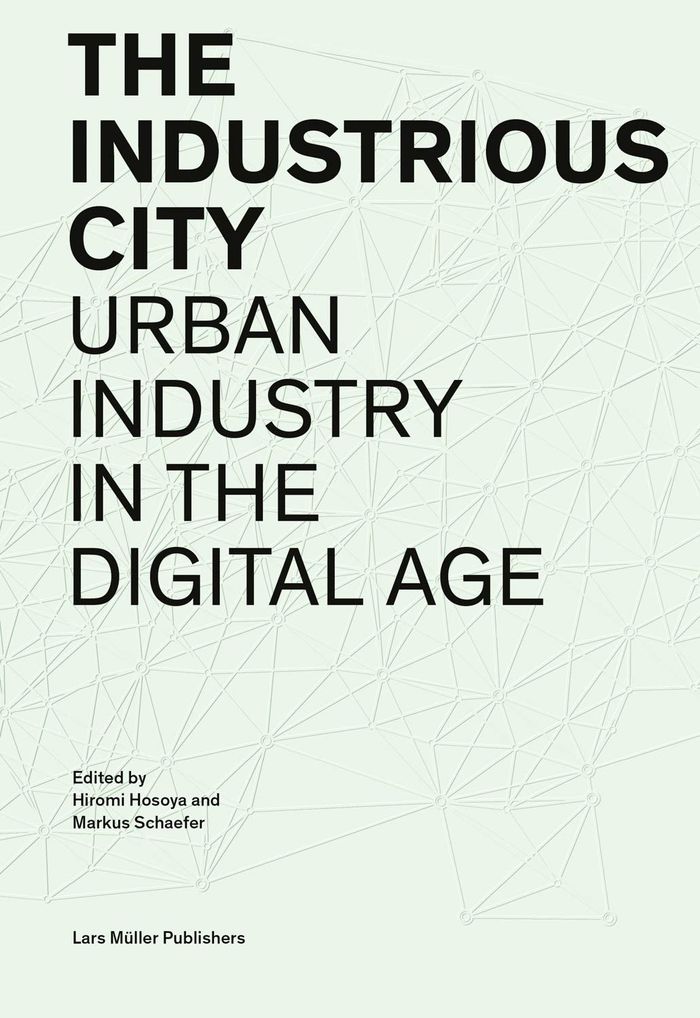
The industrious city
The industrious city
Actions:
Price:
$56.00
(available to order)
Summary:
Cities have always been places where commerce and production, working and living, are physically and functionally integrated. Only with the rise of industry have zoning regulations been introduced to separate these functions. But what role do these regulations play when industry is digitized, increasingly emission-free and shifting away from mass production What will the(...)
$56.00
(available to order)
Summary:
Cities have always been places where commerce and production, working and living, are physically and functionally integrated. Only with the rise of industry have zoning regulations been introduced to separate these functions. But what role do these regulations play when industry is digitized, increasingly emission-free and shifting away from mass production What will the(...)
Title:
The industrious city
Actions:
Price:
$56.00
(available to order)
Summary:
Cities have always been places where commerce and production, working and living, are physically and functionally integrated. Only with the rise of industry have zoning regulations been introduced to separate these functions. But what role do these regulations play when industry is digitized, increasingly emission-free and shifting away from mass production What will the ideal mix of working and living be in the future In a world characterized by digital disruption, migration and demographic shifts, how do we build cities based on social equity and resilience. Based on interdisciplinary urban design research undertaken at Harvard University’s Graduate School of Design, the Zurich-based architecture studio Hosoya Schaefer presents ''The industrious city: urban industry in the digital age''. Investigating how production can be reintroduced into the urban fabric, this book explores how production, services, leisure and living might come together in a future integrated city.
The industrious city
Actions:
Price:
$56.00
(available to order)
Summary:
Cities have always been places where commerce and production, working and living, are physically and functionally integrated. Only with the rise of industry have zoning regulations been introduced to separate these functions. But what role do these regulations play when industry is digitized, increasingly emission-free and shifting away from mass production What will the ideal mix of working and living be in the future In a world characterized by digital disruption, migration and demographic shifts, how do we build cities based on social equity and resilience. Based on interdisciplinary urban design research undertaken at Harvard University’s Graduate School of Design, the Zurich-based architecture studio Hosoya Schaefer presents ''The industrious city: urban industry in the digital age''. Investigating how production can be reintroduced into the urban fabric, this book explores how production, services, leisure and living might come together in a future integrated city.
Form:
books
books
Publication:
April 2021
April 2021
Subject:
Urban Theory
Urban Theory
Form:
books
books
Title:
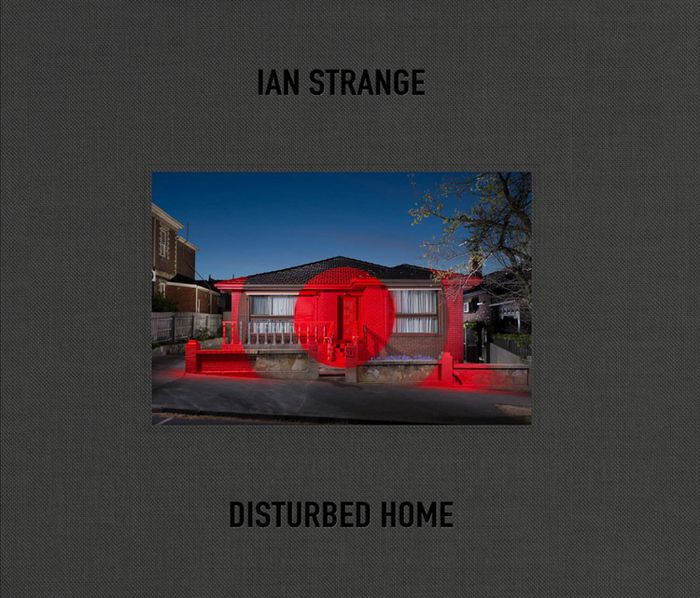
Ian Strange: Disturbed home
Ian Strange: Disturbed home
Actions:
Price:
$88.00
(available to order)
Summary:
This is the first comprehensive survey of Ian Strange’s (born 1982) architectural interventions, including photographic and filmic interpretations of those works. Highlighting projects from the past 12 years and spanning geographies from Strange’s native Australia to New Zealand, Japan, Poland and the US, Strange’s provocative transformations of damaged or abandoned homes(...)
$88.00
(available to order)
Summary:
This is the first comprehensive survey of Ian Strange’s (born 1982) architectural interventions, including photographic and filmic interpretations of those works. Highlighting projects from the past 12 years and spanning geographies from Strange’s native Australia to New Zealand, Japan, Poland and the US, Strange’s provocative transformations of damaged or abandoned homes(...)
Title:
Ian Strange: Disturbed home
Actions:
Price:
$88.00
(available to order)
Summary:
This is the first comprehensive survey of Ian Strange’s (born 1982) architectural interventions, including photographic and filmic interpretations of those works. Highlighting projects from the past 12 years and spanning geographies from Strange’s native Australia to New Zealand, Japan, Poland and the US, Strange’s provocative transformations of damaged or abandoned homes unlock themes of social upheaval and geographic displacement caused by economic blight, environmental disaster and migration. Published on the occasion of exhibitions at the 2020 Perth Festival and the 2022 FotoFocus Biennial, ''Disturbed home'' features lucid commentary and original documentation of numerous distinct projects. Also included are scholarly essays by FotoFocus artistic director and curator Kevin Moore and Britt Salvesen, curator and head of the Wallis Annenberg Photography Department and the Prints and Drawings Department at the Los Angeles County Museum of Art. Essays address Strange’s practice within traditions of street art, photography, film, public sculpture and dance.
Ian Strange: Disturbed home
Actions:
Price:
$88.00
(available to order)
Summary:
This is the first comprehensive survey of Ian Strange’s (born 1982) architectural interventions, including photographic and filmic interpretations of those works. Highlighting projects from the past 12 years and spanning geographies from Strange’s native Australia to New Zealand, Japan, Poland and the US, Strange’s provocative transformations of damaged or abandoned homes unlock themes of social upheaval and geographic displacement caused by economic blight, environmental disaster and migration. Published on the occasion of exhibitions at the 2020 Perth Festival and the 2022 FotoFocus Biennial, ''Disturbed home'' features lucid commentary and original documentation of numerous distinct projects. Also included are scholarly essays by FotoFocus artistic director and curator Kevin Moore and Britt Salvesen, curator and head of the Wallis Annenberg Photography Department and the Prints and Drawings Department at the Los Angeles County Museum of Art. Essays address Strange’s practice within traditions of street art, photography, film, public sculpture and dance.
Form:
books
books
Publication:
June 2022
June 2022
Subject:
Contemporary Art Monographs
Contemporary Art Monographs
Form:
books
books
Actions:
Price:
$126.95
(available to order)
Summary:
In winter 2006, under the stewardship of philosopher Wolfgang Scheppe, a collective of students from the IUAV University in Venice fanned out to subject their city to a forensic structural mapping. Out of this fieldwork, conducted in the Situationist psychogeography tradition, there developed a three-year urban project that produced an enormous archive comprising tens of(...)
$126.95
(available to order)
Summary:
In winter 2006, under the stewardship of philosopher Wolfgang Scheppe, a collective of students from the IUAV University in Venice fanned out to subject their city to a forensic structural mapping. Out of this fieldwork, conducted in the Situationist psychogeography tradition, there developed a three-year urban project that produced an enormous archive comprising tens of(...)
Title:
Migropolis: Venice, atlas of a global situation
Actions:
Price:
$126.95
(available to order)
Summary:
In winter 2006, under the stewardship of philosopher Wolfgang Scheppe, a collective of students from the IUAV University in Venice fanned out to subject their city to a forensic structural mapping. Out of this fieldwork, conducted in the Situationist psychogeography tradition, there developed a three-year urban project that produced an enormous archive comprising tens of thousands of photographs, case studies, movement profiles and statistic data. From this archive, Venice, sited as it is at the junction of three migration corridors, emerges as a classic instance of the increasingly globalized city in which a decimated inner-city population meets armies of tourists and a parallel economy supported by illegal immigrants. In a map that cleverly branches out into visual essays, written essays, data maps and interviews, the globalized territory of Venice is microscopically dissected and defined as an urban metaphor, the city becoming an “atlas of a global situation.”
Migropolis: Venice, atlas of a global situation
Actions:
Price:
$126.95
(available to order)
Summary:
In winter 2006, under the stewardship of philosopher Wolfgang Scheppe, a collective of students from the IUAV University in Venice fanned out to subject their city to a forensic structural mapping. Out of this fieldwork, conducted in the Situationist psychogeography tradition, there developed a three-year urban project that produced an enormous archive comprising tens of thousands of photographs, case studies, movement profiles and statistic data. From this archive, Venice, sited as it is at the junction of three migration corridors, emerges as a classic instance of the increasingly globalized city in which a decimated inner-city population meets armies of tourists and a parallel economy supported by illegal immigrants. In a map that cleverly branches out into visual essays, written essays, data maps and interviews, the globalized territory of Venice is microscopically dissected and defined as an urban metaphor, the city becoming an “atlas of a global situation.”
Form:
books
books
Publication:
October 2009
October 2009
Subject:
Architectural Plans and Cartography
Architectural Plans and Cartography
Form:
books
books
Title:
Forgetting the art world
Forgetting the art world
Actions:
Price:
$32.95
(available to order)
Summary:
Today, the art world spins on its axis so quickly that its maps can no longer be read; its borders blur. In Forgetting the Art World, Pamela Lee connects the current state of this world to globalization and its attendant controversies. Contemporary art has responded to globalization with images of movement and migration, borders and multitudes, but Lee looks beyond(...)
$32.95
(available to order)
Summary:
Today, the art world spins on its axis so quickly that its maps can no longer be read; its borders blur. In Forgetting the Art World, Pamela Lee connects the current state of this world to globalization and its attendant controversies. Contemporary art has responded to globalization with images of movement and migration, borders and multitudes, but Lee looks beyond(...)
Title:
Forgetting the art world
Actions:
Price:
$32.95
(available to order)
Summary:
Today, the art world spins on its axis so quickly that its maps can no longer be read; its borders blur. In Forgetting the Art World, Pamela Lee connects the current state of this world to globalization and its attendant controversies. Contemporary art has responded to globalization with images of movement and migration, borders and multitudes, but Lee looks beyond iconography to view globalization as a world process. Rather than think about the "global art world" as a socioeconomic phenomenon, or in terms of the imagery it stages and sponsors, Lee considers "the work of art's world" as a medium through which globalization takes place. She argues that the work of art is itself both object and agent of globalization. Lee explores the ways that art actualizes, iterates, or enables the processes of globalization, offering close readings of works by artists who have come to prominence in the last two decades.
Forgetting the art world
Actions:
Price:
$32.95
(available to order)
Summary:
Today, the art world spins on its axis so quickly that its maps can no longer be read; its borders blur. In Forgetting the Art World, Pamela Lee connects the current state of this world to globalization and its attendant controversies. Contemporary art has responded to globalization with images of movement and migration, borders and multitudes, but Lee looks beyond iconography to view globalization as a world process. Rather than think about the "global art world" as a socioeconomic phenomenon, or in terms of the imagery it stages and sponsors, Lee considers "the work of art's world" as a medium through which globalization takes place. She argues that the work of art is itself both object and agent of globalization. Lee explores the ways that art actualizes, iterates, or enables the processes of globalization, offering close readings of works by artists who have come to prominence in the last two decades.
Form:
books
books
Publication:
September 2012
September 2012
Subject:
Art Theory
Art Theory
Form:
audio
audio
Description:
1 online resource.
Author:
Subject:
Publication:
[Place of publication not identified] : Lateral Addition, 2018.
[Place of publication not identified] : Lateral Addition, 2018.
Title:
June 21, 2018 : Listening for Southwest Key in San Diego.
Actions:
Description:
1 online resource.
June 21, 2018 : Listening for Southwest Key in San Diego.
Actions:
Description:
1 online resource.
Form:
audio
audio
Publication:
[Place of publication not identified] : Lateral Addition, 2018.
[Place of publication not identified] : Lateral Addition, 2018.
Author:
Subject:
Form:
books
books
Title:
British mosques
British mosques
Actions:
Price:
$45.00
(available in store)
Summary:
This book, a collaboration between the Victoria and Albert Museum and the University of Westminster, captures the British mosque at a pivotal moment in its history. There are 1,800 mosques in the UK today – mostly converted from terraced houses, libraries, cinemas and supermarkets. Now, these improvised spaces are beginning to disappear, as Muslim communities replace them(...)
$45.00
(available in store)
Summary:
This book, a collaboration between the Victoria and Albert Museum and the University of Westminster, captures the British mosque at a pivotal moment in its history. There are 1,800 mosques in the UK today – mostly converted from terraced houses, libraries, cinemas and supermarkets. Now, these improvised spaces are beginning to disappear, as Muslim communities replace them(...)
Subject:
Commercial interiors, Building types
Commercial interiors, Building types
Publication:
May 2021
May 2021
Title:
British mosques
Actions:
Price:
$45.00
(available in store)
Summary:
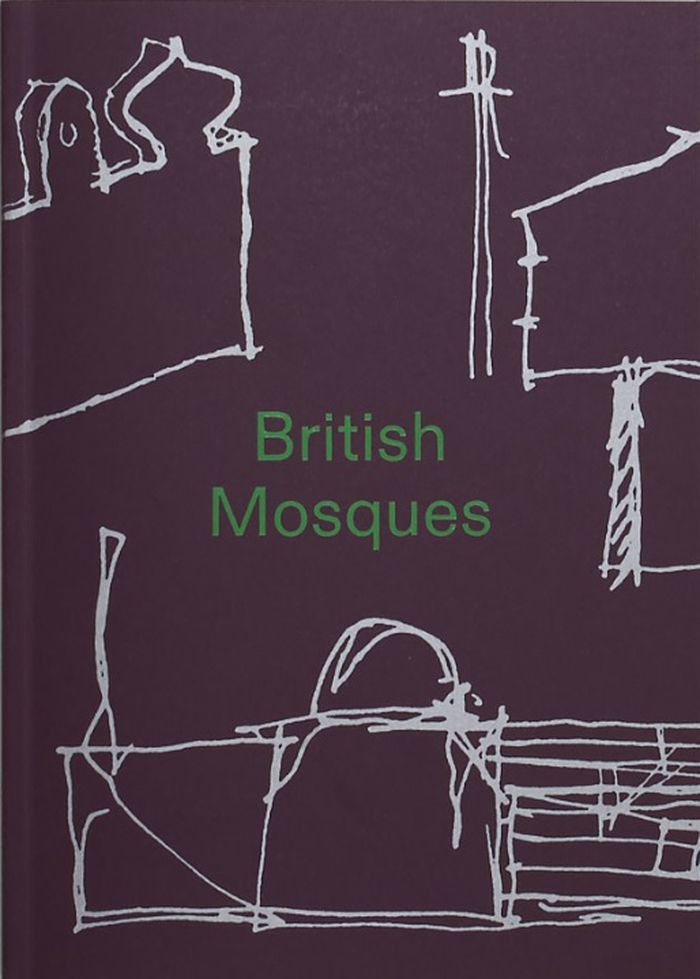
This book, a collaboration between the Victoria and Albert Museum and the University of Westminster, captures the British mosque at a pivotal moment in its history. There are 1,800 mosques in the UK today – mostly converted from terraced houses, libraries, cinemas and supermarkets. Now, these improvised spaces are beginning to disappear, as Muslim communities replace them with purpose-built structures. This timely exploration of the British mosque reveals how ad-hoc adaptations have evolved into a uniquely British-Islamic architecture, tracing its development through waves of twentieth-century migration, and further back to the Orientalist visions of Victorian collectors. Born out of two projects at the Venice Architecture Biennale and the V, ''British mosques'' brings together perspectives from curators, architects and artists. Using approaches ranging from archival study to site-specific installations and 3D scanning, together they tell the story of a hybrid architecture that has quietly found its place in Britain’s urban landscape.
British mosques
Actions:
Price:
$45.00
(available in store)
Summary:
This book, a collaboration between the Victoria and Albert Museum and the University of Westminster, captures the British mosque at a pivotal moment in its history. There are 1,800 mosques in the UK today – mostly converted from terraced houses, libraries, cinemas and supermarkets. Now, these improvised spaces are beginning to disappear, as Muslim communities replace them with purpose-built structures. This timely exploration of the British mosque reveals how ad-hoc adaptations have evolved into a uniquely British-Islamic architecture, tracing its development through waves of twentieth-century migration, and further back to the Orientalist visions of Victorian collectors. Born out of two projects at the Venice Architecture Biennale and the V, ''British mosques'' brings together perspectives from curators, architects and artists. Using approaches ranging from archival study to site-specific installations and 3D scanning, together they tell the story of a hybrid architecture that has quietly found its place in Britain’s urban landscape.
Form:
books
books
Publication:
May 2021
May 2021
Subject:
Commercial interiors, Building types
Commercial interiors, Building types
Form:
books
books
Actions:
Price:
$58.95
(available to order)
Summary:
A walk along any London street takes you past a wealth of seemingly ordinary buildings: an Edwardian church, modernist postwar council housing, stuccoed Italianate terraces, a Bauhaus-inspired library. But these buildings are not just functional. They are evidence of London’s rich and diverse history and have shaped people’s experiences, identities, and relationships. In(...)
$58.95
(available to order)
Summary:
A walk along any London street takes you past a wealth of seemingly ordinary buildings: an Edwardian church, modernist postwar council housing, stuccoed Italianate terraces, a Bauhaus-inspired library. But these buildings are not just functional. They are evidence of London’s rich and diverse history and have shaped people’s experiences, identities, and relationships. In(...)
Title:
London: A history of 300 years in 25 buildings
Actions:
Price:
$58.95
(available to order)
Summary:
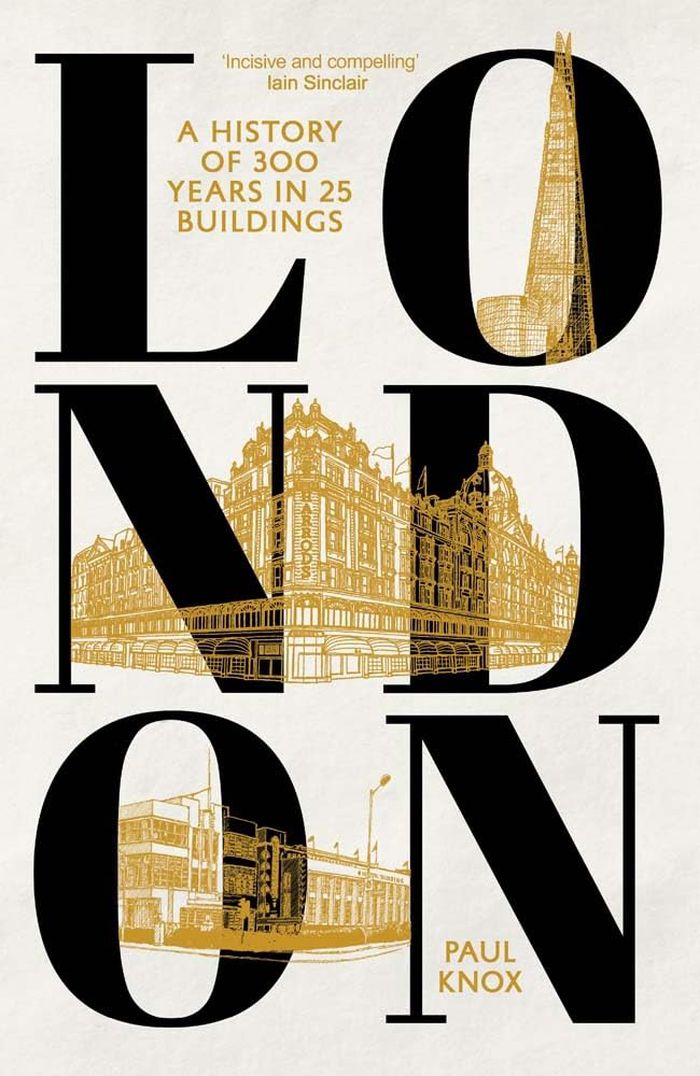
A walk along any London street takes you past a wealth of seemingly ordinary buildings: an Edwardian church, modernist postwar council housing, stuccoed Italianate terraces, a Bauhaus-inspired library. But these buildings are not just functional. They are evidence of London’s rich and diverse history and have shaped people’s experiences, identities, and relationships. In this engaging study, Paul L. Knox traces the history of London from the Georgian era to the present day through twenty-five surviving buildings. Knox explores where people lived and worked, from grand Regency squares to Victorian workshops, and highlights the impact of migration, gentrification, and inequality. We see famous buildings, like Harrods and Abbey Road Studios, and everyday places like Rochelle Street School and Thamesmead. Each historical period has introduced new buildings, and old ones have been repurposed. As Knox shows, it is the living history of these buildings that makes up the vibrant, but exceptionally unequal, city of today.
London: A history of 300 years in 25 buildings
Actions:
Price:
$58.95
(available to order)
Summary:
A walk along any London street takes you past a wealth of seemingly ordinary buildings: an Edwardian church, modernist postwar council housing, stuccoed Italianate terraces, a Bauhaus-inspired library. But these buildings are not just functional. They are evidence of London’s rich and diverse history and have shaped people’s experiences, identities, and relationships. In this engaging study, Paul L. Knox traces the history of London from the Georgian era to the present day through twenty-five surviving buildings. Knox explores where people lived and worked, from grand Regency squares to Victorian workshops, and highlights the impact of migration, gentrification, and inequality. We see famous buildings, like Harrods and Abbey Road Studios, and everyday places like Rochelle Street School and Thamesmead. Each historical period has introduced new buildings, and old ones have been repurposed. As Knox shows, it is the living history of these buildings that makes up the vibrant, but exceptionally unequal, city of today.
Form:
books
books
Publication:
May 2024
May 2024
Form:
books
books
Actions:
Price:
$25.95
(available to order)
Summary:
In "Black elegies", Kimberly Juanita Brown examines the form of the elegy and its unique capacity to convey the elongated grief borne of sustained racial violence. Structured around the sensorial, the book moves through sight, sound, and touch to reveal what Okwui Enwezor calls the "national emergency of black grief." With her characteristic literary skill, Brown analyzes(...)
$25.95
(available to order)
Summary:
In "Black elegies", Kimberly Juanita Brown examines the form of the elegy and its unique capacity to convey the elongated grief borne of sustained racial violence. Structured around the sensorial, the book moves through sight, sound, and touch to reveal what Okwui Enwezor calls the "national emergency of black grief." With her characteristic literary skill, Brown analyzes(...)
Title:
Black elegies: meditations on the art of mourning
Actions:
Price:
$25.95
(available to order)
Summary:
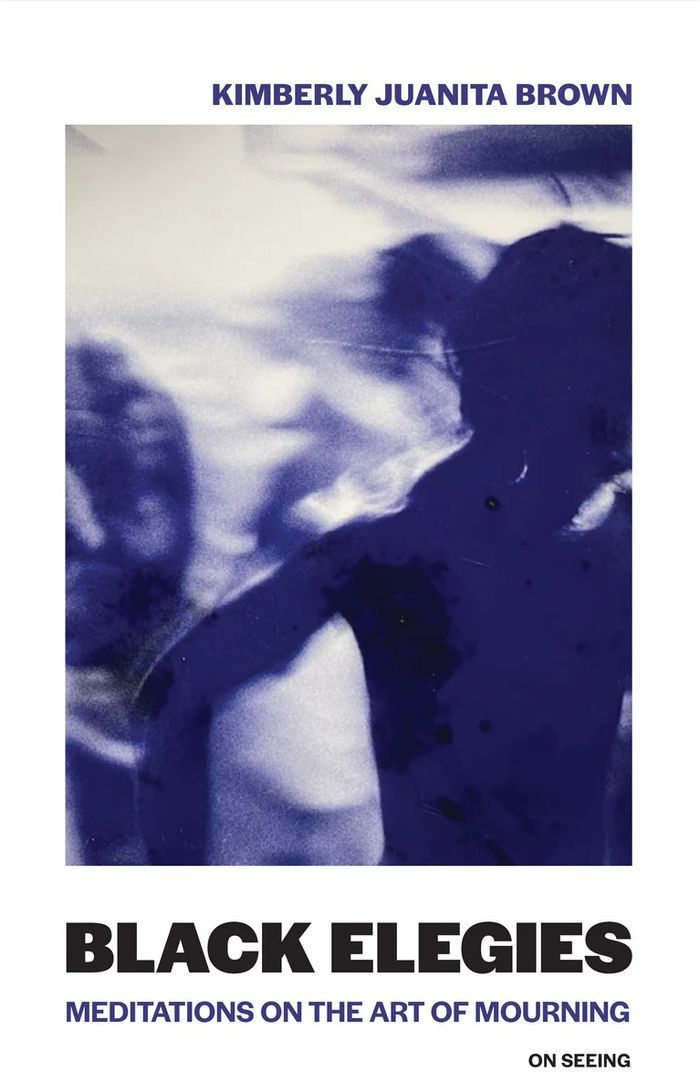
In "Black elegies", Kimberly Juanita Brown examines the form of the elegy and its unique capacity to convey the elongated grief borne of sustained racial violence. Structured around the sensorial, the book moves through sight, sound, and touch to reveal what Okwui Enwezor calls the "national emergency of black grief." With her characteristic literary skill, Brown analyzes the work of major figures including Toni Morrison, Carrie Mae Weems, Audre Lorde, and Marvin Gaye, among others. Brown contemplates recognizable sites of mourning: forced migration and enslavement, bodily violations, imprisonment and death. And she examines sites that do not register immediately as archives of grief: the landscape of southern U.S. slave plantations, a spontaneous street party, a quilt constructed out of the clothing worn by a loved one, a dance performance to hold the memory of history, and an aeolian harp installed at an institute of European art, among others. In this, the book offers a framework of mourning while black, within the parameters of contemporary artistic production.
Black elegies: meditations on the art of mourning
Actions:
Price:
$25.95
(available to order)
Summary:
In "Black elegies", Kimberly Juanita Brown examines the form of the elegy and its unique capacity to convey the elongated grief borne of sustained racial violence. Structured around the sensorial, the book moves through sight, sound, and touch to reveal what Okwui Enwezor calls the "national emergency of black grief." With her characteristic literary skill, Brown analyzes the work of major figures including Toni Morrison, Carrie Mae Weems, Audre Lorde, and Marvin Gaye, among others. Brown contemplates recognizable sites of mourning: forced migration and enslavement, bodily violations, imprisonment and death. And she examines sites that do not register immediately as archives of grief: the landscape of southern U.S. slave plantations, a spontaneous street party, a quilt constructed out of the clothing worn by a loved one, a dance performance to hold the memory of history, and an aeolian harp installed at an institute of European art, among others. In this, the book offers a framework of mourning while black, within the parameters of contemporary artistic production.
Form:
books
books
Publication:
February 2025
February 2025
Subject:
Critical Theory
Critical Theory


