


8415 Results
Form:
books
books
Actions:
Price:
$27.95
(available to order)
Summary:
With the invention of telecommunications technologies in the late nineteenth century, the radio-electric spectrum became a tool for rethinking the world in which we live. The emission of radio waves did away with physical distances, crossing borders and cultures and acting as a powerful catalyst for trade. Moreover, the radio spectrum is the invisible infrastructure on(...)
$27.95
(available to order)
Summary:
With the invention of telecommunications technologies in the late nineteenth century, the radio-electric spectrum became a tool for rethinking the world in which we live. The emission of radio waves did away with physical distances, crossing borders and cultures and acting as a powerful catalyst for trade. Moreover, the radio spectrum is the invisible infrastructure on(...)
Title:
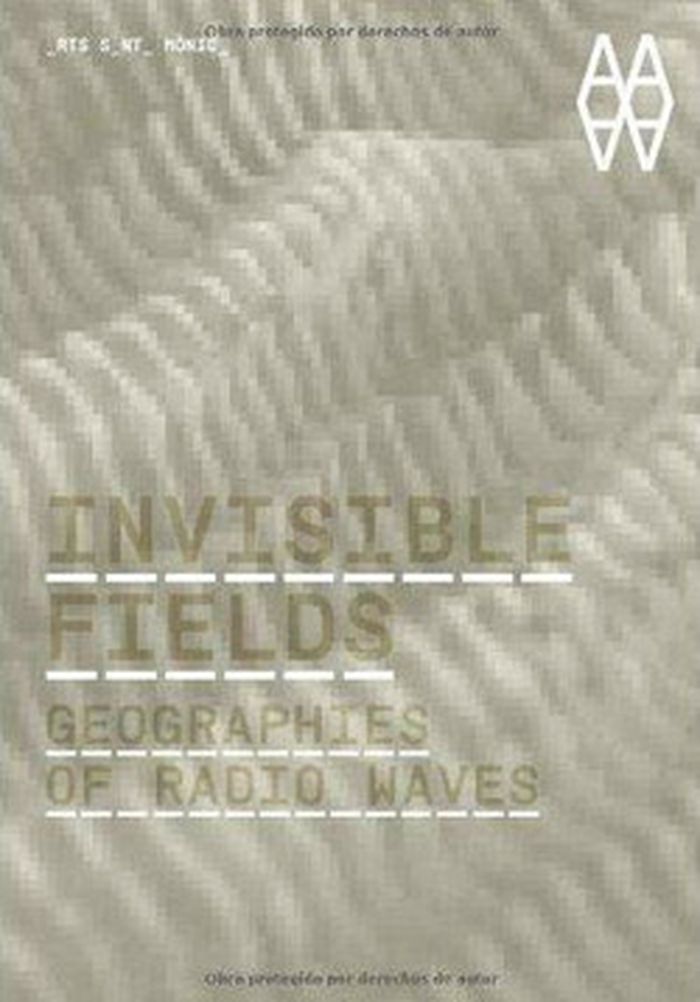
Invisible fields: geographies of radio waves
Actions:
Price:
$27.95
(available to order)
Summary:
With the invention of telecommunications technologies in the late nineteenth century, the radio-electric spectrum became a tool for rethinking the world in which we live. The emission of radio waves did away with physical distances, crossing borders and cultures and acting as a powerful catalyst for trade. Moreover, the radio spectrum is the invisible infrastructure on which our information and communication technologies have been built. The history of its scientific discovery and how it was gradually colonized by the media, the military complex, and activists and hackers is one of the most fascinating stories of the twentieth century. The future uses of the radio-electric spectrum in the twenty-first century and its new potential are being decided now, with the end of analogue TV broadcasting worldwide marking the most important transformation of uses in the radio-electric space in decades. This catalog sets out to examine these issues and shed a little light on intriguing stories about radio-electric spectrum.
Invisible fields: geographies of radio waves
Actions:
Price:
$27.95
(available to order)
Summary:
With the invention of telecommunications technologies in the late nineteenth century, the radio-electric spectrum became a tool for rethinking the world in which we live. The emission of radio waves did away with physical distances, crossing borders and cultures and acting as a powerful catalyst for trade. Moreover, the radio spectrum is the invisible infrastructure on which our information and communication technologies have been built. The history of its scientific discovery and how it was gradually colonized by the media, the military complex, and activists and hackers is one of the most fascinating stories of the twentieth century. The future uses of the radio-electric spectrum in the twenty-first century and its new potential are being decided now, with the end of analogue TV broadcasting worldwide marking the most important transformation of uses in the radio-electric space in decades. This catalog sets out to examine these issues and shed a little light on intriguing stories about radio-electric spectrum.
Form:
books
books
Publication:
May 2012
May 2012
Subject:
Epistemology
Epistemology
Form:
books
books
Actions:
Price:
$31.95
(available to order)
Summary:
Since the middle of the eighteenth century, political thinkers of all kinds--radical and reactionary, professional and amateur--have been complaining about “bureaucracy.” But what, exactly, are they complaining about? In The Demon of Writing, Ben Kafka offers a critical history and theory of one of the most ubiquitous, least understood forms of media: paperwork.(...)
$31.95
(available to order)
Summary:
Since the middle of the eighteenth century, political thinkers of all kinds--radical and reactionary, professional and amateur--have been complaining about “bureaucracy.” But what, exactly, are they complaining about? In The Demon of Writing, Ben Kafka offers a critical history and theory of one of the most ubiquitous, least understood forms of media: paperwork.(...)
Title:
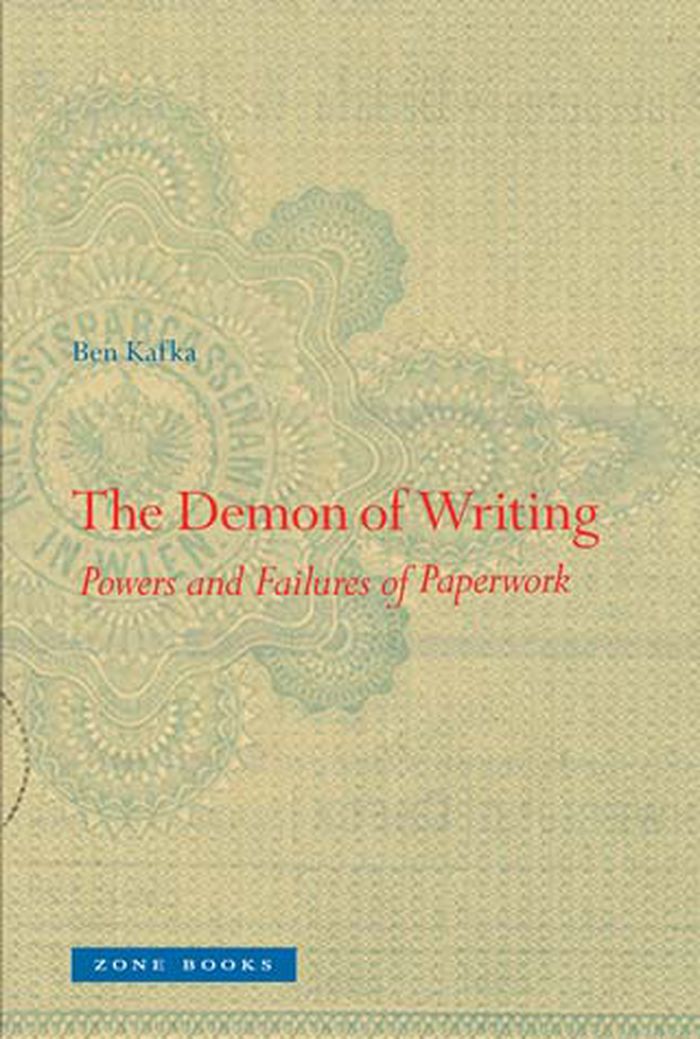
The demon of writing: powers and failures of paperwork
Actions:
Price:
$31.95
(available to order)
Summary:
Since the middle of the eighteenth century, political thinkers of all kinds--radical and reactionary, professional and amateur--have been complaining about “bureaucracy.” But what, exactly, are they complaining about? In The Demon of Writing, Ben Kafka offers a critical history and theory of one of the most ubiquitous, least understood forms of media: paperwork. States rely on records to tax and spend, protect and serve, discipline and punish. But time and again, this paperwork proves to be unreliable. Examining episodes that range from the story of a clerk who lost his job and then his mind in the French Revolution to an account of Roland Barthes’s brief stint as a university administrator, Kafka reveals the powers, the failures, and even the pleasures of paperwork. Many of its complexities, he argues, have been obscured by the comic-paranoid style that characterizes much of our criticism of bureaucracy. Kafka proposes a new theory of what Karl Marx called the “bureaucratic medium.”
The demon of writing: powers and failures of paperwork
Actions:
Price:
$31.95
(available to order)
Summary:
Since the middle of the eighteenth century, political thinkers of all kinds--radical and reactionary, professional and amateur--have been complaining about “bureaucracy.” But what, exactly, are they complaining about? In The Demon of Writing, Ben Kafka offers a critical history and theory of one of the most ubiquitous, least understood forms of media: paperwork. States rely on records to tax and spend, protect and serve, discipline and punish. But time and again, this paperwork proves to be unreliable. Examining episodes that range from the story of a clerk who lost his job and then his mind in the French Revolution to an account of Roland Barthes’s brief stint as a university administrator, Kafka reveals the powers, the failures, and even the pleasures of paperwork. Many of its complexities, he argues, have been obscured by the comic-paranoid style that characterizes much of our criticism of bureaucracy. Kafka proposes a new theory of what Karl Marx called the “bureaucratic medium.”
Form:
books
books
Publication:
November 2012
November 2012
Subject:
Architectural Theory
Architectural Theory
Form:
books
books
Actions:
Price:
$24.95
(available to order)
Summary:
The vast social apparatus of the computer network has aligned people with technology in unprecedented ways. The intimacy of the human-computer interface has made it impossible to distinguish technology from the social and cultural business of being human. Cyberculture is the broader name given to this process of becoming through technological means. This book shows that(...)
$24.95
(available to order)
Summary:
The vast social apparatus of the computer network has aligned people with technology in unprecedented ways. The intimacy of the human-computer interface has made it impossible to distinguish technology from the social and cultural business of being human. Cyberculture is the broader name given to this process of becoming through technological means. This book shows that(...)
Publication:
May 2014
May 2014
Title:
Prefiguring cyberculture: an intellectual history
Actions:
Price:
$24.95
(available to order)
Summary:
The vast social apparatus of the computer network has aligned people with technology in unprecedented ways. The intimacy of the human-computer interface has made it impossible to distinguish technology from the social and cultural business of being human. Cyberculture is the broader name given to this process of becoming through technological means. This book shows that cyberculture has been a long time coming.In Prefiguring Cyberculture, media critics and theorists, philosophers, and historians of science explore the antecedents of such aspects of contemporary technological culture as the Internet, the World Wide Web, artificial intelligence, genetic engineering, virtual reality, and the cyborg. The contributors examine key texts that anticipate cybercultural practice and theory, including Plato's "Simile of the Cave"; the Renaissance Ars Memoria; Descartes's Meditations (on the mind-body split); Mary Shelley's Frankenstein; Alan Turing's Computing Machinery and Intelligence; Philip K. Dick's Man, Android, and Machine; William Gibson's Neuromancer; and Arthur C. Clarke's Profiles of the Future.
Prefiguring cyberculture: an intellectual history
Actions:
Price:
$24.95
(available to order)
Summary:
The vast social apparatus of the computer network has aligned people with technology in unprecedented ways. The intimacy of the human-computer interface has made it impossible to distinguish technology from the social and cultural business of being human. Cyberculture is the broader name given to this process of becoming through technological means. This book shows that cyberculture has been a long time coming.In Prefiguring Cyberculture, media critics and theorists, philosophers, and historians of science explore the antecedents of such aspects of contemporary technological culture as the Internet, the World Wide Web, artificial intelligence, genetic engineering, virtual reality, and the cyborg. The contributors examine key texts that anticipate cybercultural practice and theory, including Plato's "Simile of the Cave"; the Renaissance Ars Memoria; Descartes's Meditations (on the mind-body split); Mary Shelley's Frankenstein; Alan Turing's Computing Machinery and Intelligence; Philip K. Dick's Man, Android, and Machine; William Gibson's Neuromancer; and Arthur C. Clarke's Profiles of the Future.
Form:
books
books
Publication:
May 2014
May 2014
Form:
books
books
Price:
$66.00
(available in store)
Summary:
American cities underwent seismic transformations in the 1960s and '70s, from shifting demographics and political protests to reshaping through highways and urban renewal. Amid this climate of upheaval, photographers, architects, activists, performance artists, and filmmakers turned conditions of crisis into sites for civic discourse and artistic expression. The City Lost(...)
$66.00
(available in store)
Summary:
American cities underwent seismic transformations in the 1960s and '70s, from shifting demographics and political protests to reshaping through highways and urban renewal. Amid this climate of upheaval, photographers, architects, activists, performance artists, and filmmakers turned conditions of crisis into sites for civic discourse and artistic expression. The City Lost(...)
Subject:
Urban Theory
Urban Theory
Publication:
November 2014
November 2014
Title:
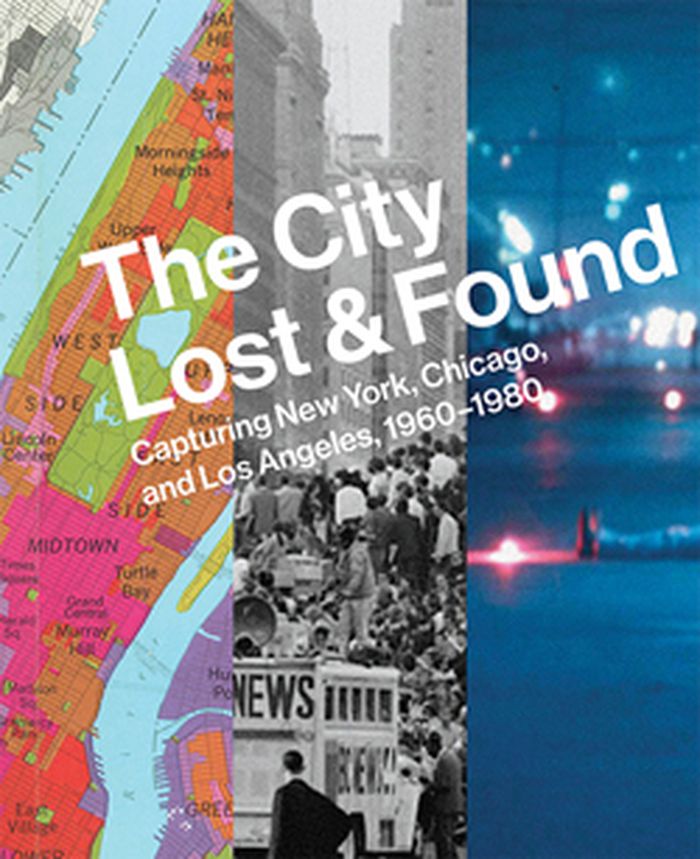
The city lost & found: capturing New York, Chicago, and Los Angeles
Actions:
Price:
$66.00
(available in store)
Summary:
American cities underwent seismic transformations in the 1960s and '70s, from shifting demographics and political protests to reshaping through highways and urban renewal. Amid this climate of upheaval, photographers, architects, activists, performance artists, and filmmakers turned conditions of crisis into sites for civic discourse and artistic expression. The City Lost and Found explores photographic and cinematic responses to the changing fabric of New York, Chicago, and Los Angeles that contributed to a reconsideration of cities in popular media and urban policy during this period. This book raises timely questions about the role of art within the social, political, and physical landscape of cities. Featuring contributions from more than 20 noted scholars in fields including art history, urban planning, architecture, and cultural studies, this is the first publication to address an important shift in photographic, cinematic, and planning practices based on close observations of streets, neighborhoods, and seminal events in the country's three largest cities.
The city lost & found: capturing New York, Chicago, and Los Angeles
Actions:
Price:
$66.00
(available in store)
Summary:
American cities underwent seismic transformations in the 1960s and '70s, from shifting demographics and political protests to reshaping through highways and urban renewal. Amid this climate of upheaval, photographers, architects, activists, performance artists, and filmmakers turned conditions of crisis into sites for civic discourse and artistic expression. The City Lost and Found explores photographic and cinematic responses to the changing fabric of New York, Chicago, and Los Angeles that contributed to a reconsideration of cities in popular media and urban policy during this period. This book raises timely questions about the role of art within the social, political, and physical landscape of cities. Featuring contributions from more than 20 noted scholars in fields including art history, urban planning, architecture, and cultural studies, this is the first publication to address an important shift in photographic, cinematic, and planning practices based on close observations of streets, neighborhoods, and seminal events in the country's three largest cities.
Form:
books
books
Publication:
November 2014
November 2014
Subject:
Urban Theory
Urban Theory
Form:
books
books
Actions:
Price:
$39.95
(available to order)
Summary:
From 2012 to 2014 a series of contemporary art exhibitions, events, and participatory forums organized by Galerija Nova, Tensta konsthall, and Grazer Kunstverein comprised the project “Beginning as Well as We Can (How Do We Talk about Fascism?).” Focusing on the startling increase of nationalism across Europe—made palpable in manifestations of fascist tendencies and the(...)
$39.95
(available to order)
Summary:
From 2012 to 2014 a series of contemporary art exhibitions, events, and participatory forums organized by Galerija Nova, Tensta konsthall, and Grazer Kunstverein comprised the project “Beginning as Well as We Can (How Do We Talk about Fascism?).” Focusing on the startling increase of nationalism across Europe—made palpable in manifestations of fascist tendencies and the(...)
Subject:
Art Theory
Art Theory
Publication:
March 2015
March 2015
Title:
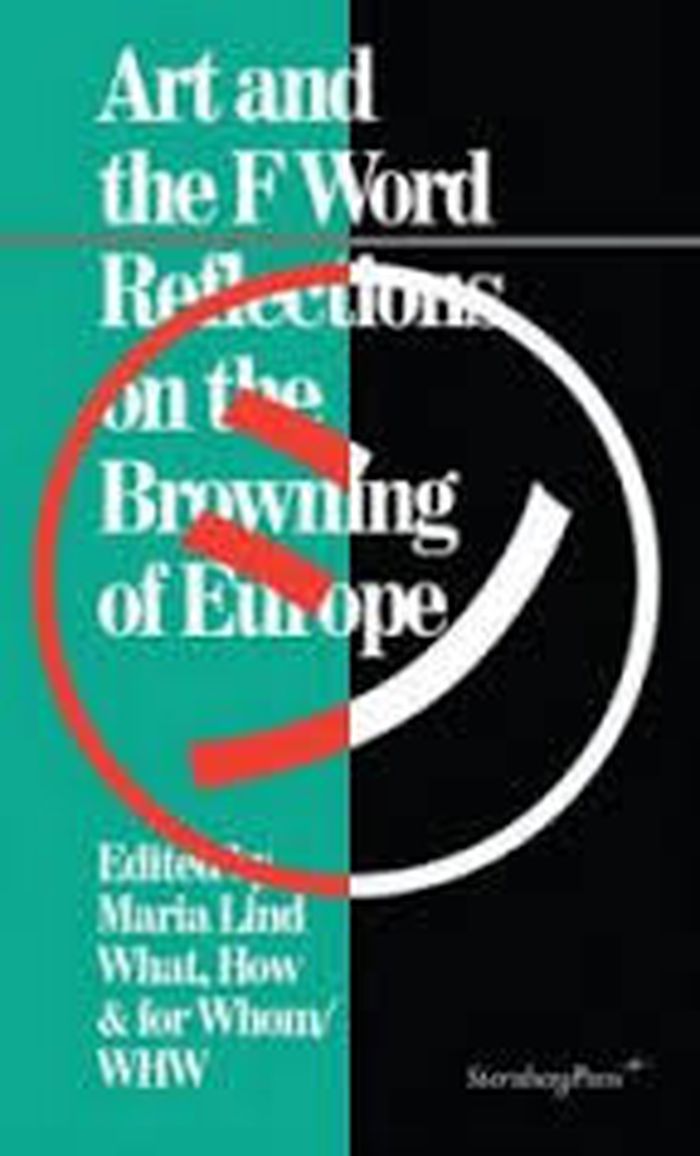
Art and f word reflections on the browning of Europe
Actions:
Price:
$39.95
(available to order)
Summary:
From 2012 to 2014 a series of contemporary art exhibitions, events, and participatory forums organized by Galerija Nova, Tensta konsthall, and Grazer Kunstverein comprised the project “Beginning as Well as We Can (How Do We Talk about Fascism?).” Focusing on the startling increase of nationalism across Europe—made palpable in manifestations of fascist tendencies and the cult of heritage—the project points to the possibility and power of art to imagine futures that are not irrevocably determined by the present, but are invested with struggles fought here and now. Art and the F Word: Reflections on the Browning of Europe, edited by curator Maria Lind and the collective What, How & for Whom/WHW, continues the debate with contributions by cultural critics, curators, and artists, which articulate resistant and constructive possibilities of social and artistic production—investigating the language of politics and philosophy and also popular vocabularies, social contexts, media, science, and aesthetics.
Art and f word reflections on the browning of Europe
Actions:
Price:
$39.95
(available to order)
Summary:
From 2012 to 2014 a series of contemporary art exhibitions, events, and participatory forums organized by Galerija Nova, Tensta konsthall, and Grazer Kunstverein comprised the project “Beginning as Well as We Can (How Do We Talk about Fascism?).” Focusing on the startling increase of nationalism across Europe—made palpable in manifestations of fascist tendencies and the cult of heritage—the project points to the possibility and power of art to imagine futures that are not irrevocably determined by the present, but are invested with struggles fought here and now. Art and the F Word: Reflections on the Browning of Europe, edited by curator Maria Lind and the collective What, How & for Whom/WHW, continues the debate with contributions by cultural critics, curators, and artists, which articulate resistant and constructive possibilities of social and artistic production—investigating the language of politics and philosophy and also popular vocabularies, social contexts, media, science, and aesthetics.
Form:
books
books
Publication:
March 2015
March 2015
Subject:
Art Theory
Art Theory
Form:
books
books

Actions:
Price:
$55.00
(available to order)
Summary:
Freestyle thinking—that is Vilém Flusser’s intellectual modus operandi: challenging and offensive, paradoxical and audacious. His thought knows no disciplines or subjects nor does it pay tribute to other academic frameworks or rituals. Above all else his thought wants to intervene in ongoing cultural and artistic processes and influence them. In order to achieve this, no(...)
$55.00
(available to order)
Summary:
Freestyle thinking—that is Vilém Flusser’s intellectual modus operandi: challenging and offensive, paradoxical and audacious. His thought knows no disciplines or subjects nor does it pay tribute to other academic frameworks or rituals. Above all else his thought wants to intervene in ongoing cultural and artistic processes and influence them. In order to achieve this, no(...)
Title:
Flusseriana: an intellectual toolbox
Actions:
Price:
$55.00
(available to order)
Summary:
Freestyle thinking—that is Vilém Flusser’s intellectual modus operandi: challenging and offensive, paradoxical and audacious. His thought knows no disciplines or subjects nor does it pay tribute to other academic frameworks or rituals. Above all else his thought wants to intervene in ongoing cultural and artistic processes and influence them. In order to achieve this, no closed theoretical systems are necessary—only open, operative structures. The Flusseriana is a toolbox capable of being developed and expanded. It contains more than two hundred “thinkthings” (Denkdinge) of all kinds: particularities like “Indian Summer,” “Atlas,” “Submissiveness,” “Animal,” and “Mediterranean Sea”; condensed Flusserian thought concerning the big eternal questions such as “History,” “Language,” “Myth,” and “Religion”; the central concepts of his media analysis including “Apparatus,” “Abstraction,” “Cybernetics,” and “Telematics”; as well as Flusser’s own neologisms, “Communicology,” “Universe of Dots,” and the old and the new “Imaginations.” More than one hundred authors produced the entries under these entries in a dialogic practice entirely in the spirit of the philosophical writer from Prague.
Flusseriana: an intellectual toolbox
Actions:
Price:
$55.00
(available to order)
Summary:
Freestyle thinking—that is Vilém Flusser’s intellectual modus operandi: challenging and offensive, paradoxical and audacious. His thought knows no disciplines or subjects nor does it pay tribute to other academic frameworks or rituals. Above all else his thought wants to intervene in ongoing cultural and artistic processes and influence them. In order to achieve this, no closed theoretical systems are necessary—only open, operative structures. The Flusseriana is a toolbox capable of being developed and expanded. It contains more than two hundred “thinkthings” (Denkdinge) of all kinds: particularities like “Indian Summer,” “Atlas,” “Submissiveness,” “Animal,” and “Mediterranean Sea”; condensed Flusserian thought concerning the big eternal questions such as “History,” “Language,” “Myth,” and “Religion”; the central concepts of his media analysis including “Apparatus,” “Abstraction,” “Cybernetics,” and “Telematics”; as well as Flusser’s own neologisms, “Communicology,” “Universe of Dots,” and the old and the new “Imaginations.” More than one hundred authors produced the entries under these entries in a dialogic practice entirely in the spirit of the philosophical writer from Prague.
Form:
books
books
Publication:
July 2015
July 2015
Subject:
Critical Theory
Critical Theory
Form:
books
books

Title:
Alec Soth: gathered leaves
Alec Soth: gathered leaves
Actions:
Price:
$98.00
(available to order)
Summary:
Alec Soth’s reputation as one of the leading lights of contemporary photographic practice is largely predicated on the books he has published. This unusual catalogue accompanies a touring exhibition which uses the four major bodies of work which Soth has published as books since 2004 as the structural basis for both a mid-career retrospective and an investigation of(...)
$98.00
(available to order)
Summary:
Alec Soth’s reputation as one of the leading lights of contemporary photographic practice is largely predicated on the books he has published. This unusual catalogue accompanies a touring exhibition which uses the four major bodies of work which Soth has published as books since 2004 as the structural basis for both a mid-career retrospective and an investigation of(...)
Title:
Alec Soth: gathered leaves
Actions:
Price:
$98.00
(available to order)
Summary:
Alec Soth’s reputation as one of the leading lights of contemporary photographic practice is largely predicated on the books he has published. This unusual catalogue accompanies a touring exhibition which uses the four major bodies of work which Soth has published as books since 2004 as the structural basis for both a mid-career retrospective and an investigation of Soth’s prescient understanding of the various and distinct applications of photography as a tool for storytelling across diverse media. The title of the exhibition comes from Walt Whitman’s poem Song of Myself [1855] and references both the pages of his books gathered for consideration and the notion that his work is also a story about Soth himself. This catalogue is a special object, bringing together an essay by Aaron Schuman spread across 29 large format postcards, with mini facsimile versions of Soth’s 4 books [3 of which are now out-of-print], all housed together in a luxurious printed and embossed clamshell box.
Alec Soth: gathered leaves
Actions:
Price:
$98.00
(available to order)
Summary:
Alec Soth’s reputation as one of the leading lights of contemporary photographic practice is largely predicated on the books he has published. This unusual catalogue accompanies a touring exhibition which uses the four major bodies of work which Soth has published as books since 2004 as the structural basis for both a mid-career retrospective and an investigation of Soth’s prescient understanding of the various and distinct applications of photography as a tool for storytelling across diverse media. The title of the exhibition comes from Walt Whitman’s poem Song of Myself [1855] and references both the pages of his books gathered for consideration and the notion that his work is also a story about Soth himself. This catalogue is a special object, bringing together an essay by Aaron Schuman spread across 29 large format postcards, with mini facsimile versions of Soth’s 4 books [3 of which are now out-of-print], all housed together in a luxurious printed and embossed clamshell box.
Form:
books
books
Publication:
October 2015
October 2015
Subject:
Photography monographs
Photography monographs
Form:
books
books
Actions:
Holdings:
Description:
373 pages : illustrations ; 33 cm
Description:
373 pages : illustrations ; 33 cm
Author:
Subject:
Publication:
London ; New York : Phaidon Press, 2013.
London ; New York : Phaidon Press, 2013.
Title:
Art & place : site-specific art of the Americas.
Actions:
Holdings:
Description:
373 pages : illustrations ; 33 cm
Art & place : site-specific art of the Americas.
Actions:
Holdings:
Description:
373 pages : illustrations ; 33 cm
Form:
books
books
Publication:
London ; New York : Phaidon Press, 2013.
London ; New York : Phaidon Press, 2013.
Author:
Subject:
Form:
books
books
Actions:
Holdings:
Description:
x, 753 pages : illustrations, maps, plans ; 24 cm
Description:
x, 753 pages : illustrations, maps, plans ; 24 cm
Author:
Subject:
Publication:
[Ferrara] : Edisai, [2011]
[Ferrara] : Edisai, [2011]
Title:
Proceedings of a Conference on Early Modern Rome 1341-1667 held on May 13-15, 2010 in Rome / [edited by Portia Prebys].
Actions:
Holdings:
Description:
x, 753 pages : illustrations, maps, plans ; 24 cm
Proceedings of a Conference on Early Modern Rome 1341-1667 held on May 13-15, 2010 in Rome / [edited by Portia Prebys].
Actions:
Holdings:
Description:
x, 753 pages : illustrations, maps, plans ; 24 cm
Form:
books
books
Publication:
[Ferrara] : Edisai, [2011]
[Ferrara] : Edisai, [2011]
Author:
Subject:
Form:
books
books
Actions:
Holdings:
Description:
159 pages : color illustrations, maps ; 23 cm.
Description:
159 pages : color illustrations, maps ; 23 cm.
Author:
Subject:
Publication:
Paris : Éditions Gallimard, [2025], ©2024
Paris : Éditions Gallimard, [2025], ©2024
Title:
Le logement abordable : un impératif pour une société plus inclusive / direction de l'ouvrage Brigitte Bariol-Mathais.
Actions:
Holdings:
Description:
159 pages : color illustrations, maps ; 23 cm.
Le logement abordable : un impératif pour une société plus inclusive / direction de l'ouvrage Brigitte Bariol-Mathais.
Actions:
Holdings:
Description:
159 pages : color illustrations, maps ; 23 cm.
Form:
books
books
Publication:
Paris : Éditions Gallimard, [2025], ©2024
Paris : Éditions Gallimard, [2025], ©2024
Author:
Subject:


