


8452 Results
Form:
books
books
Title:
Perpetual inventory
Perpetual inventory
Actions:
Price:
$32.95
(available to order)
Summary:
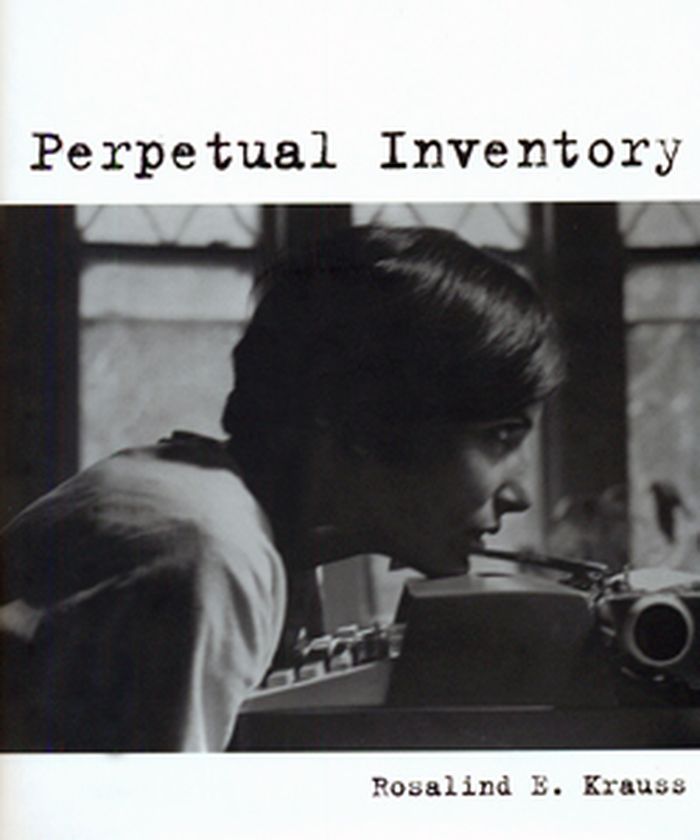
The job of an art critic is to take perpetual inventory, constantly revising her ideas about the direction of contemporary art and the significance of the work she writes about. In these essays, which span three decades of assessment and reassessment, Rosalind Krauss considers what she has come to call the "post-medium condition"—the abandonment by contemporary art of the(...)
Title:
Perpetual inventory
Actions:
Price:
$32.95
(available to order)
Summary:
The job of an art critic is to take perpetual inventory, constantly revising her ideas about the direction of contemporary art and the significance of the work she writes about. In these essays, which span three decades of assessment and reassessment, Rosalind Krauss considers what she has come to call the "post-medium condition"—the abandonment by contemporary art of the modernist emphasis on the medium as the source of artistic significance. Jean-François Lyotard argued that the postmodern condition is characterized by the end of a "master narrative," and Krauss sees in the post-medium condition of contemporary art a similar farewell to coherence. The master narrative of contemporary art ended when conceptual art and other contemporary practices jettisoned the specific medium in order to juxtapose image and written text in the same work. For Krauss, this spells the end of serious art, and she devotes much of Perpetual Inventory to "wrest[ling] new media to the mat of specificity."
Form:
books
books
Publication:
March 2010
March 2010
Subject:
Art Theory
Art Theory
Form:
books
books

Actions:
Price:
$60.00
(available to order)
Summary:
The only woman to be represented on a Swiss banknote, Sophie Taeuber-Arp was one of the twentieth century's most innovative artists, in painting, sculpture, textiles, dance, architecture and puppetry. Often occupying this role of the only "woman"--in exhibitions, or when socializing among Dadaists and Concrete artists and elsewhere--Taeuber-Arp nevertheless went about her(...)
Title:
Sophie Taeuber-Arp: Movement and balance
Actions:
Price:
$60.00
(available to order)
Summary:
The only woman to be represented on a Swiss banknote, Sophie Taeuber-Arp was one of the twentieth century's most innovative artists, in painting, sculpture, textiles, dance, architecture and puppetry. Often occupying this role of the only "woman"--in exhibitions, or when socializing among Dadaists and Concrete artists and elsewhere--Taeuber-Arp nevertheless went about her diverse activities as though gender obstacles were immaterial, and steadily built up a massive body of work whose consistent qualities are warmth, clarity and liveliness. Sophie Taeuber-Arp: Movement and Balance is the most complete survey of the artist's work available in any language to date. Packed with full-color illustrations of her work in all media, from her pre-Concrete abstractions to her fabrics, watercolors, canvases, reliefs and her wonderful marionettes, as well as a visual chronology with archival photographs of Taeuber-Arp posing in her costumes, or next to her works with her husband Hans (Jean) Arp, this volume demonstrates the exemplary adventurousness of her career.
Form:
books
books
Publication:
August 2010
August 2010
Subject:
Contemporary Art Monographs
Contemporary Art Monographs
Form:
books
books
Actions:
Price:
$27.50
(available in store)
Summary:
French cultural theorist and urbanist Paul Virilio is best known for his writings on media, technology, and architecture. Gathered here in this publication are four conversations in which Virilio and architectural writer Marianne Brausch look at a twentieth century characterized by enormous technological acceleration and by technocultural accidents of barbarism and(...)
Title:
A winter's journey: four conversations with Marianne Brausch
Actions:
Price:
$27.50
(available in store)
Summary:
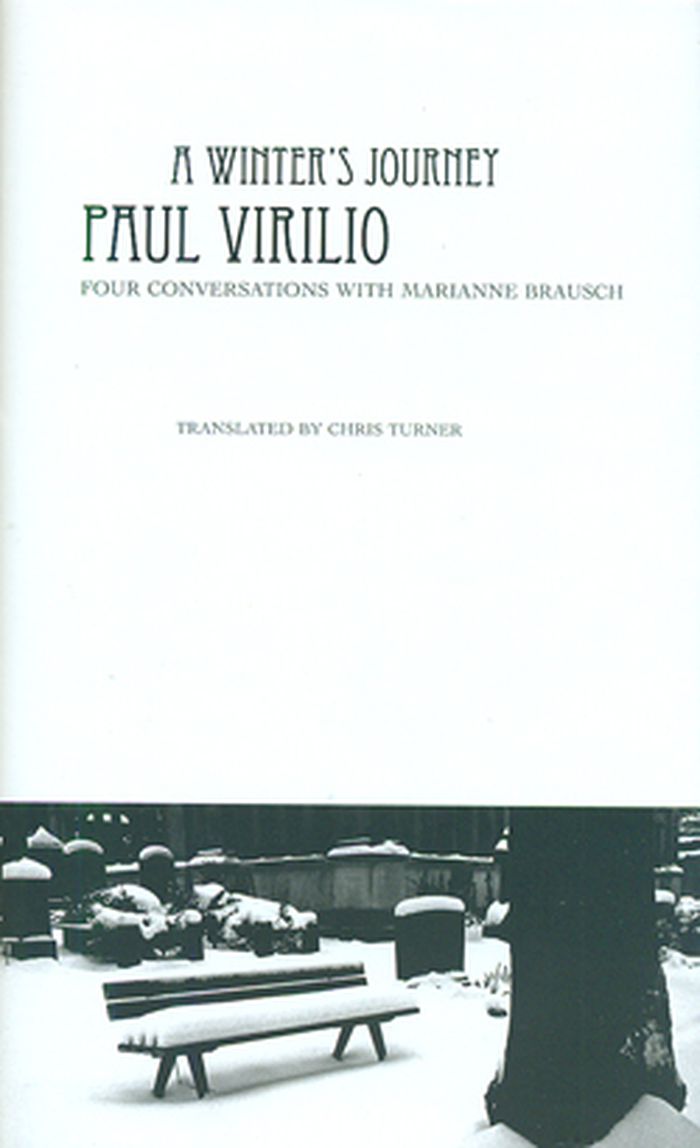
French cultural theorist and urbanist Paul Virilio is best known for his writings on media, technology, and architecture. Gathered here in this publication are four conversations in which Virilio and architectural writer Marianne Brausch look at a twentieth century characterized by enormous technological acceleration and by technocultural accidents of barbarism and horror. The dialogues in "A Winter’s Journey" —structured loosely around the dates 1940, 1950, 1960, and 1980— chart Virilio’s intimate intellectual biography, from his childhood lived against the unstable backdrop of a heavily bombed, wartime Nantes to maturity in a crisis space that is neither entirely militarized nor yet fully civilian, but somewhere between the two. In the course of these conversations, Virilio and Brausch ultimately find hope that in understanding the events of the last century and the cultural responses spawned by them, we can create a more humane era that is more adept at handling the transformations of its technology and culture.
Form:
books
books
Publication:
May 2011
May 2011
Subject:
Critical Theory
Critical Theory
Form:
books
books
Title:
Photo/montage in print
Photo/montage in print
Actions:
Price:
$83.00
(available to order)
Summary:
Photomontage was pioneered as a technique in central Europe in the 1910s, where it flourished as an art form through the end of World War II. While German artists such as John Heartfield, Max Ernst and Hannah Hoch used the medium to respond to the atrocities of war, other areas of Europe were simultaneously experiencing a newfound political autonomy as the(...)
Title:
Photo/montage in print
Actions:
Price:
$83.00
(available to order)
Summary:
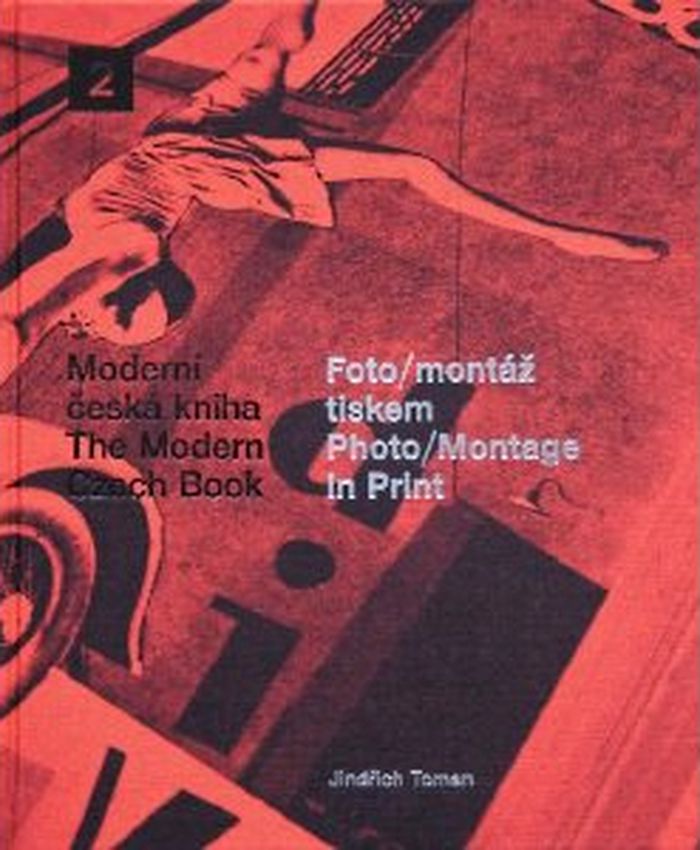
Photomontage was pioneered as a technique in central Europe in the 1910s, where it flourished as an art form through the end of World War II. While German artists such as John Heartfield, Max Ernst and Hannah Hoch used the medium to respond to the atrocities of war, other areas of Europe were simultaneously experiencing a newfound political autonomy as the Austro-Hungarian Empire collapsed. For these artists, namely Polish and Czech, photomontage manifested itself in a Surrealist approach to cut-and-paste imagery that emphasized its potential for visual poetry. "Photo/Montage in Print" traces the explosion of photomontage art in book cover design and illustrated magazines in the interwar period. Documenting the remarkable contributions of Czech artists in the creation of the visual language of modern print media, the publication includes some of the leading artists of the Czech avant garde such as Karel Teige, Jindrich Styrsky, Toyen, Ladislav Sutnar and Frantisek Muzika.
Form:
books
books
Publication:
September 2011
September 2011
Subject:
Photography Collections
Photography Collections
Form:
books
books
Actions:
Price:
$69.95
(available to order)
Summary:
It should be no surprise that Eskilson's study of the evolution of graphic design from Gutenberg to grunge and beyond is an oft-assigned tome for budding designers. However, one needn't be a student to appreciate Eskilson's ability to hold a narrative thread as art movements, technology, and other influences continue to broaden the scope of his topic as the book(...)
Title:
Graphic design : A new history
Actions:
Price:
$69.95
(available to order)
Summary:
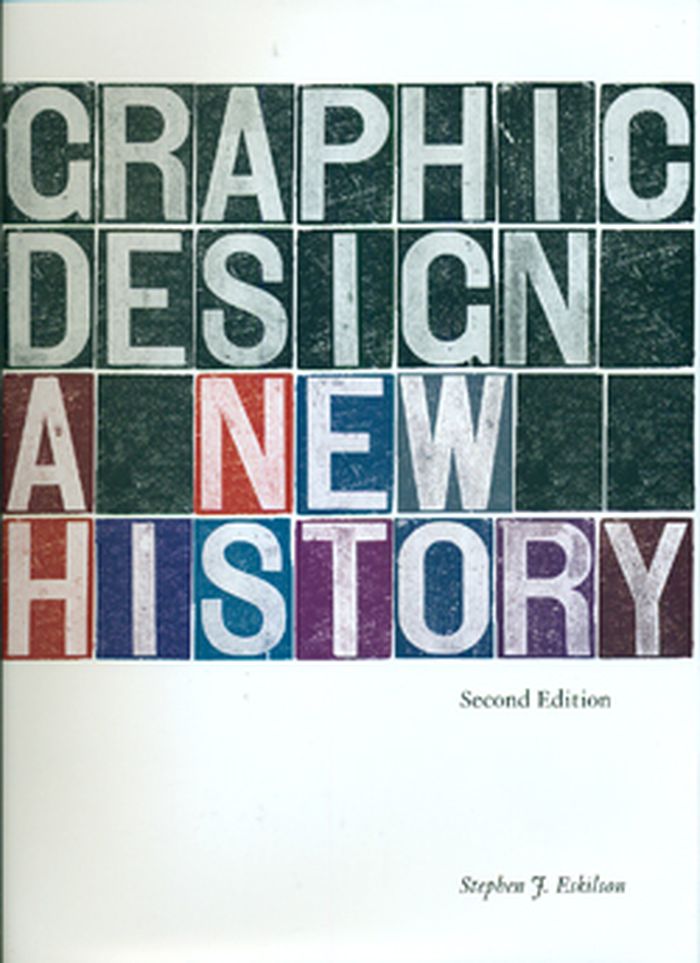
It should be no surprise that Eskilson's study of the evolution of graphic design from Gutenberg to grunge and beyond is an oft-assigned tome for budding designers. However, one needn't be a student to appreciate Eskilson's ability to hold a narrative thread as art movements, technology, and other influences continue to broaden the scope of his topic as the book progresses. Working his way through a dense and diverse melange of media, such as pulp magazines, photography, architecture, typefaces, logos, Nazi propaganda, movie posters, and signage, Eskilson (coauthor, Frames of Reference: Art History and the World) is an enthusiastic and informative guide. The tome is liberally peppered throughout with iconic images such as Currier and Ives prints, James Flagg's I Want YOU for U.S. Army, and Shepard Fairey's Hope, featuring Barack Obama, as well as digressions on key contributors such as Henri de Toulouse-Lautrec, Gustav Klimt, and movements like De Stijl.
Form:
books
books
Publication:
February 2012
February 2012
Subject:
Graphic Design and Typography
Graphic Design and Typography
Form:
books
books
Actions:
Price:
$27.95
(available to order)
Summary:
With the invention of telecommunications technologies in the late nineteenth century, the radio-electric spectrum became a tool for rethinking the world in which we live. The emission of radio waves did away with physical distances, crossing borders and cultures and acting as a powerful catalyst for trade. Moreover, the radio spectrum is the invisible infrastructure on(...)
Title:
Invisible fields: geographies of radio waves
Actions:
Price:
$27.95
(available to order)
Summary:
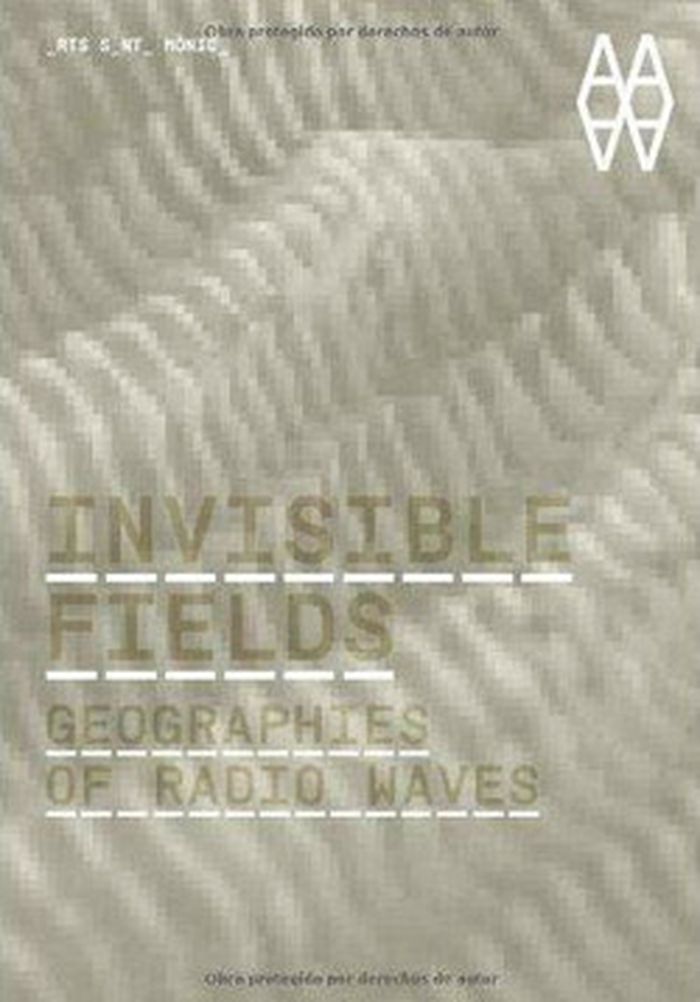
With the invention of telecommunications technologies in the late nineteenth century, the radio-electric spectrum became a tool for rethinking the world in which we live. The emission of radio waves did away with physical distances, crossing borders and cultures and acting as a powerful catalyst for trade. Moreover, the radio spectrum is the invisible infrastructure on which our information and communication technologies have been built. The history of its scientific discovery and how it was gradually colonized by the media, the military complex, and activists and hackers is one of the most fascinating stories of the twentieth century. The future uses of the radio-electric spectrum in the twenty-first century and its new potential are being decided now, with the end of analogue TV broadcasting worldwide marking the most important transformation of uses in the radio-electric space in decades. This catalog sets out to examine these issues and shed a little light on intriguing stories about radio-electric spectrum.
Form:
books
books
Publication:
May 2012
May 2012
Subject:
Epistemology
Epistemology
Form:
books
books
Actions:
Price:
$31.95
(available to order)
Summary:
Since the middle of the eighteenth century, political thinkers of all kinds--radical and reactionary, professional and amateur--have been complaining about “bureaucracy.” But what, exactly, are they complaining about? In The Demon of Writing, Ben Kafka offers a critical history and theory of one of the most ubiquitous, least understood forms of media: paperwork.(...)
Title:
The demon of writing: powers and failures of paperwork
Actions:
Price:
$31.95
(available to order)
Summary:
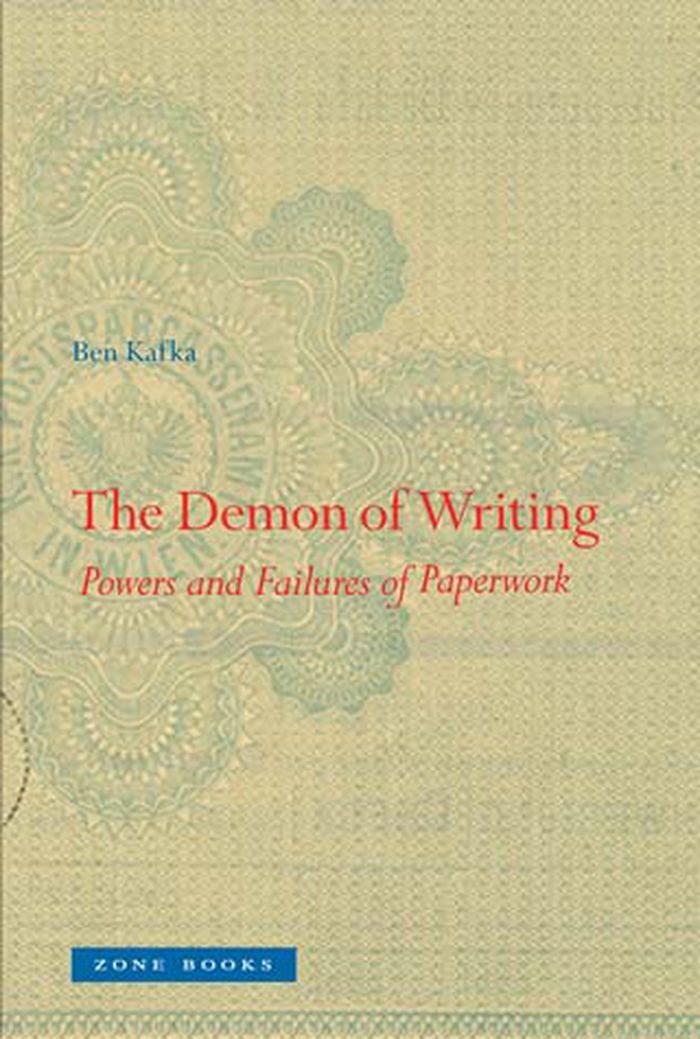
Since the middle of the eighteenth century, political thinkers of all kinds--radical and reactionary, professional and amateur--have been complaining about “bureaucracy.” But what, exactly, are they complaining about? In The Demon of Writing, Ben Kafka offers a critical history and theory of one of the most ubiquitous, least understood forms of media: paperwork. States rely on records to tax and spend, protect and serve, discipline and punish. But time and again, this paperwork proves to be unreliable. Examining episodes that range from the story of a clerk who lost his job and then his mind in the French Revolution to an account of Roland Barthes’s brief stint as a university administrator, Kafka reveals the powers, the failures, and even the pleasures of paperwork. Many of its complexities, he argues, have been obscured by the comic-paranoid style that characterizes much of our criticism of bureaucracy. Kafka proposes a new theory of what Karl Marx called the “bureaucratic medium.”
Form:
books
books
Publication:
November 2012
November 2012
Subject:
Architectural Theory
Architectural Theory
Form:
books
books
Actions:
Price:
$24.95
(available to order)
Summary:
The vast social apparatus of the computer network has aligned people with technology in unprecedented ways. The intimacy of the human-computer interface has made it impossible to distinguish technology from the social and cultural business of being human. Cyberculture is the broader name given to this process of becoming through technological means. This book shows that(...)
Publication:
May 2014
May 2014
Title:
Prefiguring cyberculture: an intellectual history
Actions:
Price:
$24.95
(available to order)
Summary:
The vast social apparatus of the computer network has aligned people with technology in unprecedented ways. The intimacy of the human-computer interface has made it impossible to distinguish technology from the social and cultural business of being human. Cyberculture is the broader name given to this process of becoming through technological means. This book shows that cyberculture has been a long time coming.In Prefiguring Cyberculture, media critics and theorists, philosophers, and historians of science explore the antecedents of such aspects of contemporary technological culture as the Internet, the World Wide Web, artificial intelligence, genetic engineering, virtual reality, and the cyborg. The contributors examine key texts that anticipate cybercultural practice and theory, including Plato's "Simile of the Cave"; the Renaissance Ars Memoria; Descartes's Meditations (on the mind-body split); Mary Shelley's Frankenstein; Alan Turing's Computing Machinery and Intelligence; Philip K. Dick's Man, Android, and Machine; William Gibson's Neuromancer; and Arthur C. Clarke's Profiles of the Future.
Form:
books
books
Publication:
May 2014
May 2014
Form:
books
books
Price:
$66.00
(available in store)
Summary:
American cities underwent seismic transformations in the 1960s and '70s, from shifting demographics and political protests to reshaping through highways and urban renewal. Amid this climate of upheaval, photographers, architects, activists, performance artists, and filmmakers turned conditions of crisis into sites for civic discourse and artistic expression. The City Lost(...)
Subject:
Urban Theory
Urban Theory
Publication:
November 2014
November 2014
Title:
The city lost & found: capturing New York, Chicago, and Los Angeles
Actions:
Price:
$66.00
(available in store)
Summary:
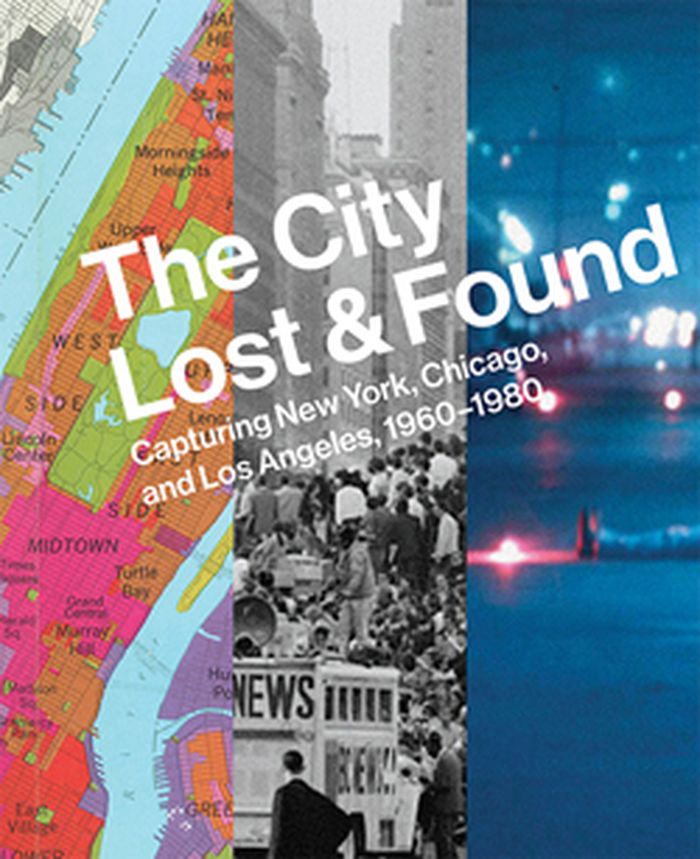
American cities underwent seismic transformations in the 1960s and '70s, from shifting demographics and political protests to reshaping through highways and urban renewal. Amid this climate of upheaval, photographers, architects, activists, performance artists, and filmmakers turned conditions of crisis into sites for civic discourse and artistic expression. The City Lost and Found explores photographic and cinematic responses to the changing fabric of New York, Chicago, and Los Angeles that contributed to a reconsideration of cities in popular media and urban policy during this period. This book raises timely questions about the role of art within the social, political, and physical landscape of cities. Featuring contributions from more than 20 noted scholars in fields including art history, urban planning, architecture, and cultural studies, this is the first publication to address an important shift in photographic, cinematic, and planning practices based on close observations of streets, neighborhoods, and seminal events in the country's three largest cities.
Form:
books
books
Publication:
November 2014
November 2014
Subject:
Urban Theory
Urban Theory
Form:
books
books
Actions:
Price:
$39.95
(available to order)
Summary:
From 2012 to 2014 a series of contemporary art exhibitions, events, and participatory forums organized by Galerija Nova, Tensta konsthall, and Grazer Kunstverein comprised the project “Beginning as Well as We Can (How Do We Talk about Fascism?).” Focusing on the startling increase of nationalism across Europe—made palpable in manifestations of fascist tendencies and the(...)
Subject:
Art Theory
Art Theory
Publication:
March 2015
March 2015
Title:
Art and f word reflections on the browning of Europe
Actions:
Price:
$39.95
(available to order)
Summary:
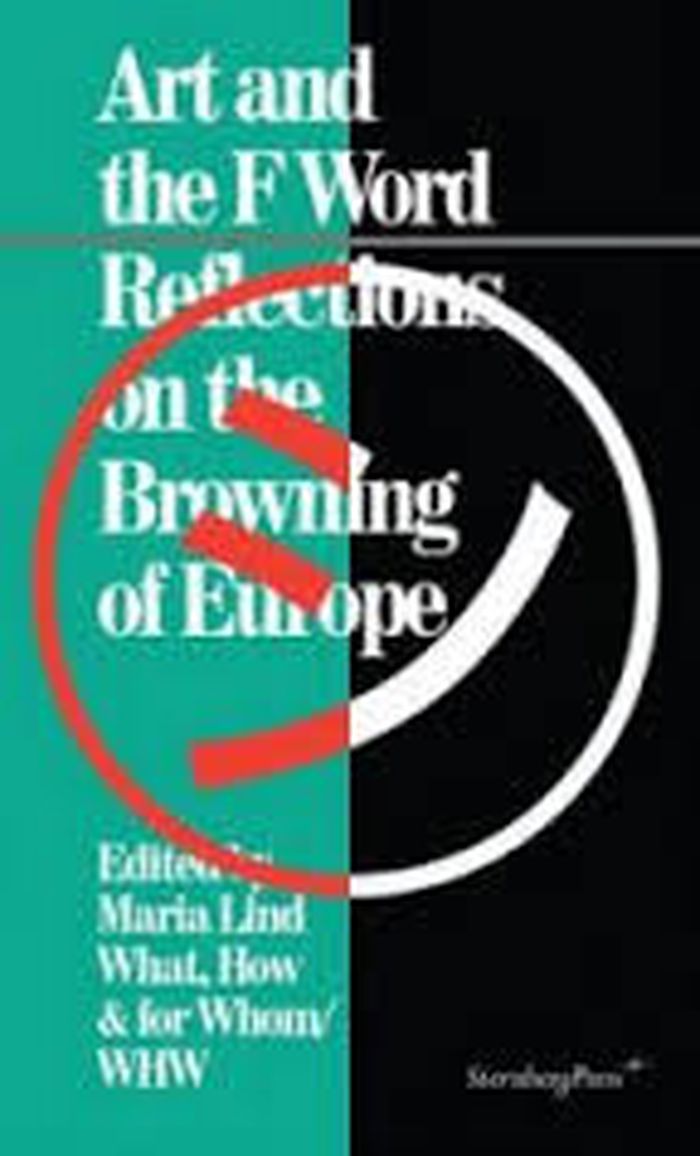
From 2012 to 2014 a series of contemporary art exhibitions, events, and participatory forums organized by Galerija Nova, Tensta konsthall, and Grazer Kunstverein comprised the project “Beginning as Well as We Can (How Do We Talk about Fascism?).” Focusing on the startling increase of nationalism across Europe—made palpable in manifestations of fascist tendencies and the cult of heritage—the project points to the possibility and power of art to imagine futures that are not irrevocably determined by the present, but are invested with struggles fought here and now. Art and the F Word: Reflections on the Browning of Europe, edited by curator Maria Lind and the collective What, How & for Whom/WHW, continues the debate with contributions by cultural critics, curators, and artists, which articulate resistant and constructive possibilities of social and artistic production—investigating the language of politics and philosophy and also popular vocabularies, social contexts, media, science, and aesthetics.
Form:
books
books
Publication:
March 2015
March 2015
Subject:
Art Theory
Art Theory


