


8415 Results
Form:
books
books
Actions:
Price:
$23.95
(available to order)
Summary:
First published in 1967, Guy Debord's stinging revolutionary critique of contemporary society, The Society of the Spectacle has since acquired a cult status. Credited by many as being the inspiration for the ideas generated by the events of May 1968 in France, Debord's pitiless attack on commodity fetishism and its incrustation in the practices of everyday life continues(...)
$23.95
(available to order)
Summary:
First published in 1967, Guy Debord's stinging revolutionary critique of contemporary society, The Society of the Spectacle has since acquired a cult status. Credited by many as being the inspiration for the ideas generated by the events of May 1968 in France, Debord's pitiless attack on commodity fetishism and its incrustation in the practices of everyday life continues(...)
Title:
Comments on the society of the spectacle
Actions:
Price:
$23.95
(available to order)
Summary:
First published in 1967, Guy Debord's stinging revolutionary critique of contemporary society, The Society of the Spectacle has since acquired a cult status. Credited by many as being the inspiration for the ideas generated by the events of May 1968 in France, Debord's pitiless attack on commodity fetishism and its incrustation in the practices of everyday life continues to burn brightly in today's age of satellite television and the soundbite. In Comments on the Society of the Spectacle, published twenty years later, Debord returned to the themes of his previous analysis and demonstrated how they were all the more relevant in a period when the integrated spectacle was dominant. Resolutely refusing to be reconciled to the system, Debord trenchantly slices through the doxa and mystification offered tip by journalists and pundits to show how aspects of reality as diverse as terrorism and the environment, the Mafia and the media, were caught up in the logic of the spectacular society. Pointing the finger clearly at those who benefit from the logic of domination, Debord's comments convey the revolutionary impulse at the heart of situationism.
Comments on the society of the spectacle
Actions:
Price:
$23.95
(available to order)
Summary:
First published in 1967, Guy Debord's stinging revolutionary critique of contemporary society, The Society of the Spectacle has since acquired a cult status. Credited by many as being the inspiration for the ideas generated by the events of May 1968 in France, Debord's pitiless attack on commodity fetishism and its incrustation in the practices of everyday life continues to burn brightly in today's age of satellite television and the soundbite. In Comments on the Society of the Spectacle, published twenty years later, Debord returned to the themes of his previous analysis and demonstrated how they were all the more relevant in a period when the integrated spectacle was dominant. Resolutely refusing to be reconciled to the system, Debord trenchantly slices through the doxa and mystification offered tip by journalists and pundits to show how aspects of reality as diverse as terrorism and the environment, the Mafia and the media, were caught up in the logic of the spectacular society. Pointing the finger clearly at those who benefit from the logic of domination, Debord's comments convey the revolutionary impulse at the heart of situationism.
Form:
books
books
Publication:
January 2011
January 2011
Subject:
Critical Theory
Critical Theory
Form:
books
books
Actions:
Price:
$115.00
(available to order)
Summary:
This book is published in conjunction with the exhibition Moholy-Nagy/In Motion introducing works spanning the full oeuvre of Moholy-Nagy (1895-1946), an artist who brought new vision to the art of the 20th century. As a prominent member of the avant-garde art movements between the two World Wars, he developed an artistic ideal of creating works of light and motion. The(...)
$115.00
(available to order)
Summary:
This book is published in conjunction with the exhibition Moholy-Nagy/In Motion introducing works spanning the full oeuvre of Moholy-Nagy (1895-1946), an artist who brought new vision to the art of the 20th century. As a prominent member of the avant-garde art movements between the two World Wars, he developed an artistic ideal of creating works of light and motion. The(...)
Title:
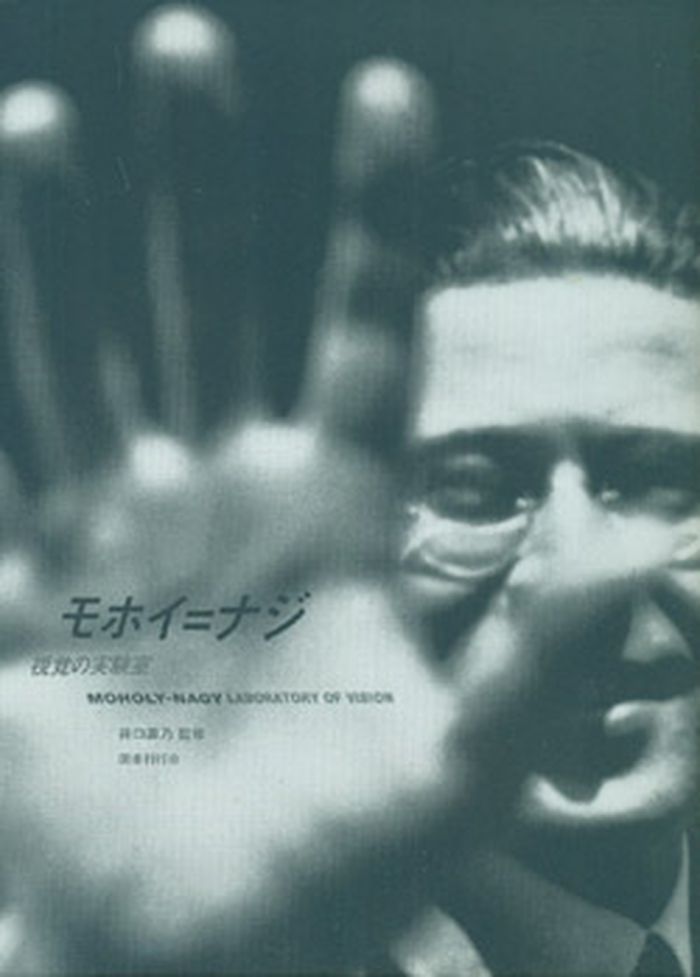
Moholy-Nagy: laboratory of vision
Actions:
Price:
$115.00
(available to order)
Summary:
This book is published in conjunction with the exhibition Moholy-Nagy/In Motion introducing works spanning the full oeuvre of Moholy-Nagy (1895-1946), an artist who brought new vision to the art of the 20th century. As a prominent member of the avant-garde art movements between the two World Wars, he developed an artistic ideal of creating works of light and motion. The pursuit of his career as a creative artist and art educator took Moholy-Nagy from his native Hungary to Vienna, then on to Germany, the Netherlands and Great Britain and finally to the United States. Working in painting, photography, sculpture, film, graphic design, stage design and publishing, Moholy-Nagy’s career addressed many of the new issues confronting art in the 20th century, such as the relationship between art and industrial technology and the new media of information and communications. This exhibition marks Japan’s first full-scale retrospective of the art of Moholy-Nagy and spans the artist’s full career from its earliest years to its last in some 300 works and related materials and documents.
Moholy-Nagy: laboratory of vision
Actions:
Price:
$115.00
(available to order)
Summary:
This book is published in conjunction with the exhibition Moholy-Nagy/In Motion introducing works spanning the full oeuvre of Moholy-Nagy (1895-1946), an artist who brought new vision to the art of the 20th century. As a prominent member of the avant-garde art movements between the two World Wars, he developed an artistic ideal of creating works of light and motion. The pursuit of his career as a creative artist and art educator took Moholy-Nagy from his native Hungary to Vienna, then on to Germany, the Netherlands and Great Britain and finally to the United States. Working in painting, photography, sculpture, film, graphic design, stage design and publishing, Moholy-Nagy’s career addressed many of the new issues confronting art in the 20th century, such as the relationship between art and industrial technology and the new media of information and communications. This exhibition marks Japan’s first full-scale retrospective of the art of Moholy-Nagy and spans the artist’s full career from its earliest years to its last in some 300 works and related materials and documents.
Form:
books
books
Publication:
October 2011
October 2011
Subject:
Contemporary Art Monographs
Contemporary Art Monographs
Form:
books
books
Actions:
Price:
$111.50
(available in store)
Summary:
Today, with the advent of digital media technologies and the ability to conceptualize, express and produce complex forms using digital means, the question of the status of the architectural form is once again under consideration. Indeed, the computer liberated architecture from the tyranny of the right angle and enabled the design and production of non-standard buildings,(...)
$111.50
(available in store)
Summary:
Today, with the advent of digital media technologies and the ability to conceptualize, express and produce complex forms using digital means, the question of the status of the architectural form is once again under consideration. Indeed, the computer liberated architecture from the tyranny of the right angle and enabled the design and production of non-standard buildings,(...)
Title:
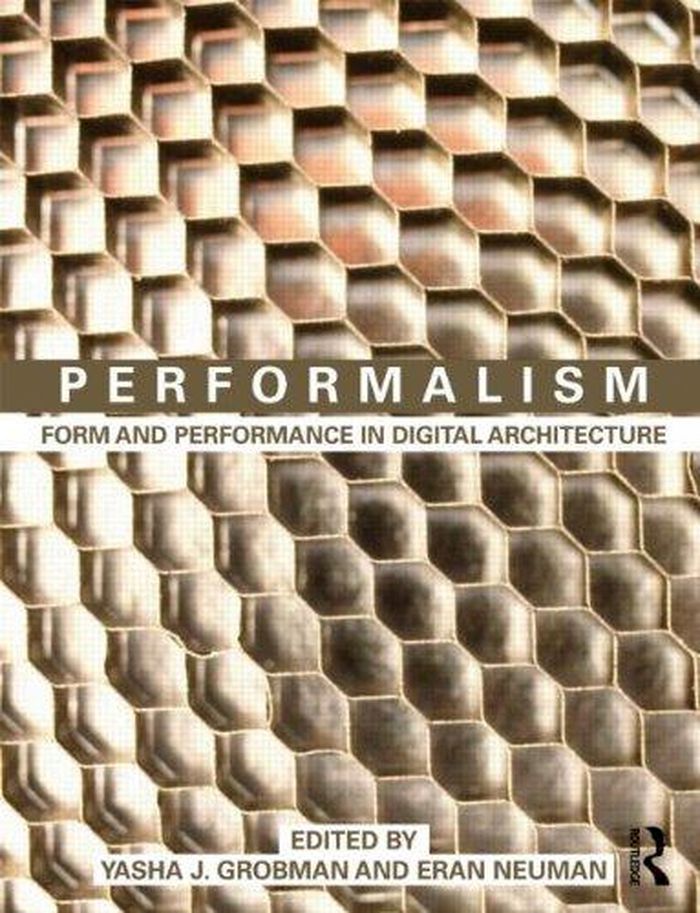
Performalism: form and performance in digital architecture
Actions:
Price:
$111.50
(available in store)
Summary:
Today, with the advent of digital media technologies and the ability to conceptualize, express and produce complex forms using digital means, the question of the status of the architectural form is once again under consideration. Indeed, the computer liberated architecture from the tyranny of the right angle and enabled the design and production of non-standard buildings, based on irregular geometry. Yet, the questions concerning the method of form expression in contemporary architecture, and its meaning, remain very much open. Performalism takes up this discussion, defines it and presents changes in form conception in architecture, followed by their repercussions. The book is supported by a wealth of case studies from some of the top firms across the globe and contributed to by some of the top names in this field. With a unique and insightful emphasis on professional practice this is essential reading for all architects, aspiring and practicing. The book is supported by a wealth of case studies from some of the top firms across the globe and contributed to by some of the top names in this field.
Performalism: form and performance in digital architecture
Actions:
Price:
$111.50
(available in store)
Summary:
Today, with the advent of digital media technologies and the ability to conceptualize, express and produce complex forms using digital means, the question of the status of the architectural form is once again under consideration. Indeed, the computer liberated architecture from the tyranny of the right angle and enabled the design and production of non-standard buildings, based on irregular geometry. Yet, the questions concerning the method of form expression in contemporary architecture, and its meaning, remain very much open. Performalism takes up this discussion, defines it and presents changes in form conception in architecture, followed by their repercussions. The book is supported by a wealth of case studies from some of the top firms across the globe and contributed to by some of the top names in this field. With a unique and insightful emphasis on professional practice this is essential reading for all architects, aspiring and practicing. The book is supported by a wealth of case studies from some of the top firms across the globe and contributed to by some of the top names in this field.
Form:
books
books
Publication:
October 2011
October 2011
Subject:
Digital Architecture
Digital Architecture
Form:
books
books
Title:
1972: Nakagin Capsule Tower
1972: Nakagin Capsule Tower
Actions:
Price:
$66.50
(available to order)
Summary:
In the city of Tokyo, a building stands as an anachronism in relation to the surrounding urban landscape. The building in question is the Nakagin Capsule Tower designed by Kisho Kurokawa (1934 – 2007), one of the founders of an influential architectural movement in the 1960s called Metabolism. The movement’s aim was to formulate flexible designs that facilitate continual(...)
$66.50
(available to order)
Summary:
In the city of Tokyo, a building stands as an anachronism in relation to the surrounding urban landscape. The building in question is the Nakagin Capsule Tower designed by Kisho Kurokawa (1934 – 2007), one of the founders of an influential architectural movement in the 1960s called Metabolism. The movement’s aim was to formulate flexible designs that facilitate continual(...)
Title:
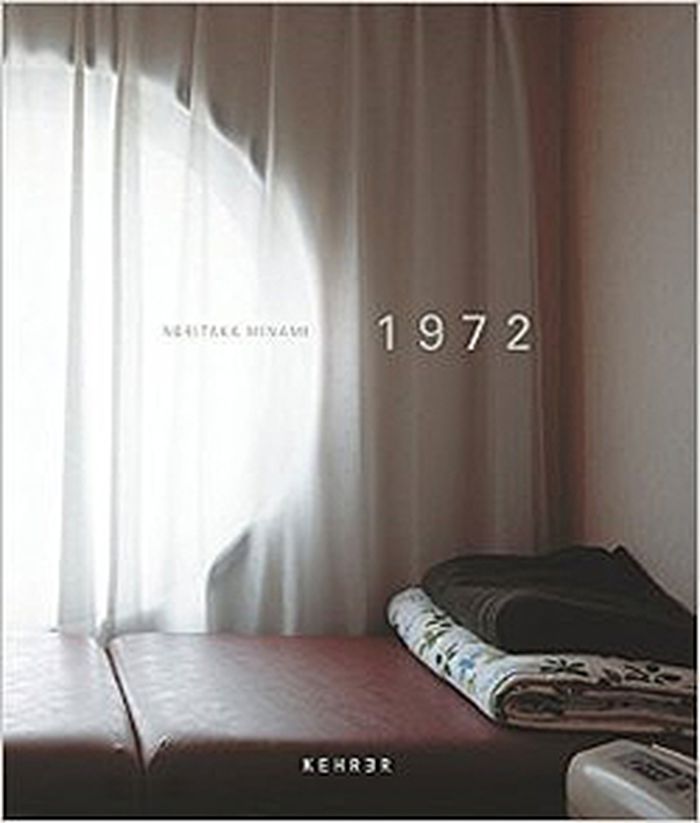
1972: Nakagin Capsule Tower
Actions:
Price:
$66.50
(available to order)
Summary:
In the city of Tokyo, a building stands as an anachronism in relation to the surrounding urban landscape. The building in question is the Nakagin Capsule Tower designed by Kisho Kurokawa (1934 – 2007), one of the founders of an influential architectural movement in the 1960s called Metabolism. The movement’s aim was to formulate flexible designs that facilitate continual growth and renewal of architecture. As the first capsule apartment in history constructed for everyday use, the Nakagin Capsule Tower is considered the most ambitious attempt in implementing the principles of Metabolism. Kurokawa attached the building with 140 removable capsules to promote modifications to the structure over time, theoretically improving its capacity to adjust to the rapidly changing conditions of the post-industrial society. When the building first opened in March of 1972, it was advertised in the media to signal “the dawn of the capsule age.” At the time, Kurokawa had additional capsule projects planned in the coming years and predicted the mass production of these living unit. Noritaka Minami has been photographing the Nakagin Capsule Tower in Tokyo for the past four years.
1972: Nakagin Capsule Tower
Actions:
Price:
$66.50
(available to order)
Summary:
In the city of Tokyo, a building stands as an anachronism in relation to the surrounding urban landscape. The building in question is the Nakagin Capsule Tower designed by Kisho Kurokawa (1934 – 2007), one of the founders of an influential architectural movement in the 1960s called Metabolism. The movement’s aim was to formulate flexible designs that facilitate continual growth and renewal of architecture. As the first capsule apartment in history constructed for everyday use, the Nakagin Capsule Tower is considered the most ambitious attempt in implementing the principles of Metabolism. Kurokawa attached the building with 140 removable capsules to promote modifications to the structure over time, theoretically improving its capacity to adjust to the rapidly changing conditions of the post-industrial society. When the building first opened in March of 1972, it was advertised in the media to signal “the dawn of the capsule age.” At the time, Kurokawa had additional capsule projects planned in the coming years and predicted the mass production of these living unit. Noritaka Minami has been photographing the Nakagin Capsule Tower in Tokyo for the past four years.
Form:
books
books
Publication:
August 2015
August 2015
Subject:
Photography monographs
Photography monographs
Form:
books
books
Actions:
Holdings:
Description:
473 pages, xxiv pages of plates : illustrations (some color), maps ; 24 cm.
Description:
473 pages, xxiv pages of plates : illustrations (some color), maps ; 24 cm.
Author:
Subject:
Publication:
Rennes : Presses Universitaires de Rennes, [2015]
Rennes : Presses Universitaires de Rennes, [2015]
Title:
La forme de la ville : de l'Antiquité à la Renaissance / direction scientifique, Stéphane Bourdin, Michel Paoli et Anne Reltgen-Tallon ; coordination éditoriale, Raphaële Skupien.
Actions:
Holdings:
Description:
473 pages, xxiv pages of plates : illustrations (some color), maps ; 24 cm.
La forme de la ville : de l'Antiquité à la Renaissance / direction scientifique, Stéphane Bourdin, Michel Paoli et Anne Reltgen-Tallon ; coordination éditoriale, Raphaële Skupien.
Actions:
Holdings:
Description:
473 pages, xxiv pages of plates : illustrations (some color), maps ; 24 cm.
Form:
books
books
Publication:
Rennes : Presses Universitaires de Rennes, [2015]
Rennes : Presses Universitaires de Rennes, [2015]
Author:
Subject:
Form:
books
books
Actions:
Holdings:
Description:
179 pages : illustrations (certaines en couleur) ; 27 cm
Description:
179 pages : illustrations (certaines en couleur) ; 27 cm
Author:
Subject:
Publication:
Montréal (Québec) Canada : Boréal, [2017], ©2017
Montréal (Québec) Canada : Boréal, [2017], ©2017
Title:
Traces de l'histoire de Montréal / Paul-André Linteau, Serge Joyal, Mario Robert.
Actions:
Holdings:
Description:
179 pages : illustrations (certaines en couleur) ; 27 cm
Traces de l'histoire de Montréal / Paul-André Linteau, Serge Joyal, Mario Robert.
Actions:
Holdings:
Description:
179 pages : illustrations (certaines en couleur) ; 27 cm
Form:
books
books
Publication:
Montréal (Québec) Canada : Boréal, [2017], ©2017
Montréal (Québec) Canada : Boréal, [2017], ©2017
Author:
Subject:
Form:
books
books
Actions:
Price:
$35.00
(available in store)
Summary:
A collection of primary sources chosen by the research fellows ''Centring Africa: Postcolonial Perspectives on Architecture'', Doreen Adengo, Dele Adeyemo, Warebi Gabriel Brisibe and Ramota Obagah-Stephen, Rachel Lee and Monika Motylinska, Ikem Stanley Okoye, Cole Roskam, Lukasz Stanek, and Huda Tayob. ''Fugitive Archives'' is not a book about African architecture or(...)
$35.00
(available in store)
Summary:
A collection of primary sources chosen by the research fellows ''Centring Africa: Postcolonial Perspectives on Architecture'', Doreen Adengo, Dele Adeyemo, Warebi Gabriel Brisibe and Ramota Obagah-Stephen, Rachel Lee and Monika Motylinska, Ikem Stanley Okoye, Cole Roskam, Lukasz Stanek, and Huda Tayob. ''Fugitive Archives'' is not a book about African architecture or(...)
Title:
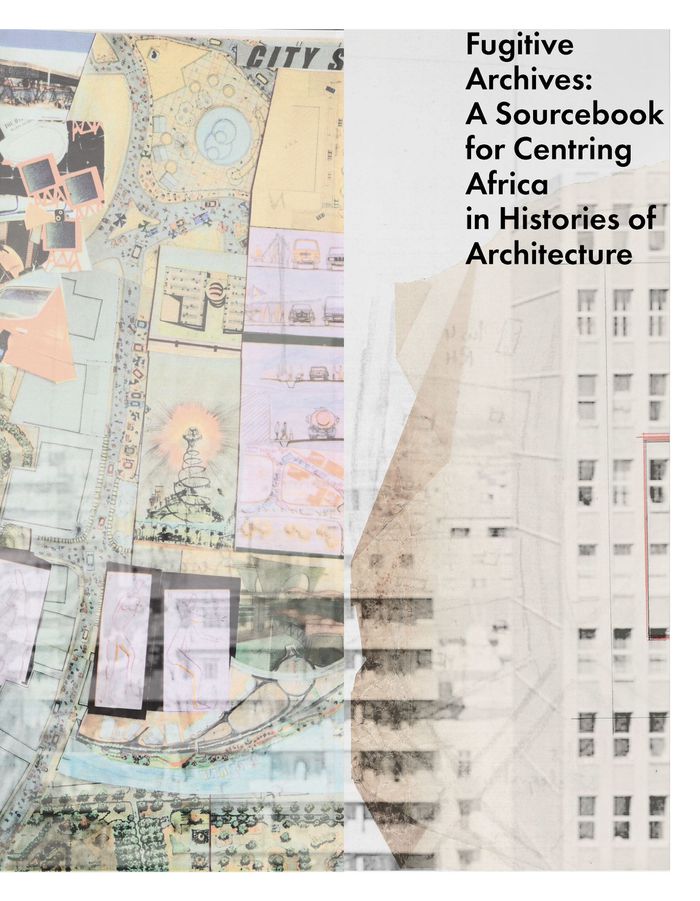
Fugitive Archives: A Sourcebook for Centring Africa in Histories of Architecture
Actions:
Price:
$35.00
(available in store)
Summary:
A collection of primary sources chosen by the research fellows ''Centring Africa: Postcolonial Perspectives on Architecture'', Doreen Adengo, Dele Adeyemo, Warebi Gabriel Brisibe and Ramota Obagah-Stephen, Rachel Lee and Monika Motylinska, Ikem Stanley Okoye, Cole Roskam, Lukasz Stanek, and Huda Tayob. ''Fugitive Archives'' is not a book about African architecture or its history. It is a book about the role of primary research in the work of the fellows and about how, to centre Africa in histories of modern architecture, they had to develop new ways of finding, seeing, and listening. The sources presented here are starting points for dismantling and expanding existing architectural archives, in which what is considered valuable enough to archive remains dominated by colonial or Western knowledge frameworks. Through varied media and formats, the sources multiply narratives by highlighting diverse actors, practices, and geographies—on and off the continent—implicated in the history of modern African architecture. Rather than suggesting key, but inevitably reductive, themes, this book brings the fellows and their sources into dialogue in three sections that foreground similar methods and challenges to locating, accessing, reading, and constructing otherwise fugitive archives.
Fugitive Archives: A Sourcebook for Centring Africa in Histories of Architecture
Actions:
Price:
$35.00
(available in store)
Summary:
A collection of primary sources chosen by the research fellows ''Centring Africa: Postcolonial Perspectives on Architecture'', Doreen Adengo, Dele Adeyemo, Warebi Gabriel Brisibe and Ramota Obagah-Stephen, Rachel Lee and Monika Motylinska, Ikem Stanley Okoye, Cole Roskam, Lukasz Stanek, and Huda Tayob. ''Fugitive Archives'' is not a book about African architecture or its history. It is a book about the role of primary research in the work of the fellows and about how, to centre Africa in histories of modern architecture, they had to develop new ways of finding, seeing, and listening. The sources presented here are starting points for dismantling and expanding existing architectural archives, in which what is considered valuable enough to archive remains dominated by colonial or Western knowledge frameworks. Through varied media and formats, the sources multiply narratives by highlighting diverse actors, practices, and geographies—on and off the continent—implicated in the history of modern African architecture. Rather than suggesting key, but inevitably reductive, themes, this book brings the fellows and their sources into dialogue in three sections that foreground similar methods and challenges to locating, accessing, reading, and constructing otherwise fugitive archives.
Form:
books
books
Publication:
August 2023
August 2023
Subject:
CCA Publications
CCA Publications
Form:
books
books

Actions:
Price:
$100.00
(available in store)
Summary:
After the wall between East and West Germany was destroyed in 1989, the rapid political reunification of the country was greeted with euphoria. However, psychological and cultural reunification has proved to be a much slower and more difficult process. Michael Schmidt, a lifelong Berlin resident, approaches that anxious process in part by reflecting on Germany’s past.(...)
$100.00
(available in store)
Summary:
After the wall between East and West Germany was destroyed in 1989, the rapid political reunification of the country was greeted with euphoria. However, psychological and cultural reunification has proved to be a much slower and more difficult process. Michael Schmidt, a lifelong Berlin resident, approaches that anxious process in part by reflecting on Germany’s past.(...)
Title:
Michael Schmidt: Ein heit (u-ni-ty)
Actions:
Price:
$100.00
(available in store)
Summary:
After the wall between East and West Germany was destroyed in 1989, the rapid political reunification of the country was greeted with euphoria. However, psychological and cultural reunification has proved to be a much slower and more difficult process. Michael Schmidt, a lifelong Berlin resident, approaches that anxious process in part by reflecting on Germany’s past. About half of the works are Schmidt’s own photographs; the remainder are photographs he made from other photographs culled from newspapers, magazines, propaganda pamphlets, and other such sources. The meanings of historical monuments and political symbols, of particular gestures and facial expressions and styles of clothing, are left open to interpretation. Each viewer is challenged to judge whether a given image represents East or West Germany, a villain or a victim, a moment in 1935, 1965, or 1995. This project merges two artistic traditions, treating photography both as a medium for describing personal experience and as a vast, impersonal resource created by the mass media. The book explores the emotional weight of history, the power of ideological symbols, and the relationship of the individual to the body politic.
Michael Schmidt: Ein heit (u-ni-ty)
Actions:
Price:
$100.00
(available in store)
Summary:
After the wall between East and West Germany was destroyed in 1989, the rapid political reunification of the country was greeted with euphoria. However, psychological and cultural reunification has proved to be a much slower and more difficult process. Michael Schmidt, a lifelong Berlin resident, approaches that anxious process in part by reflecting on Germany’s past. About half of the works are Schmidt’s own photographs; the remainder are photographs he made from other photographs culled from newspapers, magazines, propaganda pamphlets, and other such sources. The meanings of historical monuments and political symbols, of particular gestures and facial expressions and styles of clothing, are left open to interpretation. Each viewer is challenged to judge whether a given image represents East or West Germany, a villain or a victim, a moment in 1935, 1965, or 1995. This project merges two artistic traditions, treating photography both as a medium for describing personal experience and as a vast, impersonal resource created by the mass media. The book explores the emotional weight of history, the power of ideological symbols, and the relationship of the individual to the body politic.
Form:
books
books
Publication:
March 2023
March 2023
Subject:
Photography monographs
Photography monographs
Form:
books
books
Title:
Herzog & de Meuron 1978-2002
Herzog & de Meuron 1978-2002
Actions:
Price:
$76.95
(available to order)
Summary:
This "Special Edition" from a+u includes essays by Jacques Herzog and Pierre de Meuron as well as Toyo Ito. Projects illustrated include: Prada, Tokyo; Walker Art Center, Expansion of the Museum and Cultural Center; new de Young Museum; Schaulager for the Emanuel Hoffmann Foundation; Cottbus University Library; Centro Cultural - Museum and Cultural Centre;(...)
$76.95
(available to order)
Summary:
This "Special Edition" from a+u includes essays by Jacques Herzog and Pierre de Meuron as well as Toyo Ito. Projects illustrated include: Prada, Tokyo; Walker Art Center, Expansion of the Museum and Cultural Center; new de Young Museum; Schaulager for the Emanuel Hoffmann Foundation; Cottbus University Library; Centro Cultural - Museum and Cultural Centre;(...)
Subject:
Architecture Monographs
Architecture Monographs
Publication:
January 1900, Tokyo
January 1900, Tokyo
Title:
Herzog & de Meuron 1978-2002
Actions:
Price:
$76.95
(available to order)
Summary:
This "Special Edition" from a+u includes essays by Jacques Herzog and Pierre de Meuron as well as Toyo Ito. Projects illustrated include: Prada, Tokyo; Walker Art Center, Expansion of the Museum and Cultural Center; new de Young Museum; Schaulager for the Emanuel Hoffmann Foundation; Cottbus University Library; Centro Cultural - Museum and Cultural Centre; The New Link Quai in Santa Cruz de Tenerife/Plaza de Espana; Kramlich Residence and Media Collection; The Virtual House; St. Jakob Park Basel; Football Stadium, Commercial Centre and Residence for Elderly People; Wood House; Greek Orthodox Church. Completed works include the following: Blue House; Stone House; Apartment and Commercial Building, Schutzenmattstrasse; Apartment Building along a Party Wall, Hebelstrasse; E,D,E,N, Pavilion; Ricola Storage Building; Railway Engine Depot, Auf dem Wolf; Signal Box, Auf dem Wolf; Gallery for a Private Collection of Modern Art, Goetz Collection; Ricola-Europe SA. Production and Storage Building; Roche Pharma-Research Building; Library of the Eberswalde Technical School; Central Signal Tower; Tate Modern; House in Leymen; Caricature and Cartoon Museum - conversion and new building; Institute for Hospital Pharmaceuticals, Rossetti Grounds; Studio Rémy Zaugg; Dominus Winery; Apartment Buildings, Rue des Suisses; Küppersmühle Museum - Grothe Collection; Ricola Marketing Building.
Herzog & de Meuron 1978-2002
Actions:
Price:
$76.95
(available to order)
Summary:
This "Special Edition" from a+u includes essays by Jacques Herzog and Pierre de Meuron as well as Toyo Ito. Projects illustrated include: Prada, Tokyo; Walker Art Center, Expansion of the Museum and Cultural Center; new de Young Museum; Schaulager for the Emanuel Hoffmann Foundation; Cottbus University Library; Centro Cultural - Museum and Cultural Centre; The New Link Quai in Santa Cruz de Tenerife/Plaza de Espana; Kramlich Residence and Media Collection; The Virtual House; St. Jakob Park Basel; Football Stadium, Commercial Centre and Residence for Elderly People; Wood House; Greek Orthodox Church. Completed works include the following: Blue House; Stone House; Apartment and Commercial Building, Schutzenmattstrasse; Apartment Building along a Party Wall, Hebelstrasse; E,D,E,N, Pavilion; Ricola Storage Building; Railway Engine Depot, Auf dem Wolf; Signal Box, Auf dem Wolf; Gallery for a Private Collection of Modern Art, Goetz Collection; Ricola-Europe SA. Production and Storage Building; Roche Pharma-Research Building; Library of the Eberswalde Technical School; Central Signal Tower; Tate Modern; House in Leymen; Caricature and Cartoon Museum - conversion and new building; Institute for Hospital Pharmaceuticals, Rossetti Grounds; Studio Rémy Zaugg; Dominus Winery; Apartment Buildings, Rue des Suisses; Küppersmühle Museum - Grothe Collection; Ricola Marketing Building.
Form:
books
books
Publication:
January 1900, Tokyo
January 1900, Tokyo
Subject:
Architecture Monographs
Architecture Monographs
Form:
books
books
Price:
$37.00
(available in store)
Summary:
The Walker Art Center recently opened its expanded space, which includes a new theatre, a new restaurant, and more galleries, but is best known for being Herzog & de Meuron’s first public building in the United States. The project drew national coverage from media including 'The New York Times'. 'Expanding the Center' caters to and piques public interest in the building(...)
$37.00
(available in store)
Summary:
The Walker Art Center recently opened its expanded space, which includes a new theatre, a new restaurant, and more galleries, but is best known for being Herzog & de Meuron’s first public building in the United States. The project drew national coverage from media including 'The New York Times'. 'Expanding the Center' caters to and piques public interest in the building(...)
Subject:
Architecture Monographs
Architecture Monographs
Publication:
September 2005, Minneapolis
September 2005, Minneapolis
Title:
Expanding the Center : Walker Art Center and Herzog & de Meuron
Actions:
Price:
$37.00
(available in store)
Summary:
The Walker Art Center recently opened its expanded space, which includes a new theatre, a new restaurant, and more galleries, but is best known for being Herzog & de Meuron’s first public building in the United States. The project drew national coverage from media including 'The New York Times'. 'Expanding the Center' caters to and piques public interest in the building with a generous selection of images, including sketches, renderings, and photographs of the construction process and the completed work. Herzog & de Meuron’s shimmering but grounded design mirrors the textures and shades of the Walker’s original space, and an institutional philosophy based in innovation and risk-taking, the exploration of alternative approaches to learning, the experimental use of technologies to communicate information, and the design of spaces to enhance a variety of museum experiences. The book is organized around the decisions and actions of the architects, builders, Walker staff and the audience - i.e. designing, constructing, unveiling, staging, gathering, patterning, framing, collecting - and highlights the thinking that led to the visible form of the Center as well as the innovative projects and initiatives that give it its inimitable character.
Expanding the Center : Walker Art Center and Herzog & de Meuron
Actions:
Price:
$37.00
(available in store)
Summary:
The Walker Art Center recently opened its expanded space, which includes a new theatre, a new restaurant, and more galleries, but is best known for being Herzog & de Meuron’s first public building in the United States. The project drew national coverage from media including 'The New York Times'. 'Expanding the Center' caters to and piques public interest in the building with a generous selection of images, including sketches, renderings, and photographs of the construction process and the completed work. Herzog & de Meuron’s shimmering but grounded design mirrors the textures and shades of the Walker’s original space, and an institutional philosophy based in innovation and risk-taking, the exploration of alternative approaches to learning, the experimental use of technologies to communicate information, and the design of spaces to enhance a variety of museum experiences. The book is organized around the decisions and actions of the architects, builders, Walker staff and the audience - i.e. designing, constructing, unveiling, staging, gathering, patterning, framing, collecting - and highlights the thinking that led to the visible form of the Center as well as the innovative projects and initiatives that give it its inimitable character.
Form:
books
books
Publication:
September 2005, Minneapolis
September 2005, Minneapolis
Subject:
Architecture Monographs
Architecture Monographs


