


9192 Results
Level of archival description:
Sub-series
Sub-series
Title:
Education
Education
Reference number:
CI001.S2.D1
Description:
Like his father Hubert, Charles Rohault de Fleury also studied at the École polytechnique with Jean-Nicolas-Louis Durand (1820-1821), and at the École des Beaux-Arts (1823-1825), Charles studied under his father and Louis Hippolyte Lebas. The CCA collection contains his printed exercise book from the École polytechnique and an album of drawings of the orders executed at both schools. The printed exercise book (DR1974:0002:001:001-105), primarily dated to 1821, provides an overview of the first year curriculum at the École polytechnique reflecting the emphasis placed on the course in descriptive geometry. The exercises proceed from the simple to the complex; from the analysis of simple shapes to the interpretation of basic architectural elements. Many of the problems have been solved by Charles, and carry the approval seal of his professor. A large engraving included in the album provides a succinct table recording the career paths of graduating students in the various Écoles d'application, a description of the core curriculum, and a historical and chronological outline of the École polytechnique from its inception to 1828. Charles' studies of the architectural orders (DR1974:0002:019:001-033), many of which are copied directly from Charles Normand's 'Nouveau parallele des ordres d'architecture...,' demonstrate the continued application of Durand's methodology applied to typical Beaux-Arts studies. The orders executed at the École polytechnique are pared down to their essential form and porticos are abstracted and grouped according to their tetrastyle, hexastyle, or octastyle configurations, whereas the orders completed at the École des beaux-arts are simplified, but still reflect the traditional mimetic interpretation of classical antiquity, with its fidelity to mouldings and details. The conspicous abscence of the composite order and the addition of the 'Dorique Romain and Moderne', attest to the continued influence of Durand's ''Precis'. The information regarding George's architectural career is limited to twelve drawings for architectural ornament and sculpture (1858-1859) submitted to a newly introduced, and obligatory, 'dessin' Concours d'emulation at the École des beaux-arts (1). (1) R. Chaffe, "The teaching of architecture at the École des Beaux-Arts" in Arthur Drexler ed., 'The Architecture of the École des Beaux-Arts' (New York: MOMA, 1975), p.84 and fn. 120.)
CI001.S2.D1
Description:
Like his father Hubert, Charles Rohault de Fleury also studied at the École polytechnique with Jean-Nicolas-Louis Durand (1820-1821), and at the École des Beaux-Arts (1823-1825), Charles studied under his father and Louis Hippolyte Lebas. The CCA collection contains his printed exercise book from the École polytechnique and an album of drawings of the orders executed at both schools. The printed exercise book (DR1974:0002:001:001-105), primarily dated to 1821, provides an overview of the first year curriculum at the École polytechnique reflecting the emphasis placed on the course in descriptive geometry. The exercises proceed from the simple to the complex; from the analysis of simple shapes to the interpretation of basic architectural elements. Many of the problems have been solved by Charles, and carry the approval seal of his professor. A large engraving included in the album provides a succinct table recording the career paths of graduating students in the various Écoles d'application, a description of the core curriculum, and a historical and chronological outline of the École polytechnique from its inception to 1828. Charles' studies of the architectural orders (DR1974:0002:019:001-033), many of which are copied directly from Charles Normand's 'Nouveau parallele des ordres d'architecture...,' demonstrate the continued application of Durand's methodology applied to typical Beaux-Arts studies. The orders executed at the École polytechnique are pared down to their essential form and porticos are abstracted and grouped according to their tetrastyle, hexastyle, or octastyle configurations, whereas the orders completed at the École des beaux-arts are simplified, but still reflect the traditional mimetic interpretation of classical antiquity, with its fidelity to mouldings and details. The conspicous abscence of the composite order and the addition of the 'Dorique Romain and Moderne', attest to the continued influence of Durand's ''Precis'. The information regarding George's architectural career is limited to twelve drawings for architectural ornament and sculpture (1858-1859) submitted to a newly introduced, and obligatory, 'dessin' Concours d'emulation at the École des beaux-arts (1). (1) R. Chaffe, "The teaching of architecture at the École des Beaux-Arts" in Arthur Drexler ed., 'The Architecture of the École des Beaux-Arts' (New York: MOMA, 1975), p.84 and fn. 120.)
People:
Date:
[1776?]-1868
[1776?]-1868
Title:
Education
CI001.S2.D1
Description:
Like his father Hubert, Charles Rohault de Fleury also studied at the École polytechnique with Jean-Nicolas-Louis Durand (1820-1821), and at the École des Beaux-Arts (1823-1825), Charles studied under his father and Louis Hippolyte Lebas. The CCA collection contains his printed exercise book from the École polytechnique and an album of drawings of the orders executed at both schools. The printed exercise book (DR1974:0002:001:001-105), primarily dated to 1821, provides an overview of the first year curriculum at the École polytechnique reflecting the emphasis placed on the course in descriptive geometry. The exercises proceed from the simple to the complex; from the analysis of simple shapes to the interpretation of basic architectural elements. Many of the problems have been solved by Charles, and carry the approval seal of his professor. A large engraving included in the album provides a succinct table recording the career paths of graduating students in the various Écoles d'application, a description of the core curriculum, and a historical and chronological outline of the École polytechnique from its inception to 1828. Charles' studies of the architectural orders (DR1974:0002:019:001-033), many of which are copied directly from Charles Normand's 'Nouveau parallele des ordres d'architecture...,' demonstrate the continued application of Durand's methodology applied to typical Beaux-Arts studies. The orders executed at the École polytechnique are pared down to their essential form and porticos are abstracted and grouped according to their tetrastyle, hexastyle, or octastyle configurations, whereas the orders completed at the École des beaux-arts are simplified, but still reflect the traditional mimetic interpretation of classical antiquity, with its fidelity to mouldings and details. The conspicous abscence of the composite order and the addition of the 'Dorique Romain and Moderne', attest to the continued influence of Durand's ''Precis'. The information regarding George's architectural career is limited to twelve drawings for architectural ornament and sculpture (1858-1859) submitted to a newly introduced, and obligatory, 'dessin' Concours d'emulation at the École des beaux-arts (1). (1) R. Chaffe, "The teaching of architecture at the École des Beaux-Arts" in Arthur Drexler ed., 'The Architecture of the École des Beaux-Arts' (New York: MOMA, 1975), p.84 and fn. 120.)
Education
CI001.S2.D1
Description:
Like his father Hubert, Charles Rohault de Fleury also studied at the École polytechnique with Jean-Nicolas-Louis Durand (1820-1821), and at the École des Beaux-Arts (1823-1825), Charles studied under his father and Louis Hippolyte Lebas. The CCA collection contains his printed exercise book from the École polytechnique and an album of drawings of the orders executed at both schools. The printed exercise book (DR1974:0002:001:001-105), primarily dated to 1821, provides an overview of the first year curriculum at the École polytechnique reflecting the emphasis placed on the course in descriptive geometry. The exercises proceed from the simple to the complex; from the analysis of simple shapes to the interpretation of basic architectural elements. Many of the problems have been solved by Charles, and carry the approval seal of his professor. A large engraving included in the album provides a succinct table recording the career paths of graduating students in the various Écoles d'application, a description of the core curriculum, and a historical and chronological outline of the École polytechnique from its inception to 1828. Charles' studies of the architectural orders (DR1974:0002:019:001-033), many of which are copied directly from Charles Normand's 'Nouveau parallele des ordres d'architecture...,' demonstrate the continued application of Durand's methodology applied to typical Beaux-Arts studies. The orders executed at the École polytechnique are pared down to their essential form and porticos are abstracted and grouped according to their tetrastyle, hexastyle, or octastyle configurations, whereas the orders completed at the École des beaux-arts are simplified, but still reflect the traditional mimetic interpretation of classical antiquity, with its fidelity to mouldings and details. The conspicous abscence of the composite order and the addition of the 'Dorique Romain and Moderne', attest to the continued influence of Durand's ''Precis'. The information regarding George's architectural career is limited to twelve drawings for architectural ornament and sculpture (1858-1859) submitted to a newly introduced, and obligatory, 'dessin' Concours d'emulation at the École des beaux-arts (1). (1) R. Chaffe, "The teaching of architecture at the École des Beaux-Arts" in Arthur Drexler ed., 'The Architecture of the École des Beaux-Arts' (New York: MOMA, 1975), p.84 and fn. 120.)
Level of archival description:
File 1
File 1
Date:
[1776?]-1868
[1776?]-1868
People:
Level of archival description:
Project
Project
Actions:
Reference number:
AP056.S1.1989.PR08
Description:
This project series documents the winning competition entry and subsequent construction for Kitchener City Hall in Kitchener, Ontario from 1989-1993. The office identified the project number as 8928. This project consisted of a U-shaped civic building comprised of a circular rotunda in the centre, an office tower to the right, the council chambers to the left, and two rectangular arms on either side to create the arms of the U. These elements, which wrapped around a large reflecting pool that doubled as a skating rink, were visually separated but coherent in their design and use of materials. Located on the block between Young, College, Duke and King Streets, the interior and exteriors of the property were designed for city government, but also for the larger public with community, public spaces, and open interaction with local government as key design concepts for the project. After entering the Civic Square outside the building, patrons can pass through the main portico, into the Interior Civic Square were the round Civic Rotunda rests in the centre. The rotunda’s interior was designed for use as a public gathering space, where events and activities could be held. The top of the rotunda had sandblasted glass windows with patinated copper frames, letting natural light shine into the large space below. A staircase from the main Civic Square led to an exterior terrace that wrapped around the top of the rotunda. The Administrative Office Tower was ten-storeys with a mechanical penthouse, and was used for civic offices. The Council Chamber was comprised of limestone with refinished metal panels forming a curved roof on top. The two wings along the sides of the property contained tenant areas, a restaurant, information offices, alderman’s offices and the mayor’s office, among other spaces. The back of the property had landscaped exteriors and outdoor play areas for the building’s daycare. The project is recorded through drawings, photographic materials, presentation paintings and models dating from 1989-1993. The drawings consist of concepts for both the competition entry and the subsequent construction of the project. These include sketches, base maps and area surveys produced by the city and contractors, presentation boards and paintings, plans, elevations, sections, perspectives, details and axonometric drawings. There are also photographic reproductions of presentation drawings. The photographs show finished interiors and exteriors and the project model.
AP056.S1.1989.PR08
Description:
This project series documents the winning competition entry and subsequent construction for Kitchener City Hall in Kitchener, Ontario from 1989-1993. The office identified the project number as 8928. This project consisted of a U-shaped civic building comprised of a circular rotunda in the centre, an office tower to the right, the council chambers to the left, and two rectangular arms on either side to create the arms of the U. These elements, which wrapped around a large reflecting pool that doubled as a skating rink, were visually separated but coherent in their design and use of materials. Located on the block between Young, College, Duke and King Streets, the interior and exteriors of the property were designed for city government, but also for the larger public with community, public spaces, and open interaction with local government as key design concepts for the project. After entering the Civic Square outside the building, patrons can pass through the main portico, into the Interior Civic Square were the round Civic Rotunda rests in the centre. The rotunda’s interior was designed for use as a public gathering space, where events and activities could be held. The top of the rotunda had sandblasted glass windows with patinated copper frames, letting natural light shine into the large space below. A staircase from the main Civic Square led to an exterior terrace that wrapped around the top of the rotunda. The Administrative Office Tower was ten-storeys with a mechanical penthouse, and was used for civic offices. The Council Chamber was comprised of limestone with refinished metal panels forming a curved roof on top. The two wings along the sides of the property contained tenant areas, a restaurant, information offices, alderman’s offices and the mayor’s office, among other spaces. The back of the property had landscaped exteriors and outdoor play areas for the building’s daycare. The project is recorded through drawings, photographic materials, presentation paintings and models dating from 1989-1993. The drawings consist of concepts for both the competition entry and the subsequent construction of the project. These include sketches, base maps and area surveys produced by the city and contractors, presentation boards and paintings, plans, elevations, sections, perspectives, details and axonometric drawings. There are also photographic reproductions of presentation drawings. The photographs show finished interiors and exteriors and the project model.
People:
Date:
1989-1993
1989-1993
Title:
Kitchener City Hall Competition, Ontario (1989-1993)
Actions:
AP056.S1.1989.PR08
Description:
This project series documents the winning competition entry and subsequent construction for Kitchener City Hall in Kitchener, Ontario from 1989-1993. The office identified the project number as 8928. This project consisted of a U-shaped civic building comprised of a circular rotunda in the centre, an office tower to the right, the council chambers to the left, and two rectangular arms on either side to create the arms of the U. These elements, which wrapped around a large reflecting pool that doubled as a skating rink, were visually separated but coherent in their design and use of materials. Located on the block between Young, College, Duke and King Streets, the interior and exteriors of the property were designed for city government, but also for the larger public with community, public spaces, and open interaction with local government as key design concepts for the project. After entering the Civic Square outside the building, patrons can pass through the main portico, into the Interior Civic Square were the round Civic Rotunda rests in the centre. The rotunda’s interior was designed for use as a public gathering space, where events and activities could be held. The top of the rotunda had sandblasted glass windows with patinated copper frames, letting natural light shine into the large space below. A staircase from the main Civic Square led to an exterior terrace that wrapped around the top of the rotunda. The Administrative Office Tower was ten-storeys with a mechanical penthouse, and was used for civic offices. The Council Chamber was comprised of limestone with refinished metal panels forming a curved roof on top. The two wings along the sides of the property contained tenant areas, a restaurant, information offices, alderman’s offices and the mayor’s office, among other spaces. The back of the property had landscaped exteriors and outdoor play areas for the building’s daycare. The project is recorded through drawings, photographic materials, presentation paintings and models dating from 1989-1993. The drawings consist of concepts for both the competition entry and the subsequent construction of the project. These include sketches, base maps and area surveys produced by the city and contractors, presentation boards and paintings, plans, elevations, sections, perspectives, details and axonometric drawings. There are also photographic reproductions of presentation drawings. The photographs show finished interiors and exteriors and the project model.
Kitchener City Hall Competition, Ontario (1989-1993)
Actions:
AP056.S1.1989.PR08
Description:
This project series documents the winning competition entry and subsequent construction for Kitchener City Hall in Kitchener, Ontario from 1989-1993. The office identified the project number as 8928. This project consisted of a U-shaped civic building comprised of a circular rotunda in the centre, an office tower to the right, the council chambers to the left, and two rectangular arms on either side to create the arms of the U. These elements, which wrapped around a large reflecting pool that doubled as a skating rink, were visually separated but coherent in their design and use of materials. Located on the block between Young, College, Duke and King Streets, the interior and exteriors of the property were designed for city government, but also for the larger public with community, public spaces, and open interaction with local government as key design concepts for the project. After entering the Civic Square outside the building, patrons can pass through the main portico, into the Interior Civic Square were the round Civic Rotunda rests in the centre. The rotunda’s interior was designed for use as a public gathering space, where events and activities could be held. The top of the rotunda had sandblasted glass windows with patinated copper frames, letting natural light shine into the large space below. A staircase from the main Civic Square led to an exterior terrace that wrapped around the top of the rotunda. The Administrative Office Tower was ten-storeys with a mechanical penthouse, and was used for civic offices. The Council Chamber was comprised of limestone with refinished metal panels forming a curved roof on top. The two wings along the sides of the property contained tenant areas, a restaurant, information offices, alderman’s offices and the mayor’s office, among other spaces. The back of the property had landscaped exteriors and outdoor play areas for the building’s daycare. The project is recorded through drawings, photographic materials, presentation paintings and models dating from 1989-1993. The drawings consist of concepts for both the competition entry and the subsequent construction of the project. These include sketches, base maps and area surveys produced by the city and contractors, presentation boards and paintings, plans, elevations, sections, perspectives, details and axonometric drawings. There are also photographic reproductions of presentation drawings. The photographs show finished interiors and exteriors and the project model.
Level of archival description:
Project
Project
Date:
1989-1993
1989-1993
People:
Form:
textual records
textual records
Title:
DDR [Miscellaneous, 1981]
DDR [Miscellaneous, 1981]
Actions:
Reference number:
ARCH153880
Description:
Announcement from Rizzoli: publication of The Making of an Architect; Nov. 25, 1981. Two b&w prints of Peter Eisenman Program of the AIA National Convention, Minneapolis, Minnesota, May 17-21, 1981. Letter from Milan about the exhibition "Oggetto banale", 15 June 1981. Bill of a carpet sent to P. Eisenman's home and paid by Jacquelin Robertson, March 11, 1981. Letter from the Daily News answering a request for funding the retrospective of Raymond Hood's work, August 4, 1981. Telephone bill of Peter Eisenman's home, 12-16 August 1981. Three pages of information about Middle School. Page 5 of an article by Joan Copjec. Notes by P. Eisenman: "Colin when did you come"
ARCH153880
Description:
Announcement from Rizzoli: publication of The Making of an Architect; Nov. 25, 1981. Two b&w prints of Peter Eisenman Program of the AIA National Convention, Minneapolis, Minnesota, May 17-21, 1981. Letter from Milan about the exhibition "Oggetto banale", 15 June 1981. Bill of a carpet sent to P. Eisenman's home and paid by Jacquelin Robertson, March 11, 1981. Letter from the Daily News answering a request for funding the retrospective of Raymond Hood's work, August 4, 1981. Telephone bill of Peter Eisenman's home, 12-16 August 1981. Three pages of information about Middle School. Page 5 of an article by Joan Copjec. Notes by P. Eisenman: "Colin when did you come"
People:
Date:
1981
1981
Title:
DDR [Miscellaneous, 1981]
Actions:
ARCH153880
Description:
Announcement from Rizzoli: publication of The Making of an Architect; Nov. 25, 1981. Two b&w prints of Peter Eisenman Program of the AIA National Convention, Minneapolis, Minnesota, May 17-21, 1981. Letter from Milan about the exhibition "Oggetto banale", 15 June 1981. Bill of a carpet sent to P. Eisenman's home and paid by Jacquelin Robertson, March 11, 1981. Letter from the Daily News answering a request for funding the retrospective of Raymond Hood's work, August 4, 1981. Telephone bill of Peter Eisenman's home, 12-16 August 1981. Three pages of information about Middle School. Page 5 of an article by Joan Copjec. Notes by P. Eisenman: "Colin when did you come"
DDR [Miscellaneous, 1981]
Actions:
ARCH153880
Description:
Announcement from Rizzoli: publication of The Making of an Architect; Nov. 25, 1981. Two b&w prints of Peter Eisenman Program of the AIA National Convention, Minneapolis, Minnesota, May 17-21, 1981. Letter from Milan about the exhibition "Oggetto banale", 15 June 1981. Bill of a carpet sent to P. Eisenman's home and paid by Jacquelin Robertson, March 11, 1981. Letter from the Daily News answering a request for funding the retrospective of Raymond Hood's work, August 4, 1981. Telephone bill of Peter Eisenman's home, 12-16 August 1981. Three pages of information about Middle School. Page 5 of an article by Joan Copjec. Notes by P. Eisenman: "Colin when did you come"
Form:
textual records
textual records
Date:
1981
1981
People:
Form:
events
events
Title:
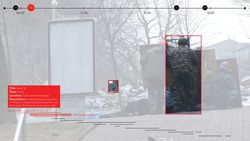
The expanded role: SITU
The expanded role: SITU
Actions:
Description:
Bradley Samuels presents recent SITU Research work and the role that research plays within the larger practice of SITU as a whole. A series of case studies will be presented which explore an expanded role for architectural and spatial practice across a range of fields—from human rights and public policy to earth science and workspace design. SITU Research’s past work(...)
Bradley Samuels presents recent SITU Research work and the role that research plays within the larger practice of SITU as a whole. A series of case studies will be presented which explore an expanded role for architectural and spatial practice across a range of fields—from human rights and public policy to earth science and workspace design. SITU Research’s past work(...)
Location:
Paul-Desmarais Theatre
Paul-Desmarais Theatre
Date:
14 January 2016
14 January 2016
Title:
The expanded role: SITU
Actions:
Description:
Bradley Samuels presents recent SITU Research work and the role that research plays within the larger practice of SITU as a whole. A series of case studies will be presented which explore an expanded role for architectural and spatial practice across a range of fields—from human rights and public policy to earth science and workspace design. SITU Research’s past work(...)
The expanded role: SITU
Actions:
Description:
Bradley Samuels presents recent SITU Research work and the role that research plays within the larger practice of SITU as a whole. A series of case studies will be presented which explore an expanded role for architectural and spatial practice across a range of fields—from human rights and public policy to earth science and workspace design. SITU Research’s past work(...)
Form:
events
events
Date:
14 January 2016
14 January 2016
Location:
Paul-Desmarais Theatre
Paul-Desmarais Theatre
Level of archival description:
Project
Project
Reference number:
AP178.S1.1979.PR06
Description:
The project series documents the 1979 design entry for Block 70 and 89, also known as the Fränkelufer residential complex. While the records were held in the office’s archives this project was assigned the number 55/70. The office assigned the date 1979 for this project. This project was submitted to the International Architectural Exhibition Berlin competition (International Bauaustellung, IBA, circa 1979-1987), an urban renewal strategy for West Berlin, Germany. Six months prior to submitting the design for Block 70 and 89 Siza submitted a design for the Görlitzer Bad swimming pool, which did not win the competition but received a special prize. Siza later submitted proposals to the IBA for Bonjour Tristesse (Block 121), Monument to Gestapo victims Prinz-Albrecht-Palais, Block 11-12 (Kottbusser Damm), and the Kulturforum, all of which are documented in this fonds. The IBA divided West Berlin into two parts: IBA Neubau ('new building'), led by Josef Paul Kleihues, and IBA Altbau ('old building') led by Hardt-Walherr Hämer. IBA Nuebau's focus was to build new structures while IBA Altbau's was to renovate existing buildings. The competition site for Block 70 and 89 was located on the west side of Kreuzberg, a district on the eastern edge of West Berlin. Although this project was part of the Altbau section, it nonetheless required building new housing complexes, which was generally under the purview of the Neubau section (Mota, "An archaeology of the ordinary" 299). Siza won second prize in the competition for his design of Block 70 and 89. This design proposal is said to have prepared Siza's ideas for his first international built project, Block 121 (Mathur, "The migrant's time"). The project series contains sketches and studies, which include notes. Several of the project sketches also include sketches of people. Documenting the design proposal are site plans, elevations, interior elevations, and floor plans. Photographs, negatives, contact sheets, and slides depict the project site and surrounding area as well as the model and drawings. Additionally there are panoramic photomontages of the project site. Please note that documentation for this project series is housed with documentation on Block 11-12 in file AP178.S1.1980.PR03.008, in the order it was kept by the office. Documentation for Block 70 and 89 includes an invitation to the competition, recommendations from the IBA advisory council, and other information regarding the competition.
AP178.S1.1979.PR06
Description:
The project series documents the 1979 design entry for Block 70 and 89, also known as the Fränkelufer residential complex. While the records were held in the office’s archives this project was assigned the number 55/70. The office assigned the date 1979 for this project. This project was submitted to the International Architectural Exhibition Berlin competition (International Bauaustellung, IBA, circa 1979-1987), an urban renewal strategy for West Berlin, Germany. Six months prior to submitting the design for Block 70 and 89 Siza submitted a design for the Görlitzer Bad swimming pool, which did not win the competition but received a special prize. Siza later submitted proposals to the IBA for Bonjour Tristesse (Block 121), Monument to Gestapo victims Prinz-Albrecht-Palais, Block 11-12 (Kottbusser Damm), and the Kulturforum, all of which are documented in this fonds. The IBA divided West Berlin into two parts: IBA Neubau ('new building'), led by Josef Paul Kleihues, and IBA Altbau ('old building') led by Hardt-Walherr Hämer. IBA Nuebau's focus was to build new structures while IBA Altbau's was to renovate existing buildings. The competition site for Block 70 and 89 was located on the west side of Kreuzberg, a district on the eastern edge of West Berlin. Although this project was part of the Altbau section, it nonetheless required building new housing complexes, which was generally under the purview of the Neubau section (Mota, "An archaeology of the ordinary" 299). Siza won second prize in the competition for his design of Block 70 and 89. This design proposal is said to have prepared Siza's ideas for his first international built project, Block 121 (Mathur, "The migrant's time"). The project series contains sketches and studies, which include notes. Several of the project sketches also include sketches of people. Documenting the design proposal are site plans, elevations, interior elevations, and floor plans. Photographs, negatives, contact sheets, and slides depict the project site and surrounding area as well as the model and drawings. Additionally there are panoramic photomontages of the project site. Please note that documentation for this project series is housed with documentation on Block 11-12 in file AP178.S1.1980.PR03.008, in the order it was kept by the office. Documentation for Block 70 and 89 includes an invitation to the competition, recommendations from the IBA advisory council, and other information regarding the competition.
People:
Date:
1976-1982
1976-1982
Title:
Blocke 70 und 89, Kreuzberg, Fränkelufer [Fränkelufer residential complex], Berlin, Germany (1976-1982)
Actions:
AP178.S1.1979.PR06
Description:
The project series documents the 1979 design entry for Block 70 and 89, also known as the Fränkelufer residential complex. While the records were held in the office’s archives this project was assigned the number 55/70. The office assigned the date 1979 for this project. This project was submitted to the International Architectural Exhibition Berlin competition (International Bauaustellung, IBA, circa 1979-1987), an urban renewal strategy for West Berlin, Germany. Six months prior to submitting the design for Block 70 and 89 Siza submitted a design for the Görlitzer Bad swimming pool, which did not win the competition but received a special prize. Siza later submitted proposals to the IBA for Bonjour Tristesse (Block 121), Monument to Gestapo victims Prinz-Albrecht-Palais, Block 11-12 (Kottbusser Damm), and the Kulturforum, all of which are documented in this fonds. The IBA divided West Berlin into two parts: IBA Neubau ('new building'), led by Josef Paul Kleihues, and IBA Altbau ('old building') led by Hardt-Walherr Hämer. IBA Nuebau's focus was to build new structures while IBA Altbau's was to renovate existing buildings. The competition site for Block 70 and 89 was located on the west side of Kreuzberg, a district on the eastern edge of West Berlin. Although this project was part of the Altbau section, it nonetheless required building new housing complexes, which was generally under the purview of the Neubau section (Mota, "An archaeology of the ordinary" 299). Siza won second prize in the competition for his design of Block 70 and 89. This design proposal is said to have prepared Siza's ideas for his first international built project, Block 121 (Mathur, "The migrant's time"). The project series contains sketches and studies, which include notes. Several of the project sketches also include sketches of people. Documenting the design proposal are site plans, elevations, interior elevations, and floor plans. Photographs, negatives, contact sheets, and slides depict the project site and surrounding area as well as the model and drawings. Additionally there are panoramic photomontages of the project site. Please note that documentation for this project series is housed with documentation on Block 11-12 in file AP178.S1.1980.PR03.008, in the order it was kept by the office. Documentation for Block 70 and 89 includes an invitation to the competition, recommendations from the IBA advisory council, and other information regarding the competition.
Blocke 70 und 89, Kreuzberg, Fränkelufer [Fränkelufer residential complex], Berlin, Germany (1976-1982)
Actions:
AP178.S1.1979.PR06
Description:
The project series documents the 1979 design entry for Block 70 and 89, also known as the Fränkelufer residential complex. While the records were held in the office’s archives this project was assigned the number 55/70. The office assigned the date 1979 for this project. This project was submitted to the International Architectural Exhibition Berlin competition (International Bauaustellung, IBA, circa 1979-1987), an urban renewal strategy for West Berlin, Germany. Six months prior to submitting the design for Block 70 and 89 Siza submitted a design for the Görlitzer Bad swimming pool, which did not win the competition but received a special prize. Siza later submitted proposals to the IBA for Bonjour Tristesse (Block 121), Monument to Gestapo victims Prinz-Albrecht-Palais, Block 11-12 (Kottbusser Damm), and the Kulturforum, all of which are documented in this fonds. The IBA divided West Berlin into two parts: IBA Neubau ('new building'), led by Josef Paul Kleihues, and IBA Altbau ('old building') led by Hardt-Walherr Hämer. IBA Nuebau's focus was to build new structures while IBA Altbau's was to renovate existing buildings. The competition site for Block 70 and 89 was located on the west side of Kreuzberg, a district on the eastern edge of West Berlin. Although this project was part of the Altbau section, it nonetheless required building new housing complexes, which was generally under the purview of the Neubau section (Mota, "An archaeology of the ordinary" 299). Siza won second prize in the competition for his design of Block 70 and 89. This design proposal is said to have prepared Siza's ideas for his first international built project, Block 121 (Mathur, "The migrant's time"). The project series contains sketches and studies, which include notes. Several of the project sketches also include sketches of people. Documenting the design proposal are site plans, elevations, interior elevations, and floor plans. Photographs, negatives, contact sheets, and slides depict the project site and surrounding area as well as the model and drawings. Additionally there are panoramic photomontages of the project site. Please note that documentation for this project series is housed with documentation on Block 11-12 in file AP178.S1.1980.PR03.008, in the order it was kept by the office. Documentation for Block 70 and 89 includes an invitation to the competition, recommendations from the IBA advisory council, and other information regarding the competition.
Level of archival description:
Project
Project
Date:
1976-1982
1976-1982
People:
Form:
drawings
drawings
Actions:
Reference number:
ARCH267724
Description:
Documentation concerning prefabricated homes by A. Bentley and Sons Company, Contractors and Engineers. File includes: 1 reference drawing showing plan, section, perspective and elevations for worker dwellings specifically adapted for industrial housing in Cuba prepared by A. Bentley and Sons Company. Drawing is titled "Plans for workman's dwelling specially adapted for industrial housing in Cuba." Also includes 2 circulars (correspondence) from the importing and exporting firm F.C. Luthi & Company to an unknown recipient attached to the blueprint provide contextual information. The typescript labelled "Circulaire 116-B" indicates that F.C. Luthi & Company was working in collaboration with A. Bentley and Sons Company to offer material for the construction of dwellings with two to five rooms. The blueprint shows the five room dwellings.
ARCH267724
Description:
Documentation concerning prefabricated homes by A. Bentley and Sons Company, Contractors and Engineers. File includes: 1 reference drawing showing plan, section, perspective and elevations for worker dwellings specifically adapted for industrial housing in Cuba prepared by A. Bentley and Sons Company. Drawing is titled "Plans for workman's dwelling specially adapted for industrial housing in Cuba." Also includes 2 circulars (correspondence) from the importing and exporting firm F.C. Luthi & Company to an unknown recipient attached to the blueprint provide contextual information. The typescript labelled "Circulaire 116-B" indicates that F.C. Luthi & Company was working in collaboration with A. Bentley and Sons Company to offer material for the construction of dwellings with two to five rooms. The blueprint shows the five room dwellings.
People:
Date:
n.d.
n.d.
Title:
Documentation concerning prefabricated homes by A. Bentley and Sons Company, Contractors and Engineers.
Actions:
ARCH267724
Description:
Documentation concerning prefabricated homes by A. Bentley and Sons Company, Contractors and Engineers. File includes: 1 reference drawing showing plan, section, perspective and elevations for worker dwellings specifically adapted for industrial housing in Cuba prepared by A. Bentley and Sons Company. Drawing is titled "Plans for workman's dwelling specially adapted for industrial housing in Cuba." Also includes 2 circulars (correspondence) from the importing and exporting firm F.C. Luthi & Company to an unknown recipient attached to the blueprint provide contextual information. The typescript labelled "Circulaire 116-B" indicates that F.C. Luthi & Company was working in collaboration with A. Bentley and Sons Company to offer material for the construction of dwellings with two to five rooms. The blueprint shows the five room dwellings.
Documentation concerning prefabricated homes by A. Bentley and Sons Company, Contractors and Engineers.
Actions:
ARCH267724
Description:
Documentation concerning prefabricated homes by A. Bentley and Sons Company, Contractors and Engineers. File includes: 1 reference drawing showing plan, section, perspective and elevations for worker dwellings specifically adapted for industrial housing in Cuba prepared by A. Bentley and Sons Company. Drawing is titled "Plans for workman's dwelling specially adapted for industrial housing in Cuba." Also includes 2 circulars (correspondence) from the importing and exporting firm F.C. Luthi & Company to an unknown recipient attached to the blueprint provide contextual information. The typescript labelled "Circulaire 116-B" indicates that F.C. Luthi & Company was working in collaboration with A. Bentley and Sons Company to offer material for the construction of dwellings with two to five rooms. The blueprint shows the five room dwellings.
Form:
drawings
drawings
Date:
n.d.
n.d.
People:
Reference number:
PHCON2002:0016:008
Description:
Binder documents exhibitions from 1991 to 1997 that included the work of Gordon Matta-Clark, along with exhibition reviews, photographs, and articles. A number of reviews are for the major 1992-1993 exhibition "Gordon Matta-Clark", organized by IVAM Centre Julio Gonzalez in Valencia, Spain, which traveled to London, United Kingdom, and Marseilles, France as well as the 1997 exhibition "Reorganizing Structure by Drawings Through It: Zeichnung bei Gordon Matta-Clark" organized by the Generali Foundation in Vienna, Austria at P.S. 1 Contemporary Art Center in New York City, the Museum of Contemporary Art in Barcelona, Spain and the Westfälisches Landesmuseum für Kunst und Kulturgeschichte in Münster, Germany. Also contained in the binder is correspondence and information relating to the Gordon Matta-Clark Trust, which awarded fellowships to artists. Binder contains photographs and textual records.
PHCON2002:0016:008
Description:
Binder documents exhibitions from 1991 to 1997 that included the work of Gordon Matta-Clark, along with exhibition reviews, photographs, and articles. A number of reviews are for the major 1992-1993 exhibition "Gordon Matta-Clark", organized by IVAM Centre Julio Gonzalez in Valencia, Spain, which traveled to London, United Kingdom, and Marseilles, France as well as the 1997 exhibition "Reorganizing Structure by Drawings Through It: Zeichnung bei Gordon Matta-Clark" organized by the Generali Foundation in Vienna, Austria at P.S. 1 Contemporary Art Center in New York City, the Museum of Contemporary Art in Barcelona, Spain and the Westfälisches Landesmuseum für Kunst und Kulturgeschichte in Münster, Germany. Also contained in the binder is correspondence and information relating to the Gordon Matta-Clark Trust, which awarded fellowships to artists. Binder contains photographs and textual records.
People:
Date:
1990-1997
1990-1997
Title:
Reviews, Announcements, Catalogues 1990-97
Actions:
PHCON2002:0016:008
Description:
Binder documents exhibitions from 1991 to 1997 that included the work of Gordon Matta-Clark, along with exhibition reviews, photographs, and articles. A number of reviews are for the major 1992-1993 exhibition "Gordon Matta-Clark", organized by IVAM Centre Julio Gonzalez in Valencia, Spain, which traveled to London, United Kingdom, and Marseilles, France as well as the 1997 exhibition "Reorganizing Structure by Drawings Through It: Zeichnung bei Gordon Matta-Clark" organized by the Generali Foundation in Vienna, Austria at P.S. 1 Contemporary Art Center in New York City, the Museum of Contemporary Art in Barcelona, Spain and the Westfälisches Landesmuseum für Kunst und Kulturgeschichte in Münster, Germany. Also contained in the binder is correspondence and information relating to the Gordon Matta-Clark Trust, which awarded fellowships to artists. Binder contains photographs and textual records.
Reviews, Announcements, Catalogues 1990-97
Actions:
PHCON2002:0016:008
Description:
Binder documents exhibitions from 1991 to 1997 that included the work of Gordon Matta-Clark, along with exhibition reviews, photographs, and articles. A number of reviews are for the major 1992-1993 exhibition "Gordon Matta-Clark", organized by IVAM Centre Julio Gonzalez in Valencia, Spain, which traveled to London, United Kingdom, and Marseilles, France as well as the 1997 exhibition "Reorganizing Structure by Drawings Through It: Zeichnung bei Gordon Matta-Clark" organized by the Generali Foundation in Vienna, Austria at P.S. 1 Contemporary Art Center in New York City, the Museum of Contemporary Art in Barcelona, Spain and the Westfälisches Landesmuseum für Kunst und Kulturgeschichte in Münster, Germany. Also contained in the binder is correspondence and information relating to the Gordon Matta-Clark Trust, which awarded fellowships to artists. Binder contains photographs and textual records.
Date:
1990-1997
1990-1997
People:
Form:
exhibitions
exhibitions
Actions:
Description:
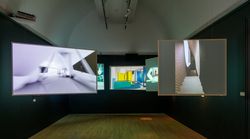
Archaeology of the Digital: Complexity and Convention is the third exhibition related to the development of a strategy for collecting and preserving digital archives at the CCA. The Archaeology of the Digital program comprises twenty-five projects for which digital materials are integral to an understanding of the design process. For projects included in the first two(...)
Archaeology of the Digital: Complexity and Convention is the third exhibition related to the development of a strategy for collecting and preserving digital archives at the CCA. The Archaeology of the Digital program comprises twenty-five projects for which digital materials are integral to an understanding of the design process. For projects included in the first two(...)
Date:
11 May 2016 to 16 October 2016
11 May 2016 to 16 October 2016
Title:
Archaeology of the Digital: Complexity and Convention
Actions:
Description:
Archaeology of the Digital: Complexity and Convention is the third exhibition related to the development of a strategy for collecting and preserving digital archives at the CCA. The Archaeology of the Digital program comprises twenty-five projects for which digital materials are integral to an understanding of the design process. For projects included in the first two(...)
Archaeology of the Digital: Complexity and Convention
Actions:
Description:
Archaeology of the Digital: Complexity and Convention is the third exhibition related to the development of a strategy for collecting and preserving digital archives at the CCA. The Archaeology of the Digital program comprises twenty-five projects for which digital materials are integral to an understanding of the design process. For projects included in the first two(...)
Form:
exhibitions
exhibitions
Date:
11 May 2016 to
16 October 2016
11 May 2016 to
16 October 2016
Form:
textual records
textual records
Actions:
Reference number:
ARCH258834
Description:
Correspondance avec des avocats, et d'autres rapports concernant la controverse au sujet de la climatisation de l'Imprimerie nationale, incluant le rapport « Technical facts on the National Printing Bureau », et un dossier « Various informations pertinent to the settlement of professional fees of Ernest Cormier ». Comprend aussi des plans et dessins préliminaires (reprographies).
ARCH258834
Description:
Correspondance avec des avocats, et d'autres rapports concernant la controverse au sujet de la climatisation de l'Imprimerie nationale, incluant le rapport « Technical facts on the National Printing Bureau », et un dossier « Various informations pertinent to the settlement of professional fees of Ernest Cormier ». Comprend aussi des plans et dessins préliminaires (reprographies).
People:
Date:
1955-1967
1955-1967
Title:
Correspondance des avocat et rapports
Actions:
ARCH258834
Description:
Correspondance avec des avocats, et d'autres rapports concernant la controverse au sujet de la climatisation de l'Imprimerie nationale, incluant le rapport « Technical facts on the National Printing Bureau », et un dossier « Various informations pertinent to the settlement of professional fees of Ernest Cormier ». Comprend aussi des plans et dessins préliminaires (reprographies).
Correspondance des avocat et rapports
Actions:
ARCH258834
Description:
Correspondance avec des avocats, et d'autres rapports concernant la controverse au sujet de la climatisation de l'Imprimerie nationale, incluant le rapport « Technical facts on the National Printing Bureau », et un dossier « Various informations pertinent to the settlement of professional fees of Ernest Cormier ». Comprend aussi des plans et dessins préliminaires (reprographies).
Form:
textual records
textual records
Date:
1955-1967
1955-1967
People:
Form:
archives
Level of archival description:
Fonds
archives
Level of archival description:
Fonds
Reference number:
AP168
Synopsis:
The Neil Denari Interrupted Projections project records, 1994-2004 (predominant 1994-1996), document the development and installation of Denari’s show “Interrupted Projections” at Gallery MA in Tokyo, Japan. The archive consists of original born-digital files and a small amount of physical material, including drawings, transparencies, slides, and promotional materials.
AP168
Synopsis:
The Neil Denari Interrupted Projections project records, 1994-2004 (predominant 1994-1996), document the development and installation of Denari’s show “Interrupted Projections” at Gallery MA in Tokyo, Japan. The archive consists of original born-digital files and a small amount of physical material, including drawings, transparencies, slides, and promotional materials.
People:
Date:
1994-2004
1994-2004
Title:
Neil Denari Interrupted Projections project records
Actions:
AP168
Synopsis:
The Neil Denari Interrupted Projections project records, 1994-2004 (predominant 1994-1996), document the development and installation of Denari’s show “Interrupted Projections” at Gallery MA in Tokyo, Japan. The archive consists of original born-digital files and a small amount of physical material, including drawings, transparencies, slides, and promotional materials.
Neil Denari Interrupted Projections project records
Actions:
AP168
Synopsis:
The Neil Denari Interrupted Projections project records, 1994-2004 (predominant 1994-1996), document the development and installation of Denari’s show “Interrupted Projections” at Gallery MA in Tokyo, Japan. The archive consists of original born-digital files and a small amount of physical material, including drawings, transparencies, slides, and promotional materials.
Form:
archives
Level of archival description:
Fonds
archives
Level of archival description:
Fonds
Date:
1994-2004
1994-2004
People:


