


1026 Results
Form:
books
books
Actions:
Price:
$27.95
(available to order)
Summary:
Philippe Artières s'adresse au public.Revêtu d'une blouse grise, assis derrière un bureau en carton confectionné pour l'occasion, il attend ses futurs interlocuteurs. Il recueille leur parole, leurs souvenirs et parfois même des documents. Autant de témoignages intimes, de microhistoires qu'il collecte précieusement et qui constituent une archive sur le lien sensible(...)
$27.95
(available to order)
Summary:
Philippe Artières s'adresse au public.Revêtu d'une blouse grise, assis derrière un bureau en carton confectionné pour l'occasion, il attend ses futurs interlocuteurs. Il recueille leur parole, leurs souvenirs et parfois même des documents. Autant de témoignages intimes, de microhistoires qu'il collecte précieusement et qui constituent une archive sur le lien sensible(...)
Title:
Le Bureau des archives populaires
Actions:
Price:
$27.95
(available to order)
Summary:
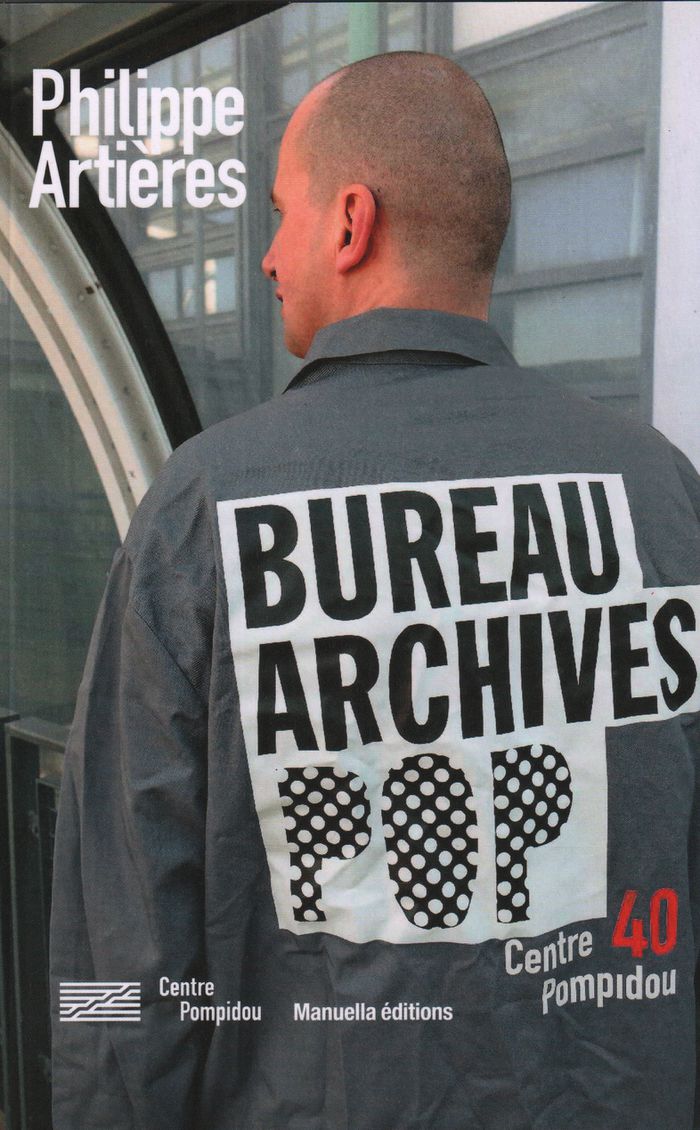
Philippe Artières s'adresse au public.Revêtu d'une blouse grise, assis derrière un bureau en carton confectionné pour l'occasion, il attend ses futurs interlocuteurs. Il recueille leur parole, leurs souvenirs et parfois même des documents. Autant de témoignages intimes, de microhistoires qu'il collecte précieusement et qui constituent une archive sur le lien sensible entre le Centre Pompidou et ses visiteurs, sur le lien personnel que ceux-ci entretiennent avec l'art et la culture.
Le Bureau des archives populaires
Actions:
Price:
$27.95
(available to order)
Summary:
Philippe Artières s'adresse au public.Revêtu d'une blouse grise, assis derrière un bureau en carton confectionné pour l'occasion, il attend ses futurs interlocuteurs. Il recueille leur parole, leurs souvenirs et parfois même des documents. Autant de témoignages intimes, de microhistoires qu'il collecte précieusement et qui constituent une archive sur le lien sensible entre le Centre Pompidou et ses visiteurs, sur le lien personnel que ceux-ci entretiennent avec l'art et la culture.
Form:
books
books
Publication:
May 2019
May 2019
Subject:
Archive, library and the digital
Archive, library and the digital
Form:
books
books

Actions:
Price:
$19.95
(available to order)
Summary:
Depuis plusieurs années, il ne se passe guère de mois sans qu’un étudiant ou une étudiante ne vienne à la Fabrique pour nous poser des questions sur l’édition indépendante, « engagée » comme ils disent. Ils sont en fin de licence ou en maîtrise, souvent dans la filière « métiers du livre » ou bien en science politique ou en histoire. Le projet de ce livre, c’est d’elles(...)
$19.95
(available to order)
Summary:
Depuis plusieurs années, il ne se passe guère de mois sans qu’un étudiant ou une étudiante ne vienne à la Fabrique pour nous poser des questions sur l’édition indépendante, « engagée » comme ils disent. Ils sont en fin de licence ou en maîtrise, souvent dans la filière « métiers du livre » ou bien en science politique ou en histoire. Le projet de ce livre, c’est d’elles(...)
Title:
Pour aboutir à un livre : la fabrique d’une maison d’édition
Actions:
Price:
$19.95
(available to order)
Summary:
Depuis plusieurs années, il ne se passe guère de mois sans qu’un étudiant ou une étudiante ne vienne à la Fabrique pour nous poser des questions sur l’édition indépendante, « engagée » comme ils disent. Ils sont en fin de licence ou en maîtrise, souvent dans la filière « métiers du livre » ou bien en science politique ou en histoire. Le projet de ce livre, c’est d’elles et eux qu’il vient, de leur intérêt, leur questionnement et leurs doutes.– Comment fonder une maison d’édition à partir de rien – combien d’argent faut-il, dans quel local, avec quel imprimeur, quel banquier, quel distributeur ?– Ensuite, comment s’y prendre pour ébaucher un catalogue, pour le développer, quelle relation avec quels auteurs, quel travail sur les textes ?– Sans négliger les questions matérielles : établir le budget des livres, tenir un plan de trésorerie, un budget annuel… L’éditeur doit marcher sur ses deux jambes, mener de front la partie intellectuelle et la partie matérielle du métier, qui se complètent et se renforcent mutuellement.– Les livres une fois imprimés, il faut les faire connaître – à la fois aux médias, aux libraires, dont le soutien est décisif, et pour finir aux lecteurs, en utilisant les moyens les plus traditionnels (contact direct et par les représentants) et les autres (site internet, newsletters, etc.). Et puis il faut les vendre ! Ce livre est mené sous forme d’un dialogue avec Ernest Moret, étudiant en philosophie qui connaît bien la Fabrique où il a été stagiaire. Cette forme a permis de mêler des notions d’ordre général et des idées et des anecdotes tirées de l’expérience personnelle d’Eric Hazan, dans l’édition d’art puis à la Fabrique. Sans compter les suggestions et critiques issues de l’équipe même de la Fabrique – car ce qui ressort clairement de ce livre, c’est que l’édition est avant tout un travail collectif.
Pour aboutir à un livre : la fabrique d’une maison d’édition
Actions:
Price:
$19.95
(available to order)
Summary:
Depuis plusieurs années, il ne se passe guère de mois sans qu’un étudiant ou une étudiante ne vienne à la Fabrique pour nous poser des questions sur l’édition indépendante, « engagée » comme ils disent. Ils sont en fin de licence ou en maîtrise, souvent dans la filière « métiers du livre » ou bien en science politique ou en histoire. Le projet de ce livre, c’est d’elles et eux qu’il vient, de leur intérêt, leur questionnement et leurs doutes.– Comment fonder une maison d’édition à partir de rien – combien d’argent faut-il, dans quel local, avec quel imprimeur, quel banquier, quel distributeur ?– Ensuite, comment s’y prendre pour ébaucher un catalogue, pour le développer, quelle relation avec quels auteurs, quel travail sur les textes ?– Sans négliger les questions matérielles : établir le budget des livres, tenir un plan de trésorerie, un budget annuel… L’éditeur doit marcher sur ses deux jambes, mener de front la partie intellectuelle et la partie matérielle du métier, qui se complètent et se renforcent mutuellement.– Les livres une fois imprimés, il faut les faire connaître – à la fois aux médias, aux libraires, dont le soutien est décisif, et pour finir aux lecteurs, en utilisant les moyens les plus traditionnels (contact direct et par les représentants) et les autres (site internet, newsletters, etc.). Et puis il faut les vendre ! Ce livre est mené sous forme d’un dialogue avec Ernest Moret, étudiant en philosophie qui connaît bien la Fabrique où il a été stagiaire. Cette forme a permis de mêler des notions d’ordre général et des idées et des anecdotes tirées de l’expérience personnelle d’Eric Hazan, dans l’édition d’art puis à la Fabrique. Sans compter les suggestions et critiques issues de l’équipe même de la Fabrique – car ce qui ressort clairement de ce livre, c’est que l’édition est avant tout un travail collectif.
Form:
books
books
Publication:
October 2016
October 2016
Subject:
Archive, library and the digital
Archive, library and the digital
Form:
books
books
Actions:
Price:
$47.95
(available to order)
Summary:
The influential Presence Project brought together an international group of collaborators in 2001 to investigate how technology can be used to increase the presence of older people in their local communities. This became a groundbreaking project for practice-based design research, exploring approaches and methods that have resonated since. The design team rejected a(...)
$47.95
(available to order)
Summary:
The influential Presence Project brought together an international group of collaborators in 2001 to investigate how technology can be used to increase the presence of older people in their local communities. This became a groundbreaking project for practice-based design research, exploring approaches and methods that have resonated since. The design team rejected a(...)
Title:
The presence project, 2nd edition
Actions:
Price:
$47.95
(available to order)
Summary:
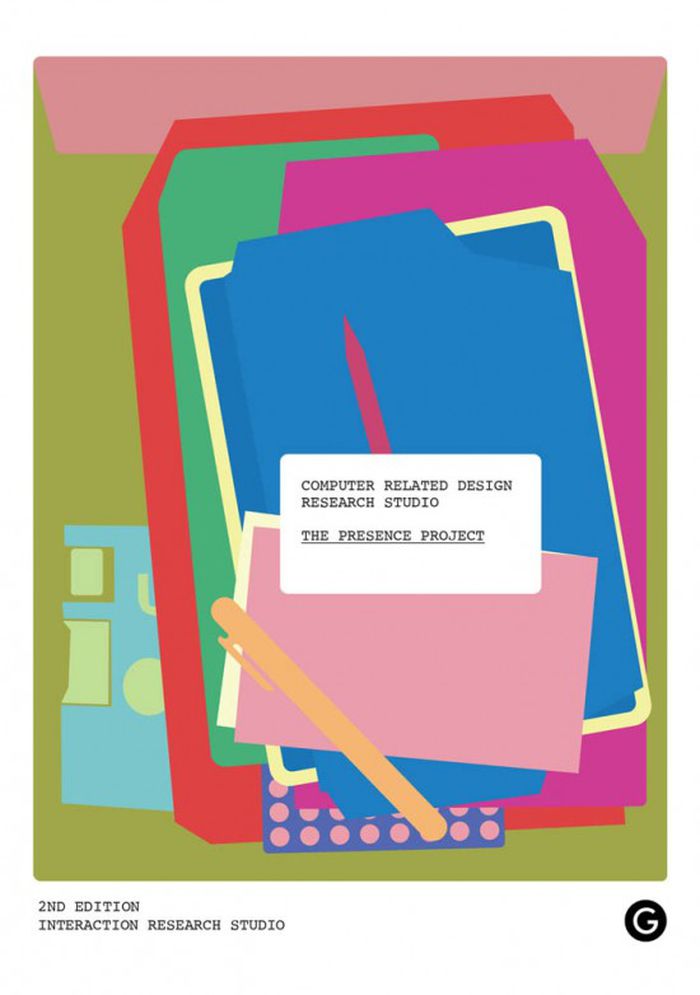
The influential Presence Project brought together an international group of collaborators in 2001 to investigate how technology can be used to increase the presence of older people in their local communities. This became a groundbreaking project for practice-based design research, exploring approaches and methods that have resonated since. The design team rejected a problem-solving approach, focusing instead on creating new and unusual situations for communication and insight. They introduced cutting-edge methods and developed challenging designs that they tested in the communities themselves. This book documents the Presence Project's development of key concepts in contemporary technology design, including cultural probes, design workbooks, and speculative design. Original Presence Project participants may have been surprised that the methods they invented became standard practice; the theme of the project was to break out of conventional approaches and try something radically new. With a new preface by Bill Gaver and an introduction by Phoebe Sengers, this reissue of The Presence Project gives readers a glimpse into the thinking behind this influential project and ideas about how to bring it to bear on today's design problems.
The presence project, 2nd edition
Actions:
Price:
$47.95
(available to order)
Summary:
The influential Presence Project brought together an international group of collaborators in 2001 to investigate how technology can be used to increase the presence of older people in their local communities. This became a groundbreaking project for practice-based design research, exploring approaches and methods that have resonated since. The design team rejected a problem-solving approach, focusing instead on creating new and unusual situations for communication and insight. They introduced cutting-edge methods and developed challenging designs that they tested in the communities themselves. This book documents the Presence Project's development of key concepts in contemporary technology design, including cultural probes, design workbooks, and speculative design. Original Presence Project participants may have been surprised that the methods they invented became standard practice; the theme of the project was to break out of conventional approaches and try something radically new. With a new preface by Bill Gaver and an introduction by Phoebe Sengers, this reissue of The Presence Project gives readers a glimpse into the thinking behind this influential project and ideas about how to bring it to bear on today's design problems.
Form:
books
books
Publication:
May 2020
May 2020
Subject:
Archive, library and the digital
Archive, library and the digital
Form:
books
books

Price:
$39.99
(available to order)
Summary:
To live in data in the twenty-first century is to be incessantly extracted from, classified and categorized, statisti-fied, sold, and surveilled. Data - our data - is mined and processed for profit, power, and political gain. In Living in Data, Thorp asks a crucial question of our time: How do we stop passively inhabiting data, and instead become active citizens of it?
$39.99
(available to order)
Summary:
To live in data in the twenty-first century is to be incessantly extracted from, classified and categorized, statisti-fied, sold, and surveilled. Data - our data - is mined and processed for profit, power, and political gain. In Living in Data, Thorp asks a crucial question of our time: How do we stop passively inhabiting data, and instead become active citizens of it?
Title:
Living in data: a citizen's guide to a better information future
Actions:
Price:
$39.99
(available to order)
Summary:
To live in data in the twenty-first century is to be incessantly extracted from, classified and categorized, statisti-fied, sold, and surveilled. Data - our data - is mined and processed for profit, power, and political gain. In Living in Data, Thorp asks a crucial question of our time: How do we stop passively inhabiting data, and instead become active citizens of it?
Living in data: a citizen's guide to a better information future
Actions:
Price:
$39.99
(available to order)
Summary:
To live in data in the twenty-first century is to be incessantly extracted from, classified and categorized, statisti-fied, sold, and surveilled. Data - our data - is mined and processed for profit, power, and political gain. In Living in Data, Thorp asks a crucial question of our time: How do we stop passively inhabiting data, and instead become active citizens of it?
Form:
books
books
Publication:
May 2021
May 2021
Subject:
Archive, library and the digital
Archive, library and the digital
Form:
books
books

Actions:
Price:
$54.00
(available to order)
Summary:
In this book, Susan Schuppli introduces a new operative concept: material witness, an exploration of the evidential role of matter as both registering external events and exposing the practices and procedures that enable matter to bear witness. Organized in the format of a trial, 'Material witness' moves through a series of cases that provide insight into the ways in(...)
$54.00
(available to order)
Summary:
In this book, Susan Schuppli introduces a new operative concept: material witness, an exploration of the evidential role of matter as both registering external events and exposing the practices and procedures that enable matter to bear witness. Organized in the format of a trial, 'Material witness' moves through a series of cases that provide insight into the ways in(...)
Title:
Material witness: Media, forensics, evidence
Actions:
Price:
$54.00
(available to order)
Summary:
In this book, Susan Schuppli introduces a new operative concept: material witness, an exploration of the evidential role of matter as both registering external events and exposing the practices and procedures that enable matter to bear witness. Organized in the format of a trial, 'Material witness' moves through a series of cases that provide insight into the ways in which materials become contested agents of dispute around which stake holders gather.
Material witness: Media, forensics, evidence
Actions:
Price:
$54.00
(available to order)
Summary:
In this book, Susan Schuppli introduces a new operative concept: material witness, an exploration of the evidential role of matter as both registering external events and exposing the practices and procedures that enable matter to bear witness. Organized in the format of a trial, 'Material witness' moves through a series of cases that provide insight into the ways in which materials become contested agents of dispute around which stake holders gather.
Form:
books
books
Publication:
February 2020
February 2020
Subject:
Archive, library and the digital
Archive, library and the digital
Form:
books
books

Title:
Promenade en Enfer
Promenade en Enfer
Actions:
Price:
$29.95
(available to order)
Summary:
Longtemps soumises à la censure ecclésiastique, certaines bibliothèques conservaient les ouvrages mis à l’Index dans un huis clos mythique nommé Enfer. La simple lecture d’une œuvre proscrite par l’Église pouvait entraîner la damnation éternelle de l’âme. La levée de l’Index dans les années 1960 a entraîné le démantèlement des sections logeant les livres interdits qui ont(...)
$29.95
(available to order)
Summary:
Longtemps soumises à la censure ecclésiastique, certaines bibliothèques conservaient les ouvrages mis à l’Index dans un huis clos mythique nommé Enfer. La simple lecture d’une œuvre proscrite par l’Église pouvait entraîner la damnation éternelle de l’âme. La levée de l’Index dans les années 1960 a entraîné le démantèlement des sections logeant les livres interdits qui ont(...)
Title:
Promenade en Enfer
Actions:
Price:
$29.95
(available to order)
Summary:
Longtemps soumises à la censure ecclésiastique, certaines bibliothèques conservaient les ouvrages mis à l’Index dans un huis clos mythique nommé Enfer. La simple lecture d’une œuvre proscrite par l’Église pouvait entraîner la damnation éternelle de l’âme. La levée de l’Index dans les années 1960 a entraîné le démantèlement des sections logeant les livres interdits qui ont disparu tout en conservant leurs secrets. L’une des rares collections encore existantes des livres mis à l’Index, regroupant des centaines de volumes, se retrouve cependant dans la bibliothèque historique du Séminaire de Québec, fondé en 1663. Pierrette Lafond lève le voile sur ces ouvrages jugés immoraux, hérétiques ou dangereux, témoins silencieux de la censure pendant trois siècles et qui racontent un volet occulté de l’histoire morale et culturelle du Québec.
Promenade en Enfer
Actions:
Price:
$29.95
(available to order)
Summary:
Longtemps soumises à la censure ecclésiastique, certaines bibliothèques conservaient les ouvrages mis à l’Index dans un huis clos mythique nommé Enfer. La simple lecture d’une œuvre proscrite par l’Église pouvait entraîner la damnation éternelle de l’âme. La levée de l’Index dans les années 1960 a entraîné le démantèlement des sections logeant les livres interdits qui ont disparu tout en conservant leurs secrets. L’une des rares collections encore existantes des livres mis à l’Index, regroupant des centaines de volumes, se retrouve cependant dans la bibliothèque historique du Séminaire de Québec, fondé en 1663. Pierrette Lafond lève le voile sur ces ouvrages jugés immoraux, hérétiques ou dangereux, témoins silencieux de la censure pendant trois siècles et qui racontent un volet occulté de l’histoire morale et culturelle du Québec.
Form:
books
books
Publication:
April 2019
April 2019
Subject:
Archive, library and the digital
Archive, library and the digital
Form:
books
books
Actions:
Price:
$41.99
(available to order)
Summary:
Organized by interpretive categories such as space, infrastructure, and imaginaries, this volume uses historical and contemporary examples of how laboratories are fundamentally connected to changes in the contemporary university. The authors cover topics such as the evolution and delineation of lab-based communities, how labs’ tools and technologies contribute to defining(...)
$41.99
(available to order)
Summary:
Organized by interpretive categories such as space, infrastructure, and imaginaries, this volume uses historical and contemporary examples of how laboratories are fundamentally connected to changes in the contemporary university. The authors cover topics such as the evolution and delineation of lab-based communities, how labs’ tools and technologies contribute to defining(...)
Subject:
Archive, library and the digital
Archive, library and the digital
Publication:
December 2021
December 2021
Title:
The lab book: situated practices in media studies
Actions:
Price:
$41.99
(available to order)
Summary:
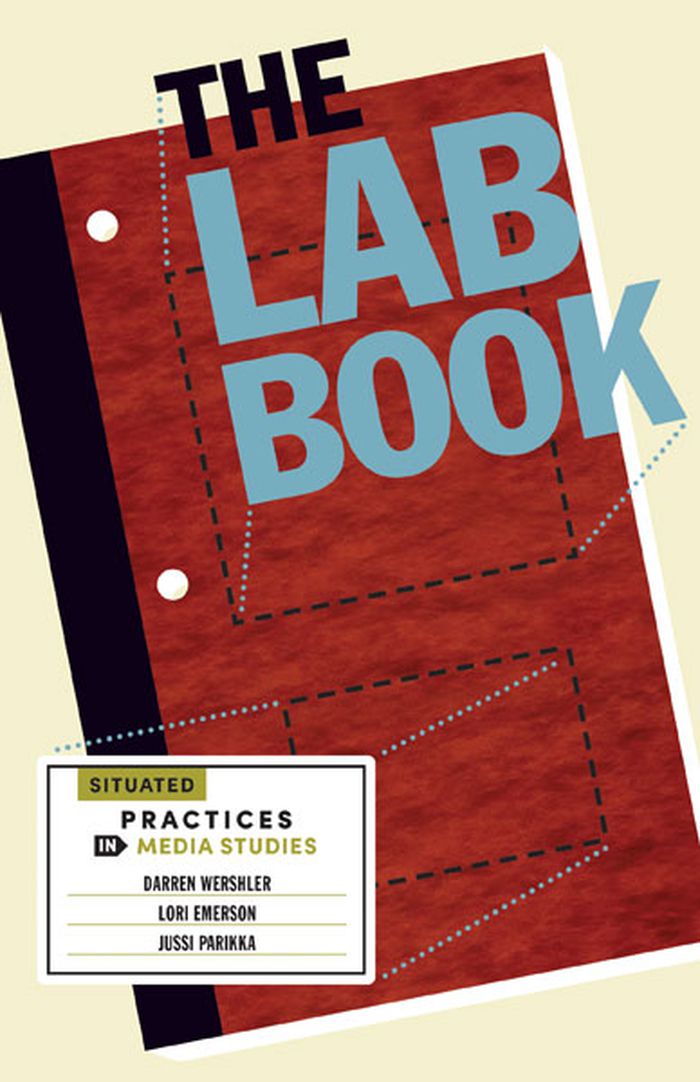
Organized by interpretive categories such as space, infrastructure, and imaginaries, this volume uses historical and contemporary examples of how laboratories are fundamentally connected to changes in the contemporary university. The authors cover topics such as the evolution and delineation of lab-based communities, how labs’ tools and technologies contribute to defining their space, and a glossary of key hybrid lab techniques.
The lab book: situated practices in media studies
Actions:
Price:
$41.99
(available to order)
Summary:
Organized by interpretive categories such as space, infrastructure, and imaginaries, this volume uses historical and contemporary examples of how laboratories are fundamentally connected to changes in the contemporary university. The authors cover topics such as the evolution and delineation of lab-based communities, how labs’ tools and technologies contribute to defining their space, and a glossary of key hybrid lab techniques.
Form:
books
books
Publication:
December 2021
December 2021
Subject:
Archive, library and the digital
Archive, library and the digital
Form:
books
books

Title:
World brain
World brain
Actions:
Price:
$33.95
(available to order)
Summary:
In a series of talks and essays in 1937, H. G. Wells proselytized for what he called a "World Brain," as manifested in a World Encyclopedia--a repository of scientifically established knowledge--that would spread enlightenment around the world and lead to world peace. Wells, known to readers today as the author of "The War of the Worlds" and other science fiction(...)
$33.95
(available to order)
Summary:
In a series of talks and essays in 1937, H. G. Wells proselytized for what he called a "World Brain," as manifested in a World Encyclopedia--a repository of scientifically established knowledge--that would spread enlightenment around the world and lead to world peace. Wells, known to readers today as the author of "The War of the Worlds" and other science fiction(...)
Title:
World brain
Actions:
Price:
$33.95
(available to order)
Summary:
In a series of talks and essays in 1937, H. G. Wells proselytized for what he called a "World Brain," as manifested in a World Encyclopedia--a repository of scientifically established knowledge--that would spread enlightenment around the world and lead to world peace. Wells, known to readers today as the author of "The War of the Worlds" and other science fiction classics, was imagining something like a predigital Wikipedia. The World Encyclopedia would provide a summary of verified reality (in about forty volumes); it would be widely available, free of copyright, and utilize the latest technology. Of course, as Bruce Sterling points out in the foreword to this edition of Wells's work, the World Brain didn't happen; the internet did. And yet, Wells anticipated aspects of the internet, envisioning the World Brain as a technical system of networked knowledge (in Sterling's words, a "hypothetical super-gadget"). Wells's optimism about the power of information might strike readers today as naïvely utopian, but possibly also inspirational.
World brain
Actions:
Price:
$33.95
(available to order)
Summary:
In a series of talks and essays in 1937, H. G. Wells proselytized for what he called a "World Brain," as manifested in a World Encyclopedia--a repository of scientifically established knowledge--that would spread enlightenment around the world and lead to world peace. Wells, known to readers today as the author of "The War of the Worlds" and other science fiction classics, was imagining something like a predigital Wikipedia. The World Encyclopedia would provide a summary of verified reality (in about forty volumes); it would be widely available, free of copyright, and utilize the latest technology. Of course, as Bruce Sterling points out in the foreword to this edition of Wells's work, the World Brain didn't happen; the internet did. And yet, Wells anticipated aspects of the internet, envisioning the World Brain as a technical system of networked knowledge (in Sterling's words, a "hypothetical super-gadget"). Wells's optimism about the power of information might strike readers today as naïvely utopian, but possibly also inspirational.
Form:
books
books
Publication:
August 2021
August 2021
Subject:
Archive, library and the digital
Archive, library and the digital
Form:
books
books
Title:
Database network interface
Database network interface
Actions:
Price:
$59.95
(available in store)
Summary:
Throughout human history, the library, the archive and the museum have embodied knowledge, information and collective culture to such an extent that it is possible to compare systems of information organisation with spatial and architectural typologies. The publication, conceived in the occasion of the exhibition at Archizoom (EPFL), dives into the relationship between(...)
$59.95
(available in store)
Summary:
Throughout human history, the library, the archive and the museum have embodied knowledge, information and collective culture to such an extent that it is possible to compare systems of information organisation with spatial and architectural typologies. The publication, conceived in the occasion of the exhibition at Archizoom (EPFL), dives into the relationship between(...)
Subject:
Archive, library and the digital
Archive, library and the digital
Publication:
October 2021
October 2021
Title:
Database network interface
Actions:
Price:
$59.95
(available in store)
Summary:
Throughout human history, the library, the archive and the museum have embodied knowledge, information and collective culture to such an extent that it is possible to compare systems of information organisation with spatial and architectural typologies. The publication, conceived in the occasion of the exhibition at Archizoom (EPFL), dives into the relationship between architectural and digital culture beyond the pure rhetoric of the digital turn and the digital as architectural style. The hypothesis is that the notions of "database", "network" and "interface"—common in the field of information technology—could be related to architectural issues of a formal, compositional or symbolic nature, of which spatial arrangements, plans or façades are the expression. In this sense, the publication presents a selection of case studies highlighting the possible links between digital and non-digital cultural projects and their architectural counterparts.
Database network interface
Actions:
Price:
$59.95
(available in store)
Summary:
Throughout human history, the library, the archive and the museum have embodied knowledge, information and collective culture to such an extent that it is possible to compare systems of information organisation with spatial and architectural typologies. The publication, conceived in the occasion of the exhibition at Archizoom (EPFL), dives into the relationship between architectural and digital culture beyond the pure rhetoric of the digital turn and the digital as architectural style. The hypothesis is that the notions of "database", "network" and "interface"—common in the field of information technology—could be related to architectural issues of a formal, compositional or symbolic nature, of which spatial arrangements, plans or façades are the expression. In this sense, the publication presents a selection of case studies highlighting the possible links between digital and non-digital cultural projects and their architectural counterparts.
Form:
books
books
Publication:
October 2021
October 2021
Subject:
Archive, library and the digital
Archive, library and the digital
Form:
books
books

Title:
Data feminism
Data feminism
Actions:
Price:
$39.95
(available to order)
Summary:
Today, data science is a form of power. It has been used to expose injustice, improve health outcomes, and topple governments. But it has also been used to discriminate, police, and surveil. This potential for good, on the one hand, and harm, on the other, makes it essential to ask: Data science by whom? Data science for whom? Data science with whose interests in mind?(...)
$39.95
(available to order)
Summary:
Today, data science is a form of power. It has been used to expose injustice, improve health outcomes, and topple governments. But it has also been used to discriminate, police, and surveil. This potential for good, on the one hand, and harm, on the other, makes it essential to ask: Data science by whom? Data science for whom? Data science with whose interests in mind?(...)
Subject:
Archive, library and the digital
Archive, library and the digital
Publication:
March 2020
March 2020
Title:
Data feminism
Actions:
Price:
$39.95
(available to order)
Summary:
Today, data science is a form of power. It has been used to expose injustice, improve health outcomes, and topple governments. But it has also been used to discriminate, police, and surveil. This potential for good, on the one hand, and harm, on the other, makes it essential to ask: Data science by whom? Data science for whom? Data science with whose interests in mind? The narratives around big data and data science are overwhelmingly white, male, and techno-heroic. In ''Data feminism,'' Catherine D'Ignazio and Lauren Klein present a new way of thinking about data science and data ethics—one that is informed by intersectional feminist thought. Illustrating data feminism in action, D'Ignazio and Klein show how challenges to the male/female binary can help challenge other hierarchical (and empirically wrong) classification systems. They explain how, for example, an understanding of emotion can expand our ideas about effective data visualization, and how the concept of invisible labor can expose the significant human efforts required by our automated systems. And they show why the data never, ever ''speak for themselves.'' ''Data feminism'' offers strategies for data scientists seeking to learn how feminism can help them work toward justice, and for feminists who want to focus their efforts on the growing field of data science. But ''Data feminism'' is about much more than gender. It is about power, about who has it and who doesn't, and about how those differentials of power can be challenged and changed.
Data feminism
Actions:
Price:
$39.95
(available to order)
Summary:
Today, data science is a form of power. It has been used to expose injustice, improve health outcomes, and topple governments. But it has also been used to discriminate, police, and surveil. This potential for good, on the one hand, and harm, on the other, makes it essential to ask: Data science by whom? Data science for whom? Data science with whose interests in mind? The narratives around big data and data science are overwhelmingly white, male, and techno-heroic. In ''Data feminism,'' Catherine D'Ignazio and Lauren Klein present a new way of thinking about data science and data ethics—one that is informed by intersectional feminist thought. Illustrating data feminism in action, D'Ignazio and Klein show how challenges to the male/female binary can help challenge other hierarchical (and empirically wrong) classification systems. They explain how, for example, an understanding of emotion can expand our ideas about effective data visualization, and how the concept of invisible labor can expose the significant human efforts required by our automated systems. And they show why the data never, ever ''speak for themselves.'' ''Data feminism'' offers strategies for data scientists seeking to learn how feminism can help them work toward justice, and for feminists who want to focus their efforts on the growing field of data science. But ''Data feminism'' is about much more than gender. It is about power, about who has it and who doesn't, and about how those differentials of power can be challenged and changed.
Form:
books
books
Publication:
March 2020
March 2020
Subject:
Archive, library and the digital
Archive, library and the digital


