


36173 Results
Form:
books
books
Actions:
Price:
$119.00
(available to order)
Summary:
Both architecture and art fans will covet the first comprehensive monograph on the work of Zurich-based Holzer Kobler Architekturen, global leaders in exhibition design that is almost cinematic in impact. This extensive, large-format, all-color book features projects that brilliantly balance the disciplines of exhibition design, interior design and architecture with(...)
$119.00
(available to order)
Summary:
Both architecture and art fans will covet the first comprehensive monograph on the work of Zurich-based Holzer Kobler Architekturen, global leaders in exhibition design that is almost cinematic in impact. This extensive, large-format, all-color book features projects that brilliantly balance the disciplines of exhibition design, interior design and architecture with(...)
Title:
Holzer Kobler architekturen : mise en scène
Actions:
Price:
$119.00
(available to order)
Summary:
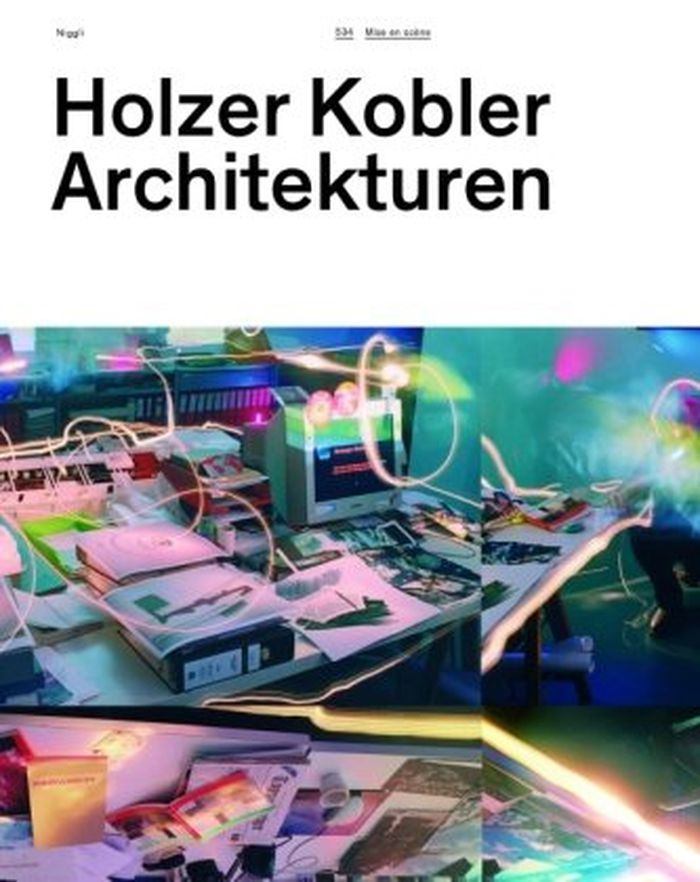
Both architecture and art fans will covet the first comprehensive monograph on the work of Zurich-based Holzer Kobler Architekturen, global leaders in exhibition design that is almost cinematic in impact. This extensive, large-format, all-color book features projects that brilliantly balance the disciplines of exhibition design, interior design and architecture with playful, provocative and memorable solutions. The 25 projects documented here range from Arteplage Yverdon and the permanent exhibitions for the Swiss National Museum to new construction and conversions of industrial properties for other uses. Principals Barbara Holzer and Tristan Kobler participate in a wide-ranging interview moderated by Martin Heller and Christoph Burkle; the book also includes essays by Angelika Fitz and Stefan Truby, and renderings, schematics, floor plans, models, site maps and a fantastic color poster folded around the outside cover.
Holzer Kobler architekturen : mise en scène
Actions:
Price:
$119.00
(available to order)
Summary:
Both architecture and art fans will covet the first comprehensive monograph on the work of Zurich-based Holzer Kobler Architekturen, global leaders in exhibition design that is almost cinematic in impact. This extensive, large-format, all-color book features projects that brilliantly balance the disciplines of exhibition design, interior design and architecture with playful, provocative and memorable solutions. The 25 projects documented here range from Arteplage Yverdon and the permanent exhibitions for the Swiss National Museum to new construction and conversions of industrial properties for other uses. Principals Barbara Holzer and Tristan Kobler participate in a wide-ranging interview moderated by Martin Heller and Christoph Burkle; the book also includes essays by Angelika Fitz and Stefan Truby, and renderings, schematics, floor plans, models, site maps and a fantastic color poster folded around the outside cover.
Form:
books
books
Publication:
August 2011
August 2011
Subject:
Architecture Monographs
Architecture Monographs
Form:
books
books
Title:
Maisons des bords de mer
Maisons des bords de mer
Actions:
Price:
$42.95
(available to order)
Summary:
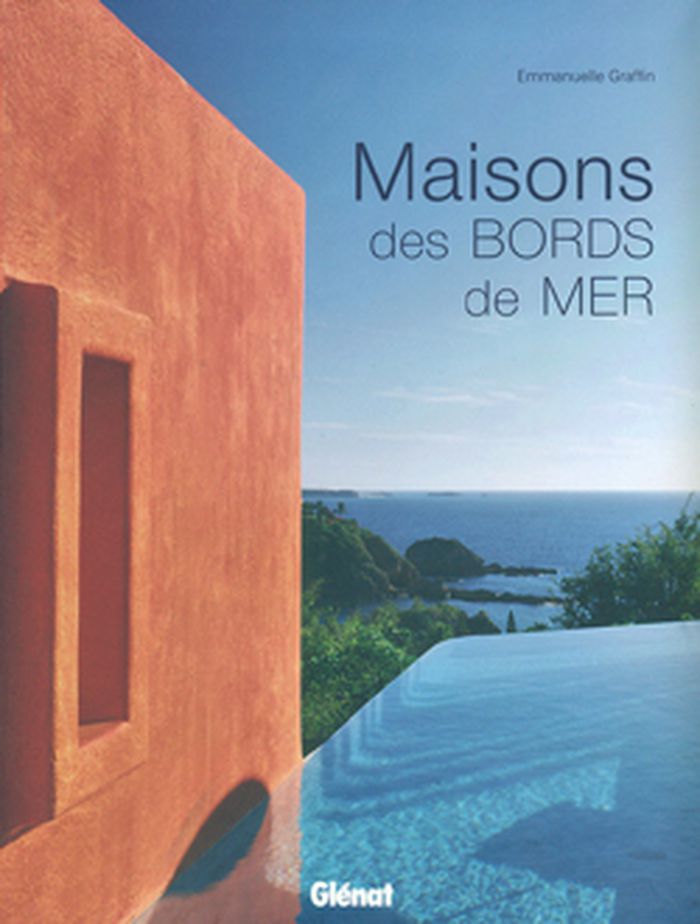
De la mer Méditerranée à l'océan Indien, en passant par l'Atlantique et le Pacifique, visitez 33 maisons, situées au bord de l'eau, où chaque moment de la journée devient un instant privilégié.
$42.95
(available to order)
Summary:
De la mer Méditerranée à l'océan Indien, en passant par l'Atlantique et le Pacifique, visitez 33 maisons, situées au bord de l'eau, où chaque moment de la journée devient un instant privilégié.
Title:
Maisons des bords de mer
Actions:
Price:
$42.95
(available to order)
Summary:
De la mer Méditerranée à l'océan Indien, en passant par l'Atlantique et le Pacifique, visitez 33 maisons, situées au bord de l'eau, où chaque moment de la journée devient un instant privilégié.
Maisons des bords de mer
Actions:
Price:
$42.95
(available to order)
Summary:
De la mer Méditerranée à l'océan Indien, en passant par l'Atlantique et le Pacifique, visitez 33 maisons, situées au bord de l'eau, où chaque moment de la journée devient un instant privilégié.
Form:
books
books
Publication:
October 2011
October 2011
Subject:
Residential Architecture
Residential Architecture
Form:
books
books
Actions:
Price:
$56.00
(available to order)
Summary:
When the Koblenz horticultural show invited the young Swiss artist duo Gerda Steiner and Jörg Lenzlinger to be featured artists they appropriately brought Floodwaters – Drink oh heart of mine from time’s abundance, an edgy, multi-media, multi-room, interactive installation focusing on water. Documented in this catalog is the massive installation which incorporates(...)
$56.00
(available to order)
Summary:
When the Koblenz horticultural show invited the young Swiss artist duo Gerda Steiner and Jörg Lenzlinger to be featured artists they appropriately brought Floodwaters – Drink oh heart of mine from time’s abundance, an edgy, multi-media, multi-room, interactive installation focusing on water. Documented in this catalog is the massive installation which incorporates(...)
Title:
Gerda Steiner & Jörg Lenzlinger: high water, drink oh hearth the abundance of time!
Actions:
Price:
$56.00
(available to order)
Summary:
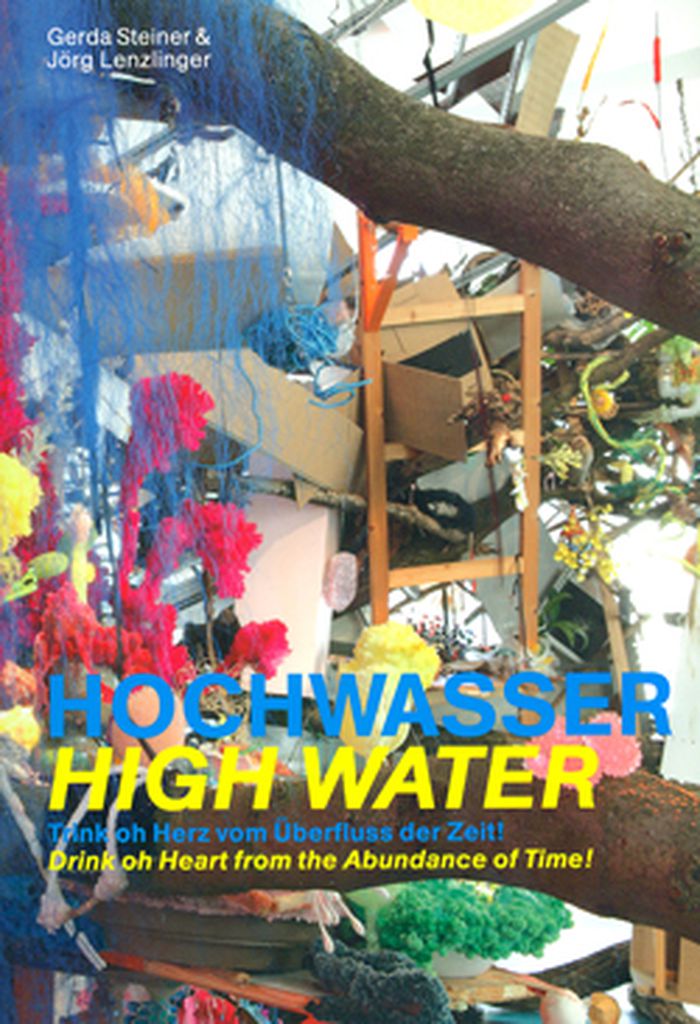
When the Koblenz horticultural show invited the young Swiss artist duo Gerda Steiner and Jörg Lenzlinger to be featured artists they appropriately brought Floodwaters – Drink oh heart of mine from time’s abundance, an edgy, multi-media, multi-room, interactive installation focusing on water. Documented in this catalog is the massive installation which incorporates everything from plastic water bottles to piles of trash from the Rhine, complete tree trunks to a giant stuffed swordfish.
Gerda Steiner & Jörg Lenzlinger: high water, drink oh hearth the abundance of time!
Actions:
Price:
$56.00
(available to order)
Summary:
When the Koblenz horticultural show invited the young Swiss artist duo Gerda Steiner and Jörg Lenzlinger to be featured artists they appropriately brought Floodwaters – Drink oh heart of mine from time’s abundance, an edgy, multi-media, multi-room, interactive installation focusing on water. Documented in this catalog is the massive installation which incorporates everything from plastic water bottles to piles of trash from the Rhine, complete tree trunks to a giant stuffed swordfish.
Form:
books
books
Publication:
October 2011
October 2011
Subject:
Contemporary Art Monographs
Contemporary Art Monographs
Form:
books
books
Actions:
Price:
$28.00
(available to order)
Summary:
Gastronomy meets art in a new series, On the Table, edited by the provocative, genre-straddling Swedish writer Charlotte Birnbaum. The first publication is a new translation of a 17th-century text describing three spectacular banquets that greeted Queen Christina of Sweden when she visited Rome in 1668. Antonio degli Effetti was on the scene, and described all three(...)
$28.00
(available to order)
Summary:
Gastronomy meets art in a new series, On the Table, edited by the provocative, genre-straddling Swedish writer Charlotte Birnbaum. The first publication is a new translation of a 17th-century text describing three spectacular banquets that greeted Queen Christina of Sweden when she visited Rome in 1668. Antonio degli Effetti was on the scene, and described all three(...)
Title:
On the table : three banquets for a queen
Actions:
Price:
$28.00
(available to order)
Summary:
Gastronomy meets art in a new series, On the Table, edited by the provocative, genre-straddling Swedish writer Charlotte Birnbaum. The first publication is a new translation of a 17th-century text describing three spectacular banquets that greeted Queen Christina of Sweden when she visited Rome in 1668. Antonio degli Effetti was on the scene, and described all three feasts in their sumptuous glory, detailing the lavish preparations for the celebrations and the dining experience itself, designed by Bernini, no less! The original text, dotted with quotations from Ovid's Metamorphoses and Virgil's Aeneid, is placed in today's context by a foreword and two essays by Birnbaum. Was it dinner or was it 300-year-old performance art?
On the table : three banquets for a queen
Actions:
Price:
$28.00
(available to order)
Summary:
Gastronomy meets art in a new series, On the Table, edited by the provocative, genre-straddling Swedish writer Charlotte Birnbaum. The first publication is a new translation of a 17th-century text describing three spectacular banquets that greeted Queen Christina of Sweden when she visited Rome in 1668. Antonio degli Effetti was on the scene, and described all three feasts in their sumptuous glory, detailing the lavish preparations for the celebrations and the dining experience itself, designed by Bernini, no less! The original text, dotted with quotations from Ovid's Metamorphoses and Virgil's Aeneid, is placed in today's context by a foreword and two essays by Birnbaum. Was it dinner or was it 300-year-old performance art?
Form:
books
books
Publication:
October 2011
October 2011
Subject:
Art Theory
Art Theory
Form:
books
books
Title:
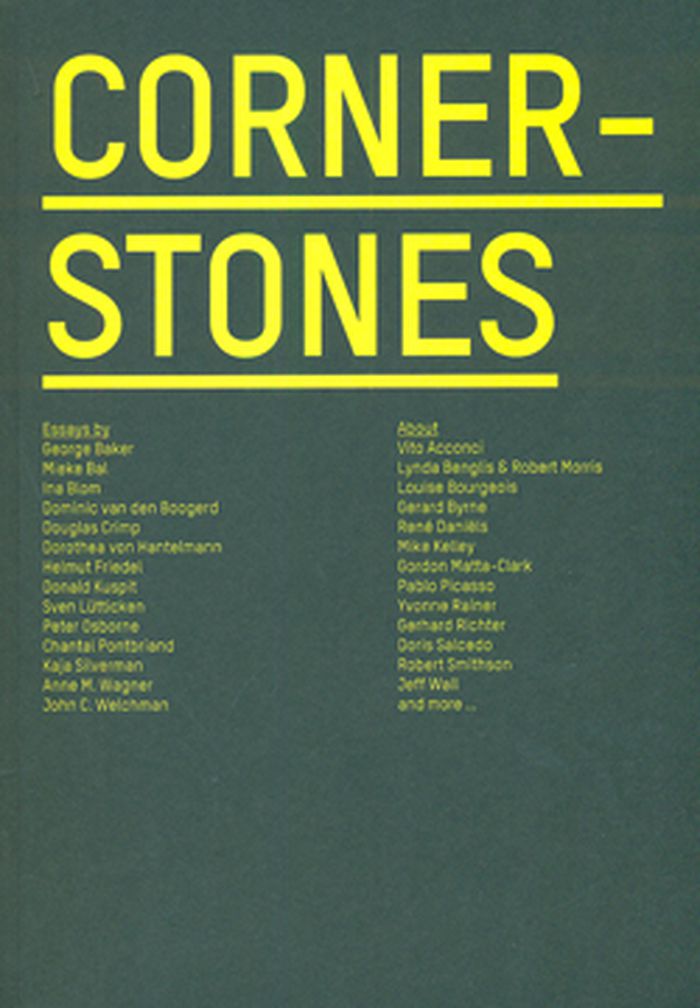
Cornerstones
Cornerstones
Actions:
Price:
$34.95
(available to order)
Summary:
This publication compiles a series of essays on contemporary art written by leading art historians and experts. The majority of the essays were first presented in lecture format at Witte de With, Center for Contemporary Art (Rotterdam, the Netherlands). Bringing together both historical and intuitive approaches, these essays reflect the wealth of the exchange that(...)
$34.95
(available to order)
Summary:
This publication compiles a series of essays on contemporary art written by leading art historians and experts. The majority of the essays were first presented in lecture format at Witte de With, Center for Contemporary Art (Rotterdam, the Netherlands). Bringing together both historical and intuitive approaches, these essays reflect the wealth of the exchange that(...)
Title:
Cornerstones
Actions:
Price:
$34.95
(available to order)
Summary:
This publication compiles a series of essays on contemporary art written by leading art historians and experts. The majority of the essays were first presented in lecture format at Witte de With, Center for Contemporary Art (Rotterdam, the Netherlands). Bringing together both historical and intuitive approaches, these essays reflect the wealth of the exchange that exists between theoretical writing and artistic thinking, sharing the fascination that each of these authors has with both the work of an artist and how this work functions in relation to larger contexts and broader ideas.
Cornerstones
Actions:
Price:
$34.95
(available to order)
Summary:
This publication compiles a series of essays on contemporary art written by leading art historians and experts. The majority of the essays were first presented in lecture format at Witte de With, Center for Contemporary Art (Rotterdam, the Netherlands). Bringing together both historical and intuitive approaches, these essays reflect the wealth of the exchange that exists between theoretical writing and artistic thinking, sharing the fascination that each of these authors has with both the work of an artist and how this work functions in relation to larger contexts and broader ideas.
Form:
books
books
Publication:
October 2011
October 2011
Subject:
Art Theory
Art Theory
Form:
books
books

Actions:
Price:
$34.00
(available to order)
Summary:
Cet ouvrage de référence dénonce et détaille les impacts sanitaires, environnementaux, sociaux, politiques et économiques de la porciculture. En effet, en se lançant dans une production intensive du porc basée sur l'exportation, le Québec a pris un virage agricole des plus inquiétants. Après des années de manipulations génétiques, d'injections d'hormones de(...)
$34.00
(available to order)
Summary:
Cet ouvrage de référence dénonce et détaille les impacts sanitaires, environnementaux, sociaux, politiques et économiques de la porciculture. En effet, en se lançant dans une production intensive du porc basée sur l'exportation, le Québec a pris un virage agricole des plus inquiétants. Après des années de manipulations génétiques, d'injections d'hormones de(...)
Publication:
October 2011
October 2011
Title:
Porcherie! La porciculture intempestive au Québec
Actions:
Price:
$34.00
(available to order)
Summary:
Cet ouvrage de référence dénonce et détaille les impacts sanitaires, environnementaux, sociaux, politiques et économiques de la porciculture. En effet, en se lançant dans une production intensive du porc basée sur l'exportation, le Québec a pris un virage agricole des plus inquiétants. Après des années de manipulations génétiques, d'injections d'hormones de croissance et d'antibiotiques, le porc du Québec est non seulement vulnérable aux épidémies mais n'a plus aucune spécificité gustative. De plus, la production sur lisier, qui provoque le duo infernal contamination des eaux / odeurs nauséabondes, cause de préoccupants conflits sociaux. Comment en sommes-nous arrivés là? Le cas porcin révèle les profonds disfonctionnements de l'industrie agro-alimentaire dans un cadre d'économie néolibérale.
Porcherie! La porciculture intempestive au Québec
Actions:
Price:
$34.00
(available to order)
Summary:
Cet ouvrage de référence dénonce et détaille les impacts sanitaires, environnementaux, sociaux, politiques et économiques de la porciculture. En effet, en se lançant dans une production intensive du porc basée sur l'exportation, le Québec a pris un virage agricole des plus inquiétants. Après des années de manipulations génétiques, d'injections d'hormones de croissance et d'antibiotiques, le porc du Québec est non seulement vulnérable aux épidémies mais n'a plus aucune spécificité gustative. De plus, la production sur lisier, qui provoque le duo infernal contamination des eaux / odeurs nauséabondes, cause de préoccupants conflits sociaux. Comment en sommes-nous arrivés là? Le cas porcin révèle les profonds disfonctionnements de l'industrie agro-alimentaire dans un cadre d'économie néolibérale.
Form:
books
books
Publication:
October 2011
October 2011
Form:
books
books
Price:
$29.95
(available to order)
Summary:
Anselmo, bibliothécaire dans une petite ville de province, est un maniaque de la propreté. Sa femme, résignée à son hystérie ménagère, boit de la vodka et pense, comme le dit son magazine, que trop nettoyer sa maison c'est vouloir retrouver l'utérus de sa mère. Mais voilà, l'obsession d'Anselmo grandit de jour en jour. Anselmo nettoie, Anselmo astique, Anselmo(...)
$29.95
(available to order)
Summary:
Anselmo, bibliothécaire dans une petite ville de province, est un maniaque de la propreté. Sa femme, résignée à son hystérie ménagère, boit de la vodka et pense, comme le dit son magazine, que trop nettoyer sa maison c'est vouloir retrouver l'utérus de sa mère. Mais voilà, l'obsession d'Anselmo grandit de jour en jour. Anselmo nettoie, Anselmo astique, Anselmo(...)
Publication:
October 2011
October 2011
Title:
Poussière
Actions:
Price:
$29.95
(available to order)
Summary:
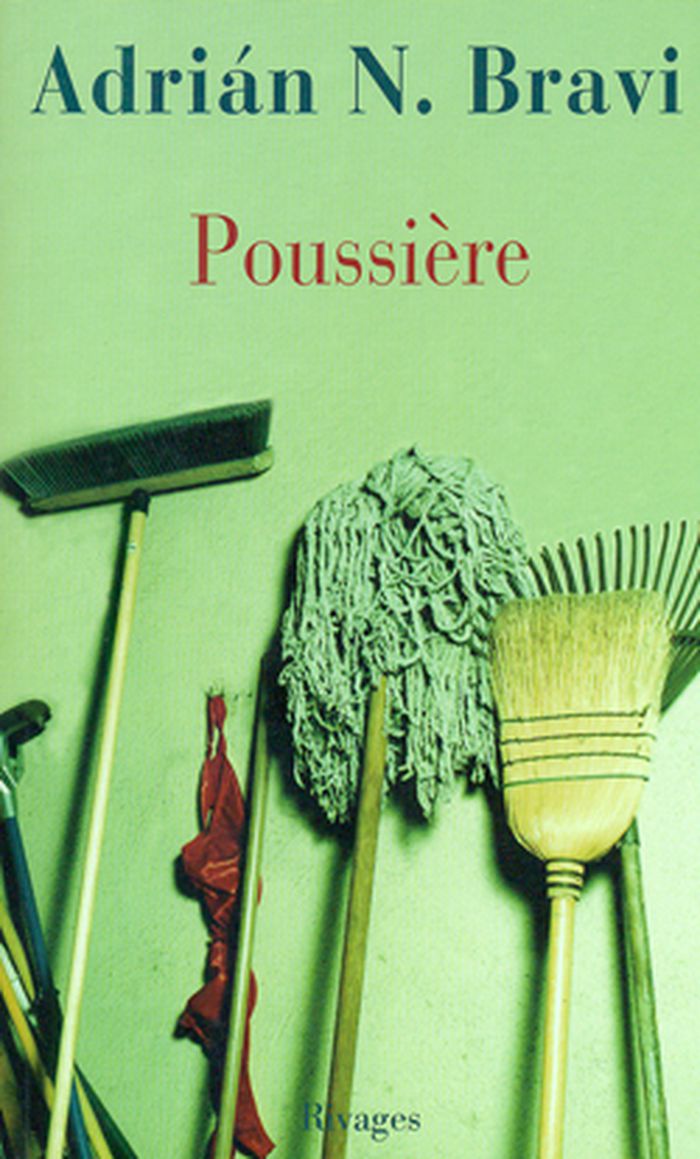
Anselmo, bibliothécaire dans une petite ville de province, est un maniaque de la propreté. Sa femme, résignée à son hystérie ménagère, boit de la vodka et pense, comme le dit son magazine, que trop nettoyer sa maison c'est vouloir retrouver l'utérus de sa mère. Mais voilà, l'obsession d'Anselmo grandit de jour en jour. Anselmo nettoie, Anselmo astique, Anselmo supporte de plus en plus mal la nonchalance de sa femme face à des préoccupations qu'il juge si capitales et se montre cruel. Anselmo perd pied et se retrouve pris dans la spirale infernale de sa propre phobie.
Poussière
Actions:
Price:
$29.95
(available to order)
Summary:
Anselmo, bibliothécaire dans une petite ville de province, est un maniaque de la propreté. Sa femme, résignée à son hystérie ménagère, boit de la vodka et pense, comme le dit son magazine, que trop nettoyer sa maison c'est vouloir retrouver l'utérus de sa mère. Mais voilà, l'obsession d'Anselmo grandit de jour en jour. Anselmo nettoie, Anselmo astique, Anselmo supporte de plus en plus mal la nonchalance de sa femme face à des préoccupations qu'il juge si capitales et se montre cruel. Anselmo perd pied et se retrouve pris dans la spirale infernale de sa propre phobie.
Form:
books
books
Publication:
October 2011
October 2011
Form:
books
books
Actions:
Price:
$59.95
(available in store)
Summary:
Ce premier volume de la correspondance croisée entre Le Corbusier et sa famille couvre la période 1900-1925. Le Corbusier n’hésite pas à soumettre ses hypothèses, réflexions et projets aux membres de sa famille et à leur faire partager ses aspirations, ses satisfactions ou ses déconvenues. Cette correspondance permet de mieux comprendre sa formation intellectuelle et(...)
$59.95
(available in store)
Summary:
Ce premier volume de la correspondance croisée entre Le Corbusier et sa famille couvre la période 1900-1925. Le Corbusier n’hésite pas à soumettre ses hypothèses, réflexions et projets aux membres de sa famille et à leur faire partager ses aspirations, ses satisfactions ou ses déconvenues. Cette correspondance permet de mieux comprendre sa formation intellectuelle et(...)
Title:
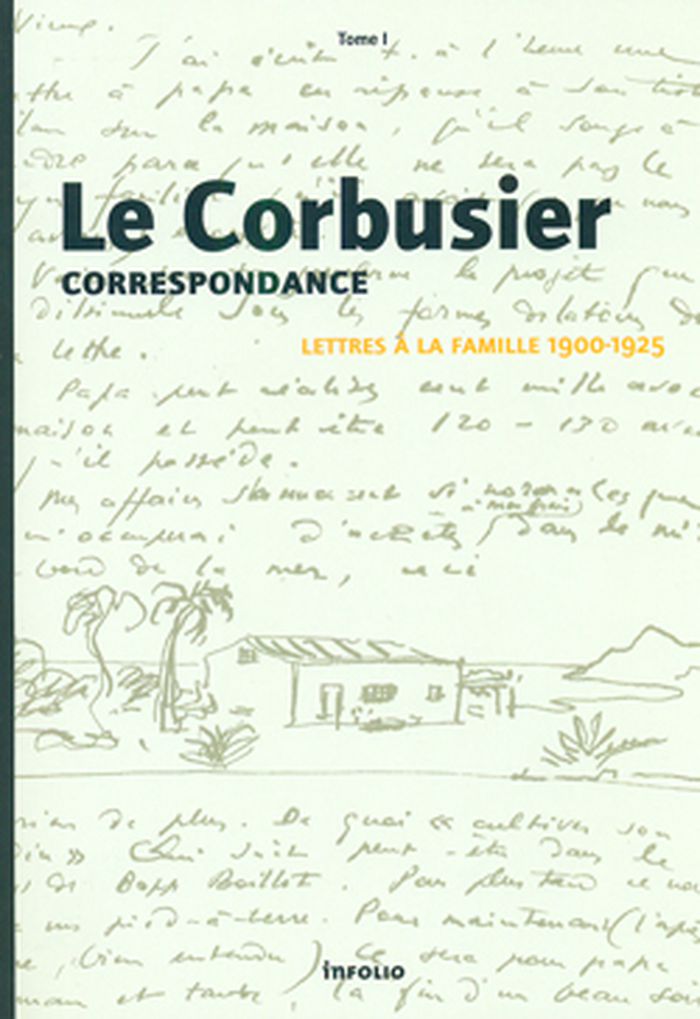
Le Corbusier correspondance: lettres à la famille 1900-1925
Actions:
Price:
$59.95
(available in store)
Summary:
Ce premier volume de la correspondance croisée entre Le Corbusier et sa famille couvre la période 1900-1925. Le Corbusier n’hésite pas à soumettre ses hypothèses, réflexions et projets aux membres de sa famille et à leur faire partager ses aspirations, ses satisfactions ou ses déconvenues. Cette correspondance permet de mieux comprendre sa formation intellectuelle et artistique, ses cheminements professionnels, ses sentiments et émotions. Comme pour tant d’autres artistes majeurs de sa génération, vie publique et vie privée sont imbriquées, au point souvent de ne faire qu’un. En même temps qu’une carrière qui se construit, c’est une vision du monde qui se dessine.
Le Corbusier correspondance: lettres à la famille 1900-1925
Actions:
Price:
$59.95
(available in store)
Summary:
Ce premier volume de la correspondance croisée entre Le Corbusier et sa famille couvre la période 1900-1925. Le Corbusier n’hésite pas à soumettre ses hypothèses, réflexions et projets aux membres de sa famille et à leur faire partager ses aspirations, ses satisfactions ou ses déconvenues. Cette correspondance permet de mieux comprendre sa formation intellectuelle et artistique, ses cheminements professionnels, ses sentiments et émotions. Comme pour tant d’autres artistes majeurs de sa génération, vie publique et vie privée sont imbriquées, au point souvent de ne faire qu’un. En même temps qu’une carrière qui se construit, c’est une vision du monde qui se dessine.
Form:
books
books
Publication:
October 2011
October 2011
Subject:
Architecture Monographs
Architecture Monographs
Form:
books
books
Title:
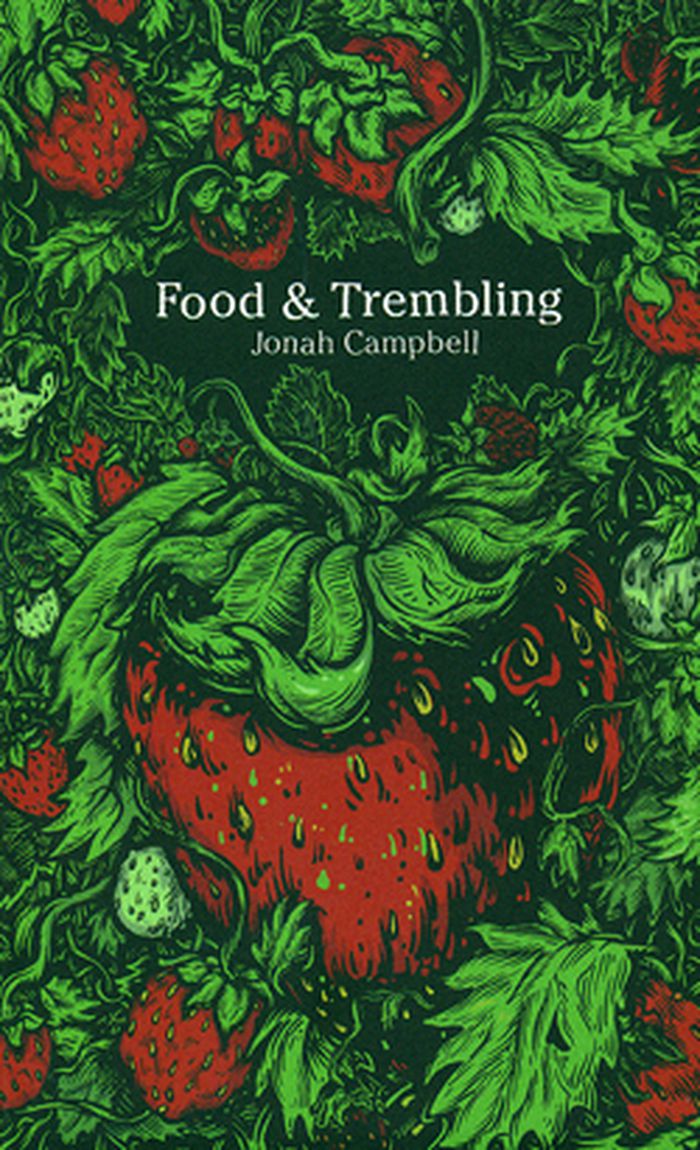
Food & trembling
Food & trembling
Actions:
Price:
$16.95
(available to order)
Summary:
If you take a six hundred-dollar bottle of scotch, and drink it all in three hours, you're going to throw up the same as a ten-dollar jug of hooch. Food and Trembling is the gourmet's equalizer, a collection of writing about the world's finest culinary pleasures from Jonah Campbell; metalhead, misanthrope, and unrepentant good-eater. Be it through the subtle perfection(...)
$16.95
(available to order)
Summary:
If you take a six hundred-dollar bottle of scotch, and drink it all in three hours, you're going to throw up the same as a ten-dollar jug of hooch. Food and Trembling is the gourmet's equalizer, a collection of writing about the world's finest culinary pleasures from Jonah Campbell; metalhead, misanthrope, and unrepentant good-eater. Be it through the subtle perfection(...)
Title:
Food & trembling
Actions:
Price:
$16.95
(available to order)
Summary:
If you take a six hundred-dollar bottle of scotch, and drink it all in three hours, you're going to throw up the same as a ten-dollar jug of hooch. Food and Trembling is the gourmet's equalizer, a collection of writing about the world's finest culinary pleasures from Jonah Campbell; metalhead, misanthrope, and unrepentant good-eater. Be it through the subtle perfection of a BLT, or the etymology of the croissant, Food and Trembling approaches eating not with a four-figure expense account, but a rare insight and a fierce appetite for the pleasures of the table.
Food & trembling
Actions:
Price:
$16.95
(available to order)
Summary:
If you take a six hundred-dollar bottle of scotch, and drink it all in three hours, you're going to throw up the same as a ten-dollar jug of hooch. Food and Trembling is the gourmet's equalizer, a collection of writing about the world's finest culinary pleasures from Jonah Campbell; metalhead, misanthrope, and unrepentant good-eater. Be it through the subtle perfection of a BLT, or the etymology of the croissant, Food and Trembling approaches eating not with a four-figure expense account, but a rare insight and a fierce appetite for the pleasures of the table.
Form:
books
books
Publication:
November 2011
November 2011
Subject:
Critical Theory
Critical Theory
Form:
books
books
Price:
$42.95
(available in store)
Summary:
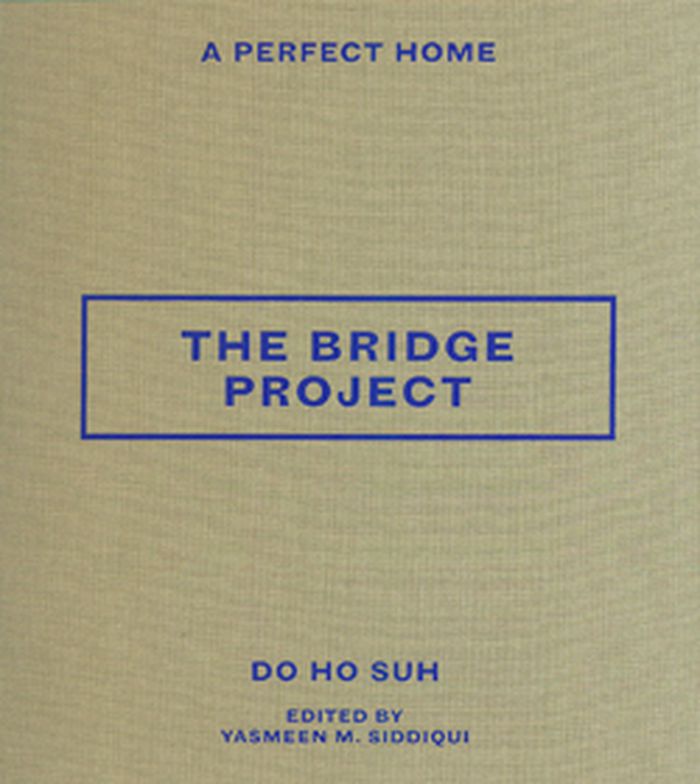
The book's premise is to document and theorize this first iteration of Do Ho Suh's more than ten-year long investigation into the mechanics and meaning of an inhabitable bridge spanning from Seoul to New York. This book has been conceived and commissioned in parallel to organizing a presentation of The Bridge Project at Storefront (September 14 - December 7, 2010). The(...)
$42.95
(available in store)
Summary:
The book's premise is to document and theorize this first iteration of Do Ho Suh's more than ten-year long investigation into the mechanics and meaning of an inhabitable bridge spanning from Seoul to New York. This book has been conceived and commissioned in parallel to organizing a presentation of The Bridge Project at Storefront (September 14 - December 7, 2010). The(...)
Title:
Do Ho Suh, A Contingent Object of Research: The Bridge Project
Actions:
Price:
$42.95
(available in store)
Summary:
The book's premise is to document and theorize this first iteration of Do Ho Suh's more than ten-year long investigation into the mechanics and meaning of an inhabitable bridge spanning from Seoul to New York. This book has been conceived and commissioned in parallel to organizing a presentation of The Bridge Project at Storefront (September 14 - December 7, 2010). The book contents include writings by critics and theorists who have been involved with and have seen the project as it was realized in the Storefront gallery.
Do Ho Suh, A Contingent Object of Research: The Bridge Project
Actions:
Price:
$42.95
(available in store)
Summary:
The book's premise is to document and theorize this first iteration of Do Ho Suh's more than ten-year long investigation into the mechanics and meaning of an inhabitable bridge spanning from Seoul to New York. This book has been conceived and commissioned in parallel to organizing a presentation of The Bridge Project at Storefront (September 14 - December 7, 2010). The book contents include writings by critics and theorists who have been involved with and have seen the project as it was realized in the Storefront gallery.
Form:
books
books
Publication:
January 2011
January 2011
Subject:
Contemporary Art Monographs
Contemporary Art Monographs


