


8452 Results
Form:
books
books
Actions:
Price:
$27.95
(available in store)
Summary:
As London emerged from the devastation of the Second World War, planners and policymakers sought to rebuild the city in ways that would reshape the behavior of its citizens as much as it would its buildings and infrastructure—a program defined by a strong emphasis on civic order and conservative values of national community. One of the groups most significantly affected(...)
Title:
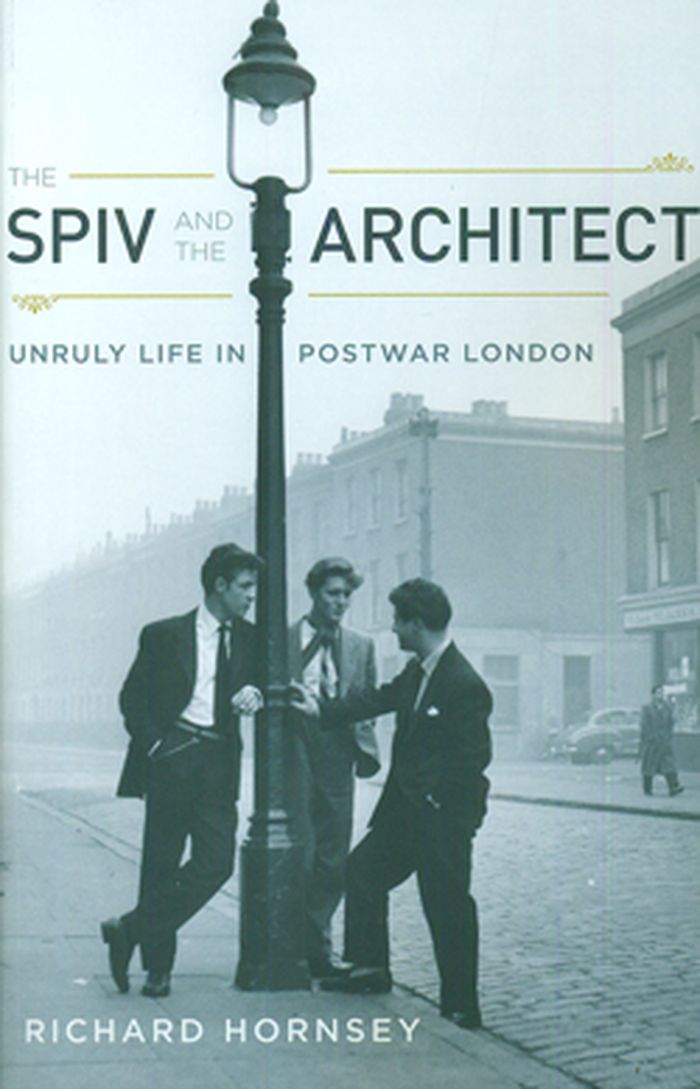
The spiv and the architect: unruly life in postwar London
Actions:
Price:
$27.95
(available in store)
Summary:
As London emerged from the devastation of the Second World War, planners and policymakers sought to rebuild the city in ways that would reshape the behavior of its citizens as much as it would its buildings and infrastructure—a program defined by a strong emphasis on civic order and conservative values of national community. One of the groups most significantly affected by this new, moralistic climate of reformation and renewal was queer men, whom the police, the media, and lawmakers targeted as an urgent urban problem by marking their lives and desires as criminal and deviant. Richard Hornsey examines how queer men legitimized, resisted, and reinvented this ambitious reconstruction program, which extended from the design of basic public spaces and municipal libraries to private living rooms and home decor. From their association with the urban stereotype of the spiv (slang for a young petty criminal who lived by his wits and shirked legitimate work) and vilification in the tabloids as perverts to the assimilated homosexuals within reformist psychology, Hornsey details how these efforts to transform London fundamentally restructured the experiences and identities of gay men in the city and throughout the country.
Form:
books
books
Publication:
April 2010
April 2010
Subject:
Gender Theory in Architecture
Gender Theory in Architecture
Form:
books
books
Actions:
Price:
$32.95
(available to order)
Summary:
Dystopic imagery has figured prominently in modern depictions of the urban landscape. The city is often portrayed as a terrifying world of darkness, crisis, and catastrophe. Noir Urbanisms traces the history of the modern city through its critical representations in art, cinema, print journalism, literature, sociology, and architecture. It focuses on visual forms of(...)
Title:
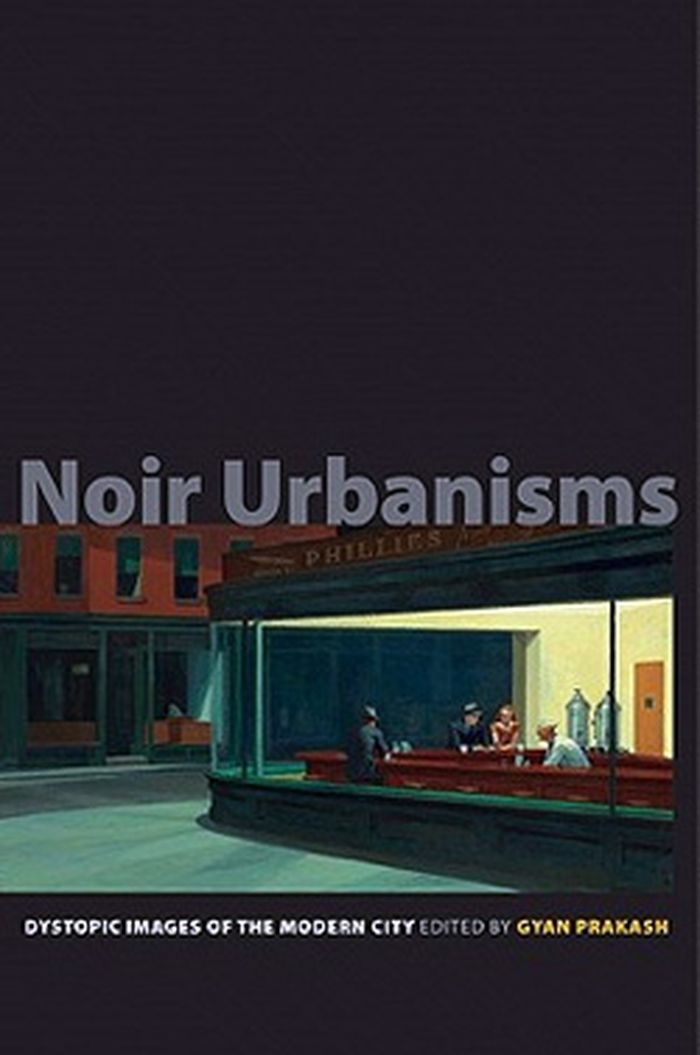
Noir urbanisms: Dystopic images of the modern city
Actions:
Price:
$32.95
(available to order)
Summary:
Dystopic imagery has figured prominently in modern depictions of the urban landscape. The city is often portrayed as a terrifying world of darkness, crisis, and catastrophe. Noir Urbanisms traces the history of the modern city through its critical representations in art, cinema, print journalism, literature, sociology, and architecture. It focuses on visual forms of dystopic representation--because the history of the modern city is inseparable from the production and circulation of images--and examines their strengths and limits as urban criticism. Contributors explore dystopic images of the modern city in Germany, Mexico, Japan, India, South Africa, China, and the United States. Their topics include Weimar representations of urban dystopia in Fritz Lang's 1927 film Metropolis; 1960s modernist architecture in Mexico City; Hollywood film noir of the 1940s and 1950s; the recurring fictional destruction of Tokyo in postwar Japan's sci-fi doom culture; the urban fringe in Bombay cinema; fictional explorations of urban dystopia in postapartheid Johannesburg; and Delhi's out-of-control and media-saturated urbanism in the 1980s and 1990s. What emerges in Noir Urbanisms is the unsettling and disorienting alchemy between dark representations and the modern urban experience.
Form:
books
books
Publication:
October 2010
October 2010
Subject:
Architecture and Film, Set Design
Architecture and Film, Set Design
Form:
books
books
Actions:
Price:
$30.00
(available to order)
Summary:
Michiel Schwarz and Joost Elffers declare the dawn of a new cultural era, as we transition from modernity to sustainity - towards a world that is more connected, more localist, more digital and more sustainable. As the authors of this manifesto argue, "sustainism marks a shift not only in thinking and doing but in collective perception - of how we live, do business, feed(...)
Title:
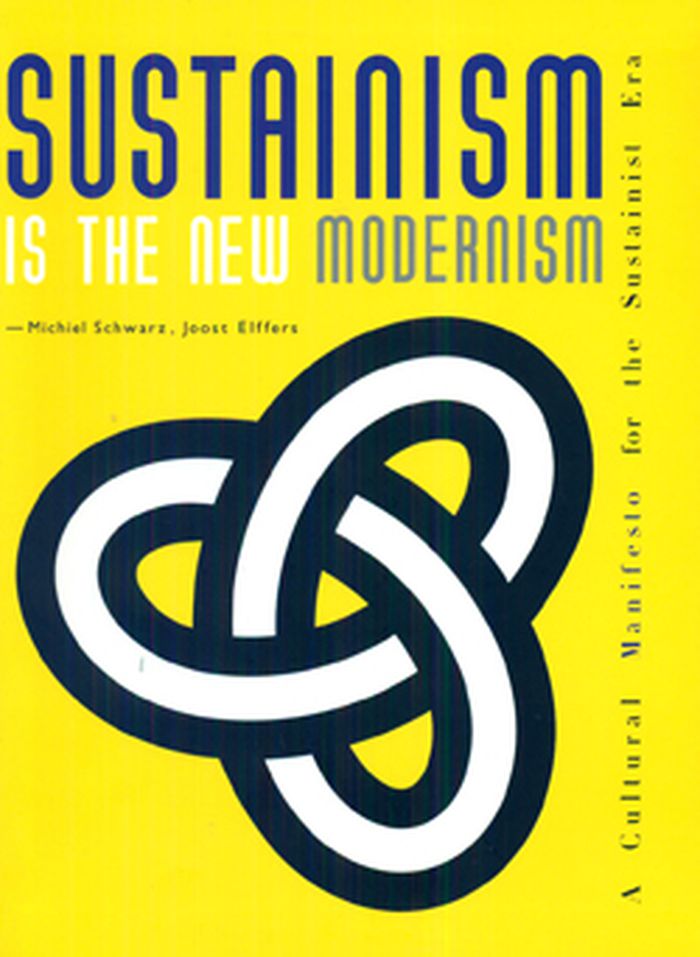
Sustainism is the new modernism : a cultural manifesto for the sustainist era
Actions:
Price:
$30.00
(available to order)
Summary:
Michiel Schwarz and Joost Elffers declare the dawn of a new cultural era, as we transition from modernity to sustainity - towards a world that is more connected, more localist, more digital and more sustainable. As the authors of this manifesto argue, "sustainism marks a shift not only in thinking and doing but in collective perception - of how we live, do business, feed ourselves, design, travel and communicate, as much as how we deal with nature." In the twentieth century, whether we knew it or not, our world was shaped by modernist values, from the design of our cities to our homes, technologies and our conceptions of progress. Sustainism recasts our relationship to all of these things, binding ecological issues to a larger picture of our world. Through a series of graphically dynamic aphorisms, quotes and symbols designed for worldwide use by businesses, individuals and institutions, to signal support for sustainism, Michiel Schwarz and Joost Elffers show how the movement is already reshaping global culture, technology, food and media. With this concise manifesto, they launch the term sustainism into the public consciousness. The sustainist era has begun.
Form:
books
books
Publication:
August 2010
August 2010
Subject:
Green Architecture
Green Architecture
Form:
books
books
Actions:
Price:
$45.00
(available to order)
Summary:
General Idea was founded in Toronto in 1969 by Felix Partz, Jorge Zontal and AA Bronson as a generic identity to free the artists "from the tyranny of individual genius." Under the leadership of their fictitious muse Miss General Idea, and inspired by William Burroughs' conception of the "image virus," the collective interrogated media image culture through now legendary(...)
Title:
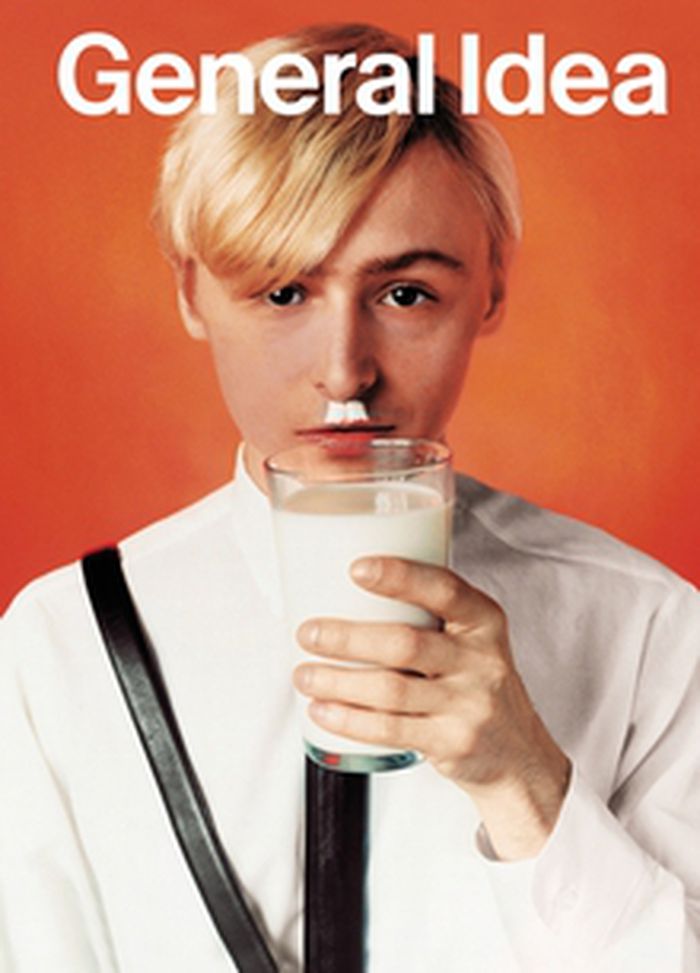
General idea: haute culture, a retrospective, 1969-1994
Actions:
Price:
$45.00
(available to order)
Summary:
General Idea was founded in Toronto in 1969 by Felix Partz, Jorge Zontal and AA Bronson as a generic identity to free the artists "from the tyranny of individual genius." Under the leadership of their fictitious muse Miss General Idea, and inspired by William Burroughs' conception of the "image virus," the collective interrogated media image culture through now legendary projects like File magazine, as well as paintings, installations, sculptures, mail art, photographs, videos, ephemera, TV programs and even a beauty pageant. General Idea came to an end in 1994, when Partz and Zontal died of AIDS. Today General Idea can be seen to anticipate the later art collectives of the 1970s as well as aspects of Relational Aesthetics in the 1990s. This volume presents an overview of the Canadian collective''s bold mingling of reality and fiction and their frequently transgressive, parodic incursions upon both art and society. Including newly commissioned essays and reprinted texts, this volume is richly illustrated with documents and reproductions of the most significant projects realized by General Idea between 1969 and 1994. Exhibited at ARC/Musée d'art moderne de la Ville de Paris and the Art Gallery of Ontario, Toronto in 2011.
Form:
books
books
Publication:
January 2011
January 2011
Subject:
Contemporary Art Monographs
Contemporary Art Monographs
Form:
books
books
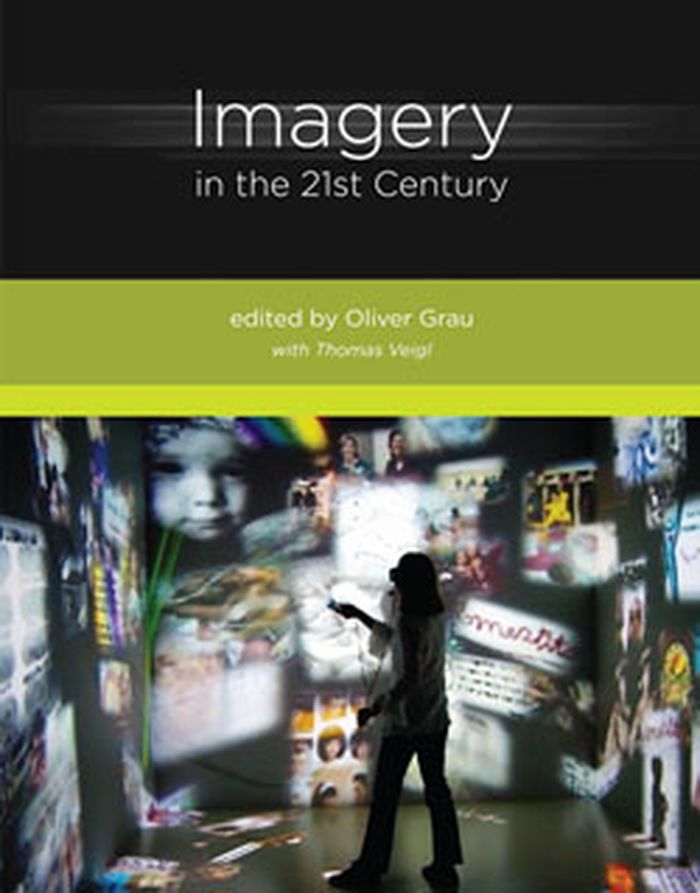
Title:
Imagery in the 21st century
Imagery in the 21st century
Actions:
Price:
$44.95
(available in store)
Summary:
We are surrounded by images as never before: on Flickr, Facebook, and YouTube; on thousands of television channels; in digital games and virtual worlds; in media art and science. Without new efforts to visualize complex ideas, structures, and systems, today’s informatio explosion would be unmanageable. The digital image represents endless options for manipulation; images(...)
Title:
Imagery in the 21st century
Actions:
Price:
$44.95
(available in store)
Summary:
We are surrounded by images as never before: on Flickr, Facebook, and YouTube; on thousands of television channels; in digital games and virtual worlds; in media art and science. Without new efforts to visualize complex ideas, structures, and systems, today’s informatio explosion would be unmanageable. The digital image represents endless options for manipulation; images seem capable of changing interactively or even autonomously. This volume offers systematic and interdisciplinary reflections on these new image worlds and new analytical approaches to the visual. This publication examines this revolution in various fields, with researchers from the natural sciences and the humanities meeting to achieve a deeper understanding of the meaning and impact of the image in our time. The contributors explore and discuss new critical terms of multidisciplinary scope, from database economy to the dramaturgy of hypermedia, from visualizations in neurosciences to the image in bio art. They consider the power of the image in the development of human consciousness, pursue new definitions of visual phenomena, and examine new tools for image research and visual analysis. The goal is to expand visual competence in investigating new visual worlds and to build cross-disciplinary exchanges among the arts, humanities, and natural sciences.
Form:
books
books
Publication:
September 2011
September 2011
Subject:
Art Theory
Art Theory
Form:
books
books
Actions:
Price:
$24.50
(available to order)
Summary:
Set in the long-lost City of Victoria (a fictional world similar to Hong Kong), Atlas is written from the unified perspective of future archaeologists struggling to rebuild a thrilling metropolis. Divided into four sections — “Theory,” “The City,” “Streets,” and “Signs” — the novel reimagines Victoria through maps and other historical documents and artifacts, mixing(...)
Title:
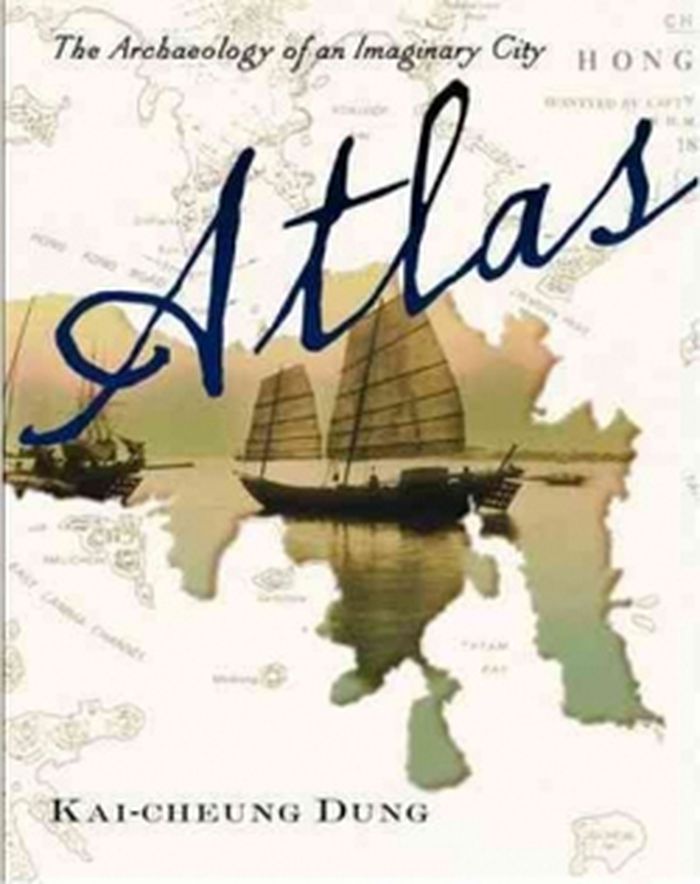
Atlas : the archaeology of an imaginary city
Actions:
Price:
$24.50
(available to order)
Summary:
Set in the long-lost City of Victoria (a fictional world similar to Hong Kong), Atlas is written from the unified perspective of future archaeologists struggling to rebuild a thrilling metropolis. Divided into four sections — “Theory,” “The City,” “Streets,” and “Signs” — the novel reimagines Victoria through maps and other historical documents and artifacts, mixing real-world scenarios with purely imaginary people and events while incorporating anecdotes and actual and fictional social commentary and critique. Much like the quasi-fictional adventures in map-reading and remapping explored by Paul Auster, Jorge Luis Borges, and Italo Calvino, Dung Kai-cheung’s novel challenges the representation of place and history and the limits of technical and scientific media in reconstructing a history. It best exemplifies the author’s versatility and experimentation, along with China’s rapidly evolving literary culture, by blending fiction, nonfiction, and poetry in a story about succeeding and failing to recapture the things we lose. Playing with a variety of styles and subjects, Dung Kai-cheung inventively engages with the fate of Hong Kong since its British “handover” in 1997, which officially marked the end of colonial rule and the beginning of an uncharted future.
Form:
books
books
Publication:
November 2012
November 2012
Subject:
Architectural Theory
Architectural Theory
Form:
books
books
Actions:
Price:
$65.00
(available to order)
Summary:
This groundbreaking exploration of appropriation and institutional critique assembles a wide variety of artists and mediums to offer new insight and make unprecedented connections. Exploring two parallel strands of post-conceptual art, Take It or Leave It highlights artists known for their use of appropriation and those who engage in "institutional critique." Focusing on(...)
Publication:
March 2014
March 2014
Title:
Take it or leave it: institution, image, ideology
Actions:
Price:
$65.00
(available to order)
Summary:
This groundbreaking exploration of appropriation and institutional critique assembles a wide variety of artists and mediums to offer new insight and make unprecedented connections. Exploring two parallel strands of post-conceptual art, Take It or Leave It highlights artists known for their use of appropriation and those who engage in "institutional critique." Focusing on American artists who emerged from the late 1970s to the early 1990s, the book highlights dynamic practices in a variety of media: from performance to photography; video to installation; painting to writing. Artists as wide-ranging in approach as Dara Birnbaum, Mark Dion, Robert Gober, Barbara Kruger, Zoe Leonard, Glenn Ligon, Adrian Piper, Stephen Prina, and Fred Wilson are examined within the context of the larger culture— from the political landscape to design strategies in advertising. Essays by curators Anne Ellegood and Johanna Burton as well as scholars George Baker, Julia Bryan-Wilson, Gavin Butt, and Darby English explore the historical and current terrain of appropriation and institutional critique, while pursuing topics including the downtown music scene in New York in the '80s, new strategies of painting, and theories of race after identity politics' heyday.
Form:
books
books
Publication:
March 2014
March 2014
Form:
books
books
Actions:
Holdings:
Description:
vii, 759 pages : illustrations (some color), plans ; 29 cm.
Description:
vii, 759 pages : illustrations (some color), plans ; 29 cm.
Author:
Subject:
Publication:
[Washington, DC] : Dumbarton Oaks Publications, [2017], [Florence, Italy] ; [Cambridge, MA] : Villa I Tatti, The Harvard University Center for Italian Renaissance Studies, [2017], United States : Sheridan Books, Inc., [2017]
[Washington, DC] : Dumbarton Oaks Publications, [2017], [Florence, Italy] ; [Cambridge, MA] : Villa I Tatti, The Harvard University Center for Italian Renaissance Studies, [2017], United States : Sheridan Books, Inc., [2017]
Title:
San Lorenzo : a Florentine church / Robert W. Gaston and Louis A. Waldman, editors.
Actions:
Holdings:
Description:
vii, 759 pages : illustrations (some color), plans ; 29 cm.
San Lorenzo : a Florentine church / Robert W. Gaston and Louis A. Waldman, editors.
Actions:
Holdings:
Description:
vii, 759 pages : illustrations (some color), plans ; 29 cm.
Form:
books
books
Publication:
[Washington, DC] : Dumbarton Oaks Publications, [2017], [Florence, Italy] ; [Cambridge, MA] : Villa I Tatti, The Harvard University Center for Italian Renaissance Studies, [2017], United States : Sheridan Books, Inc., [2017]
[Washington, DC] : Dumbarton Oaks Publications, [2017], [Florence, Italy] ; [Cambridge, MA] : Villa I Tatti, The Harvard University Center for Italian Renaissance Studies, [2017], United States : Sheridan Books, Inc., [2017]
Author:
Subject:
Form:
books
books
Actions:
Price:
$86.00
(available in store)
Summary:
After achieving international acclaim as a painter and designer, El Lissitzky set out in 1924 to convince the world—and himself—that he was also an architect. He did this with a project for a "horizontal skyscraper," which he gave an obscure and untranslatable name: Wolkenbügel. Eight of these buildings, perched atop slender pillars, were intended to stand at major(...)
Title:
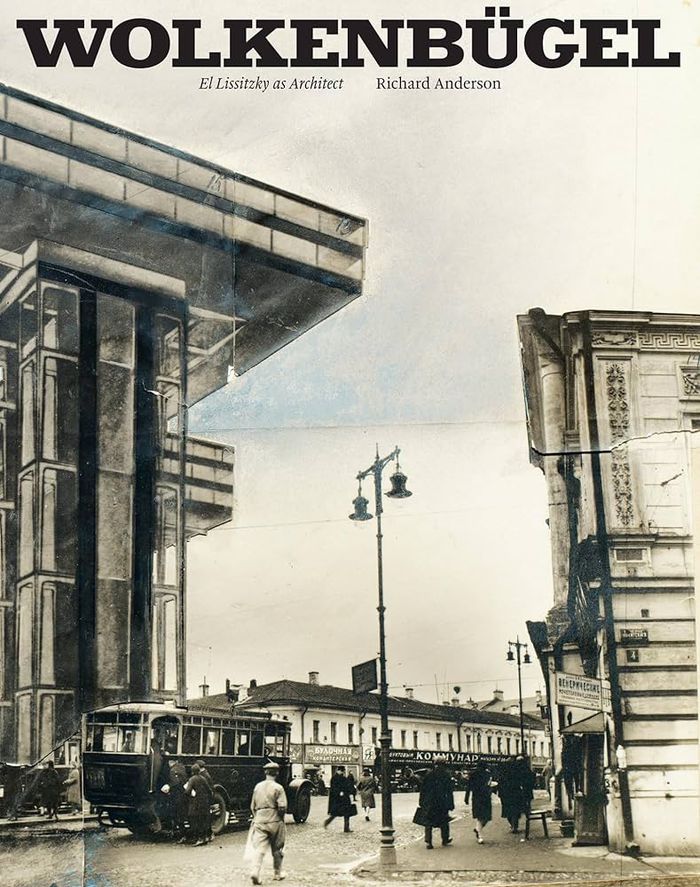
Wolkenbügel: El Lissitzky as architect
Actions:
Price:
$86.00
(available in store)
Summary:
After achieving international acclaim as a painter and designer, El Lissitzky set out in 1924 to convince the world—and himself—that he was also an architect. He did this with a project for a "horizontal skyscraper," which he gave an obscure and untranslatable name: Wolkenbügel. Eight of these buildings, perched atop slender pillars, were intended to stand at major intersections along Moscow's Boulevard Ring, integrating the flow of tramlines, subways, and elevators. In "Wolkenbügel", Richard Anderson explores Lissitzky's translation of visual and textual media into spatial ideas and offers an in-depth study of the surviving drawings and archival artifacts related to Lissitzky's most complex architectural proposal. This book offers a new and definitive account of how Lissitzky expanded the conceptual and representational tools available to the modern architect by drawing on many sources—including photography, typography, exhibition design, and even the elementary forms of the alphabet—to create the Wolkenbügel. Anderson shows how the production and reception of a paper project served to link key ideas and relationships that animated the worlds of art and architecture, offering a new view on received histories of the interwar avant-gardes. By attending to Lissitzky's singular architectural project, Anderson reveals the dynamics of internationality in the constitution of modern architectural culture in Europe.
Form:
books
books
Publication:
April 2024
April 2024
Subject:
Architecture Monographs
Architecture Monographs
Form:
books
books
Actions:
Price:
$140.00
(available in store)
Summary:
The past seventy-five years have been a time of extreme social and cultural transformations worldwide. Political and social upheaval, often contentious, disorienting and polarizing, is now a daily reality. Whether migration crises, territorial disputes, gender inequity, class divisions, racism, war, gun violence or environmental concerns, we live in a world rife with(...)
Title:
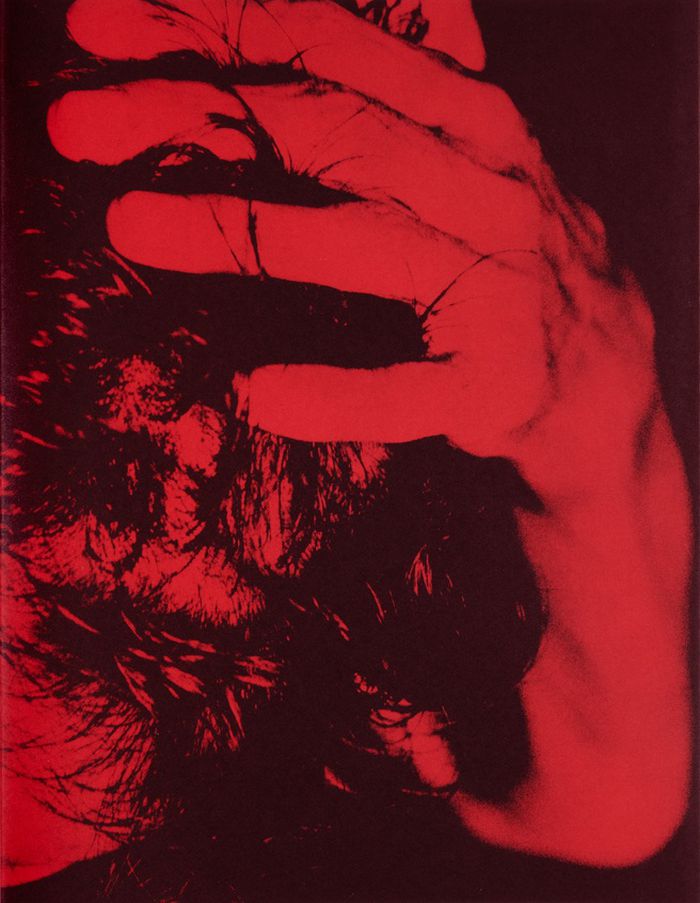
Flashpoint! Protest photography in print, 1950-present
Actions:
Price:
$140.00
(available in store)
Summary:
The past seventy-five years have been a time of extreme social and cultural transformations worldwide. Political and social upheaval, often contentious, disorienting and polarizing, is now a daily reality. Whether migration crises, territorial disputes, gender inequity, class divisions, racism, war, gun violence or environmental concerns, we live in a world rife with ideological and tribal conflicts. Since its inception, photography has captured defining historical moments, serving as either a tool or a document of protest—or both. In placing photobooks next to posters, DIY zines and independent journals, ''Flashpoint!'' explores the diverse roles and varying aesthetics that photography in print undertakes in its support of protest and resistance. Is it a “tool” conceived through an “aesthetic of urgency” to be used during events as they unfold, as in an anonymously designed poster or ink-stained fliers plastered on street walls? Or an elegantly designed photobook, published a year or more later, often with the help of well-known photographers, writers and designers, to document a past uprising? Whether outright rage or a more subtle artist-driven commentary, protest photography in print covers all of these formats and sometimes transcends rigid media definitions, as it blurs the lines between what constitutes a book, zine, journal, poster or newspaper.
Form:
books
books
Publication:
April 2025
April 2025
Subject:
Photography Collections
Photography Collections


