


992 Results
Form:
books
books
Actions:
Price:
$44.95
(available to order)
Summary:
"Botanical Drift" explores the hermeneutics, historicization, semiotics, and symbiosis of plant diversification, species cultivation, and destruction—past and present, extant and extinct—around the globe. Plant histories are explored as commodities and colonial as well as decolonial devices by significant and diverse feminist, art-historical, and anthropological(...)
$44.95
(available to order)
Summary:
"Botanical Drift" explores the hermeneutics, historicization, semiotics, and symbiosis of plant diversification, species cultivation, and destruction—past and present, extant and extinct—around the globe. Plant histories are explored as commodities and colonial as well as decolonial devices by significant and diverse feminist, art-historical, and anthropological(...)
Title:
Botanical Drift: protagonists of the invasive herbarium
Actions:
Price:
$44.95
(available to order)
Summary:
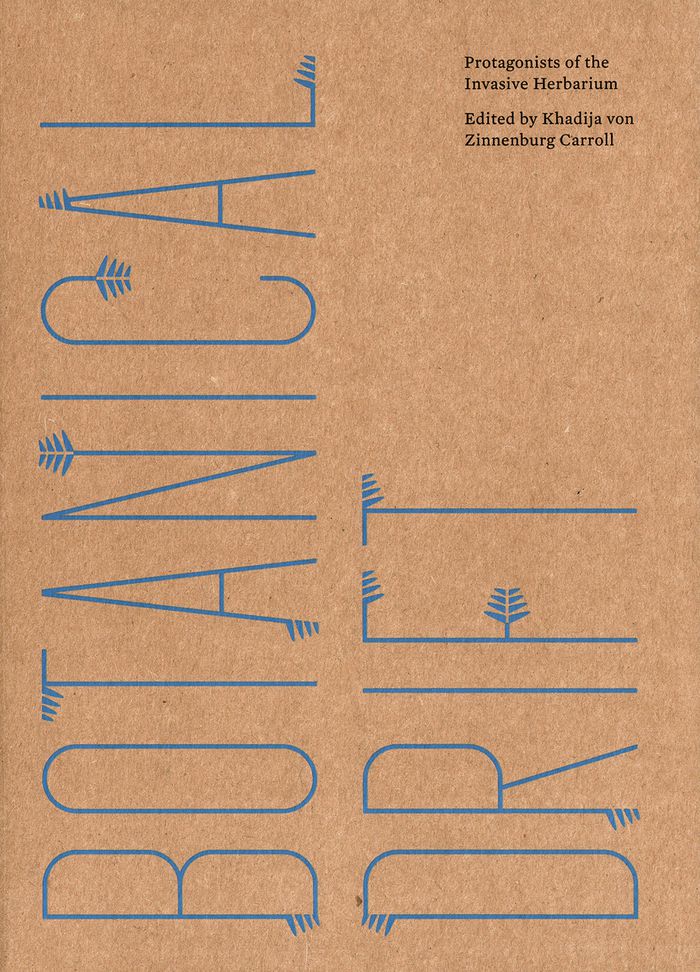
"Botanical Drift" explores the hermeneutics, historicization, semiotics, and symbiosis of plant diversification, species cultivation, and destruction—past and present, extant and extinct—around the globe. Plant histories are explored as commodities and colonial as well as decolonial devices by significant and diverse feminist, art-historical, and anthropological voices—from Germaine Greer to herman de vries—bringing new perspectives through photo-essays, fiction, performance, and interventions in ecological, film, and translation archives. Reflecting on experimental ecology—the undiscovered, underestimated, and undesired non-European flora and fauna—it challenges perception and inspires potentialities to bring new understandings of the undergrowth of the Kew Gardens botany collection.
Botanical Drift: protagonists of the invasive herbarium
Actions:
Price:
$44.95
(available to order)
Summary:
"Botanical Drift" explores the hermeneutics, historicization, semiotics, and symbiosis of plant diversification, species cultivation, and destruction—past and present, extant and extinct—around the globe. Plant histories are explored as commodities and colonial as well as decolonial devices by significant and diverse feminist, art-historical, and anthropological voices—from Germaine Greer to herman de vries—bringing new perspectives through photo-essays, fiction, performance, and interventions in ecological, film, and translation archives. Reflecting on experimental ecology—the undiscovered, underestimated, and undesired non-European flora and fauna—it challenges perception and inspires potentialities to bring new understandings of the undergrowth of the Kew Gardens botany collection.
Form:
books
books
Publication:
January 2018
January 2018
Subject:
Landscape Theory
Landscape Theory
Form:
books
books
Title:
The Wittgenstein House
The Wittgenstein House
Actions:
Price:
$49.95
(available to order)
Summary:
In 1926 philosopher Ludwig Wittgenstein designed and built a house in Vienna for his sister. The only building designed by Wittgenstein, it crystallized his philosophy of architecture-notable for its clarity, precision, and austerity-and served as a foil for his written work. This detailed investigation of the house is based on 30 years of extensive research. It(...)
$49.95
(available to order)
Summary:
In 1926 philosopher Ludwig Wittgenstein designed and built a house in Vienna for his sister. The only building designed by Wittgenstein, it crystallized his philosophy of architecture-notable for its clarity, precision, and austerity-and served as a foil for his written work. This detailed investigation of the house is based on 30 years of extensive research. It(...)
Title:
The Wittgenstein House
Actions:
Price:
$49.95
(available to order)
Summary:
In 1926 philosopher Ludwig Wittgenstein designed and built a house in Vienna for his sister. The only building designed by Wittgenstein, it crystallized his philosophy of architecture-notable for its clarity, precision, and austerity-and served as a foil for his written work. This detailed investigation of the house is based on 30 years of extensive research. It examines the formal properties of the structure, including Wittgenstein's attention to proportion, detail, and color. It is also the story of one man's relationship to this extraordinary building: in 1971, author Bernhard Leitner was instrumental in saving the Wittgenstein House from destruction and having it declared a national landmark.
The Wittgenstein House
Actions:
Price:
$49.95
(available to order)
Summary:
In 1926 philosopher Ludwig Wittgenstein designed and built a house in Vienna for his sister. The only building designed by Wittgenstein, it crystallized his philosophy of architecture-notable for its clarity, precision, and austerity-and served as a foil for his written work. This detailed investigation of the house is based on 30 years of extensive research. It examines the formal properties of the structure, including Wittgenstein's attention to proportion, detail, and color. It is also the story of one man's relationship to this extraordinary building: in 1971, author Bernhard Leitner was instrumental in saving the Wittgenstein House from destruction and having it declared a national landmark.
Form:
books
books
Publication:
October 2000, New York
October 2000, New York
Subject:
Architecture Monographs
Architecture Monographs
Form:
books
books

Title:
The storm and the fall
The storm and the fall
Actions:
Price:
$65.00
(available to order)
Summary:
By any measure, Lebbeus Woods is one of the most original architects working today. His body of theoretical work focuses on buildings of crisis, whether marred by major earthquakes, suffering the effects of economic embargo, or damaged by war. Since the destruction of the World Trade Center, his designs have taken on new meaning and significance. In The Storm and the(...)
$65.00
(available to order)
Summary:
By any measure, Lebbeus Woods is one of the most original architects working today. His body of theoretical work focuses on buildings of crisis, whether marred by major earthquakes, suffering the effects of economic embargo, or damaged by war. Since the destruction of the World Trade Center, his designs have taken on new meaning and significance. In The Storm and the(...)
Title:
The storm and the fall
Actions:
Price:
$65.00
(available to order)
Summary:
By any measure, Lebbeus Woods is one of the most original architects working today. His body of theoretical work focuses on buildings of crisis, whether marred by major earthquakes, suffering the effects of economic embargo, or damaged by war. Since the destruction of the World Trade Center, his designs have taken on new meaning and significance. In The Storm and the Fall, Woods brings his visions to a new depth, moving them from feverishly rendered drawings to three-dimensional space. The book focuses on two recent Woods installations - one at the Houghton Gallery at New York’s Cooper Union, the other at the Fondation Cartier pour l’art contemporain, Paris.
The storm and the fall
Actions:
Price:
$65.00
(available to order)
Summary:
By any measure, Lebbeus Woods is one of the most original architects working today. His body of theoretical work focuses on buildings of crisis, whether marred by major earthquakes, suffering the effects of economic embargo, or damaged by war. Since the destruction of the World Trade Center, his designs have taken on new meaning and significance. In The Storm and the Fall, Woods brings his visions to a new depth, moving them from feverishly rendered drawings to three-dimensional space. The book focuses on two recent Woods installations - one at the Houghton Gallery at New York’s Cooper Union, the other at the Fondation Cartier pour l’art contemporain, Paris.
Form:
books
books
Publication:
February 2004, New York
February 2004, New York
Subject:
Architecture Monographs
Architecture Monographs
Form:
books
books
Title:
Library : an unquiet history
Library : an unquiet history
Actions:
Price:
$37.50
(available to order)
Summary:
Through the ages, libraries have not only accumulated and preserved but also shaped, inspired, and obliterated knowledge. Matthew Battles, a rare books librarian and a gifted narrator, takes us on a spirited foray from Boston to Baghdad, from classical scriptoria to medieval monasteries, from the Vatican to the British Library, from socialist reading rooms and rural home(...)
$37.50
(available to order)
Summary:
Through the ages, libraries have not only accumulated and preserved but also shaped, inspired, and obliterated knowledge. Matthew Battles, a rare books librarian and a gifted narrator, takes us on a spirited foray from Boston to Baghdad, from classical scriptoria to medieval monasteries, from the Vatican to the British Library, from socialist reading rooms and rural home(...)
Subject:
Commercial interiors, Building types
Commercial interiors, Building types
Publication:
June 2003, New York
June 2003, New York
Title:
Library : an unquiet history
Actions:
Price:
$37.50
(available to order)
Summary:
Through the ages, libraries have not only accumulated and preserved but also shaped, inspired, and obliterated knowledge. Matthew Battles, a rare books librarian and a gifted narrator, takes us on a spirited foray from Boston to Baghdad, from classical scriptoria to medieval monasteries, from the Vatican to the British Library, from socialist reading rooms and rural home libraries to the Information Age. He explores how libraries are built and how they are destroyed, from the decay of the great Alexandrian library to scroll burnings in ancient China to the destruction of Aztec books by the Spanish—and in our own time, the burning of libraries in Europe and Bosnia.
Library : an unquiet history
Actions:
Price:
$37.50
(available to order)
Summary:
Through the ages, libraries have not only accumulated and preserved but also shaped, inspired, and obliterated knowledge. Matthew Battles, a rare books librarian and a gifted narrator, takes us on a spirited foray from Boston to Baghdad, from classical scriptoria to medieval monasteries, from the Vatican to the British Library, from socialist reading rooms and rural home libraries to the Information Age. He explores how libraries are built and how they are destroyed, from the decay of the great Alexandrian library to scroll burnings in ancient China to the destruction of Aztec books by the Spanish—and in our own time, the burning of libraries in Europe and Bosnia.
Form:
books
books
Publication:
June 2003, New York
June 2003, New York
Subject:
Commercial interiors, Building types
Commercial interiors, Building types
Form:
books
books
Actions:
Price:
$61.95
(available in store)
Summary:
Longtemps insolite et singulière, la réhabilitation de l'existant est en passe d'être systématiquement envisagée dans les grands projets architecturaux et urbains. En cause ? La priorité donnée aux vertus écologiques du réemploi, qui s'est récemment greffée sur le souci fondateur de la préservation du patrimoine. Ancienne abbatiale, piscine municipale, gare désaffectée,(...)
$61.95
(available in store)
Summary:
Longtemps insolite et singulière, la réhabilitation de l'existant est en passe d'être systématiquement envisagée dans les grands projets architecturaux et urbains. En cause ? La priorité donnée aux vertus écologiques du réemploi, qui s'est récemment greffée sur le souci fondateur de la préservation du patrimoine. Ancienne abbatiale, piscine municipale, gare désaffectée,(...)
Title:
L'inachevé : Le jeu des métamorphoses
Actions:
Price:
$61.95
(available in store)
Summary:
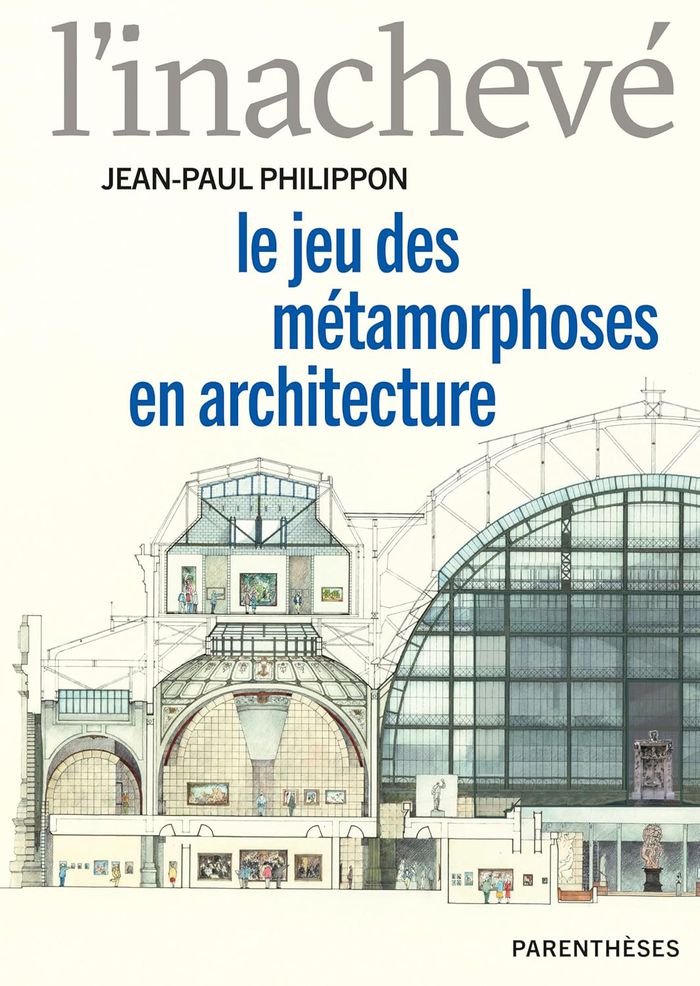
Longtemps insolite et singulière, la réhabilitation de l'existant est en passe d'être systématiquement envisagée dans les grands projets architecturaux et urbains. En cause ? La priorité donnée aux vertus écologiques du réemploi, qui s'est récemment greffée sur le souci fondateur de la préservation du patrimoine. Ancienne abbatiale, piscine municipale, gare désaffectée, entrepôts industriels à l'abandon, usines, moulins et ateliers à l'arrêt : la destruction est la solution d'une époque révolue ; paradoxalement rétrograde. L'auteur de cet ouvrage, acteur de la transformation de la gare d'Orsay en musée, et concepteur entre autres de La Piscine à Roubaix et du musée de Valence, a été l'un des pionniers en France de la métamorphose architecturale.
L'inachevé : Le jeu des métamorphoses
Actions:
Price:
$61.95
(available in store)
Summary:
Longtemps insolite et singulière, la réhabilitation de l'existant est en passe d'être systématiquement envisagée dans les grands projets architecturaux et urbains. En cause ? La priorité donnée aux vertus écologiques du réemploi, qui s'est récemment greffée sur le souci fondateur de la préservation du patrimoine. Ancienne abbatiale, piscine municipale, gare désaffectée, entrepôts industriels à l'abandon, usines, moulins et ateliers à l'arrêt : la destruction est la solution d'une époque révolue ; paradoxalement rétrograde. L'auteur de cet ouvrage, acteur de la transformation de la gare d'Orsay en musée, et concepteur entre autres de La Piscine à Roubaix et du musée de Valence, a été l'un des pionniers en France de la métamorphose architecturale.
Form:
books
books
Publication:
May 2025
May 2025
Subject:
Architectural Theory
Architectural Theory
Form:
books
books
Actions:
Price:
$45.00
(available to order)
Summary:
This is the first comprehensive overview of the life and work of the pioneering British concrete and sound poet Bob Cobbing (1920-2002). 'Boooook' addresses all aspects of Cobbing's career, with essays detailing his key roles in Better Books, London Film-makers' Co-op and the abAna trio, as well as his involvement in the Destruction in Art Symposium, Fylkingen and Writers(...)
$45.00
(available to order)
Summary:
This is the first comprehensive overview of the life and work of the pioneering British concrete and sound poet Bob Cobbing (1920-2002). 'Boooook' addresses all aspects of Cobbing's career, with essays detailing his key roles in Better Books, London Film-makers' Co-op and the abAna trio, as well as his involvement in the Destruction in Art Symposium, Fylkingen and Writers(...)
Title:
Boooook: The life and work of Bob Cobbing
Actions:
Price:
$45.00
(available to order)
Summary:
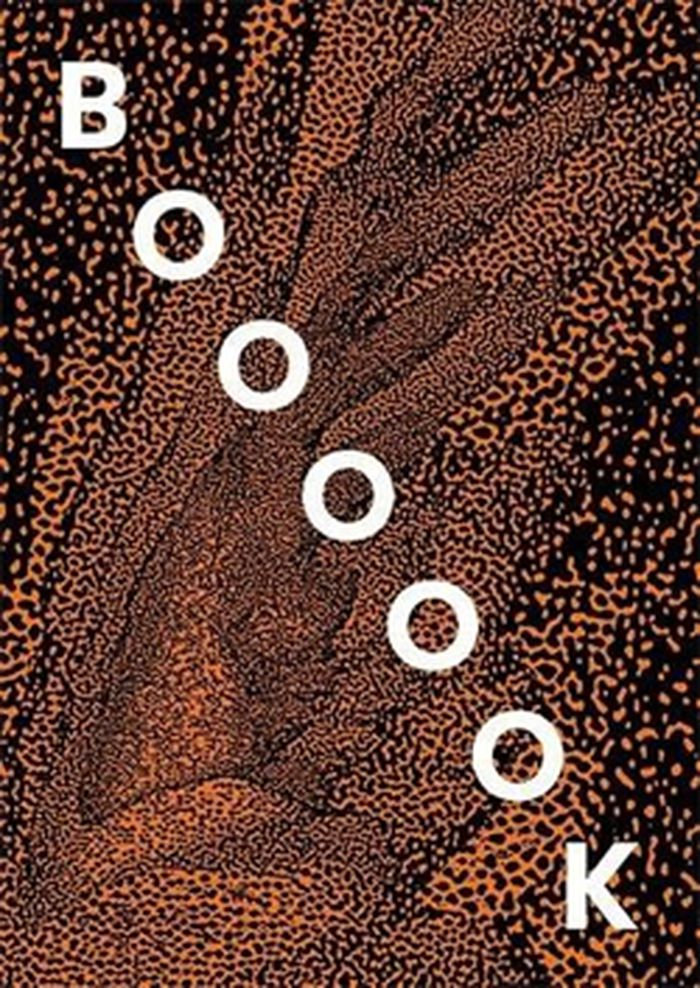
This is the first comprehensive overview of the life and work of the pioneering British concrete and sound poet Bob Cobbing (1920-2002). 'Boooook' addresses all aspects of Cobbing's career, with essays detailing his key roles in Better Books, London Film-makers' Co-op and the abAna trio, as well as his involvement in the Destruction in Art Symposium, Fylkingen and Writers Forum. Edited by William Cobbing and Rosie Cooper – and illustrated with reproductions of artworks, documents, posters, poems and film stills from the Bob Cobbing family collection – Boooook features contributions by Adrian Clarke, Arnaud Desjardin, Sanne Krogh Groth, Will Holder, Gustav Metzger, Andrew Wilson, and others.
Boooook: The life and work of Bob Cobbing
Actions:
Price:
$45.00
(available to order)
Summary:
This is the first comprehensive overview of the life and work of the pioneering British concrete and sound poet Bob Cobbing (1920-2002). 'Boooook' addresses all aspects of Cobbing's career, with essays detailing his key roles in Better Books, London Film-makers' Co-op and the abAna trio, as well as his involvement in the Destruction in Art Symposium, Fylkingen and Writers Forum. Edited by William Cobbing and Rosie Cooper – and illustrated with reproductions of artworks, documents, posters, poems and film stills from the Bob Cobbing family collection – Boooook features contributions by Adrian Clarke, Arnaud Desjardin, Sanne Krogh Groth, Will Holder, Gustav Metzger, Andrew Wilson, and others.
Form:
books
books
Publication:
February 2016
February 2016
Subject:
Acoustics
Acoustics
Form:
books
books
Price:
$39.95
(available in store)
Summary:
The success of "social distancing" as a strategy against the COVID-19 pandemic resonates acutely with neoliberalism’s destruction of the very notion of society itself. This was most famously expressed by Margaret Thatcher’s dictum "there is no society," which supplies the title of this anthology—with a question mark added. How can we deal with the paradoxical mix of(...)
$39.95
(available in store)
Summary:
The success of "social distancing" as a strategy against the COVID-19 pandemic resonates acutely with neoliberalism’s destruction of the very notion of society itself. This was most famously expressed by Margaret Thatcher’s dictum "there is no society," which supplies the title of this anthology—with a question mark added. How can we deal with the paradoxical mix of(...)
Title:
There is no society? Individuals and community in pandemic times
Actions:
Price:
$39.95
(available in store)
Summary:
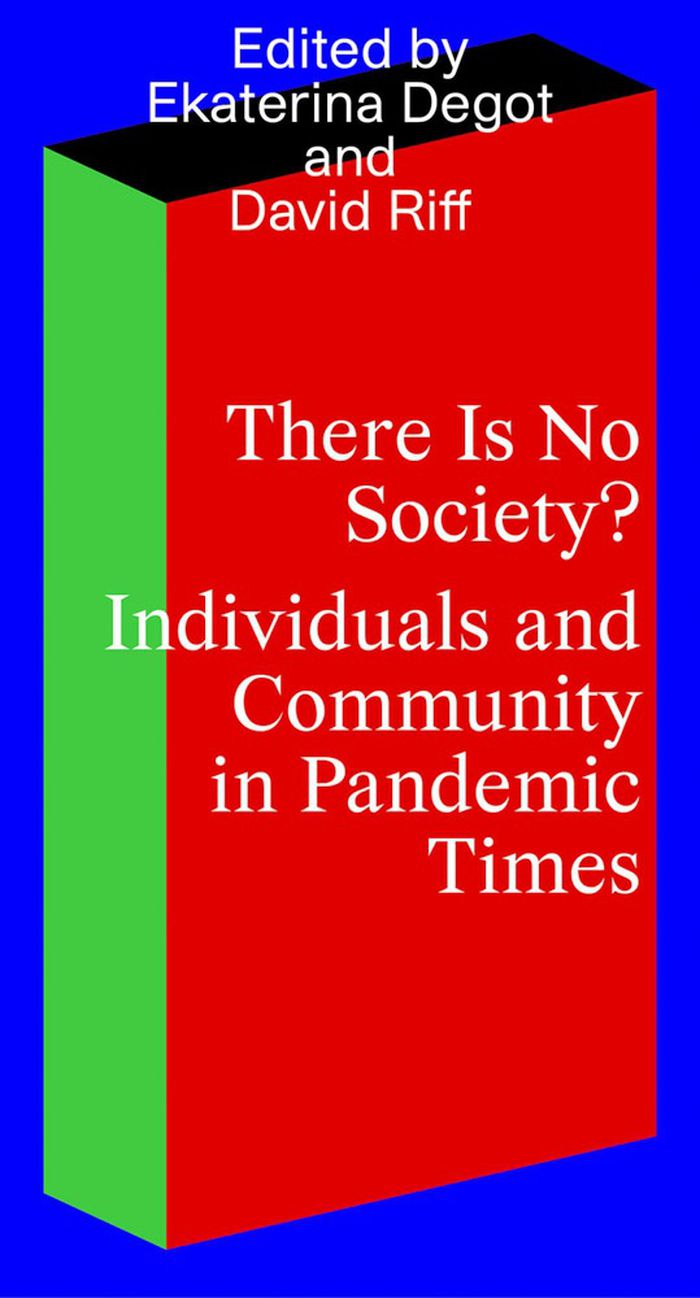
The success of "social distancing" as a strategy against the COVID-19 pandemic resonates acutely with neoliberalism’s destruction of the very notion of society itself. This was most famously expressed by Margaret Thatcher’s dictum "there is no society," which supplies the title of this anthology—with a question mark added. How can we deal with the paradoxical mix of solitude and common experience that the pandemic entails? How can culture and critical discourse even continue when public space has been shut down upon the advice of epidemiologists? Such are the questions tackled by the authors of this anthology—some of today’s leading theorists of capitalist affect and experience.
There is no society? Individuals and community in pandemic times
Actions:
Price:
$39.95
(available in store)
Summary:
The success of "social distancing" as a strategy against the COVID-19 pandemic resonates acutely with neoliberalism’s destruction of the very notion of society itself. This was most famously expressed by Margaret Thatcher’s dictum "there is no society," which supplies the title of this anthology—with a question mark added. How can we deal with the paradoxical mix of solitude and common experience that the pandemic entails? How can culture and critical discourse even continue when public space has been shut down upon the advice of epidemiologists? Such are the questions tackled by the authors of this anthology—some of today’s leading theorists of capitalist affect and experience.
Form:
books
books
Publication:
February 2022
February 2022
Subject:
Social
Social
Form:
books
books
Actions:
Price:
$18.99
(available to order)
Summary:
Avec cet essai pionnier, Muriel Pic montre que Sebald, représentant le plus inventif de la théorie critique en littérature, s’appuie sur la pensée de Walter Benjamin pour fonder un matérialisme littéraire. Celui-ci s’impose comme la solution poétique et politique permettant de pallier un déficit des mémoires face à la destruction, et, en premier lieu, de la mémoire(...)
$18.99
(available to order)
Summary:
Avec cet essai pionnier, Muriel Pic montre que Sebald, représentant le plus inventif de la théorie critique en littérature, s’appuie sur la pensée de Walter Benjamin pour fonder un matérialisme littéraire. Celui-ci s’impose comme la solution poétique et politique permettant de pallier un déficit des mémoires face à la destruction, et, en premier lieu, de la mémoire(...)
Title:
W.G. Sebald-L'image papillon ; L'art de voler
Actions:
Price:
$18.99
(available to order)
Summary:
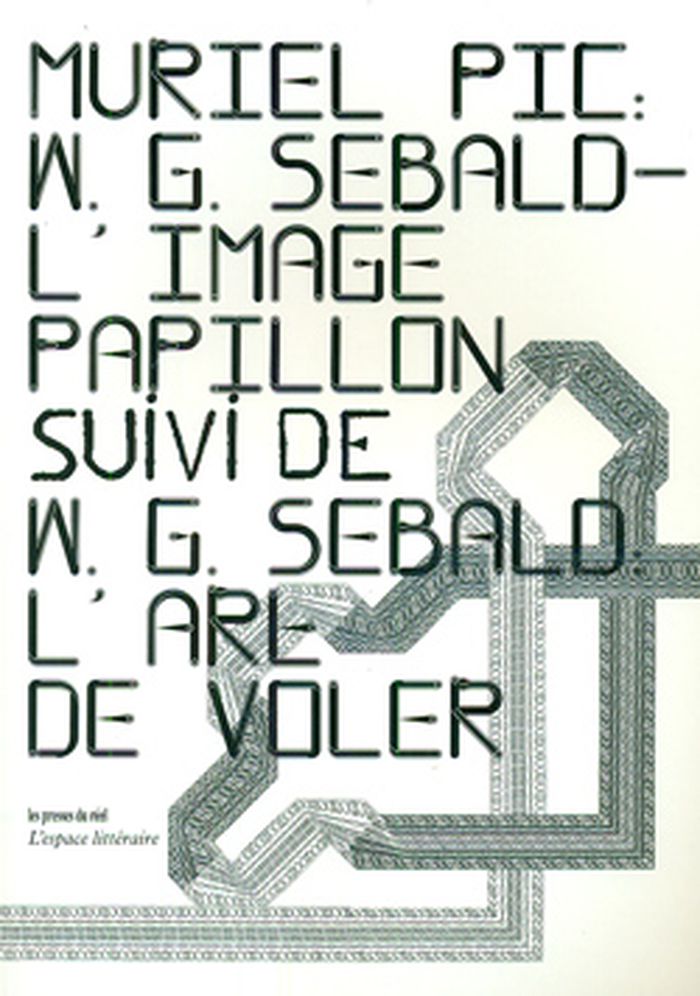
Avec cet essai pionnier, Muriel Pic montre que Sebald, représentant le plus inventif de la théorie critique en littérature, s’appuie sur la pensée de Walter Benjamin pour fonder un matérialisme littéraire. Celui-ci s’impose comme la solution poétique et politique permettant de pallier un déficit des mémoires face à la destruction, et, en premier lieu, de la mémoire allemande. Écrivant dans sa langue maternelle depuis l’Angleterre, voué à l’errance mélancolique, Sebald travaille une prose de l’exil en suivant les traces de Chateaubriand, Stendhal, Kafka, Nabokov, ou Simon. Critique à l’endroit des canons de l’histoire positiviste, l’écrivain en refuse les représentations et désigne un autre lieu de vérité : les images.
W.G. Sebald-L'image papillon ; L'art de voler
Actions:
Price:
$18.99
(available to order)
Summary:
Avec cet essai pionnier, Muriel Pic montre que Sebald, représentant le plus inventif de la théorie critique en littérature, s’appuie sur la pensée de Walter Benjamin pour fonder un matérialisme littéraire. Celui-ci s’impose comme la solution poétique et politique permettant de pallier un déficit des mémoires face à la destruction, et, en premier lieu, de la mémoire allemande. Écrivant dans sa langue maternelle depuis l’Angleterre, voué à l’errance mélancolique, Sebald travaille une prose de l’exil en suivant les traces de Chateaubriand, Stendhal, Kafka, Nabokov, ou Simon. Critique à l’endroit des canons de l’histoire positiviste, l’écrivain en refuse les représentations et désigne un autre lieu de vérité : les images.
Form:
books
books
Publication:
December 2009
December 2009
Subject:
Art Theory
Art Theory
Form:
books
books
Actions:
Price:
$49.95
(available to order)
Summary:
Despite attempts to promote the aesthetics of ruins in Russia - from Catherine the Great's construction of fake ruins in imperial parks to Josef Brodsky's elegiac meditations - ruins have never achieved the status they enjoy in Western Europe. While the Soviet Union was notorious for leveling churches, post-Soviet Russia has only intensified the practice of massive(...)
$49.95
(available to order)
Summary:
Despite attempts to promote the aesthetics of ruins in Russia - from Catherine the Great's construction of fake ruins in imperial parks to Josef Brodsky's elegiac meditations - ruins have never achieved the status they enjoy in Western Europe. While the Soviet Union was notorious for leveling churches, post-Soviet Russia has only intensified the practice of massive(...)
Title:
Architecture of oblivion : ruins and historical consciousness in modern Russia
Actions:
Price:
$49.95
(available to order)
Summary:
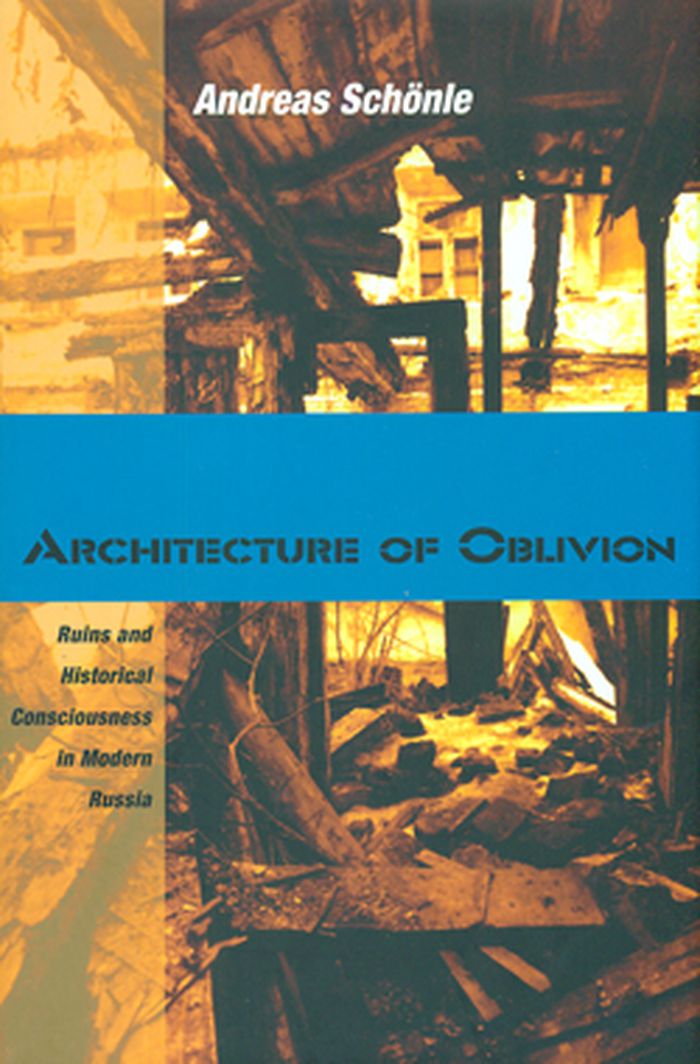
Despite attempts to promote the aesthetics of ruins in Russia - from Catherine the Great's construction of fake ruins in imperial parks to Josef Brodsky's elegiac meditations - ruins have never achieved the status they enjoy in Western Europe. While the Soviet Union was notorious for leveling churches, post-Soviet Russia has only intensified the practice of massive destruction and reconstruction. "Architecture of Oblivion "examines the role of ruins in the development of Russia's historical consciousness from the 18th century to the present. This original work from a leading authority on the subject will appeal to historians of Russian culture and thought, literature and art scholars, and general readers interested in ruins.
Architecture of oblivion : ruins and historical consciousness in modern Russia
Actions:
Price:
$49.95
(available to order)
Summary:
Despite attempts to promote the aesthetics of ruins in Russia - from Catherine the Great's construction of fake ruins in imperial parks to Josef Brodsky's elegiac meditations - ruins have never achieved the status they enjoy in Western Europe. While the Soviet Union was notorious for leveling churches, post-Soviet Russia has only intensified the practice of massive destruction and reconstruction. "Architecture of Oblivion "examines the role of ruins in the development of Russia's historical consciousness from the 18th century to the present. This original work from a leading authority on the subject will appeal to historians of Russian culture and thought, literature and art scholars, and general readers interested in ruins.
Form:
books
books
Publication:
June 2011
June 2011
Subject:
Architectural Theory
Architectural Theory
Form:
books
books
Title:
Library: An Unquiet History
Library: An Unquiet History
Actions:
Price:
$18.95
(available to order)
Summary:
Through the ages, libraries have not only accumulated and preserved but also shaped, inspired, and obliterated knowledge. Now they are in crisis. Former rare books librarian and Harvard MetaLAB visionary Matthew Battles takes us from Boston to Baghdad, from classical scriptoria to medieval monasteries and on to the Information Age, to explore how libraries are built and(...)
$18.95
(available to order)
Summary:
Through the ages, libraries have not only accumulated and preserved but also shaped, inspired, and obliterated knowledge. Now they are in crisis. Former rare books librarian and Harvard MetaLAB visionary Matthew Battles takes us from Boston to Baghdad, from classical scriptoria to medieval monasteries and on to the Information Age, to explore how libraries are built and(...)
Publication:
March 2015
March 2015
Title:
Library: An Unquiet History
Actions:
Price:
$18.95
(available to order)
Summary:
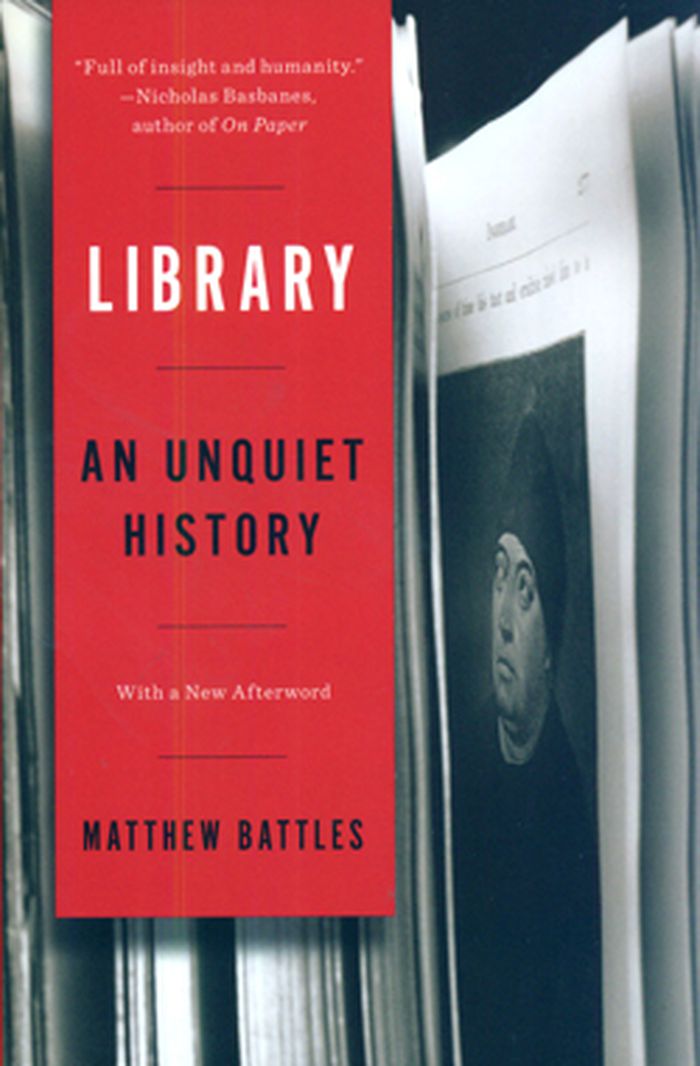
Through the ages, libraries have not only accumulated and preserved but also shaped, inspired, and obliterated knowledge. Now they are in crisis. Former rare books librarian and Harvard MetaLAB visionary Matthew Battles takes us from Boston to Baghdad, from classical scriptoria to medieval monasteries and on to the Information Age, to explore how libraries are built and how they are destroyed: from the scroll burnings in ancient China to the burning of libraries in Europe and Bosnia to the latest revolutionary upheavals of the digital age. A new epilogue elucidates the preservation of knowledge amid the creative destruction of twenty-first century technology. 10 illustrations.
Library: An Unquiet History
Actions:
Price:
$18.95
(available to order)
Summary:
Through the ages, libraries have not only accumulated and preserved but also shaped, inspired, and obliterated knowledge. Now they are in crisis. Former rare books librarian and Harvard MetaLAB visionary Matthew Battles takes us from Boston to Baghdad, from classical scriptoria to medieval monasteries and on to the Information Age, to explore how libraries are built and how they are destroyed: from the scroll burnings in ancient China to the burning of libraries in Europe and Bosnia to the latest revolutionary upheavals of the digital age. A new epilogue elucidates the preservation of knowledge amid the creative destruction of twenty-first century technology. 10 illustrations.
Form:
books
books
Publication:
March 2015
March 2015


