


876 Results
Form:
books
books

Price:
$23.00
(available in store)
Summary:
"Birdpedia" is an illustrated compendium of bird facts and birding lore. Featuring nearly 200 entries—on topics ranging from plumage and migration to birds in art, literature, and folklore—this collection is brimming with wisdom and wit about all things avian. Christopher Leahy sheds light on 'hawk-watching,' 'twitching,' and other rituals from the sometimes mystifying(...)
$23.00
(available in store)
Summary:
"Birdpedia" is an illustrated compendium of bird facts and birding lore. Featuring nearly 200 entries—on topics ranging from plumage and migration to birds in art, literature, and folklore—this collection is brimming with wisdom and wit about all things avian. Christopher Leahy sheds light on 'hawk-watching,' 'twitching,' and other rituals from the sometimes mystifying(...)
Title:
Birdpedia
Actions:
Price:
$23.00
(available in store)
Summary:
"Birdpedia" is an illustrated compendium of bird facts and birding lore. Featuring nearly 200 entries—on topics ranging from plumage and migration to birds in art, literature, and folklore—this collection is brimming with wisdom and wit about all things avian. Christopher Leahy sheds light on 'hawk-watching,' 'twitching,' and other rituals from the sometimes mystifying world of birding that entail a good deal more than their names imply. He explains what kind of bird’s nests you can eat, why mocking birds mock, and many other curiosities that have induced otherwise sane people to peer into treetops using outrageously expensive optical equipment. Leahy shares illuminating insights about pioneering ornithologists such as John James Audubon and Florence Bailey, and describes unique bird behaviors such as anting, caching, duetting, and mobbing. He discusses avian fossils, the colloquial naming of birds, the science and history of ornithology, and more. The book’s convenient size makes it the perfect traveling companion to take along on your own avian adventures.
Birdpedia
Actions:
Price:
$23.00
(available in store)
Summary:
"Birdpedia" is an illustrated compendium of bird facts and birding lore. Featuring nearly 200 entries—on topics ranging from plumage and migration to birds in art, literature, and folklore—this collection is brimming with wisdom and wit about all things avian. Christopher Leahy sheds light on 'hawk-watching,' 'twitching,' and other rituals from the sometimes mystifying world of birding that entail a good deal more than their names imply. He explains what kind of bird’s nests you can eat, why mocking birds mock, and many other curiosities that have induced otherwise sane people to peer into treetops using outrageously expensive optical equipment. Leahy shares illuminating insights about pioneering ornithologists such as John James Audubon and Florence Bailey, and describes unique bird behaviors such as anting, caching, duetting, and mobbing. He discusses avian fossils, the colloquial naming of birds, the science and history of ornithology, and more. The book’s convenient size makes it the perfect traveling companion to take along on your own avian adventures.
Form:
books
books
Publication:
June 2021
June 2021
Subject:
Fauna and flora
Fauna and flora
Form:
books
books
Title:
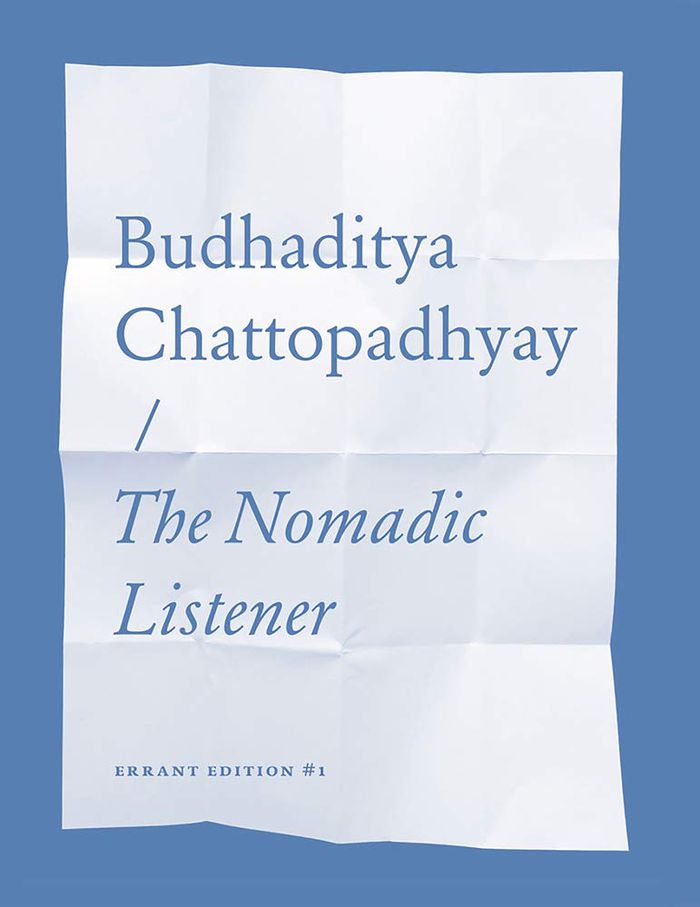
The nomadic listener
The nomadic listener
Actions:
Price:
$25.00
(available to order)
Summary:
Based on the author’s artistic research on migration, contemporary urban experience, and sonic alienation, ''The nomadic listener'' is composed of a series of texts stemming from psychogeographic explorations of contemporary cities, including Copenhagen, Berlin, Kolkata, Vienna, Delhi, Hong Kong, Mumbai and New York, among others. Each text is an act of listening, where(...)
$25.00
(available to order)
Summary:
Based on the author’s artistic research on migration, contemporary urban experience, and sonic alienation, ''The nomadic listener'' is composed of a series of texts stemming from psychogeographic explorations of contemporary cities, including Copenhagen, Berlin, Kolkata, Vienna, Delhi, Hong Kong, Mumbai and New York, among others. Each text is an act of listening, where(...)
Title:
The nomadic listener
Actions:
Price:
$25.00
(available to order)
Summary:
Based on the author’s artistic research on migration, contemporary urban experience, and sonic alienation, ''The nomadic listener'' is composed of a series of texts stemming from psychogeographic explorations of contemporary cities, including Copenhagen, Berlin, Kolkata, Vienna, Delhi, Hong Kong, Mumbai and New York, among others. Each text is an act of listening, where the author records his surrounding environment and attunes to the sonic fluctuations of movement and the passing of events. What surfaces is a collection of meditations on the occurrences of life movingly interwoven with memories, associations, desires and reflections. As readers we are brought into a tender map of contemporary urban experience, and the often lonely, surprising and random interactions found in traveling.''The nomadic listener'' includes parallel drawings based on the original audio recordings, and appear as ghostly renderings of the corresponding experiences. The recordings are published by the German label Gruenrekorder and accessed through a QR code included in the book.
The nomadic listener
Actions:
Price:
$25.00
(available to order)
Summary:
Based on the author’s artistic research on migration, contemporary urban experience, and sonic alienation, ''The nomadic listener'' is composed of a series of texts stemming from psychogeographic explorations of contemporary cities, including Copenhagen, Berlin, Kolkata, Vienna, Delhi, Hong Kong, Mumbai and New York, among others. Each text is an act of listening, where the author records his surrounding environment and attunes to the sonic fluctuations of movement and the passing of events. What surfaces is a collection of meditations on the occurrences of life movingly interwoven with memories, associations, desires and reflections. As readers we are brought into a tender map of contemporary urban experience, and the often lonely, surprising and random interactions found in traveling.''The nomadic listener'' includes parallel drawings based on the original audio recordings, and appear as ghostly renderings of the corresponding experiences. The recordings are published by the German label Gruenrekorder and accessed through a QR code included in the book.
Form:
books
books
Publication:
September 2020
September 2020
Subject:
Acoustics
Acoustics
Form:
books
books
Price:
$32.00
(available to order)
Summary:
Over the past two decades China has grown to become the largest construction market in the world, attracting many architects and urban planners from the West. As a result of this migration, it often happens that cultural and linguistic barriers between onsite experts from Western backgrounds and those from local environs create misunderstandings and stall the pace of(...)
$32.00
(available to order)
Summary:
Over the past two decades China has grown to become the largest construction market in the world, attracting many architects and urban planners from the West. As a result of this migration, it often happens that cultural and linguistic barriers between onsite experts from Western backgrounds and those from local environs create misunderstandings and stall the pace of(...)
Title:
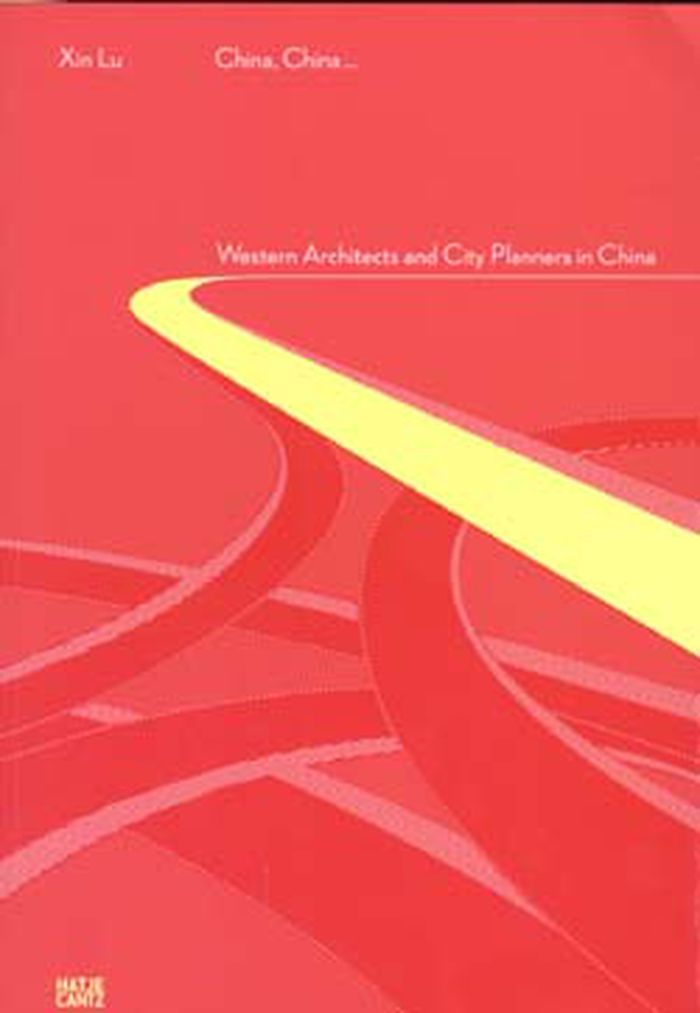
China, China ... western architects and city planners in China
Actions:
Price:
$32.00
(available to order)
Summary:
Over the past two decades China has grown to become the largest construction market in the world, attracting many architects and urban planners from the West. As a result of this migration, it often happens that cultural and linguistic barriers between onsite experts from Western backgrounds and those from local environs create misunderstandings and stall the pace of execution. The Chinese architect Xin Lu has dealt with such issues firsthand and is especially well positioned to address them: he studied in China and Germany, and is currently working on a Chinese construction project for a German architectural office. Xin Lu has created this handbook from interviews and conversations he has conducted with architects, urban planners and academics from Europe and China, as well as with Chinese clients. Written to address issues of cultural disparity in the most practical terms, this volume elucidates differences between East and West in communications protocol and conceptual and working methods employed in the process of creating designs or in business. This volume is full of valuable advice, and will assist the process of intercultural cooperation.
China, China ... western architects and city planners in China
Actions:
Price:
$32.00
(available to order)
Summary:
Over the past two decades China has grown to become the largest construction market in the world, attracting many architects and urban planners from the West. As a result of this migration, it often happens that cultural and linguistic barriers between onsite experts from Western backgrounds and those from local environs create misunderstandings and stall the pace of execution. The Chinese architect Xin Lu has dealt with such issues firsthand and is especially well positioned to address them: he studied in China and Germany, and is currently working on a Chinese construction project for a German architectural office. Xin Lu has created this handbook from interviews and conversations he has conducted with architects, urban planners and academics from Europe and China, as well as with Chinese clients. Written to address issues of cultural disparity in the most practical terms, this volume elucidates differences between East and West in communications protocol and conceptual and working methods employed in the process of creating designs or in business. This volume is full of valuable advice, and will assist the process of intercultural cooperation.
Form:
books
books
Publication:
July 2008, Ostfildern
July 2008, Ostfildern
Subject:
Contemporary Asian Architecture
Contemporary Asian Architecture
Form:
books
books
Actions:
Price:
$53.95
(available to order)
Summary:
''Amaza Lee Meredith imagines herself modern'' tells the captivating story of Amaza Lee Meredith, a Black woman architect, artist, and educator born into the Jim Crow South, whose bold choices in both life and architecture expand our understanding of the Great Migration and the Harlem Renaissance, while revealing the importance of architecture as a force in Black(...)
$53.95
(available to order)
Summary:
''Amaza Lee Meredith imagines herself modern'' tells the captivating story of Amaza Lee Meredith, a Black woman architect, artist, and educator born into the Jim Crow South, whose bold choices in both life and architecture expand our understanding of the Great Migration and the Harlem Renaissance, while revealing the importance of architecture as a force in Black(...)
Title:
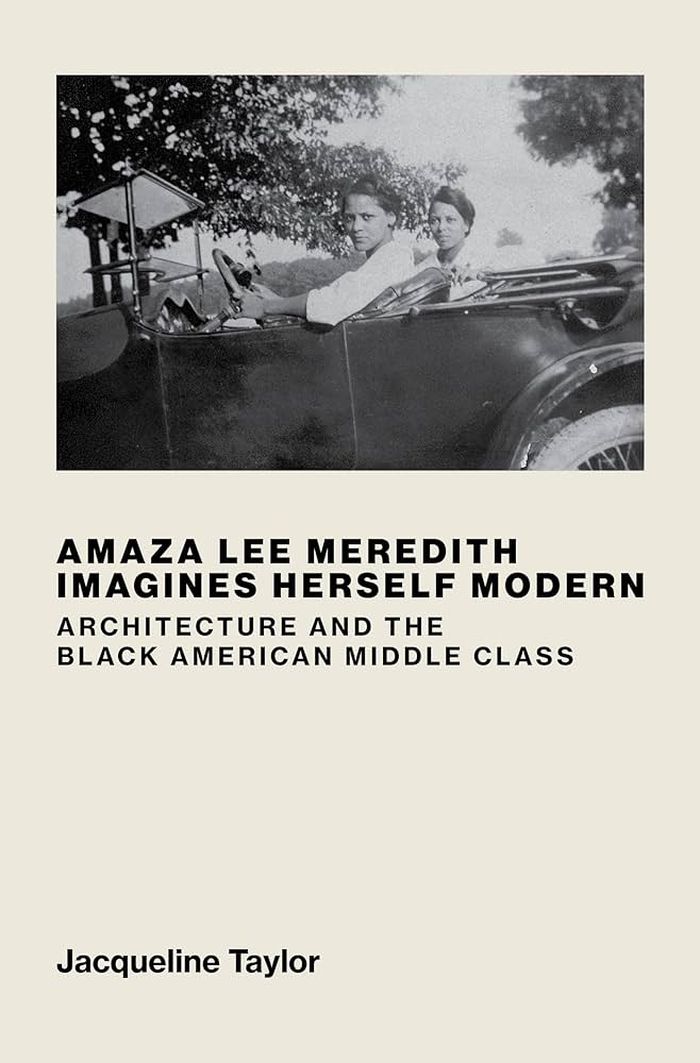
Amaza Lee Meredith imagines herself modern: Architecture and the Black Amercian middle class
Actions:
Price:
$53.95
(available to order)
Summary:
''Amaza Lee Meredith imagines herself modern'' tells the captivating story of Amaza Lee Meredith, a Black woman architect, artist, and educator born into the Jim Crow South, whose bold choices in both life and architecture expand our understanding of the Great Migration and the Harlem Renaissance, while revealing the importance of architecture as a force in Black middle-class identity. Through her charismatic protagonist, Jacqueline Taylor derives new insights into the experiences of Black women at the forefront of culture in early twentieth-century America, caught between expectation and ambition, responsibility and desire. Central to Taylor’s argument is that Meredith’s response to modern architecture and art, like those of other Black cultural producers, was not marginal to the modernist project; instead, her work reveals the tensions and inconsistencies in how American modernism has been defined. In this way, the book shines a necessary light on modernism’s complexity, while overturning perceived notions of race and gender in relation to the modernist project and challenging the notion of the white male hero of modern architecture.
Amaza Lee Meredith imagines herself modern: Architecture and the Black Amercian middle class
Actions:
Price:
$53.95
(available to order)
Summary:
''Amaza Lee Meredith imagines herself modern'' tells the captivating story of Amaza Lee Meredith, a Black woman architect, artist, and educator born into the Jim Crow South, whose bold choices in both life and architecture expand our understanding of the Great Migration and the Harlem Renaissance, while revealing the importance of architecture as a force in Black middle-class identity. Through her charismatic protagonist, Jacqueline Taylor derives new insights into the experiences of Black women at the forefront of culture in early twentieth-century America, caught between expectation and ambition, responsibility and desire. Central to Taylor’s argument is that Meredith’s response to modern architecture and art, like those of other Black cultural producers, was not marginal to the modernist project; instead, her work reveals the tensions and inconsistencies in how American modernism has been defined. In this way, the book shines a necessary light on modernism’s complexity, while overturning perceived notions of race and gender in relation to the modernist project and challenging the notion of the white male hero of modern architecture.
Form:
books
books
Publication:
November 2023
November 2023
Subject:
Architectural Theory
Architectural Theory
Form:
books
books
Title:
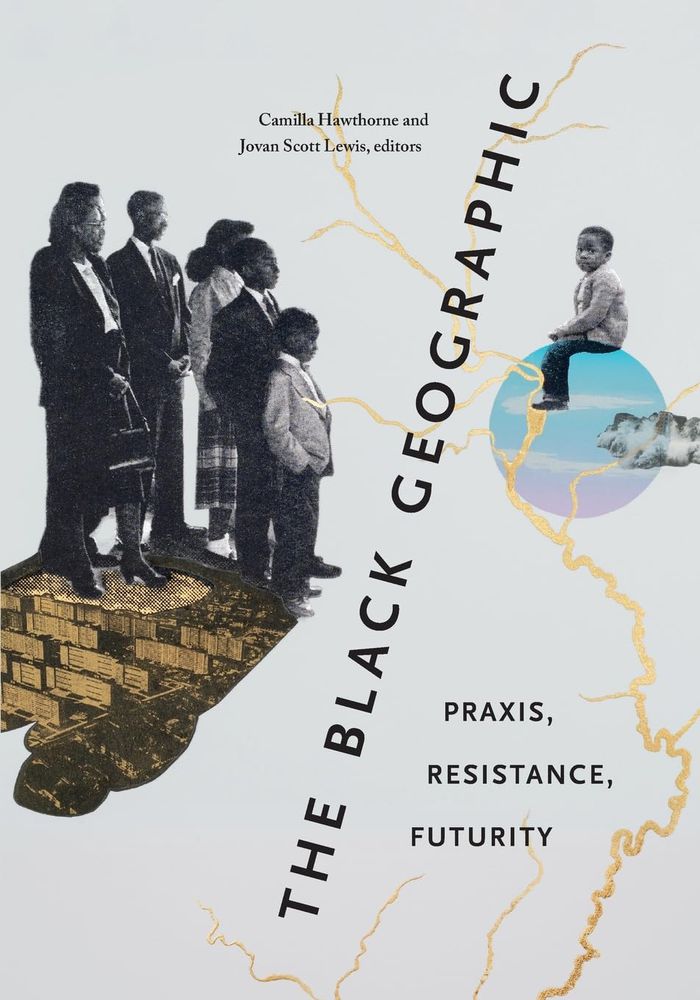
The Black geographic
The Black geographic
Actions:
Price:
$38.95
(available to order)
Summary:
The contributors to ''The Black geographic'' explore the theoretical innovations of Black Geographies scholarship and how it approaches Blackness as historically and spatially situated. In studies that span from Oakland to the Alabama Black Belt to Senegal to Brazil, the contributors draw on ethnography, archival records, digital humanities, literary criticism, and art to(...)
$38.95
(available to order)
Summary:
The contributors to ''The Black geographic'' explore the theoretical innovations of Black Geographies scholarship and how it approaches Blackness as historically and spatially situated. In studies that span from Oakland to the Alabama Black Belt to Senegal to Brazil, the contributors draw on ethnography, archival records, digital humanities, literary criticism, and art to(...)
Title:
The Black geographic
Actions:
Price:
$38.95
(available to order)
Summary:
The contributors to ''The Black geographic'' explore the theoretical innovations of Black Geographies scholarship and how it approaches Blackness as historically and spatially situated. In studies that span from Oakland to the Alabama Black Belt to Senegal to Brazil, the contributors draw on ethnography, archival records, digital humanities, literary criticism, and art to show how understanding the spatial dimensions of Black life contributes to a broader understanding of race and space. They examine key sites of inquiry: Black spatial imaginaries, resistance to racial violence, the geographies of racial capitalism, and struggles over urban space. Throughout, the contributors demonstrate that Blackness is itself a situating and place-making force, even as it is shaped by spatial processes and diasporic routes. Whether discussing eighteenth- and nineteenth-century abolitionist print records or migration and surveillance in Niger, this volume demonstrates that Black Geographies is a mode of analyzing Blackness that fundamentally challenges the very foundations of the field of geography and its historical entwinement with colonialism, enslavement, and imperialism. In short, it marks a new step in the evolution of the field.
The Black geographic
Actions:
Price:
$38.95
(available to order)
Summary:
The contributors to ''The Black geographic'' explore the theoretical innovations of Black Geographies scholarship and how it approaches Blackness as historically and spatially situated. In studies that span from Oakland to the Alabama Black Belt to Senegal to Brazil, the contributors draw on ethnography, archival records, digital humanities, literary criticism, and art to show how understanding the spatial dimensions of Black life contributes to a broader understanding of race and space. They examine key sites of inquiry: Black spatial imaginaries, resistance to racial violence, the geographies of racial capitalism, and struggles over urban space. Throughout, the contributors demonstrate that Blackness is itself a situating and place-making force, even as it is shaped by spatial processes and diasporic routes. Whether discussing eighteenth- and nineteenth-century abolitionist print records or migration and surveillance in Niger, this volume demonstrates that Black Geographies is a mode of analyzing Blackness that fundamentally challenges the very foundations of the field of geography and its historical entwinement with colonialism, enslavement, and imperialism. In short, it marks a new step in the evolution of the field.
Form:
books
books
Publication:
October 2023
October 2023
Subject:
Social
Social
Form:
books
books
Price:
$34.00
(available to order)
Summary:
In November 2022, the first annual Alchemy Lecture took place at York University in Toronto, bringing four deep and agile writers from different geographies and disciplines into vibrant conversation on a topic of urgent relevance: humans and borders. Now, in these pages, that conversation is captured and expanded in insightful, passionate ways. Architect, artist, and(...)
$34.00
(available to order)
Summary:
In November 2022, the first annual Alchemy Lecture took place at York University in Toronto, bringing four deep and agile writers from different geographies and disciplines into vibrant conversation on a topic of urgent relevance: humans and borders. Now, in these pages, that conversation is captured and expanded in insightful, passionate ways. Architect, artist, and(...)
Title:
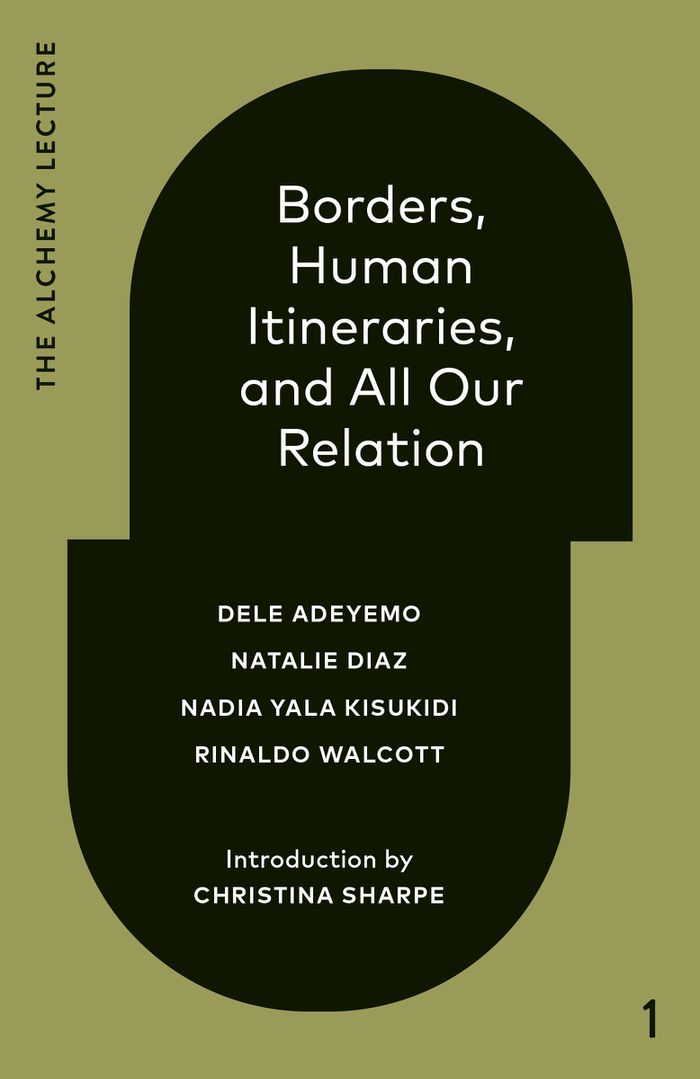
Borders, human itineraries, and all our relation. The alchemy lecture 1
Actions:
Price:
$34.00
(available to order)
Summary:
In November 2022, the first annual Alchemy Lecture took place at York University in Toronto, bringing four deep and agile writers from different geographies and disciplines into vibrant conversation on a topic of urgent relevance: humans and borders. Now, in these pages, that conversation is captured and expanded in insightful, passionate ways. Architect, artist, and urban theorist Dele Adeyemo (UK/Nigeria) calls attention to the complexity of Black infrastructures, questioning how “the environments that surround us condition the possibility of our being.” Poet Natalie Diaz (US/Mojave/Akimel O’otham) writes: “Like story, migration is the sensual movement of knowledge,” and asks, “What is the language we need to live right now?” Philosopher Nadia Yala Kisukidi (France) suggests there is no diasporic life “without the dynamics of fabulation, where we pass down, from generation to generation, the stories of our ancestors who walked barefoot for many months.” And cultural theorist Rinaldo Walcott (Canada) asks us to consider inheritances beyond white supremacist logics: “What might it mean to live a life, if we can’t risk desiring and working towards utopia?”
Borders, human itineraries, and all our relation. The alchemy lecture 1
Actions:
Price:
$34.00
(available to order)
Summary:
In November 2022, the first annual Alchemy Lecture took place at York University in Toronto, bringing four deep and agile writers from different geographies and disciplines into vibrant conversation on a topic of urgent relevance: humans and borders. Now, in these pages, that conversation is captured and expanded in insightful, passionate ways. Architect, artist, and urban theorist Dele Adeyemo (UK/Nigeria) calls attention to the complexity of Black infrastructures, questioning how “the environments that surround us condition the possibility of our being.” Poet Natalie Diaz (US/Mojave/Akimel O’otham) writes: “Like story, migration is the sensual movement of knowledge,” and asks, “What is the language we need to live right now?” Philosopher Nadia Yala Kisukidi (France) suggests there is no diasporic life “without the dynamics of fabulation, where we pass down, from generation to generation, the stories of our ancestors who walked barefoot for many months.” And cultural theorist Rinaldo Walcott (Canada) asks us to consider inheritances beyond white supremacist logics: “What might it mean to live a life, if we can’t risk desiring and working towards utopia?”
Form:
books
books
Publication:
October 2023
October 2023
Subject:
Social
Social
Form:
books
books
Actions:
Price:
$45.00
(available to order)
Summary:
The People's Republic of China is currently the largest market for architectural services in the world, and its cities — sites of the greatest economic migration in modern history — are rapidly being transformed into rival centers for global trade and commerce. "On the edge : ten architects from China" is a critical anthology on new architecture in China, the first book(...)
$45.00
(available to order)
Summary:
The People's Republic of China is currently the largest market for architectural services in the world, and its cities — sites of the greatest economic migration in modern history — are rapidly being transformed into rival centers for global trade and commerce. "On the edge : ten architects from China" is a critical anthology on new architecture in China, the first book(...)
Subject:
Contemporary Asian Architecture
Contemporary Asian Architecture
Publication:
January 2007, New York
January 2007, New York
Title:
On the edge : ten archtiects from China
Actions:
Price:
$45.00
(available to order)
Summary:
The People's Republic of China is currently the largest market for architectural services in the world, and its cities — sites of the greatest economic migration in modern history — are rapidly being transformed into rival centers for global trade and commerce. "On the edge : ten architects from China" is a critical anthology on new architecture in China, the first book of its kind devoted to the development and maturation of an indigenous approach to modern architecture and urbanism in China. Focusing on the work of ten young design firms based in mainland China, Hong Kong, and Taiwan, "On the edge" documents the rise of a new aesthetic, the evolution of contemporary architectural practice, and the irresistible, global aspirations of an emerging avant-garde.Included in the book are completed buildings, proposed projects, and urban master plans by Gary Chang of Edge HK, Rocco Yim, Zi and Ming Zhang of Original Design Studio, Li Hu of Open Architecture Studio, Ai We Wei, Qingyun Ma of MADA, Jiakun Liu, and Yung Ho Chang, who is the present dean of the Architecture School at MIT.
On the edge : ten archtiects from China
Actions:
Price:
$45.00
(available to order)
Summary:
The People's Republic of China is currently the largest market for architectural services in the world, and its cities — sites of the greatest economic migration in modern history — are rapidly being transformed into rival centers for global trade and commerce. "On the edge : ten architects from China" is a critical anthology on new architecture in China, the first book of its kind devoted to the development and maturation of an indigenous approach to modern architecture and urbanism in China. Focusing on the work of ten young design firms based in mainland China, Hong Kong, and Taiwan, "On the edge" documents the rise of a new aesthetic, the evolution of contemporary architectural practice, and the irresistible, global aspirations of an emerging avant-garde.Included in the book are completed buildings, proposed projects, and urban master plans by Gary Chang of Edge HK, Rocco Yim, Zi and Ming Zhang of Original Design Studio, Li Hu of Open Architecture Studio, Ai We Wei, Qingyun Ma of MADA, Jiakun Liu, and Yung Ho Chang, who is the present dean of the Architecture School at MIT.
Form:
books
books
Publication:
January 2007, New York
January 2007, New York
Subject:
Contemporary Asian Architecture
Contemporary Asian Architecture
Form:
books
books
Actions:
Price:
$56.95
(available in store)
Summary:
With its emphasis on permanence and stability, architecture at first resists an easy pairing with live performance, usually considered ephemeral and elusive. But architecture and performance share a core concern: the interplay of bodies and space. 'Bodybuilding' examines the use of live performance by architects. Looking past the unbuilt, utopian projects of the early(...)
$56.95
(available in store)
Summary:
With its emphasis on permanence and stability, architecture at first resists an easy pairing with live performance, usually considered ephemeral and elusive. But architecture and performance share a core concern: the interplay of bodies and space. 'Bodybuilding' examines the use of live performance by architects. Looking past the unbuilt, utopian projects of the early(...)
Subject:
Architectural Theory
Architectural Theory
Publication:
January 2019
January 2019
Title:
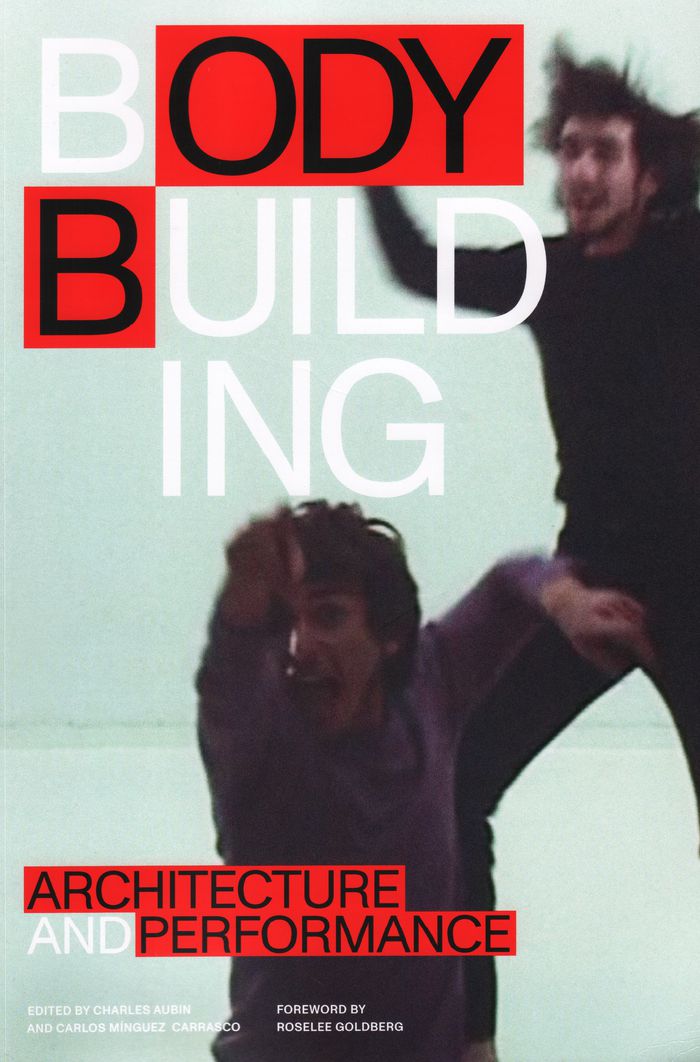
Bodybuilding: architecture and performance
Actions:
Price:
$56.95
(available in store)
Summary:
With its emphasis on permanence and stability, architecture at first resists an easy pairing with live performance, usually considered ephemeral and elusive. But architecture and performance share a core concern: the interplay of bodies and space. 'Bodybuilding' examines the use of live performance by architects. Looking past the unbuilt, utopian projects of the early modernists or the postwar avant-garde, the authors unearth an alternative canon of architects who actually employ performance to fortify the process of building, or else to explore architecture’s enmeshment with labor, security, race, migration, the environment, gentrification, and public assembly. For these architects, performance can be a tool, a method, or a heuristic device; in every case, performance is a blade that cuts into the matter of architecture. With rates of construction plummeting after the financial crisis of 2007–08, newly minted architects have had to find alternative ways to continue working within the field. 'Bodybuilding' grounds these new practices within a century of precedents, and insists that performance is a critical tool to rethink architecture’s agency, goals, and aesthetics.
Bodybuilding: architecture and performance
Actions:
Price:
$56.95
(available in store)
Summary:
With its emphasis on permanence and stability, architecture at first resists an easy pairing with live performance, usually considered ephemeral and elusive. But architecture and performance share a core concern: the interplay of bodies and space. 'Bodybuilding' examines the use of live performance by architects. Looking past the unbuilt, utopian projects of the early modernists or the postwar avant-garde, the authors unearth an alternative canon of architects who actually employ performance to fortify the process of building, or else to explore architecture’s enmeshment with labor, security, race, migration, the environment, gentrification, and public assembly. For these architects, performance can be a tool, a method, or a heuristic device; in every case, performance is a blade that cuts into the matter of architecture. With rates of construction plummeting after the financial crisis of 2007–08, newly minted architects have had to find alternative ways to continue working within the field. 'Bodybuilding' grounds these new practices within a century of precedents, and insists that performance is a critical tool to rethink architecture’s agency, goals, and aesthetics.
Form:
books
books
Publication:
January 2019
January 2019
Subject:
Architectural Theory
Architectural Theory
Form:
books
books
Title:
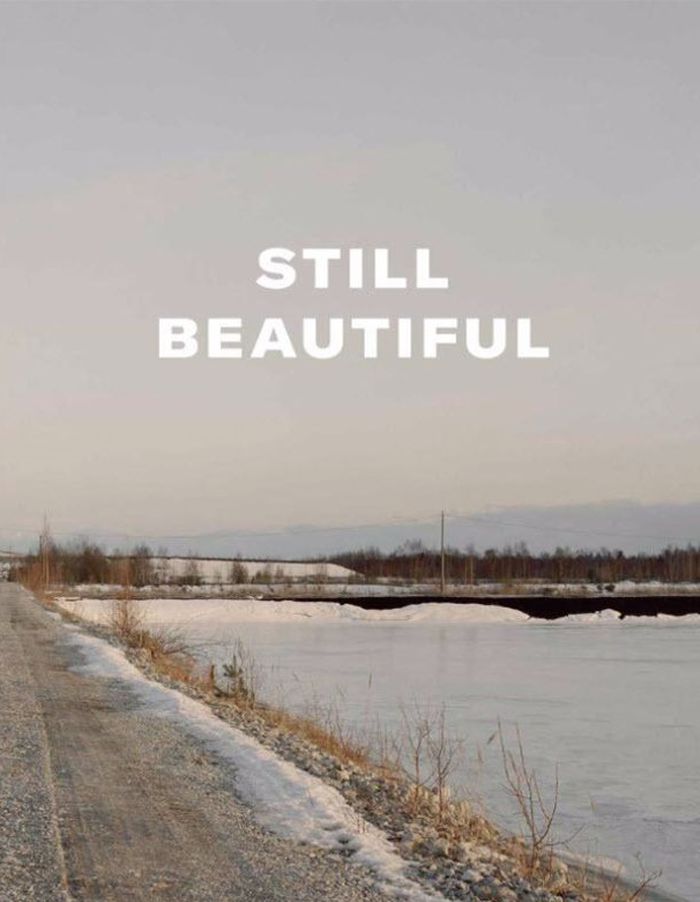
Still beautiful
Still beautiful
Actions:
Price:
$105.00
(available to order)
Summary:
David Grandorge’s work is a type of Reconnaissance. In his photographs of cities, architecture appears as part of a network of reciprocal situations. His landscapes evoke a sense of balanced disequilibrium, of great energy and stillness. Natural and man-made aspects of reality seem to occur simultaneously, almost casually, as if discovered by the photographer in a state(...)
$105.00
(available to order)
Summary:
David Grandorge’s work is a type of Reconnaissance. In his photographs of cities, architecture appears as part of a network of reciprocal situations. His landscapes evoke a sense of balanced disequilibrium, of great energy and stillness. Natural and man-made aspects of reality seem to occur simultaneously, almost casually, as if discovered by the photographer in a state(...)
Title:
Still beautiful
Actions:
Price:
$105.00
(available to order)
Summary:
David Grandorge’s work is a type of Reconnaissance. In his photographs of cities, architecture appears as part of a network of reciprocal situations. His landscapes evoke a sense of balanced disequilibrium, of great energy and stillness. Natural and man-made aspects of reality seem to occur simultaneously, almost casually, as if discovered by the photographer in a state of unselfconscious innocence. This appearance of innocence is beguiling. On reflection, the charm, beauty and stillness of the photographs reveal the complexity and depth of the entanglements of humankind and the world. Comprising essays by Paul Shepheard and David Grandorge, and an interview between the photographer and David Campany, ''Still beautiful'' is a timely and poignant document. David Grandorge’s Arctic photographs, taken in 2007, are a form of witness to what is now a lost world. In 2017 he recorded the effects of mass migration – of global politics – upon the water levels of The Dead Sea. Still Beautiful is an acclamation of wonder: of both the beauty of the world, and of capacity of photography to move us to acknowledge it.
Still beautiful
Actions:
Price:
$105.00
(available to order)
Summary:
David Grandorge’s work is a type of Reconnaissance. In his photographs of cities, architecture appears as part of a network of reciprocal situations. His landscapes evoke a sense of balanced disequilibrium, of great energy and stillness. Natural and man-made aspects of reality seem to occur simultaneously, almost casually, as if discovered by the photographer in a state of unselfconscious innocence. This appearance of innocence is beguiling. On reflection, the charm, beauty and stillness of the photographs reveal the complexity and depth of the entanglements of humankind and the world. Comprising essays by Paul Shepheard and David Grandorge, and an interview between the photographer and David Campany, ''Still beautiful'' is a timely and poignant document. David Grandorge’s Arctic photographs, taken in 2007, are a form of witness to what is now a lost world. In 2017 he recorded the effects of mass migration – of global politics – upon the water levels of The Dead Sea. Still Beautiful is an acclamation of wonder: of both the beauty of the world, and of capacity of photography to move us to acknowledge it.
Form:
books
books
Publication:
December 2018
December 2018
Subject:
Photography monographs
Photography monographs
Form:
books
books
Actions:
Price:
$14.95
(available in store)
Summary:
L'avènement de l’univers numérique a mis à mal notre rapport à la ville tangible, que nous avons désertée au profit d’une hyperconnectivité qui n’est pas sans conséquences sur l’espace public en tant que lieu de sociabilité. Et l’arrivée annoncée d’un soi-disant « métavers » ne fera qu’amplifier ce phénomène. La dépersonnalisation des relations interpersonnelles et le(...)
$14.95
(available in store)
Summary:
L'avènement de l’univers numérique a mis à mal notre rapport à la ville tangible, que nous avons désertée au profit d’une hyperconnectivité qui n’est pas sans conséquences sur l’espace public en tant que lieu de sociabilité. Et l’arrivée annoncée d’un soi-disant « métavers » ne fera qu’amplifier ce phénomène. La dépersonnalisation des relations interpersonnelles et le(...)
Title:
La ville analogique: repenser l'urbanité à l'ère numérique
Actions:
Price:
$14.95
(available in store)
Summary:
L'avènement de l’univers numérique a mis à mal notre rapport à la ville tangible, que nous avons désertée au profit d’une hyperconnectivité qui n’est pas sans conséquences sur l’espace public en tant que lieu de sociabilité. Et l’arrivée annoncée d’un soi-disant « métavers » ne fera qu’amplifier ce phénomène. La dépersonnalisation des relations interpersonnelles et le transfert des décisions humaines à des machines menacent, à terme, la part d’humanité qui nous relie les un·e·s aux autres. Loin d'y voir une fatalité, l'auteur de cet essai défend l’idée selon laquelle la migration quasi intégrale de notre vie collective vers l’internet serait au contraire une invitation à réinvestir la ville en chair et en os afin de faire contrepoids à nos existences désincarnées. S'inspirant de la technologie analogique, il convoque les formes urbaines du passé pour imaginer la ville de demain, en évitant le piège de la nostalgie. Alors que la ville physique et la cité numérique seront de plus en plus appelées à cohabiter, il semble urgent de réfléchir au type de milieu de vie urbain que nous nous souhaitons.
La ville analogique: repenser l'urbanité à l'ère numérique
Actions:
Price:
$14.95
(available in store)
Summary:
L'avènement de l’univers numérique a mis à mal notre rapport à la ville tangible, que nous avons désertée au profit d’une hyperconnectivité qui n’est pas sans conséquences sur l’espace public en tant que lieu de sociabilité. Et l’arrivée annoncée d’un soi-disant « métavers » ne fera qu’amplifier ce phénomène. La dépersonnalisation des relations interpersonnelles et le transfert des décisions humaines à des machines menacent, à terme, la part d’humanité qui nous relie les un·e·s aux autres. Loin d'y voir une fatalité, l'auteur de cet essai défend l’idée selon laquelle la migration quasi intégrale de notre vie collective vers l’internet serait au contraire une invitation à réinvestir la ville en chair et en os afin de faire contrepoids à nos existences désincarnées. S'inspirant de la technologie analogique, il convoque les formes urbaines du passé pour imaginer la ville de demain, en évitant le piège de la nostalgie. Alors que la ville physique et la cité numérique seront de plus en plus appelées à cohabiter, il semble urgent de réfléchir au type de milieu de vie urbain que nous nous souhaitons.
Form:
books
books
Publication:
June 2022
June 2022
Subject:
Urban Theory
Urban Theory


