


960 Results
Form:
books
books
Title:
L'être et l'écran
L'être et l'écran
Actions:
Price:
$37.95
(available to order)
Summary:
Les techniques ne sont pas seulement des outils, ce sont des structures de la perception. Elles conditionnent la manière dont le monde nous apparaît et dont les phénomènes nous sont donnés. Depuis près d’un demi-siècle, les technologies numériques nous apportent des perceptions d’un monde inconnu. Ces êtres qui émergent de nos écrans et de nos interfaces bouleversent(...)
$37.95
(available to order)
Summary:
Les techniques ne sont pas seulement des outils, ce sont des structures de la perception. Elles conditionnent la manière dont le monde nous apparaît et dont les phénomènes nous sont donnés. Depuis près d’un demi-siècle, les technologies numériques nous apportent des perceptions d’un monde inconnu. Ces êtres qui émergent de nos écrans et de nos interfaces bouleversent(...)
Title:
L'être et l'écran
Actions:
Price:
$37.95
(available to order)
Summary:
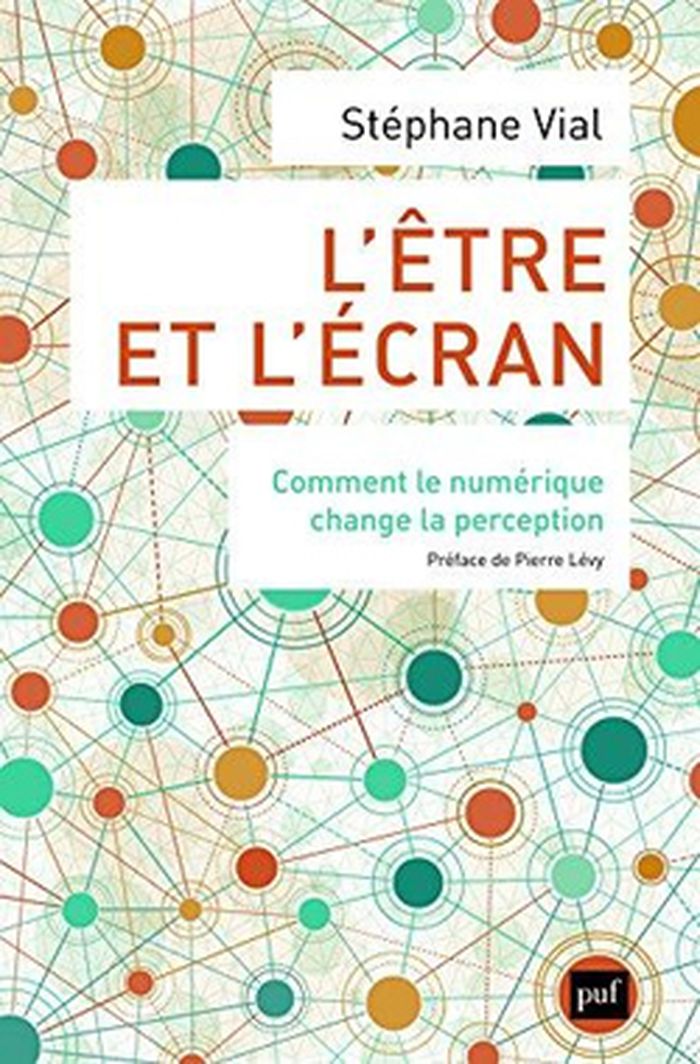
Les techniques ne sont pas seulement des outils, ce sont des structures de la perception. Elles conditionnent la manière dont le monde nous apparaît et dont les phénomènes nous sont donnés. Depuis près d’un demi-siècle, les technologies numériques nous apportent des perceptions d’un monde inconnu. Ces êtres qui émergent de nos écrans et de nos interfaces bouleversent l’idée que nous nous faisons de ce qui est réel et nous réapprennent à percevoir. Quel est l’être des êtres numériques ? Que devient notre être-dans-le-monde à l’heure des êtres numériques ? Le temps est venu d’analyser l’«ontophanie numérique» dans toute sa complexité. La prétendue différence entre le réel et le virtuel n’existe pas et n’a jamais existé. Nous vivons dans un environnement hybride, à la fois numérique et non numérique, en ligne et hors ligne, qu’il appartient aux designers de rendre habitable. -
L'être et l'écran
Actions:
Price:
$37.95
(available to order)
Summary:
Les techniques ne sont pas seulement des outils, ce sont des structures de la perception. Elles conditionnent la manière dont le monde nous apparaît et dont les phénomènes nous sont donnés. Depuis près d’un demi-siècle, les technologies numériques nous apportent des perceptions d’un monde inconnu. Ces êtres qui émergent de nos écrans et de nos interfaces bouleversent l’idée que nous nous faisons de ce qui est réel et nous réapprennent à percevoir. Quel est l’être des êtres numériques ? Que devient notre être-dans-le-monde à l’heure des êtres numériques ? Le temps est venu d’analyser l’«ontophanie numérique» dans toute sa complexité. La prétendue différence entre le réel et le virtuel n’existe pas et n’a jamais existé. Nous vivons dans un environnement hybride, à la fois numérique et non numérique, en ligne et hors ligne, qu’il appartient aux designers de rendre habitable. -
Form:
books
books
Publication:
August 2013
August 2013
Subject:
Archive, library and the digital
Archive, library and the digital
Form:
books
books
Title:
Penser / Classer
Penser / Classer
Actions:
Price:
$29.95
(available to order)
Summary:
Que me demande-t-on, au juste ? Si je pense avant de classer ? Si je classe avant de penser ? Comment je classe ce que je pense ? Comment je pense quand je veux classer ? [...] Tellement tentant de vouloir distribuer le monde entier selon un code unique ; une loi universelle régirait l'ensemble des phénomènes : deux hémisphères, cinq continents, masculin et féminin,(...)
$29.95
(available to order)
Summary:
Que me demande-t-on, au juste ? Si je pense avant de classer ? Si je classe avant de penser ? Comment je classe ce que je pense ? Comment je pense quand je veux classer ? [...] Tellement tentant de vouloir distribuer le monde entier selon un code unique ; une loi universelle régirait l'ensemble des phénomènes : deux hémisphères, cinq continents, masculin et féminin,(...)
Title:
Penser / Classer
Actions:
Price:
$29.95
(available to order)
Summary:
Que me demande-t-on, au juste ? Si je pense avant de classer ? Si je classe avant de penser ? Comment je classe ce que je pense ? Comment je pense quand je veux classer ? [...] Tellement tentant de vouloir distribuer le monde entier selon un code unique ; une loi universelle régirait l'ensemble des phénomènes : deux hémisphères, cinq continents, masculin et féminin, animal et végétal, singulier pluriel, droite gauche, quatre saisons, cinq sens, six voyelles, sept jours, douze mois, vingt-six lettres. Malheureusement ça ne marche pas, ça n'a même jamais commencé à marcher, ça ne marchera jamais. N'empêche que l'on continuera encore longtemps à catégoriser tel ou tel animal selon qu'il a un nombre impair de doigts ou des cornes creuses.
Penser / Classer
Actions:
Price:
$29.95
(available to order)
Summary:
Que me demande-t-on, au juste ? Si je pense avant de classer ? Si je classe avant de penser ? Comment je classe ce que je pense ? Comment je pense quand je veux classer ? [...] Tellement tentant de vouloir distribuer le monde entier selon un code unique ; une loi universelle régirait l'ensemble des phénomènes : deux hémisphères, cinq continents, masculin et féminin, animal et végétal, singulier pluriel, droite gauche, quatre saisons, cinq sens, six voyelles, sept jours, douze mois, vingt-six lettres. Malheureusement ça ne marche pas, ça n'a même jamais commencé à marcher, ça ne marchera jamais. N'empêche que l'on continuera encore longtemps à catégoriser tel ou tel animal selon qu'il a un nombre impair de doigts ou des cornes creuses.
Form:
books
books
Publication:
June 2003
June 2003
Subject:
Archive, library and the digital
Archive, library and the digital
Form:
books
books
Title:
This will - this
This will - this
Actions:
Price:
$20.00
(available in store)
Summary:
The 2D bar code is disturbing and exciting because it is legible at an aesthetic level while remaining illegible at the level of content. What can we make of its linkages between logistics, cryptography, and space?
$20.00
(available in store)
Summary:
The 2D bar code is disturbing and exciting because it is legible at an aesthetic level while remaining illegible at the level of content. What can we make of its linkages between logistics, cryptography, and space?
Subject:
Archive, library and the digital
Archive, library and the digital
Publication:
January 2009
January 2009
Title:
This will - this
Actions:
Price:
$20.00
(available in store)
Summary:
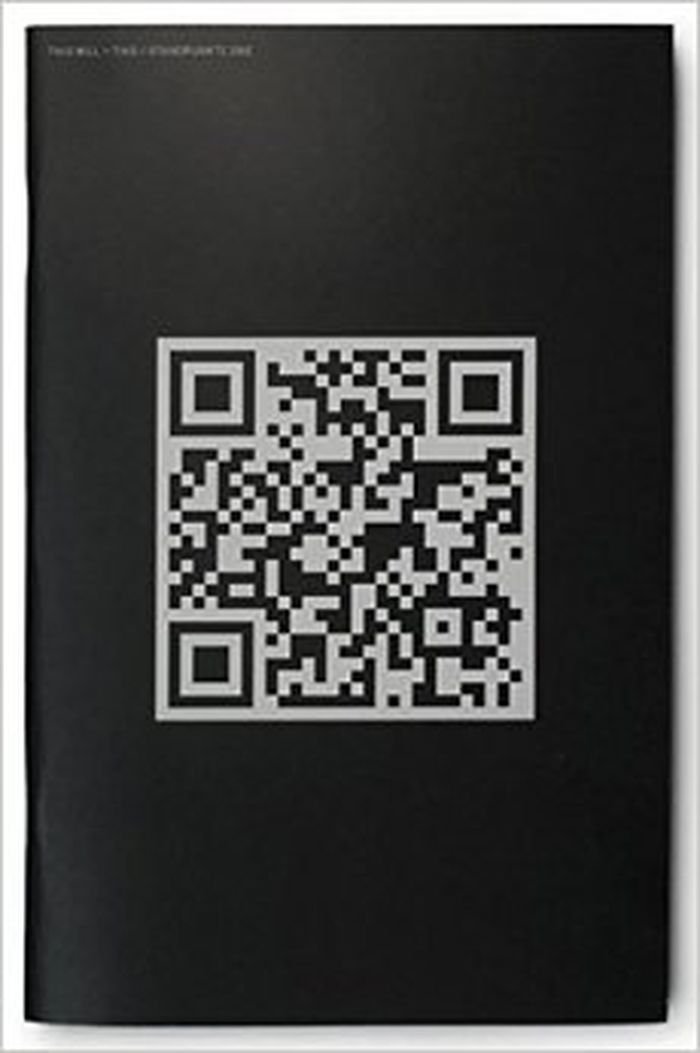
The 2D bar code is disturbing and exciting because it is legible at an aesthetic level while remaining illegible at the level of content. What can we make of its linkages between logistics, cryptography, and space?
This will - this
Actions:
Price:
$20.00
(available in store)
Summary:
The 2D bar code is disturbing and exciting because it is legible at an aesthetic level while remaining illegible at the level of content. What can we make of its linkages between logistics, cryptography, and space?
Form:
books
books
Publication:
January 2009
January 2009
Subject:
Archive, library and the digital
Archive, library and the digital
Form:
books
books
Actions:
Price:
$34.00
(available to order)
Summary:
'Track Changes' balances the stories of individual writers with a consideration of how the seemingly ineffable act of writing is always grounded in particular instruments and media, from quills to keyboards. Along the way, we discover the candidates for the first novel written on a word processor, explore the surprisingly varied reasons why writers of both popular and(...)
$34.00
(available to order)
Summary:
'Track Changes' balances the stories of individual writers with a consideration of how the seemingly ineffable act of writing is always grounded in particular instruments and media, from quills to keyboards. Along the way, we discover the candidates for the first novel written on a word processor, explore the surprisingly varied reasons why writers of both popular and(...)
Title:
Track changes: a literary history of word processing
Actions:
Price:
$34.00
(available to order)
Summary:
'Track Changes' balances the stories of individual writers with a consideration of how the seemingly ineffable act of writing is always grounded in particular instruments and media, from quills to keyboards. Along the way, we discover the candidates for the first novel written on a word processor, explore the surprisingly varied reasons why writers of both popular and serious literature adopted the technology, trace the spread of new metaphors and ideas from word processing in fiction and poetry, and consider the fate of literary scholarship and memory in an era when the final remnants of authorship may consist of folders on a hard drive or documents in the cloud.
Track changes: a literary history of word processing
Actions:
Price:
$34.00
(available to order)
Summary:
'Track Changes' balances the stories of individual writers with a consideration of how the seemingly ineffable act of writing is always grounded in particular instruments and media, from quills to keyboards. Along the way, we discover the candidates for the first novel written on a word processor, explore the surprisingly varied reasons why writers of both popular and serious literature adopted the technology, trace the spread of new metaphors and ideas from word processing in fiction and poetry, and consider the fate of literary scholarship and memory in an era when the final remnants of authorship may consist of folders on a hard drive or documents in the cloud.
Form:
books
books
Publication:
May 2016
May 2016
Subject:
Archive, library and the digital
Archive, library and the digital
Form:
books
books
Actions:
Price:
$57.50
(available to order)
Summary:
The book "Writingplace: investigations in architecture and literature" marks a step forward in an emerging debate on literary means in architecture. It offers a series of reflections on written language as a crucial element of architecture culture, and on the potential of using literary methods in architectural and urban research, education and design. For everyone(...)
$57.50
(available to order)
Summary:
The book "Writingplace: investigations in architecture and literature" marks a step forward in an emerging debate on literary means in architecture. It offers a series of reflections on written language as a crucial element of architecture culture, and on the potential of using literary methods in architectural and urban research, education and design. For everyone(...)
Title:
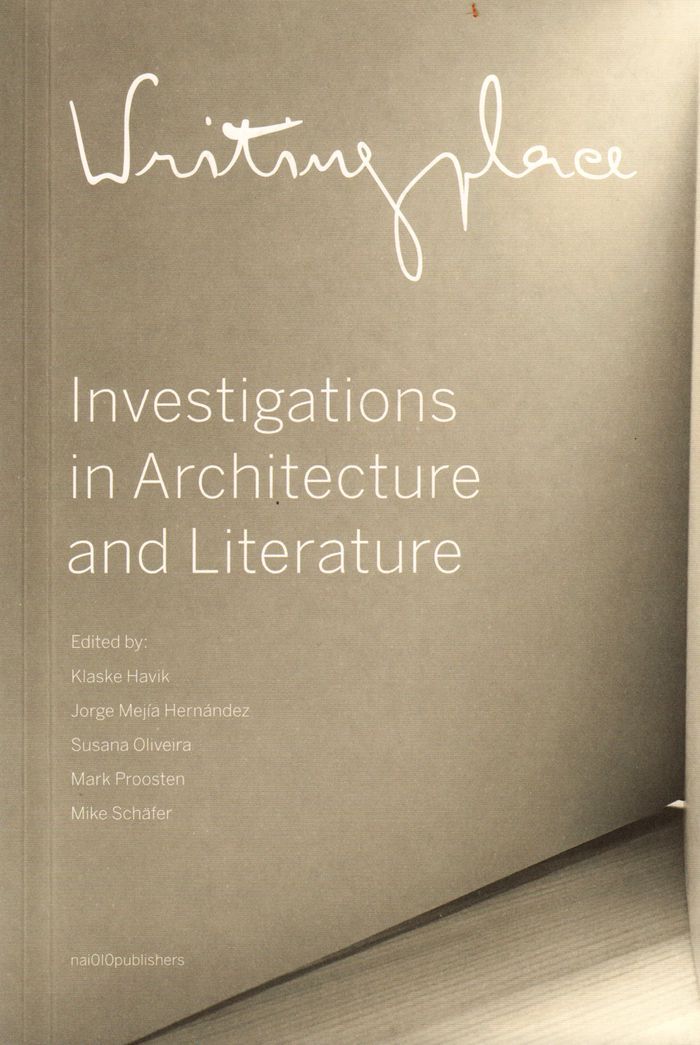
Writingplace: investigations in architecture and literature
Actions:
Price:
$57.50
(available to order)
Summary:
The book "Writingplace: investigations in architecture and literature" marks a step forward in an emerging debate on literary means in architecture. It offers a series of reflections on written language as a crucial element of architecture culture, and on the potential of using literary methods in architectural and urban research, education and design. For everyone interested in the transdisciplinary encounters between architecture and literature, the book offers both theoretical contributions that address notions such as narrative and literary imagination, and contemporary explorations regarding the operability of literary approaches. Writingplace includes contributions by experts in the fi eld such as Bart Keunen, Alberto Pérez Gómez, Wim van den Bergh, Klaske Havik, Katja Grillner and Wim Cuyvers.
Writingplace: investigations in architecture and literature
Actions:
Price:
$57.50
(available to order)
Summary:
The book "Writingplace: investigations in architecture and literature" marks a step forward in an emerging debate on literary means in architecture. It offers a series of reflections on written language as a crucial element of architecture culture, and on the potential of using literary methods in architectural and urban research, education and design. For everyone interested in the transdisciplinary encounters between architecture and literature, the book offers both theoretical contributions that address notions such as narrative and literary imagination, and contemporary explorations regarding the operability of literary approaches. Writingplace includes contributions by experts in the fi eld such as Bart Keunen, Alberto Pérez Gómez, Wim van den Bergh, Klaske Havik, Katja Grillner and Wim Cuyvers.
Form:
books
books
Publication:
April 2016
April 2016
Subject:
Archive, library and the digital
Archive, library and the digital
Form:
books
books

Title:
Fantasies of the library
Fantasies of the library
Actions:
Price:
$32.95
(available to order)
Summary:
''Fantasies of the Library'' lets readers experience the library anew. The book imagines, and enacts, the library as both keeper of books and curator of ideas--as a platform of the future. One essay occupies the right-hand page of a two-page spread while interviews scrolls independently on the left. Bibliophilic artworks intersect both throughout the book-as-exhibition. A(...)
$32.95
(available to order)
Summary:
''Fantasies of the Library'' lets readers experience the library anew. The book imagines, and enacts, the library as both keeper of books and curator of ideas--as a platform of the future. One essay occupies the right-hand page of a two-page spread while interviews scrolls independently on the left. Bibliophilic artworks intersect both throughout the book-as-exhibition. A(...)
Subject:
Archive, library and the digital
Archive, library and the digital
Publication:
September 2016
September 2016
Title:
Fantasies of the library
Actions:
Price:
$32.95
(available to order)
Summary:
''Fantasies of the Library'' lets readers experience the library anew. The book imagines, and enacts, the library as both keeper of books and curator of ideas--as a platform of the future. One essay occupies the right-hand page of a two-page spread while interviews scrolls independently on the left. Bibliophilic artworks intersect both throughout the book-as-exhibition. A photo essay, "Reading Rooms Reading Machines" further interrupts the book in order to display images of libraries (old and new, real and imagined), and readers (human and machine) and features work by artists including Kader Atta, Wafaa Bilal, Mark Dion, Rodney Graham, Katie Paterson, Veronika Spierenburg, and others.
Fantasies of the library
Actions:
Price:
$32.95
(available to order)
Summary:
''Fantasies of the Library'' lets readers experience the library anew. The book imagines, and enacts, the library as both keeper of books and curator of ideas--as a platform of the future. One essay occupies the right-hand page of a two-page spread while interviews scrolls independently on the left. Bibliophilic artworks intersect both throughout the book-as-exhibition. A photo essay, "Reading Rooms Reading Machines" further interrupts the book in order to display images of libraries (old and new, real and imagined), and readers (human and machine) and features work by artists including Kader Atta, Wafaa Bilal, Mark Dion, Rodney Graham, Katie Paterson, Veronika Spierenburg, and others.
Form:
books
books
Publication:
September 2016
September 2016
Subject:
Archive, library and the digital
Archive, library and the digital
Form:
books
books
Actions:
Price:
$57.95
(available to order)
Summary:
In this publication, Gabriella Giannachi traces the evolution of the archive into the apparatus through which we map the everyday. The archive, traditionally a body of documents or a site for the preservation of documents, changed over the centuries to encompass, often concurrently, a broad but interrelated number of practices not traditionally considered as archival.(...)
$57.95
(available to order)
Summary:
In this publication, Gabriella Giannachi traces the evolution of the archive into the apparatus through which we map the everyday. The archive, traditionally a body of documents or a site for the preservation of documents, changed over the centuries to encompass, often concurrently, a broad but interrelated number of practices not traditionally considered as archival.(...)
Title:
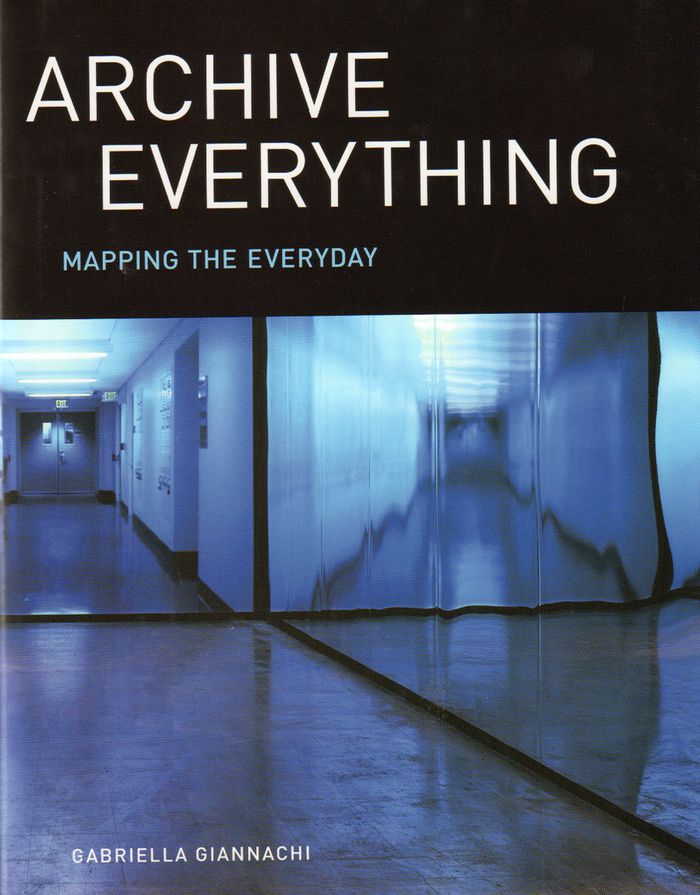
Archive everything: mapping the everyday
Actions:
Price:
$57.95
(available to order)
Summary:
In this publication, Gabriella Giannachi traces the evolution of the archive into the apparatus through which we map the everyday. The archive, traditionally a body of documents or a site for the preservation of documents, changed over the centuries to encompass, often concurrently, a broad but interrelated number of practices not traditionally considered as archival. Archives now consist of not only documents and sites but also artworks, installations, museums, social media platforms, and mediated and mixed reality environments. Giannachi tracks the evolution of these diverse archival practices across the centuries.
Archive everything: mapping the everyday
Actions:
Price:
$57.95
(available to order)
Summary:
In this publication, Gabriella Giannachi traces the evolution of the archive into the apparatus through which we map the everyday. The archive, traditionally a body of documents or a site for the preservation of documents, changed over the centuries to encompass, often concurrently, a broad but interrelated number of practices not traditionally considered as archival. Archives now consist of not only documents and sites but also artworks, installations, museums, social media platforms, and mediated and mixed reality environments. Giannachi tracks the evolution of these diverse archival practices across the centuries.
Form:
books
books
Publication:
November 2016
November 2016
Subject:
Archive, library and the digital
Archive, library and the digital
Form:
books
books
Actions:
Price:
$54.95
(available to order)
Summary:
The task of archiving was once entrusted only to museums, libraries, and other institutions that acted as repositories of culture in material form. But with the rise of digital networked media, a multitude of self-designated archivists—fans, pirates, hackers—have become practitioners of cultural preservation on the Internet. These nonprofessional archivists have(...)
$54.95
(available to order)
Summary:
The task of archiving was once entrusted only to museums, libraries, and other institutions that acted as repositories of culture in material form. But with the rise of digital networked media, a multitude of self-designated archivists—fans, pirates, hackers—have become practitioners of cultural preservation on the Internet. These nonprofessional archivists have(...)
Title:
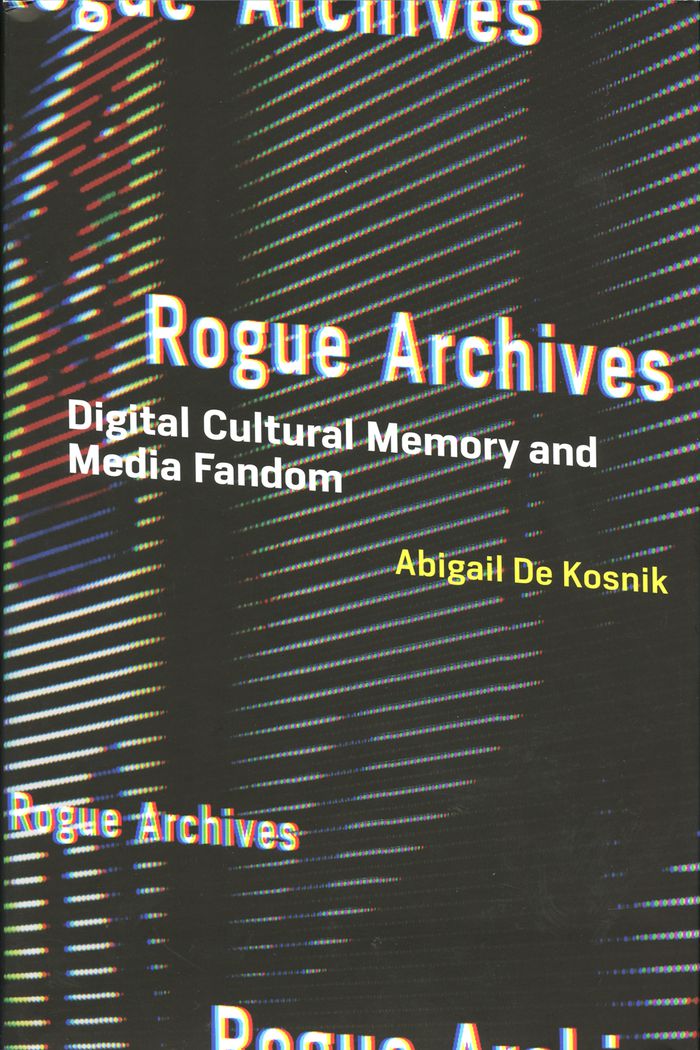
Rogue archives: digital cultural memory and the media fandom
Actions:
Price:
$54.95
(available to order)
Summary:
The task of archiving was once entrusted only to museums, libraries, and other institutions that acted as repositories of culture in material form. But with the rise of digital networked media, a multitude of self-designated archivists—fans, pirates, hackers—have become practitioners of cultural preservation on the Internet. These nonprofessional archivists have democratized cultural memory, building freely accessible online archives of whatever content they consider suitable for digital preservation. In Rogue Archives, Abigail De Kosnik examines the practice of archiving in the transition from print to digital media, looking in particular at Internet fan fiction archives.
Rogue archives: digital cultural memory and the media fandom
Actions:
Price:
$54.95
(available to order)
Summary:
The task of archiving was once entrusted only to museums, libraries, and other institutions that acted as repositories of culture in material form. But with the rise of digital networked media, a multitude of self-designated archivists—fans, pirates, hackers—have become practitioners of cultural preservation on the Internet. These nonprofessional archivists have democratized cultural memory, building freely accessible online archives of whatever content they consider suitable for digital preservation. In Rogue Archives, Abigail De Kosnik examines the practice of archiving in the transition from print to digital media, looking in particular at Internet fan fiction archives.
Form:
books
books
Publication:
September 2016
September 2016
Subject:
Archive, library and the digital
Archive, library and the digital
Form:
books
books
Title:
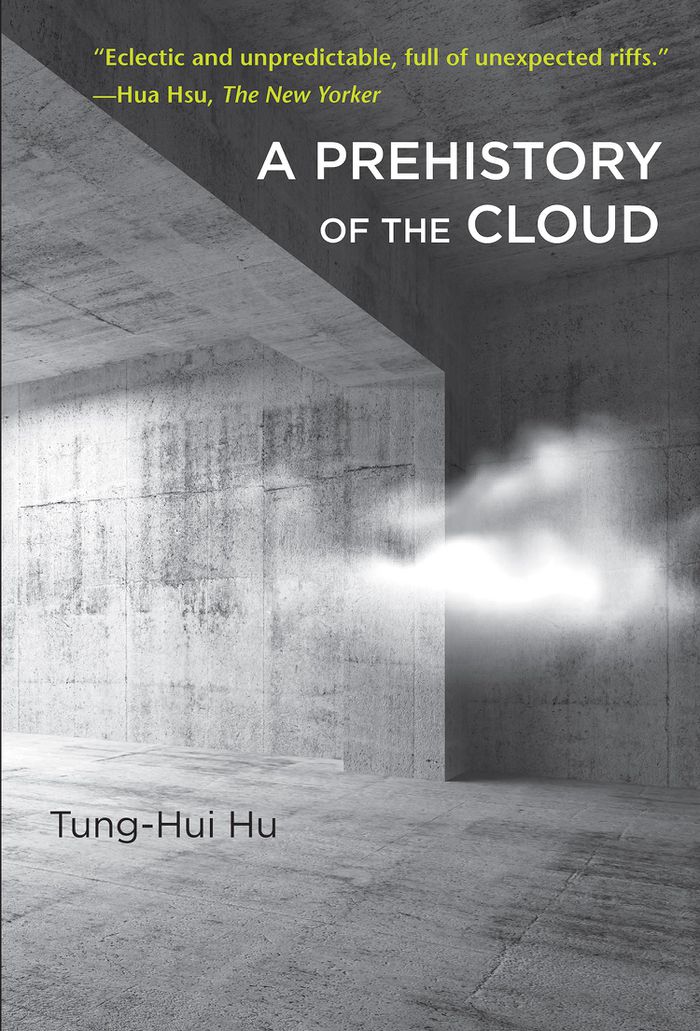
A prehistory of the cloud
A prehistory of the cloud
Actions:
Price:
$24.95
(available to order)
Summary:
We may imagine the digital cloud as placeless, mute, ethereal, and unmediated. Yet the reality of the cloud is embodied in thousands of massive data centers, any one of which can use as much electricity as a midsized town. Even all these data centers are only one small part of the cloud. Behind that cloud-shaped icon on our screens is a whole universe of technologies and(...)
$24.95
(available to order)
Summary:
We may imagine the digital cloud as placeless, mute, ethereal, and unmediated. Yet the reality of the cloud is embodied in thousands of massive data centers, any one of which can use as much electricity as a midsized town. Even all these data centers are only one small part of the cloud. Behind that cloud-shaped icon on our screens is a whole universe of technologies and(...)
Title:
A prehistory of the cloud
Actions:
Price:
$24.95
(available to order)
Summary:
We may imagine the digital cloud as placeless, mute, ethereal, and unmediated. Yet the reality of the cloud is embodied in thousands of massive data centers, any one of which can use as much electricity as a midsized town. Even all these data centers are only one small part of the cloud. Behind that cloud-shaped icon on our screens is a whole universe of technologies and cultural norms, all working to keep us from noticing their existence. In this book, Tung-Hui Hu examines the gap between the real and the virtual in our understanding of the cloud.
A prehistory of the cloud
Actions:
Price:
$24.95
(available to order)
Summary:
We may imagine the digital cloud as placeless, mute, ethereal, and unmediated. Yet the reality of the cloud is embodied in thousands of massive data centers, any one of which can use as much electricity as a midsized town. Even all these data centers are only one small part of the cloud. Behind that cloud-shaped icon on our screens is a whole universe of technologies and cultural norms, all working to keep us from noticing their existence. In this book, Tung-Hui Hu examines the gap between the real and the virtual in our understanding of the cloud.
Form:
books
books
Publication:
September 2016
September 2016
Subject:
Archive, library and the digital
Archive, library and the digital
Form:
books
books
Actions:
Price:
$54.95
(available in store)
Summary:
Libraries have existed for millennia, but today the library field is searching for solid footing in an increasingly fragmented (and increasingly digital) information environment. What is librarianship when it is unmoored from cataloging, books, buildings, and committees? In "The Atlas of New Librarianship", R. David Lankes offers a guide to this new landscape for(...)
$54.95
(available in store)
Summary:
Libraries have existed for millennia, but today the library field is searching for solid footing in an increasingly fragmented (and increasingly digital) information environment. What is librarianship when it is unmoored from cataloging, books, buildings, and committees? In "The Atlas of New Librarianship", R. David Lankes offers a guide to this new landscape for(...)
Title:
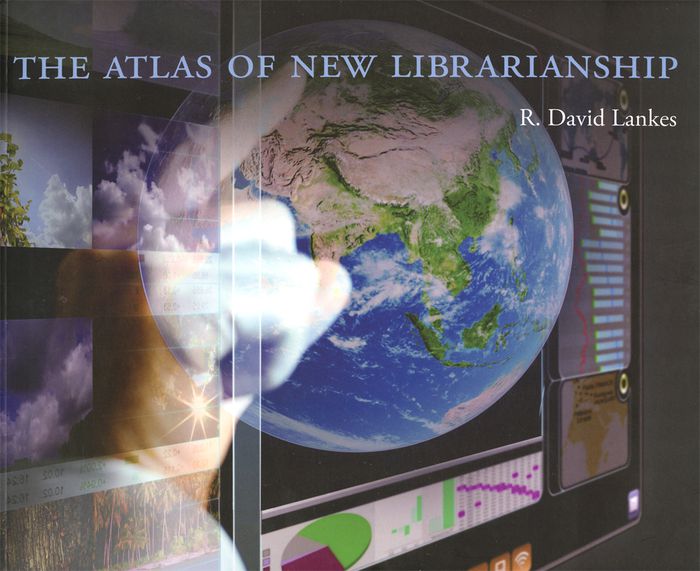
The atlas of new librarianship
Actions:
Price:
$54.95
(available in store)
Summary:
Libraries have existed for millennia, but today the library field is searching for solid footing in an increasingly fragmented (and increasingly digital) information environment. What is librarianship when it is unmoored from cataloging, books, buildings, and committees? In "The Atlas of New Librarianship", R. David Lankes offers a guide to this new landscape for practitioners. He describes a new librarianship based not on books and artifacts but on knowledge and learning; and he suggests a new mission for librarians: to improve society through facilitating knowledge creation in their communities. The vision for a new librarianship must go beyond finding library-related uses for information technology and the Internet; it must provide a durable foundation for the field. Lankes recasts librarianship and library practice using the fundamental concept that knowledge is created though conversation. New librarians approach their work as facilitators of conversation; they seek to enrich, capture, store, and disseminate the conversations of their communities.
The atlas of new librarianship
Actions:
Price:
$54.95
(available in store)
Summary:
Libraries have existed for millennia, but today the library field is searching for solid footing in an increasingly fragmented (and increasingly digital) information environment. What is librarianship when it is unmoored from cataloging, books, buildings, and committees? In "The Atlas of New Librarianship", R. David Lankes offers a guide to this new landscape for practitioners. He describes a new librarianship based not on books and artifacts but on knowledge and learning; and he suggests a new mission for librarians: to improve society through facilitating knowledge creation in their communities. The vision for a new librarianship must go beyond finding library-related uses for information technology and the Internet; it must provide a durable foundation for the field. Lankes recasts librarianship and library practice using the fundamental concept that knowledge is created though conversation. New librarians approach their work as facilitators of conversation; they seek to enrich, capture, store, and disseminate the conversations of their communities.
Form:
books
books
Publication:
September 2016
September 2016
Subject:
Archive, library and the digital
Archive, library and the digital


