


8583 Results
Form:
books
books
Actions:
Price:
$50.95
(available to order)
Summary:
L’administration des Monuments historiques a rassemblé aux 19e et 20e siècles une collection photographique qui compte à l’heure actuelle au moins quinze millions de négatifs et quatre millions de tirages. Après la Mission héliographique de 1851, première commande photographique de l’État, la collection se développe véritablement à partir de 1875 et va peu à peu s’étendre(...)
$50.95
(available to order)
Summary:
L’administration des Monuments historiques a rassemblé aux 19e et 20e siècles une collection photographique qui compte à l’heure actuelle au moins quinze millions de négatifs et quatre millions de tirages. Après la Mission héliographique de 1851, première commande photographique de l’État, la collection se développe véritablement à partir de 1875 et va peu à peu s’étendre(...)
Title:
Photographier le patrimoine aux 19e et 20e siècles
Actions:
Price:
$50.95
(available to order)
Summary:
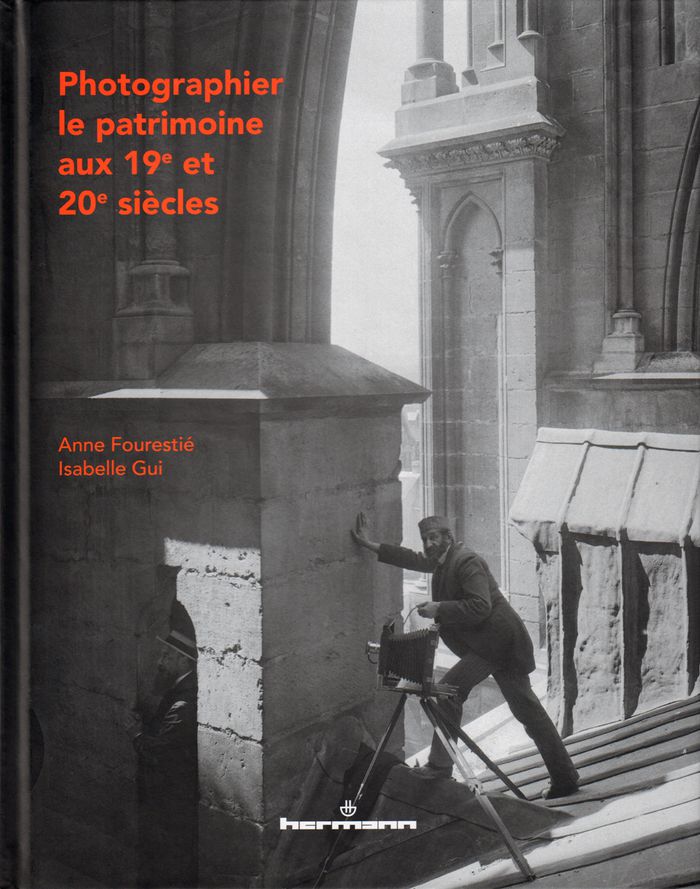
L’administration des Monuments historiques a rassemblé aux 19e et 20e siècles une collection photographique qui compte à l’heure actuelle au moins quinze millions de négatifs et quatre millions de tirages. Après la Mission héliographique de 1851, première commande photographique de l’État, la collection se développe véritablement à partir de 1875 et va peu à peu s’étendre à tous les domaines des arts. Le Gray et Baldus y côtoient Mieusement et Marville, Atget et Nadar, pour ne citer que quelques-uns des plus célèbres photographes représentés. Avec la première guerre mondiale et la création de la Section photographique et cinématographique de l'Armée, c’est une nouvelle dimension qui est abordée, celle de l’actualité de guerre. Cette histoire est celle des nombreux services et des personnes qui se sont attachés à constituer ces fonds de photographies, à les préserver, à les développer pour répondre aux besoins d’inventaire et de rayonnement de notre patrimoine national. La Médiathèque de l’architecture et du patrimoine assume désormais la charge de cette collection photographique inestimable, sans doute l’une des plus riches d’Europe. Publié à l’occasion du vingtième anniversaire de la MAP, l’ouvrage d’Anne Fourestié et Isabelle Gui retrace cent cinquante ans d’histoire de la photographie en s’appuyant sur des fonds d’archives méconnus.
Photographier le patrimoine aux 19e et 20e siècles
Actions:
Price:
$50.95
(available to order)
Summary:
L’administration des Monuments historiques a rassemblé aux 19e et 20e siècles une collection photographique qui compte à l’heure actuelle au moins quinze millions de négatifs et quatre millions de tirages. Après la Mission héliographique de 1851, première commande photographique de l’État, la collection se développe véritablement à partir de 1875 et va peu à peu s’étendre à tous les domaines des arts. Le Gray et Baldus y côtoient Mieusement et Marville, Atget et Nadar, pour ne citer que quelques-uns des plus célèbres photographes représentés. Avec la première guerre mondiale et la création de la Section photographique et cinématographique de l'Armée, c’est une nouvelle dimension qui est abordée, celle de l’actualité de guerre. Cette histoire est celle des nombreux services et des personnes qui se sont attachés à constituer ces fonds de photographies, à les préserver, à les développer pour répondre aux besoins d’inventaire et de rayonnement de notre patrimoine national. La Médiathèque de l’architecture et du patrimoine assume désormais la charge de cette collection photographique inestimable, sans doute l’une des plus riches d’Europe. Publié à l’occasion du vingtième anniversaire de la MAP, l’ouvrage d’Anne Fourestié et Isabelle Gui retrace cent cinquante ans d’histoire de la photographie en s’appuyant sur des fonds d’archives méconnus.
Form:
books
books
Publication:
January 2017
January 2017
Subject:
Theory of Photography
Theory of Photography
Form:
books
books
Actions:
Price:
$32.95
(available to order)
Summary:
Culminant à soixante mètres d'altitude, la colline de Chaillot est un des points hauts, naturels, qui dominent la vallée de la Seine à Paris. Par sa situation " admirable ", elle fait longtemps rêver les puissants et leurs architectes. De nombreux projets grandioses - équipements de prestige ou monuments à la gloire des pouvoirs en place - s'y succèdent. Aucun ne voit(...)
$32.95
(available to order)
Summary:
Culminant à soixante mètres d'altitude, la colline de Chaillot est un des points hauts, naturels, qui dominent la vallée de la Seine à Paris. Par sa situation " admirable ", elle fait longtemps rêver les puissants et leurs architectes. De nombreux projets grandioses - équipements de prestige ou monuments à la gloire des pouvoirs en place - s'y succèdent. Aucun ne voit(...)
Subject:
Commercial interiors, Building types
Commercial interiors, Building types
Publication:
January 1900, Paris
January 1900, Paris
Title:
Le Trocadéro : les métamophoses d'une colline de Paris
Actions:
Price:
$32.95
(available to order)
Summary:
Culminant à soixante mètres d'altitude, la colline de Chaillot est un des points hauts, naturels, qui dominent la vallée de la Seine à Paris. Par sa situation " admirable ", elle fait longtemps rêver les puissants et leurs architectes. De nombreux projets grandioses - équipements de prestige ou monuments à la gloire des pouvoirs en place - s'y succèdent. Aucun ne voit cependant le jour et le Trocadéro devient progressivement un lieu de fêtes urbaines. Les premiers aménagements significatifs de la colline sont conçus pour l'Exposition universelle de 1867. Ces aménagements - qui contribuent grandement à la formation du luxueux quartier de Chaillot à partir des années 1870 - préfigurent ceux qui sont réalisés à l'occasion des Expositions suivantes de 1878 et de 1937. Le palais du Trocadéro est le premier grand édifice parisien conservé à l'issue d'une Exposition universelle. Il inaugure une tradition qui permet à Paris de s'enrichir par la suite de la Tour Eiffel (1889), du Grand Palais, du Petit Palais et de la gare d'Orsay (1900), du musée des Colonies (1931) puis du nouveau palais du Trocadéro : le palais de Chaillot (1937). Du palais du Trocadéro au palais de Chaillot, voici l'histoire de transformations considérables et durables, des hommes qui les ont mises en œuvre et des débats qu'elles ont soulevés.
Le Trocadéro : les métamophoses d'une colline de Paris
Actions:
Price:
$32.95
(available to order)
Summary:
Culminant à soixante mètres d'altitude, la colline de Chaillot est un des points hauts, naturels, qui dominent la vallée de la Seine à Paris. Par sa situation " admirable ", elle fait longtemps rêver les puissants et leurs architectes. De nombreux projets grandioses - équipements de prestige ou monuments à la gloire des pouvoirs en place - s'y succèdent. Aucun ne voit cependant le jour et le Trocadéro devient progressivement un lieu de fêtes urbaines. Les premiers aménagements significatifs de la colline sont conçus pour l'Exposition universelle de 1867. Ces aménagements - qui contribuent grandement à la formation du luxueux quartier de Chaillot à partir des années 1870 - préfigurent ceux qui sont réalisés à l'occasion des Expositions suivantes de 1878 et de 1937. Le palais du Trocadéro est le premier grand édifice parisien conservé à l'issue d'une Exposition universelle. Il inaugure une tradition qui permet à Paris de s'enrichir par la suite de la Tour Eiffel (1889), du Grand Palais, du Petit Palais et de la gare d'Orsay (1900), du musée des Colonies (1931) puis du nouveau palais du Trocadéro : le palais de Chaillot (1937). Du palais du Trocadéro au palais de Chaillot, voici l'histoire de transformations considérables et durables, des hommes qui les ont mises en œuvre et des débats qu'elles ont soulevés.
Form:
books
books
Publication:
January 1900, Paris
January 1900, Paris
Subject:
Commercial interiors, Building types
Commercial interiors, Building types
Form:
books
books
Actions:
Price:
$57.95
(available to order)
Summary:
Founded in Florence in 1966, Superstudio challenged the modernist orthodoxy that architecture and technological advances could improve the world by creating alternative visions of the future in photo-montages, sketches, collages and films. The five members of Superstudio: Cristiano Toraldo di Francia, Gian Piero Frassinelli, Alessandro Magris, Roberto Magris and Adolfo(...)
$57.95
(available to order)
Summary:
Founded in Florence in 1966, Superstudio challenged the modernist orthodoxy that architecture and technological advances could improve the world by creating alternative visions of the future in photo-montages, sketches, collages and films. The five members of Superstudio: Cristiano Toraldo di Francia, Gian Piero Frassinelli, Alessandro Magris, Roberto Magris and Adolfo(...)
Subject:
Architecture Monographs
Architecture Monographs
Publication:
August 2003, Milano
August 2003, Milano
Title:
Superstudio: life without objects
Actions:
Price:
$57.95
(available to order)
Summary:
Founded in Florence in 1966, Superstudio challenged the modernist orthodoxy that architecture and technological advances could improve the world by creating alternative visions of the future in photo-montages, sketches, collages and films. The five members of Superstudio: Cristiano Toraldo di Francia, Gian Piero Frassinelli, Alessandro Magris, Roberto Magris and Adolfo Natalini-were equally pessimistic about politics and its ability to solve mounting social, cultural and environmental problems. This Fall 2003 New York exhibition catalogue, drawn from Superstudio's archive and curated in collaboration with members of the group, will revisit its work and trace its influence on subsequent generations of architects. "Superstudio: Life without Objects" collects nearly 200 of the group's most important images, collages, storyboards and critical writings. White monuments crossing over entire landscapes and cities, vast grid groundplanes spreading over infinite beaches populated by wandering hippies: these are some of the more evocative images that consolidated their fame as vanguard architects. In 1972, MoMA invited them to participate in one of the largest exhibitions in its history, built around Italian design and architecture. With essays from Peter Lang and William Menking, the book is designed to provide the reader with the most detailed account of this avant-garde design group and their lively assault on modernism.
Superstudio: life without objects
Actions:
Price:
$57.95
(available to order)
Summary:
Founded in Florence in 1966, Superstudio challenged the modernist orthodoxy that architecture and technological advances could improve the world by creating alternative visions of the future in photo-montages, sketches, collages and films. The five members of Superstudio: Cristiano Toraldo di Francia, Gian Piero Frassinelli, Alessandro Magris, Roberto Magris and Adolfo Natalini-were equally pessimistic about politics and its ability to solve mounting social, cultural and environmental problems. This Fall 2003 New York exhibition catalogue, drawn from Superstudio's archive and curated in collaboration with members of the group, will revisit its work and trace its influence on subsequent generations of architects. "Superstudio: Life without Objects" collects nearly 200 of the group's most important images, collages, storyboards and critical writings. White monuments crossing over entire landscapes and cities, vast grid groundplanes spreading over infinite beaches populated by wandering hippies: these are some of the more evocative images that consolidated their fame as vanguard architects. In 1972, MoMA invited them to participate in one of the largest exhibitions in its history, built around Italian design and architecture. With essays from Peter Lang and William Menking, the book is designed to provide the reader with the most detailed account of this avant-garde design group and their lively assault on modernism.
Form:
books
books
Publication:
August 2003, Milano
August 2003, Milano
Subject:
Architecture Monographs
Architecture Monographs
Form:
books
books
Actions:
Price:
$32.50
(available to order)
Summary:
"Museum frictions" is the third volume in a series on culture, society, and museums. "Museum frictions" is an illustrated examination of the significant and varied effects of the increasingly globalized world on contemporary museum, heritage, and exhibition practice. The contributors — scholars, artists, and curators —present case studies drawn from Africa, Australia,(...)
$32.50
(available to order)
Summary:
"Museum frictions" is the third volume in a series on culture, society, and museums. "Museum frictions" is an illustrated examination of the significant and varied effects of the increasingly globalized world on contemporary museum, heritage, and exhibition practice. The contributors — scholars, artists, and curators —present case studies drawn from Africa, Australia,(...)
Subject:
Museology
Museology
Publication:
January 2007, Durham, London
January 2007, Durham, London
Title:
Museum frictions : public cultures / global transformations
Actions:
Price:
$32.50
(available to order)
Summary:
"Museum frictions" is the third volume in a series on culture, society, and museums. "Museum frictions" is an illustrated examination of the significant and varied effects of the increasingly globalized world on contemporary museum, heritage, and exhibition practice. The contributors — scholars, artists, and curators —present case studies drawn from Africa, Australia, North and South America, Europe, and Asia. Together they offer a multifaceted analysis of the complex roles that national and community museums, museums of art and history, monuments, heritage sites, and theme parks play in creating public cultures. Whether contrasting the transformation of Africa’s oldest museum, the South Africa Museum, with one of its newest, the Lwandle Migrant Labor Museum; offering an interpretation of the audio guide at the Guggenheim Bilbao; reflecting on the relative paucity of art museums in Peru and Cambodia; considering representations of slavery in the United States and Ghana; or meditating on the ramifications of an exhibition of Australian aboriginal art at the Asia Society in New York City, the contributors highlight the frictions, contradictions, and collaborations emerging in museums and heritage sites around the world. The volume opens with an extensive introductory essay by Ivan Karp and Corinne A. Kratz, leading scholars in museum and heritage studies.
Museum frictions : public cultures / global transformations
Actions:
Price:
$32.50
(available to order)
Summary:
"Museum frictions" is the third volume in a series on culture, society, and museums. "Museum frictions" is an illustrated examination of the significant and varied effects of the increasingly globalized world on contemporary museum, heritage, and exhibition practice. The contributors — scholars, artists, and curators —present case studies drawn from Africa, Australia, North and South America, Europe, and Asia. Together they offer a multifaceted analysis of the complex roles that national and community museums, museums of art and history, monuments, heritage sites, and theme parks play in creating public cultures. Whether contrasting the transformation of Africa’s oldest museum, the South Africa Museum, with one of its newest, the Lwandle Migrant Labor Museum; offering an interpretation of the audio guide at the Guggenheim Bilbao; reflecting on the relative paucity of art museums in Peru and Cambodia; considering representations of slavery in the United States and Ghana; or meditating on the ramifications of an exhibition of Australian aboriginal art at the Asia Society in New York City, the contributors highlight the frictions, contradictions, and collaborations emerging in museums and heritage sites around the world. The volume opens with an extensive introductory essay by Ivan Karp and Corinne A. Kratz, leading scholars in museum and heritage studies.
Form:
books
books
Publication:
January 2007, Durham, London
January 2007, Durham, London
Subject:
Museology
Museology
Form:
books
books
Price:
$175.00
(available in store)
Summary:
The Gilded Age, also referred to as the American Renaissance, is an era associated with unparalleled growth, technological advancement, prosperity, and cultural change. Spanning from the 1870s to the 1930s, it marks the first time that the titans of American finance and industry had more wealth than their European counterparts. As the center of this dynamic economy, New(...)
$175.00
(available in store)
Summary:
The Gilded Age, also referred to as the American Renaissance, is an era associated with unparalleled growth, technological advancement, prosperity, and cultural change. Spanning from the 1870s to the 1930s, it marks the first time that the titans of American finance and industry had more wealth than their European counterparts. As the center of this dynamic economy, New(...)
Title:
An American Renaissance: Beaux-Artsarchitecture in New York City
Actions:
Price:
$175.00
(available in store)
Summary:
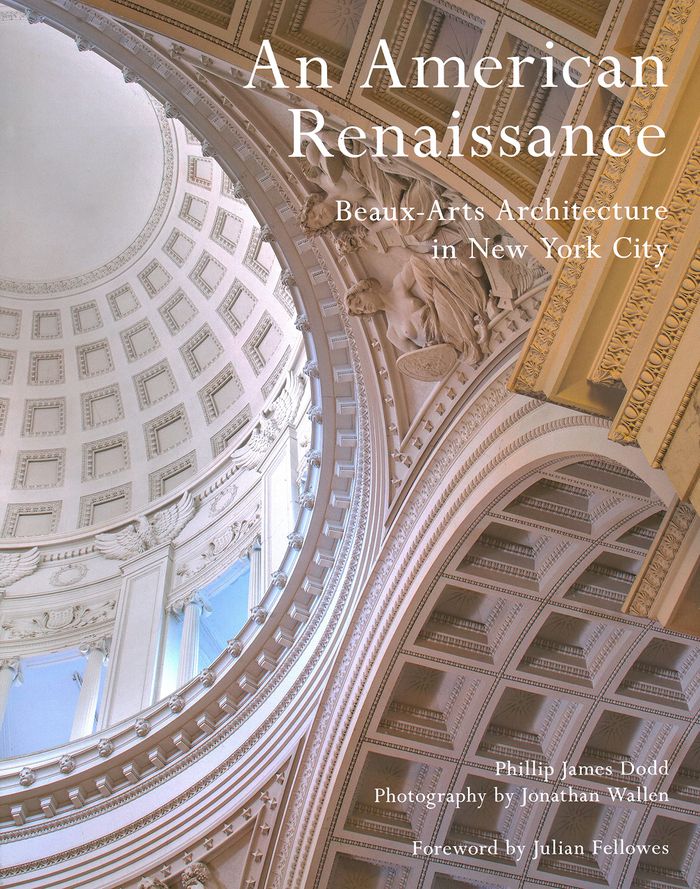
The Gilded Age, also referred to as the American Renaissance, is an era associated with unparalleled growth, technological advancement, prosperity, and cultural change. Spanning from the 1870s to the 1930s, it marks the first time that the titans of American finance and industry had more wealth than their European counterparts. As the center of this dynamic economy, New York City attracted immigrant workers and millionaires alike. It was not enough for the self-appointed elite to just build their own grand châteaux and palazzos along Fifth Avenue- collectively they dreamed of creating a new metropolis to rival the great cultural capitals of London, Paris, and Rome. To flaunt their newly acquired wealth they needed an architecture dripping in embellishment and historical reference. Enter the Beaux-Arts. This book takes a close look at twenty of the finest examples of Beaux-Arts architecture in New York City. While showing public exteriors, its focus is on the lavish interiors that are associated with the opulence of the Gilded Age- often providing a glimpse inside buildings not otherwise viewable to the public. While some of the buildings and monuments featured are world-renowned landmarks recognizable and accessible to all, others are obscure buildings that history has forgotten.
An American Renaissance: Beaux-Artsarchitecture in New York City
Actions:
Price:
$175.00
(available in store)
Summary:
The Gilded Age, also referred to as the American Renaissance, is an era associated with unparalleled growth, technological advancement, prosperity, and cultural change. Spanning from the 1870s to the 1930s, it marks the first time that the titans of American finance and industry had more wealth than their European counterparts. As the center of this dynamic economy, New York City attracted immigrant workers and millionaires alike. It was not enough for the self-appointed elite to just build their own grand châteaux and palazzos along Fifth Avenue- collectively they dreamed of creating a new metropolis to rival the great cultural capitals of London, Paris, and Rome. To flaunt their newly acquired wealth they needed an architecture dripping in embellishment and historical reference. Enter the Beaux-Arts. This book takes a close look at twenty of the finest examples of Beaux-Arts architecture in New York City. While showing public exteriors, its focus is on the lavish interiors that are associated with the opulence of the Gilded Age- often providing a glimpse inside buildings not otherwise viewable to the public. While some of the buildings and monuments featured are world-renowned landmarks recognizable and accessible to all, others are obscure buildings that history has forgotten.
Form:
books
books
Publication:
November 2021
November 2021
Subject:
History until 1900, North America
History until 1900, North America
Form:
books
books
Actions:
Holdings:
Description:
xxiii : illustrations ; 25 cm.
Description:
xxiii : illustrations ; 25 cm.
Author:
Subject:
Publication:
Lieden ; Boston : Brill, 2013.
Lieden ; Boston : Brill, 2013.
Title:
Early Buddhist architecture in context : the great stūpa at Amarāvatī (ca. 300 BCE-300 CE) / by Akira Shimada.
Actions:
Holdings:
Description:
xxiii : illustrations ; 25 cm.
Early Buddhist architecture in context : the great stūpa at Amarāvatī (ca. 300 BCE-300 CE) / by Akira Shimada.
Actions:
Holdings:
Description:
xxiii : illustrations ; 25 cm.
Form:
books
books
Publication:
Lieden ; Boston : Brill, 2013.
Lieden ; Boston : Brill, 2013.
Author:
Subject:
Form:
books
books
Price:
$50.00
(available to order)
Summary:
They are places we fear to tread, monuments to the principles of our forebears, awe-inspiring towers of achievement : public institutions that sustain and support our lives are all around us. Scott Fortino investigates these enduring pillars of public life in "Institutional", a striking visual essay that documents the diverse architectural structures that house the(...)
$50.00
(available to order)
Summary:
They are places we fear to tread, monuments to the principles of our forebears, awe-inspiring towers of achievement : public institutions that sustain and support our lives are all around us. Scott Fortino investigates these enduring pillars of public life in "Institutional", a striking visual essay that documents the diverse architectural structures that house the(...)
Subject:
Photography monographs
Photography monographs
Publication:
September 2005, Santa Fe
September 2005, Santa Fe
Title:
Institutional : photographs of jails, schools, and other Chicago buildings
Actions:
Price:
$50.00
(available to order)
Summary:
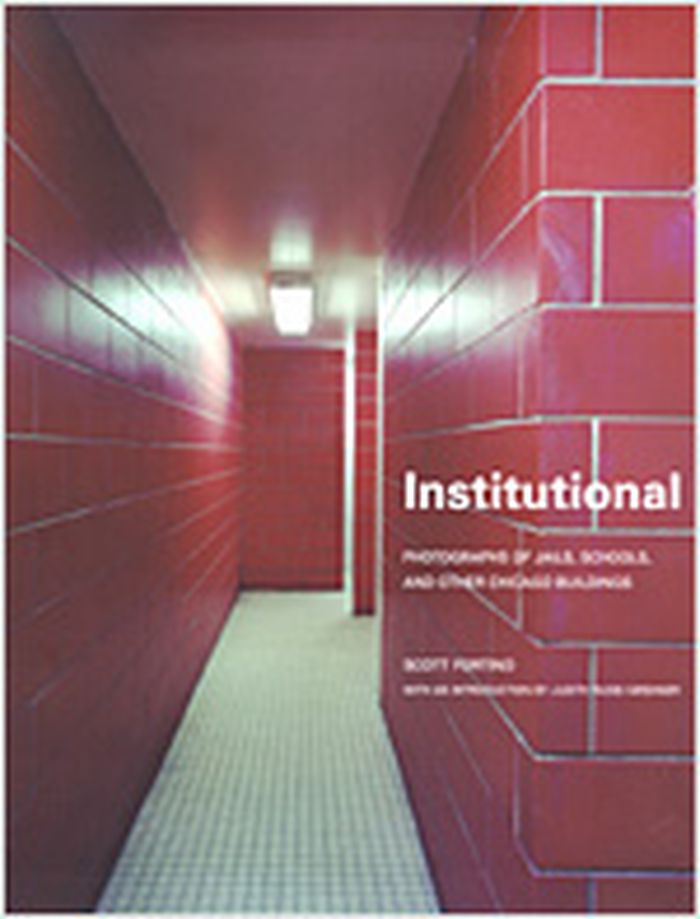
They are places we fear to tread, monuments to the principles of our forebears, awe-inspiring towers of achievement : public institutions that sustain and support our lives are all around us. Scott Fortino investigates these enduring pillars of public life in "Institutional", a striking visual essay that documents the diverse architectural structures that house the foundations of civic life in the city of Chicago. From schools to churches to prisons, Fortino transforms these worn, familiar edifices into compelling symbols of long-lost ideals and communitarian spirit. Fortino coaxes out the subtle warmth and depths of these often overwhelming and pitiless public spaces in his photographs, as his camera reveals the hidden characters of both high-profile works by renowned designers such as Rem Koolhaas, Helmut Jahn, and Mies van der Rohe as well as the stolid structures designed by long-forgotten architects. Light, colour, and composition work together in Fortino's images to produce provocative new perspectives on the interiors of public buildings, revealing how their cultural and social roles as places of worship, education, punishment, or entertainment cast long and complex shadows over our lives. Fortino challenges us in "Institutional" to rethink our view of the public spaces we pass through every day by offering an original and fascinating photographic study of the settings in which the important events of human life unfold.
Institutional : photographs of jails, schools, and other Chicago buildings
Actions:
Price:
$50.00
(available to order)
Summary:
They are places we fear to tread, monuments to the principles of our forebears, awe-inspiring towers of achievement : public institutions that sustain and support our lives are all around us. Scott Fortino investigates these enduring pillars of public life in "Institutional", a striking visual essay that documents the diverse architectural structures that house the foundations of civic life in the city of Chicago. From schools to churches to prisons, Fortino transforms these worn, familiar edifices into compelling symbols of long-lost ideals and communitarian spirit. Fortino coaxes out the subtle warmth and depths of these often overwhelming and pitiless public spaces in his photographs, as his camera reveals the hidden characters of both high-profile works by renowned designers such as Rem Koolhaas, Helmut Jahn, and Mies van der Rohe as well as the stolid structures designed by long-forgotten architects. Light, colour, and composition work together in Fortino's images to produce provocative new perspectives on the interiors of public buildings, revealing how their cultural and social roles as places of worship, education, punishment, or entertainment cast long and complex shadows over our lives. Fortino challenges us in "Institutional" to rethink our view of the public spaces we pass through every day by offering an original and fascinating photographic study of the settings in which the important events of human life unfold.
Form:
books
books
Publication:
September 2005, Santa Fe
September 2005, Santa Fe
Subject:
Photography monographs
Photography monographs
Form:
books
books
Title:
The dominion of the dead
The dominion of the dead
Actions:
Price:
$17.50
(available to order)
Summary:
How do the living maintain relations to the dead? Why do we bury people when they die? And what is at stake when we do? In "The dominion of the dead", Robert Pogue Harrison considers the supreme importance of these questions to Western civilization, exploring the many places where the dead cohabit the world of the living-the graves, images, literature, architecture, and(...)
$17.50
(available to order)
Summary:
How do the living maintain relations to the dead? Why do we bury people when they die? And what is at stake when we do? In "The dominion of the dead", Robert Pogue Harrison considers the supreme importance of these questions to Western civilization, exploring the many places where the dead cohabit the world of the living-the graves, images, literature, architecture, and(...)
Title:
The dominion of the dead
Actions:
Price:
$17.50
(available to order)
Summary:
How do the living maintain relations to the dead? Why do we bury people when they die? And what is at stake when we do? In "The dominion of the dead", Robert Pogue Harrison considers the supreme importance of these questions to Western civilization, exploring the many places where the dead cohabit the world of the living-the graves, images, literature, architecture, and monuments that house the dead in their afterlife among us. This work devotes particular attention to the practice of burial. Harrison contends that we bury our dead to humanize the lands where we build our present and imagine our future. As long as the dead are interred in graves and tombs, they never truly depart from this world, but remain, if only symbolically, among the living. Spanning a broad range of examples, from the graves of our first human ancestors to the empty tomb of the Gospels to the Vietnam Veterans Memorial, Harrison also considers the authority of predecessors in both modern and premodern societies. Through inspired readings of major writers and thinkers such as Vico, Virgil, Dante, Pater, Nietzsche, Heidegger, and Rilke, he argues that the buried dead form an essential foundation where future generations can retrieve their past, while burial grounds provide an important bedrock where past generations can preserve their legacy for the unborn.
The dominion of the dead
Actions:
Price:
$17.50
(available to order)
Summary:
How do the living maintain relations to the dead? Why do we bury people when they die? And what is at stake when we do? In "The dominion of the dead", Robert Pogue Harrison considers the supreme importance of these questions to Western civilization, exploring the many places where the dead cohabit the world of the living-the graves, images, literature, architecture, and monuments that house the dead in their afterlife among us. This work devotes particular attention to the practice of burial. Harrison contends that we bury our dead to humanize the lands where we build our present and imagine our future. As long as the dead are interred in graves and tombs, they never truly depart from this world, but remain, if only symbolically, among the living. Spanning a broad range of examples, from the graves of our first human ancestors to the empty tomb of the Gospels to the Vietnam Veterans Memorial, Harrison also considers the authority of predecessors in both modern and premodern societies. Through inspired readings of major writers and thinkers such as Vico, Virgil, Dante, Pater, Nietzsche, Heidegger, and Rilke, he argues that the buried dead form an essential foundation where future generations can retrieve their past, while burial grounds provide an important bedrock where past generations can preserve their legacy for the unborn.
Form:
books
books
Publication:
May 2005, Chicago, London
May 2005, Chicago, London
Subject:
Landscape Theory
Landscape Theory
Form:
books
books
Price:
$124.50
(available to order)
Summary:
During his tenure as Chief Royal Architect (1539-1588) in the "Golden Age" of the Ottoman Empire, Sinan designed hundreds of structures that helped create the renowned urban image of Istanbul, particularly mosques with seemingly weightless, light-filled centralized domes that have been compared with developments in Renaissance Italy. His distinctive architectural idiom(...)
$124.50
(available to order)
Summary:
During his tenure as Chief Royal Architect (1539-1588) in the "Golden Age" of the Ottoman Empire, Sinan designed hundreds of structures that helped create the renowned urban image of Istanbul, particularly mosques with seemingly weightless, light-filled centralized domes that have been compared with developments in Renaissance Italy. His distinctive architectural idiom(...)
Title:
The Age of Sinan : architectural culture in the Ottoman Empire
Actions:
Price:
$124.50
(available to order)
Summary:
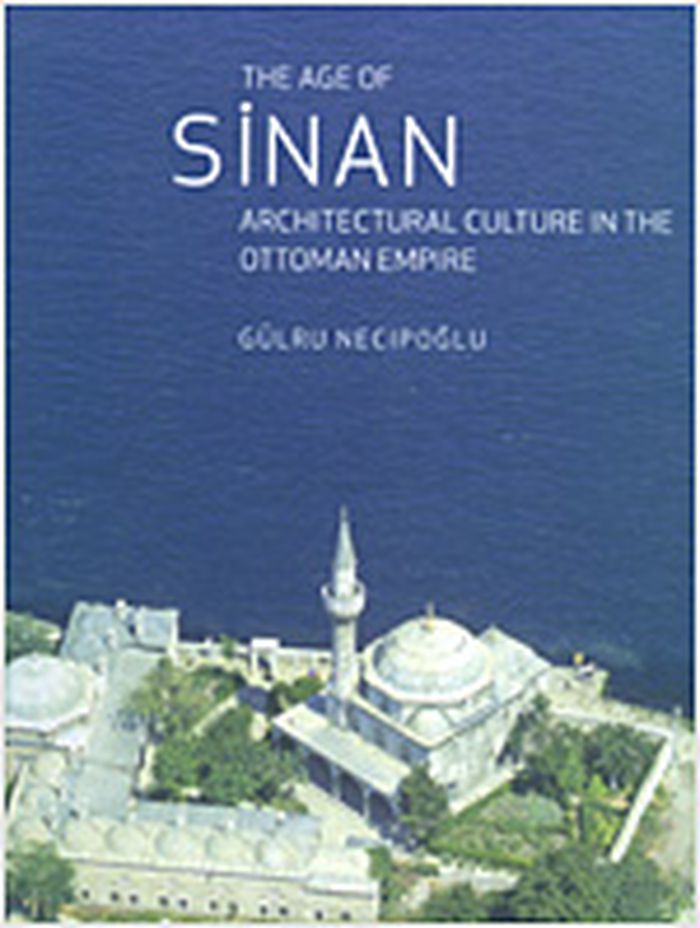
During his tenure as Chief Royal Architect (1539-1588) in the "Golden Age" of the Ottoman Empire, Sinan designed hundreds of structures that helped create the renowned urban image of Istanbul, particularly mosques with seemingly weightless, light-filled centralized domes that have been compared with developments in Renaissance Italy. His distinctive architectural idiom left its imprint over a vast empire extending from the Danube to the Tigris, and he became the most celebrated of all Ottoman architects. In this lavishly illustrated, major new assessment of Sinan's oeuvre, Gülru Necipoglu challenges standard views of Sinan as a "Turkish Michelangelo" driven solely by an insatiable urge for artistic experimentation. Her innovative analysis shows that Sinan's rich variety of mosque designs sprang from a process of negotiation between the architect and his elite patrons, both men and women. Defined though they were by social and territorial hierarchies and associated notions of identity, memory, and decorum, Sinan's mosques simultaneously shaped these conceptions. "The Age of Sinan" draws on a wealth of primary sources to reveal the chief architect's monuments as bearers of previously unrecognized dimensions of meaning. A sophisticated study of the cultural and social history of Ottoman architecture, interpreting the works of a seminal figure in the early modern eastern Mediterranean world, it is must-reading for scholars and students of art history and other fields with an interest in the Ottoman Empire.
The Age of Sinan : architectural culture in the Ottoman Empire
Actions:
Price:
$124.50
(available to order)
Summary:
During his tenure as Chief Royal Architect (1539-1588) in the "Golden Age" of the Ottoman Empire, Sinan designed hundreds of structures that helped create the renowned urban image of Istanbul, particularly mosques with seemingly weightless, light-filled centralized domes that have been compared with developments in Renaissance Italy. His distinctive architectural idiom left its imprint over a vast empire extending from the Danube to the Tigris, and he became the most celebrated of all Ottoman architects. In this lavishly illustrated, major new assessment of Sinan's oeuvre, Gülru Necipoglu challenges standard views of Sinan as a "Turkish Michelangelo" driven solely by an insatiable urge for artistic experimentation. Her innovative analysis shows that Sinan's rich variety of mosque designs sprang from a process of negotiation between the architect and his elite patrons, both men and women. Defined though they were by social and territorial hierarchies and associated notions of identity, memory, and decorum, Sinan's mosques simultaneously shaped these conceptions. "The Age of Sinan" draws on a wealth of primary sources to reveal the chief architect's monuments as bearers of previously unrecognized dimensions of meaning. A sophisticated study of the cultural and social history of Ottoman architecture, interpreting the works of a seminal figure in the early modern eastern Mediterranean world, it is must-reading for scholars and students of art history and other fields with an interest in the Ottoman Empire.
Form:
books
books
Publication:
May 2005, Princeton
May 2005, Princeton
Subject:
History until 1900, Asia
History until 1900, Asia
Form:
books
books
Actions:
Price:
$84.95
(available to order)
Summary:
Certains ont entrepris de transgresser règlements et usages pour édifier l’espace qui les habite. En ces lieux de rupture, le rêve de bâtir se nourrit de lui-même : il est un art de vivre et une manière de philosopher personnelle et concrète qui s’enracinent dans l’imaginaire. La confrontation de ces oeuvres singulières nous montre comment l’imaginaire se symbolise à(...)
$84.95
(available to order)
Summary:
Certains ont entrepris de transgresser règlements et usages pour édifier l’espace qui les habite. En ces lieux de rupture, le rêve de bâtir se nourrit de lui-même : il est un art de vivre et une manière de philosopher personnelle et concrète qui s’enracinent dans l’imaginaire. La confrontation de ces oeuvres singulières nous montre comment l’imaginaire se symbolise à(...)
Publication:
January 2017
January 2017
Title:
Les bâtisseurs de l'imaginaire
Actions:
Price:
$84.95
(available to order)
Summary:
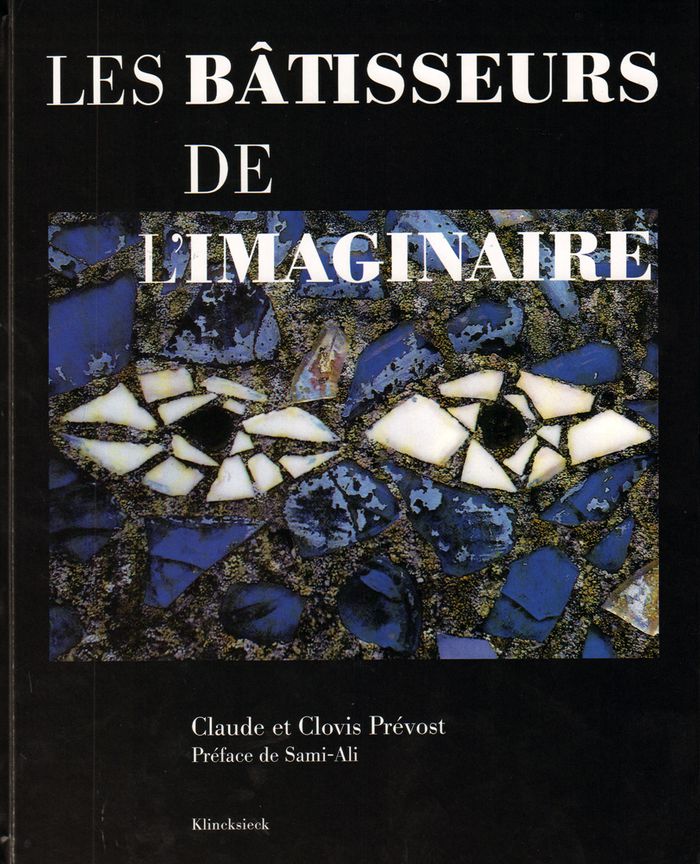
Certains ont entrepris de transgresser règlements et usages pour édifier l’espace qui les habite. En ces lieux de rupture, le rêve de bâtir se nourrit de lui-même : il est un art de vivre et une manière de philosopher personnelle et concrète qui s’enracinent dans l’imaginaire. La confrontation de ces oeuvres singulières nous montre comment l’imaginaire se symbolise à travers certaines figures formelles, spatiales, comportementales. À quels manques et désirs, à quelle crise, répondent ce besoin de créativité individuelle, cette appropriation démesurée de l’espace ? Là opère la fonction motrice de l’Imaginaire. « Bâtir, habiter, penser » ont des racines communes. Le choix d’un site, d’un volume, d’un motif, d’une matière est l’aveu et la reconnaissance d’une réalité intime. L’imagination matérielle est à l’oeuvre, et le recours à des jeux de miroir donne aux Bâtisseurs de l’Imaginaire cette extraordinaire possibilité d’être autre et autres dans un espace où il n’y aurait plus de séparation entre réel et imaginaire. Ces parcours, domaines, sanctuaires, monuments, jardins ne sont pas nécessairement habitables. Mais dans ces lieux de rencontre, les Bâtisseurs de l’Imaginaire matérialisent la volonté et le désir de renaître et d’appartenir à un monde plus relié, orienté, cosmisé. Contre le manque, l’oubli, la mort, bâtir rend possible le passage exemplaire d’un mode d’être profane et provisoire, à un autre pacifié qui participe d’une fraternité, d’une totalité et de l’éternité.
Les bâtisseurs de l'imaginaire
Actions:
Price:
$84.95
(available to order)
Summary:
Certains ont entrepris de transgresser règlements et usages pour édifier l’espace qui les habite. En ces lieux de rupture, le rêve de bâtir se nourrit de lui-même : il est un art de vivre et une manière de philosopher personnelle et concrète qui s’enracinent dans l’imaginaire. La confrontation de ces oeuvres singulières nous montre comment l’imaginaire se symbolise à travers certaines figures formelles, spatiales, comportementales. À quels manques et désirs, à quelle crise, répondent ce besoin de créativité individuelle, cette appropriation démesurée de l’espace ? Là opère la fonction motrice de l’Imaginaire. « Bâtir, habiter, penser » ont des racines communes. Le choix d’un site, d’un volume, d’un motif, d’une matière est l’aveu et la reconnaissance d’une réalité intime. L’imagination matérielle est à l’oeuvre, et le recours à des jeux de miroir donne aux Bâtisseurs de l’Imaginaire cette extraordinaire possibilité d’être autre et autres dans un espace où il n’y aurait plus de séparation entre réel et imaginaire. Ces parcours, domaines, sanctuaires, monuments, jardins ne sont pas nécessairement habitables. Mais dans ces lieux de rencontre, les Bâtisseurs de l’Imaginaire matérialisent la volonté et le désir de renaître et d’appartenir à un monde plus relié, orienté, cosmisé. Contre le manque, l’oubli, la mort, bâtir rend possible le passage exemplaire d’un mode d’être profane et provisoire, à un autre pacifié qui participe d’une fraternité, d’une totalité et de l’éternité.
Form:
books
books
Publication:
January 2017
January 2017


