


36173 Results
Form:
books
books
Actions:
Price:
$26.95
(available to order)
Summary:
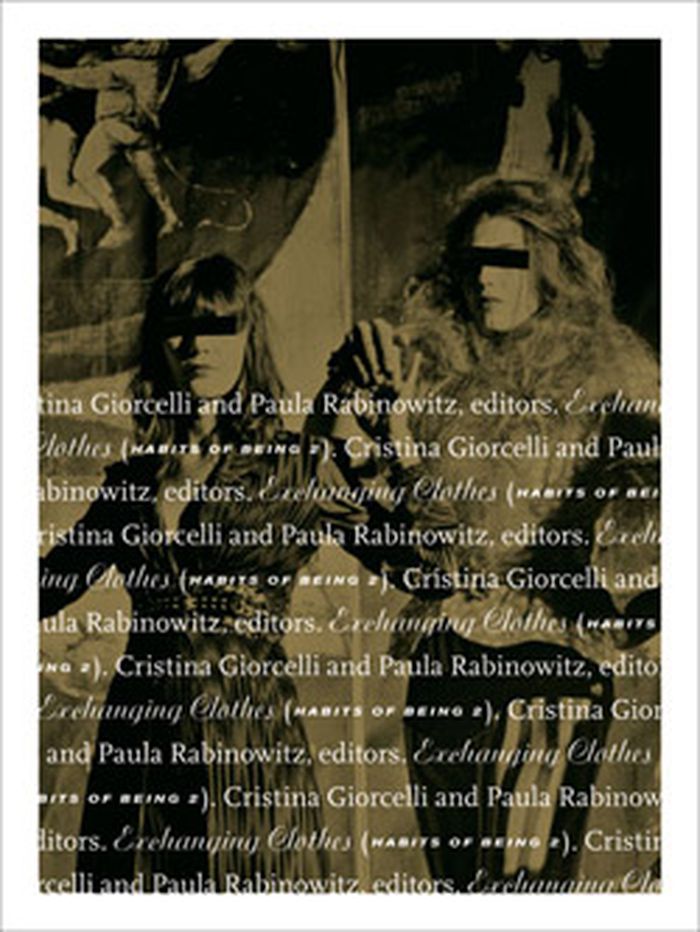
The second in a four-part series charting the social, cultural, and political expression of clothing, dress, and accessories, Exchanging Clothes focuses on the concept of transnational “circulation and exchange.” These essays focus on not only the global exchange of material commodities across time and space but also of the ideas, images, colors, and textures related to fashion.
$26.95
(available to order)
Summary:
The second in a four-part series charting the social, cultural, and political expression of clothing, dress, and accessories, Exchanging Clothes focuses on the concept of transnational “circulation and exchange.” These essays focus on not only the global exchange of material commodities across time and space but also of the ideas, images, colors, and textures related to fashion.
Title:
Exchanging clothes (habits of being 2)
Actions:
Price:
$26.95
(available to order)
Summary:
The second in a four-part series charting the social, cultural, and political expression of clothing, dress, and accessories, Exchanging Clothes focuses on the concept of transnational “circulation and exchange.” These essays focus on not only the global exchange of material commodities across time and space but also of the ideas, images, colors, and textures related to fashion.
Exchanging clothes (habits of being 2)
Actions:
Price:
$26.95
(available to order)
Summary:
The second in a four-part series charting the social, cultural, and political expression of clothing, dress, and accessories, Exchanging Clothes focuses on the concept of transnational “circulation and exchange.” These essays focus on not only the global exchange of material commodities across time and space but also of the ideas, images, colors, and textures related to fashion.
Form:
books
books
Publication:
June 2012
June 2012
Subject:
Fashion Design
Fashion Design
Form:
books
books
Actions:
Price:
$27.95
(available to order)
Summary:
In Anime’s Media Mix, Marc Steinberg convincingly shows that anime is far more than a style of Japanese animation. He traces the cultural genealogy that spawned Astro Boy to the transformations of Japanese media culture that followed—and forward to the even more profound developments in global capitalism supported by the circulation of characters like Doraemon, Hello(...)
$27.95
(available to order)
Summary:
In Anime’s Media Mix, Marc Steinberg convincingly shows that anime is far more than a style of Japanese animation. He traces the cultural genealogy that spawned Astro Boy to the transformations of Japanese media culture that followed—and forward to the even more profound developments in global capitalism supported by the circulation of characters like Doraemon, Hello(...)
Title:
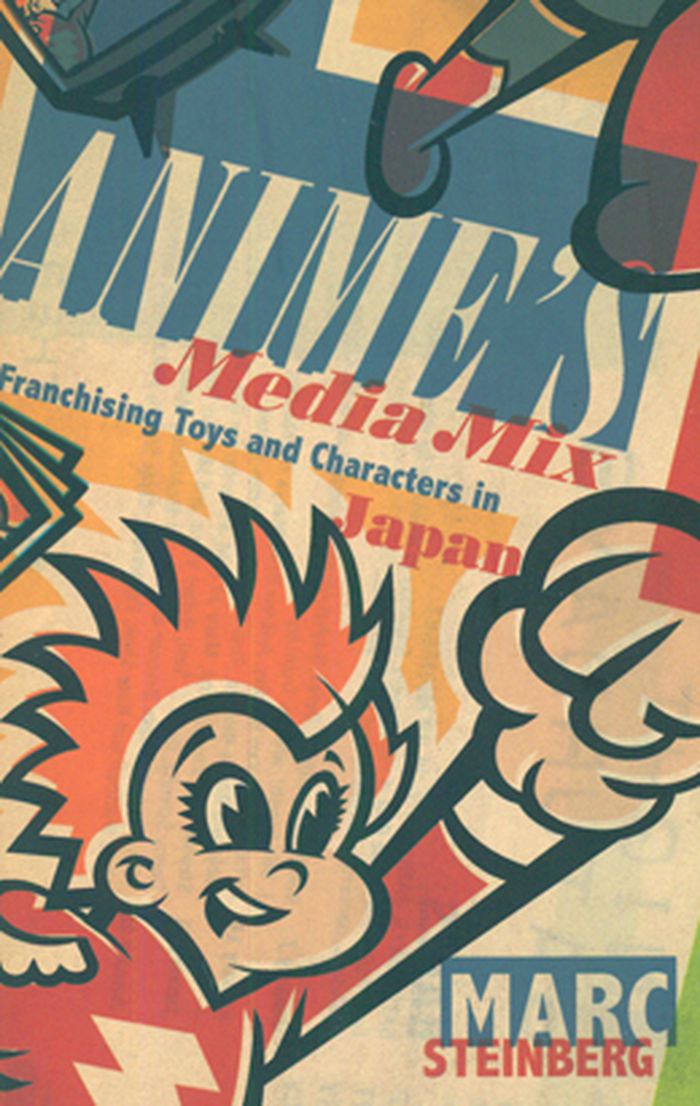
Anime's media mix: franchising toys and characters in Japan
Actions:
Price:
$27.95
(available to order)
Summary:
In Anime’s Media Mix, Marc Steinberg convincingly shows that anime is far more than a style of Japanese animation. He traces the cultural genealogy that spawned Astro Boy to the transformations of Japanese media culture that followed—and forward to the even more profound developments in global capitalism supported by the circulation of characters like Doraemon, Hello Kitty, and Suzumiya Haruhi. He details how convergence was sparked by anime, with its astoundingly broad merchandising of images and its franchising across media and commodities. He also explains how the rise of anime cannot be understood properly—historically, economically, and culturally—without grasping the integral role that the media mix played from the start. Engaging with film, animation, and media studies, as well as analyses of consumer culture and theories of capitalism, Steinberg offers a sustained study of the Japanese mode of convergence that informs global media practices to this day.
Anime's media mix: franchising toys and characters in Japan
Actions:
Price:
$27.95
(available to order)
Summary:
In Anime’s Media Mix, Marc Steinberg convincingly shows that anime is far more than a style of Japanese animation. He traces the cultural genealogy that spawned Astro Boy to the transformations of Japanese media culture that followed—and forward to the even more profound developments in global capitalism supported by the circulation of characters like Doraemon, Hello Kitty, and Suzumiya Haruhi. He details how convergence was sparked by anime, with its astoundingly broad merchandising of images and its franchising across media and commodities. He also explains how the rise of anime cannot be understood properly—historically, economically, and culturally—without grasping the integral role that the media mix played from the start. Engaging with film, animation, and media studies, as well as analyses of consumer culture and theories of capitalism, Steinberg offers a sustained study of the Japanese mode of convergence that informs global media practices to this day.
Form:
books
books
Publication:
March 2012
March 2012
Subject:
Epistemology
Epistemology
Form:
books
books
Actions:
Price:
$29.95
(available to order)
Summary:
National parks are the places that present ideas of nature to Americans: Zion, Yosemite, Grand Canyon, Yellowstone bring to mind quintessential and awe-inspiring wilderness. By examining how rhetoric - particularly visual rhetoric - has worked to shape our views of nature and the "natural" place of humans, "Observation Points" offers insights into questions of(...)
$29.95
(available to order)
Summary:
National parks are the places that present ideas of nature to Americans: Zion, Yosemite, Grand Canyon, Yellowstone bring to mind quintessential and awe-inspiring wilderness. By examining how rhetoric - particularly visual rhetoric - has worked to shape our views of nature and the "natural" place of humans, "Observation Points" offers insights into questions of(...)
Title:
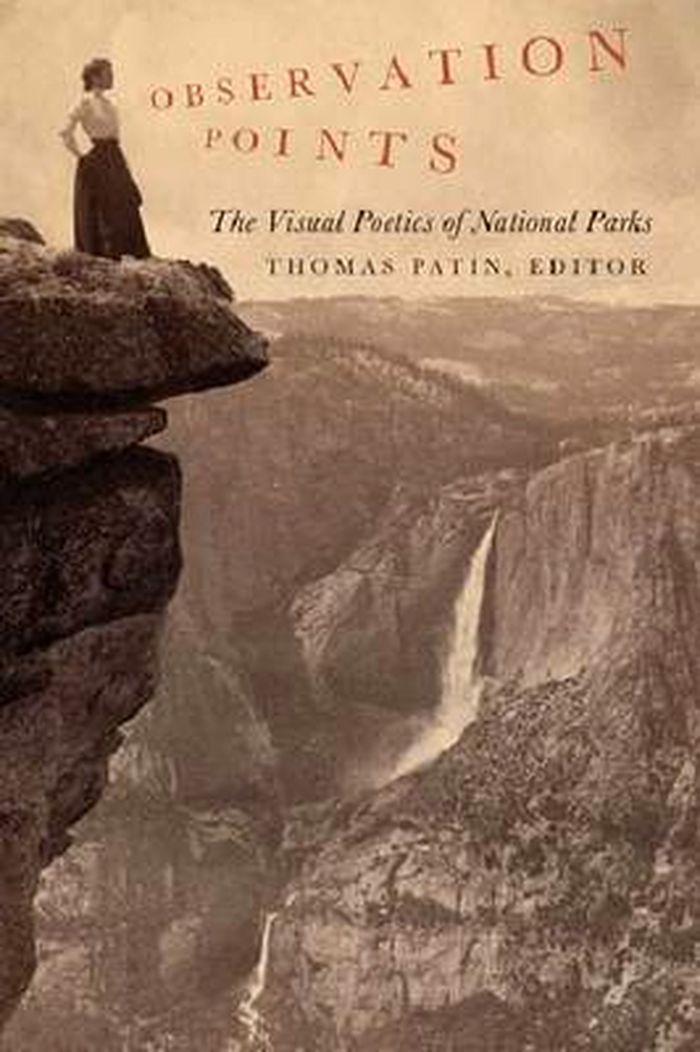
Observation points : the visual poetics of national parks
Actions:
Price:
$29.95
(available to order)
Summary:
National parks are the places that present ideas of nature to Americans: Zion, Yosemite, Grand Canyon, Yellowstone bring to mind quintessential and awe-inspiring wilderness. By examining how rhetoric - particularly visual rhetoric - has worked to shape our views of nature and the "natural" place of humans, "Observation Points" offers insights into questions of representation, including the formation of national identity.
Observation points : the visual poetics of national parks
Actions:
Price:
$29.95
(available to order)
Summary:
National parks are the places that present ideas of nature to Americans: Zion, Yosemite, Grand Canyon, Yellowstone bring to mind quintessential and awe-inspiring wilderness. By examining how rhetoric - particularly visual rhetoric - has worked to shape our views of nature and the "natural" place of humans, "Observation Points" offers insights into questions of representation, including the formation of national identity.
Form:
books
books
Publication:
May 2012
May 2012
Subject:
Landscape Theory
Landscape Theory
Form:
books
books
Actions:
Price:
$33.00
(available to order)
Summary:
Caroline Constant examines diverse approaches to landscape in the work of architects practicing in Europe and the United States between 1915 and the mid-1980s. Case studies highlight landscapes in the public realm rather than the private garden, which had been a primary focus of much Western landscape theory and practice during the early decades of the century. These(...)
$33.00
(available to order)
Summary:
Caroline Constant examines diverse approaches to landscape in the work of architects practicing in Europe and the United States between 1915 and the mid-1980s. Case studies highlight landscapes in the public realm rather than the private garden, which had been a primary focus of much Western landscape theory and practice during the early decades of the century. These(...)
Title:
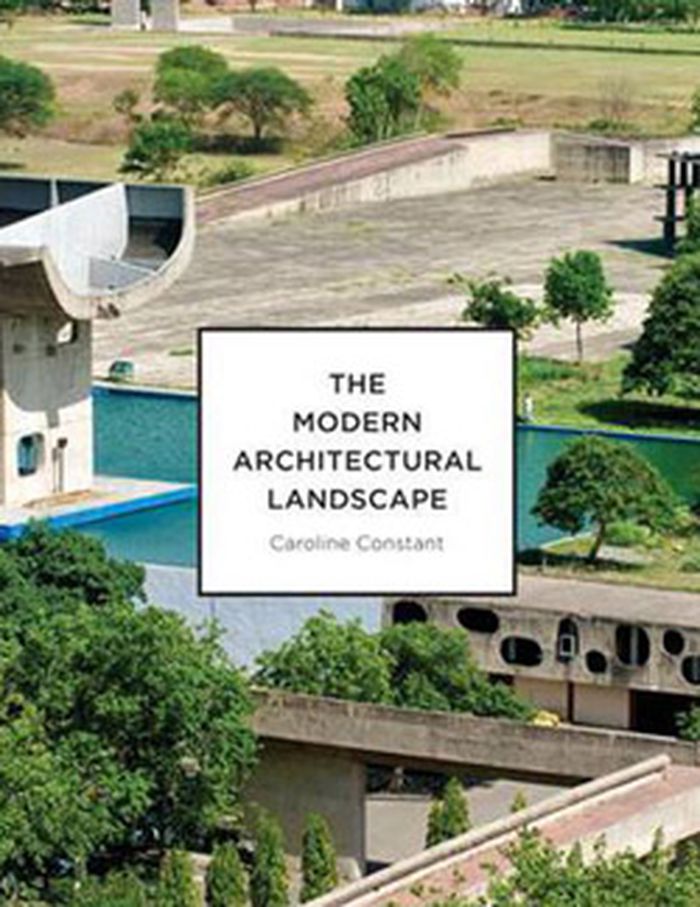
The modern architectural landscape
Actions:
Price:
$33.00
(available to order)
Summary:
Caroline Constant examines diverse approaches to landscape in the work of architects practicing in Europe and the United States between 1915 and the mid-1980s. Case studies highlight landscapes in the public realm rather than the private garden, which had been a primary focus of much Western landscape theory and practice during the early decades of the century. These landscapes do more than accommodate the functional needs of the evolving mass society in parks, playgrounds, and places of assembly; they give formal expression to Modern Movement social and political ideologies, engaging the symbolic potential of the modern landscape—particularly in its ability to take on new, more democratic forms of social organization. Approaching landscape as an essential component of modern architecture’s constructive endowment of material with social value, The Modern Architectural Landscape focuses on the precise material forms and ideological underpinnings of landscapes conceived by architects, revealing them as salient to the formulation of both modern architecture and the modern landscape.
The modern architectural landscape
Actions:
Price:
$33.00
(available to order)
Summary:
Caroline Constant examines diverse approaches to landscape in the work of architects practicing in Europe and the United States between 1915 and the mid-1980s. Case studies highlight landscapes in the public realm rather than the private garden, which had been a primary focus of much Western landscape theory and practice during the early decades of the century. These landscapes do more than accommodate the functional needs of the evolving mass society in parks, playgrounds, and places of assembly; they give formal expression to Modern Movement social and political ideologies, engaging the symbolic potential of the modern landscape—particularly in its ability to take on new, more democratic forms of social organization. Approaching landscape as an essential component of modern architecture’s constructive endowment of material with social value, The Modern Architectural Landscape focuses on the precise material forms and ideological underpinnings of landscapes conceived by architects, revealing them as salient to the formulation of both modern architecture and the modern landscape.
Form:
books
books
Publication:
April 2012
April 2012
Subject:
Landscape Theory
Landscape Theory
Form:
books
books
Price:
$36.00
(available to order)
Summary:
Afterimage of Empire provides a philosophical and historical account of early photography in India that focuses on how aesthetic experiments in colonial photography changed the nature of perception. Considering photographs from the Sepoy Revolt of 1857 along with landscape, portraiture, and famine photography, Zahid R. Chaudhary explores larger issues of truth, memory,(...)
$36.00
(available to order)
Summary:
Afterimage of Empire provides a philosophical and historical account of early photography in India that focuses on how aesthetic experiments in colonial photography changed the nature of perception. Considering photographs from the Sepoy Revolt of 1857 along with landscape, portraiture, and famine photography, Zahid R. Chaudhary explores larger issues of truth, memory,(...)
Title:
Afterimage of empire: photography in nineteenth-century India
Actions:
Price:
$36.00
(available to order)
Summary:
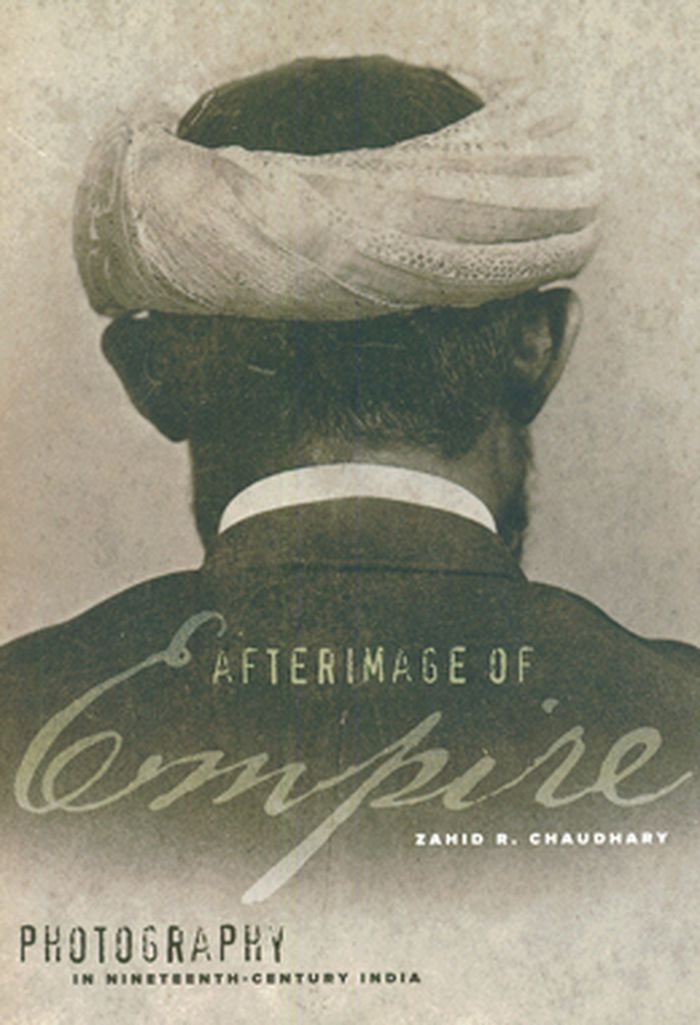
Afterimage of Empire provides a philosophical and historical account of early photography in India that focuses on how aesthetic experiments in colonial photography changed the nature of perception. Considering photographs from the Sepoy Revolt of 1857 along with landscape, portraiture, and famine photography, Zahid R. Chaudhary explores larger issues of truth, memory, and embodiment. The author scrutinizes the colonial context to understand the production of sense itself, proposing a new theory of interpreting the historical difference of aesthetic forms. In rereading colonial photographic images, he shows how the histories of colonialism became aesthetically, mimetically, and perceptually generative. He suggests that photography arrived in India not only as a technology of the colonial state but also as an instrument that eventually extended and transformed sight for photographers and the body politic, both British and Indian.
Afterimage of empire: photography in nineteenth-century India
Actions:
Price:
$36.00
(available to order)
Summary:
Afterimage of Empire provides a philosophical and historical account of early photography in India that focuses on how aesthetic experiments in colonial photography changed the nature of perception. Considering photographs from the Sepoy Revolt of 1857 along with landscape, portraiture, and famine photography, Zahid R. Chaudhary explores larger issues of truth, memory, and embodiment. The author scrutinizes the colonial context to understand the production of sense itself, proposing a new theory of interpreting the historical difference of aesthetic forms. In rereading colonial photographic images, he shows how the histories of colonialism became aesthetically, mimetically, and perceptually generative. He suggests that photography arrived in India not only as a technology of the colonial state but also as an instrument that eventually extended and transformed sight for photographers and the body politic, both British and Indian.
Form:
books
books
Publication:
March 2012
March 2012
Subject:
Theory of Photography
Theory of Photography
Form:
books
books
Actions:
Price:
$110.00
(available to order)
Summary:
L’architecte Le Corbusier (1887-1965) est également connu dans le monde entier pour les meubles qu’il a dessinés. Le fauteuil grand confort LC2 ou la chaise longue LC4 – conçus tous deux en 1928 en collaboration avec Pierre Jeanneret et Charlotte Perriand – comptent parmi les classiques du mobilier moderne et sont produits encore aujourd’hui. De nombreux ouvrages ont été(...)
$110.00
(available to order)
Summary:
L’architecte Le Corbusier (1887-1965) est également connu dans le monde entier pour les meubles qu’il a dessinés. Le fauteuil grand confort LC2 ou la chaise longue LC4 – conçus tous deux en 1928 en collaboration avec Pierre Jeanneret et Charlotte Perriand – comptent parmi les classiques du mobilier moderne et sont produits encore aujourd’hui. De nombreux ouvrages ont été(...)
Title:
Le Corbusier : Meubles et intérieurs 1905-1965
Actions:
Price:
$110.00
(available to order)
Summary:
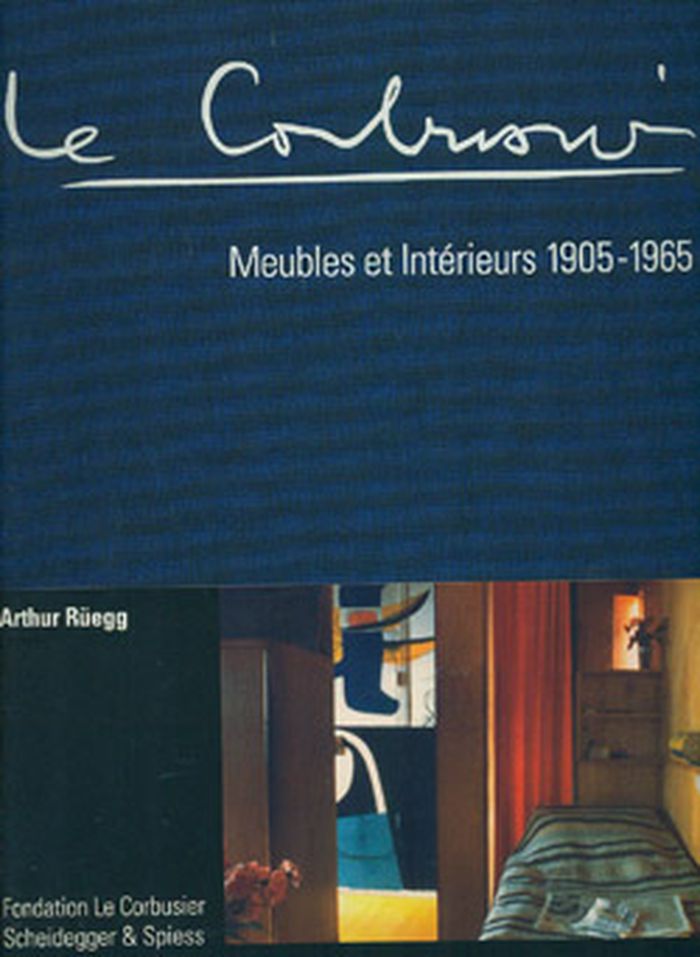
L’architecte Le Corbusier (1887-1965) est également connu dans le monde entier pour les meubles qu’il a dessinés. Le fauteuil grand confort LC2 ou la chaise longue LC4 – conçus tous deux en 1928 en collaboration avec Pierre Jeanneret et Charlotte Perriand – comptent parmi les classiques du mobilier moderne et sont produits encore aujourd’hui. De nombreux ouvrages ont été publiés sur les réalisations architecturales de Le Corbusier et les meubles emblématiques de la fin des années 1920, mais ce qu’il a imaginé et créé dans le domaine de l’aménagement d’intérieur n’a jamais été traité dans sa globalité. La présente publication vient combler cette lacune. Les essais du début retracent l’évolution de Le Corbusier en tant qu’architecte d’intérieur, depuis les premiers travaux classicisants jusqu’aux réalisations minimalistes de la maturité, en passant par les célèbres manifestes des années 1920 et 1930. La collaboration avec Pierre Jeanneret et Charlotte Perriand est également analysée en détail.
Le Corbusier : Meubles et intérieurs 1905-1965
Actions:
Price:
$110.00
(available to order)
Summary:
L’architecte Le Corbusier (1887-1965) est également connu dans le monde entier pour les meubles qu’il a dessinés. Le fauteuil grand confort LC2 ou la chaise longue LC4 – conçus tous deux en 1928 en collaboration avec Pierre Jeanneret et Charlotte Perriand – comptent parmi les classiques du mobilier moderne et sont produits encore aujourd’hui. De nombreux ouvrages ont été publiés sur les réalisations architecturales de Le Corbusier et les meubles emblématiques de la fin des années 1920, mais ce qu’il a imaginé et créé dans le domaine de l’aménagement d’intérieur n’a jamais été traité dans sa globalité. La présente publication vient combler cette lacune. Les essais du début retracent l’évolution de Le Corbusier en tant qu’architecte d’intérieur, depuis les premiers travaux classicisants jusqu’aux réalisations minimalistes de la maturité, en passant par les célèbres manifestes des années 1920 et 1930. La collaboration avec Pierre Jeanneret et Charlotte Perriand est également analysée en détail.
Form:
books
books
Publication:
July 2012
July 2012
Subject:
Design Monographs
Design Monographs
Form:
books
books
Actions:
Price:
$205.00
(available to order)
Summary:
Presenting illustrations gathered together for the first time, Le Corbusier: Furniture and Interiors is a comprehensive account of Le Corbusier’s extensive work in furniture and interior design. As a young architect, Swiss-born Charles-Edouard Jeanneret primarily worked in designed furnishings. After he moved to Paris in the early 1920s and adopted his now famous moniker,(...)
$205.00
(available to order)
Summary:
Presenting illustrations gathered together for the first time, Le Corbusier: Furniture and Interiors is a comprehensive account of Le Corbusier’s extensive work in furniture and interior design. As a young architect, Swiss-born Charles-Edouard Jeanneret primarily worked in designed furnishings. After he moved to Paris in the early 1920s and adopted his now famous moniker,(...)
Title:
Le Corbusier : furniture and interiors 1905-1965
Actions:
Price:
$205.00
(available to order)
Summary:
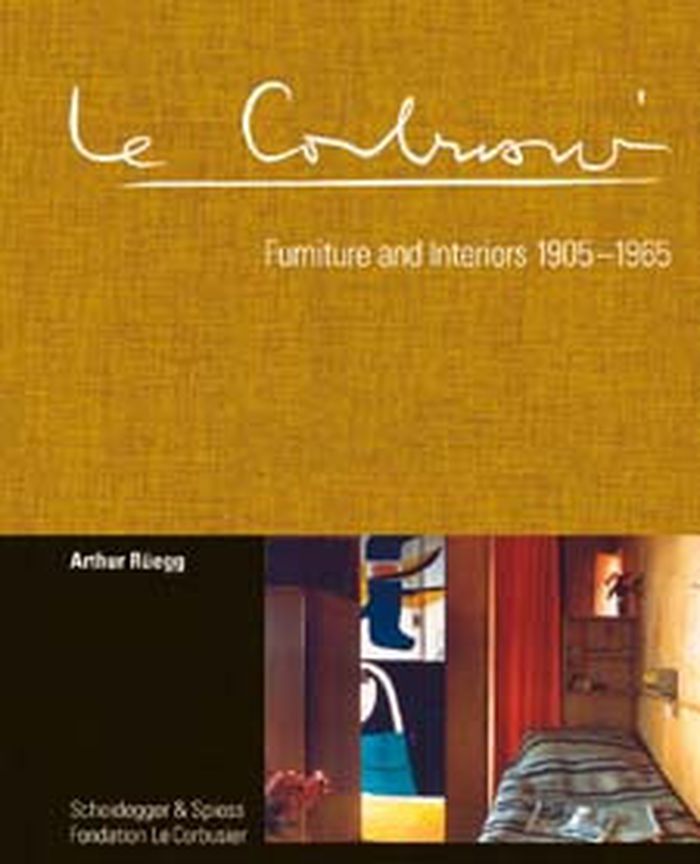
Presenting illustrations gathered together for the first time, Le Corbusier: Furniture and Interiors is a comprehensive account of Le Corbusier’s extensive work in furniture and interior design. As a young architect, Swiss-born Charles-Edouard Jeanneret primarily worked in designed furnishings. After he moved to Paris in the early 1920s and adopted his now famous moniker, Le Corbusier developed a particular interest in équipement, a term he coined for the essential furnishings of a residence. He focused specifically on tables, cabinets, and eventually the chrome and leather chairs—designed in collaboration with Pierre Jeanneret and Charlotte Perriand—for which he became famous. These pieces exhibit Le Corbusier’s trademark metal detailing and elegant austerity. After World War II, Le Corbusier shifted to more functional designs for use in everyday life. These wooden pieces resemble packing crates, evoking a rustic design aesthetic rooted in functionality.
Le Corbusier : furniture and interiors 1905-1965
Actions:
Price:
$205.00
(available to order)
Summary:
Presenting illustrations gathered together for the first time, Le Corbusier: Furniture and Interiors is a comprehensive account of Le Corbusier’s extensive work in furniture and interior design. As a young architect, Swiss-born Charles-Edouard Jeanneret primarily worked in designed furnishings. After he moved to Paris in the early 1920s and adopted his now famous moniker, Le Corbusier developed a particular interest in équipement, a term he coined for the essential furnishings of a residence. He focused specifically on tables, cabinets, and eventually the chrome and leather chairs—designed in collaboration with Pierre Jeanneret and Charlotte Perriand—for which he became famous. These pieces exhibit Le Corbusier’s trademark metal detailing and elegant austerity. After World War II, Le Corbusier shifted to more functional designs for use in everyday life. These wooden pieces resemble packing crates, evoking a rustic design aesthetic rooted in functionality.
Form:
books
books
Publication:
July 2012
July 2012
Subject:
Design Monographs
Design Monographs
Form:
books
books
Actions:
Price:
$37.95
(available to order)
Summary:
When we think of segregation, what often comes to mind is apartheid South Africa, or the American South in the age of Jim Crow—two societies fundamentally premised on the concept of the separation of the races. But as Carl H. Nightingale shows us in this history, segregation is everywhere, deforming cities and societies worldwide. Starting with segregation’s ancient(...)
$37.95
(available to order)
Summary:
When we think of segregation, what often comes to mind is apartheid South Africa, or the American South in the age of Jim Crow—two societies fundamentally premised on the concept of the separation of the races. But as Carl H. Nightingale shows us in this history, segregation is everywhere, deforming cities and societies worldwide. Starting with segregation’s ancient(...)
Title:
Segregation: a global history of divided cities
Actions:
Price:
$37.95
(available to order)
Summary:
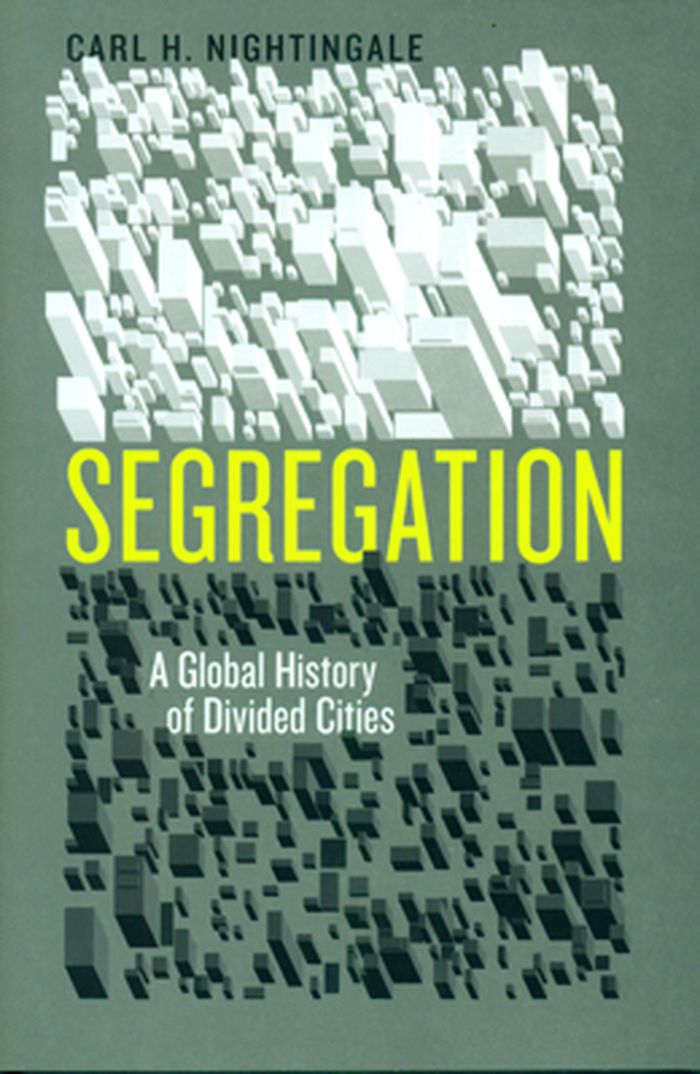
When we think of segregation, what often comes to mind is apartheid South Africa, or the American South in the age of Jim Crow—two societies fundamentally premised on the concept of the separation of the races. But as Carl H. Nightingale shows us in this history, segregation is everywhere, deforming cities and societies worldwide. Starting with segregation’s ancient roots, and what the archaeological evidence reveals about humanity’s long-standing use of urban divisions to reinforce political and economic inequality, Nightingale then moves to the world of European colonialism. This publication lays bare our troubled past, and sets us on the path to imagining the better, more equal cities of the future.
Segregation: a global history of divided cities
Actions:
Price:
$37.95
(available to order)
Summary:
When we think of segregation, what often comes to mind is apartheid South Africa, or the American South in the age of Jim Crow—two societies fundamentally premised on the concept of the separation of the races. But as Carl H. Nightingale shows us in this history, segregation is everywhere, deforming cities and societies worldwide. Starting with segregation’s ancient roots, and what the archaeological evidence reveals about humanity’s long-standing use of urban divisions to reinforce political and economic inequality, Nightingale then moves to the world of European colonialism. This publication lays bare our troubled past, and sets us on the path to imagining the better, more equal cities of the future.
Form:
books
books
Publication:
June 2012
June 2012
Subject:
Urban Theory
Urban Theory
Form:
books
books
Actions:
Price:
$38.95
(available to order)
Summary:
Chicago is a city dedicated to the modern—from the skyscrapers that punctuate its skyline to the spirited style that inflects many of its dwellings and institutions, from the New Bauhaus to Hull-House. Despite this, the city has long been overlooked as a locus for modernism in the arts, its rich tradition of architecture, design, and education disregarded. Still the(...)
$38.95
(available to order)
Summary:
Chicago is a city dedicated to the modern—from the skyscrapers that punctuate its skyline to the spirited style that inflects many of its dwellings and institutions, from the New Bauhaus to Hull-House. Despite this, the city has long been overlooked as a locus for modernism in the arts, its rich tradition of architecture, design, and education disregarded. Still the(...)
Title:
Chicago makes modern: how creative minds changed society
Actions:
Price:
$38.95
(available to order)
Summary:
Chicago is a city dedicated to the modern—from the skyscrapers that punctuate its skyline to the spirited style that inflects many of its dwellings and institutions, from the New Bauhaus to Hull-House. Despite this, the city has long been overlooked as a locus for modernism in the arts, its rich tradition of architecture, design, and education disregarded. Still the modern in Chicago continues to thrive, as new generations of artists incorporate its legacy into fresh visions for the future. Chicago Makes Modern boldly remaps twentieth-century modernism from our new-century perspective by asking an imperative question: How did the modern mind—deeply reflective, yet simultaneously directed—help to dramatically alter our perspectives on the world and make it new?
Chicago makes modern: how creative minds changed society
Actions:
Price:
$38.95
(available to order)
Summary:
Chicago is a city dedicated to the modern—from the skyscrapers that punctuate its skyline to the spirited style that inflects many of its dwellings and institutions, from the New Bauhaus to Hull-House. Despite this, the city has long been overlooked as a locus for modernism in the arts, its rich tradition of architecture, design, and education disregarded. Still the modern in Chicago continues to thrive, as new generations of artists incorporate its legacy into fresh visions for the future. Chicago Makes Modern boldly remaps twentieth-century modernism from our new-century perspective by asking an imperative question: How did the modern mind—deeply reflective, yet simultaneously directed—help to dramatically alter our perspectives on the world and make it new?
Form:
books
books
Publication:
July 2012
July 2012
Subject:
Architectural Theory
Architectural Theory
Form:
books
books
Title:
Machine art, 1934
Machine art, 1934
Actions:
Price:
$49.95
(available to order)
Summary:
In 1934, New York’s Museum of Modern Art staged a major exhibition of ball bearings, airplane propellers, pots and pans, cocktail tumblers, petri dishes, protractors, and other machine parts and products. The exhibition, titled Machine Art, explored these ordinary objects as works of modern art, teaching museumgoers about the nature of beauty and value in the era of mass(...)
$49.95
(available to order)
Summary:
In 1934, New York’s Museum of Modern Art staged a major exhibition of ball bearings, airplane propellers, pots and pans, cocktail tumblers, petri dishes, protractors, and other machine parts and products. The exhibition, titled Machine Art, explored these ordinary objects as works of modern art, teaching museumgoers about the nature of beauty and value in the era of mass(...)
Title:
Machine art, 1934
Actions:
Price:
$49.95
(available to order)
Summary:
In 1934, New York’s Museum of Modern Art staged a major exhibition of ball bearings, airplane propellers, pots and pans, cocktail tumblers, petri dishes, protractors, and other machine parts and products. The exhibition, titled Machine Art, explored these ordinary objects as works of modern art, teaching museumgoers about the nature of beauty and value in the era of mass production. Telling the story of this popular but controversial show, Jennifer Jane Marshall examines its history and the relationship between the museum’s director, Alfred H. Barr Jr., and its curator, Philip Johnson, who oversaw it. She situates the show within the tumultuous climate of the interwar period and the Great Depression, considering how these unadorned objects served as a response to timely debates over photography, abstract art, the end of the American gold standard, and John Dewey’s insight that how a person experiences things depends on the context in which they are encountered. An engaging investigation of interwar American modernism, Machine Art, 1934 reveals how even simple things can serve as a defense against uncertainty.
Machine art, 1934
Actions:
Price:
$49.95
(available to order)
Summary:
In 1934, New York’s Museum of Modern Art staged a major exhibition of ball bearings, airplane propellers, pots and pans, cocktail tumblers, petri dishes, protractors, and other machine parts and products. The exhibition, titled Machine Art, explored these ordinary objects as works of modern art, teaching museumgoers about the nature of beauty and value in the era of mass production. Telling the story of this popular but controversial show, Jennifer Jane Marshall examines its history and the relationship between the museum’s director, Alfred H. Barr Jr., and its curator, Philip Johnson, who oversaw it. She situates the show within the tumultuous climate of the interwar period and the Great Depression, considering how these unadorned objects served as a response to timely debates over photography, abstract art, the end of the American gold standard, and John Dewey’s insight that how a person experiences things depends on the context in which they are encountered. An engaging investigation of interwar American modernism, Machine Art, 1934 reveals how even simple things can serve as a defense against uncertainty.
Form:
books
books
Publication:
April 2012
April 2012
Subject:
Museums and Universal Exhibitions
Museums and Universal Exhibitions


