


886 Results
Form:
books
books
Actions:
Price:
$33.95
(available to order)
Summary:
A manifesto for the Open City: vibrant, disordered, adaptable. In 1970 Richard Sennett published the ground breaking ''The uses of disorder,'' that the ideal of a planned and ordered city was flawed, likely to produce a fragile, restrictive urban environment. Fifty years later, Sennett returns to these still fertile ideas and alongside campaigner and architect, Pablo(...)
Title:
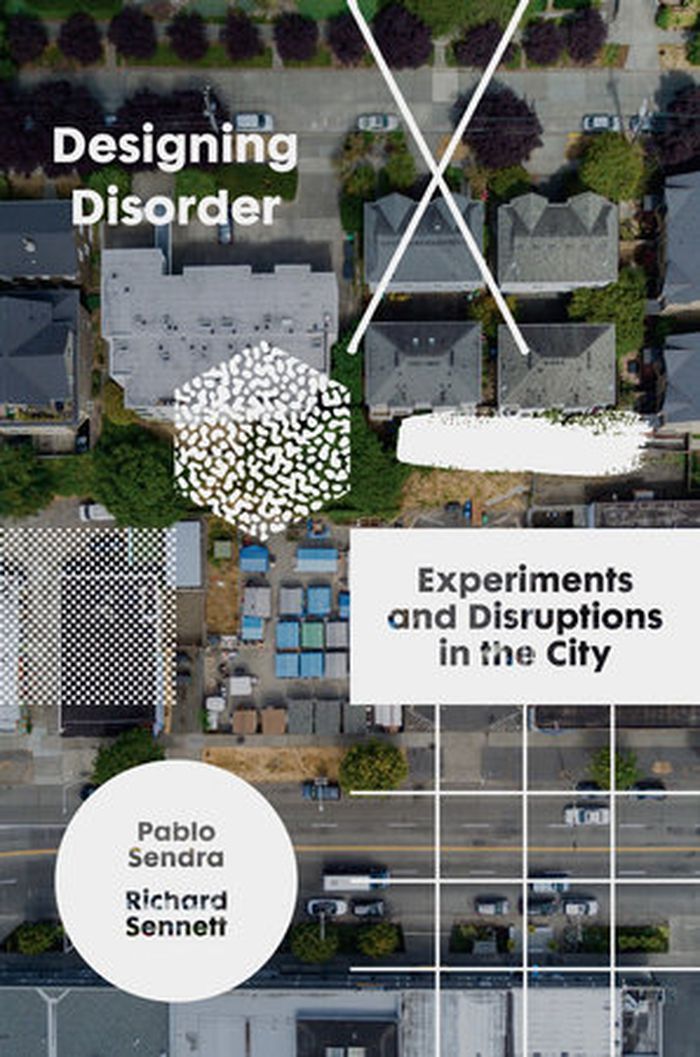
Designing disorder: experiments and disruptions in the city
Actions:
Price:
$33.95
(available to order)
Summary:
A manifesto for the Open City: vibrant, disordered, adaptable. In 1970 Richard Sennett published the ground breaking ''The uses of disorder,'' that the ideal of a planned and ordered city was flawed, likely to produce a fragile, restrictive urban environment. Fifty years later, Sennett returns to these still fertile ideas and alongside campaigner and architect, Pablo Sendra, sets out an agenda for the design and ethics of the Open City. The public spaces of our cities are under siege from planners, privatisation and increased surveillance. Our streets are becoming ever more lifeless and ordered. What is to be done? Can disorder be designed? Is it possible to maintain the public realm as a flexible space that adapts over time? In this provocative essay Sendra and Sennett propose a reorganisation of how we think and plan the social life of our cities. What the authors call 'Infrastructures of disorder' combine architecture, politics, urban planning and activism in order to develop places that nurture rather than stifle, bring together rather than divide up, remain open to change rather than closed off. The book proves that ideas of disorder are still some of the most radical and transformative in debates on 21st century cities.
Form:
books
books
Publication:
April 2020
April 2020
Subject:
Urban Theory
Urban Theory
Form:
books
books
Title:
Visionary cities
Visionary cities
Actions:
Price:
$25.00
(available to order)
Summary:
Recognizing that our civic responsibilities towards our environments have drastically increased, Visionary Cities ambitiously sets the agenda for the city of the future. Amid crippling bureaucracies and economic crises, present-day thinking on city design remains woefully inadequate, and this first publication in NAi's Future Cities Series announces 12 civic issues that(...)
Title:
Visionary cities
Actions:
Price:
$25.00
(available to order)
Summary:
Recognizing that our civic responsibilities towards our environments have drastically increased, Visionary Cities ambitiously sets the agenda for the city of the future. Amid crippling bureaucracies and economic crises, present-day thinking on city design remains woefully inadequate, and this first publication in NAi's Future Cities Series announces 12 civic issues that are in need of transformation through the researches of The Why Factory, a global urban-studies thinktank operated in part by the Delft University of Technology. These issues include: “The Solitary (Our Dreams are Undermining the City)”; “The Iconic (Our Idols Have Been Compromised)”; “The Fun (We Are Having Too Much Fun)”; “The Cautious (Being Careful Is Killing Us)”; “The Poor (Slums Are Growing Bigger Than The Cities They Are Part Of”; and “The Future (Our Future Is Being Imagined Without Us).” A howl against civic impotence and the apathy of citizens in the face of incompetence and decay, Visionary Cities makes a manifesto of these and other topics to loudly demand large-scale change on a collective rather than individual level. In an afterword, Winy Maas, of the innovative Dutch architecture firm MVRDV, argues that architecture possesses a visionary dimension waiting to be applied to the cities of the future.
Form:
books
books
Publication:
March 2010
March 2010
Subject:
Urban Theory
Urban Theory
Form:
books
books
Actions:
Price:
$50.00
(available in store)
Summary:
Maria Giuseppina Grasso Cannizzo exhibited at the Venice Biennial in 2004 and 2008, and was honored by the Royal Institute of British Architects (RIBA) in 2012. That same year she won a gold medal for her life’s work at the Milan Triennial, and has been nominated twice for the Mies van der Rohe Prize. Nevertheless, she’s still considered an insider’s tip. She lives in(...)
Title:
Loose ends : Maria Guiseppina Grasso Cannizzo
Actions:
Price:
$50.00
(available in store)
Summary:
Maria Giuseppina Grasso Cannizzo exhibited at the Venice Biennial in 2004 and 2008, and was honored by the Royal Institute of British Architects (RIBA) in 2012. That same year she won a gold medal for her life’s work at the Milan Triennial, and has been nominated twice for the Mies van der Rohe Prize. Nevertheless, she’s still considered an insider’s tip. She lives in Vittoria, a small city in southern Sicily, where she realizes the majority of her architecture, including many transformations of historical buildings, single and multiple-family housing, or projects such as the control tower in Marina di Ragusa. Grasso Cannizzo’s special design methods are based on her analyses of the urban context and the landscape, as well as her examination of the specific “story” behind each project. She translates the knowledge gained into minimal, self-aware, and sometimes radical concepts, which are ultimately always open to any changes that life and the passage of time may bring. At the same time, this first comprehensive monograph is also a conceptual manifesto by Grasso Cannizzo. Collected in a black box, loose prints provide insight into her most important buildings and make it possible to see the architect’s general design methods.
Form:
books
books
Publication:
July 2014
July 2014
Subject:
Architecture Monographs
Architecture Monographs
Form:
books
books
Actions:
Holdings:
Description:
504 pages : illustrations (chiefly color) ; 30 cm
Description:
504 pages : illustrations (chiefly color) ; 30 cm
Author:
Subject:
Publication:
London : Thames & Hudson Ltd ; New York, New York : Thames & Hudson Inc., 2022., ©2022
London : Thames & Hudson Ltd ; New York, New York : Thames & Hudson Inc., 2022., ©2022
Title:
A world history of women photographers / edited by Luce Lebart and Marie Robert ; [translated from the French Une histoire mondiale des femmes photographes by Ruth Taylor and Bethany Wright].
Actions:
Holdings:
Description:
504 pages : illustrations (chiefly color) ; 30 cm
A world history of women photographers / edited by Luce Lebart and Marie Robert ; [translated from the French Une histoire mondiale des femmes photographes by Ruth Taylor and Bethany Wright].
Actions:
Holdings:
Description:
504 pages : illustrations (chiefly color) ; 30 cm
Form:
books
books
Publication:
London : Thames & Hudson Ltd ; New York, New York : Thames & Hudson Inc., 2022., ©2022
London : Thames & Hudson Ltd ; New York, New York : Thames & Hudson Inc., 2022., ©2022
Author:
Subject:
Form:
books
books
Actions:
Price:
$31.95
(available to order)
Summary:
Given an ideal situation to work with, the Zurich architects Marcel Meili and Markus Peter designed and built a new training and meeting center for Swiss Re in Rüschlikon. Backed by an ambitious client and a substantial budget, they developed an expansive park complex overlooking Lake Zurich and the Bodmer mansion, a protected historical monument, into a setting in which(...)
Subject:
small format
small format
Publication:
February 2002, Ostfildern
February 2002, Ostfildern
Title:
Swiss Re Rüschilkon : centre for global dialogue
Actions:
Price:
$31.95
(available to order)
Summary:
Given an ideal situation to work with, the Zurich architects Marcel Meili and Markus Peter designed and built a new training and meeting center for Swiss Re in Rüschlikon. Backed by an ambitious client and a substantial budget, they developed an expansive park complex overlooking Lake Zurich and the Bodmer mansion, a protected historical monument, into a setting in which architecture and art, landscape and interior space, old and new combine to form a complex whole. The result is not a manifesto of a particular style but the equally perfect and subtle interpretation of a real place and the programmatic vision it inspires. The Art Commission of Swiss Re chose a "strategy of systematic artistic interventions in existing space". The design of all furniture and interiors was entrusted to the hands of renowned artists and architects. Adolf Krischanitz and Hermann Czech designed the furniture and the "Red Bar" in the Gardener's Lodge. Gilbert Bretterbauer supervised the design and selection of textiles. Artist Günther Förg handled the color design for all of the interiors in the old mansion. The old grounds had been preserved almost entirely in their original condition. The existing stands of trees served as a framework for the detailed design of the park complex by landscape architects Kienast Vogt and Partner. With photographs by Margherita Spiluttini
Form:
books
books
Publication:
February 2002, Ostfildern
February 2002, Ostfildern
Subject:
small format
small format
Form:
journals and magazines
journals and magazines
Price:
$35.00
(available to order)
Summary:
The October issue of Domus focuses on the theme of affordable housing, tackling the question of what "minimum subsistence dwelling" could mean in the 21st century. It builds on the investigation started at the Min to Max international architecture symposium in Berlin. Guest edited by Ilka and Andreas Ruby, it starts with Berlin-based architecture studio Something(...)
Title:
Domus 962
Actions:
Price:
$35.00
(available to order)
Summary:
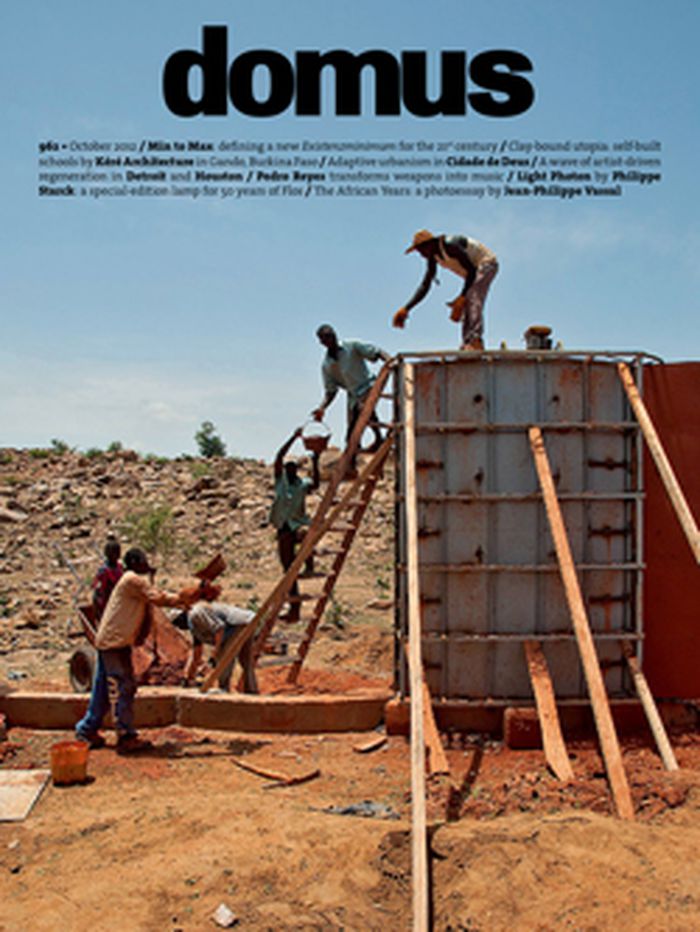
The October issue of Domus focuses on the theme of affordable housing, tackling the question of what "minimum subsistence dwelling" could mean in the 21st century. It builds on the investigation started at the Min to Max international architecture symposium in Berlin. Guest edited by Ilka and Andreas Ruby, it starts with Berlin-based architecture studio Something Fantastic's manifesto on the creative opportunities and innovation allowed by the world recession. Domus then surveys the globe in search of positive strategies where design is subjected to constant experimentation, from Burkina Faso — where, in Gando, Diébédo Francis Kéré runs his experimental architecture workshop —, to Athens — where a group of teachers and researchers finds in the typical Greek polykatoikia the possibility of generating a host of collective and shared spaces —, passing through Detroit, Houston, New York City, Berlin, and Rio de Janeiro. Fresh after the opening of the Venice Architecture Biennale, issue 962 presents Gabriele Basilico's photographic survey of the Biennale's national pavilions, empty and waiting for their annual occupation. Jean-Philippe Vassal's photo essay captures extraordinary moments in the production of everyday space in Africa, and, in Mexico, artist Pedro Reyes transforms agents of death into instruments of life: by converting half a tonne of confiscated weapons into musical instruments, Reyes challenges us to imagine a change for the better.
Form:
journals and magazines
journals and magazines
Publication:
November 2012
November 2012
Subject:
Magazines
Magazines
Form:
books
books
Actions:
Price:
$58.95
(available in store)
Summary:
"In 2005, more than ever, architecture is annihilating places, banalizing them, violating them. Sometimes it replaces the landscape, creates it in its own image, which is nothing but another way of effacing it÷ At a time when we rush across the world faster and faster, when we listen to and watch the same global networks, share feelings about the same disasters, when we(...)
Title:
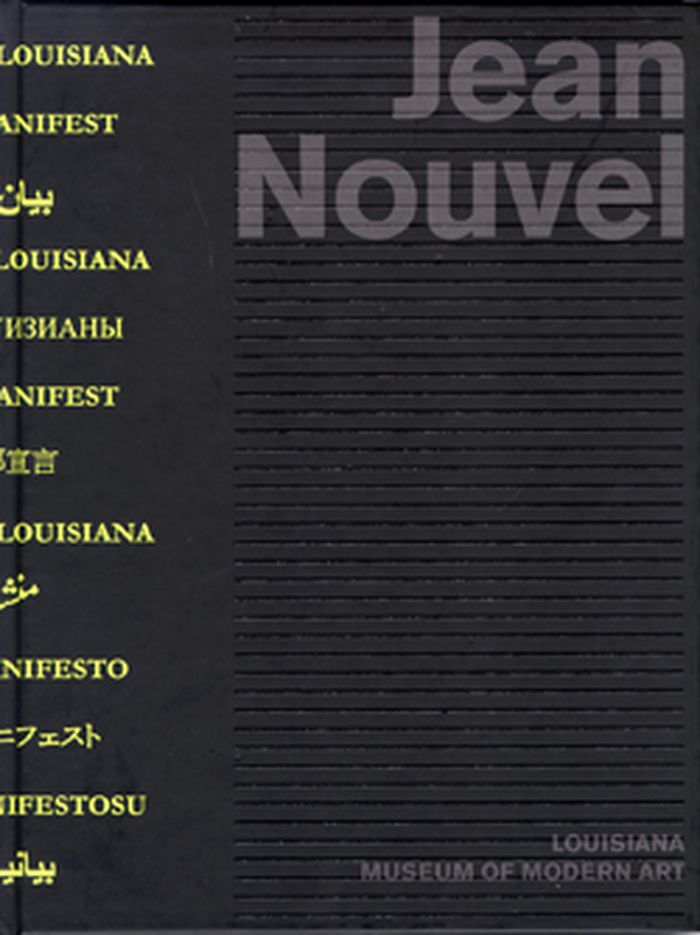
Jean Nouvel: Louisiana museum of modern art
Actions:
Price:
$58.95
(available in store)
Summary:
"In 2005, more than ever, architecture is annihilating places, banalizing them, violating them. Sometimes it replaces the landscape, creates it in its own image, which is nothing but another way of effacing it÷ At a time when we rush across the world faster and faster, when we listen to and watch the same global networks, share feelings about the same disasters, when we dance to the same hits, watch the same matches, when they flood us with the same films, in which the star is global, when the president of one country wants to rule the world, when we shop in cloned shopping centers, work behind the same eternal curtain walls÷and when whatever good might come of this forms no part of global priorities÷the global economy is accentuating the effects of the dominant architecture, the type that claims Îwe don't need context.' And yet debate on this galloping frenzy does not exist: architectural criticism, invoking the limits of the discipline, is content with aesthetic and stylistic reflections devoid of any analysis of the real, and ignores the crucial historical clash that--more insistently every day--sets a global architecture against an architecture of situations, generic architecture against an architecture of specificity." So says the international architecture star Jean Nouvel in his manifesto, published here in 12 languages, along with images of his recently completed Louisiana Museum of Modern Art, Denmark.
Form:
books
books
Publication:
August 2006, Louisiana
August 2006, Louisiana
Subject:
Architecture Monographs
Architecture Monographs
Form:
books
books
Actions:
Price:
$34.99
(available to order)
Summary:
This compendium of projects, writings and interviews focuses on how the field of drawing expands synchronously alongside technological and computational developments. Despite numerous developments in technological manufacture and computational design that provide new grounds for designers, the act of drawing still plays a central role as a vehicle for speculation. In(...)
Title:
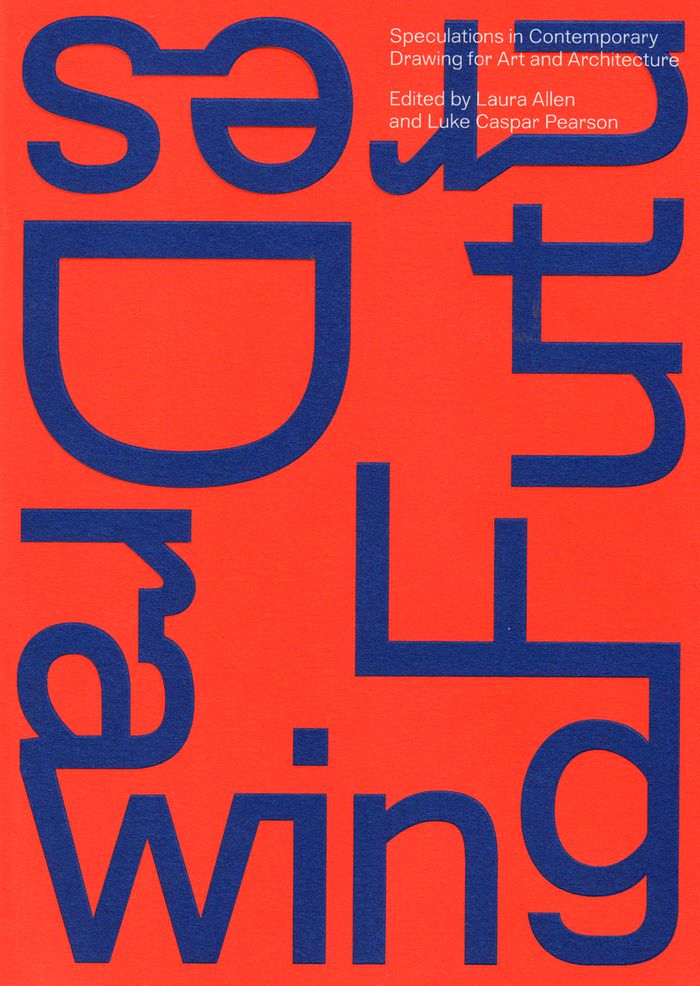
Drawing futures: speculations in contemporary drawing for art and architecture
Actions:
Price:
$34.99
(available to order)
Summary:
This compendium of projects, writings and interviews focuses on how the field of drawing expands synchronously alongside technological and computational developments. Despite numerous developments in technological manufacture and computational design that provide new grounds for designers, the act of drawing still plays a central role as a vehicle for speculation. In reflection of a society now underpinned by computational networks and interfaces allowing hitherto unprecedented views of the world, the changing status of the drawing and its representation as a political act demands a platform for reflection and innovation. "Drawing futures" critically reassess the act of drawing and where its future may lie. Bringing together practitioners from many creative fields, the book discusses how drawing is changing in relation to new technologies for the production and dissemination of ideas. Drawings seduce, and the drawings in this book are tantalising evidence of this. Yet the aim of Drawing Futures is to illustrate how drawing works as an abundantly rich, diverse, inventive, critical and serious research domain. In this regard, it is a ground-breaking study of the point and promise of drawing; a first of its kind, which both explores the microscopic detail of the craft and envisions the radical possibilities inherent in its expression. The academics, artists and architects whose work lies within conceive of drawing as a rigorous, liberating form of expression. Their contributions work together as a manifesto for the future of an artform that is capable of both utter simplicity and infinite complexity.
Form:
books
books
Publication:
December 2016
December 2016
Subject:
Architectural Drawing
Architectural Drawing
Form:
books
books
Title:
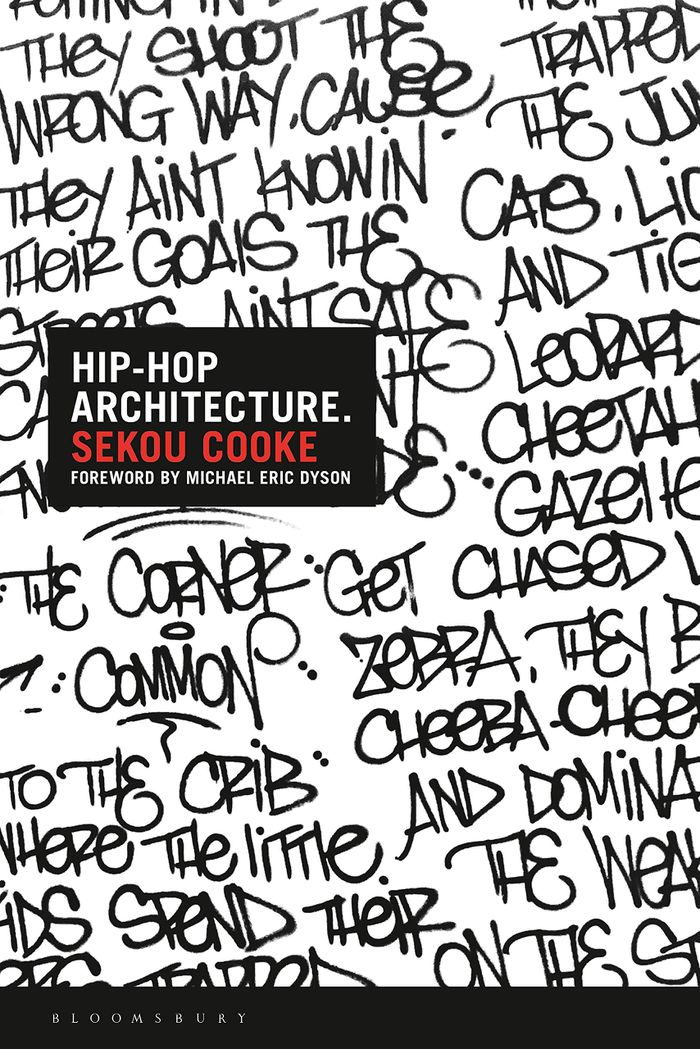
Hip-hop Architecture
Hip-hop Architecture
Actions:
Price:
$52.50
(available in store)
Summary:
"This book is not for you. It is not for architectural academic elites. It is not for those who have gentrified our neighborhoods, overly intellectualized the profession, and ignored all contemporary Black theory within the discipline. You have made architecture a symbol of exclusion, oppression, and domination rather than expression, aspiration, and inspiration. This(...)
Title:
Hip-hop Architecture
Actions:
Price:
$52.50
(available in store)
Summary:
"This book is not for you. It is not for architectural academic elites. It is not for those who have gentrified our neighborhoods, overly intellectualized the profession, and ignored all contemporary Black theory within the discipline. You have made architecture a symbol of exclusion, oppression, and domination rather than expression, aspiration, and inspiration. This book is not for conformists-Black, White, or other." As architecture grapples with its own racist legacy, "Hip-Hop architecture" outlines a powerful new manifesto- the voice of the underrepresented, marginalized, and voiceless within the discipline. Exploring the production of spaces, buildings, and urban environments that embody the creative energies in hip-hop, it is a newly expanding design philosophy which sees architecture as a distinct part of hip-hop's cultural expression, and which uses hip-hop as a lens through which to provoke new architectural ideas. Examining the present and the future of "Hip-Hop architecture," the book also explores its historical antecedents and its theory, placing it in a wider context both within architecture and within Black and African American movements. Throughout, the work is illustrated with inspirational case studies of architectural projects and creative practices, and interspersed with interludes and interviews with key architects, designers, and academics in the field. This is a vital and provocative work that will appeal to architects, designers, students, theorists, and anyone interested in a fresh view of architecture, design, race and culture.
Form:
books
books
Publication:
April 2021
April 2021
Subject:
Architectural Theory
Architectural Theory
Form:
books
books
Title:
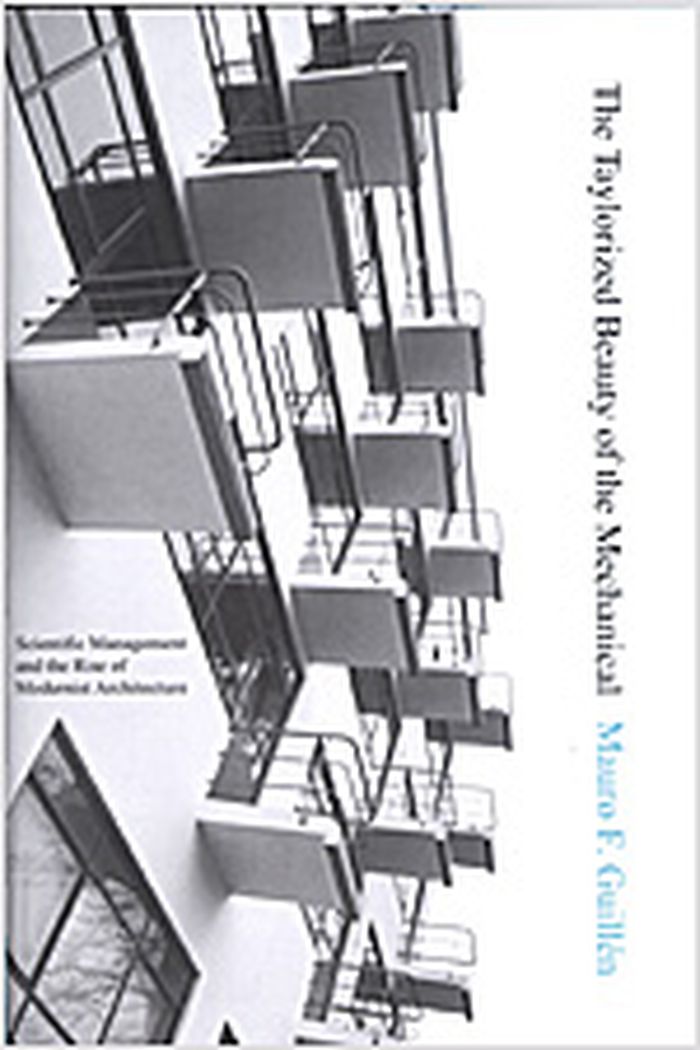
The taylorized beauty of the mechanical : scientific managment and rise of modernist architecture
The taylorized beauty of the mechanical : scientific managment and rise of modernist architecture
Actions:
Price:
$37.50
(available to order)
Summary:
The dream of scientific management was a rationalized machine world where life would approach the perfection of an assembly line. But since its early twentieth-century peak this dream has come to seem a dehumanizing nightmare. Henry Ford's assembly lines turned out a quarter of a million cars in 1914, but all of them were black. Forgotten has been the unparalleled new(...)
Subject:
Architecture since 1900, Europe
Architecture since 1900, Europe
Publication:
July 2006, Princeton / Oxford
July 2006, Princeton / Oxford
Title:
The taylorized beauty of the mechanical : scientific managment and rise of modernist architecture
Actions:
Price:
$37.50
(available to order)
Summary:
The dream of scientific management was a rationalized machine world where life would approach the perfection of an assembly line. But since its early twentieth-century peak this dream has come to seem a dehumanizing nightmare. Henry Ford's assembly lines turned out a quarter of a million cars in 1914, but all of them were black. Forgotten has been the unparalleled new aesthetic beauty once seen in the ideas of Ford and scientific management pioneer Frederick Winslow Taylor. In "The taylorized beauty of the mechanical", Mauro Guillén recovers this history and retells the story of the emergence of modernist architecture as a romance with the ideas of scientific management - one that permanently reshaped the profession of architecture. Modernist architecture's pioneers, Guillén shows, found in scientific management the promise of a new, functional, machine-like--and beautiful--architecture, and the prospect of a new role for the architect as technical professional and social reformer. Taylor and Ford had a signal influence on Bauhaus founder Walter Gropius and on Le Corbusier and his Towards a New Architecture, the most important manifesto of modernist architecture. Architects were so enamored with the ideas of scientific management that they adopted them even when there was no functional advantage to do so. Not a traditional architectural history but rather a sociological study of the profession of architecture during its early modernist period, "The taylorized beauty of the mechanical" provides a new understanding of the degree to which modernist architecture emerged from a tradition of engineering and industrial management.
Form:
books
books
Publication:
July 2006, Princeton / Oxford
July 2006, Princeton / Oxford
Subject:
Architecture since 1900, Europe
Architecture since 1900, Europe


