


36154 Results
Form:
books
books

Price:
$30.95
(available to order)
Summary:
In recent years, the rise of research-creation--a scholarly activity that considers art practices as research methods in their own right--has emerged from the organic convergences of the arts and interdisciplinary humanities, and it has been fostered by universities wishing to enhance their public profiles. In this publication, Natalie Loveless draws on diverse(...)
Title:
How to make art at the end of the world: a manifesto for research-creation
Actions:
Price:
$30.95
(available to order)
Summary:
In recent years, the rise of research-creation--a scholarly activity that considers art practices as research methods in their own right--has emerged from the organic convergences of the arts and interdisciplinary humanities, and it has been fostered by universities wishing to enhance their public profiles. In this publication, Natalie Loveless draws on diverse perspectives--from feminist science studies to psychoanalytic theory, as well as her own experience advising undergraduate and graduate students--to argue for research-creation as both a means to produce innovative scholarship and a way to transform pedagogy and research within the contemporary neoliberal university. Championing experimental, artistically driven methods of teaching, researching, and publication, research-creation works to render daily life in the academy more pedagogically, politically, and affectively sustainable, as well as more responsive to issues of social and ecological justice.
Form:
books
books
Publication:
August 2019
August 2019
Subject:
Art Theory
Art Theory
Form:
books
books
Actions:
Price:
$36.95
(available to order)
Summary:
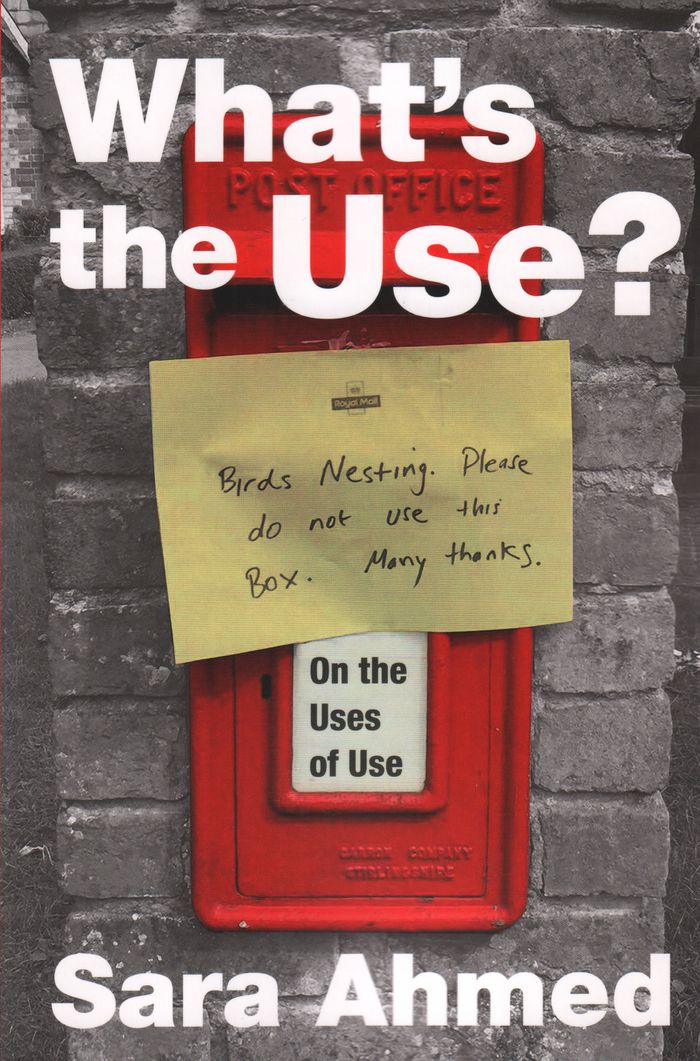
In "What’s the Use?" Sara Ahmed continues the work she began in "The Promise of Happiness and Willful Subjects" by taking up a single word—in this case, use—and following it around. She shows how use became associated with life and strength in nineteenth-century biological and social thought and considers how utilitarianism offered a set of educational techniques for(...)
Title:
What's the use: on the uses of use
Actions:
Price:
$36.95
(available to order)
Summary:
In "What’s the Use?" Sara Ahmed continues the work she began in "The Promise of Happiness and Willful Subjects" by taking up a single word—in this case, use—and following it around. She shows how use became associated with life and strength in nineteenth-century biological and social thought and considers how utilitarianism offered a set of educational techniques for shaping individuals by directing them toward useful ends. Ahmed also explores how spaces become restricted to some uses and users, with specific reference to universities. She notes, however, the potential for queer use: how things can be used in ways that were not intended or by those for whom they were not intended. Ahmed posits queer use as a way of reanimating the project of diversity work as the ordinary and painstaking task of opening up institutions to those who have historically been excluded.
Form:
books
books
Publication:
October 2019
October 2019
Subject:
Critical Theory
Critical Theory
Form:
books
books
Price:
$31.95
(available to order)
Summary:
Under capitalism, economic growth is seen as the key to collective well-being. In "Self-Devouring Growth" Julie Livingston upends this notion, showing that while consumption-driven growth may seem to benefit a particular locale, it produces a number of unacknowledged, negative consequences that ripple throughout the wider world. Structuring the book as a parable in which(...)
Title:
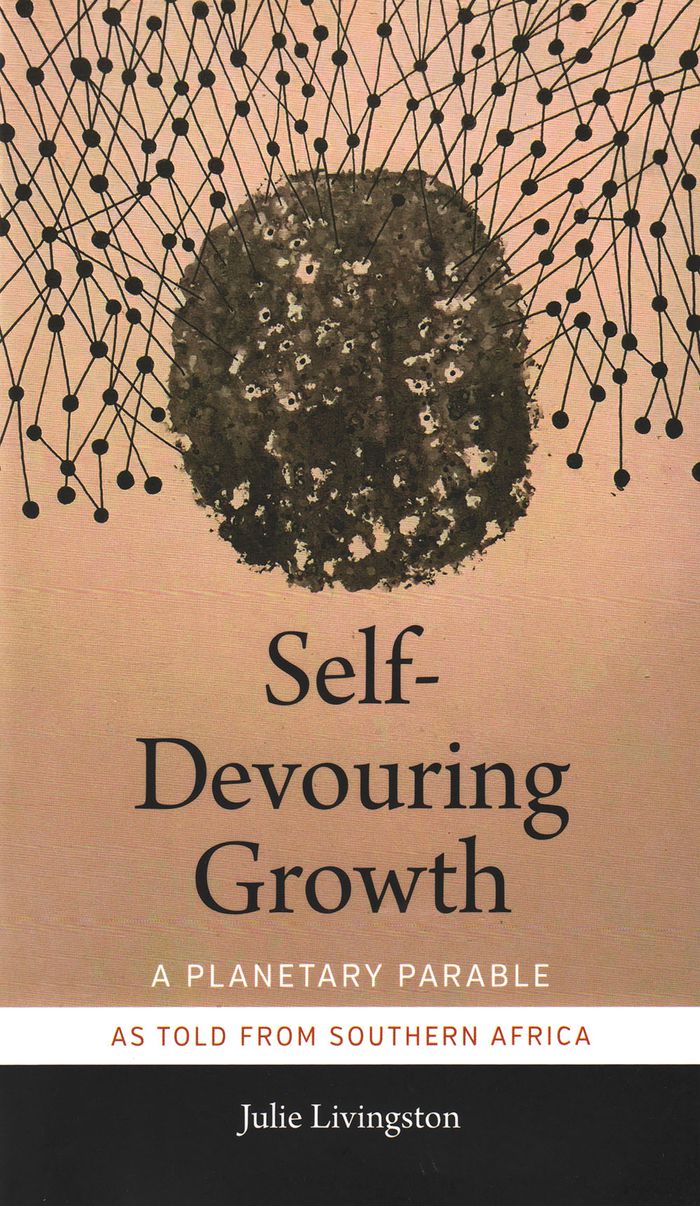
Self-devouring growth: a planetary fable as told from southern Africa
Actions:
Price:
$31.95
(available to order)
Summary:
Under capitalism, economic growth is seen as the key to collective well-being. In "Self-Devouring Growth" Julie Livingston upends this notion, showing that while consumption-driven growth may seem to benefit a particular locale, it produces a number of unacknowledged, negative consequences that ripple throughout the wider world. Structuring the book as a parable in which the example of Botswana has lessons for the rest of the globe, Livingston shows how fundamental needs for water, food, and transportation become harnessed to what she calls self-devouring growth: an unchecked and unsustainable global pursuit of economic growth that threatens catastrophic environmental destruction. As Livingston notes, improved technology alone cannot stave off such destruction; what is required is a greater accounting of the web of relationships between humans, nonhuman beings, plants, and minerals that growth entails. Livingston contends that by failing to understand these relationships and the consequences of self-devouring growth, we may be unknowingly consuming our future.
Form:
books
books
Publication:
September 2019
September 2019
Subject:
Environment and environmental theory
Environment and environmental theory
Form:
books
books
Title:
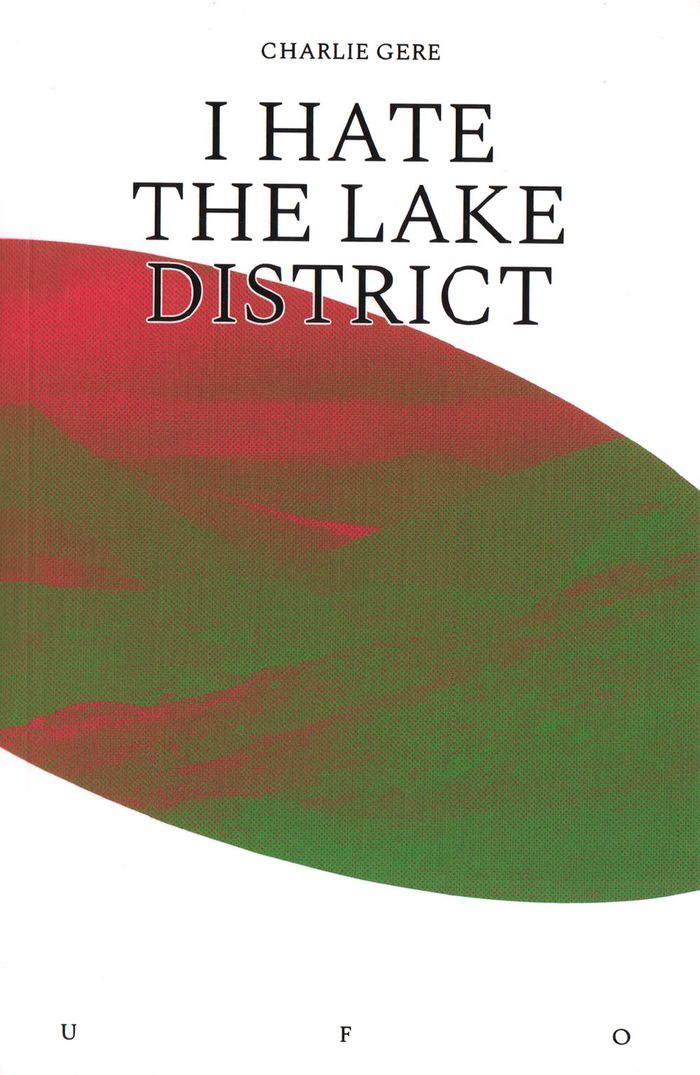
I hate the Lake District
I hate the Lake District
Actions:
Price:
$24.95
(available to order)
Summary:
"I Hate the Lake District" offers a different vision of the rural environment from those found in much contemporary nature writing. Based on the author's trips around North West England, the book engages with nuclear power and nuclear war, slavery, imperialism, ghosts, love, God, cockroaches, and the sheer violence and contingency of “nature” itself—of which the human(...)
Title:
I hate the Lake District
Actions:
Price:
$24.95
(available to order)
Summary:
"I Hate the Lake District" offers a different vision of the rural environment from those found in much contemporary nature writing. Based on the author's trips around North West England, the book engages with nuclear power and nuclear war, slavery, imperialism, ghosts, love, God, cockroaches, and the sheer violence and contingency of “nature” itself—of which the human presence is merely a part. Each chapter starts with an account of a visit to a place in this remote part of England, the deep north, but digresses and wanders through multifarious themes and subjects.
Form:
books
books
Publication:
October 2019
October 2019
Subject:
Journeys
Journeys
Form:
books
books

Actions:
Price:
$34.95
(available to order)
Summary:
Tokyo Listening examines how the sensory experience of the city informs how people listen to both music and everyday, ubiquitous sounds. Drawing on recent scholarship in the fields of sound studies, anthropology, and ethnomusicology and over fifteen years of ethnographic fieldwork in Japan, Lorraine Plourde traces the linkages between sound and urban space. She examines(...)
Title:
Tokyo listening: sound and sense in a contemporary city
Actions:
Price:
$34.95
(available to order)
Summary:
Tokyo Listening examines how the sensory experience of the city informs how people listen to both music and everyday, ubiquitous sounds. Drawing on recent scholarship in the fields of sound studies, anthropology, and ethnomusicology and over fifteen years of ethnographic fieldwork in Japan, Lorraine Plourde traces the linkages between sound and urban space. She examines listening cultures via four main ethnographic sites in Tokyo?an experimental music venue, classical music cafes, office workspaces, and department stores?looking specifically at how such auditory sensibilities are cultivated. The book brings together two different types of spaces into the same frame of reference: places people go to specifically for the music, and spaces where the music comes to them. Tokyo Listening examines the sensory experience of urban listening as a planned and multifaceted dimension of everyday city life, ultimately exploring the relationship between sound, comfort, happiness, and productivity.
Form:
books
books
Publication:
June 2019
June 2019
Subject:
Acoustics
Acoustics
Form:
books
books

Actions:
Price:
$61.95
(available to order)
Summary:
Toshiko Okanoue was active in the 1950s, producing eye-catching collages made from magazine clippings. The parallels between her compositions and aspects of European surrealism was purely coincidental at first, but after meeting Shuzo Takiguchi, the leader of the surrealist movement in Japan, her keen sensitivity to shape and distinct feminine sensibility evolved further.(...)
Title:
Toshiko Okanoue: the miracle of silence
Actions:
Price:
$61.95
(available to order)
Summary:
Toshiko Okanoue was active in the 1950s, producing eye-catching collages made from magazine clippings. The parallels between her compositions and aspects of European surrealism was purely coincidental at first, but after meeting Shuzo Takiguchi, the leader of the surrealist movement in Japan, her keen sensitivity to shape and distinct feminine sensibility evolved further. She began to use photos to form backgrounds to her images, in which buildings, landscapes, and other elements combine to create bizarre and mysterious spaces where dramas unfold. Her expressive fragments, mementos of society and fashion which in turn reflect the era, are a major element in her creativity.
Form:
books
books
Publication:
August 2015
August 2015
Subject:
Photography monographs
Photography monographs
Form:
books
books

Actions:
Price:
$48.95
(available to order)
Summary:
Despite its deceptive title, the fact that this book is a guide about Iowa is accurate. Daniel Naegele qualifies “good” being not absolute but contingent and personal, and therefore a very questionable qualifier. By “architecture”, however, Naegele means “good building”, regardless of whether or not the built object was designed by an architect, is a habitable structure,(...)
Title:
Naegele's guide to the only good architecture in Iowa
Actions:
Price:
$48.95
(available to order)
Summary:
Despite its deceptive title, the fact that this book is a guide about Iowa is accurate. Daniel Naegele qualifies “good” being not absolute but contingent and personal, and therefore a very questionable qualifier. By “architecture”, however, Naegele means “good building”, regardless of whether or not the built object was designed by an architect, is a habitable structure, or is even a building at all. Most entries in this guide are concerned either with vernacular works that are habitable tools (barns, corncribs, silos) or with built works that are not buildings at all (billboards, bridges, wind turbines, water towers). Mildly contentious by nature, Naegele’s guide is nevertheless utterly practical.
Form:
books
books
Publication:
August 2019
August 2019
Subject:
City Guides
City Guides
Form:
books
books

Actions:
Price:
$45.95
(available to order)
Summary:
''Architecture Monogram'' is a book series on emerging architects, landscape designers, photographers, and writers from Belgium and the Netherlands in which the designers reveal the personal obsessions and motivations that stimulate their design process. In this second issue of the series Swiss-Dutch landscape architect Anouk Vogel reflects upon ten years of independent(...)
Title:
Architecture monogram 2: Anouk Vogel, Soliloquy
Actions:
Price:
$45.95
(available to order)
Summary:
''Architecture Monogram'' is a book series on emerging architects, landscape designers, photographers, and writers from Belgium and the Netherlands in which the designers reveal the personal obsessions and motivations that stimulate their design process. In this second issue of the series Swiss-Dutch landscape architect Anouk Vogel reflects upon ten years of independent practice in the form of short conversations with her alter ego that reveal the way in which she explores the margins of the discipline.
Form:
books
books
Publication:
December 2018
December 2018
Subject:
Landscape Architecture, Monographs
Landscape Architecture, Monographs
Form:
books
books
Actions:
Price:
$48.00
(available to order)
Summary:
Research is of paramount importance as a fundamental basis for everything that museums do. This publication engages with the diverse viewpoints of authors in the vanguard of theoretical discussions and curatorial practices, mapping out the multiplicity of endeavours to reform and transform research in relation to the art museum. From new theoretical models and specific(...)
Title:
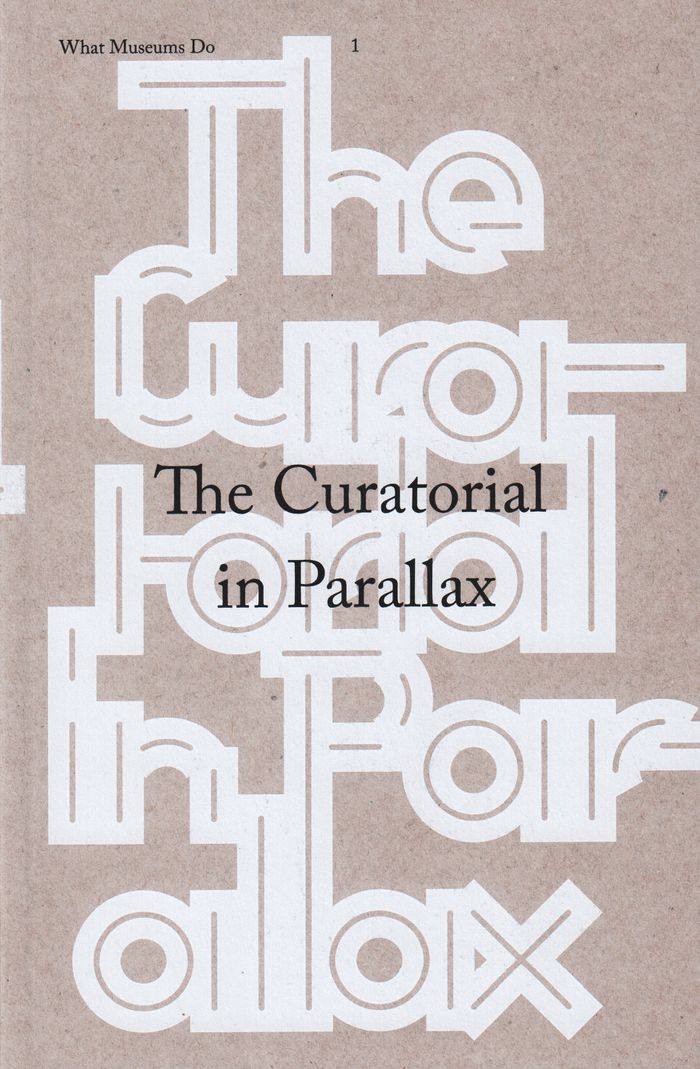
The curatorial in Parallax (what museums do 1)
Actions:
Price:
$48.00
(available to order)
Summary:
Research is of paramount importance as a fundamental basis for everything that museums do. This publication engages with the diverse viewpoints of authors in the vanguard of theoretical discussions and curatorial practices, mapping out the multiplicity of endeavours to reform and transform research in relation to the art museum. From new theoretical models and specific forms of practice-based investigation and knowledge production, to the potential for change by the very dynamics of research, it shows that the concept of the curatorial is constantly shifting.
Form:
books
books
Publication:
August 2019
August 2019
Subject:
Museology
Museology
Form:
books
books
Actions:
Price:
$81.50
(available to order)
Summary:
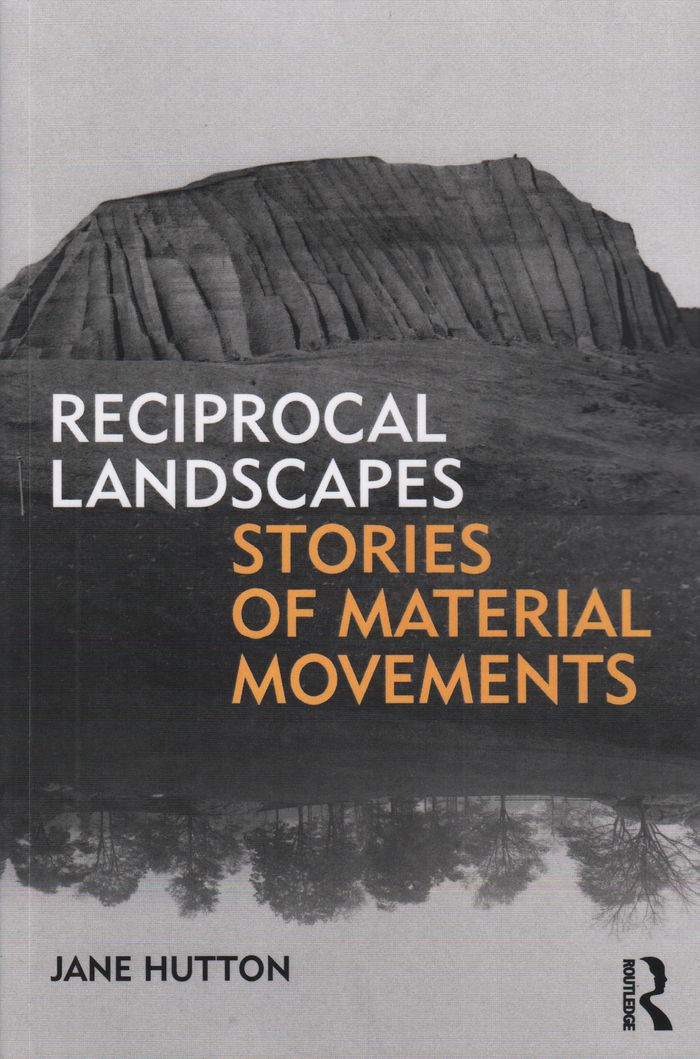
''Reciprocal landscapes: stories of material movements'' traces five everyday landscape construction materials – fertilizer, stone, steel, trees, and wood – from seminal public landscapes in New York City, back to where they came from. Drawing from archival documents, photographs, and field trips, the author brings these two separate landscapes – the material’s source and(...)
Title:
Reciprocal landscapes: stories of material movements
Actions:
Price:
$81.50
(available to order)
Summary:
''Reciprocal landscapes: stories of material movements'' traces five everyday landscape construction materials – fertilizer, stone, steel, trees, and wood – from seminal public landscapes in New York City, back to where they came from. Drawing from archival documents, photographs, and field trips, the author brings these two separate landscapes – the material’s source and the urban site where the material ended up – together, exploring themes of unequal ecological exchange, labor, and material flows. This book considers the social, political, and ecological entanglements of material practice, challenging readers to think of materials not as inert products but as continuous with land and the people that shape them, and to reimagine forms of construction in solidarity with people, other species, and landscapes elsewhere.
Form:
books
books
Publication:
October 2019
October 2019
Subject:
Landscape Theory
Landscape Theory


