


36154 Results
Form:
books
books
Actions:
Price:
$41.95
(available to order)
Summary:
Is it possible for the economy to grow without the environment being destroyed? Will our lifestyles impoverish the planet for our children and grandchildren? Is the world sick? Can it be healed? Less than a lifetime ago, these questions would have made no sense. This was not because our ancestors had no impact on nature—nor because they were unaware of the serious damage(...)
Subject:
Environment and environmental theory
Environment and environmental theory
Publication:
November 2018
November 2018
Title:
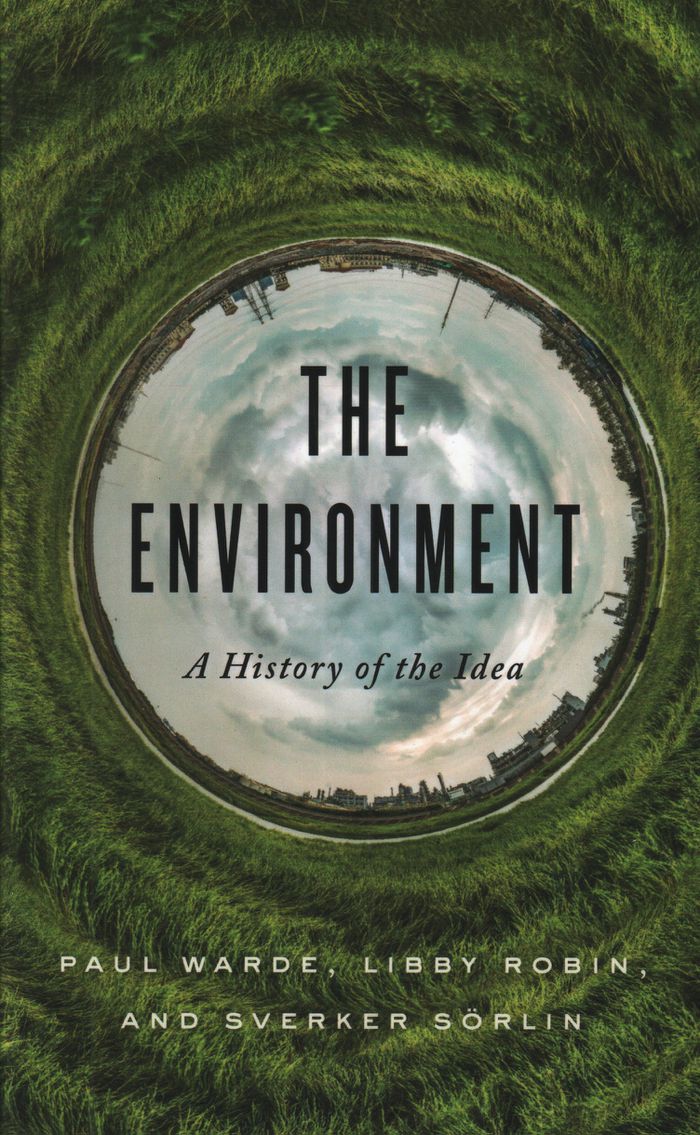
The environment: a history of an idea
Actions:
Price:
$41.95
(available to order)
Summary:
Is it possible for the economy to grow without the environment being destroyed? Will our lifestyles impoverish the planet for our children and grandchildren? Is the world sick? Can it be healed? Less than a lifetime ago, these questions would have made no sense. This was not because our ancestors had no impact on nature—nor because they were unaware of the serious damage they had done. What people lacked was an idea: a way of imagining the web of interconnection and consequence of which the natural world is made. Without this notion, we didn’t have a way to describe the scale and scope of human impact upon nature. This idea was "the environment." Paul Warde, Libby Robin, and Sverker Sörlin trace the emergence of the concept of the environment following World War II, a period characterized by both hope for a new global order and fear of humans’ capacity for almost limitless destruction. It was at this moment that a new idea and a new narrative about the planet-wide impact of people's behavior emerged, closely allied to anxieties for the future. Now we had a vocabulary for talking about how we were changing nature: resource exhaustion and energy, biodiversity, pollution, and—eventually—climate change. With the rise of "the environment," the authors argue, came new expertise, making certain kinds of knowledge crucial to understanding the future of our planet.
Form:
books
books
Publication:
November 2018
November 2018
Subject:
Environment and environmental theory
Environment and environmental theory
Form:
books
books

Price:
$37.95
(available to order)
Summary:
La biennale de Chaumont met à l'honneur les actrices et les acteurs du design graphique à travers l'exposition d'imprimés, d'affiches imprimées et interactives, d'innovations technologiques et artistiques. L'ouvrage rend compte des problématiques technologiques, sociales et culturelles de la création contemporaine.
Title:
Post-medium : biennal internationale de design graphique Chaumont 2019
Actions:
Price:
$37.95
(available to order)
Summary:
La biennale de Chaumont met à l'honneur les actrices et les acteurs du design graphique à travers l'exposition d'imprimés, d'affiches imprimées et interactives, d'innovations technologiques et artistiques. L'ouvrage rend compte des problématiques technologiques, sociales et culturelles de la création contemporaine.
Form:
books
books
Publication:
August 2019
August 2019
Subject:
Graphic Design and Typography
Graphic Design and Typography
Form:
books
books

Actions:
Price:
$18.95
(available in store)
Summary:
Le curateur H.U. Obrist est interrogé par la philosophe et artiste-peintre E. Paultre sur son parcours professionnel et sur la naissance de sa vocation. Evoquant ses rencontres décisives avec des artistes et des écrivains qui ont influencé ses choix (Fischli et Weiss, G. Richter, E. Glissant, etc.), il témoigne de l'impact de la mondialisation sur le marché de l'art et(...)
Title:
Forward : rencontre avec Hans Ulrich Obrist
Actions:
Price:
$18.95
(available in store)
Summary:
Le curateur H.U. Obrist est interrogé par la philosophe et artiste-peintre E. Paultre sur son parcours professionnel et sur la naissance de sa vocation. Evoquant ses rencontres décisives avec des artistes et des écrivains qui ont influencé ses choix (Fischli et Weiss, G. Richter, E. Glissant, etc.), il témoigne de l'impact de la mondialisation sur le marché de l'art et l'évolution des pratiques.
Form:
books
books
Publication:
August 2019
August 2019
Subject:
Art Theory
Art Theory
Form:
books
books

Actions:
Price:
$65.95
(available in store)
Summary:
Cette première monographie de la photographe est accompagnée d’une pièce de théâtre inédite de Christophe Fiat composée à partir des photographies du livre. Sarah Ritter ne travaille pas par anticipation, mais par « occasions », arpentage de terrains divers, sans savoir précisément à l’avance ce qu’elle cherche. Ces occasions lui permettent d’accumuler un certain nombre(...)
Title:
La nuit craque sous nos doigts
Actions:
Price:
$65.95
(available in store)
Summary:
Cette première monographie de la photographe est accompagnée d’une pièce de théâtre inédite de Christophe Fiat composée à partir des photographies du livre. Sarah Ritter ne travaille pas par anticipation, mais par « occasions », arpentage de terrains divers, sans savoir précisément à l’avance ce qu’elle cherche. Ces occasions lui permettent d’accumuler un certain nombre d’images qui, peu-à-peu, trouvent leur place dans son œuvre et s’articulent ensemble. Elle cherche un point de bascule entre le visible, le montré dans l’image, et ce qu’on ne voit pas.
Form:
books
books
Publication:
September 2019
September 2019
Subject:
Photography monographs
Photography monographs
Form:
books
books
Title:
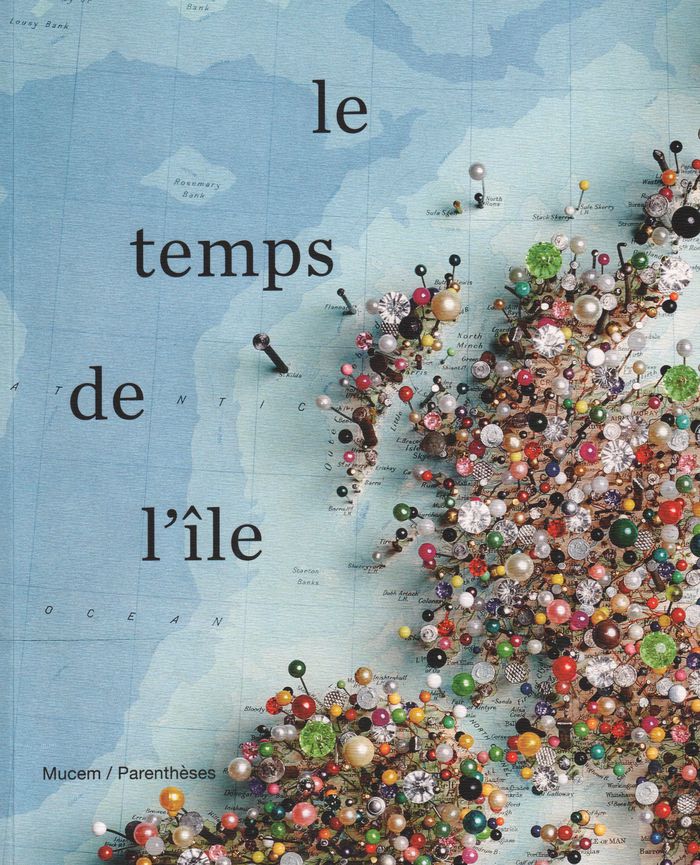
Le temps de l'île
Le temps de l'île
Actions:
Price:
$67.95
(available to order)
Summary:
Hommage aux îles dans les arts. En tant que lieu périphérique et marginal figurant l'autre et l'ailleurs, l'espace îlien interroge les savoirs, les sociétés, la philosophie, le cinéma, la poésie ou encore la politique.
$67.95
(available to order)
Summary:
Hommage aux îles dans les arts. En tant que lieu périphérique et marginal figurant l'autre et l'ailleurs, l'espace îlien interroge les savoirs, les sociétés, la philosophie, le cinéma, la poésie ou encore la politique.
Subject:
Architectural Plans and Cartography
Architectural Plans and Cartography
Publication:
August 2019
August 2019
Title:
Le temps de l'île
Actions:
Price:
$67.95
(available to order)
Summary:
Hommage aux îles dans les arts. En tant que lieu périphérique et marginal figurant l'autre et l'ailleurs, l'espace îlien interroge les savoirs, les sociétés, la philosophie, le cinéma, la poésie ou encore la politique.
Le temps de l'île
Actions:
Price:
$67.95
(available to order)
Summary:
Hommage aux îles dans les arts. En tant que lieu périphérique et marginal figurant l'autre et l'ailleurs, l'espace îlien interroge les savoirs, les sociétés, la philosophie, le cinéma, la poésie ou encore la politique.
Form:
books
books
Publication:
August 2019
August 2019
Subject:
Architectural Plans and Cartography
Architectural Plans and Cartography
Form:
books
books

Actions:
Price:
$85.00
(available to order)
Summary:
During a period of three years, Taiyo Onorato and Nico Krebs traveled several months through the United States, working "on the road" on the photo series "The great unreal". The photographic work deals with reality and the fabrication of reality. The geography of America serves as both setting and fertile ground for the examination. Mysticism and demystification are(...)
Title:
Taiyo Onorato: the great unreal
Actions:
Price:
$85.00
(available to order)
Summary:
During a period of three years, Taiyo Onorato and Nico Krebs traveled several months through the United States, working "on the road" on the photo series "The great unreal". The photographic work deals with reality and the fabrication of reality. The geography of America serves as both setting and fertile ground for the examination. Mysticism and demystification are important aspects in this process, as is working with a rich inventory of visual icons that can be continually deconstructed and manipulated. The working method of both photographers is based on interventions prescribed mostly by happenstance and change. Through repetition and associative placement, the sometimes crude, sometimes subtle interventions begin to link to one another, establishing an exciting transformation of reality that only hesitatingly reveals itself to the viewer.
Form:
books
books
Publication:
January 2015
January 2015
Subject:
Photography monographs
Photography monographs
Form:
books
books

Title:
Gordon Matta Clark's Conical Intersect: sculpture, space, and the cultural value of urban imagery
Gordon Matta Clark's Conical Intersect: sculpture, space, and the cultural value of urban imagery
Actions:
Price:
$86.50
(available in store)
Summary:
In this in-depth analysis, Peter Muir argues that Gordon Matta-Clark’s ''Conical Intersect'' (1975) is emblematic of Henri Lefebvre’s understanding of art’s function in relation to urban space. By engaging with Lefebvre’s theory in conjunction with the perspectives of other writers, such as Michel de Certeau, Jacques Derrida, and George Bataille, the book elicits a story(...)
Title:
Gordon Matta Clark's Conical Intersect: sculpture, space, and the cultural value of urban imagery
Actions:
Price:
$86.50
(available in store)
Summary:
In this in-depth analysis, Peter Muir argues that Gordon Matta-Clark’s ''Conical Intersect'' (1975) is emblematic of Henri Lefebvre’s understanding of art’s function in relation to urban space. By engaging with Lefebvre’s theory in conjunction with the perspectives of other writers, such as Michel de Certeau, Jacques Derrida, and George Bataille, the book elicits a story that presents the artwork’s significance, origins and legacies. ''Conical Intersect'' is a multi-media artwork, which involves the intersections of architecture, sculpture, film, and photography, as well as being a three-dimensional model that reflects aspects of urban, art, and architectural theory, along with a number of cultural and historiographic discourses which are still present and active. This book navigates these many complex narratives by using the central ’hole’ of ''Conical Intersect'' as its focal point.
Form:
books
books
Publication:
August 2016
August 2016
Subject:
Contemporary Art Monographs
Contemporary Art Monographs
Form:
books
books
Actions:
Price:
$71.95
(available to order)
Summary:
Films use architecture as visual shorthand to tell viewers everything they need to know about the characters in a short amount of time. Illustrated by a diverse range of films from different eras and cultures, this book investigates the reciprocity between film and architecture. Using a phenomenological approach, it describes how we, the viewers, can learn how to read(...)
Publication:
April 2018
April 2018
Title:
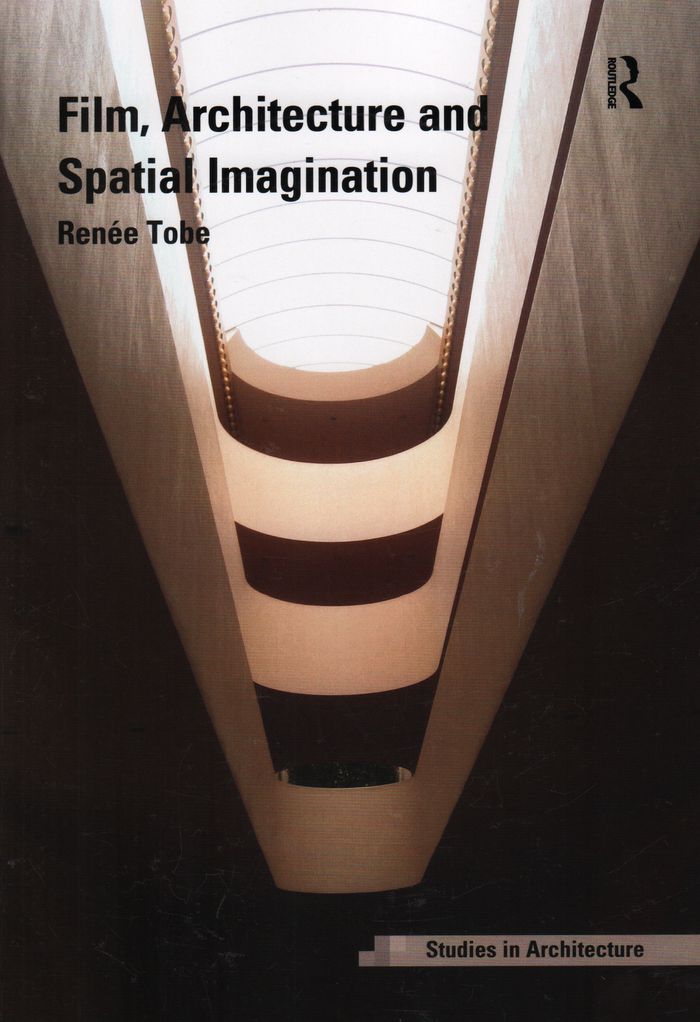
Film, architecture and spatial imagination
Actions:
Price:
$71.95
(available to order)
Summary:
Films use architecture as visual shorthand to tell viewers everything they need to know about the characters in a short amount of time. Illustrated by a diverse range of films from different eras and cultures, this book investigates the reciprocity between film and architecture. Using a phenomenological approach, it describes how we, the viewers, can learn how to read architecture and design in film in order to see the many inherent messages. Architecture’s representational capacity contributes to the plausibility or 'reality' possible in film. The book provides an ontological understanding that clarifies and stabilizes the reciprocity of the actual world and a filmic world of illusion and human imagination, thereby shedding light on both film and architecture.
Form:
books
books
Publication:
April 2018
April 2018
Form:
books
books
Title:
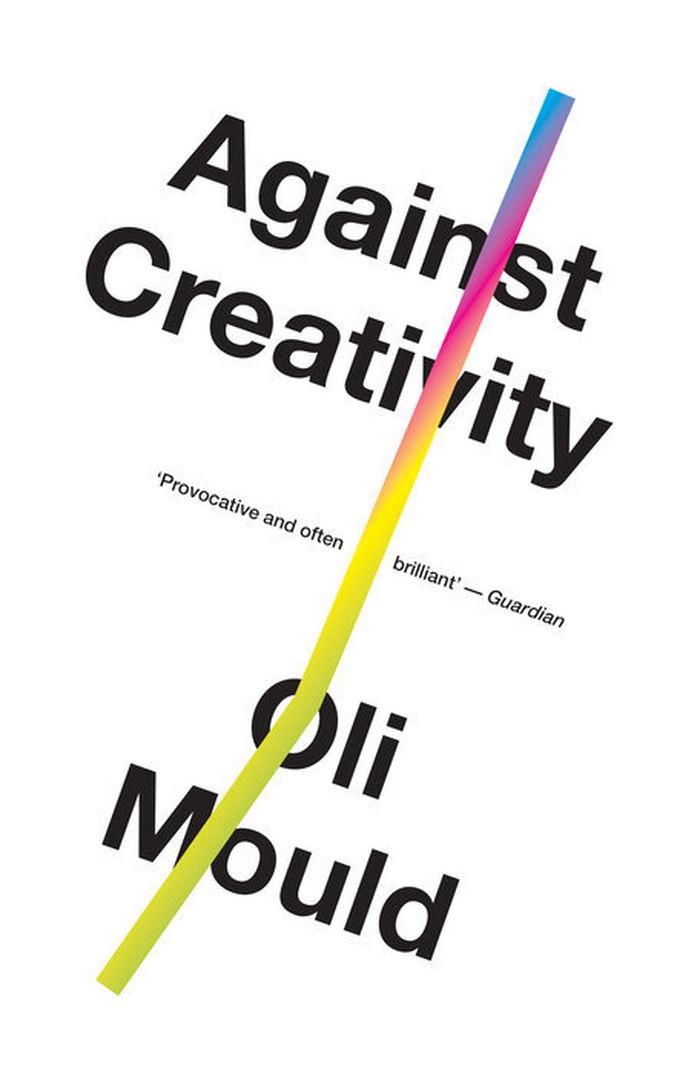
Against creativity
Against creativity
Actions:
Price:
$22.95
(available in store)
Summary:
Everything you have been told about creativity is wrong. From line managers, corporate CEOs, urban designers, teachers, politicians, mayors, advertisers and even our friends and family, the message is ‘be creative’. Creativity is heralded as the driving force of our contemporary society; celebrated as agile, progressive and liberating. It is the spring of the knowledge(...)
Title:
Against creativity
Actions:
Price:
$22.95
(available in store)
Summary:
Everything you have been told about creativity is wrong. From line managers, corporate CEOs, urban designers, teachers, politicians, mayors, advertisers and even our friends and family, the message is ‘be creative’. Creativity is heralded as the driving force of our contemporary society; celebrated as agile, progressive and liberating. It is the spring of the knowledge economy and shapes the cities we inhabit. It even defines our politics. What could possibly be wrong with this? In this brilliant, counter intuitive blast Oli Mould demands that we rethink the story we are being sold. Behind the novelty, he shows that creativity is a barely hidden form of neoliberal appropriation. It is a regime that prioritizes individual success over collective flourishing. It refuses to recognise anything – job, place, person – that is not profitable. And it impacts on everything around us: the places where we work, the way we are managed, how we spend our leisure time. Is there an alternative? Mould offers a radical redefinition of creativity, one embedded in the idea of collective flourishing, outside the tyranny of profit.
Form:
books
books
Publication:
March 2020
March 2020
Subject:
Critical Theory
Critical Theory
Form:
books
books
Price:
$25.95
(available to order)
Summary:
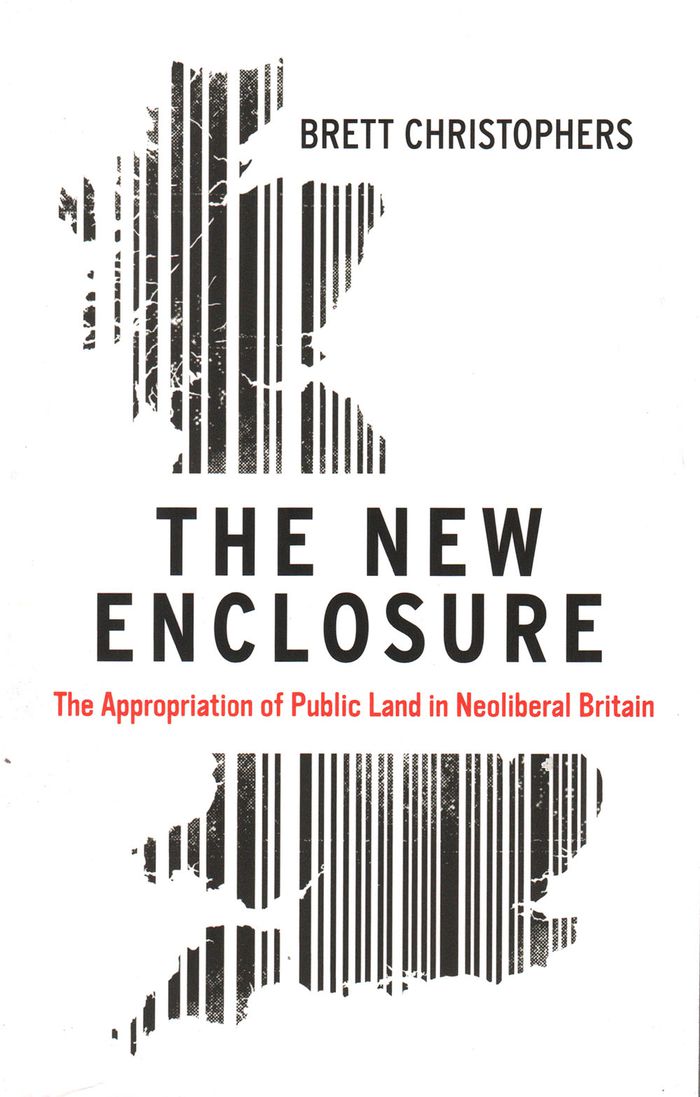
Much has been written about Britain's trailblazing post-1970s privatization program, but the biggest privatization of them all has until now escaped scrutiny: the privatization of land. Since Margaret Thatcher took power in 1979, and hidden from the public eye, about 10 per cent of the entire British land mass, including some of its most valuable real estate, has passed(...)
Title:
The new enclosure: the appropriation of public land in neoliberal Britain
Actions:
Price:
$25.95
(available to order)
Summary:
Much has been written about Britain's trailblazing post-1970s privatization program, but the biggest privatization of them all has until now escaped scrutiny: the privatization of land. Since Margaret Thatcher took power in 1979, and hidden from the public eye, about 10 per cent of the entire British land mass, including some of its most valuable real estate, has passed from public to private hands. Forest land, defence land, health service land and above all else local authority land- for farming and school sports, for recreation and housing - has been sold off en masse. Why? How? And with what social, economic and political consequences? “The New Enclosure” provides the first ever study of this profoundly significant phenomenon, situating it as a centrepiece of neoliberalism in Britain and as a successor programme to the original eighteenth-century enclosures. With more public land still slated for disposal, the book identifies the stakes and asks what, if anything, can and should be done.
Form:
books
books
Publication:
November 2019
November 2019
Subject:
Urban Landscapes
Urban Landscapes


