


13794 Results
Form:
books
books

Price:
$31.50
(available to order)
Summary:
The history and evolution of landownership in the history of civilization, offering unexpected insights about how various forms of democracy and capitalism developed, as well as a revealing analysis of a future where the Earth must sustain nine billion lives.
$31.50
(available to order)
Summary:
The history and evolution of landownership in the history of civilization, offering unexpected insights about how various forms of democracy and capitalism developed, as well as a revealing analysis of a future where the Earth must sustain nine billion lives.
Title:
Owning the earth : the transforming history of land ownership
Actions:
Price:
$31.50
(available to order)
Summary:
The history and evolution of landownership in the history of civilization, offering unexpected insights about how various forms of democracy and capitalism developed, as well as a revealing analysis of a future where the Earth must sustain nine billion lives.
Owning the earth : the transforming history of land ownership
Actions:
Price:
$31.50
(available to order)
Summary:
The history and evolution of landownership in the history of civilization, offering unexpected insights about how various forms of democracy and capitalism developed, as well as a revealing analysis of a future where the Earth must sustain nine billion lives.
Form:
books
books
Publication:
November 2013
November 2013
Subject:
Landscape Theory
Landscape Theory
Form:
books
books
Actions:
Price:
$18.00
(available to order)
Summary:
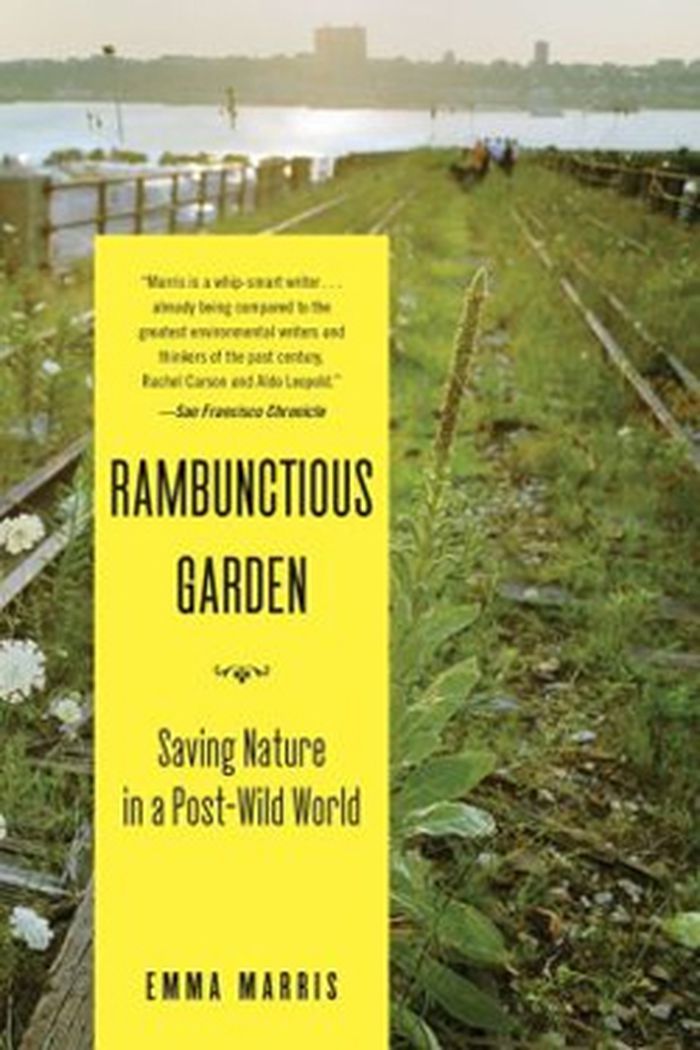
In Rambunctious Garden, Emma Marris describes innovative conservation approaches, including rewilding, assisted migration, and the embrace of so-called novel ecosystems, takes readers to meet leading scientists and environmentalists, and visits imaginary Edens, designer ecosystems, and Pleistocene parks.
$18.00
(available to order)
Summary:
In Rambunctious Garden, Emma Marris describes innovative conservation approaches, including rewilding, assisted migration, and the embrace of so-called novel ecosystems, takes readers to meet leading scientists and environmentalists, and visits imaginary Edens, designer ecosystems, and Pleistocene parks.
Title:
Rambunctious garden: saving nature in a post-wild world
Actions:
Price:
$18.00
(available to order)
Summary:
In Rambunctious Garden, Emma Marris describes innovative conservation approaches, including rewilding, assisted migration, and the embrace of so-called novel ecosystems, takes readers to meet leading scientists and environmentalists, and visits imaginary Edens, designer ecosystems, and Pleistocene parks.
Rambunctious garden: saving nature in a post-wild world
Actions:
Price:
$18.00
(available to order)
Summary:
In Rambunctious Garden, Emma Marris describes innovative conservation approaches, including rewilding, assisted migration, and the embrace of so-called novel ecosystems, takes readers to meet leading scientists and environmentalists, and visits imaginary Edens, designer ecosystems, and Pleistocene parks.
Form:
books
books
Publication:
August 2013
August 2013
Subject:
Landscape Theory
Landscape Theory
Form:
books
books
Actions:
Price:
$58.00
(available to order)
Summary:
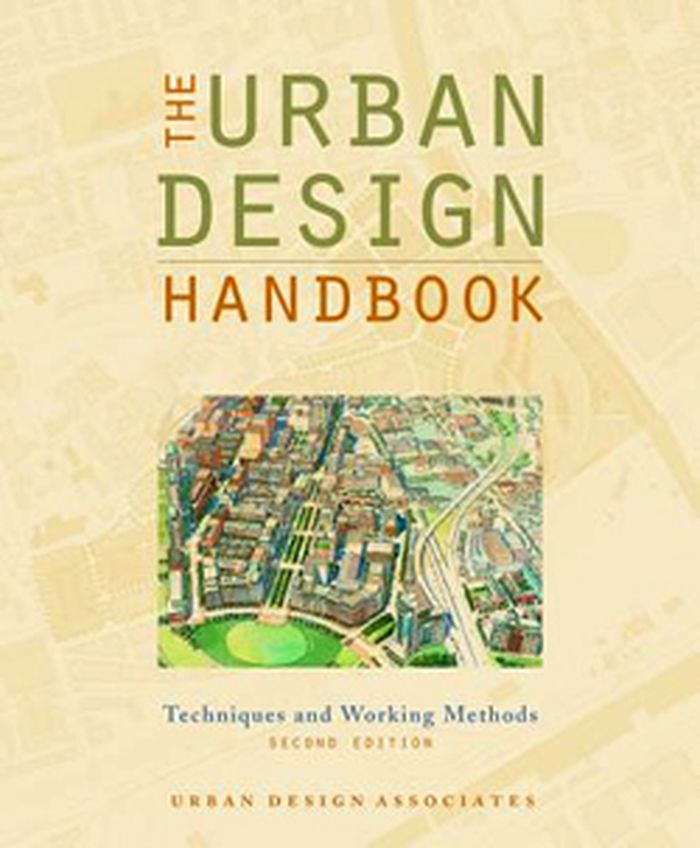
This handbook détails the techniques and working methods of a major urban design and architecture firm.
$58.00
(available to order)
Summary:
This handbook détails the techniques and working methods of a major urban design and architecture firm.
Title:
The urban design handbook : techniques and working methods
Actions:
Price:
$58.00
(available to order)
Summary:
This handbook détails the techniques and working methods of a major urban design and architecture firm.
The urban design handbook : techniques and working methods
Actions:
Price:
$58.00
(available to order)
Summary:
This handbook détails the techniques and working methods of a major urban design and architecture firm.
Form:
books
books
Publication:
September 2013
September 2013
Subject:
Urban Theory
Urban Theory
Form:
books
books

Actions:
Price:
$24.95
(available to order)
Summary:
The authors have trawled through two thousand years of literature for the most brilliant minds and engrossing reads. Structured like a reference book, The Novel Cure allows readers to simply look up their ailment, whether it be agoraphobia, boredom, or midlife crisis, then they are given the name of a novel to read as the antidote.
$24.95
(available to order)
Summary:
The authors have trawled through two thousand years of literature for the most brilliant minds and engrossing reads. Structured like a reference book, The Novel Cure allows readers to simply look up their ailment, whether it be agoraphobia, boredom, or midlife crisis, then they are given the name of a novel to read as the antidote.
Title:
The novel cure: an a-z of literary remedies
Actions:
Price:
$24.95
(available to order)
Summary:
The authors have trawled through two thousand years of literature for the most brilliant minds and engrossing reads. Structured like a reference book, The Novel Cure allows readers to simply look up their ailment, whether it be agoraphobia, boredom, or midlife crisis, then they are given the name of a novel to read as the antidote.
The novel cure: an a-z of literary remedies
Actions:
Price:
$24.95
(available to order)
Summary:
The authors have trawled through two thousand years of literature for the most brilliant minds and engrossing reads. Structured like a reference book, The Novel Cure allows readers to simply look up their ailment, whether it be agoraphobia, boredom, or midlife crisis, then they are given the name of a novel to read as the antidote.
Form:
books
books
Publication:
September 2013
September 2013
Subject:
Critical Theory
Critical Theory
Form:
books
books
Title:
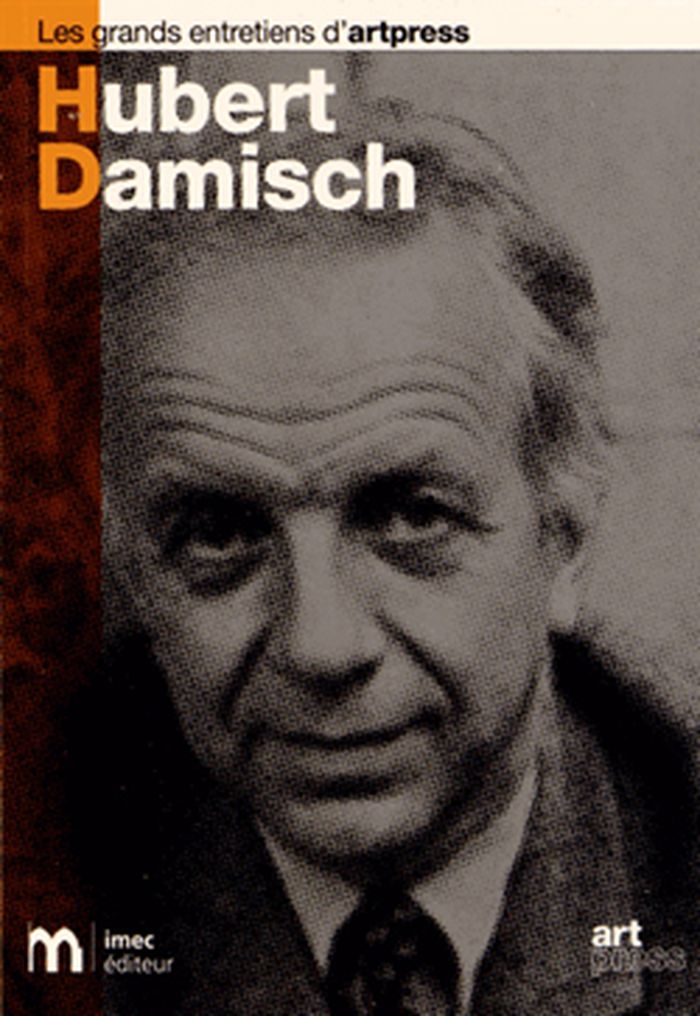
Hubert Damisch
Hubert Damisch
Actions:
Price:
$15.95
(available to order)
Summary:
Celui qui a marqué par son enseignement plusieurs générations d'historiens de l'art, auteur d'ouvrages qui ont profondément modifié la pensé sur l'art, tels que Théorie du nuage, Ruptures - Cultures, ou encore Fenêtre jaune cadmium, n'est - il pas un inclassable ?
$15.95
(available to order)
Summary:
Celui qui a marqué par son enseignement plusieurs générations d'historiens de l'art, auteur d'ouvrages qui ont profondément modifié la pensé sur l'art, tels que Théorie du nuage, Ruptures - Cultures, ou encore Fenêtre jaune cadmium, n'est - il pas un inclassable ?
Title:
Hubert Damisch
Actions:
Price:
$15.95
(available to order)
Summary:
Celui qui a marqué par son enseignement plusieurs générations d'historiens de l'art, auteur d'ouvrages qui ont profondément modifié la pensé sur l'art, tels que Théorie du nuage, Ruptures - Cultures, ou encore Fenêtre jaune cadmium, n'est - il pas un inclassable ?
Hubert Damisch
Actions:
Price:
$15.95
(available to order)
Summary:
Celui qui a marqué par son enseignement plusieurs générations d'historiens de l'art, auteur d'ouvrages qui ont profondément modifié la pensé sur l'art, tels que Théorie du nuage, Ruptures - Cultures, ou encore Fenêtre jaune cadmium, n'est - il pas un inclassable ?
Form:
books
books
Publication:
June 2013
June 2013
Subject:
Art Theory
Art Theory
Form:
books
books
Title:
Architecture et temps
Architecture et temps
Actions:
Price:
$33.00
(available to order)
Summary:
Un ensemble de contributions de diverses personnalités, issues des univers de l'architecture, de la philosophie, de l'anthropologie ou de l'art contemporain, sur la question du temps et de l'architecture, à travers les thèmes de la temporalité conceptualisée, de la temporalité au Japon, de la prise en compte du temps dans les projets architecturaux ou des temporalités(...)
$33.00
(available to order)
Summary:
Un ensemble de contributions de diverses personnalités, issues des univers de l'architecture, de la philosophie, de l'anthropologie ou de l'art contemporain, sur la question du temps et de l'architecture, à travers les thèmes de la temporalité conceptualisée, de la temporalité au Japon, de la prise en compte du temps dans les projets architecturaux ou des temporalités(...)
Title:
Architecture et temps
Actions:
Price:
$33.00
(available to order)
Summary:
Un ensemble de contributions de diverses personnalités, issues des univers de l'architecture, de la philosophie, de l'anthropologie ou de l'art contemporain, sur la question du temps et de l'architecture, à travers les thèmes de la temporalité conceptualisée, de la temporalité au Japon, de la prise en compte du temps dans les projets architecturaux ou des temporalités nouvelles de l'espace public.
Architecture et temps
Actions:
Price:
$33.00
(available to order)
Summary:
Un ensemble de contributions de diverses personnalités, issues des univers de l'architecture, de la philosophie, de l'anthropologie ou de l'art contemporain, sur la question du temps et de l'architecture, à travers les thèmes de la temporalité conceptualisée, de la temporalité au Japon, de la prise en compte du temps dans les projets architecturaux ou des temporalités nouvelles de l'espace public.
Form:
books
books
Publication:
December 2012
December 2012
Subject:
Architectural Theory
Architectural Theory
Form:
books
books
Title:
Marshall McLuhan
Marshall McLuhan
Actions:
Price:
$18.00
(available to order)
Summary:
The importance of Marshall McLuhan and his communication theories cannot be overstated, but his written works—dense, at times even daunting— are more often cited than read. Nonetheless, his predictions have been borne out: in the early 1960s, McLuhan wrote that visual, individualistic print culture would be replaced by what he called "electronic interdependence," creating(...)
$18.00
(available to order)
Summary:
The importance of Marshall McLuhan and his communication theories cannot be overstated, but his written works—dense, at times even daunting— are more often cited than read. Nonetheless, his predictions have been borne out: in the early 1960s, McLuhan wrote that visual, individualistic print culture would be replaced by what he called "electronic interdependence," creating(...)
Title:
Marshall McLuhan
Actions:
Price:
$18.00
(available to order)
Summary:
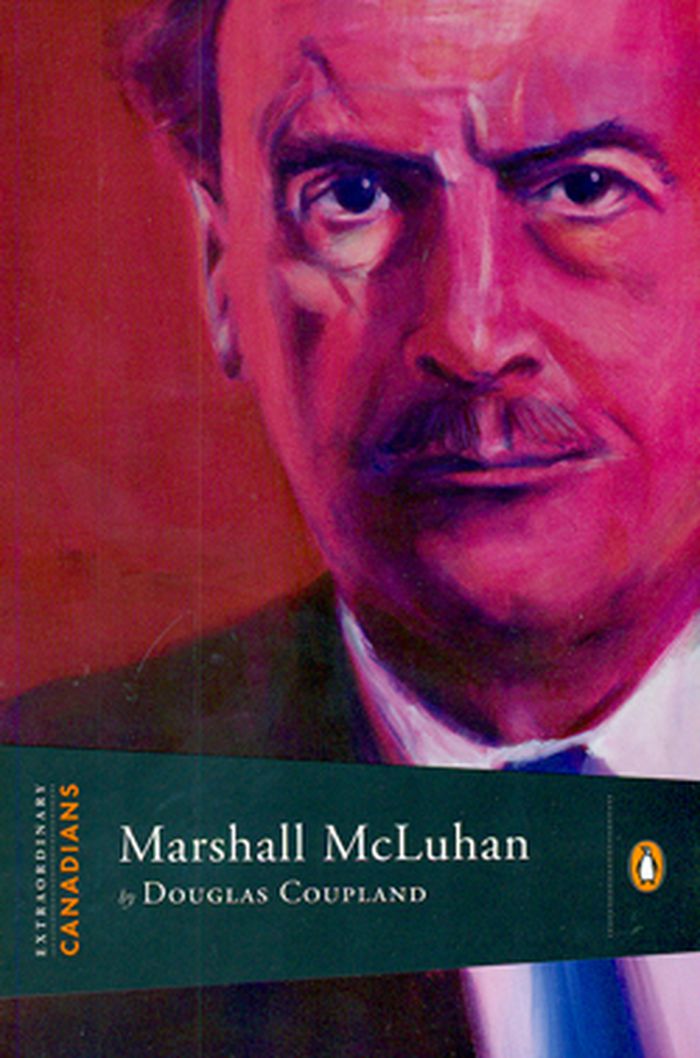
The importance of Marshall McLuhan and his communication theories cannot be overstated, but his written works—dense, at times even daunting— are more often cited than read. Nonetheless, his predictions have been borne out: in the early 1960s, McLuhan wrote that visual, individualistic print culture would be replaced by what he called "electronic interdependence," creating a new "global village" characterized by a collective identity with a tribal base. Novelist Douglas Coupland regards the celebrated academic as primarily an artist, a kind of performance artist offering profound but sometimes obscure insights into how technology was reshaping the world and its inhabitants. Coupland — prolific novelist, sculptor, visual artist, theatre performer — is a true child of McLuhan, whose body of work examines and often embodies McLuhan's famous aphorism that "the medium is the message."
Marshall McLuhan
Actions:
Price:
$18.00
(available to order)
Summary:
The importance of Marshall McLuhan and his communication theories cannot be overstated, but his written works—dense, at times even daunting— are more often cited than read. Nonetheless, his predictions have been borne out: in the early 1960s, McLuhan wrote that visual, individualistic print culture would be replaced by what he called "electronic interdependence," creating a new "global village" characterized by a collective identity with a tribal base. Novelist Douglas Coupland regards the celebrated academic as primarily an artist, a kind of performance artist offering profound but sometimes obscure insights into how technology was reshaping the world and its inhabitants. Coupland — prolific novelist, sculptor, visual artist, theatre performer — is a true child of McLuhan, whose body of work examines and often embodies McLuhan's famous aphorism that "the medium is the message."
Form:
books
books
Publication:
September 2013
September 2013
Subject:
Critical Theory
Critical Theory
Form:
books
books
Title:
Collage and architecture
Collage and architecture
Actions:
Price:
$81.50
(available to order)
Summary:
Author Jennifer Shields uses the artworks and built projects of leading artists and architects, such as Le Corbusier, Daniel Libeskind, and Teddy Cruz to illustrate the diversity of collage techniques. The six case study projects from Mexico, Argentina, Sweden, Norway, the United States, and Spain give you a global perspective of architecture as collage. Collage is an(...)
$81.50
(available to order)
Summary:
Author Jennifer Shields uses the artworks and built projects of leading artists and architects, such as Le Corbusier, Daniel Libeskind, and Teddy Cruz to illustrate the diversity of collage techniques. The six case study projects from Mexico, Argentina, Sweden, Norway, the United States, and Spain give you a global perspective of architecture as collage. Collage is an(...)
Title:
Collage and architecture
Actions:
Price:
$81.50
(available to order)
Summary:
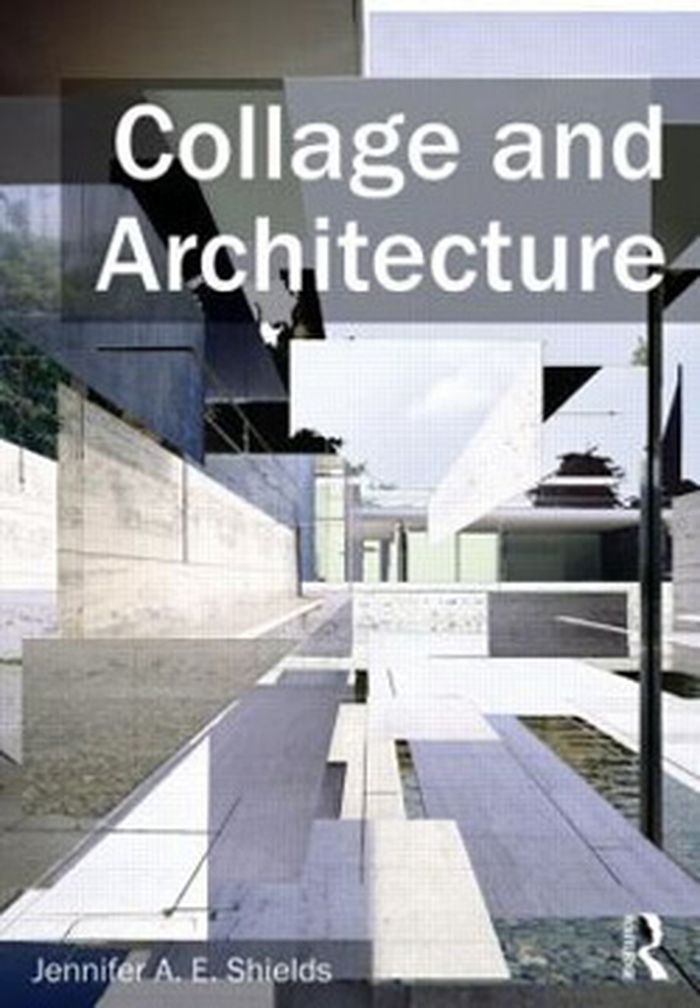
Author Jennifer Shields uses the artworks and built projects of leading artists and architects, such as Le Corbusier, Daniel Libeskind, and Teddy Cruz to illustrate the diversity of collage techniques. The six case study projects from Mexico, Argentina, Sweden, Norway, the United States, and Spain give you a global perspective of architecture as collage. Collage is an important instrument for analysis and design, and Shields’s presentation of this versatile medium draws on decades of relevance in art and architecture.
Collage and architecture
Actions:
Price:
$81.50
(available to order)
Summary:
Author Jennifer Shields uses the artworks and built projects of leading artists and architects, such as Le Corbusier, Daniel Libeskind, and Teddy Cruz to illustrate the diversity of collage techniques. The six case study projects from Mexico, Argentina, Sweden, Norway, the United States, and Spain give you a global perspective of architecture as collage. Collage is an important instrument for analysis and design, and Shields’s presentation of this versatile medium draws on decades of relevance in art and architecture.
Form:
books
books
Publication:
December 2013
December 2013
Subject:
Architectural Theory
Architectural Theory
Form:
books
books
Actions:
Price:
$41.50
(available to order)
Summary:
Author Joe Day shows how institutions of discipline and exhibition have replaced malls and office towers as the anchor tenants of U.S. cities. Prisons and museums, though diametrically opposed in terms of public engagement, class representation, and civic pride, are complementary structures, employing related spatial and visual tactics to secure and array problematic(...)
$41.50
(available to order)
Summary:
Author Joe Day shows how institutions of discipline and exhibition have replaced malls and office towers as the anchor tenants of U.S. cities. Prisons and museums, though diametrically opposed in terms of public engagement, class representation, and civic pride, are complementary structures, employing related spatial and visual tactics to secure and array problematic(...)
Title:
Corrections and collections: architecture for art and crime
Actions:
Price:
$41.50
(available to order)
Summary:
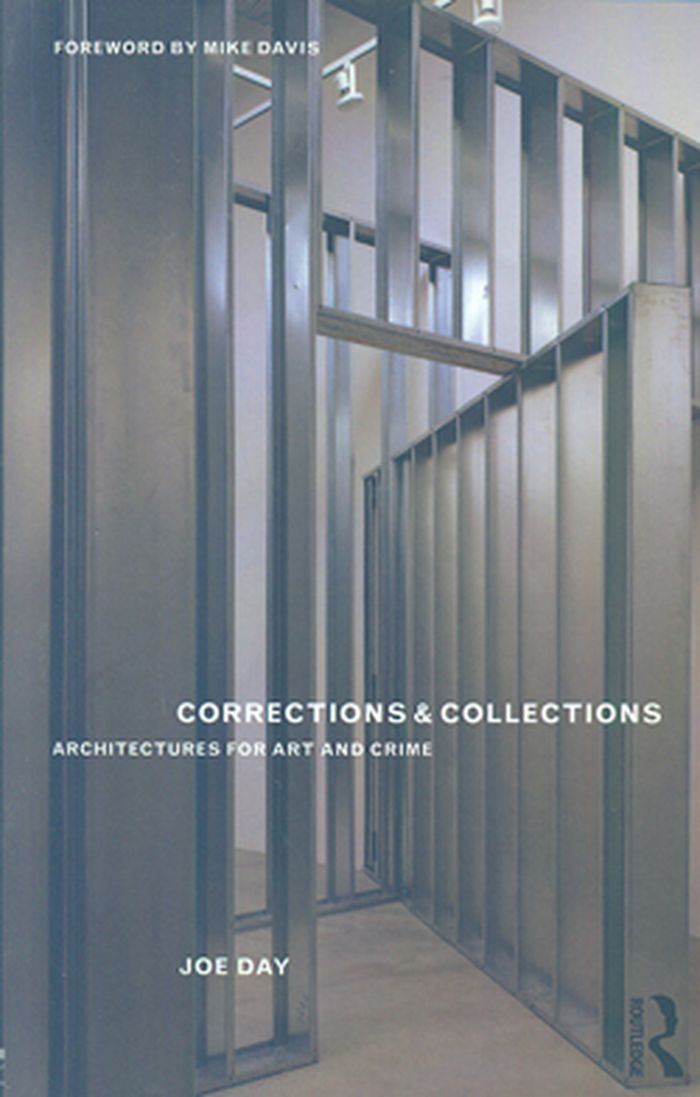
Author Joe Day shows how institutions of discipline and exhibition have replaced malls and office towers as the anchor tenants of U.S. cities. Prisons and museums, though diametrically opposed in terms of public engagement, class representation, and civic pride, are complementary structures, employing related spatial and visual tactics to secure and array problematic citizens or priceless treasures. Our recent demand for museums and prisons has encouraged architects to be innovative with their design, and experimental with their scale and distribution through our cities. Contemporary museums are the petri dishes of advanced architectural speculation; prisons remain the staging grounds for every new technology of constraint and oversight.
Corrections and collections: architecture for art and crime
Actions:
Price:
$41.50
(available to order)
Summary:
Author Joe Day shows how institutions of discipline and exhibition have replaced malls and office towers as the anchor tenants of U.S. cities. Prisons and museums, though diametrically opposed in terms of public engagement, class representation, and civic pride, are complementary structures, employing related spatial and visual tactics to secure and array problematic citizens or priceless treasures. Our recent demand for museums and prisons has encouraged architects to be innovative with their design, and experimental with their scale and distribution through our cities. Contemporary museums are the petri dishes of advanced architectural speculation; prisons remain the staging grounds for every new technology of constraint and oversight.
Form:
books
books
Publication:
June 2013
June 2013
Subject:
Architectural Theory
Architectural Theory
Form:
books
books
Price:
$34.95
(available to order)
Summary:
The Cheese and the Worms is an incisive study of popular culture in the sixteenth century as seen through the eyes of one man, the miller known as Menocchio, who was accused of heresy during the Inquisition and sentenced to death. Carlo Ginzburg uses the trial records to illustrate the confusing political and religious conditions of the time.
$34.95
(available to order)
Summary:
The Cheese and the Worms is an incisive study of popular culture in the sixteenth century as seen through the eyes of one man, the miller known as Menocchio, who was accused of heresy during the Inquisition and sentenced to death. Carlo Ginzburg uses the trial records to illustrate the confusing political and religious conditions of the time.
Title:
The cheese and the worms: the cosmos of a sixteenth-century miller
Actions:
Price:
$34.95
(available to order)
Summary:
The Cheese and the Worms is an incisive study of popular culture in the sixteenth century as seen through the eyes of one man, the miller known as Menocchio, who was accused of heresy during the Inquisition and sentenced to death. Carlo Ginzburg uses the trial records to illustrate the confusing political and religious conditions of the time.
The cheese and the worms: the cosmos of a sixteenth-century miller
Actions:
Price:
$34.95
(available to order)
Summary:
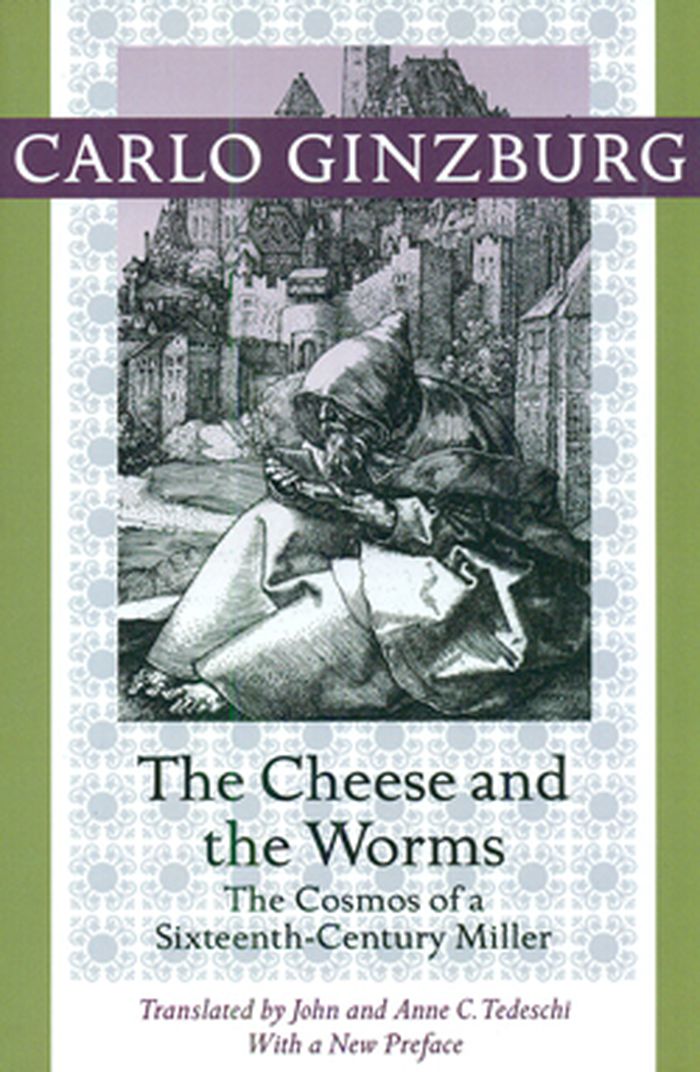
The Cheese and the Worms is an incisive study of popular culture in the sixteenth century as seen through the eyes of one man, the miller known as Menocchio, who was accused of heresy during the Inquisition and sentenced to death. Carlo Ginzburg uses the trial records to illustrate the confusing political and religious conditions of the time.
Form:
books
books
Publication:
October 2013
October 2013
Subject:
Critical Theory
Critical Theory


