


4405 Results
Level of archival description:
Project
Project
Title:
Bar "le Business"
Bar "le Business"
Reference number:
AP066.S2.D14
Description:
Le dossier documente l'aménagement intérieur (conception et réalisation) du bar "Le Business", situé au 3500 boul. St-Laurent, à Montréal, Québec. Le budget aloué pour ce projet était de 450 000$. Aussi, le projet s'est mérité le Prix d'excellence de l'OAQ, Mention en architecture, en 1986. Le dossier contient des dessins, des photographies, des reprographies, des documents textuels et des documents photographiques. Description du projet par l'architecte: "Le bar sera le projet de la transformation d'un espace brut au rez-de-chaussée d'un bâtiment industriel construit au centre-ville de Montréal. Il sera un bar pour danser où auront lieu des événements spectaculaires de toutes sortes. À ce programme concret, un projet thématique fait écho: la ville et l'industrie, le bar et le théâtre seront des clés structurantes auxquelles le processus de conception sera lié. Certaines indications du programme révèlent des aspects recherchés qui caractérisent ces thème." Jacques Rousseau, 66-B014-015T.
AP066.S2.D14
Description:
Le dossier documente l'aménagement intérieur (conception et réalisation) du bar "Le Business", situé au 3500 boul. St-Laurent, à Montréal, Québec. Le budget aloué pour ce projet était de 450 000$. Aussi, le projet s'est mérité le Prix d'excellence de l'OAQ, Mention en architecture, en 1986. Le dossier contient des dessins, des photographies, des reprographies, des documents textuels et des documents photographiques. Description du projet par l'architecte: "Le bar sera le projet de la transformation d'un espace brut au rez-de-chaussée d'un bâtiment industriel construit au centre-ville de Montréal. Il sera un bar pour danser où auront lieu des événements spectaculaires de toutes sortes. À ce programme concret, un projet thématique fait écho: la ville et l'industrie, le bar et le théâtre seront des clés structurantes auxquelles le processus de conception sera lié. Certaines indications du programme révèlent des aspects recherchés qui caractérisent ces thème." Jacques Rousseau, 66-B014-015T.
People:
Date:
1985-1987
1985-1987
Title:
Bar "le Business"
Actions:
AP066.S2.D14
Description:
Le dossier documente l'aménagement intérieur (conception et réalisation) du bar "Le Business", situé au 3500 boul. St-Laurent, à Montréal, Québec. Le budget aloué pour ce projet était de 450 000$. Aussi, le projet s'est mérité le Prix d'excellence de l'OAQ, Mention en architecture, en 1986. Le dossier contient des dessins, des photographies, des reprographies, des documents textuels et des documents photographiques. Description du projet par l'architecte: "Le bar sera le projet de la transformation d'un espace brut au rez-de-chaussée d'un bâtiment industriel construit au centre-ville de Montréal. Il sera un bar pour danser où auront lieu des événements spectaculaires de toutes sortes. À ce programme concret, un projet thématique fait écho: la ville et l'industrie, le bar et le théâtre seront des clés structurantes auxquelles le processus de conception sera lié. Certaines indications du programme révèlent des aspects recherchés qui caractérisent ces thème." Jacques Rousseau, 66-B014-015T.
Bar "le Business"
Actions:
AP066.S2.D14
Description:
Le dossier documente l'aménagement intérieur (conception et réalisation) du bar "Le Business", situé au 3500 boul. St-Laurent, à Montréal, Québec. Le budget aloué pour ce projet était de 450 000$. Aussi, le projet s'est mérité le Prix d'excellence de l'OAQ, Mention en architecture, en 1986. Le dossier contient des dessins, des photographies, des reprographies, des documents textuels et des documents photographiques. Description du projet par l'architecte: "Le bar sera le projet de la transformation d'un espace brut au rez-de-chaussée d'un bâtiment industriel construit au centre-ville de Montréal. Il sera un bar pour danser où auront lieu des événements spectaculaires de toutes sortes. À ce programme concret, un projet thématique fait écho: la ville et l'industrie, le bar et le théâtre seront des clés structurantes auxquelles le processus de conception sera lié. Certaines indications du programme révèlent des aspects recherchés qui caractérisent ces thème." Jacques Rousseau, 66-B014-015T.
Level of archival description:
Projet
Projet
Date:
1985-1987
1985-1987
People:
Form:
events
events
Actions:
Description:
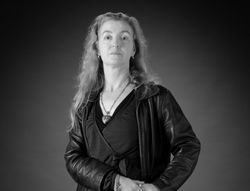
Rebecca Solnit, 2008 CCA Mellon Senior Fellow, is an independent writer, historian, and activist with a particular interest in geography, landscape, slowness, insurrection, photography, indirect routes and subjects that escape category. She lives in San Francisco, has received various awards, including the Lannan, a Guggenheim, and the Western Writers of America Spur(...)
Rebecca Solnit, 2008 CCA Mellon Senior Fellow, is an independent writer, historian, and activist with a particular interest in geography, landscape, slowness, insurrection, photography, indirect routes and subjects that escape category. She lives in San Francisco, has received various awards, including the Lannan, a Guggenheim, and the Western Writers of America Spur(...)
Date:
9 October 2008
9 October 2008
Title:
Rebecca Solnit: The Ruins of Hope, Hope in the Ruins
Actions:
Description:
Rebecca Solnit, 2008 CCA Mellon Senior Fellow, is an independent writer, historian, and activist with a particular interest in geography, landscape, slowness, insurrection, photography, indirect routes and subjects that escape category. She lives in San Francisco, has received various awards, including the Lannan, a Guggenheim, and the Western Writers of America Spur(...)
Rebecca Solnit: The Ruins of Hope, Hope in the Ruins
Actions:
Description:
Rebecca Solnit, 2008 CCA Mellon Senior Fellow, is an independent writer, historian, and activist with a particular interest in geography, landscape, slowness, insurrection, photography, indirect routes and subjects that escape category. She lives in San Francisco, has received various awards, including the Lannan, a Guggenheim, and the Western Writers of America Spur(...)
Form:
events
events
Date:
9 October 2008
9 October 2008
Form:
events
events
Title:
The Unschool
The Unschool
Actions:
Description:
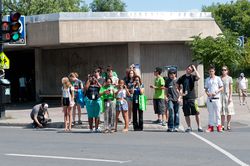
What could a school be? For a week over summer 2012, students of The Unschool explored the spaces in and around schools and pushed the limits of the camera as a social instrument with guest curator Monica Nouwens. Participants compared how people live in schools and cities, and how design can encourage and limit behaviours, relationships, and activities. “Could(...)
What could a school be? For a week over summer 2012, students of The Unschool explored the spaces in and around schools and pushed the limits of the camera as a social instrument with guest curator Monica Nouwens. Participants compared how people live in schools and cities, and how design can encourage and limit behaviours, relationships, and activities. “Could(...)
Date:
30 July 2012 to 3 August 2012
30 July 2012 to 3 August 2012
Title:
The Unschool
Actions:
Description:
What could a school be? For a week over summer 2012, students of The Unschool explored the spaces in and around schools and pushed the limits of the camera as a social instrument with guest curator Monica Nouwens. Participants compared how people live in schools and cities, and how design can encourage and limit behaviours, relationships, and activities. “Could(...)
The Unschool
Actions:
Description:
What could a school be? For a week over summer 2012, students of The Unschool explored the spaces in and around schools and pushed the limits of the camera as a social instrument with guest curator Monica Nouwens. Participants compared how people live in schools and cities, and how design can encourage and limit behaviours, relationships, and activities. “Could(...)
Form:
events
events
Date:
30 July 2012 to
3 August 2012
30 July 2012 to
3 August 2012
Form:
exhibitions
exhibitions
Actions:
Description:
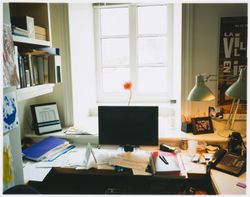
When the Canadian Centre for Architecture building was conceived and designed as an addition to the nineteenth-century Shaughnessy House, it also became an addition to the CCA’s extensive collection. Accordingly, the inaugural exhibitions in the new building in 1989 included a display on the Building and Gardens. The CCA, which plays an influential role in furthering(...)
When the Canadian Centre for Architecture building was conceived and designed as an addition to the nineteenth-century Shaughnessy House, it also became an addition to the CCA’s extensive collection. Accordingly, the inaugural exhibitions in the new building in 1989 included a display on the Building and Gardens. The CCA, which plays an influential role in furthering(...)
Location:
Hall cases
Hall cases
Date:
22 April 2015 to 30 November 2015
22 April 2015 to 30 November 2015
Title:
The CCA in Photographs, 1987–2015
Actions:
Description:
When the Canadian Centre for Architecture building was conceived and designed as an addition to the nineteenth-century Shaughnessy House, it also became an addition to the CCA’s extensive collection. Accordingly, the inaugural exhibitions in the new building in 1989 included a display on the Building and Gardens. The CCA, which plays an influential role in furthering(...)
The CCA in Photographs, 1987–2015
Actions:
Description:
When the Canadian Centre for Architecture building was conceived and designed as an addition to the nineteenth-century Shaughnessy House, it also became an addition to the CCA’s extensive collection. Accordingly, the inaugural exhibitions in the new building in 1989 included a display on the Building and Gardens. The CCA, which plays an influential role in furthering(...)
Form:
exhibitions
exhibitions
Date:
22 April 2015 to
30 November 2015
22 April 2015 to
30 November 2015
Location:
Hall cases
Hall cases
Level of archival description:
Series
Series
Title:
Projets et réalisations
Projets et réalisations
Reference number:
AP001.S6
Description:
Cette série plus de 100 de ses projets architecturaux au Canada et aux États-Unis, soit de façon autonome ou en collaboration, entre 1914 et 1965. Quand il revint s'établir à Montréal, Cormier commença sa pratique privée comme architecte qui prit fin à l'occasion de sa retraite en 1973. Il fut au début un concessionnaire pour le Système Monnoyer, constructeurs industriels et il était co-directeur du Vapour Processes Limited avec Robert A. Rankin. Les projets sont présentés en ordre chronologique accompagnés des dates des documents (voir l'instrument de recherche). La série comprend des croquis, des dessins de développement, de conception, d'exécution, de présentation, d'atelier et d'arpentage et des aquarelles et des tableaux. La série comprend aussi des documents textuels (correspondance, passation des marchés, administration des marchés, documents de construction, certificats de paiement, notes d'honoraires, de la documentation) des dessins et des photographies.
AP001.S6
Description:
Cette série plus de 100 de ses projets architecturaux au Canada et aux États-Unis, soit de façon autonome ou en collaboration, entre 1914 et 1965. Quand il revint s'établir à Montréal, Cormier commença sa pratique privée comme architecte qui prit fin à l'occasion de sa retraite en 1973. Il fut au début un concessionnaire pour le Système Monnoyer, constructeurs industriels et il était co-directeur du Vapour Processes Limited avec Robert A. Rankin. Les projets sont présentés en ordre chronologique accompagnés des dates des documents (voir l'instrument de recherche). La série comprend des croquis, des dessins de développement, de conception, d'exécution, de présentation, d'atelier et d'arpentage et des aquarelles et des tableaux. La série comprend aussi des documents textuels (correspondance, passation des marchés, administration des marchés, documents de construction, certificats de paiement, notes d'honoraires, de la documentation) des dessins et des photographies.
People:
Date:
non daté, 1902, 1914-1980
non daté, 1902, 1914-1980
Title:
Projets et réalisations
Actions:
AP001.S6
Description:
Cette série plus de 100 de ses projets architecturaux au Canada et aux États-Unis, soit de façon autonome ou en collaboration, entre 1914 et 1965. Quand il revint s'établir à Montréal, Cormier commença sa pratique privée comme architecte qui prit fin à l'occasion de sa retraite en 1973. Il fut au début un concessionnaire pour le Système Monnoyer, constructeurs industriels et il était co-directeur du Vapour Processes Limited avec Robert A. Rankin. Les projets sont présentés en ordre chronologique accompagnés des dates des documents (voir l'instrument de recherche). La série comprend des croquis, des dessins de développement, de conception, d'exécution, de présentation, d'atelier et d'arpentage et des aquarelles et des tableaux. La série comprend aussi des documents textuels (correspondance, passation des marchés, administration des marchés, documents de construction, certificats de paiement, notes d'honoraires, de la documentation) des dessins et des photographies.
Projets et réalisations
Actions:
AP001.S6
Description:
Cette série plus de 100 de ses projets architecturaux au Canada et aux États-Unis, soit de façon autonome ou en collaboration, entre 1914 et 1965. Quand il revint s'établir à Montréal, Cormier commença sa pratique privée comme architecte qui prit fin à l'occasion de sa retraite en 1973. Il fut au début un concessionnaire pour le Système Monnoyer, constructeurs industriels et il était co-directeur du Vapour Processes Limited avec Robert A. Rankin. Les projets sont présentés en ordre chronologique accompagnés des dates des documents (voir l'instrument de recherche). La série comprend des croquis, des dessins de développement, de conception, d'exécution, de présentation, d'atelier et d'arpentage et des aquarelles et des tableaux. La série comprend aussi des documents textuels (correspondance, passation des marchés, administration des marchés, documents de construction, certificats de paiement, notes d'honoraires, de la documentation) des dessins et des photographies.
Level of archival description:
Série
Série
Date:
non daté, 1902, 1914-1980
non daté, 1902, 1914-1980
People:
Form:
exhibitions
exhibitions
Title:
Arrivals
Arrivals
Actions:
Description:
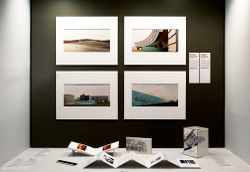
Arrivals features gifts to the collection received in honour of Phyllis Lambert’s eightieth birthday. It includes original prints by acclaimed photographers and artists experimenting with the language of photography: Dieter Appelt, Robert Burley, Edward Burtynsky, Giovanni Chiaramonte, Thomas Florschuetz, John Gossage, Guido Guidi, Gordon Matta-Clark (donated by Jane(...)
Arrivals features gifts to the collection received in honour of Phyllis Lambert’s eightieth birthday. It includes original prints by acclaimed photographers and artists experimenting with the language of photography: Dieter Appelt, Robert Burley, Edward Burtynsky, Giovanni Chiaramonte, Thomas Florschuetz, John Gossage, Guido Guidi, Gordon Matta-Clark (donated by Jane(...)
Location:
Hall cases
Hall cases
Date:
24 January 2008 to 23 March 2008
24 January 2008 to 23 March 2008
Title:
Arrivals
Actions:
Description:
Arrivals features gifts to the collection received in honour of Phyllis Lambert’s eightieth birthday. It includes original prints by acclaimed photographers and artists experimenting with the language of photography: Dieter Appelt, Robert Burley, Edward Burtynsky, Giovanni Chiaramonte, Thomas Florschuetz, John Gossage, Guido Guidi, Gordon Matta-Clark (donated by Jane(...)
Arrivals
Actions:
Description:
Arrivals features gifts to the collection received in honour of Phyllis Lambert’s eightieth birthday. It includes original prints by acclaimed photographers and artists experimenting with the language of photography: Dieter Appelt, Robert Burley, Edward Burtynsky, Giovanni Chiaramonte, Thomas Florschuetz, John Gossage, Guido Guidi, Gordon Matta-Clark (donated by Jane(...)
Form:
exhibitions
exhibitions
Date:
24 January 2008 to
23 March 2008
24 January 2008 to
23 March 2008
Location:
Hall cases
Hall cases
Form:
archives
Level of archival description:
Fonds
archives
Level of archival description:
Fonds
Title:
Roger D’Astous fonds
Roger D’Astous fonds
Reference number:
AP060
Synopsis:
Le fonds témoigne des activités personnelles et professionnelles de Roger D'Astous, de sa carrière d'architecte et de sa contribution à l'architecture québécoise. Il nous renseigne sur sa formation académique à l'École des Beaux-Arts de Montréal, sur son séjour en tant qu'apprenti à l'atelier de Frank Lloyd Wright à Taliesin (Arizona et Wisconsin), ainsi que sur sa pratique professionnelle en tant qu'architecte. Ces projets professionnels sont principalement concentrés au Québec, à Montréal, en Montérégie, dans les Laurentides, à Laval, ainsi qu'en Ontario (dont à Brockville et à Kingston). Le fonds contient, entre autres, 4 100 dessins d’architecture, 2 581 documents photographiques, 7 maquettes et 1,23 m.l. de documents textuels.
AP060
Synopsis:
Le fonds témoigne des activités personnelles et professionnelles de Roger D'Astous, de sa carrière d'architecte et de sa contribution à l'architecture québécoise. Il nous renseigne sur sa formation académique à l'École des Beaux-Arts de Montréal, sur son séjour en tant qu'apprenti à l'atelier de Frank Lloyd Wright à Taliesin (Arizona et Wisconsin), ainsi que sur sa pratique professionnelle en tant qu'architecte. Ces projets professionnels sont principalement concentrés au Québec, à Montréal, en Montérégie, dans les Laurentides, à Laval, ainsi qu'en Ontario (dont à Brockville et à Kingston). Le fonds contient, entre autres, 4 100 dessins d’architecture, 2 581 documents photographiques, 7 maquettes et 1,23 m.l. de documents textuels.
People:
Date:
1893-1998, surtout 1951-1998
1893-1998, surtout 1951-1998
Title:
Roger D’Astous fonds
Actions:
AP060
Synopsis:
Le fonds témoigne des activités personnelles et professionnelles de Roger D'Astous, de sa carrière d'architecte et de sa contribution à l'architecture québécoise. Il nous renseigne sur sa formation académique à l'École des Beaux-Arts de Montréal, sur son séjour en tant qu'apprenti à l'atelier de Frank Lloyd Wright à Taliesin (Arizona et Wisconsin), ainsi que sur sa pratique professionnelle en tant qu'architecte. Ces projets professionnels sont principalement concentrés au Québec, à Montréal, en Montérégie, dans les Laurentides, à Laval, ainsi qu'en Ontario (dont à Brockville et à Kingston). Le fonds contient, entre autres, 4 100 dessins d’architecture, 2 581 documents photographiques, 7 maquettes et 1,23 m.l. de documents textuels.
Roger D’Astous fonds
Actions:
AP060
Synopsis:
Le fonds témoigne des activités personnelles et professionnelles de Roger D'Astous, de sa carrière d'architecte et de sa contribution à l'architecture québécoise. Il nous renseigne sur sa formation académique à l'École des Beaux-Arts de Montréal, sur son séjour en tant qu'apprenti à l'atelier de Frank Lloyd Wright à Taliesin (Arizona et Wisconsin), ainsi que sur sa pratique professionnelle en tant qu'architecte. Ces projets professionnels sont principalement concentrés au Québec, à Montréal, en Montérégie, dans les Laurentides, à Laval, ainsi qu'en Ontario (dont à Brockville et à Kingston). Le fonds contient, entre autres, 4 100 dessins d’architecture, 2 581 documents photographiques, 7 maquettes et 1,23 m.l. de documents textuels.
Form:
archives
Level of archival description:
Fonds
archives
Level of archival description:
Fonds
Date:
1893-1998, surtout 1951-1998
1893-1998, surtout 1951-1998
People:
Form:
events
events
Title:
Bas Princen: Volcano Walks
Bas Princen: Volcano Walks
Actions:
Description:
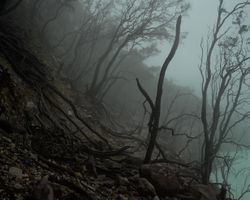
In this artist’s talk, Bas Princen will discuss the current status of the 17 Volcanoes project and explore the resonances between the works of Franz Wilhelm Junghuhn, works by early-twentieth-century Dutch photographers in Java (like van Nieuwenhuis), and his own practice. Although discovering new places seems impossible today, the talk takes as a point of departure the(...)
In this artist’s talk, Bas Princen will discuss the current status of the 17 Volcanoes project and explore the resonances between the works of Franz Wilhelm Junghuhn, works by early-twentieth-century Dutch photographers in Java (like van Nieuwenhuis), and his own practice. Although discovering new places seems impossible today, the talk takes as a point of departure the(...)
Date:
15 October 2016, 3pm
15 October 2016, 3pm
Title:
Bas Princen: Volcano Walks
Actions:
Description:
In this artist’s talk, Bas Princen will discuss the current status of the 17 Volcanoes project and explore the resonances between the works of Franz Wilhelm Junghuhn, works by early-twentieth-century Dutch photographers in Java (like van Nieuwenhuis), and his own practice. Although discovering new places seems impossible today, the talk takes as a point of departure the(...)
Bas Princen: Volcano Walks
Actions:
Description:
In this artist’s talk, Bas Princen will discuss the current status of the 17 Volcanoes project and explore the resonances between the works of Franz Wilhelm Junghuhn, works by early-twentieth-century Dutch photographers in Java (like van Nieuwenhuis), and his own practice. Although discovering new places seems impossible today, the talk takes as a point of departure the(...)
Form:
events
events
Date:
15 October 2016
3pm
15 October 2016
3pm
Level of archival description:
Series
Series
Reference number:
AP115.S2
Description:
Cette série porte sur le travail de documentation photographique de Robert Duchesnay du dôme géodésique du pavilon des États-Unis à l'exposition universelle de 1967 (Expo 67) à Montréal, au Québec. Le dôme, conçu par Buckminster Fuller, mesure 249 pieds de diamètre et 200 pieds de hauteur. Un incendie en 1976 détruit de revêtement de polymère du dôme et ne laisse que la structure en acier. En 1990, la structure est intégrée à l'aménagement du bâtiment d'un musée du l'environnement et les enjeux socio-environnementaux contemporains, la Biosphère. La série contient une sélection d'images de la série intitulée Dome Project élaborée entre 1983 et 1992. Cette série, qui compte 25 photographies, montre le pavillon des États-Unis sous différents angles, depuis l'extérieur et l'intérieur de la structure, ainsi que plusieurs détails architecturaux. La série nous renseigne sur l'état de l'édifice après l'incendie de 1976 et avant qu'il ne soit restauré entre 1993 et 1995 pour devenir la Biosphère; elle nous renseigne aussi sur la pratique artistique de Robert Duchesnay alors que sa principale préoccupation consistait à documenter l'état de ruines du pavillion des États-Unis, afin de sensibiliser l'opinion publique du danger qui menaçait l'édifice de disparaître.
AP115.S2
Description:
Cette série porte sur le travail de documentation photographique de Robert Duchesnay du dôme géodésique du pavilon des États-Unis à l'exposition universelle de 1967 (Expo 67) à Montréal, au Québec. Le dôme, conçu par Buckminster Fuller, mesure 249 pieds de diamètre et 200 pieds de hauteur. Un incendie en 1976 détruit de revêtement de polymère du dôme et ne laisse que la structure en acier. En 1990, la structure est intégrée à l'aménagement du bâtiment d'un musée du l'environnement et les enjeux socio-environnementaux contemporains, la Biosphère. La série contient une sélection d'images de la série intitulée Dome Project élaborée entre 1983 et 1992. Cette série, qui compte 25 photographies, montre le pavillon des États-Unis sous différents angles, depuis l'extérieur et l'intérieur de la structure, ainsi que plusieurs détails architecturaux. La série nous renseigne sur l'état de l'édifice après l'incendie de 1976 et avant qu'il ne soit restauré entre 1993 et 1995 pour devenir la Biosphère; elle nous renseigne aussi sur la pratique artistique de Robert Duchesnay alors que sa principale préoccupation consistait à documenter l'état de ruines du pavillion des États-Unis, afin de sensibiliser l'opinion publique du danger qui menaçait l'édifice de disparaître.
People:
Date:
circa 1884-1990
circa 1884-1990
Title:
Pavillon des États-Unis, Expo 67, Montréal, Québec
Actions:
AP115.S2
Description:
Cette série porte sur le travail de documentation photographique de Robert Duchesnay du dôme géodésique du pavilon des États-Unis à l'exposition universelle de 1967 (Expo 67) à Montréal, au Québec. Le dôme, conçu par Buckminster Fuller, mesure 249 pieds de diamètre et 200 pieds de hauteur. Un incendie en 1976 détruit de revêtement de polymère du dôme et ne laisse que la structure en acier. En 1990, la structure est intégrée à l'aménagement du bâtiment d'un musée du l'environnement et les enjeux socio-environnementaux contemporains, la Biosphère. La série contient une sélection d'images de la série intitulée Dome Project élaborée entre 1983 et 1992. Cette série, qui compte 25 photographies, montre le pavillon des États-Unis sous différents angles, depuis l'extérieur et l'intérieur de la structure, ainsi que plusieurs détails architecturaux. La série nous renseigne sur l'état de l'édifice après l'incendie de 1976 et avant qu'il ne soit restauré entre 1993 et 1995 pour devenir la Biosphère; elle nous renseigne aussi sur la pratique artistique de Robert Duchesnay alors que sa principale préoccupation consistait à documenter l'état de ruines du pavillion des États-Unis, afin de sensibiliser l'opinion publique du danger qui menaçait l'édifice de disparaître.
Pavillon des États-Unis, Expo 67, Montréal, Québec
Actions:
AP115.S2
Description:
Cette série porte sur le travail de documentation photographique de Robert Duchesnay du dôme géodésique du pavilon des États-Unis à l'exposition universelle de 1967 (Expo 67) à Montréal, au Québec. Le dôme, conçu par Buckminster Fuller, mesure 249 pieds de diamètre et 200 pieds de hauteur. Un incendie en 1976 détruit de revêtement de polymère du dôme et ne laisse que la structure en acier. En 1990, la structure est intégrée à l'aménagement du bâtiment d'un musée du l'environnement et les enjeux socio-environnementaux contemporains, la Biosphère. La série contient une sélection d'images de la série intitulée Dome Project élaborée entre 1983 et 1992. Cette série, qui compte 25 photographies, montre le pavillon des États-Unis sous différents angles, depuis l'extérieur et l'intérieur de la structure, ainsi que plusieurs détails architecturaux. La série nous renseigne sur l'état de l'édifice après l'incendie de 1976 et avant qu'il ne soit restauré entre 1993 et 1995 pour devenir la Biosphère; elle nous renseigne aussi sur la pratique artistique de Robert Duchesnay alors que sa principale préoccupation consistait à documenter l'état de ruines du pavillion des États-Unis, afin de sensibiliser l'opinion publique du danger qui menaçait l'édifice de disparaître.
Level of archival description:
Série
Série
Date:
circa 1884-1990
circa 1884-1990
People:
Form:
exhibitions
exhibitions
Title:
Starting From... Travel
Starting From... Travel
Actions:
Description:
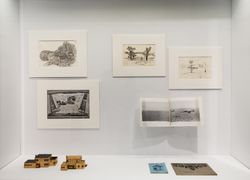
Interpreting the subject of travel to distant places, the exhibition charts an expanded notion of travel that spans imaginary journeys, strange sites, vanishing points, floating and portable houses, endless caves, swirling diamond domes, tombs, crypts and catacombs, tunnel adventures, formal studies, technical innovation, cultural imagination, and experimental(...)
Interpreting the subject of travel to distant places, the exhibition charts an expanded notion of travel that spans imaginary journeys, strange sites, vanishing points, floating and portable houses, endless caves, swirling diamond domes, tombs, crypts and catacombs, tunnel adventures, formal studies, technical innovation, cultural imagination, and experimental(...)
Location:
Hall cases
Hall cases
Date:
3 December 2008 to 1 May 2009
3 December 2008 to 1 May 2009
Title:
Starting From... Travel
Actions:
Description:
Interpreting the subject of travel to distant places, the exhibition charts an expanded notion of travel that spans imaginary journeys, strange sites, vanishing points, floating and portable houses, endless caves, swirling diamond domes, tombs, crypts and catacombs, tunnel adventures, formal studies, technical innovation, cultural imagination, and experimental(...)
Starting From... Travel
Actions:
Description:
Interpreting the subject of travel to distant places, the exhibition charts an expanded notion of travel that spans imaginary journeys, strange sites, vanishing points, floating and portable houses, endless caves, swirling diamond domes, tombs, crypts and catacombs, tunnel adventures, formal studies, technical innovation, cultural imagination, and experimental(...)
Form:
exhibitions
exhibitions
Date:
3 December 2008 to
1 May 2009
3 December 2008 to
1 May 2009
Location:
Hall cases
Hall cases


