


36154 Results
Form:
books
books
Price:
$75.00
(available to order)
Summary:
'The Soviet Century' is a comprehensive new assessment of Soviet photography from the years 1917 to 1972. Over 500 photographs from the collection of Spain’s Archivo Lafuente present a deep survey of Soviet life through depictions of political meetings, factories, demonstrations and farms, as well as portraits of political leaders, artists, peasants and workers. This(...)
$75.00
(available to order)
Summary:
'The Soviet Century' is a comprehensive new assessment of Soviet photography from the years 1917 to 1972. Over 500 photographs from the collection of Spain’s Archivo Lafuente present a deep survey of Soviet life through depictions of political meetings, factories, demonstrations and farms, as well as portraits of political leaders, artists, peasants and workers. This(...)
Subject:
Photography Collections
Photography Collections
Publication:
July 2019
July 2019
Title:
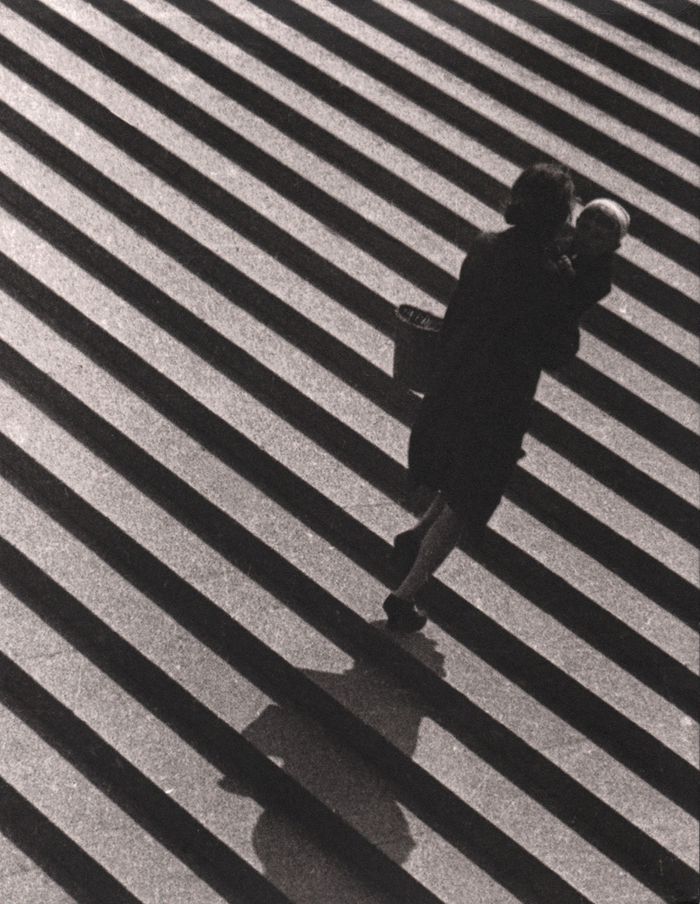
The Soviet century: Russian Photography in the Archivo Lafuente, 1917–1972
Actions:
Price:
$75.00
(available to order)
Summary:
'The Soviet Century' is a comprehensive new assessment of Soviet photography from the years 1917 to 1972. Over 500 photographs from the collection of Spain’s Archivo Lafuente present a deep survey of Soviet life through depictions of political meetings, factories, demonstrations and farms, as well as portraits of political leaders, artists, peasants and workers. This 600-page volume includes three historical essays that examine the complex artistic and ideological status of photography throughout the period, caught between state-led imperatives to achieve political ends and formal, artistic experimentation, especially with the 1920s avant-garde.
The Soviet century: Russian Photography in the Archivo Lafuente, 1917–1972
Actions:
Price:
$75.00
(available to order)
Summary:
'The Soviet Century' is a comprehensive new assessment of Soviet photography from the years 1917 to 1972. Over 500 photographs from the collection of Spain’s Archivo Lafuente present a deep survey of Soviet life through depictions of political meetings, factories, demonstrations and farms, as well as portraits of political leaders, artists, peasants and workers. This 600-page volume includes three historical essays that examine the complex artistic and ideological status of photography throughout the period, caught between state-led imperatives to achieve political ends and formal, artistic experimentation, especially with the 1920s avant-garde.
Form:
books
books
Publication:
July 2019
July 2019
Subject:
Photography Collections
Photography Collections
Form:
books
books
Title:
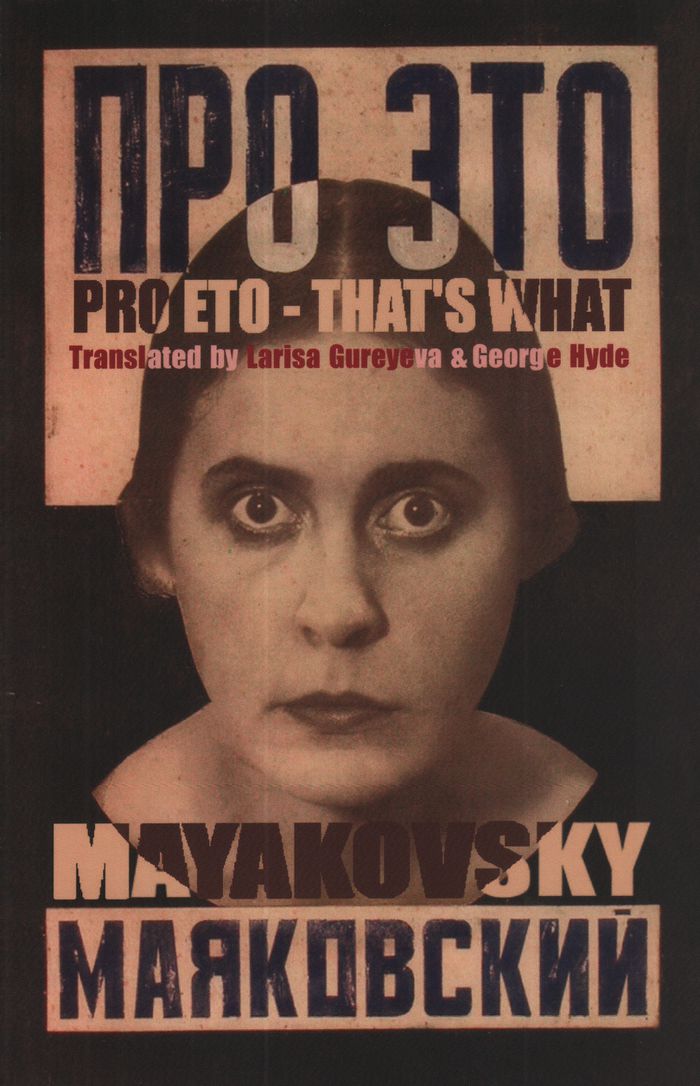
Pro Eto: That's What
Pro Eto: That's What
Actions:
Price:
$26.95
(available in store)
Summary:
Vladimir Mayakovsky was one of the towering literary figures of pre- and post-revolutionary Russia, speaking as much to the working man (he often employed the rough talk of the streets and revolutionary rhetoric in his poetry) as to other poets (his creative fascination with sound and form, linguistic metamorphosis and variation made him a sort of 'poet's poet', the(...)
$26.95
(available in store)
Summary:
Vladimir Mayakovsky was one of the towering literary figures of pre- and post-revolutionary Russia, speaking as much to the working man (he often employed the rough talk of the streets and revolutionary rhetoric in his poetry) as to other poets (his creative fascination with sound and form, linguistic metamorphosis and variation made him a sort of 'poet's poet', the(...)
Title:
Pro Eto: That's What
Actions:
Price:
$26.95
(available in store)
Summary:
Vladimir Mayakovsky was one of the towering literary figures of pre- and post-revolutionary Russia, speaking as much to the working man (he often employed the rough talk of the streets and revolutionary rhetoric in his poetry) as to other poets (his creative fascination with sound and form, linguistic metamorphosis and variation made him a sort of 'poet's poet', the doyen, if not the envy, of his contemporaries, Pasternak among them). His poetry, influenced by Whitman and Verhaeren and strangely akin to modern rock poetry in its erotic thrust, bluesy complaints and cries of pain, not to mention its sardonic humour, is at once aggressive, mocking and tender, and often fantastic or grotesque. "Pro Eto - That's What" is a long love poem detailing the pain and suffering inflicted on the poet by his lover and her final rejection of him. But as well as being an agonising parable of separation and betrayal, it is also a political work, highly critical of Lenin's reforms of Soviet Socialism.
Pro Eto: That's What
Actions:
Price:
$26.95
(available in store)
Summary:
Vladimir Mayakovsky was one of the towering literary figures of pre- and post-revolutionary Russia, speaking as much to the working man (he often employed the rough talk of the streets and revolutionary rhetoric in his poetry) as to other poets (his creative fascination with sound and form, linguistic metamorphosis and variation made him a sort of 'poet's poet', the doyen, if not the envy, of his contemporaries, Pasternak among them). His poetry, influenced by Whitman and Verhaeren and strangely akin to modern rock poetry in its erotic thrust, bluesy complaints and cries of pain, not to mention its sardonic humour, is at once aggressive, mocking and tender, and often fantastic or grotesque. "Pro Eto - That's What" is a long love poem detailing the pain and suffering inflicted on the poet by his lover and her final rejection of him. But as well as being an agonising parable of separation and betrayal, it is also a political work, highly critical of Lenin's reforms of Soviet Socialism.
Form:
books
books
Publication:
May 2009
May 2009
Subject:
Literature and poetry
Literature and poetry
Form:
books
books
Actions:
Price:
$74.95
(available in store)
Summary:
This is the second book in the series TOO MUCH: Romantic Geographic Archive. This series focuses on archiving individual memory of place, providing invaluable documentation of a world in a state of flux. This book is the second edition of the past issue by TOO MUCH, The Himalayas, by photographer and traveler Naoki Ishikawa, which catalogues his work from 2011 to 2018 of(...)
$74.95
(available in store)
Summary:
This is the second book in the series TOO MUCH: Romantic Geographic Archive. This series focuses on archiving individual memory of place, providing invaluable documentation of a world in a state of flux. This book is the second edition of the past issue by TOO MUCH, The Himalayas, by photographer and traveler Naoki Ishikawa, which catalogues his work from 2011 to 2018 of(...)
Title:
TOO MUCH, The Himalayas. Naoki Ishikawa
Actions:
Price:
$74.95
(available in store)
Summary:
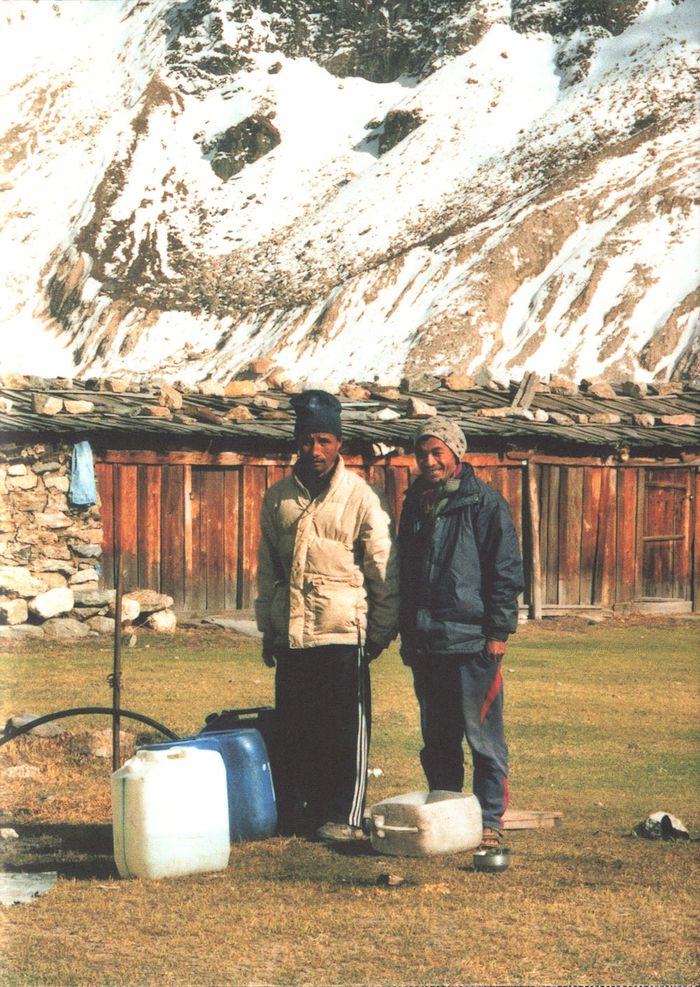
This is the second book in the series TOO MUCH: Romantic Geographic Archive. This series focuses on archiving individual memory of place, providing invaluable documentation of a world in a state of flux. This book is the second edition of the past issue by TOO MUCH, The Himalayas, by photographer and traveler Naoki Ishikawa, which catalogues his work from 2011 to 2018 of climbing the highest peaks in the world. This new edition includes 300 of Naoki’s photographs and his most recent expeditions to Kanchenjunga and Amadablam.
TOO MUCH, The Himalayas. Naoki Ishikawa
Actions:
Price:
$74.95
(available in store)
Summary:
This is the second book in the series TOO MUCH: Romantic Geographic Archive. This series focuses on archiving individual memory of place, providing invaluable documentation of a world in a state of flux. This book is the second edition of the past issue by TOO MUCH, The Himalayas, by photographer and traveler Naoki Ishikawa, which catalogues his work from 2011 to 2018 of climbing the highest peaks in the world. This new edition includes 300 of Naoki’s photographs and his most recent expeditions to Kanchenjunga and Amadablam.
Form:
books
books
Publication:
October 2019
October 2019
Subject:
Photography monographs
Photography monographs
Form:
books
books
Title:
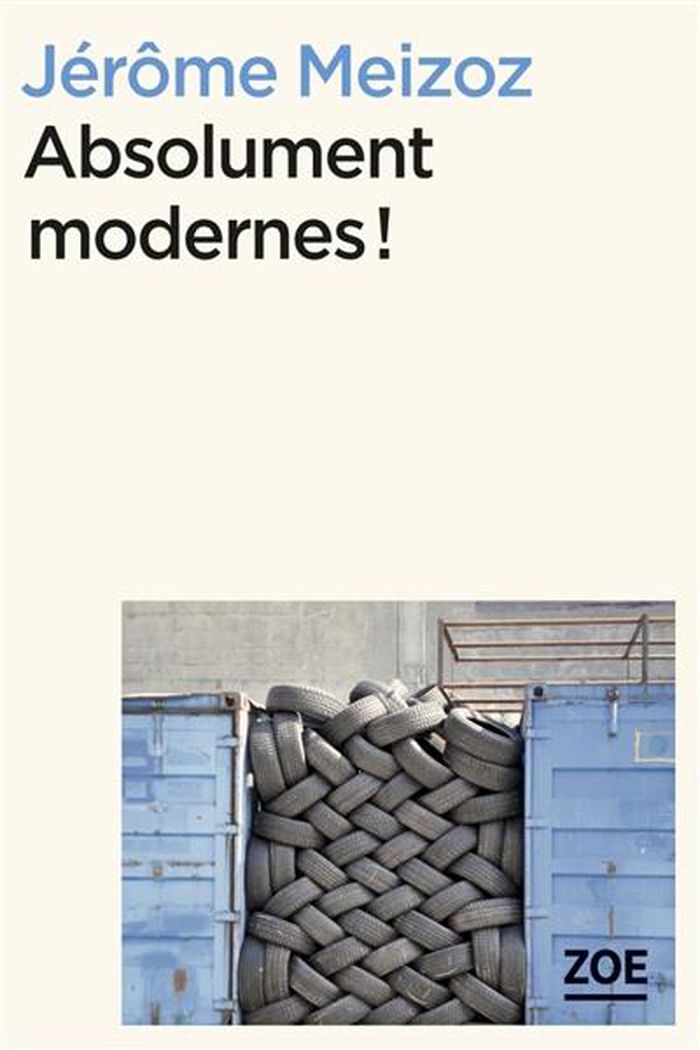
Absolument modernes !
Absolument modernes !
Actions:
Price:
$29.95
(available to order)
Summary:
'Absolument modernes !' est la chronique caustique et navrée de la modernité suisse des années 1970 et 1980 : le pari sur la croissance illimitée, le culte du marché et de la technique. Entre satire et récit intime, l'auteur raconte les Trente Glorieuses traversées par son père, ouvrier convaincu de l’«avenir radieux». Documents, slogans et tracts d’époque autant que(...)
$29.95
(available to order)
Summary:
'Absolument modernes !' est la chronique caustique et navrée de la modernité suisse des années 1970 et 1980 : le pari sur la croissance illimitée, le culte du marché et de la technique. Entre satire et récit intime, l'auteur raconte les Trente Glorieuses traversées par son père, ouvrier convaincu de l’«avenir radieux». Documents, slogans et tracts d’époque autant que(...)
Title:
Absolument modernes !
Actions:
Price:
$29.95
(available to order)
Summary:
'Absolument modernes !' est la chronique caustique et navrée de la modernité suisse des années 1970 et 1980 : le pari sur la croissance illimitée, le culte du marché et de la technique. Entre satire et récit intime, l'auteur raconte les Trente Glorieuses traversées par son père, ouvrier convaincu de l’«avenir radieux». Documents, slogans et tracts d’époque autant que souvenirs de famille dessinent une période exaltée et ambiguë : la construction de l’autoroute du Rhône, l’ouverture des supermarchés, le règne de la télévision et de la voiture, le développement massif du tourisme dans les Alpes.
Absolument modernes !
Actions:
Price:
$29.95
(available to order)
Summary:
'Absolument modernes !' est la chronique caustique et navrée de la modernité suisse des années 1970 et 1980 : le pari sur la croissance illimitée, le culte du marché et de la technique. Entre satire et récit intime, l'auteur raconte les Trente Glorieuses traversées par son père, ouvrier convaincu de l’«avenir radieux». Documents, slogans et tracts d’époque autant que souvenirs de famille dessinent une période exaltée et ambiguë : la construction de l’autoroute du Rhône, l’ouverture des supermarchés, le règne de la télévision et de la voiture, le développement massif du tourisme dans les Alpes.
Form:
books
books
Publication:
September 2019
September 2019
Subject:
Literature and poetry
Literature and poetry
Form:
books
books
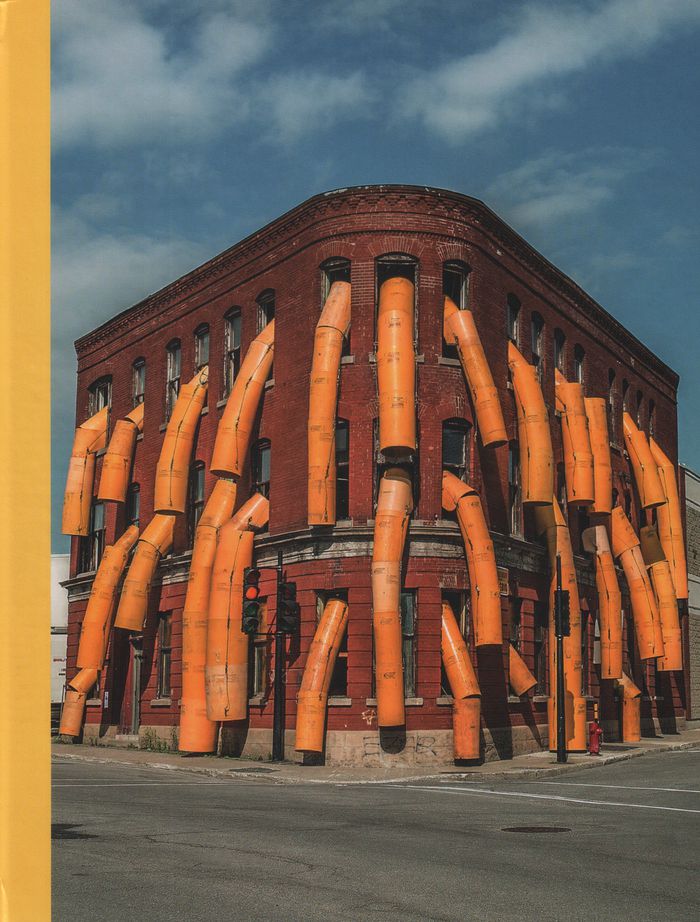
Title:
Accumulations
Accumulations
Actions:
Price:
$40.00
(available to order)
Summary:
Cette monographie présente le travail de l’artiste Philippe Allard. Plus de 15 ans de créations et de déambulation à concevoir des œuvres à grand déploiement. Dans ses recherches, Allard détourne la fonction architecturale et l’objet rebus accumulés sans délaisser la poésie de l’espace et de la lumière. Il a su mettre en œuvre des installations monumentales pointant sur(...)
$40.00
(available to order)
Summary:
Cette monographie présente le travail de l’artiste Philippe Allard. Plus de 15 ans de créations et de déambulation à concevoir des œuvres à grand déploiement. Dans ses recherches, Allard détourne la fonction architecturale et l’objet rebus accumulés sans délaisser la poésie de l’espace et de la lumière. Il a su mettre en œuvre des installations monumentales pointant sur(...)
Subject:
Contemporary Art Monographs
Contemporary Art Monographs
Publication:
October 2019
October 2019
Title:
Accumulations
Actions:
Price:
$40.00
(available to order)
Summary:
Cette monographie présente le travail de l’artiste Philippe Allard. Plus de 15 ans de créations et de déambulation à concevoir des œuvres à grand déploiement. Dans ses recherches, Allard détourne la fonction architecturale et l’objet rebus accumulés sans délaisser la poésie de l’espace et de la lumière. Il a su mettre en œuvre des installations monumentales pointant sur nos inquiétudes environnementales avec esthétisme et ironie. À travers un essai de l’auteur Cynthia Fecteau le parcours de ces projets se fait philosophique et s’ouvre à une poétique de l’espace.
Accumulations
Actions:
Price:
$40.00
(available to order)
Summary:
Cette monographie présente le travail de l’artiste Philippe Allard. Plus de 15 ans de créations et de déambulation à concevoir des œuvres à grand déploiement. Dans ses recherches, Allard détourne la fonction architecturale et l’objet rebus accumulés sans délaisser la poésie de l’espace et de la lumière. Il a su mettre en œuvre des installations monumentales pointant sur nos inquiétudes environnementales avec esthétisme et ironie. À travers un essai de l’auteur Cynthia Fecteau le parcours de ces projets se fait philosophique et s’ouvre à une poétique de l’espace.
Form:
books
books
Publication:
October 2019
October 2019
Subject:
Contemporary Art Monographs
Contemporary Art Monographs
Form:
books
books
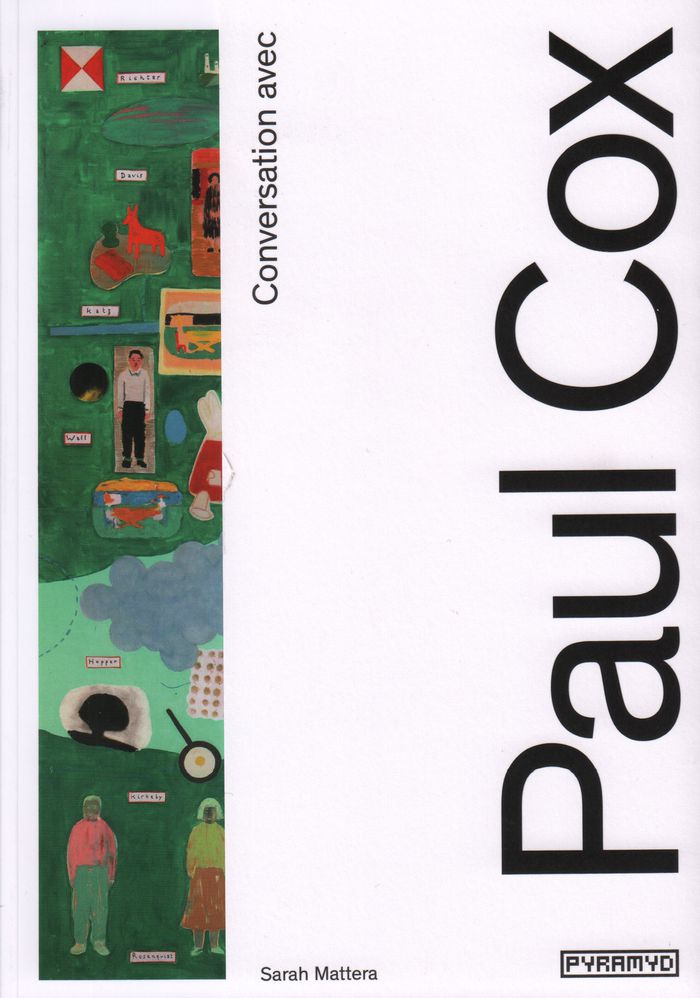
Title:
Conversation avec Paul Cox
Conversation avec Paul Cox
Actions:
Price:
$47.95
(available to order)
Summary:
L’univers visuel de Paul Cox est graphique et poétique. Il est fait de couleurs vives, de symboles universels, de jeux et de règles. À travers cette conversation, richement illustrée, avec Sarah Mattera, Paul Cox raconte son monde et explique avec minutie sa méthode de travail.
$47.95
(available to order)
Summary:
L’univers visuel de Paul Cox est graphique et poétique. Il est fait de couleurs vives, de symboles universels, de jeux et de règles. À travers cette conversation, richement illustrée, avec Sarah Mattera, Paul Cox raconte son monde et explique avec minutie sa méthode de travail.
Title:
Conversation avec Paul Cox
Actions:
Price:
$47.95
(available to order)
Summary:
L’univers visuel de Paul Cox est graphique et poétique. Il est fait de couleurs vives, de symboles universels, de jeux et de règles. À travers cette conversation, richement illustrée, avec Sarah Mattera, Paul Cox raconte son monde et explique avec minutie sa méthode de travail.
Conversation avec Paul Cox
Actions:
Price:
$47.95
(available to order)
Summary:
L’univers visuel de Paul Cox est graphique et poétique. Il est fait de couleurs vives, de symboles universels, de jeux et de règles. À travers cette conversation, richement illustrée, avec Sarah Mattera, Paul Cox raconte son monde et explique avec minutie sa méthode de travail.
Form:
books
books
Publication:
October 2019
October 2019
Subject:
Graphic Designers, Monographs
Graphic Designers, Monographs
Form:
books
books
Actions:
Price:
$37.95
(available to order)
Summary:
Les chefs opérateurs traduisent le récit en images. Ils contrôlent le cadre et les mouvements de caméra. Ils inventent ou domestiquent la lumière et s’en servent moins comme un pinceau que comme un stylo : c’est l’étymologie même du mot « photographie ». Cet ouvrage explore les secrets d’une profession et révèle la diversité des parcours. Il évoque l’alchimie des(...)
$37.95
(available to order)
Summary:
Les chefs opérateurs traduisent le récit en images. Ils contrôlent le cadre et les mouvements de caméra. Ils inventent ou domestiquent la lumière et s’en servent moins comme un pinceau que comme un stylo : c’est l’étymologie même du mot « photographie ». Cet ouvrage explore les secrets d’une profession et révèle la diversité des parcours. Il évoque l’alchimie des(...)
Subject:
Architecture and Film, Set Design
Architecture and Film, Set Design
Publication:
September 2019
September 2019
Title:
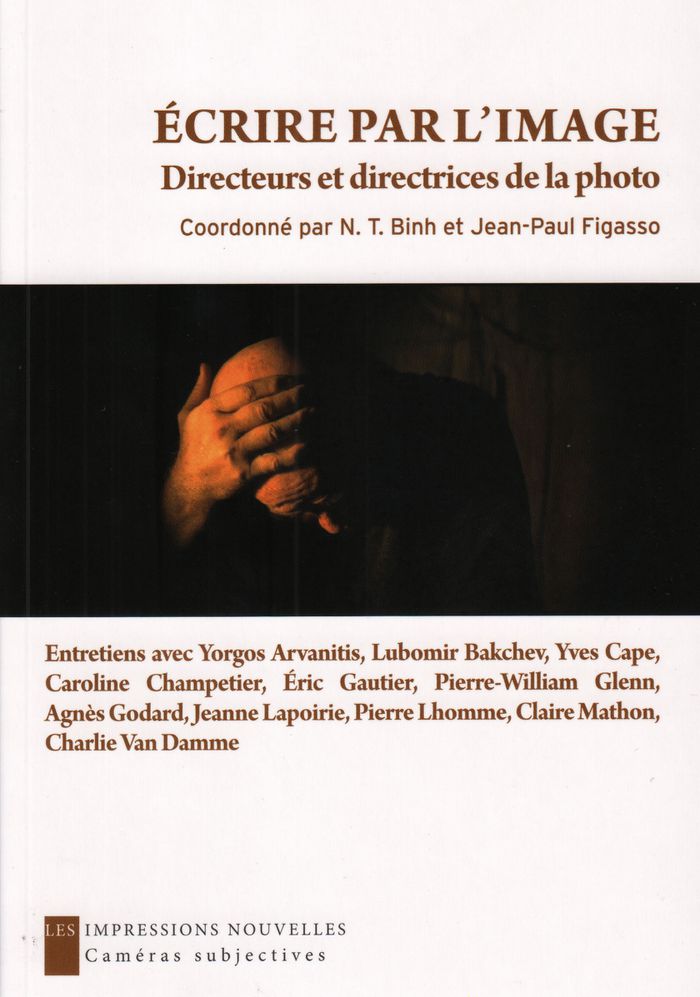
Écrire par l'image : directeurs et directrices de la photo
Actions:
Price:
$37.95
(available to order)
Summary:
Les chefs opérateurs traduisent le récit en images. Ils contrôlent le cadre et les mouvements de caméra. Ils inventent ou domestiquent la lumière et s’en servent moins comme un pinceau que comme un stylo : c’est l’étymologie même du mot « photographie ». Cet ouvrage explore les secrets d’une profession et révèle la diversité des parcours. Il évoque l’alchimie des collaborations derrière la beauté et la cohérence des images en mouvement qui définissent le cinéma.
Écrire par l'image : directeurs et directrices de la photo
Actions:
Price:
$37.95
(available to order)
Summary:
Les chefs opérateurs traduisent le récit en images. Ils contrôlent le cadre et les mouvements de caméra. Ils inventent ou domestiquent la lumière et s’en servent moins comme un pinceau que comme un stylo : c’est l’étymologie même du mot « photographie ». Cet ouvrage explore les secrets d’une profession et révèle la diversité des parcours. Il évoque l’alchimie des collaborations derrière la beauté et la cohérence des images en mouvement qui définissent le cinéma.
Form:
books
books
Publication:
September 2019
September 2019
Subject:
Architecture and Film, Set Design
Architecture and Film, Set Design
Form:
books
books

Title:
Réfugiés à Berlin
Réfugiés à Berlin
Actions:
Price:
$44.95
(available to order)
Summary:
Au cours de l’été 2015, Ali Fitzgerald commence un atelier hebdomadaire de bandes dessinées avec des réfugiés à Berlin, soutenu par Comic Invasion et Amnesty International. Dans cette « non-fiction graphique surréaliste » — c’est ainsi qu’elle définit sa bande dessinée — l’autrice présente avec beaucoup de sensibilité les difficultés que rencontrent les réfugiés en(...)
$44.95
(available to order)
Summary:
Au cours de l’été 2015, Ali Fitzgerald commence un atelier hebdomadaire de bandes dessinées avec des réfugiés à Berlin, soutenu par Comic Invasion et Amnesty International. Dans cette « non-fiction graphique surréaliste » — c’est ainsi qu’elle définit sa bande dessinée — l’autrice présente avec beaucoup de sensibilité les difficultés que rencontrent les réfugiés en(...)
Title:
Réfugiés à Berlin
Actions:
Price:
$44.95
(available to order)
Summary:
Au cours de l’été 2015, Ali Fitzgerald commence un atelier hebdomadaire de bandes dessinées avec des réfugiés à Berlin, soutenu par Comic Invasion et Amnesty International. Dans cette « non-fiction graphique surréaliste » — c’est ainsi qu’elle définit sa bande dessinée — l’autrice présente avec beaucoup de sensibilité les difficultés que rencontrent les réfugiés en Europe. En leur proposant de dessiner, elle leur offre un moyen d’exprimer, sans forcément parler, ce qu’ils ont vécu et ce qu’ils espèrent. Tout en suivant leur parcours, elle raconte Berlin et établit avec beaucoup d’habileté un parallèle instructif entre ce drame actuel et celui des Juifs obligés de fuir les pogroms des années 1920, puis persécutés plus tard par les nazis. Les témoins qu’elle invoque pour parler de ce passé sont deux écrivains importants dont elle cite des phrases soigneusement choisies : Joseph Roth et Christopher Isherwood.
Réfugiés à Berlin
Actions:
Price:
$44.95
(available to order)
Summary:
Au cours de l’été 2015, Ali Fitzgerald commence un atelier hebdomadaire de bandes dessinées avec des réfugiés à Berlin, soutenu par Comic Invasion et Amnesty International. Dans cette « non-fiction graphique surréaliste » — c’est ainsi qu’elle définit sa bande dessinée — l’autrice présente avec beaucoup de sensibilité les difficultés que rencontrent les réfugiés en Europe. En leur proposant de dessiner, elle leur offre un moyen d’exprimer, sans forcément parler, ce qu’ils ont vécu et ce qu’ils espèrent. Tout en suivant leur parcours, elle raconte Berlin et établit avec beaucoup d’habileté un parallèle instructif entre ce drame actuel et celui des Juifs obligés de fuir les pogroms des années 1920, puis persécutés plus tard par les nazis. Les témoins qu’elle invoque pour parler de ce passé sont deux écrivains importants dont elle cite des phrases soigneusement choisies : Joseph Roth et Christopher Isherwood.
Form:
books
books
Publication:
August 2019
August 2019
Subject:
Illustration
Illustration
Form:
books
books
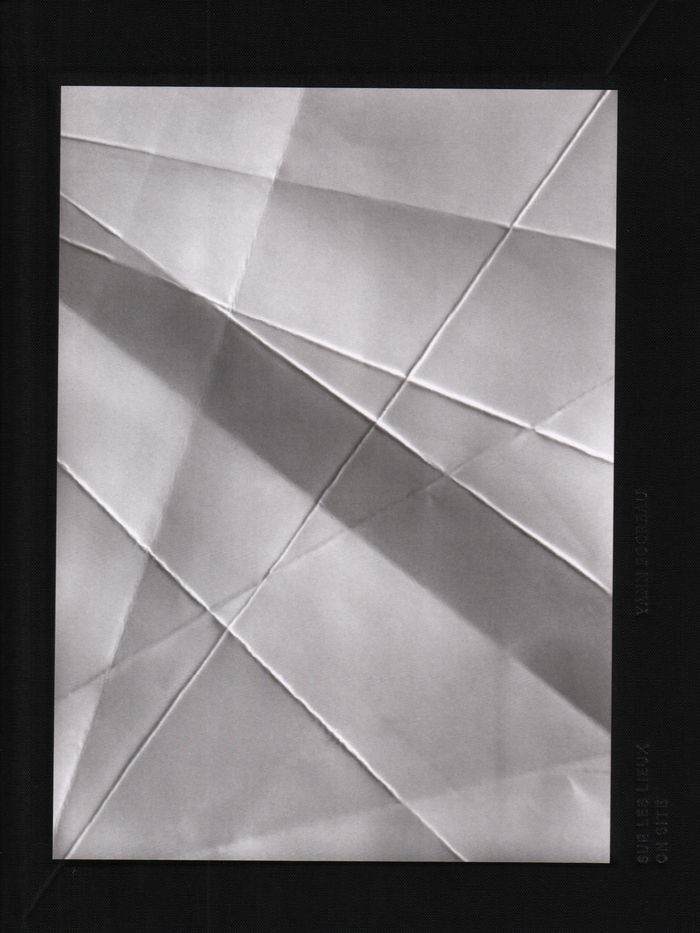
Title:
Sur les lieux / On site
Sur les lieux / On site
Actions:
Price:
$45.00
(available to order)
Summary:
Ce projet de livre s’est développé avec l’intention première de faire un livre polymorphe, entre l’essai théorique, le catalogue d’exposition et le livre d’artiste. En étroite collaboration avec le designer Simon Guibord, concepteur de la publication, l’objectif était de donner à la publication un statut d’exposition à l’intérieur d’un livre. Des œuvres ont donc été(...)
$45.00
(available to order)
Summary:
Ce projet de livre s’est développé avec l’intention première de faire un livre polymorphe, entre l’essai théorique, le catalogue d’exposition et le livre d’artiste. En étroite collaboration avec le designer Simon Guibord, concepteur de la publication, l’objectif était de donner à la publication un statut d’exposition à l’intérieur d’un livre. Des œuvres ont donc été(...)
Title:
Sur les lieux / On site
Actions:
Price:
$45.00
(available to order)
Summary:
Ce projet de livre s’est développé avec l’intention première de faire un livre polymorphe, entre l’essai théorique, le catalogue d’exposition et le livre d’artiste. En étroite collaboration avec le designer Simon Guibord, concepteur de la publication, l’objectif était de donner à la publication un statut d’exposition à l’intérieur d’un livre. Des œuvres ont donc été spécialement et exclusivement réalisées par l'artiste Yann Pocreau pour l’ouvrage, notamment la conception de pages avec de l’encre thermosensible qui reprennent des éléments conceptuels du travail de Pocreau, plus spécifiquement sur l’idée de l’apparition.
Sur les lieux / On site
Actions:
Price:
$45.00
(available to order)
Summary:
Ce projet de livre s’est développé avec l’intention première de faire un livre polymorphe, entre l’essai théorique, le catalogue d’exposition et le livre d’artiste. En étroite collaboration avec le designer Simon Guibord, concepteur de la publication, l’objectif était de donner à la publication un statut d’exposition à l’intérieur d’un livre. Des œuvres ont donc été spécialement et exclusivement réalisées par l'artiste Yann Pocreau pour l’ouvrage, notamment la conception de pages avec de l’encre thermosensible qui reprennent des éléments conceptuels du travail de Pocreau, plus spécifiquement sur l’idée de l’apparition.
Form:
books
books
Publication:
October 2019
October 2019
Subject:
Contemporary Art Monographs
Contemporary Art Monographs
Form:
books
books
Title:
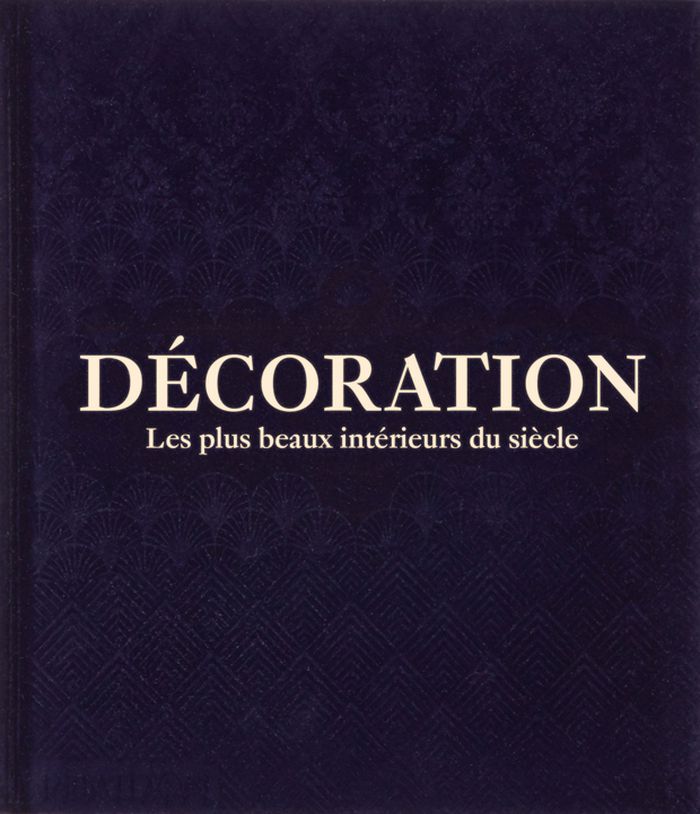
Décoration (reliure bleue)
Décoration (reliure bleue)
Actions:
Price:
$105.00
(available to order)
Summary:
Organisé alphabétiquement par nom de créateur, « Décoration : Les plus beaux intérieurs du siècle » est un guide de design et de la décoration d’intérieurs. Au-delà des décorateurs, designers et architectes, ces intérieurs d’exception ont pour certains été conçus par des couturiers, des artistes, des influenceurs et des stars de cinéma, qui ont tous contribué à leur(...)
$105.00
(available to order)
Summary:
Organisé alphabétiquement par nom de créateur, « Décoration : Les plus beaux intérieurs du siècle » est un guide de design et de la décoration d’intérieurs. Au-delà des décorateurs, designers et architectes, ces intérieurs d’exception ont pour certains été conçus par des couturiers, des artistes, des influenceurs et des stars de cinéma, qui ont tous contribué à leur(...)
Title:
Décoration (reliure bleue)
Actions:
Price:
$105.00
(available to order)
Summary:
Organisé alphabétiquement par nom de créateur, « Décoration : Les plus beaux intérieurs du siècle » est un guide de design et de la décoration d’intérieurs. Au-delà des décorateurs, designers et architectes, ces intérieurs d’exception ont pour certains été conçus par des couturiers, des artistes, des influenceurs et des stars de cinéma, qui ont tous contribué à leur manière à l’évolution de cet art. Dans cet ouvrage, 400 intérieurs sont présentés, créés à partir du début du xxe siècle dans plus de 25 pays : châteaux, maisons de ville, appartements luxueux, ranch au cœur du désert, villas de bord de mer et autres pépites. Décoration est un ouvrage de référence et une source d’inspiration essentielle pour tous les amateurs de design et pour tous ceux qui s’intéressent à leur espace de vie.
Décoration (reliure bleue)
Actions:
Price:
$105.00
(available to order)
Summary:
Organisé alphabétiquement par nom de créateur, « Décoration : Les plus beaux intérieurs du siècle » est un guide de design et de la décoration d’intérieurs. Au-delà des décorateurs, designers et architectes, ces intérieurs d’exception ont pour certains été conçus par des couturiers, des artistes, des influenceurs et des stars de cinéma, qui ont tous contribué à leur manière à l’évolution de cet art. Dans cet ouvrage, 400 intérieurs sont présentés, créés à partir du début du xxe siècle dans plus de 25 pays : châteaux, maisons de ville, appartements luxueux, ranch au cœur du désert, villas de bord de mer et autres pépites. Décoration est un ouvrage de référence et une source d’inspiration essentielle pour tous les amateurs de design et pour tous ceux qui s’intéressent à leur espace de vie.
Form:
books
books
Publication:
October 2019
October 2019
Subject:
Interior Design
Interior Design


