


974 Results
Form:
books
books
Actions:
Price:
$76.95
(available to order)
Summary:
Infrastructure is currently a much discussed notion in the field of landscape architecture. It regards the entire urban and rural space as a network that calls for an integrated planning approach. Natural and man-made infrastructures are viewed as forming a single, overarching whole. The book examines this new and ecologically sustainable approach. It also documents(...)
$76.95
(available to order)
Summary:
Infrastructure is currently a much discussed notion in the field of landscape architecture. It regards the entire urban and rural space as a network that calls for an integrated planning approach. Natural and man-made infrastructures are viewed as forming a single, overarching whole. The book examines this new and ecologically sustainable approach. It also documents(...)
Subject:
Landscape Theory
Landscape Theory
Publication:
June 2010
June 2010
Title:
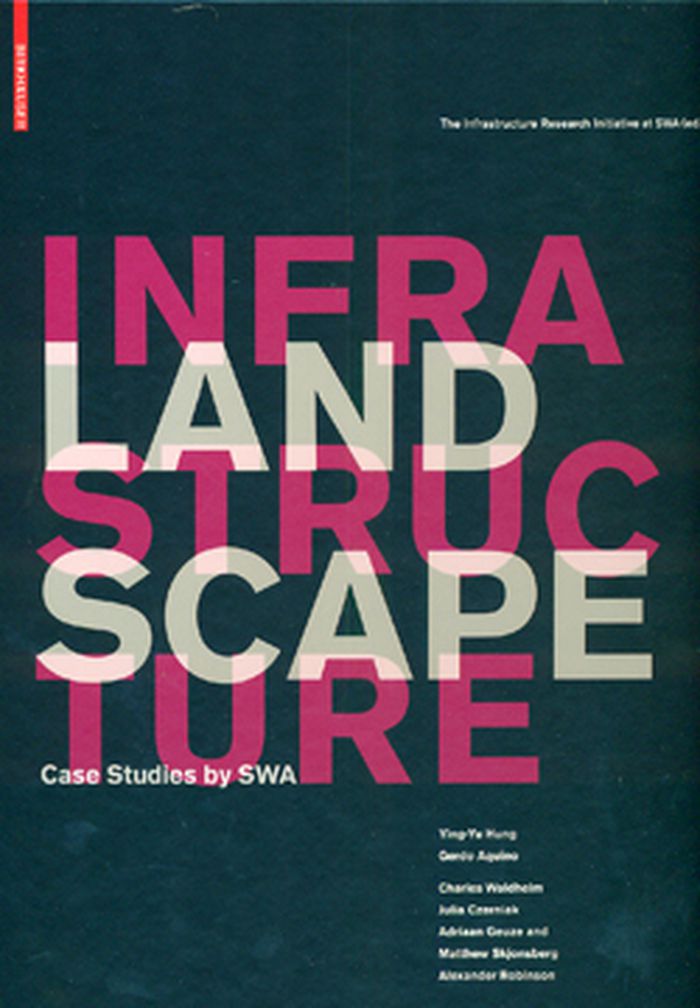
Landscape infrastructure: Case studies by SWA
Actions:
Price:
$76.95
(available to order)
Summary:
Infrastructure is currently a much discussed notion in the field of landscape architecture. It regards the entire urban and rural space as a network that calls for an integrated planning approach. Natural and man-made infrastructures are viewed as forming a single, overarching whole. The book examines this new and ecologically sustainable approach. It also documents thirteen international examples. The Infrastructure Research Initiative is part of the SWA Group, which was founded in 1957 by Peter Walker and Hideo Sasaki and has since developed into one of the largest and most important landscape planning agencies in the United States. Among the projects of the firm that have captured international attention are the technologically innovative roof domes for Renzo Piano's California Academy of Science in San Francisco ( 2008 ), which were planted with indigenous flora.
Landscape infrastructure: Case studies by SWA
Actions:
Price:
$76.95
(available to order)
Summary:
Infrastructure is currently a much discussed notion in the field of landscape architecture. It regards the entire urban and rural space as a network that calls for an integrated planning approach. Natural and man-made infrastructures are viewed as forming a single, overarching whole. The book examines this new and ecologically sustainable approach. It also documents thirteen international examples. The Infrastructure Research Initiative is part of the SWA Group, which was founded in 1957 by Peter Walker and Hideo Sasaki and has since developed into one of the largest and most important landscape planning agencies in the United States. Among the projects of the firm that have captured international attention are the technologically innovative roof domes for Renzo Piano's California Academy of Science in San Francisco ( 2008 ), which were planted with indigenous flora.
Form:
books
books
Publication:
June 2010
June 2010
Subject:
Landscape Theory
Landscape Theory
Form:
books
books
Actions:
Price:
$60.00
(available in store)
Summary:
In 1960, Brasilia was celebrated as the realisation of an urban planning vision based on designs by Lucio Costa and Oscar Niemeyer. At the same time, the sectoral city of Chandigarh was rising according to plans by Le Corbusier. The test tube city arose as an export of modernity from a Western planning euphoria that displayed utopian traits. In both cities, foreign(...)
$60.00
(available in store)
Summary:
In 1960, Brasilia was celebrated as the realisation of an urban planning vision based on designs by Lucio Costa and Oscar Niemeyer. At the same time, the sectoral city of Chandigarh was rising according to plans by Le Corbusier. The test tube city arose as an export of modernity from a Western planning euphoria that displayed utopian traits. In both cities, foreign(...)
Title:
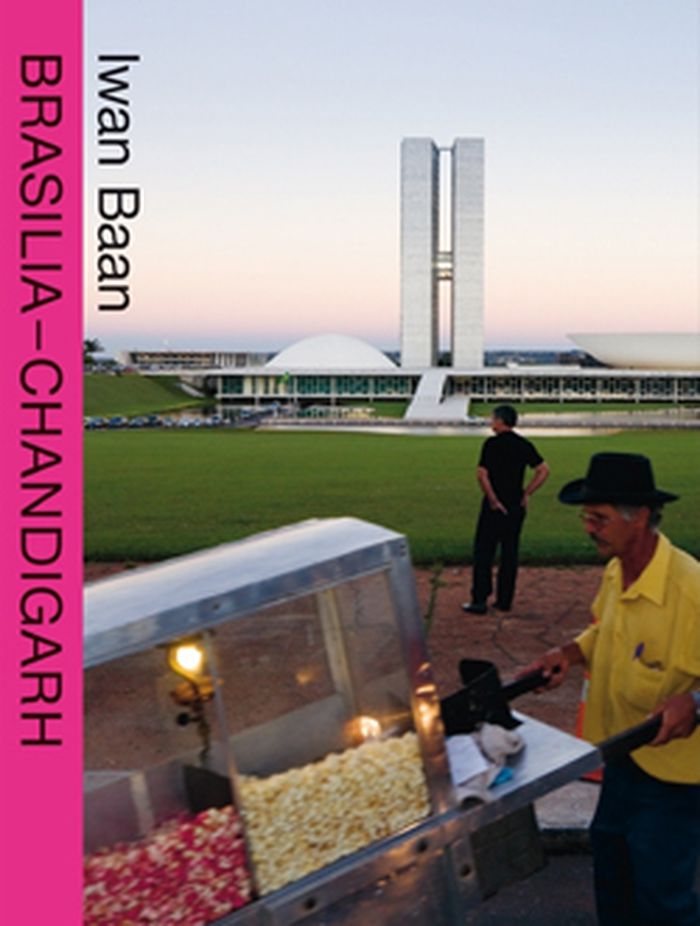
Brasilia Chandigarh: Living with Modernity
Actions:
Price:
$60.00
(available in store)
Summary:
In 1960, Brasilia was celebrated as the realisation of an urban planning vision based on designs by Lucio Costa and Oscar Niemeyer. At the same time, the sectoral city of Chandigarh was rising according to plans by Le Corbusier. The test tube city arose as an export of modernity from a Western planning euphoria that displayed utopian traits. In both cities, foreign architecture entered into a harmonious relationship with indigenous culture, forming new and independent identities. This publication addresses the question of how modernism has been appropriated in both cities, and how the people who live in them deal with it. Commonalities and differences are identified and images of everyday urban life showcased. On the initiative of the publisher, the young photographer Iwan Baan has taken stock of contemporary life in both cities.
Brasilia Chandigarh: Living with Modernity
Actions:
Price:
$60.00
(available in store)
Summary:
In 1960, Brasilia was celebrated as the realisation of an urban planning vision based on designs by Lucio Costa and Oscar Niemeyer. At the same time, the sectoral city of Chandigarh was rising according to plans by Le Corbusier. The test tube city arose as an export of modernity from a Western planning euphoria that displayed utopian traits. In both cities, foreign architecture entered into a harmonious relationship with indigenous culture, forming new and independent identities. This publication addresses the question of how modernism has been appropriated in both cities, and how the people who live in them deal with it. Commonalities and differences are identified and images of everyday urban life showcased. On the initiative of the publisher, the young photographer Iwan Baan has taken stock of contemporary life in both cities.
Form:
books
books
Publication:
August 2010
August 2010
Subject:
Photography monographs
Photography monographs
Form:
books
books
Actions:
Price:
$27.95
(available to order)
Summary:
Harem Histories is an interdisciplinary collection of essays exploring the harem as it was imagined, represented, and experienced in Middle Eastern and North African societies, and by visitors to those societies. One theme that threads through the collection is the intimate interrelatedness of West and East evident in encounters within and around the harem, whether in the(...)
$27.95
(available to order)
Summary:
Harem Histories is an interdisciplinary collection of essays exploring the harem as it was imagined, represented, and experienced in Middle Eastern and North African societies, and by visitors to those societies. One theme that threads through the collection is the intimate interrelatedness of West and East evident in encounters within and around the harem, whether in the(...)
Title:
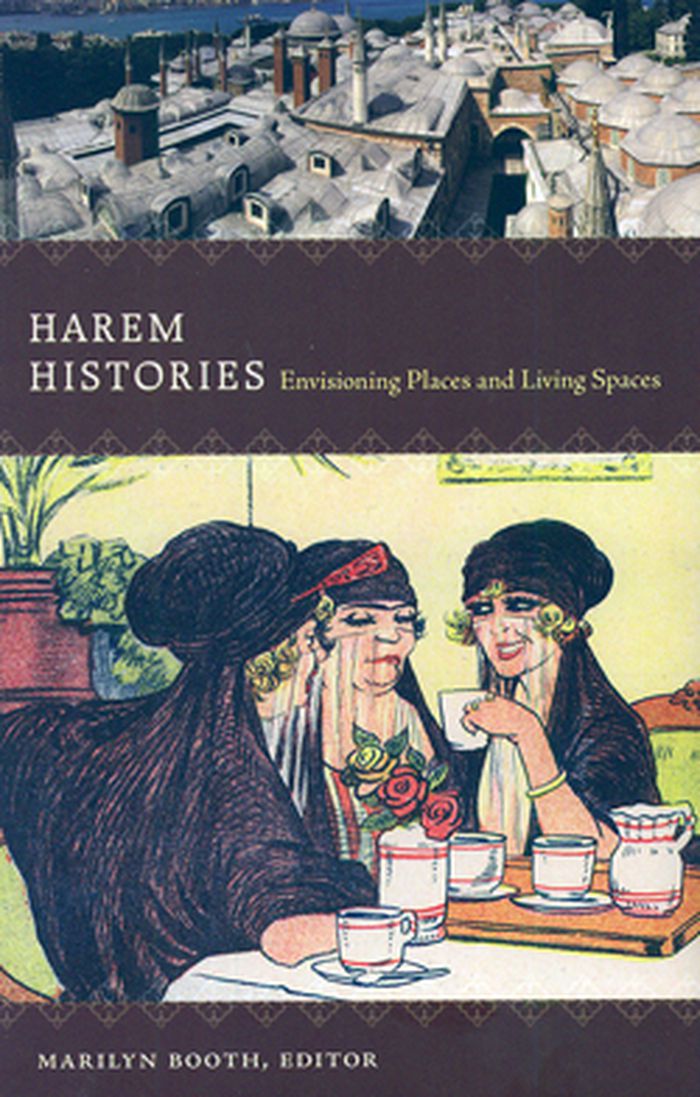
Harem histories: Envisioning places and living spaces
Actions:
Price:
$27.95
(available to order)
Summary:
Harem Histories is an interdisciplinary collection of essays exploring the harem as it was imagined, represented, and experienced in Middle Eastern and North African societies, and by visitors to those societies. One theme that threads through the collection is the intimate interrelatedness of West and East evident in encounters within and around the harem, whether in the elite socializing of precolonial Tunis or the popular historical novels published in Istanbul and Cairo from the late nineteenth century onward. Several of the contributors focus on European culture as a repository of harem representations, but most of them tackle indigenous representations of home spaces and their significance for how the bodies of men and women, and girls and boys, were distributed in social space, from early Islamic Mecca to early-twentieth-century Cairo.
Harem histories: Envisioning places and living spaces
Actions:
Price:
$27.95
(available to order)
Summary:
Harem Histories is an interdisciplinary collection of essays exploring the harem as it was imagined, represented, and experienced in Middle Eastern and North African societies, and by visitors to those societies. One theme that threads through the collection is the intimate interrelatedness of West and East evident in encounters within and around the harem, whether in the elite socializing of precolonial Tunis or the popular historical novels published in Istanbul and Cairo from the late nineteenth century onward. Several of the contributors focus on European culture as a repository of harem representations, but most of them tackle indigenous representations of home spaces and their significance for how the bodies of men and women, and girls and boys, were distributed in social space, from early Islamic Mecca to early-twentieth-century Cairo.
Form:
books
books
Publication:
January 2011
January 2011
Subject:
History until 1900
History until 1900
Form:
books
books
Actions:
Price:
$99.00
(available to order)
Summary:
The Italian-Brazilian architect and designer Lina Bo Bardi (1914–92) forged a unique path with her bold, modern designs. Spanning architecture, stage design, fashion and furniture, her work drew inspiration from the International Style, which she translated into her own visual language. Fundamental to her work was her thoughtful engagement with her adopted country of(...)
$99.00
(available to order)
Summary:
The Italian-Brazilian architect and designer Lina Bo Bardi (1914–92) forged a unique path with her bold, modern designs. Spanning architecture, stage design, fashion and furniture, her work drew inspiration from the International Style, which she translated into her own visual language. Fundamental to her work was her thoughtful engagement with her adopted country of(...)
Title:
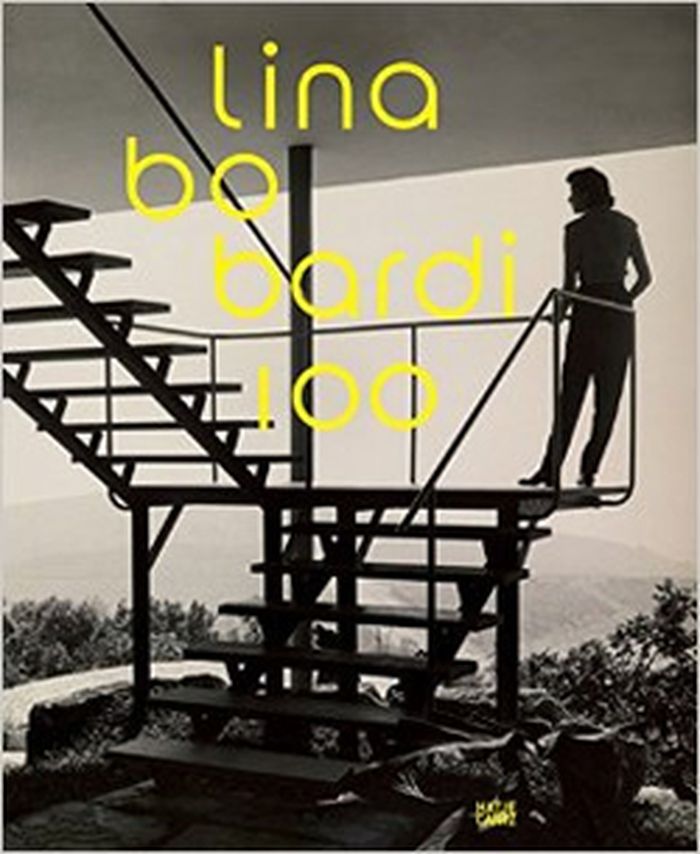
Lina Bo Bardi: 100 Brazil's alternative path to modernism
Actions:
Price:
$99.00
(available to order)
Summary:
The Italian-Brazilian architect and designer Lina Bo Bardi (1914–92) forged a unique path with her bold, modern designs. Spanning architecture, stage design, fashion and furniture, her work drew inspiration from the International Style, which she translated into her own visual language. Fundamental to her work was her thoughtful engagement with her adopted country of Brazil—its culture, society, politics and indigenous design traditions—and her ideas about the social possibilities of design, and she expressed her sometimes radical views in her design work, exhibitions and writings. Published on the occasion of Lina Bo Bardi's hundredth birthday, this illustrated volume presents an overview of her oeuvre and highlights her iconic buildings: her home, the so-called Casa de Vidro, the Museo de Arte de São Paulo and the cultural center SESC Pompéia.
Lina Bo Bardi: 100 Brazil's alternative path to modernism
Actions:
Price:
$99.00
(available to order)
Summary:
The Italian-Brazilian architect and designer Lina Bo Bardi (1914–92) forged a unique path with her bold, modern designs. Spanning architecture, stage design, fashion and furniture, her work drew inspiration from the International Style, which she translated into her own visual language. Fundamental to her work was her thoughtful engagement with her adopted country of Brazil—its culture, society, politics and indigenous design traditions—and her ideas about the social possibilities of design, and she expressed her sometimes radical views in her design work, exhibitions and writings. Published on the occasion of Lina Bo Bardi's hundredth birthday, this illustrated volume presents an overview of her oeuvre and highlights her iconic buildings: her home, the so-called Casa de Vidro, the Museo de Arte de São Paulo and the cultural center SESC Pompéia.
Form:
books
books
Publication:
February 2015
February 2015
Subject:
Architecture Monographs
Architecture Monographs
Form:
books
books
Actions:
Price:
$34.99
(available in store)
Summary:
Work from the AA’s Diploma Unit 2 fuses two seemingly mutually exclusive paradigms in recent architectural discourse, mediating between technological performance as well as the manipulation of grounds, defined here as the external and internal circulatory systems that structure social organisations. In the process, the unit defines a new social agenda and aesthetic(...)
$34.99
(available in store)
Summary:
Work from the AA’s Diploma Unit 2 fuses two seemingly mutually exclusive paradigms in recent architectural discourse, mediating between technological performance as well as the manipulation of grounds, defined here as the external and internal circulatory systems that structure social organisations. In the process, the unit defines a new social agenda and aesthetic(...)
Title:
Articulated grounds: mediating environment and culture
Actions:
Price:
$34.99
(available in store)
Summary:
Work from the AA’s Diploma Unit 2 fuses two seemingly mutually exclusive paradigms in recent architectural discourse, mediating between technological performance as well as the manipulation of grounds, defined here as the external and internal circulatory systems that structure social organisations. In the process, the unit defines a new social agenda and aesthetic philosophy for transforming established design strategies, and lends conventional notions of sustainable design a new civic and cultural relevance. The projects are all either located within or influenced by a Brazilian context, rich in sculptural, variegated landscapes and African as well as indigenous Indian influences. Innovative design proposals shown in this book illustrate symbiotic relationships between urban society, environmental conditioning and landscape by articulating ground organisations to mediate and synchronise both environmental and cultural flows.
Articulated grounds: mediating environment and culture
Actions:
Price:
$34.99
(available in store)
Summary:
Work from the AA’s Diploma Unit 2 fuses two seemingly mutually exclusive paradigms in recent architectural discourse, mediating between technological performance as well as the manipulation of grounds, defined here as the external and internal circulatory systems that structure social organisations. In the process, the unit defines a new social agenda and aesthetic philosophy for transforming established design strategies, and lends conventional notions of sustainable design a new civic and cultural relevance. The projects are all either located within or influenced by a Brazilian context, rich in sculptural, variegated landscapes and African as well as indigenous Indian influences. Innovative design proposals shown in this book illustrate symbiotic relationships between urban society, environmental conditioning and landscape by articulating ground organisations to mediate and synchronise both environmental and cultural flows.
Form:
books
books
Publication:
July 2009
July 2009
Subject:
Architectural Theory
Architectural Theory
Form:
books
books
Actions:
Price:
$42.00
(available to order)
Summary:
Profit is the original genius of homo sapiens, who learned how to unleash the energy stored in wood, exploit the land, and refashion ecosystems. As civilization developed, we found more and more ways of extracting surplus value from the earth, often deploying brutally effective methods to discipline people to do the work needed. Historian Mark Stoll explains how(...)
$42.00
(available to order)
Summary:
Profit is the original genius of homo sapiens, who learned how to unleash the energy stored in wood, exploit the land, and refashion ecosystems. As civilization developed, we found more and more ways of extracting surplus value from the earth, often deploying brutally effective methods to discipline people to do the work needed. Historian Mark Stoll explains how(...)
Title:
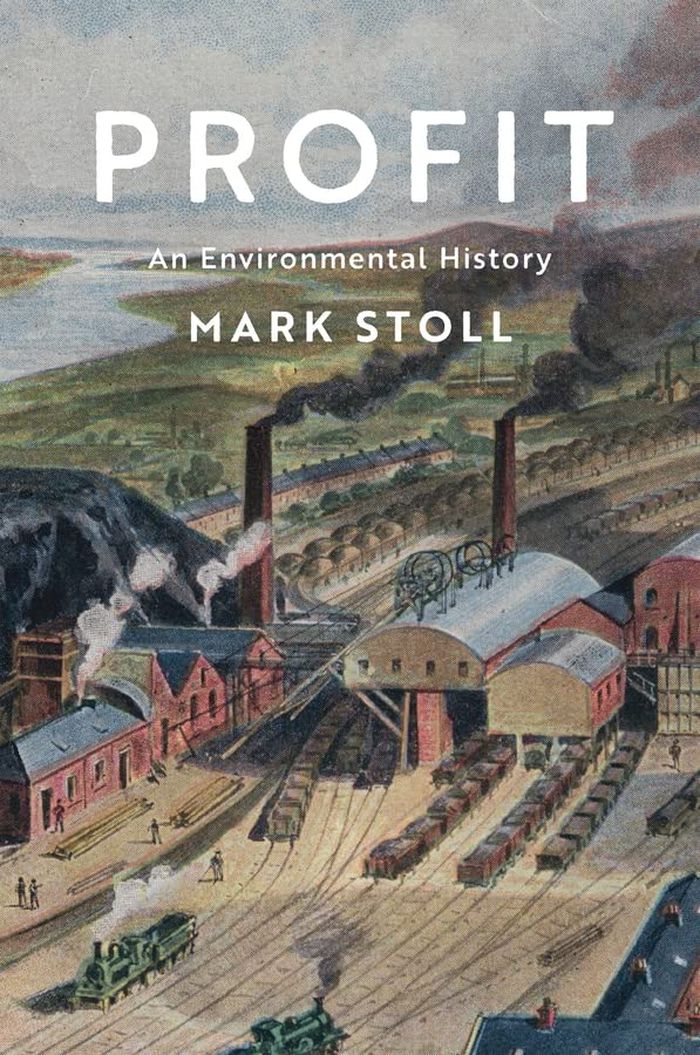
Profit: an environmental history
Actions:
Price:
$42.00
(available to order)
Summary:
Profit is the original genius of homo sapiens, who learned how to unleash the energy stored in wood, exploit the land, and refashion ecosystems. As civilization developed, we found more and more ways of extracting surplus value from the earth, often deploying brutally effective methods to discipline people to do the work needed. Historian Mark Stoll explains how capitalism supercharged this process and traces its many environmental consequences. The financial innovations of medieval Italy created trade networks that, with the European discovery of the Americas, made possible vast profits and sweeping cultural changes, to the detriment of millions of slaves and indigenous Americans; the industrial age united the world in trade and led to an energy revolution that changed lives everywhere. But when efficient production left society awash in goods, a new sort of capitalism, predicated on endless individual consumption, took its place.
Profit: an environmental history
Actions:
Price:
$42.00
(available to order)
Summary:
Profit is the original genius of homo sapiens, who learned how to unleash the energy stored in wood, exploit the land, and refashion ecosystems. As civilization developed, we found more and more ways of extracting surplus value from the earth, often deploying brutally effective methods to discipline people to do the work needed. Historian Mark Stoll explains how capitalism supercharged this process and traces its many environmental consequences. The financial innovations of medieval Italy created trade networks that, with the European discovery of the Americas, made possible vast profits and sweeping cultural changes, to the detriment of millions of slaves and indigenous Americans; the industrial age united the world in trade and led to an energy revolution that changed lives everywhere. But when efficient production left society awash in goods, a new sort of capitalism, predicated on endless individual consumption, took its place.
Form:
books
books
Publication:
January 2023
January 2023
Subject:
Environment and environmental theory
Environment and environmental theory
Form:
books
books
Title:
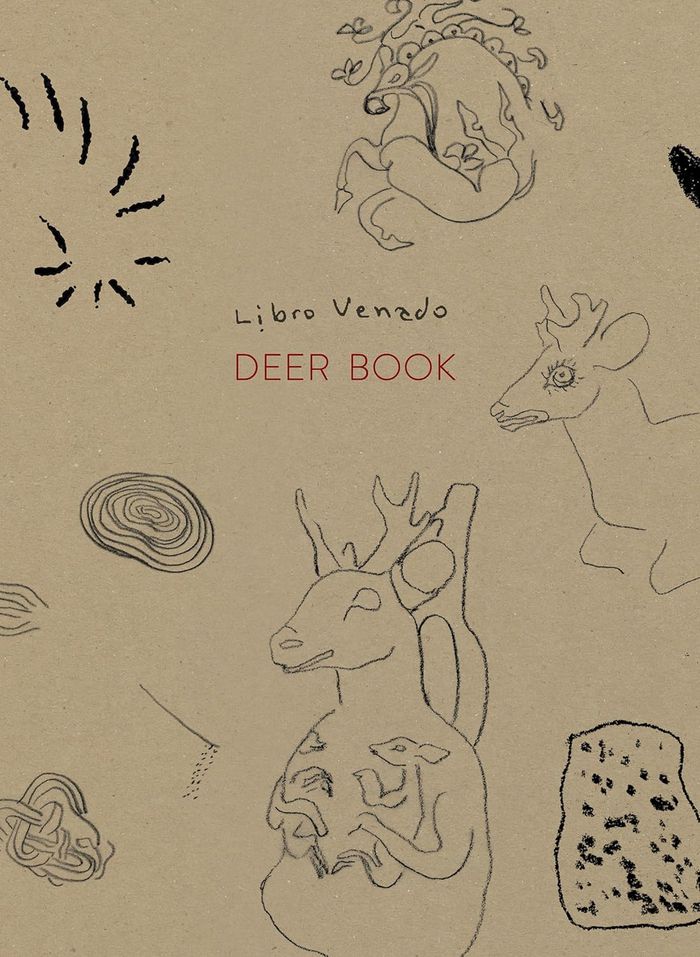
Cecilia Vicuña: Deer book
Cecilia Vicuña: Deer book
Actions:
Price:
$65.00
(available in store)
Summary:
Inspired initially by Jerome Rothenberg’s translation Flower World Variations, which Cecilia Vicuña (born 1948) first encountered in 1985, ''Cecilia Vicuña: Deer Book'' brings together nearly 40 years of the artist’s poetry, "poethical" translations and drawings related to cosmologies and mythologies surrounding the deer, and sacrificial dance in cultures around the(...)
$65.00
(available in store)
Summary:
Inspired initially by Jerome Rothenberg’s translation Flower World Variations, which Cecilia Vicuña (born 1948) first encountered in 1985, ''Cecilia Vicuña: Deer Book'' brings together nearly 40 years of the artist’s poetry, "poethical" translations and drawings related to cosmologies and mythologies surrounding the deer, and sacrificial dance in cultures around the(...)
Title:
Cecilia Vicuña: Deer book
Actions:
Price:
$65.00
(available in store)
Summary:
Inspired initially by Jerome Rothenberg’s translation Flower World Variations, which Cecilia Vicuña (born 1948) first encountered in 1985, ''Cecilia Vicuña: Deer Book'' brings together nearly 40 years of the artist’s poetry, "poethical" translations and drawings related to cosmologies and mythologies surrounding the deer, and sacrificial dance in cultures around the world. Woven like one of her quipu installations, Vicuña’s texts—which include original compositions in Spanish as well as English translations by Daniel Borzutzky—become meditations on translation, not just of the sacred nature of this animal but on how our understandings of ceremony and ritual are transformed by this ongoing process. Taken as inspiration rather than conundrum, the impossibility of translation opens up poetic possibilities for Vicuña as she continues her lifelong exploration into the nature of communication across eras and distant lands, languages and shared symbols within Indigenous spiritualities.
Cecilia Vicuña: Deer book
Actions:
Price:
$65.00
(available in store)
Summary:
Inspired initially by Jerome Rothenberg’s translation Flower World Variations, which Cecilia Vicuña (born 1948) first encountered in 1985, ''Cecilia Vicuña: Deer Book'' brings together nearly 40 years of the artist’s poetry, "poethical" translations and drawings related to cosmologies and mythologies surrounding the deer, and sacrificial dance in cultures around the world. Woven like one of her quipu installations, Vicuña’s texts—which include original compositions in Spanish as well as English translations by Daniel Borzutzky—become meditations on translation, not just of the sacred nature of this animal but on how our understandings of ceremony and ritual are transformed by this ongoing process. Taken as inspiration rather than conundrum, the impossibility of translation opens up poetic possibilities for Vicuña as she continues her lifelong exploration into the nature of communication across eras and distant lands, languages and shared symbols within Indigenous spiritualities.
Form:
books
books
Publication:
August 2023
August 2023
Subject:
Contemporary Art Monographs
Contemporary Art Monographs
Form:
books
books
Actions:
Price:
$45.00
(available to order)
Summary:
John M. Lyle (18721945) was an anomaly among architects: a Beaux-Arts classicist who nevertheless found much inspiration in modernism, allowing his own traditionalist practice to be affected in form and detail by a brave new emphasis on minimalism and indigenous influence. With ornamentation showcasing local flora and fauna and a turn to native landscape for inspiration,(...)
$45.00
(available to order)
Summary:
John M. Lyle (18721945) was an anomaly among architects: a Beaux-Arts classicist who nevertheless found much inspiration in modernism, allowing his own traditionalist practice to be affected in form and detail by a brave new emphasis on minimalism and indigenous influence. With ornamentation showcasing local flora and fauna and a turn to native landscape for inspiration,(...)
Title:
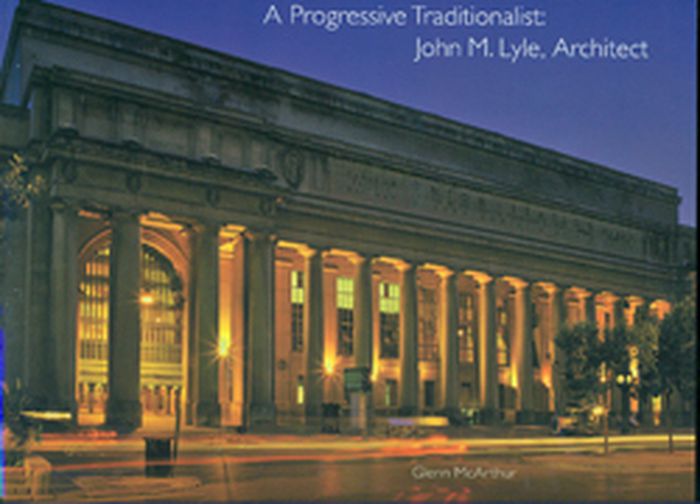
A progressive traditionalist: John M. Lyle, architect
Actions:
Price:
$45.00
(available to order)
Summary:
John M. Lyle (18721945) was an anomaly among architects: a Beaux-Arts classicist who nevertheless found much inspiration in modernism, allowing his own traditionalist practice to be affected in form and detail by a brave new emphasis on minimalism and indigenous influence. With ornamentation showcasing local flora and fauna and a turn to native landscape for inspiration, his innumerable buildings contributed to a burgeoning nationalism in the field. A Progressive Traditionalist traces this aesthetic trajectory, documenting Lyles training at Yale and in Paris, his early career in New York and his later success in Toronto, including countless legendary banks and residences and the iconic Union Station. Part biography and part architectural history, and extensively illustrated with colour photographs and drawings throughout, this book is the first to examine in depth the important contributions of one of the early twentieth centurys foremost architects.
A progressive traditionalist: John M. Lyle, architect
Actions:
Price:
$45.00
(available to order)
Summary:
John M. Lyle (18721945) was an anomaly among architects: a Beaux-Arts classicist who nevertheless found much inspiration in modernism, allowing his own traditionalist practice to be affected in form and detail by a brave new emphasis on minimalism and indigenous influence. With ornamentation showcasing local flora and fauna and a turn to native landscape for inspiration, his innumerable buildings contributed to a burgeoning nationalism in the field. A Progressive Traditionalist traces this aesthetic trajectory, documenting Lyles training at Yale and in Paris, his early career in New York and his later success in Toronto, including countless legendary banks and residences and the iconic Union Station. Part biography and part architectural history, and extensively illustrated with colour photographs and drawings throughout, this book is the first to examine in depth the important contributions of one of the early twentieth centurys foremost architects.
Form:
books
books
Publication:
March 2009
March 2009
Subject:
Architecture in Canada
Architecture in Canada
Form:
books
books
Price:
$26.50
(available in store)
Summary:
In this sequel to her enduring bestseller ''Hope in the Dark'', Solnit surveys a world that has changed dramatically since the year 1960. Despite the forces seeking to turn back the clock on history, change is not a possibility; it is an inevitability. The changes amount to nothing less than dismantling an old civilization and building a new one, whose newness is often(...)
$26.50
(available in store)
Summary:
In this sequel to her enduring bestseller ''Hope in the Dark'', Solnit surveys a world that has changed dramatically since the year 1960. Despite the forces seeking to turn back the clock on history, change is not a possibility; it is an inevitability. The changes amount to nothing less than dismantling an old civilization and building a new one, whose newness is often(...)
Title:
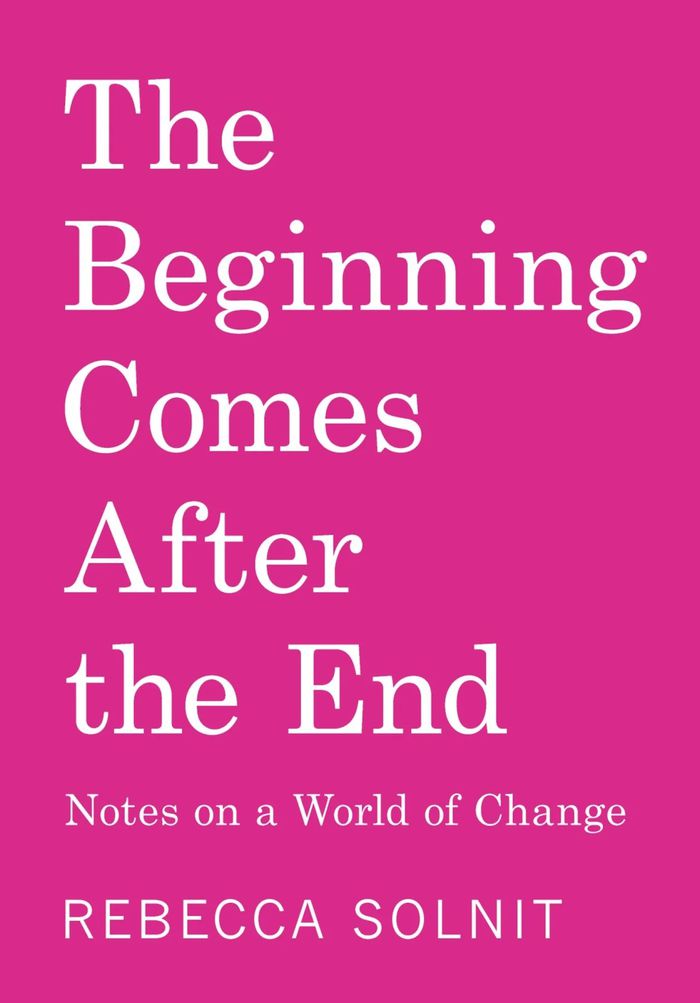
The beginning comes after the end: Notes on a world of change
Actions:
Price:
$26.50
(available in store)
Summary:
In this sequel to her enduring bestseller ''Hope in the Dark'', Solnit surveys a world that has changed dramatically since the year 1960. Despite the forces seeking to turn back the clock on history, change is not a possibility; it is an inevitability. The changes amount to nothing less than dismantling an old civilization and building a new one, whose newness is often the return of the old ways and wisdoms. In this rising worldview, interconnection is a core idea and value. But because the transformation is obscured within a longer arc of history, its scale is seldom recognized. While the white nationalist and authoritarian backlash drives individualism and isolation, this new world embraces antiracism, feminism, a more expansive understanding of gender, environmental thinking, scientific breakthroughs, and Indigenous and non-Western ideas, pointing toward a more interconnected, relational world.
The beginning comes after the end: Notes on a world of change
Actions:
Price:
$26.50
(available in store)
Summary:
In this sequel to her enduring bestseller ''Hope in the Dark'', Solnit surveys a world that has changed dramatically since the year 1960. Despite the forces seeking to turn back the clock on history, change is not a possibility; it is an inevitability. The changes amount to nothing less than dismantling an old civilization and building a new one, whose newness is often the return of the old ways and wisdoms. In this rising worldview, interconnection is a core idea and value. But because the transformation is obscured within a longer arc of history, its scale is seldom recognized. While the white nationalist and authoritarian backlash drives individualism and isolation, this new world embraces antiracism, feminism, a more expansive understanding of gender, environmental thinking, scientific breakthroughs, and Indigenous and non-Western ideas, pointing toward a more interconnected, relational world.
Form:
books
books
Publication:
April 2026
April 2026
Subject:
Social
Social
Form:
books
books
Actions:
Price:
$15.00
(available to order)
Summary:
The June issue looks at the housing spectrum, with a particular focus on non-market and affordable housing. Odile Hénault starts our journey in Montreal, where two shelters—Le Christin by Atelier Big City and Les Studios du PAS by L. McComber in collaboration with Inform—offer dignity to people experiencing homelessness. We next travel to Beaverton Heights, a transitional(...)
$15.00
(available to order)
Summary:
The June issue looks at the housing spectrum, with a particular focus on non-market and affordable housing. Odile Hénault starts our journey in Montreal, where two shelters—Le Christin by Atelier Big City and Les Studios du PAS by L. McComber in collaboration with Inform—offer dignity to people experiencing homelessness. We next travel to Beaverton Heights, a transitional(...)
Title:
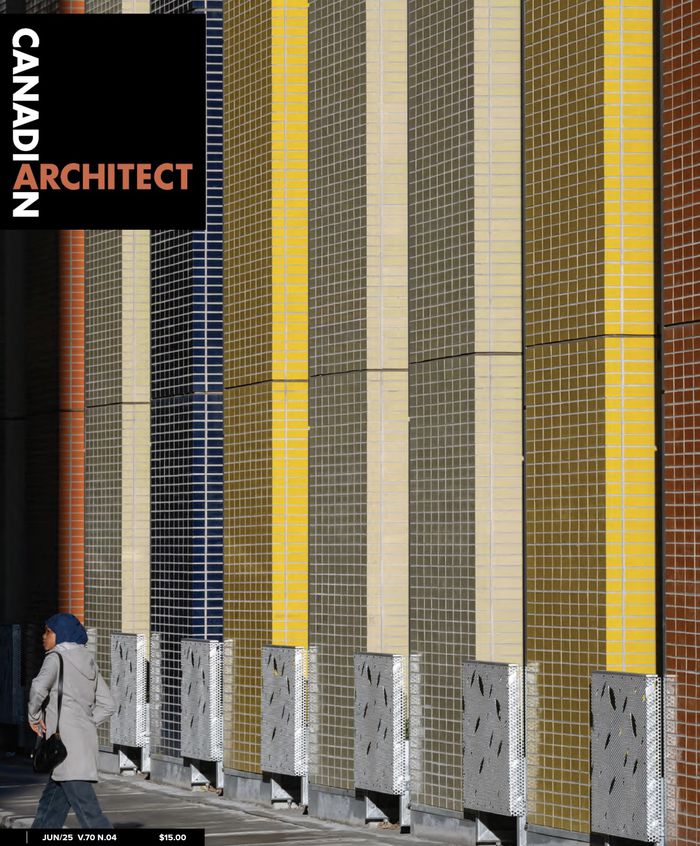
Canadian architect v.70 no.04 June 2025
Actions:
Price:
$15.00
(available to order)
Summary:
The June issue looks at the housing spectrum, with a particular focus on non-market and affordable housing. Odile Hénault starts our journey in Montreal, where two shelters—Le Christin by Atelier Big City and Les Studios du PAS by L. McComber in collaboration with Inform—offer dignity to people experiencing homelessness. We next travel to Beaverton Heights, a transitional housing project in the Region of Durham, Ontario. Designed by Montgomery Sisam Architects, the complex addresses the often-invisible homelessness of a rural area, and expands the aesthetic possibilities of modular construction. In Toronto, we visit Gerrard Healthy Housing by Atkinson Architect, which aims to add gentle density to an established neighbourhood. We also tour Anduhyaun, LGA Architectural Partners’ shelter for Indigenous women, which offers a place of nurture and grounding for its clients. And more...
Canadian architect v.70 no.04 June 2025
Actions:
Price:
$15.00
(available to order)
Summary:
The June issue looks at the housing spectrum, with a particular focus on non-market and affordable housing. Odile Hénault starts our journey in Montreal, where two shelters—Le Christin by Atelier Big City and Les Studios du PAS by L. McComber in collaboration with Inform—offer dignity to people experiencing homelessness. We next travel to Beaverton Heights, a transitional housing project in the Region of Durham, Ontario. Designed by Montgomery Sisam Architects, the complex addresses the often-invisible homelessness of a rural area, and expands the aesthetic possibilities of modular construction. In Toronto, we visit Gerrard Healthy Housing by Atkinson Architect, which aims to add gentle density to an established neighbourhood. We also tour Anduhyaun, LGA Architectural Partners’ shelter for Indigenous women, which offers a place of nurture and grounding for its clients. And more...
Form:
books
books
Publication:
June 2025
June 2025
Subject:
Magazines
Magazines


