


13794 Results
Form:
books
books
Actions:
Price:
$37.00
(available to order)
Summary:
Following the runaway success of "A Tree," "With a Bird," is the second installment in Onomatopee's five-year, five-volume publication series creating "rich encounters between folklore and critical research." As a reader on avian kinship, "With a Bird," delves into the profound ways birds have inspired human understanding of life, blending scientific inquiry with(...)
$37.00
(available to order)
Summary:
Following the runaway success of "A Tree," "With a Bird," is the second installment in Onomatopee's five-year, five-volume publication series creating "rich encounters between folklore and critical research." As a reader on avian kinship, "With a Bird," delves into the profound ways birds have inspired human understanding of life, blending scientific inquiry with(...)
Title:
With a bird: A reader on avian kinship
Actions:
Price:
$37.00
(available to order)
Summary:
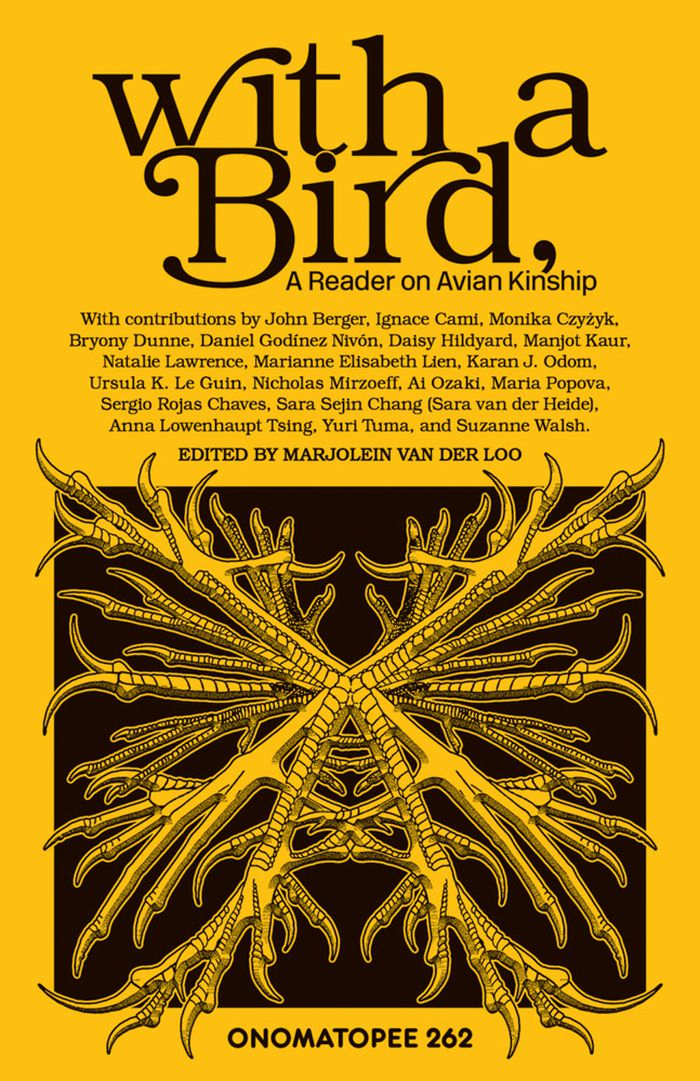
Following the runaway success of "A Tree," "With a Bird," is the second installment in Onomatopee's five-year, five-volume publication series creating "rich encounters between folklore and critical research." As a reader on avian kinship, "With a Bird," delves into the profound ways birds have inspired human understanding of life, blending scientific inquiry with spiritual reflection. Visual art, natural history, sociology, literature and more combine to explore how birds challenge and transcend boundaries—between human and non-human life, dream and reality, life and death, science and folklore and the domains of land, water and sky. Each chapter in this petite, canary-yellow paperback is dedicated to the symbolic roles birds play in human life, from death to dreams to freedom to fortune-telling.
With a bird: A reader on avian kinship
Actions:
Price:
$37.00
(available to order)
Summary:
Following the runaway success of "A Tree," "With a Bird," is the second installment in Onomatopee's five-year, five-volume publication series creating "rich encounters between folklore and critical research." As a reader on avian kinship, "With a Bird," delves into the profound ways birds have inspired human understanding of life, blending scientific inquiry with spiritual reflection. Visual art, natural history, sociology, literature and more combine to explore how birds challenge and transcend boundaries—between human and non-human life, dream and reality, life and death, science and folklore and the domains of land, water and sky. Each chapter in this petite, canary-yellow paperback is dedicated to the symbolic roles birds play in human life, from death to dreams to freedom to fortune-telling.
Form:
books
books
Publication:
December 2025
December 2025
Subject:
Art Theory
Art Theory
Form:
books
books
Actions:
Price:
$68.00
(available in store)
Summary:
Design is becoming more strategic as a discipline, moving away from 'making things beautiful' to 'thinking creatively'. This book provides designers with the methods and tools they need to develop discussable and tangible scenarios. It also outlines ways for creative people, activists and decision-makers in politics, science and the wider society to imagine more desirable futures.
$68.00
(available in store)
Summary:
Design is becoming more strategic as a discipline, moving away from 'making things beautiful' to 'thinking creatively'. This book provides designers with the methods and tools they need to develop discussable and tangible scenarios. It also outlines ways for creative people, activists and decision-makers in politics, science and the wider society to imagine more desirable futures.
Title:
Designing futures: Speculation, critique, innovation
Actions:
Price:
$68.00
(available in store)
Summary:
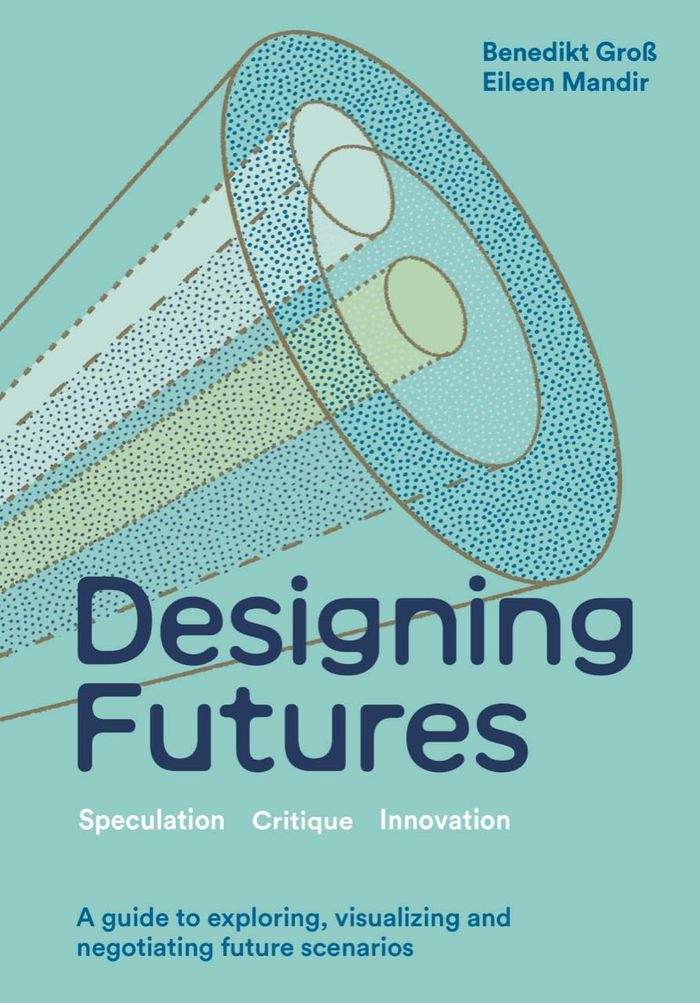
Design is becoming more strategic as a discipline, moving away from 'making things beautiful' to 'thinking creatively'. This book provides designers with the methods and tools they need to develop discussable and tangible scenarios. It also outlines ways for creative people, activists and decision-makers in politics, science and the wider society to imagine more desirable futures.
Designing futures: Speculation, critique, innovation
Actions:
Price:
$68.00
(available in store)
Summary:
Design is becoming more strategic as a discipline, moving away from 'making things beautiful' to 'thinking creatively'. This book provides designers with the methods and tools they need to develop discussable and tangible scenarios. It also outlines ways for creative people, activists and decision-makers in politics, science and the wider society to imagine more desirable futures.
Form:
books
books
Publication:
December 2025
December 2025
Subject:
Design Theory
Design Theory
Form:
books
books
Actions:
Price:
$45.00
(available to order)
Summary:
This book documents the non-profit Evergreen’s public art program in Toronto’s Lower Don River Valley from 2017 through 2024. Twenty-five art and research projects commissioned and presented by Evergreen are reproduced here alongside new essays, interviews, roundtable discussions, and process images. Together the publication coheres current discussions on temporary,(...)
$45.00
(available to order)
Summary:
This book documents the non-profit Evergreen’s public art program in Toronto’s Lower Don River Valley from 2017 through 2024. Twenty-five art and research projects commissioned and presented by Evergreen are reproduced here alongside new essays, interviews, roundtable discussions, and process images. Together the publication coheres current discussions on temporary,(...)
Title:
Temporary acts: Public art in Toronto's Don River Valley
Actions:
Price:
$45.00
(available to order)
Summary:
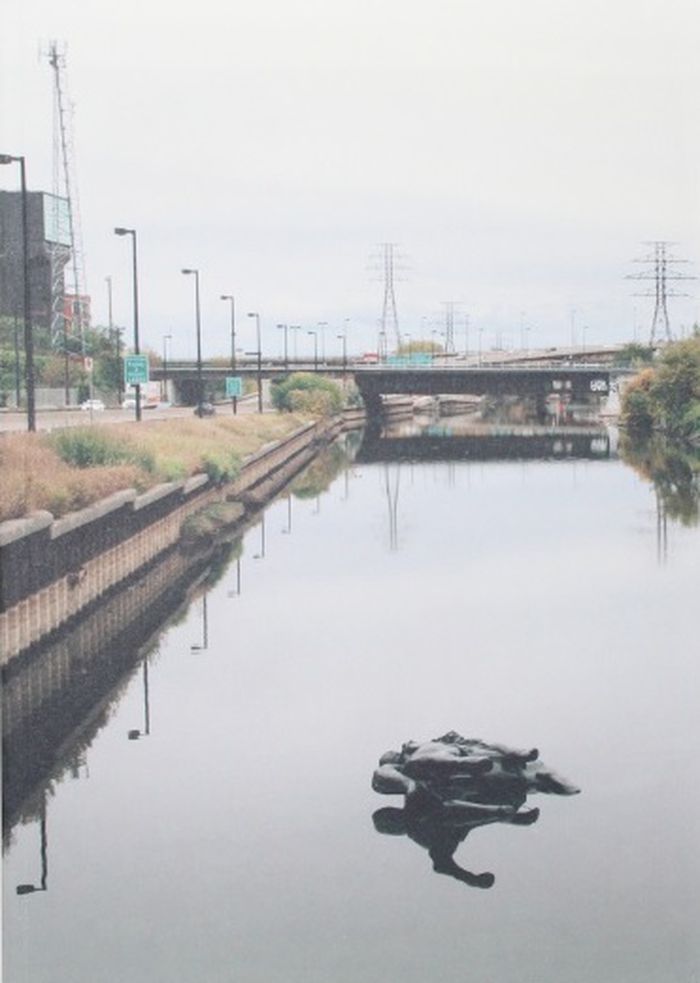
This book documents the non-profit Evergreen’s public art program in Toronto’s Lower Don River Valley from 2017 through 2024. Twenty-five art and research projects commissioned and presented by Evergreen are reproduced here alongside new essays, interviews, roundtable discussions, and process images. Together the publication coheres current discussions on temporary, sustainable, collaborative, and site-responsive public art, and explores the role of artists in deepening our engagement with complex landscapes like the Don River.
Temporary acts: Public art in Toronto's Don River Valley
Actions:
Price:
$45.00
(available to order)
Summary:
This book documents the non-profit Evergreen’s public art program in Toronto’s Lower Don River Valley from 2017 through 2024. Twenty-five art and research projects commissioned and presented by Evergreen are reproduced here alongside new essays, interviews, roundtable discussions, and process images. Together the publication coheres current discussions on temporary, sustainable, collaborative, and site-responsive public art, and explores the role of artists in deepening our engagement with complex landscapes like the Don River.
Form:
books
books
Publication:
December 2025
December 2025
Subject:
Art Theory
Art Theory
Form:
books
books
Price:
$60.95
(available to order)
Summary:
Landscape architecture is at a crossroads. The ability to draw upon interdisciplinary perspectives and generate insights from the combined vantage points of design, environmental studies, and the social sciences puts it in a prime position to address the most pressing issues of our time, such as climate change and social inequality. Its current reliance on digital and(...)
$60.95
(available to order)
Summary:
Landscape architecture is at a crossroads. The ability to draw upon interdisciplinary perspectives and generate insights from the combined vantage points of design, environmental studies, and the social sciences puts it in a prime position to address the most pressing issues of our time, such as climate change and social inequality. Its current reliance on digital and(...)
Title:
Landscape fieldwork: How engaging the world can change design
Actions:
Price:
$60.95
(available to order)
Summary:
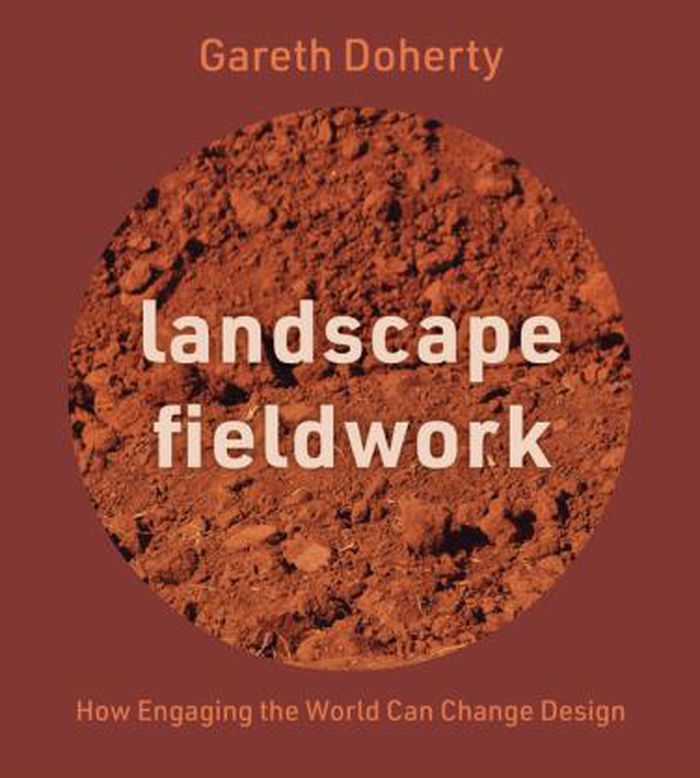
Landscape architecture is at a crossroads. The ability to draw upon interdisciplinary perspectives and generate insights from the combined vantage points of design, environmental studies, and the social sciences puts it in a prime position to address the most pressing issues of our time, such as climate change and social inequality. Its current reliance on digital and technological solutions, however, has increasingly caused landscape architects to lose sight of the ways in which humans actually use spaces. And while landscapes are designed all over the world, the discipline remains inordinately centered on the Global North. ''Landscape Fieldwork'' alters that long-standing paradigm through real-life examples that provide tools for practitioners to engage more deeply with multidimensional, diverse landscapes and the communities that create, live in, and use them.
Landscape fieldwork: How engaging the world can change design
Actions:
Price:
$60.95
(available to order)
Summary:
Landscape architecture is at a crossroads. The ability to draw upon interdisciplinary perspectives and generate insights from the combined vantage points of design, environmental studies, and the social sciences puts it in a prime position to address the most pressing issues of our time, such as climate change and social inequality. Its current reliance on digital and technological solutions, however, has increasingly caused landscape architects to lose sight of the ways in which humans actually use spaces. And while landscapes are designed all over the world, the discipline remains inordinately centered on the Global North. ''Landscape Fieldwork'' alters that long-standing paradigm through real-life examples that provide tools for practitioners to engage more deeply with multidimensional, diverse landscapes and the communities that create, live in, and use them.
Form:
books
books
Publication:
April 2025
April 2025
Subject:
Landscape Theory
Landscape Theory
Form:
books
books
Actions:
Price:
$56.95
(available in store)
Summary:
Première traduction française du texte de 1967 de Giorgio Grassi, « La construction logique de l'architecture » est une prise de position forte en faveur d'une architecture pensée pour elle-même, à contre-courant des dérives expérimentales qui marquent aussi bien son époque que la nôtre. En s'appuyant sur l'histoire des traités et des théories architecturales depuis le(...)
$56.95
(available in store)
Summary:
Première traduction française du texte de 1967 de Giorgio Grassi, « La construction logique de l'architecture » est une prise de position forte en faveur d'une architecture pensée pour elle-même, à contre-courant des dérives expérimentales qui marquent aussi bien son époque que la nôtre. En s'appuyant sur l'histoire des traités et des théories architecturales depuis le(...)
Subject:
Architectural Theory
Architectural Theory
Publication:
November 2025
November 2025
Title:
La construction logique de l'architecture
Actions:
Price:
$56.95
(available in store)
Summary:
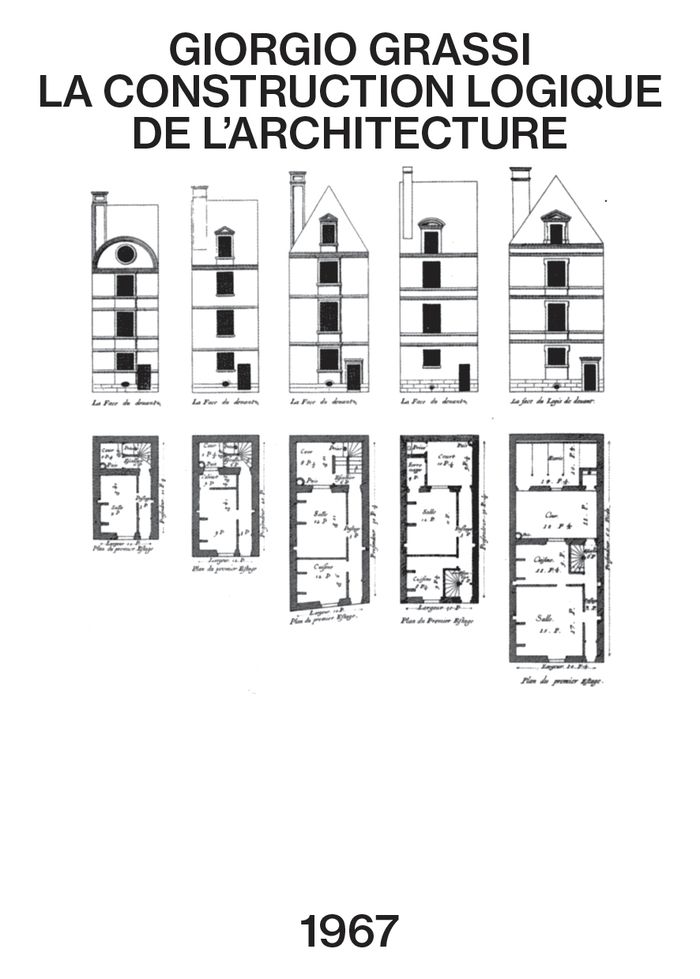
Première traduction française du texte de 1967 de Giorgio Grassi, « La construction logique de l'architecture » est une prise de position forte en faveur d'une architecture pensée pour elle-même, à contre-courant des dérives expérimentales qui marquent aussi bien son époque que la nôtre. En s'appuyant sur l'histoire des traités et des théories architecturales depuis le XVIIe siècle, Grassi défend une discipline autonome, rigoureuse et responsable, capable de répondre aux enjeux du territoire et du phénomène urbain. Ce texte fondamental dessine les contours d'une architecture entendue comme une théorie pratique, où la construction devient l'expression la plus aboutie de la pensée.
La construction logique de l'architecture
Actions:
Price:
$56.95
(available in store)
Summary:
Première traduction française du texte de 1967 de Giorgio Grassi, « La construction logique de l'architecture » est une prise de position forte en faveur d'une architecture pensée pour elle-même, à contre-courant des dérives expérimentales qui marquent aussi bien son époque que la nôtre. En s'appuyant sur l'histoire des traités et des théories architecturales depuis le XVIIe siècle, Grassi défend une discipline autonome, rigoureuse et responsable, capable de répondre aux enjeux du territoire et du phénomène urbain. Ce texte fondamental dessine les contours d'une architecture entendue comme une théorie pratique, où la construction devient l'expression la plus aboutie de la pensée.
Form:
books
books
Publication:
November 2025
November 2025
Subject:
Architectural Theory
Architectural Theory
Form:
books
books
Actions:
Price:
$43.95
(available in store)
Summary:
Quelles relations les images entretiennent-elles entre elles si on les décorrèle de leur rapport à l'être humain? Que se passe-t-il dans l'autre côté non accessible des images ? Les images peuvent-elles nous donner un aperçu sur l'autre côté de notre perception ? Telles sont les questions inattendues auxquelles ce livre se confronte. Inattendues, car l'esthétique et(...)
$43.95
(available in store)
Summary:
Quelles relations les images entretiennent-elles entre elles si on les décorrèle de leur rapport à l'être humain? Que se passe-t-il dans l'autre côté non accessible des images ? Les images peuvent-elles nous donner un aperçu sur l'autre côté de notre perception ? Telles sont les questions inattendues auxquelles ce livre se confronte. Inattendues, car l'esthétique et(...)
Title:
Qu'est-ce que l'éconologie ? : Au bout des images : cinéma, monde, perception
Actions:
Price:
$43.95
(available in store)
Summary:
Quelles relations les images entretiennent-elles entre elles si on les décorrèle de leur rapport à l'être humain? Que se passe-t-il dans l'autre côté non accessible des images ? Les images peuvent-elles nous donner un aperçu sur l'autre côté de notre perception ? Telles sont les questions inattendues auxquelles ce livre se confronte. Inattendues, car l'esthétique et l'iconologie font généralement, si ce n'est exclusivement, usage d'un discours orienté en direction de l'être humain, mieux : déterminé par lui, par ses représentations, par son expérience possible. S'il n'est évidemment pas question de soutenir que l'on pourrait parler depuis l'extériorité de notre appartenance d'espèce (que l'on ne confondra pas avec notre subjectivité), la thèse ici défendue est que quelque chose de l'in-humanité des images peut malgré tout parvenir jusqu'à nous. L'interrogation devient alors : à quelles conditions de tels phénomènes sont-ils possibles ? Pour l'éclaircir, cet essai a recours à la phénoménologie, à l'histoire de l'art, à la littérature, à l'écologie, mais avant tout au cinéma, à sa théorie comme à l'analyse de plusieurs films. Le cinéma s'y impose comme le lieu d'origine spéculatif de l'éconologie, qui bascule brusquement notre manière de penser les images. Et il s'y impose sur fond de toutes sortes de trous.
Qu'est-ce que l'éconologie ? : Au bout des images : cinéma, monde, perception
Actions:
Price:
$43.95
(available in store)
Summary:
Quelles relations les images entretiennent-elles entre elles si on les décorrèle de leur rapport à l'être humain? Que se passe-t-il dans l'autre côté non accessible des images ? Les images peuvent-elles nous donner un aperçu sur l'autre côté de notre perception ? Telles sont les questions inattendues auxquelles ce livre se confronte. Inattendues, car l'esthétique et l'iconologie font généralement, si ce n'est exclusivement, usage d'un discours orienté en direction de l'être humain, mieux : déterminé par lui, par ses représentations, par son expérience possible. S'il n'est évidemment pas question de soutenir que l'on pourrait parler depuis l'extériorité de notre appartenance d'espèce (que l'on ne confondra pas avec notre subjectivité), la thèse ici défendue est que quelque chose de l'in-humanité des images peut malgré tout parvenir jusqu'à nous. L'interrogation devient alors : à quelles conditions de tels phénomènes sont-ils possibles ? Pour l'éclaircir, cet essai a recours à la phénoménologie, à l'histoire de l'art, à la littérature, à l'écologie, mais avant tout au cinéma, à sa théorie comme à l'analyse de plusieurs films. Le cinéma s'y impose comme le lieu d'origine spéculatif de l'éconologie, qui bascule brusquement notre manière de penser les images. Et il s'y impose sur fond de toutes sortes de trous.
Form:
books
books
Publication:
November 2025
November 2025
Subject:
Art Theory
Art Theory
Form:
books
books
Price:
$24.95
(available in store)
Summary:
À partir d'expériences pratiques, « Désapprendre en traduisant » s'appuie sur la traduction comme outil pédagogique, acte de résistance et geste de soin dans un contexte politique hostile. La curatrice, autrice, éditrice et traductrice autodidacte Virginie Bobin y revisite une série d'ateliers, expositions et autres activités collectives prenant la traduction comme sujet(...)
$24.95
(available in store)
Summary:
À partir d'expériences pratiques, « Désapprendre en traduisant » s'appuie sur la traduction comme outil pédagogique, acte de résistance et geste de soin dans un contexte politique hostile. La curatrice, autrice, éditrice et traductrice autodidacte Virginie Bobin y revisite une série d'ateliers, expositions et autres activités collectives prenant la traduction comme sujet(...)
Title:
Désapprendre en traduisant : Une pratique critique et collective
Actions:
Price:
$24.95
(available in store)
Summary:
À partir d'expériences pratiques, « Désapprendre en traduisant » s'appuie sur la traduction comme outil pédagogique, acte de résistance et geste de soin dans un contexte politique hostile. La curatrice, autrice, éditrice et traductrice autodidacte Virginie Bobin y revisite une série d'ateliers, expositions et autres activités collectives prenant la traduction comme sujet et comme méthode pour ébranler les conceptions excluantes de la langue, de l'identité et de l'appartenance. À travers le prisme ambigu de l'intraduisibilité, le livre se penche sur les rapports de pouvoir qui sous-tendent le travail de l'art dans divers contextes institutionnels, académiques ou militants. S'inscrivant dans des généalogies et des méthodologies féministes, « Désapprendre en traduisant » place le travail collectif et les relations affectives au cœur des pratiques critiques, comme l'illustre la correspondance avec Andrea Ancira, publiée à la fin du livre.
Désapprendre en traduisant : Une pratique critique et collective
Actions:
Price:
$24.95
(available in store)
Summary:
À partir d'expériences pratiques, « Désapprendre en traduisant » s'appuie sur la traduction comme outil pédagogique, acte de résistance et geste de soin dans un contexte politique hostile. La curatrice, autrice, éditrice et traductrice autodidacte Virginie Bobin y revisite une série d'ateliers, expositions et autres activités collectives prenant la traduction comme sujet et comme méthode pour ébranler les conceptions excluantes de la langue, de l'identité et de l'appartenance. À travers le prisme ambigu de l'intraduisibilité, le livre se penche sur les rapports de pouvoir qui sous-tendent le travail de l'art dans divers contextes institutionnels, académiques ou militants. S'inscrivant dans des généalogies et des méthodologies féministes, « Désapprendre en traduisant » place le travail collectif et les relations affectives au cœur des pratiques critiques, comme l'illustre la correspondance avec Andrea Ancira, publiée à la fin du livre.
Form:
books
books
Publication:
October 2025
October 2025
Subject:
Critical Theory
Critical Theory
Form:
books
books
Actions:
Price:
$79.95
(available in store)
Summary:
Publiée dans le cadre de la Chaire de recherche, de création et de production « Écodesign et Création », organisée par l'École des Arts Décoratifs de Paris en partenariat avec le groupe Decathlon de 2022 à 2025, avec pour ambition de répondre, par le design sous toutes ses formes, aux grands défis de la transition écologique, cette publication n'est ni un compte rendu(...)
$79.95
(available in store)
Summary:
Publiée dans le cadre de la Chaire de recherche, de création et de production « Écodesign et Création », organisée par l'École des Arts Décoratifs de Paris en partenariat avec le groupe Decathlon de 2022 à 2025, avec pour ambition de répondre, par le design sous toutes ses formes, aux grands défis de la transition écologique, cette publication n'est ni un compte rendu(...)
Title:
Écodesign et Création : Coffret 3 volumes
Actions:
Price:
$79.95
(available in store)
Summary:
Publiée dans le cadre de la Chaire de recherche, de création et de production « Écodesign et Création », organisée par l'École des Arts Décoratifs de Paris en partenariat avec le groupe Decathlon de 2022 à 2025, avec pour ambition de répondre, par le design sous toutes ses formes, aux grands défis de la transition écologique, cette publication n'est ni un compte rendu formel, ni un catalogue des productions étudiantes de la Chaire, mais bien un catalyseur de la question écologique saisie par le prisme des arts de vivre et d'habiter la terre que sont historiquement les arts décoratifs. Déclinée en trois volumes annuels (« S'attacher », 2023, « Produire », 2024 et « Prendre soin », 2025).), elle s'adosse d'une part aux travaux pédagogiques et scientifiques de la Chaire, et d'autre part à des contributions extérieures qui alimentent une réflexion plus globale sur l'écoconception. Designers, chercheurs, poètes, économistes, écrivains sont invités à dialoguer avec la nouvelle génération appelée à reconfigurer nos milieux de vie.
Écodesign et Création : Coffret 3 volumes
Actions:
Price:
$79.95
(available in store)
Summary:
Publiée dans le cadre de la Chaire de recherche, de création et de production « Écodesign et Création », organisée par l'École des Arts Décoratifs de Paris en partenariat avec le groupe Decathlon de 2022 à 2025, avec pour ambition de répondre, par le design sous toutes ses formes, aux grands défis de la transition écologique, cette publication n'est ni un compte rendu formel, ni un catalogue des productions étudiantes de la Chaire, mais bien un catalyseur de la question écologique saisie par le prisme des arts de vivre et d'habiter la terre que sont historiquement les arts décoratifs. Déclinée en trois volumes annuels (« S'attacher », 2023, « Produire », 2024 et « Prendre soin », 2025).), elle s'adosse d'une part aux travaux pédagogiques et scientifiques de la Chaire, et d'autre part à des contributions extérieures qui alimentent une réflexion plus globale sur l'écoconception. Designers, chercheurs, poètes, économistes, écrivains sont invités à dialoguer avec la nouvelle génération appelée à reconfigurer nos milieux de vie.
Form:
books
books
Publication:
December 2025
December 2025
Subject:
Design Theory
Design Theory
Form:
books
books
Actions:
Price:
$32.00
(available to order)
Summary:
Fifty years after the Fall of Saigon and twenty years after her family’s emigration to America, Minh Nguyen returns to her native Vietnam to find out what’s left of the old revolutionary project. In Memorial Park, a collection of essays pairing travelogue and criticism, Nguyen encounters relics of proletarian romance and vestiges of authoritarian control amid an evermore(...)
$32.00
(available to order)
Summary:
Fifty years after the Fall of Saigon and twenty years after her family’s emigration to America, Minh Nguyen returns to her native Vietnam to find out what’s left of the old revolutionary project. In Memorial Park, a collection of essays pairing travelogue and criticism, Nguyen encounters relics of proletarian romance and vestiges of authoritarian control amid an evermore(...)
Title:
Memorial Park: Revisiting Vietnam
Actions:
Price:
$32.00
(available to order)
Summary:
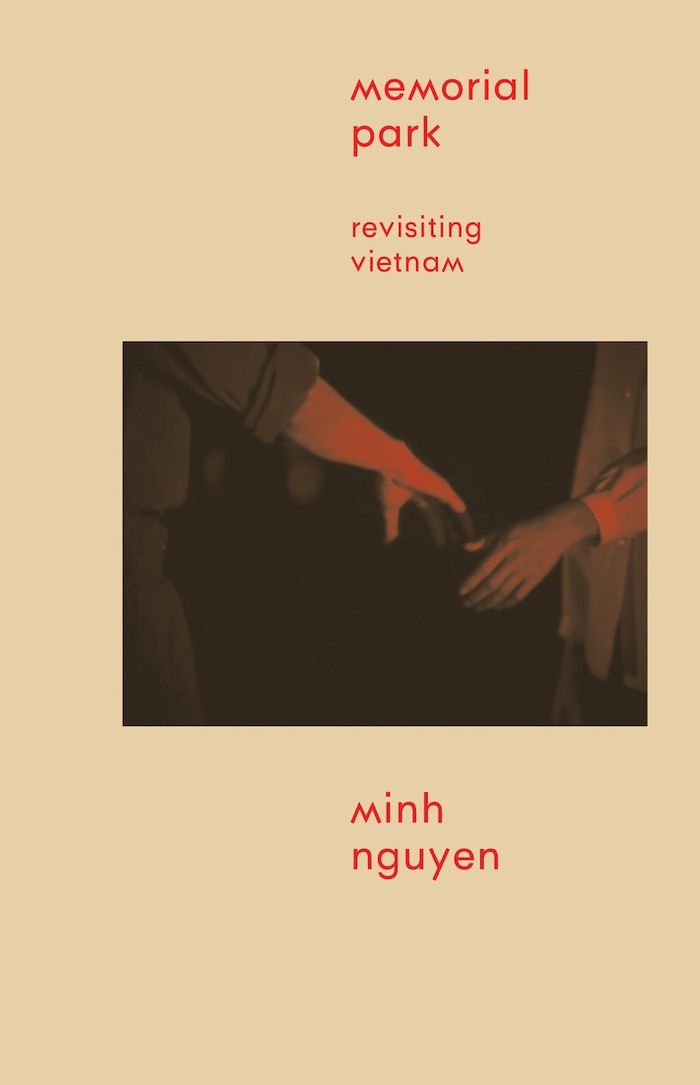
Fifty years after the Fall of Saigon and twenty years after her family’s emigration to America, Minh Nguyen returns to her native Vietnam to find out what’s left of the old revolutionary project. In Memorial Park, a collection of essays pairing travelogue and criticism, Nguyen encounters relics of proletarian romance and vestiges of authoritarian control amid an evermore corporatized society. Along the way, she considers how contemporary artspeak confuses state censors, the rise of luxury "Smart Cities" as they supplant socialist housing complexes, and the enduring appeal of propaganda signs that once promised utopia. Driven by a diasporic curiosity that seeks discovery over dwelling on loss, "Memorial Park" avoids nostalgic idealism or reflexive condemnation. Instead, Nguyen takes seriously the legacy of Vietnamese liberation by naming what it has become—and what it has not.
Memorial Park: Revisiting Vietnam
Actions:
Price:
$32.00
(available to order)
Summary:
Fifty years after the Fall of Saigon and twenty years after her family’s emigration to America, Minh Nguyen returns to her native Vietnam to find out what’s left of the old revolutionary project. In Memorial Park, a collection of essays pairing travelogue and criticism, Nguyen encounters relics of proletarian romance and vestiges of authoritarian control amid an evermore corporatized society. Along the way, she considers how contemporary artspeak confuses state censors, the rise of luxury "Smart Cities" as they supplant socialist housing complexes, and the enduring appeal of propaganda signs that once promised utopia. Driven by a diasporic curiosity that seeks discovery over dwelling on loss, "Memorial Park" avoids nostalgic idealism or reflexive condemnation. Instead, Nguyen takes seriously the legacy of Vietnamese liberation by naming what it has become—and what it has not.
Form:
books
books
Publication:
July 2025
July 2025
Subject:
Art Theory
Art Theory
Form:
books
books
Actions:
Price:
$50.95
(available to order)
Summary:
Au XVe siècle, l'apparition de formes architecturales inédites, inspirées des édifices antiques romains, a bouleversé toutes les modes. Ces projets originaux étaient signés de la main de maîtres d'oeuvre indépendants des corporations, nouveaux intervenants dans la production : les architectes. De nouvelles formes artistiques investirent alors les palais urbains, les(...)
$50.95
(available to order)
Summary:
Au XVe siècle, l'apparition de formes architecturales inédites, inspirées des édifices antiques romains, a bouleversé toutes les modes. Ces projets originaux étaient signés de la main de maîtres d'oeuvre indépendants des corporations, nouveaux intervenants dans la production : les architectes. De nouvelles formes artistiques investirent alors les palais urbains, les(...)
Title:
Essai sur les formes en architecture
Actions:
Price:
$50.95
(available to order)
Summary:
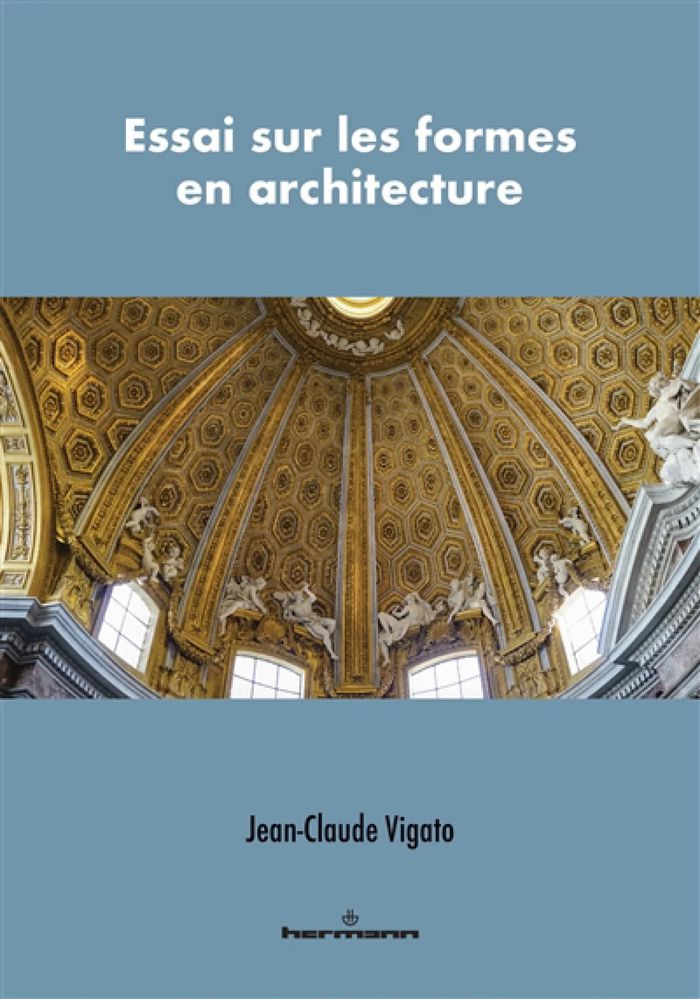
Au XVe siècle, l'apparition de formes architecturales inédites, inspirées des édifices antiques romains, a bouleversé toutes les modes. Ces projets originaux étaient signés de la main de maîtres d'oeuvre indépendants des corporations, nouveaux intervenants dans la production : les architectes. De nouvelles formes artistiques investirent alors les palais urbains, les églises, leurs façades, leurs cours. A partir du XIXe siècle, l'architecture moderniste rejeta néanmoins ces formes, tout comme celles décoratives : les oeuvres architecturales devaient être techniques et fonctionnelles, du retour du gothique à l'architecture computationnelle. L'emploi de formes historiques ainsi que la problématique de la composition perdurèrent néanmoins, réactualisés dans le travail d'architectes comme Le Corbusier, Louis Kahn ou Livio Vacchini, parmi d'autres créateurs.
Essai sur les formes en architecture
Actions:
Price:
$50.95
(available to order)
Summary:
Au XVe siècle, l'apparition de formes architecturales inédites, inspirées des édifices antiques romains, a bouleversé toutes les modes. Ces projets originaux étaient signés de la main de maîtres d'oeuvre indépendants des corporations, nouveaux intervenants dans la production : les architectes. De nouvelles formes artistiques investirent alors les palais urbains, les églises, leurs façades, leurs cours. A partir du XIXe siècle, l'architecture moderniste rejeta néanmoins ces formes, tout comme celles décoratives : les oeuvres architecturales devaient être techniques et fonctionnelles, du retour du gothique à l'architecture computationnelle. L'emploi de formes historiques ainsi que la problématique de la composition perdurèrent néanmoins, réactualisés dans le travail d'architectes comme Le Corbusier, Louis Kahn ou Livio Vacchini, parmi d'autres créateurs.
Form:
books
books
Publication:
May 2025
May 2025
Subject:
Architectural Theory
Architectural Theory


