


13794 Results
Form:
books
books
Actions:
Price:
$35.95
(available to order)
Summary:
Architecture, as we know it, is in crisis. The authority of architects is crumbling, their methods no longer tenable. In a highly critical introspection, architect and writer Reinier de Graaf explores the tough choices ahead and the course of action that must follow. ''Architecture Against Architecture'' demands we rethink both how and why we build. With wit and(...)
$35.95
(available to order)
Summary:
Architecture, as we know it, is in crisis. The authority of architects is crumbling, their methods no longer tenable. In a highly critical introspection, architect and writer Reinier de Graaf explores the tough choices ahead and the course of action that must follow. ''Architecture Against Architecture'' demands we rethink both how and why we build. With wit and(...)
Title:
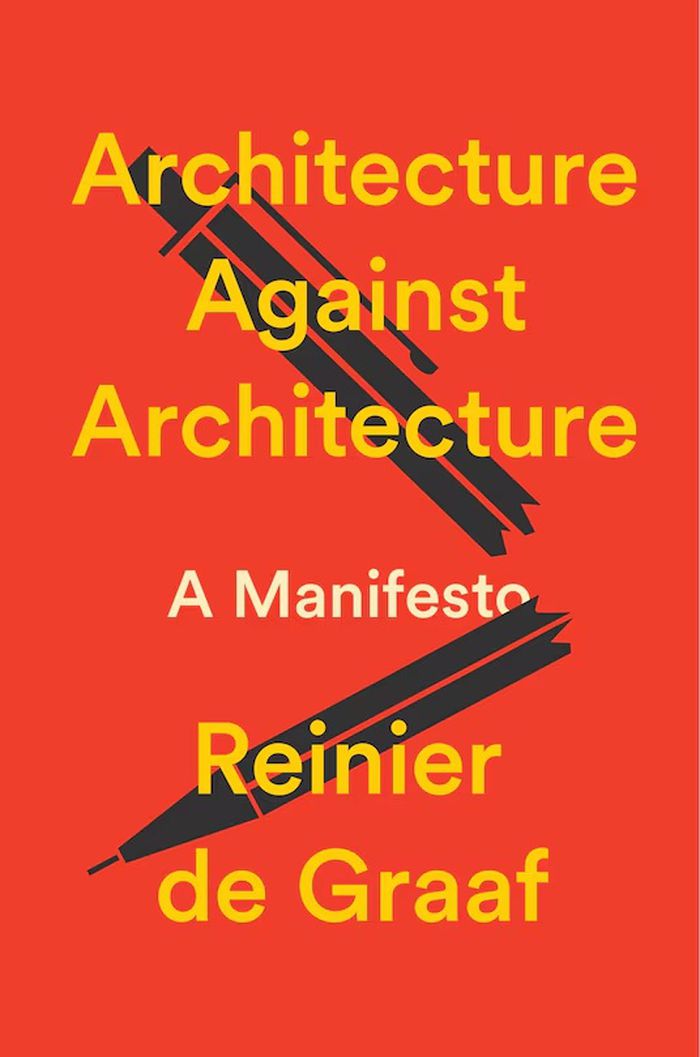
Architecture against architecture: A manifesto
Actions:
Price:
$35.95
(available to order)
Summary:
Architecture, as we know it, is in crisis. The authority of architects is crumbling, their methods no longer tenable. In a highly critical introspection, architect and writer Reinier de Graaf explores the tough choices ahead and the course of action that must follow. ''Architecture Against Architecture'' demands we rethink both how and why we build. With wit and insight, De Graaf lays out the future of the profession, challenging readers to question the fundamental assumptions of the discipline. How do we end the feudal veneration of starchitects? When will architects finally recognize that it is in their own best interest to unionize? Why aren’t more practices collectively owned? Why do so many architects over sixty-seven refuse to retire? How do we stop buildings from being copy-righted? What will remain of architecture after AI? What can prevent iconic structures from being embroiled in money laundering? And the vital question: What projects should architects refuse on moral grounds?
Architecture against architecture: A manifesto
Actions:
Price:
$35.95
(available to order)
Summary:
Architecture, as we know it, is in crisis. The authority of architects is crumbling, their methods no longer tenable. In a highly critical introspection, architect and writer Reinier de Graaf explores the tough choices ahead and the course of action that must follow. ''Architecture Against Architecture'' demands we rethink both how and why we build. With wit and insight, De Graaf lays out the future of the profession, challenging readers to question the fundamental assumptions of the discipline. How do we end the feudal veneration of starchitects? When will architects finally recognize that it is in their own best interest to unionize? Why aren’t more practices collectively owned? Why do so many architects over sixty-seven refuse to retire? How do we stop buildings from being copy-righted? What will remain of architecture after AI? What can prevent iconic structures from being embroiled in money laundering? And the vital question: What projects should architects refuse on moral grounds?
Form:
books
books
Publication:
March 2026
March 2026
Subject:
Architectural Theory
Architectural Theory
Form:
books
books
Title:
The fragility of plaster
The fragility of plaster
Actions:
Price:
$17.95
(available to order)
Summary:
The distant past is commonly characterized in terms of dominant materials of the time – the Stone Age, the Bronze Age, the Iron Age, etc. Since the dawn of writing, however, characterizing eras in terms of materials has fallen by the wayside, and yet materials have continued to exert a powerful influence on our collective imagination. Viewed from this perspective, France(...)
$17.95
(available to order)
Summary:
The distant past is commonly characterized in terms of dominant materials of the time – the Stone Age, the Bronze Age, the Iron Age, etc. Since the dawn of writing, however, characterizing eras in terms of materials has fallen by the wayside, and yet materials have continued to exert a powerful influence on our collective imagination. Viewed from this perspective, France(...)
Title:
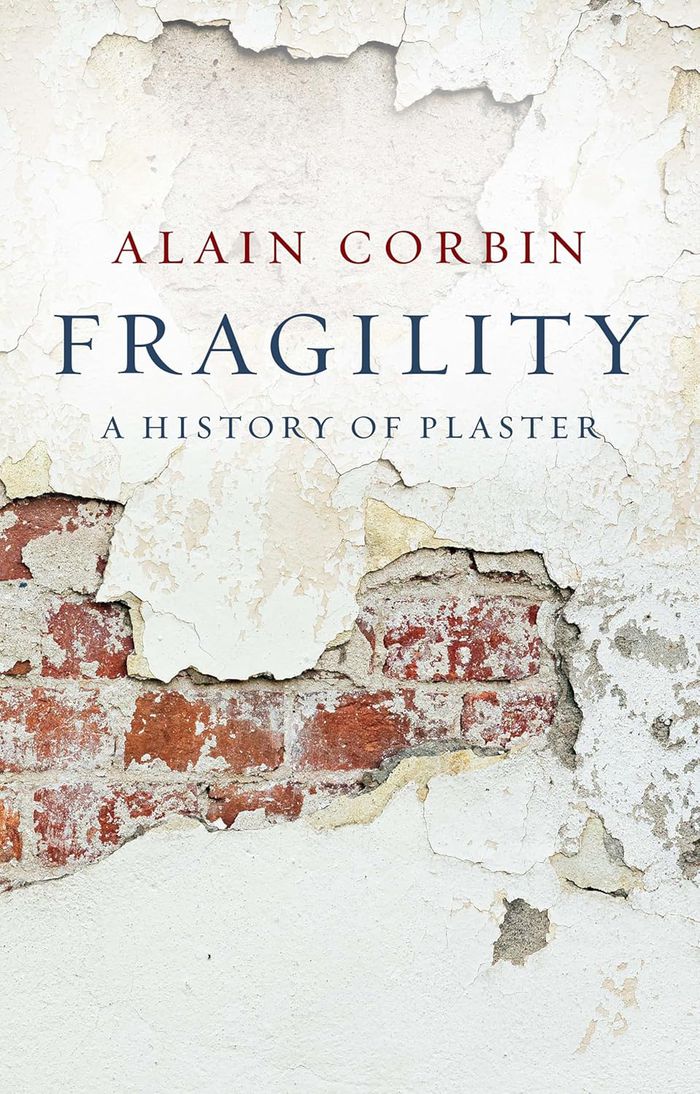
The fragility of plaster
Actions:
Price:
$17.95
(available to order)
Summary:
The distant past is commonly characterized in terms of dominant materials of the time – the Stone Age, the Bronze Age, the Iron Age, etc. Since the dawn of writing, however, characterizing eras in terms of materials has fallen by the wayside, and yet materials have continued to exert a powerful influence on our collective imagination. Viewed from this perspective, France in the period from 1815 to 1855 could be seen as the half-century of plaster. After the French Revolution, plaster was used for a great variety of things: building, moulding, sculpting, decorating. Cheap and easy to use, plaster was everywhere, from Napoleon’s death mask to household ornaments, from walls to elaborate mouldings. Plaster was king – but a fragile king that easily crumbled and fell apart. The age of plaster was also the reign of the ephemeral and the transient, the vulgar and the eclectic, and the men and women of the time struggled to maintain stability and continuity with the past.
The fragility of plaster
Actions:
Price:
$17.95
(available to order)
Summary:
The distant past is commonly characterized in terms of dominant materials of the time – the Stone Age, the Bronze Age, the Iron Age, etc. Since the dawn of writing, however, characterizing eras in terms of materials has fallen by the wayside, and yet materials have continued to exert a powerful influence on our collective imagination. Viewed from this perspective, France in the period from 1815 to 1855 could be seen as the half-century of plaster. After the French Revolution, plaster was used for a great variety of things: building, moulding, sculpting, decorating. Cheap and easy to use, plaster was everywhere, from Napoleon’s death mask to household ornaments, from walls to elaborate mouldings. Plaster was king – but a fragile king that easily crumbled and fell apart. The age of plaster was also the reign of the ephemeral and the transient, the vulgar and the eclectic, and the men and women of the time struggled to maintain stability and continuity with the past.
Form:
books
books
Publication:
July 2025
July 2025
Subject:
Art Theory
Art Theory
Form:
books
books
Actions:
Price:
$27.95
(available in store)
Summary:
The earth is not a dead, mute landscape but an eloquent, living being. Sometimes it just takes a spade, a packet of seeds, and a pair of sturdy boots to realize it. The philosopher Byung-Chul Han spent three springs, summers, autumns, and winters in his secret garden in Berlin, devoting himself to daily gardening in all weathers. For Han, gardening is a form of silent(...)
$27.95
(available in store)
Summary:
The earth is not a dead, mute landscape but an eloquent, living being. Sometimes it just takes a spade, a packet of seeds, and a pair of sturdy boots to realize it. The philosopher Byung-Chul Han spent three springs, summers, autumns, and winters in his secret garden in Berlin, devoting himself to daily gardening in all weathers. For Han, gardening is a form of silent(...)
Title:
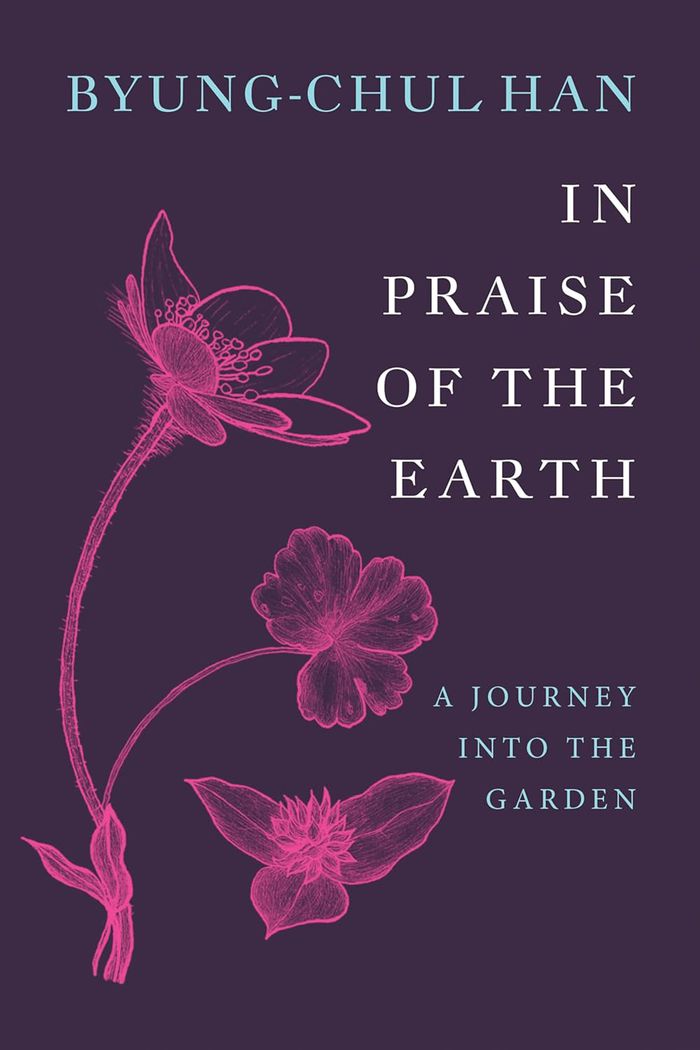
In praise of the earth: a journey into the garden
Actions:
Price:
$27.95
(available in store)
Summary:
The earth is not a dead, mute landscape but an eloquent, living being. Sometimes it just takes a spade, a packet of seeds, and a pair of sturdy boots to realize it. The philosopher Byung-Chul Han spent three springs, summers, autumns, and winters in his secret garden in Berlin, devoting himself to daily gardening in all weathers. For Han, gardening is a form of silent meditation, a lingering in stillness. It gives you a different sense of time. Every plant has its own time that is specific to it, and the garden is a space in which these multiple temporalities overlap and cut across one another. The longer he worked in the garden, the more respect he developed for the earth and for its enchanting beauty.
In praise of the earth: a journey into the garden
Actions:
Price:
$27.95
(available in store)
Summary:
The earth is not a dead, mute landscape but an eloquent, living being. Sometimes it just takes a spade, a packet of seeds, and a pair of sturdy boots to realize it. The philosopher Byung-Chul Han spent three springs, summers, autumns, and winters in his secret garden in Berlin, devoting himself to daily gardening in all weathers. For Han, gardening is a form of silent meditation, a lingering in stillness. It gives you a different sense of time. Every plant has its own time that is specific to it, and the garden is a space in which these multiple temporalities overlap and cut across one another. The longer he worked in the garden, the more respect he developed for the earth and for its enchanting beauty.
Form:
books
books
Publication:
November 2025
November 2025
Subject:
Landscape Theory
Landscape Theory
Form:
books
books

Title:
A dream of stone
A dream of stone
Actions:
Price:
$20.00
(available to order)
Summary:
Best known for her seminal novel "Memoirs of Hadrian" (1951), an imagined autobiography of the Roman emperor, Yourcenar brings the same depth of inquiry and inventive speculation to her lyric prose on art and artists in this newest title in the ekphrasis series. In these five jewel-like essays, Yourcenar meditates on the decay of time, the desire both satiated and refused(...)
$20.00
(available to order)
Summary:
Best known for her seminal novel "Memoirs of Hadrian" (1951), an imagined autobiography of the Roman emperor, Yourcenar brings the same depth of inquiry and inventive speculation to her lyric prose on art and artists in this newest title in the ekphrasis series. In these five jewel-like essays, Yourcenar meditates on the decay of time, the desire both satiated and refused(...)
Title:
A dream of stone
Actions:
Price:
$20.00
(available to order)
Summary:
Best known for her seminal novel "Memoirs of Hadrian" (1951), an imagined autobiography of the Roman emperor, Yourcenar brings the same depth of inquiry and inventive speculation to her lyric prose on art and artists in this newest title in the ekphrasis series. In these five jewel-like essays, Yourcenar meditates on the decay of time, the desire both satiated and refused by art, and the imagery animating the lives, works, and dreams of Michelangelo, Dürer, and Piranesi. And in an intimate mediation on the historical novel, Yourcenar describes her own encounters with how language and sound reveal the past. Together these exquisite essays explore that fundamental awe—perhaps even the terror—at the heart of an encounter with beauty.
A dream of stone
Actions:
Price:
$20.00
(available to order)
Summary:
Best known for her seminal novel "Memoirs of Hadrian" (1951), an imagined autobiography of the Roman emperor, Yourcenar brings the same depth of inquiry and inventive speculation to her lyric prose on art and artists in this newest title in the ekphrasis series. In these five jewel-like essays, Yourcenar meditates on the decay of time, the desire both satiated and refused by art, and the imagery animating the lives, works, and dreams of Michelangelo, Dürer, and Piranesi. And in an intimate mediation on the historical novel, Yourcenar describes her own encounters with how language and sound reveal the past. Together these exquisite essays explore that fundamental awe—perhaps even the terror—at the heart of an encounter with beauty.
Form:
books
books
Publication:
November 2025
November 2025
Subject:
Art Theory
Art Theory
Form:
books
books
Title:
Diffracting the North: Contemporary Latinx Canadian experiences and practices in film, new media
Diffracting the North: Contemporary Latinx Canadian experiences and practices in film, new media
Actions:
Price:
$49.95
(available in store)
Summary:
"Diffracting the North" is the first book to collect and share the experiences and material realities of Latinx Canadian creators of film, media, and visual arts. Bringing together scholars, filmmakers, curators, and artists from a range of Latin American backgrounds, this publication is a forthright and practitioner-driven reflection on the circumstances of producing and(...)
$49.95
(available in store)
Summary:
"Diffracting the North" is the first book to collect and share the experiences and material realities of Latinx Canadian creators of film, media, and visual arts. Bringing together scholars, filmmakers, curators, and artists from a range of Latin American backgrounds, this publication is a forthright and practitioner-driven reflection on the circumstances of producing and(...)
Subject:
Art Theory
Art Theory
Publication:
February 2026
February 2026
Title:
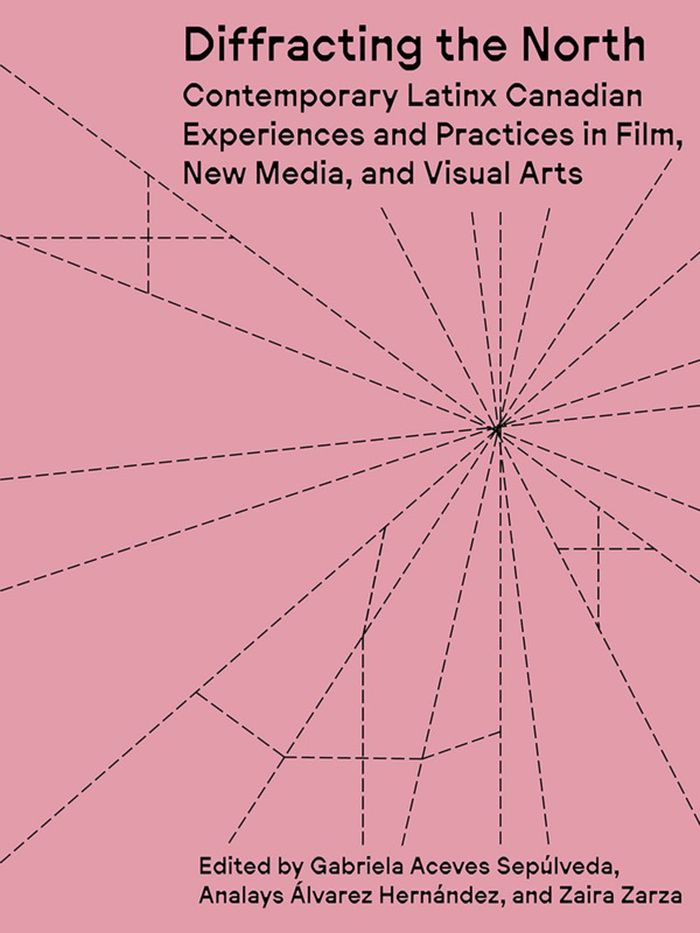
Diffracting the North: Contemporary Latinx Canadian experiences and practices in film, new media
Actions:
Price:
$49.95
(available in store)
Summary:
"Diffracting the North" is the first book to collect and share the experiences and material realities of Latinx Canadian creators of film, media, and visual arts. Bringing together scholars, filmmakers, curators, and artists from a range of Latin American backgrounds, this publication is a forthright and practitioner-driven reflection on the circumstances of producing and disseminating work in a country of predominantly anglophone and francophone environments. Contributors to the volume explore topics including how Latinx Canadian identity is constructed, negotiated, and expressed, as well as the networks and solidarities that shape Latinx Canadian experiences. These connections include intergenerational mentorships, cross-cultural alliances, and collaborations with Indigenous and other marginalized communities within racialized and gendered frameworks.
Diffracting the North: Contemporary Latinx Canadian experiences and practices in film, new media
Actions:
Price:
$49.95
(available in store)
Summary:
"Diffracting the North" is the first book to collect and share the experiences and material realities of Latinx Canadian creators of film, media, and visual arts. Bringing together scholars, filmmakers, curators, and artists from a range of Latin American backgrounds, this publication is a forthright and practitioner-driven reflection on the circumstances of producing and disseminating work in a country of predominantly anglophone and francophone environments. Contributors to the volume explore topics including how Latinx Canadian identity is constructed, negotiated, and expressed, as well as the networks and solidarities that shape Latinx Canadian experiences. These connections include intergenerational mentorships, cross-cultural alliances, and collaborations with Indigenous and other marginalized communities within racialized and gendered frameworks.
Form:
books
books
Publication:
February 2026
February 2026
Subject:
Art Theory
Art Theory
Form:
books
books
Actions:
Price:
$80.00
(available in store)
Summary:
For centuries, women have influenced architecture worldwide by exerting power over space through their writing. By exploring a wide variety of sources, from diaries and travelogues to inventories and political pamphlets, this book expands architectural histories to include these women. Female spatial agencies are revealed using rare written sources, new methodologies, and(...)
$80.00
(available in store)
Summary:
For centuries, women have influenced architecture worldwide by exerting power over space through their writing. By exploring a wide variety of sources, from diaries and travelogues to inventories and political pamphlets, this book expands architectural histories to include these women. Female spatial agencies are revealed using rare written sources, new methodologies, and(...)
Title:
Women writing architecture 1700-1900
Actions:
Price:
$80.00
(available in store)
Summary:
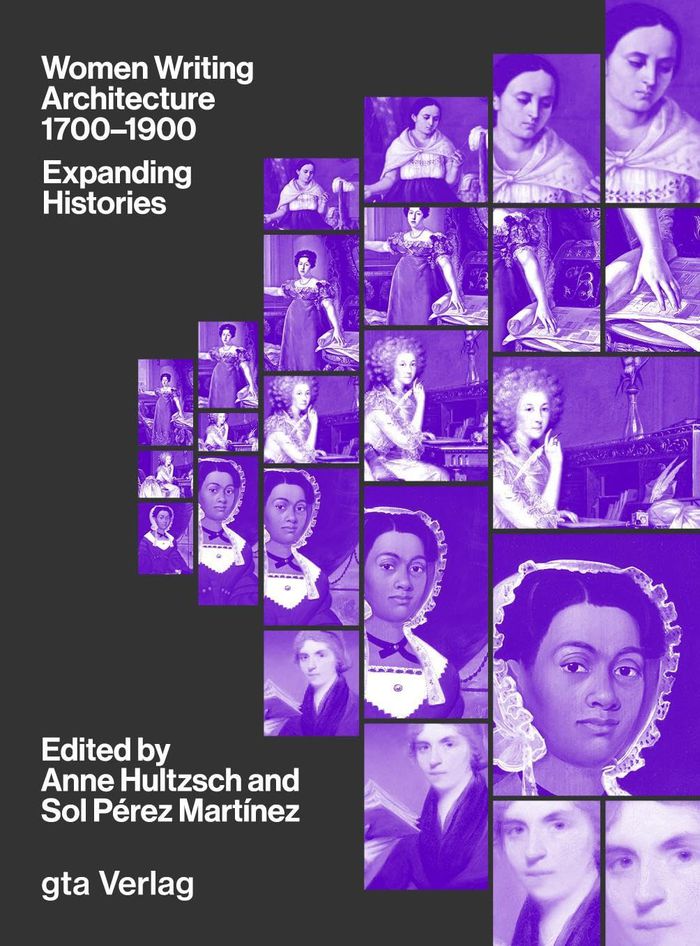
For centuries, women have influenced architecture worldwide by exerting power over space through their writing. By exploring a wide variety of sources, from diaries and travelogues to inventories and political pamphlets, this book expands architectural histories to include these women. Female spatial agencies are revealed using rare written sources, new methodologies, and in-depth re-readings of canonical histories. Women from all walks of life, writing as clients, users, or critics, are relevant voices for understanding the built environment’s past. Examining specific spaces such as churches, homes, gardens, or boulevards, it proposes a novel take on feminist historiographies.
Women writing architecture 1700-1900
Actions:
Price:
$80.00
(available in store)
Summary:
For centuries, women have influenced architecture worldwide by exerting power over space through their writing. By exploring a wide variety of sources, from diaries and travelogues to inventories and political pamphlets, this book expands architectural histories to include these women. Female spatial agencies are revealed using rare written sources, new methodologies, and in-depth re-readings of canonical histories. Women from all walks of life, writing as clients, users, or critics, are relevant voices for understanding the built environment’s past. Examining specific spaces such as churches, homes, gardens, or boulevards, it proposes a novel take on feminist historiographies.
Form:
books
books
Publication:
December 2025
December 2025
Subject:
Architectural Theory
Architectural Theory
Form:
books
books
Actions:
Price:
$65.00
(available in store)
Summary:
Georges Teyssot, parmi les plus prolifiques théoriciens contemporains de l’architecture, s’est distingué par ses réflexions sur les rapports entre architecture, corps et technologie. Ses activités d’enseignement l’ont mené de Venise (IUAV) à Princeton (Princeton University), puis à Québec (Université Laval). Ses écrits, nourris par la philosophie, les sciences et(...)
$65.00
(available in store)
Summary:
Georges Teyssot, parmi les plus prolifiques théoriciens contemporains de l’architecture, s’est distingué par ses réflexions sur les rapports entre architecture, corps et technologie. Ses activités d’enseignement l’ont mené de Venise (IUAV) à Princeton (Princeton University), puis à Québec (Université Laval). Ses écrits, nourris par la philosophie, les sciences et(...)
Subject:
Architectural Theory
Architectural Theory
Publication:
December 2025
December 2025
Title:
Le dispositif Teyssot : Un relevé intellectuel
Actions:
Price:
$65.00
(available in store)
Summary:
Georges Teyssot, parmi les plus prolifiques théoriciens contemporains de l’architecture, s’est distingué par ses réflexions sur les rapports entre architecture, corps et technologie. Ses activités d’enseignement l’ont mené de Venise (IUAV) à Princeton (Princeton University), puis à Québec (Université Laval). Ses écrits, nourris par la philosophie, les sciences et l'histoire de l'art, ont profondément transformé la compréhension de l’architecture à travers des concepts novateurs sur la domesticité, les paysages et la techno-esthétique. "Le dispositif Teyssot: un relevé intellectuel" prend comme point de départ la bibliothèque personnelle du théoricien, composée de 7191 ouvrages, laquelle se révèle être bien plus qu’une simple collection : elle constitue un véritable dispositif intellectuel. Ce vaste réseau de savoirs, soigneusement répertorié, éclaire les multiples influences l’ayant nourri et inspire ici d’anciens collaborateurs et collègues qui proposent des regards critiques sur les concepts clés de son œuvre tout en suggérant de nouvelles perspectives.
Le dispositif Teyssot : Un relevé intellectuel
Actions:
Price:
$65.00
(available in store)
Summary:
Georges Teyssot, parmi les plus prolifiques théoriciens contemporains de l’architecture, s’est distingué par ses réflexions sur les rapports entre architecture, corps et technologie. Ses activités d’enseignement l’ont mené de Venise (IUAV) à Princeton (Princeton University), puis à Québec (Université Laval). Ses écrits, nourris par la philosophie, les sciences et l'histoire de l'art, ont profondément transformé la compréhension de l’architecture à travers des concepts novateurs sur la domesticité, les paysages et la techno-esthétique. "Le dispositif Teyssot: un relevé intellectuel" prend comme point de départ la bibliothèque personnelle du théoricien, composée de 7191 ouvrages, laquelle se révèle être bien plus qu’une simple collection : elle constitue un véritable dispositif intellectuel. Ce vaste réseau de savoirs, soigneusement répertorié, éclaire les multiples influences l’ayant nourri et inspire ici d’anciens collaborateurs et collègues qui proposent des regards critiques sur les concepts clés de son œuvre tout en suggérant de nouvelles perspectives.
Form:
books
books
Publication:
December 2025
December 2025
Subject:
Architectural Theory
Architectural Theory
Form:
books
books
Actions:
Price:
$71.95
(available in store)
Summary:
À l'école de paysage de Versailles de jeunes paysagistes et enseignants inventent de nouvelles manières de penser et de transformer les paysages. Au cœur de leurs démarches : l'écologie de terrain, l'attention au vivant, le réemploi des ressources, l'expérimentation collective. De friches industrielles transformées en parcs vivants aux ateliers participatifs dans les(...)
$71.95
(available in store)
Summary:
À l'école de paysage de Versailles de jeunes paysagistes et enseignants inventent de nouvelles manières de penser et de transformer les paysages. Au cœur de leurs démarches : l'écologie de terrain, l'attention au vivant, le réemploi des ressources, l'expérimentation collective. De friches industrielles transformées en parcs vivants aux ateliers participatifs dans les(...)
Title:
Utopies rustiques : paysages et jardins en chantier
Actions:
Price:
$71.95
(available in store)
Summary:
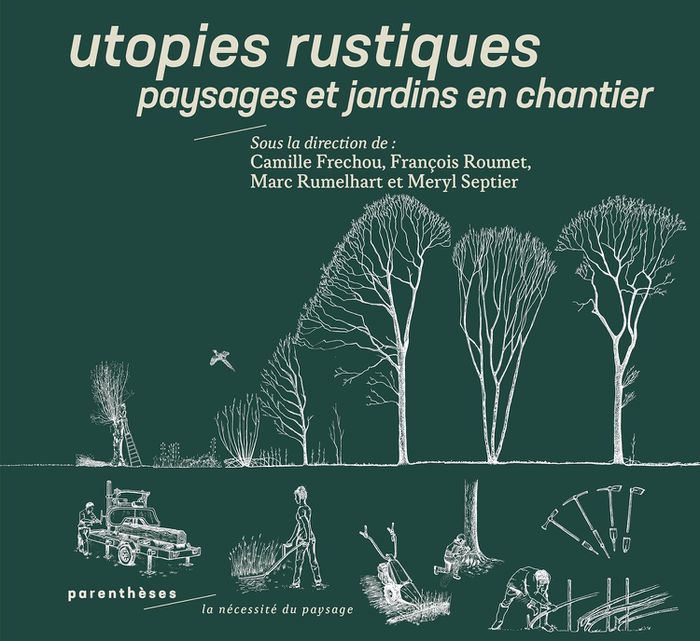
À l'école de paysage de Versailles de jeunes paysagistes et enseignants inventent de nouvelles manières de penser et de transformer les paysages. Au cœur de leurs démarches : l'écologie de terrain, l'attention au vivant, le réemploi des ressources, l'expérimentation collective. De friches industrielles transformées en parcs vivants aux ateliers participatifs dans les villages ou les quartiers, ces projets explorent des façons inédites de concevoir et de faire durer les espaces publics. Ce livre rassemble une vingtaine de récits issus de cette aventure collective. Trois chapitres scandent cette progression – raciner, bourgeonner, fructifier – comme autant d'étapes d'une pratique vivante du paysage, où conception, réalisation et entretien s'entrelacent. À la fois manuel, récit et manifeste, l'ouvrage esquisse une véritable philosophie du projet de paysage : rustique, pragmatique et inventive. Il invite à repenser nos manières d'habiter et de cultiver le monde, en offrant des pistes concrètes et inspirantes face aux défis écologiques et sociaux contemporains.
Utopies rustiques : paysages et jardins en chantier
Actions:
Price:
$71.95
(available in store)
Summary:
À l'école de paysage de Versailles de jeunes paysagistes et enseignants inventent de nouvelles manières de penser et de transformer les paysages. Au cœur de leurs démarches : l'écologie de terrain, l'attention au vivant, le réemploi des ressources, l'expérimentation collective. De friches industrielles transformées en parcs vivants aux ateliers participatifs dans les villages ou les quartiers, ces projets explorent des façons inédites de concevoir et de faire durer les espaces publics. Ce livre rassemble une vingtaine de récits issus de cette aventure collective. Trois chapitres scandent cette progression – raciner, bourgeonner, fructifier – comme autant d'étapes d'une pratique vivante du paysage, où conception, réalisation et entretien s'entrelacent. À la fois manuel, récit et manifeste, l'ouvrage esquisse une véritable philosophie du projet de paysage : rustique, pragmatique et inventive. Il invite à repenser nos manières d'habiter et de cultiver le monde, en offrant des pistes concrètes et inspirantes face aux défis écologiques et sociaux contemporains.
Form:
books
books
Publication:
November 2025
November 2025
Subject:
Landscape Theory
Landscape Theory
Form:
books
books
Title:
La ville et son sol
La ville et son sol
Actions:
Price:
$50.95
(available to order)
Summary:
et ouvrage pionnier a été publié pour la première fois en Suisse en langue allemande en 1946, sous le titre bilingue Die Stadt und ihr Boden/Towns and the Land (cette version contenait un résumé et toutes les légendes en anglais). Il s’agit d’un texte fondamental qui propose une synthèse de l’histoire de l’urbanisme en Europe du point de vue de la propriété des sols.(...)
$50.95
(available to order)
Summary:
et ouvrage pionnier a été publié pour la première fois en Suisse en langue allemande en 1946, sous le titre bilingue Die Stadt und ihr Boden/Towns and the Land (cette version contenait un résumé et toutes les légendes en anglais). Il s’agit d’un texte fondamental qui propose une synthèse de l’histoire de l’urbanisme en Europe du point de vue de la propriété des sols.(...)
Title:
La ville et son sol
Actions:
Price:
$50.95
(available to order)
Summary:
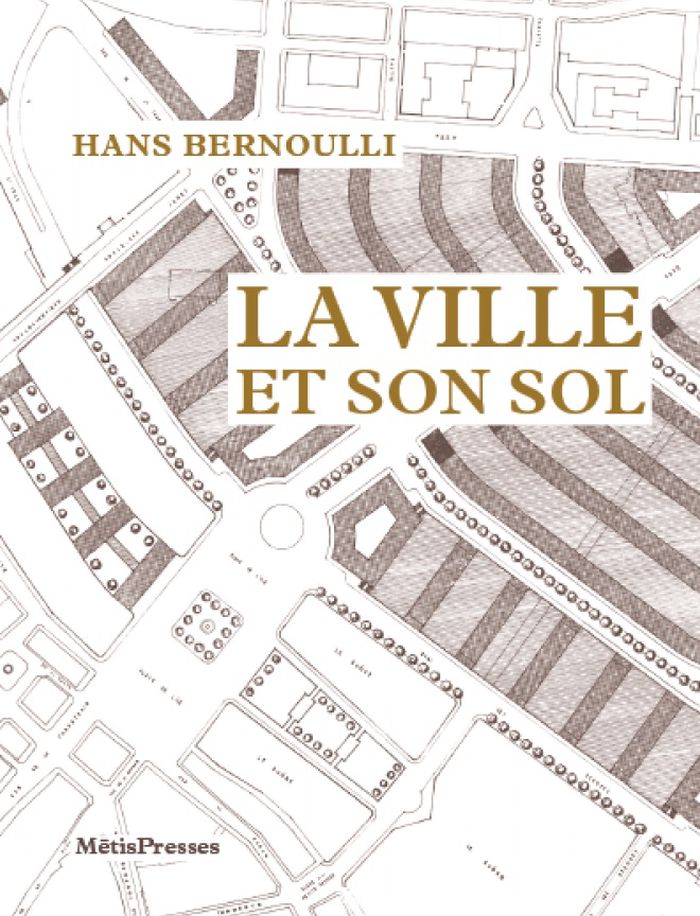
et ouvrage pionnier a été publié pour la première fois en Suisse en langue allemande en 1946, sous le titre bilingue Die Stadt und ihr Boden/Towns and the Land (cette version contenait un résumé et toutes les légendes en anglais). Il s’agit d’un texte fondamental qui propose une synthèse de l’histoire de l’urbanisme en Europe du point de vue de la propriété des sols. Parmi les chapitres primordiaux du livre, on retrouve une analyse de la ville coloniale médiévale, de l’Amsterdam du 17e siècle à la Place Vendôme, des effets négatifs de la chute de l’Ancien Régime, des résultats désastreux de l’expansion urbaine commanditée par les spéculations foncières, de la cité-jardin, des nouvelles cités industrielles de l’Union soviétique, parmi bien d’autres exemples. Des traductions récentes démontrent un regain d’intérêt autour de questions telles que la consommation du sol agricole dans les pays européens, l’usage équitable des ressources face à l’urgence climatique et la forte demande de mise en place de régimes communaux, les commons, pour lesquels l’urbanisme ne dispose pas encore d’instruments adéquats.
La ville et son sol
Actions:
Price:
$50.95
(available to order)
Summary:
et ouvrage pionnier a été publié pour la première fois en Suisse en langue allemande en 1946, sous le titre bilingue Die Stadt und ihr Boden/Towns and the Land (cette version contenait un résumé et toutes les légendes en anglais). Il s’agit d’un texte fondamental qui propose une synthèse de l’histoire de l’urbanisme en Europe du point de vue de la propriété des sols. Parmi les chapitres primordiaux du livre, on retrouve une analyse de la ville coloniale médiévale, de l’Amsterdam du 17e siècle à la Place Vendôme, des effets négatifs de la chute de l’Ancien Régime, des résultats désastreux de l’expansion urbaine commanditée par les spéculations foncières, de la cité-jardin, des nouvelles cités industrielles de l’Union soviétique, parmi bien d’autres exemples. Des traductions récentes démontrent un regain d’intérêt autour de questions telles que la consommation du sol agricole dans les pays européens, l’usage équitable des ressources face à l’urgence climatique et la forte demande de mise en place de régimes communaux, les commons, pour lesquels l’urbanisme ne dispose pas encore d’instruments adéquats.
Form:
books
books
Publication:
November 2025
November 2025
Subject:
Urban Theory
Urban Theory
Form:
books
books
Actions:
Price:
$20.00
(available to order)
Summary:
Déserter et combattre les logiques néolibérales prédatrices en architecture, c’est possible, mais comment fait-on pour ce que ces pratiques plus expérimentales assurent notre subsistance au quotidien ? Comment gagner sa vie tout en répondant aux enjeux climatiques et sociaux qui sont désormais enseignés dans les écoles d’architecture ? Peuvent-elles professionnaliser à(...)
$20.00
(available to order)
Summary:
Déserter et combattre les logiques néolibérales prédatrices en architecture, c’est possible, mais comment fait-on pour ce que ces pratiques plus expérimentales assurent notre subsistance au quotidien ? Comment gagner sa vie tout en répondant aux enjeux climatiques et sociaux qui sont désormais enseignés dans les écoles d’architecture ? Peuvent-elles professionnaliser à(...)
Title:
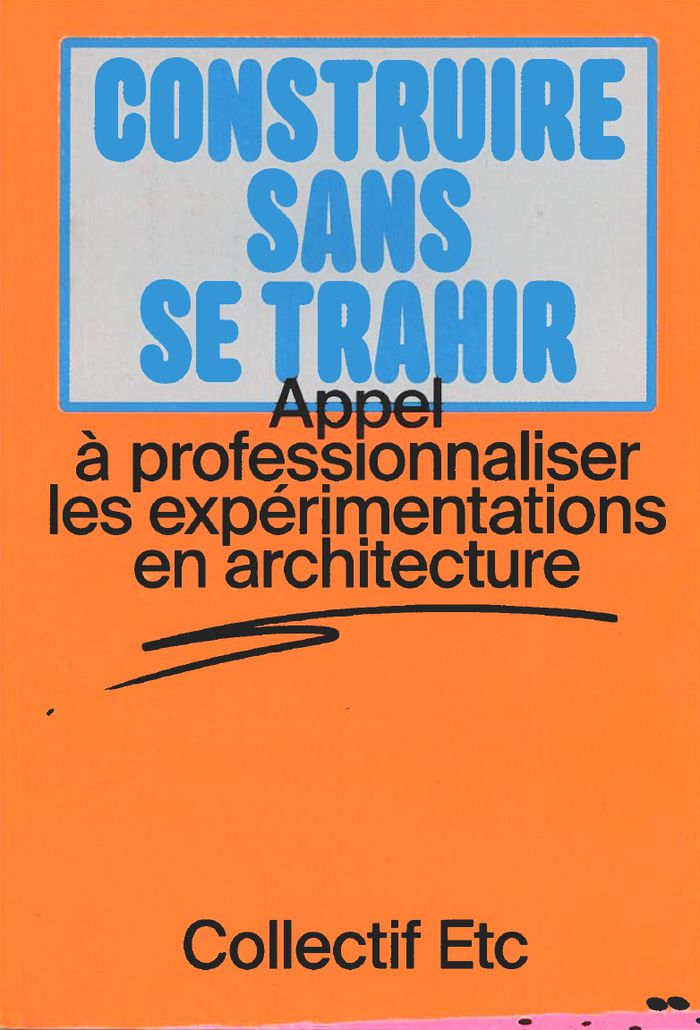
Construire sans se trahir : Appel à professionaliser les expérimentations en architecture
Actions:
Price:
$20.00
(available to order)
Summary:
Déserter et combattre les logiques néolibérales prédatrices en architecture, c’est possible, mais comment fait-on pour ce que ces pratiques plus expérimentales assurent notre subsistance au quotidien ? Comment gagner sa vie tout en répondant aux enjeux climatiques et sociaux qui sont désormais enseignés dans les écoles d’architecture ? Peuvent-elles professionnaliser à d’autres métiers que la maitrise d’œuvre ? Comment donner des outils concrets pour aider de jeunes diplômées à bousculer les cadres de commandes et à réinsuffler de l’utilité publique ? Le désir est là, brûlant même, les injonctions et inspirations théoriques ne manquent pas, mais nous avons surtout besoin aujourd’hui de pragmatisme à associer à notre joie militante.
Construire sans se trahir : Appel à professionaliser les expérimentations en architecture
Actions:
Price:
$20.00
(available to order)
Summary:
Déserter et combattre les logiques néolibérales prédatrices en architecture, c’est possible, mais comment fait-on pour ce que ces pratiques plus expérimentales assurent notre subsistance au quotidien ? Comment gagner sa vie tout en répondant aux enjeux climatiques et sociaux qui sont désormais enseignés dans les écoles d’architecture ? Peuvent-elles professionnaliser à d’autres métiers que la maitrise d’œuvre ? Comment donner des outils concrets pour aider de jeunes diplômées à bousculer les cadres de commandes et à réinsuffler de l’utilité publique ? Le désir est là, brûlant même, les injonctions et inspirations théoriques ne manquent pas, mais nous avons surtout besoin aujourd’hui de pragmatisme à associer à notre joie militante.
Form:
books
books
Publication:
January 2026
January 2026
Subject:
Architectural Theory
Architectural Theory


