


36173 Results
Form:
books
books

Title:
Jana Sterbak: Velleitas
Jana Sterbak: Velleitas
Actions:
Price:
$50.00
(available in store)
Summary:
A l'occasion d'une exposition rétrospective des travaux de Sterbak, Murray met en lumière les composantes architecturale et géométrique présentes dans l'oeuvre de l'artiste. Noble décèle dans l'oeuvre une dialectique situant le corps entre autonomie et confinement. Comprend des anecdotes relatées par l'artiste, deux extraits d'écrits de Calvino et De Azua, ainsi qu'une(...)
$50.00
(available in store)
Summary:
A l'occasion d'une exposition rétrospective des travaux de Sterbak, Murray met en lumière les composantes architecturale et géométrique présentes dans l'oeuvre de l'artiste. Noble décèle dans l'oeuvre une dialectique situant le corps entre autonomie et confinement. Comprend des anecdotes relatées par l'artiste, deux extraits d'écrits de Calvino et De Azua, ainsi qu'une(...)
Title:
Jana Sterbak: Velleitas
Actions:
Price:
$50.00
(available in store)
Summary:
A l'occasion d'une exposition rétrospective des travaux de Sterbak, Murray met en lumière les composantes architecturale et géométrique présentes dans l'oeuvre de l'artiste. Noble décèle dans l'oeuvre une dialectique situant le corps entre autonomie et confinement. Comprend des anecdotes relatées par l'artiste, deux extraits d'écrits de Calvino et De Azua, ainsi qu'une nouvelle de Bowles. On the occasion of a retrospective exhibition of Sterbak's work, Murray brings to light architectural and geometrical components in the artist's work. Noble uncovers a dialectic in the work which situates the body between autonomy and containment. Includes anecdotes by the artist, two excerpts from Calvino and De Azua, and a short story by Bowles.
Jana Sterbak: Velleitas
Actions:
Price:
$50.00
(available in store)
Summary:
A l'occasion d'une exposition rétrospective des travaux de Sterbak, Murray met en lumière les composantes architecturale et géométrique présentes dans l'oeuvre de l'artiste. Noble décèle dans l'oeuvre une dialectique situant le corps entre autonomie et confinement. Comprend des anecdotes relatées par l'artiste, deux extraits d'écrits de Calvino et De Azua, ainsi qu'une nouvelle de Bowles. On the occasion of a retrospective exhibition of Sterbak's work, Murray brings to light architectural and geometrical components in the artist's work. Noble uncovers a dialectic in the work which situates the body between autonomy and containment. Includes anecdotes by the artist, two excerpts from Calvino and De Azua, and a short story by Bowles.
Form:
books
books
Publication:
August 1995
August 1995
Form:
books
books
Actions:
Price:
$34.95
(available to order)
Summary:
Faut-il rappeler qu'André Chastel, grand historien d'art, professeur au Collège de France, a aussi été l'un des chroniqueurs les plus en vue du journal Le Monde? De 1945 à 1988, il y a publié plus de 1500 articles; on trouvera ici un choix de ceux qu'il a consacrés à l'architecture et au patrimoine. Ses articles savaient créer l'événement pour un public assidu, et ils(...)
$34.95
(available to order)
Summary:
Faut-il rappeler qu'André Chastel, grand historien d'art, professeur au Collège de France, a aussi été l'un des chroniqueurs les plus en vue du journal Le Monde? De 1945 à 1988, il y a publié plus de 1500 articles; on trouvera ici un choix de ceux qu'il a consacrés à l'architecture et au patrimoine. Ses articles savaient créer l'événement pour un public assidu, et ils(...)
Title:
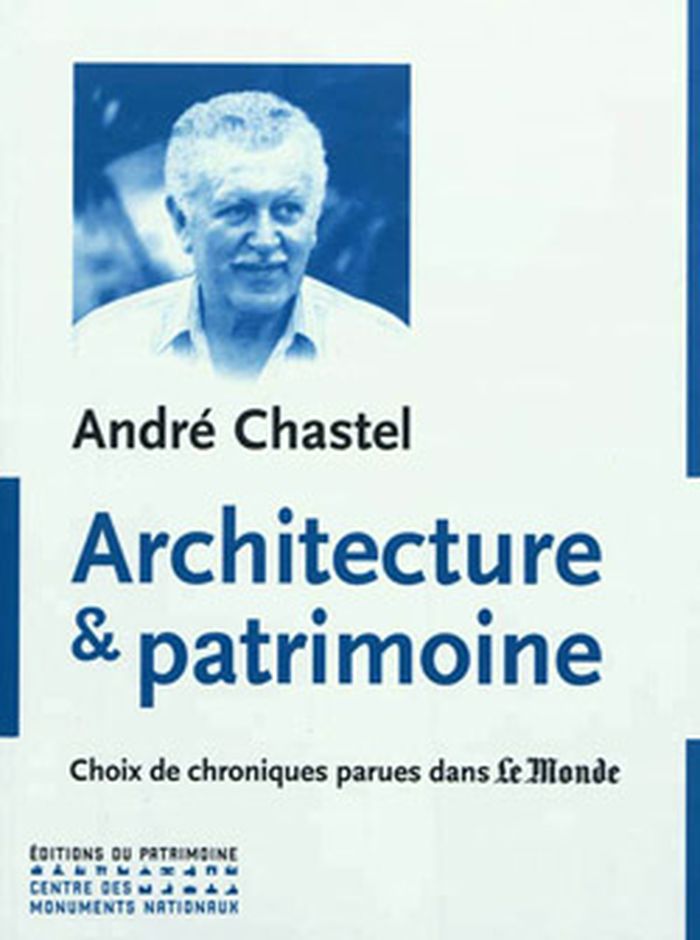
André Chastel : architecture et patimoine, choix de chroniques parues dans Le Monde
Actions:
Price:
$34.95
(available to order)
Summary:
Faut-il rappeler qu'André Chastel, grand historien d'art, professeur au Collège de France, a aussi été l'un des chroniqueurs les plus en vue du journal Le Monde? De 1945 à 1988, il y a publié plus de 1500 articles; on trouvera ici un choix de ceux qu'il a consacrés à l'architecture et au patrimoine. Ses articles savaient créer l'événement pour un public assidu, et ils contribuèrent puissamment à susciter une conscience patrimoniale en France. Dès les années de la Reconstruction et tout au long des Trente Glorieuses, on lit dans son action l'engagement d'un homme pour le patrimoine n'est-il pas à l'origine de l'Inventaire général des monuments et des richesses artistiques de la France, créé en 1964 ? Toujours en alerte, c'est lui qui s'engage pour la sauvegarde de la villa Savoye, l'avenir des Halles, la restauration d'Avignon. A l'occasion du centenaire de sa naissance, la présente réédition rend de nouveau accessibles ces pages d'une écriture superbe, aussi précise qu'incisive, où se devine un sentiment profond d'appartenance au territoire. "L'amour [du patrimoine] se manifeste de façon instinctive dans la conscience des terroirs et de façon éclairée dans la démarche du savoir", écrivait-il en 1983.
André Chastel : architecture et patimoine, choix de chroniques parues dans Le Monde
Actions:
Price:
$34.95
(available to order)
Summary:
Faut-il rappeler qu'André Chastel, grand historien d'art, professeur au Collège de France, a aussi été l'un des chroniqueurs les plus en vue du journal Le Monde? De 1945 à 1988, il y a publié plus de 1500 articles; on trouvera ici un choix de ceux qu'il a consacrés à l'architecture et au patrimoine. Ses articles savaient créer l'événement pour un public assidu, et ils contribuèrent puissamment à susciter une conscience patrimoniale en France. Dès les années de la Reconstruction et tout au long des Trente Glorieuses, on lit dans son action l'engagement d'un homme pour le patrimoine n'est-il pas à l'origine de l'Inventaire général des monuments et des richesses artistiques de la France, créé en 1964 ? Toujours en alerte, c'est lui qui s'engage pour la sauvegarde de la villa Savoye, l'avenir des Halles, la restauration d'Avignon. A l'occasion du centenaire de sa naissance, la présente réédition rend de nouveau accessibles ces pages d'une écriture superbe, aussi précise qu'incisive, où se devine un sentiment profond d'appartenance au territoire. "L'amour [du patrimoine] se manifeste de façon instinctive dans la conscience des terroirs et de façon éclairée dans la démarche du savoir", écrivait-il en 1983.
Form:
books
books
Publication:
August 2012
August 2012
Form:
books
books
Price:
$40.00
(available to order)
Summary:
In this volume, 27 urban planning experts highlight the backgrounds, users and effects of so-called “second hand spaces”--vacant sites which have been repurposed in areas undergoing urban change. The new functions of these spaces range from activities as simple as sunbathing in a defunct swimming pool to the installation of an open-air boxing ring.
$40.00
(available to order)
Summary:
In this volume, 27 urban planning experts highlight the backgrounds, users and effects of so-called “second hand spaces”--vacant sites which have been repurposed in areas undergoing urban change. The new functions of these spaces range from activities as simple as sunbathing in a defunct swimming pool to the installation of an open-air boxing ring.
Title:
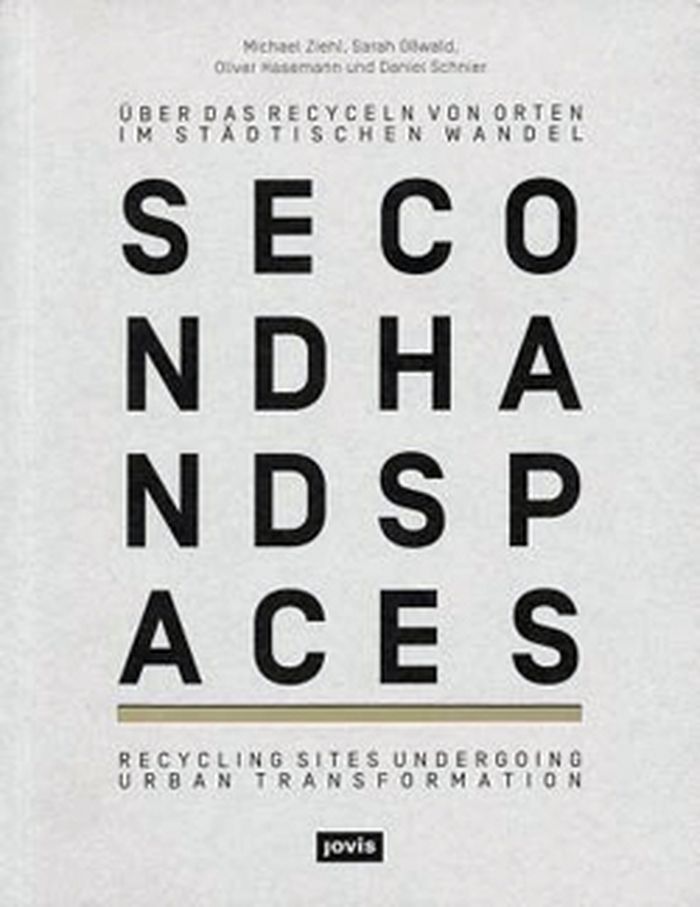
Second hand spaces: recycling sites undergoing urban transformation
Actions:
Price:
$40.00
(available to order)
Summary:
In this volume, 27 urban planning experts highlight the backgrounds, users and effects of so-called “second hand spaces”--vacant sites which have been repurposed in areas undergoing urban change. The new functions of these spaces range from activities as simple as sunbathing in a defunct swimming pool to the installation of an open-air boxing ring.
Second hand spaces: recycling sites undergoing urban transformation
Actions:
Price:
$40.00
(available to order)
Summary:
In this volume, 27 urban planning experts highlight the backgrounds, users and effects of so-called “second hand spaces”--vacant sites which have been repurposed in areas undergoing urban change. The new functions of these spaces range from activities as simple as sunbathing in a defunct swimming pool to the installation of an open-air boxing ring.
Form:
books
books
Publication:
August 2012
August 2012
Subject:
Urban Theory
Urban Theory
Form:
books
books
Actions:
Price:
$83.00
(available to order)
Summary:
The classic architectural drawing compendium—now in a richly updated edition. Today's most comprehensive compendium of architectural drawing types and methods, both hand drawn and computer generated, Architectural Drawing: A Visual Compendium of Types and Methods remains a one-of-a-kind visual reference and an outstanding source of guidance and inspiration for(...)
$83.00
(available to order)
Summary:
The classic architectural drawing compendium—now in a richly updated edition. Today's most comprehensive compendium of architectural drawing types and methods, both hand drawn and computer generated, Architectural Drawing: A Visual Compendium of Types and Methods remains a one-of-a-kind visual reference and an outstanding source of guidance and inspiration for(...)
Title:
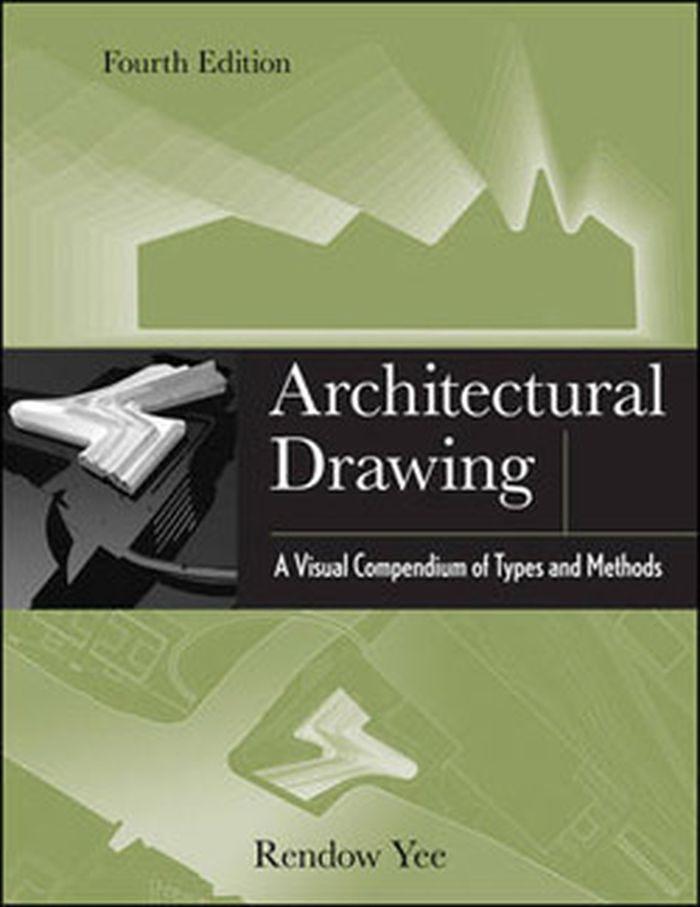
Architectural drawing : a visual compedium of types and methods (fourth edition)
Actions:
Price:
$83.00
(available to order)
Summary:
The classic architectural drawing compendium—now in a richly updated edition. Today's most comprehensive compendium of architectural drawing types and methods, both hand drawn and computer generated, Architectural Drawing: A Visual Compendium of Types and Methods remains a one-of-a-kind visual reference and an outstanding source of guidance and inspiration for students and professionals at every level. This fourth Edition has been thoroughly updated to reflect the growing influence of digital drawing.
Architectural drawing : a visual compedium of types and methods (fourth edition)
Actions:
Price:
$83.00
(available to order)
Summary:
The classic architectural drawing compendium—now in a richly updated edition. Today's most comprehensive compendium of architectural drawing types and methods, both hand drawn and computer generated, Architectural Drawing: A Visual Compendium of Types and Methods remains a one-of-a-kind visual reference and an outstanding source of guidance and inspiration for students and professionals at every level. This fourth Edition has been thoroughly updated to reflect the growing influence of digital drawing.
Form:
books
books
Publication:
August 2012
August 2012
Subject:
Architectural Drawing
Architectural Drawing
Form:
books
books
Title:
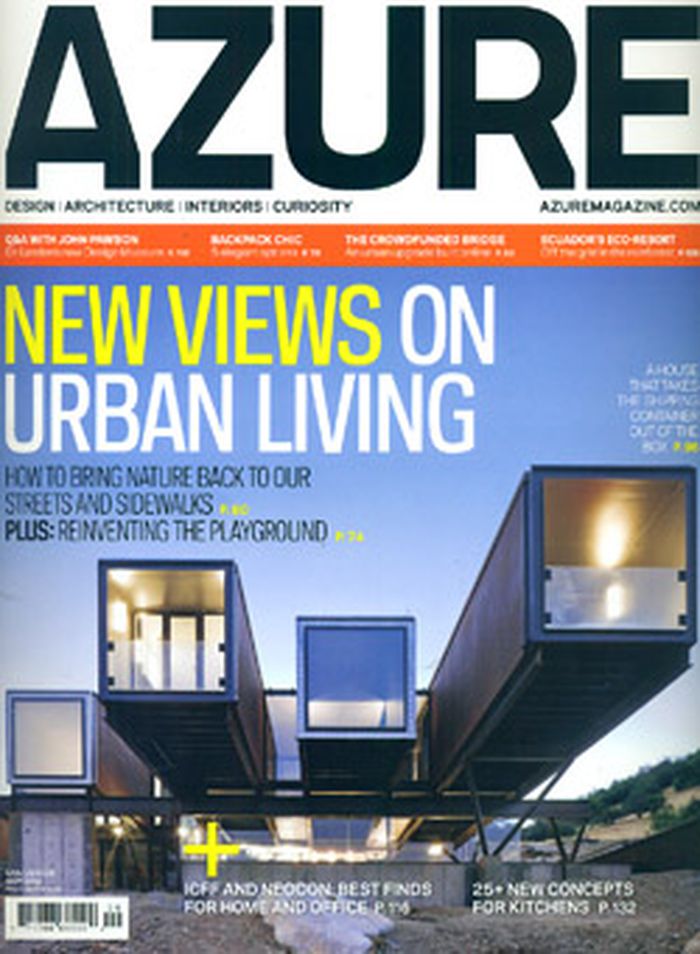
Azure 218 septembre 2012
Azure 218 septembre 2012
Actions:
Price:
$7.95
(available to order)
Summary:
Latest issue in store.
$7.95
(available to order)
Summary:
Latest issue in store.
Title:
Azure 218 septembre 2012
Actions:
Price:
$7.95
(available to order)
Summary:
Latest issue in store.
Azure 218 septembre 2012
Actions:
Price:
$7.95
(available to order)
Summary:
Latest issue in store.
Form:
books
books
Publication:
August 2012
August 2012
Subject:
Magazines
Magazines
Form:
books
books
Title:
Nigel Peake: bridges
Nigel Peake: bridges
Actions:
Price:
$14.95
(available to order)
Summary:
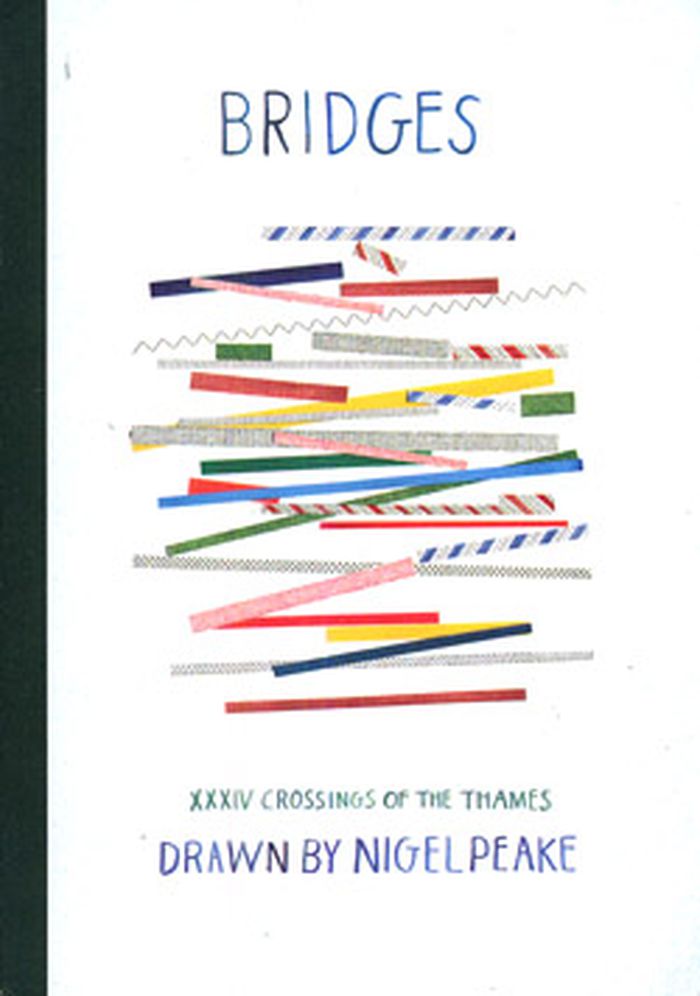
Nigel Peake is an illustrator operating in the field of the built-environment. This collection of drawings are based upon the 34 crossings of the Thames.
$14.95
(available to order)
Summary:
Nigel Peake is an illustrator operating in the field of the built-environment. This collection of drawings are based upon the 34 crossings of the Thames.
Title:
Nigel Peake: bridges
Actions:
Price:
$14.95
(available to order)
Summary:
Nigel Peake is an illustrator operating in the field of the built-environment. This collection of drawings are based upon the 34 crossings of the Thames.
Nigel Peake: bridges
Actions:
Price:
$14.95
(available to order)
Summary:
Nigel Peake is an illustrator operating in the field of the built-environment. This collection of drawings are based upon the 34 crossings of the Thames.
Form:
books
books
Publication:
August 2012
August 2012
Subject:
Illustration
Illustration
Form:
books
books
Title:
The stadium
The stadium
Actions:
Price:
$12.95
(available in store)
Summary:
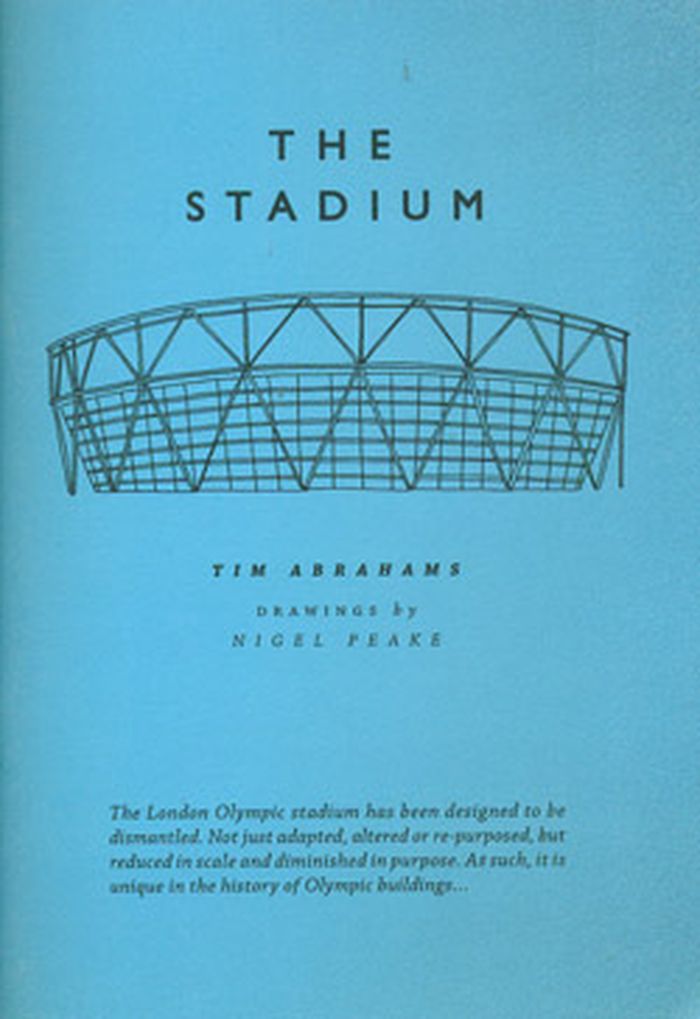
An essay by Tim Abrahams that takes apart the Stadium for London 2012 piece by piece, providing insight into the process by which this strange structure was designed and built. Drawings by the illustrator and architect Nigel Peake.
$12.95
(available in store)
Summary:
An essay by Tim Abrahams that takes apart the Stadium for London 2012 piece by piece, providing insight into the process by which this strange structure was designed and built. Drawings by the illustrator and architect Nigel Peake.
Title:
The stadium
Actions:
Price:
$12.95
(available in store)
Summary:
An essay by Tim Abrahams that takes apart the Stadium for London 2012 piece by piece, providing insight into the process by which this strange structure was designed and built. Drawings by the illustrator and architect Nigel Peake.
The stadium
Actions:
Price:
$12.95
(available in store)
Summary:
An essay by Tim Abrahams that takes apart the Stadium for London 2012 piece by piece, providing insight into the process by which this strange structure was designed and built. Drawings by the illustrator and architect Nigel Peake.
Form:
books
books
Publication:
August 2012
August 2012
Subject:
small format
small format
Form:
books
books
Actions:
Price:
$59.95
(available to order)
Summary:
A diverse and enticing selection of interiors around the world. This TASCHEN 25 Edition rounds up some of today's most exceptional and inspiring interiors on six continents. Making stops in North and South America, Europe, Asia, Africa and Australia, the painstakingly chosen and sumptuously photographed selection of 100 interiors represents a global spectrum of(...)
$59.95
(available to order)
Summary:
A diverse and enticing selection of interiors around the world. This TASCHEN 25 Edition rounds up some of today's most exceptional and inspiring interiors on six continents. Making stops in North and South America, Europe, Asia, Africa and Australia, the painstakingly chosen and sumptuously photographed selection of 100 interiors represents a global spectrum of(...)
Title:
100 interiors around the world
Actions:
Price:
$59.95
(available to order)
Summary:
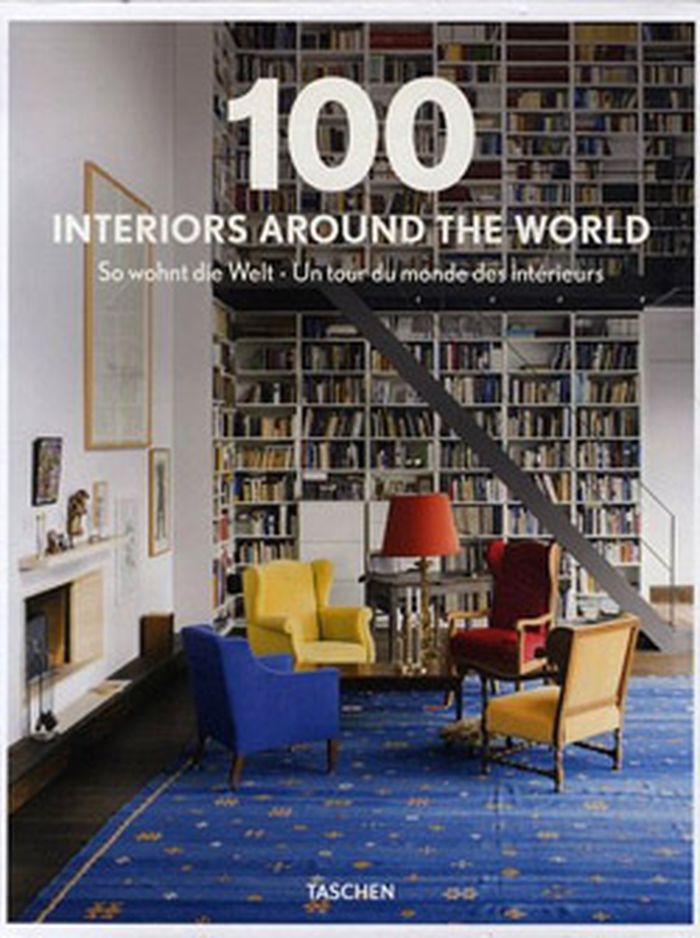
A diverse and enticing selection of interiors around the world. This TASCHEN 25 Edition rounds up some of today's most exceptional and inspiring interiors on six continents. Making stops in North and South America, Europe, Asia, Africa and Australia, the painstakingly chosen and sumptuously photographed selection of 100 interiors represents a global spectrum of contemporary styles, from rustic minimalism to urbane eclecticism.
100 interiors around the world
Actions:
Price:
$59.95
(available to order)
Summary:
A diverse and enticing selection of interiors around the world. This TASCHEN 25 Edition rounds up some of today's most exceptional and inspiring interiors on six continents. Making stops in North and South America, Europe, Asia, Africa and Australia, the painstakingly chosen and sumptuously photographed selection of 100 interiors represents a global spectrum of contemporary styles, from rustic minimalism to urbane eclecticism.
Form:
books
books
Publication:
August 2012
August 2012
Subject:
Interior Design
Interior Design
Form:
books
books
Price:
$74.95
(available to order)
Summary:
From Victorian London to the Swinging 60s; from the Battle of Britain to Punk; from the Festival of Britain to the 2012 Olympics; from the foggy cobbled streets to the architectural masterpieces of the millennium; from rough pubs to private drinking clubs; from Royal Weddings to raves, from the charm of the East End to the wonders of the Westminster; from Chelsea girls to(...)
$74.95
(available to order)
Summary:
From Victorian London to the Swinging 60s; from the Battle of Britain to Punk; from the Festival of Britain to the 2012 Olympics; from the foggy cobbled streets to the architectural masterpieces of the millennium; from rough pubs to private drinking clubs; from Royal Weddings to raves, from the charm of the East End to the wonders of the Westminster; from Chelsea girls to(...)
Title:
London
Actions:
Price:
$74.95
(available to order)
Summary:
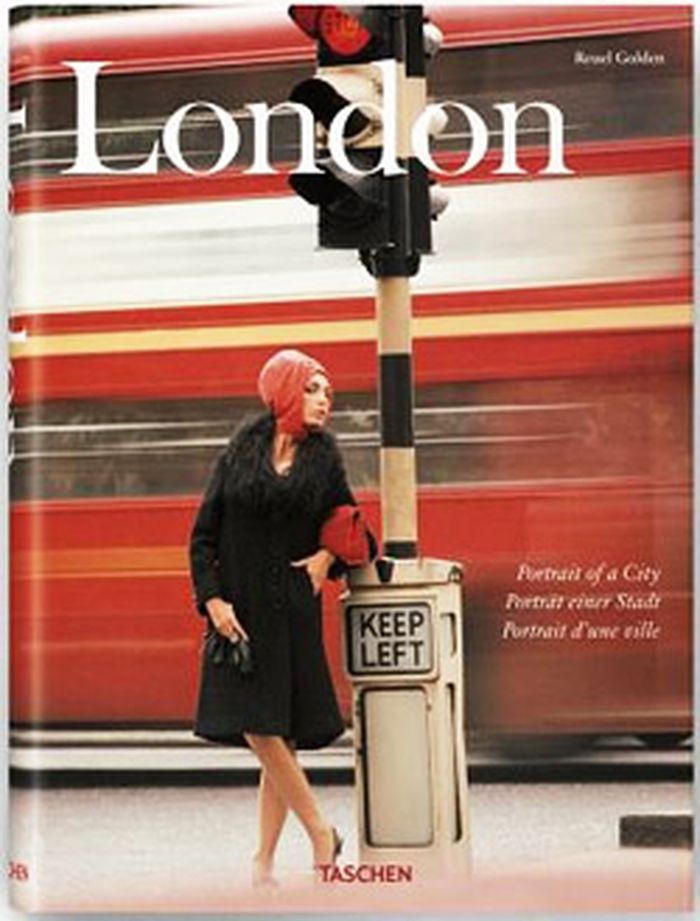
From Victorian London to the Swinging 60s; from the Battle of Britain to Punk; from the Festival of Britain to the 2012 Olympics; from the foggy cobbled streets to the architectural masterpieces of the millennium; from rough pubs to private drinking clubs; from Royal Weddings to raves, from the charm of the East End to the wonders of the Westminster; from Chelsea girls to Hoxton hipsters; from the power to the glory: in page after page of photographs, reproduced big and bold like the city itself, London at last gets the photographic tribute it deserves.
London
Actions:
Price:
$74.95
(available to order)
Summary:
From Victorian London to the Swinging 60s; from the Battle of Britain to Punk; from the Festival of Britain to the 2012 Olympics; from the foggy cobbled streets to the architectural masterpieces of the millennium; from rough pubs to private drinking clubs; from Royal Weddings to raves, from the charm of the East End to the wonders of the Westminster; from Chelsea girls to Hoxton hipsters; from the power to the glory: in page after page of photographs, reproduced big and bold like the city itself, London at last gets the photographic tribute it deserves.
Form:
books
books
Publication:
August 2012
August 2012
Subject:
Architecture since 1900, Europe
Architecture since 1900, Europe
Form:
books
books
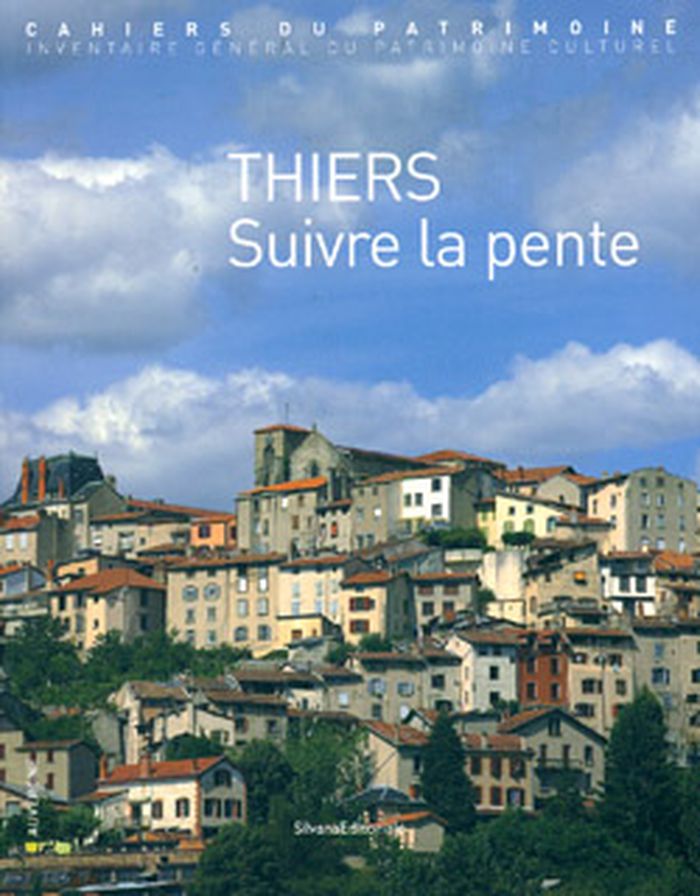
Title:
Thiers, suivre la pente
Thiers, suivre la pente
Actions:
Price:
$29.95
(available to order)
Summary:
Cet ouvrage s’inscrit dans la collection «Cahiers du patrimoine» de l’Inventaire, maquettée selon la charte graphique de la collection nationale du Ministère de la Culture et de la Communication. Il se propose de présenter la ville de Thiers grâce à la topographie et à la pente en particulier, et de montrer qu’il est possible d’expliquer ainsi certains aspects de son(...)
$29.95
(available to order)
Summary:
Cet ouvrage s’inscrit dans la collection «Cahiers du patrimoine» de l’Inventaire, maquettée selon la charte graphique de la collection nationale du Ministère de la Culture et de la Communication. Il se propose de présenter la ville de Thiers grâce à la topographie et à la pente en particulier, et de montrer qu’il est possible d’expliquer ainsi certains aspects de son(...)
Title:
Thiers, suivre la pente
Actions:
Price:
$29.95
(available to order)
Summary:
Cet ouvrage s’inscrit dans la collection «Cahiers du patrimoine» de l’Inventaire, maquettée selon la charte graphique de la collection nationale du Ministère de la Culture et de la Communication. Il se propose de présenter la ville de Thiers grâce à la topographie et à la pente en particulier, et de montrer qu’il est possible d’expliquer ainsi certains aspects de son développement. La mise en parallèle avec d’autres sites régionaux et internationaux offre aussi l’occasion de voir quels peuvent être les caractères généraux et les atouts des «villes de pente».
Thiers, suivre la pente
Actions:
Price:
$29.95
(available to order)
Summary:
Cet ouvrage s’inscrit dans la collection «Cahiers du patrimoine» de l’Inventaire, maquettée selon la charte graphique de la collection nationale du Ministère de la Culture et de la Communication. Il se propose de présenter la ville de Thiers grâce à la topographie et à la pente en particulier, et de montrer qu’il est possible d’expliquer ainsi certains aspects de son développement. La mise en parallèle avec d’autres sites régionaux et internationaux offre aussi l’occasion de voir quels peuvent être les caractères généraux et les atouts des «villes de pente».
Form:
books
books
Publication:
August 2012
August 2012
Subject:
History until 1900
History until 1900


