


992 Results
Form:
books
books
Actions:
Price:
$61.00
(available to order)
Summary:
In the early decades of the twentieth century, European artists, poets, and designers called for the destruction of outdated assumptions about vision and language. Numerous manifestos resulted, demanding new artistic forms. None of these manifestos was more aggressive and poetic, or wider in scope than Filippo Tomasso Marinetti’s Futurist Manifesto of 1909. Painting,(...)
Title:
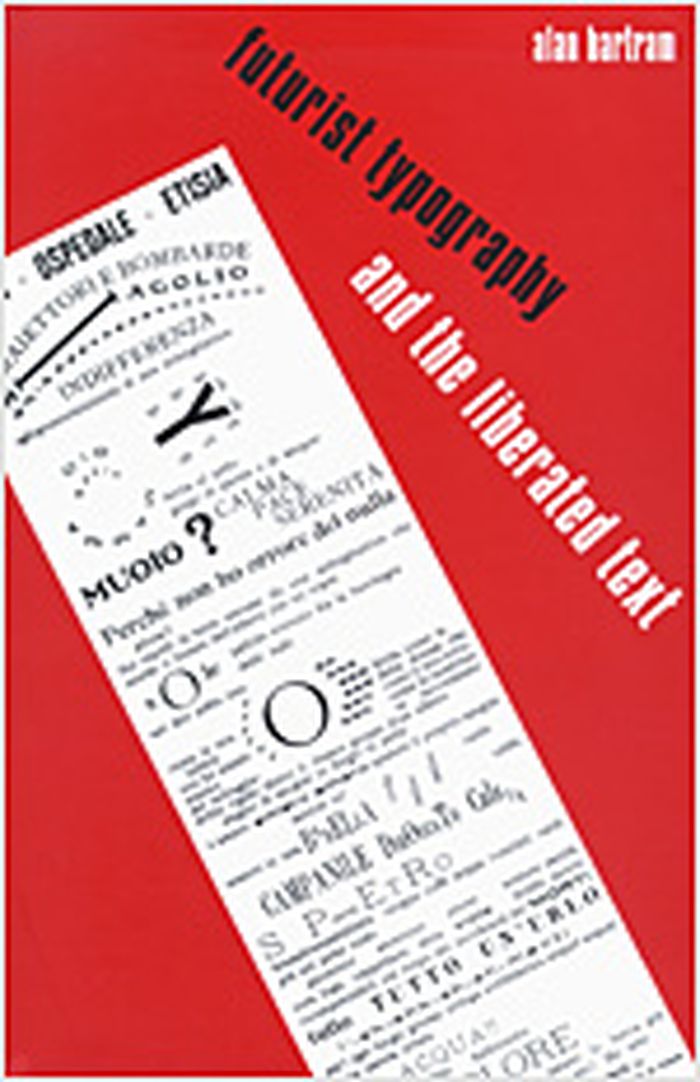
Futurist typography and the liberated text
Actions:
Price:
$61.00
(available to order)
Summary:
In the early decades of the twentieth century, European artists, poets, and designers called for the destruction of outdated assumptions about vision and language. Numerous manifestos resulted, demanding new artistic forms. None of these manifestos was more aggressive and poetic, or wider in scope than Filippo Tomasso Marinetti’s Futurist Manifesto of 1909. Painting, sculpture, literature, architecture, theatre, cinema, and music were all caught up in its net. Typography—until then a distant relative in the arts—also played a major role in Marinetti’s program. Written by Alan Bartram, this book examines the rise and evolution of the Futurists’ approach to typography and graphic design, placing it within the context of contemporary artistic and literary movements. The volume features examples of some eighty Futurist books or other designs for print, many of them relatively unknown or previously unpublished, accompanied by new translations of over twenty of the featured texts. Bartram illuminates the complicated meanings of the Futurist designers’ graphic works in order to provide a new understanding of their extraordinary and influential visual language.
Form:
books
books
Publication:
March 2006, London
March 2006, London
Subject:
Graphic Design and Typography
Graphic Design and Typography
Form:
books
books
Actions:
Price:
$37.95
(available to order)
Summary:
Oppression des femmes et destruction de la nature seraient deux facettes indissociables d'un modèle de civilisation qu'il faudrait dépasser ? : telle est la perspective centrale de l'écoféminisme. Mais derrière ce terme se déploie une grande variété de pensées et de pratiques militantes. Ce livre restitue la richesse et la diversité des théories développées par cette(...)
Title:
Être écofeministe : théories et pratiques
Actions:
Price:
$37.95
(available to order)
Summary:
Oppression des femmes et destruction de la nature seraient deux facettes indissociables d'un modèle de civilisation qu'il faudrait dépasser ? : telle est la perspective centrale de l'écoféminisme. Mais derrière ce terme se déploie une grande variété de pensées et de pratiques militantes. Ce livre restitue la richesse et la diversité des théories développées par cette mouvance née il y a plus de 40 ans : critique radicale du capitalisme et de la technoscience, redécouverte des sagesses et savoir-faire traditionnels, réappropriation par les femmes de leur corps, apprentissage d'un rapport intime au cosmos...Dans ce road trip philosophique alternant reportage et analyse, l'auteure nous emmène sur les pas des écoféministes, depuis les Cévennes où certaines tentent l'aventure de la vie en autonomie, jusqu'au nord de l'Inde, chez la star du mouvement Vandana Shiva. Elle révèle aussi les ambiguïtés de ce courant, où se croisent Occidentaux en quête d'alternatives sociales et de transformations personnelles, ONG poursuivant leurs propres stratégies commerciales et politiques, et luttes concrètes de femmes et de communautés indigènes dans les pays du Sud.
Form:
books
books
Publication:
June 2020
June 2020
Subject:
Environment and environmental theory
Environment and environmental theory
Form:
books
books
Title:
Inclusions
Inclusions
Actions:
Price:
$32.95
(available to order)
Summary:
À l'heure de l'Anthropocène, quel pourrait être le rôle de l'art? Dans une culture qui a accéléré jusqu'au délire le passage de la marchandise à l'ordure, de la valeur au déchet, il n'est désormais rien qui ne puisse prétendre s'extraire de la logique de crise affectant la totalité des habitants de la planète Terre. À la crise climatique et à la crise économique répond en(...)
Title:
Inclusions
Actions:
Price:
$32.95
(available to order)
Summary:
À l'heure de l'Anthropocène, quel pourrait être le rôle de l'art? Dans une culture qui a accéléré jusqu'au délire le passage de la marchandise à l'ordure, de la valeur au déchet, il n'est désormais rien qui ne puisse prétendre s'extraire de la logique de crise affectant la totalité des habitants de la planète Terre. À la crise climatique et à la crise économique répond en effet une crise de la culture, mêlant gaspillages, exclusions, pollutions, appropriations brutales - faisant de l'art le collaborateur de la destruction planétaire. Comment réagir à cet état des choses? Dans ce nouvel essai, urgent et passionné, Nicolas Bourriaud se fait l'avocat d'une conception nouvelle de l'art, qui prenne la mesure d'une écologie et d'une économie instituant la décroissance, la décolonisation et l'inclusion en maîtres-mots. Convoquant les plus grands créateurs de notre temps ainsi que les derniers apports de l'anthropologie, de la philosophie ou de l'esthétique, Inclusions est un vibrant plaidoyer pour une forme enfin soutenable de vie, dont l'art pourrait constituer le modèle.
Form:
books
books
Publication:
April 2021
April 2021
Subject:
Critical Theory
Critical Theory
Form:
books
books
Price:
$46.95
(available to order)
Summary:
The Las Vegas Strip has impersonated the Wild West, with saloon doors and wagon wheels; it has decked itself out in midcentury modern sleekness. It has illuminated itself with twenty-story-high neon signs, then junked them. After that came Disney-like theme parks featuring castles and pirates, followed by replicas of Venetian canals, New York skyscrapers, and the Eiffel(...)
Title:
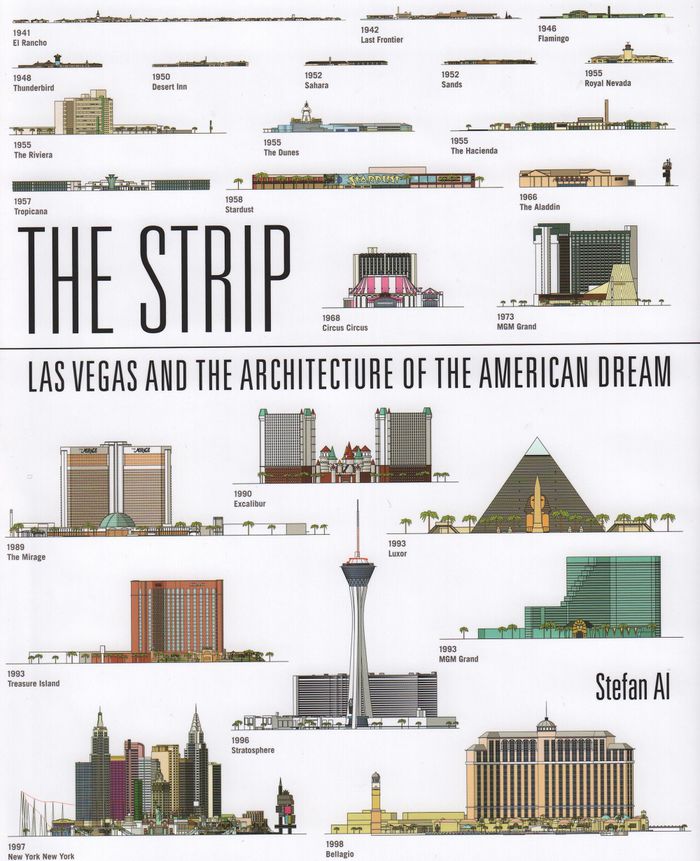
The Strip
Actions:
Price:
$46.95
(available to order)
Summary:
The Las Vegas Strip has impersonated the Wild West, with saloon doors and wagon wheels; it has decked itself out in midcentury modern sleekness. It has illuminated itself with twenty-story-high neon signs, then junked them. After that came Disney-like theme parks featuring castles and pirates, followed by replicas of Venetian canals, New York skyscrapers, and the Eiffel Tower. (It might be noted that forty-two million people visited Las Vegas in 2015—ten million more than visited the real Paris.) More recently, the Strip decided to get classy, with casinos designed by famous architects and zillion-dollar collections of art. Las Vegas became the “implosion capital of the world” as developers, driven by competition, got rid of the old to make way for the new—offering a non-metaphorical definition of “creative destruction.” In "The StripW, Stefan Al examines the many transformations of the Las Vegas Strip, arguing that they mirror transformations in America itself. The Strip is not, as popularly supposed, a display of architectural freaks but representative of architectural trends and a record of social, cultural, and economic change.
Form:
books
books
Publication:
March 2017
March 2017
Subject:
Urban Theory
Urban Theory
Form:
books
books
Title:
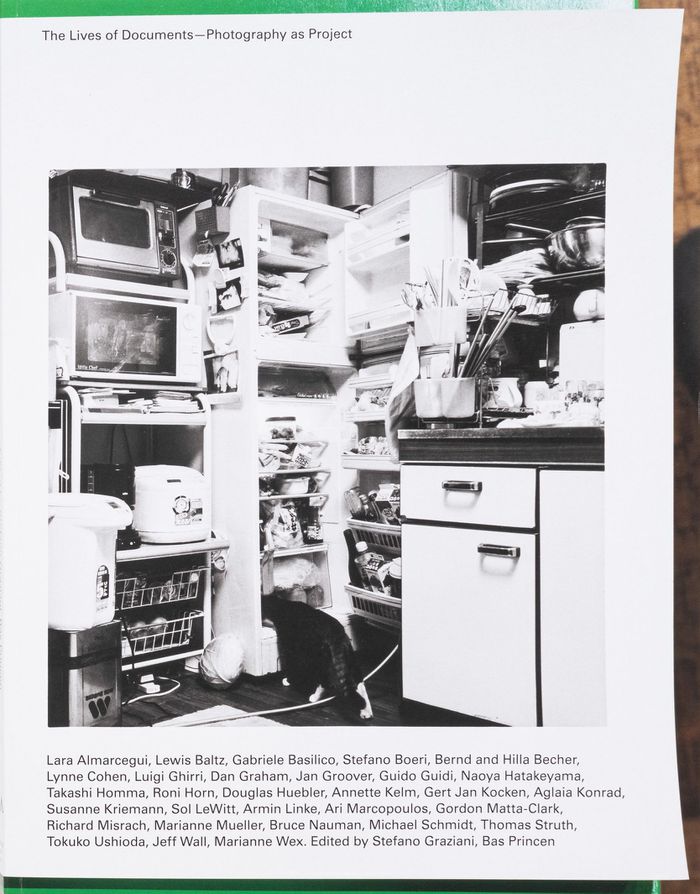
The lives of documents
The lives of documents
Actions:
Price:
$45.00
(available in store)
Summary:
How do photographers select, order, and display their images to make visual arguments about built and natural environments? Conceived as part of a long-term project at the CCA to examine the contemporary role of photography in the study and practice of architecture, The Lives of Documents — Photography as Project prompts reflections on the idea of the documentary as an(...)
Title:
The lives of documents
Actions:
Price:
$45.00
(available in store)
Summary:
How do photographers select, order, and display their images to make visual arguments about built and natural environments? Conceived as part of a long-term project at the CCA to examine the contemporary role of photography in the study and practice of architecture, The Lives of Documents — Photography as Project prompts reflections on the idea of the documentary as an embedded quality of photography. Tracing the research materials, archiving practices, and production processes of diverse authors, photographers Bas Princen and Stefano Graziani highlight a selection of photographic projects that model our visible world by investigating notions of landscape and its destruction, global infrastructure, intimacy and interiority, and conditions of urban and domestic space and life. This publication follows Princen and Graziani’s travels to understand how artists use photography as a tool for their artistic research and how they conceive of their projects as evolving and expanding explorations. Bringing together studio visit images, artist interviews, and Princen and Graziani’s own reproduction of photographic projects, it emphasizes how photography reveals and expresses lived and built realities in ways that traditional architectural tools fail to represent or communicate.
Form:
books
books
Publication:
June 2023
June 2023
Subject:
CCA Publications
CCA Publications
Form:
books
books
Actions:
Price:
$59.50
(available to order)
Summary:
From the targeted demolition of Mostar's Stari-Most Bridge in 1993 to the physical and social havoc caused by the 2004 Boxing Day Tsunami, the history of cities is often a history of destruction and reconstruction. But what political and aesthetic criteria should guide us in the rebuilding of cities devastated by war and natural calamities? This publication points to(...)
Title:
Architects without frontiers: war, reconstruction and design responsibility
Actions:
Price:
$59.50
(available to order)
Summary:
From the targeted demolition of Mostar's Stari-Most Bridge in 1993 to the physical and social havoc caused by the 2004 Boxing Day Tsunami, the history of cities is often a history of destruction and reconstruction. But what political and aesthetic criteria should guide us in the rebuilding of cities devastated by war and natural calamities? This publication points to the potential for architects to play important roles in post-war relief and reconstruction. Charlesworth suggests that architects and design professionals have a significant opportunity to assist peace-making and reconstruction efforts in the period immediately after conflict or disaster, when much of the housing, hospital, educational, transport, civic and business infrastructure has been destroyed or badly damaged. Through selected case studies, Charlesworth examines the role of architects, planners, urban designers and landscape architects in three cities following conflict - Beirut, Nicosia and Mostar - three cities where the mental and physical scars of violent conflict still remain. This book expands the traditional role of the architect from 'hero' to 'peacemaker' and discusses how design educators can stretch their wings to encompass the proliferating agendas and sites of civil unrest.
Form:
books
books
Publication:
April 2006
April 2006
Subject:
Architectural Theory
Architectural Theory
Form:
books
books
Actions:
Price:
$16.95
(available to order)
Summary:
Que peut bien vouloir dire « droit à la ville » ? Cette interrogation est indissociable d’une multitude d’autres questions. Quelle ville voulons-nous ? Quel genre de personnes voulons-nous être ? À quelles relations sociales aspirons-nous ? Quelle vie quotidienne trouvons-nous désirable ? Quelles valeurs esthétiques défendons-nous ? Quel rapport à la nature(...)
Title:
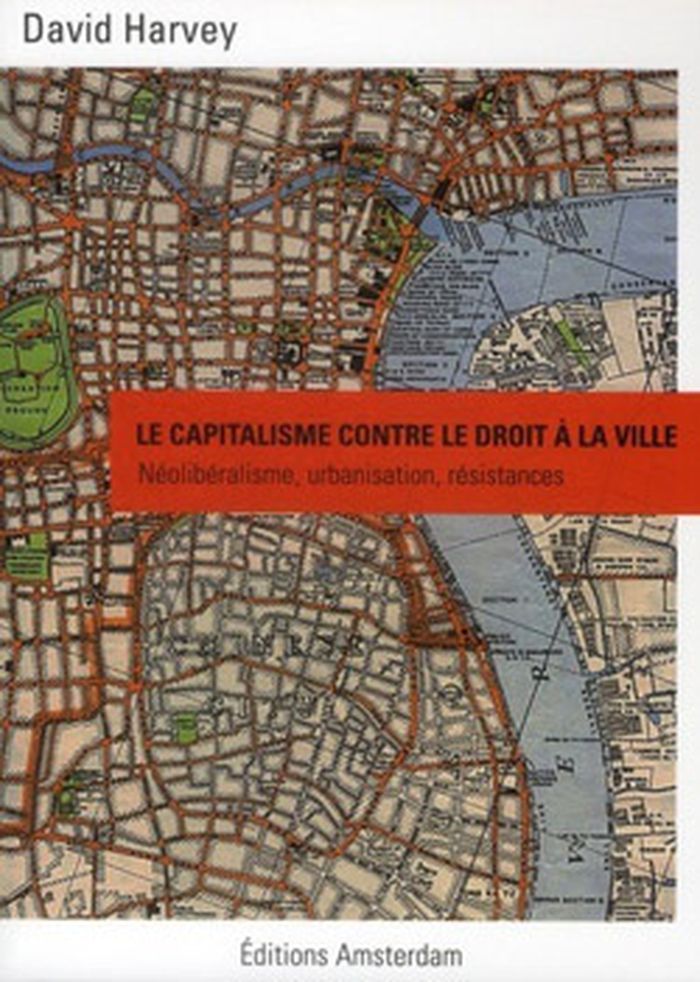
Le capitalisme contre le droit à la ville : néolibéralisme, urbanisation, résistances
Actions:
Price:
$16.95
(available to order)
Summary:
Que peut bien vouloir dire « droit à la ville » ? Cette interrogation est indissociable d’une multitude d’autres questions. Quelle ville voulons-nous ? Quel genre de personnes voulons-nous être ? À quelles relations sociales aspirons-nous ? Quelle vie quotidienne trouvons-nous désirable ? Quelles valeurs esthétiques défendons-nous ? Quel rapport à la nature souhaitons-nous promouvoir ? Quelles technologies jugeons-nous appropriées ? Le droit à la ville ne se réduit ainsi pas à un droit d’accès individuel aux ressources incarnées par la ville : c’est un droit à nous changer nous-mêmes en changeant la ville de façon à la rendre plus conforme à nos désirs les plus fondamentaux. C’est aussi un droit plus collectif qu’individuel, puisque, pour changer la ville, il faut nécessairement exercer un pouvoir collectif sur les processus d’urbanisation. Il importe dans cette perspective de décrire et d’analyser la manière dont, au cours de l’histoire, nous avons été façonnés et refaçonnés par un processus d'urbanisation toujours plus effréné et étendu, animé par de puissantes forces sociales et ponctué de violentes phases de restructurations urbaines par « destruction créative », ainsi que par les résistances et les révoltes que ces restructurations suscitaient.
Form:
books
books
Publication:
July 2012
July 2012
Subject:
Urban Theory
Urban Theory
Form:
books
books
Title:
Book of ruins
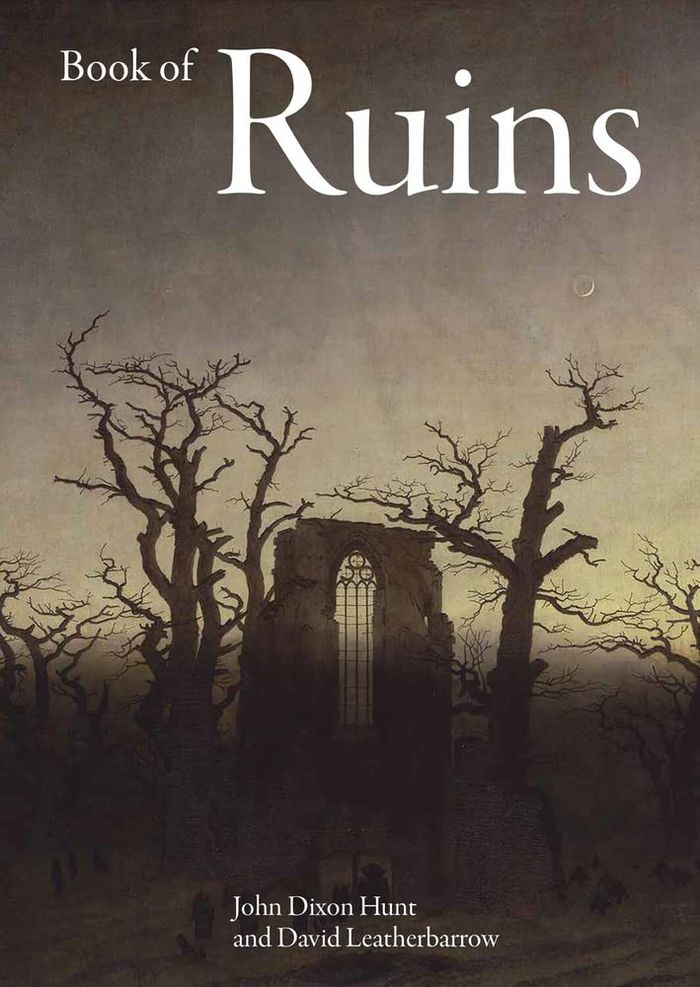
Book of ruins
Actions:
Price:
$80.99
(available to order)
Summary:
''Book of ruins'' offers a survey – not encyclopedic, but substantial – of leading moments when the fact and idea of ruins were taken up by writers, travellers and artists: painters, film makers, landscape architects, and architects. Gathering together short texts and extracts that describe and reflect on ruins, dating from remote antiquity (Scipio shedding tears when(...)
Subject:
Architectural Theory
Architectural Theory
Publication:
September 2022
September 2022
Title:
Book of ruins
Actions:
Price:
$80.99
(available to order)
Summary:
''Book of ruins'' offers a survey – not encyclopedic, but substantial – of leading moments when the fact and idea of ruins were taken up by writers, travellers and artists: painters, film makers, landscape architects, and architects. Gathering together short texts and extracts that describe and reflect on ruins, dating from remote antiquity (Scipio shedding tears when viewing the destruction of Carthage) to present times (the ruins of a modern city, portrayed in the film ''Requiem for Detroit''), it provides a perspective upon what the past has meant to different cultures at different times. Following an introductory essay, the book includes 70 entries, chronologically ordered, each including an indicative image (or two), an introductory commentary by the authors, and the text itself. The texts come from designers (from Bernini through Piranesi to David Chipperfield) as well as other artists (John Piper), and from literary figures (Goethe, Wordsworth, Byron and Shelley, Hugo, and Hardy). It concludes by discussing what we do with ruins by way of preservation, conservation, adaptive reuse and appropriation, and contemporary loss and ruin, as illustrated by 9/11 and the Neues Museum and highlighting the continuing relevance of the ruin.
Form:
books
books
Publication:
September 2022
September 2022
Subject:
Architectural Theory
Architectural Theory
Form:
books
books
Actions:
Price:
$32.95
(available to order)
Summary:
Dystopic imagery has figured prominently in modern depictions of the urban landscape. The city is often portrayed as a terrifying world of darkness, crisis, and catastrophe. Noir Urbanisms traces the history of the modern city through its critical representations in art, cinema, print journalism, literature, sociology, and architecture. It focuses on visual forms of(...)
Title:
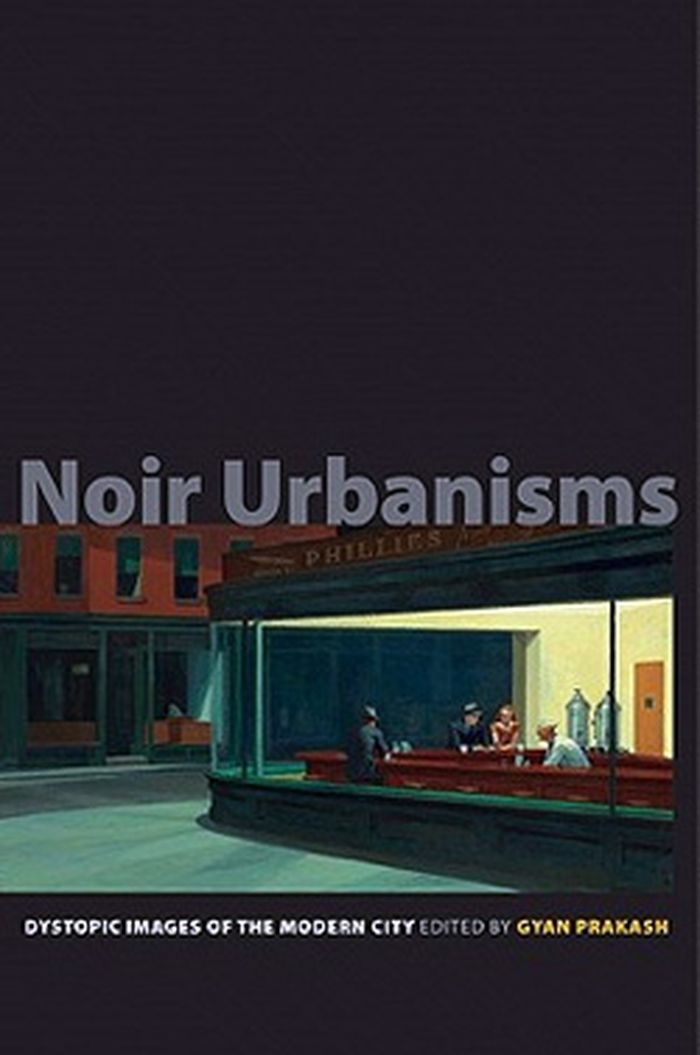
Noir urbanisms: Dystopic images of the modern city
Actions:
Price:
$32.95
(available to order)
Summary:
Dystopic imagery has figured prominently in modern depictions of the urban landscape. The city is often portrayed as a terrifying world of darkness, crisis, and catastrophe. Noir Urbanisms traces the history of the modern city through its critical representations in art, cinema, print journalism, literature, sociology, and architecture. It focuses on visual forms of dystopic representation--because the history of the modern city is inseparable from the production and circulation of images--and examines their strengths and limits as urban criticism. Contributors explore dystopic images of the modern city in Germany, Mexico, Japan, India, South Africa, China, and the United States. Their topics include Weimar representations of urban dystopia in Fritz Lang's 1927 film Metropolis; 1960s modernist architecture in Mexico City; Hollywood film noir of the 1940s and 1950s; the recurring fictional destruction of Tokyo in postwar Japan's sci-fi doom culture; the urban fringe in Bombay cinema; fictional explorations of urban dystopia in postapartheid Johannesburg; and Delhi's out-of-control and media-saturated urbanism in the 1980s and 1990s. What emerges in Noir Urbanisms is the unsettling and disorienting alchemy between dark representations and the modern urban experience.
Form:
books
books
Publication:
October 2010
October 2010
Subject:
Architecture and Film, Set Design
Architecture and Film, Set Design
Form:
books
books
Title:
L'homme et la ville
L'homme et la ville
Actions:
Price:
$12.95
(available to order)
Summary:
La finalité de toute structure vivante est de maintenir cette structure : un groupe social représente une structure vivante d'un certain niveau de complexité. Henri Laborit démontre que la ville est l'un des moyens utilisés par tout groupe social pour maintenir sa structure. En effet, l'Homme qui, jusqu'à une époque récente, n'a découvert que la physique et l'a utilisée(...)
Title:
L'homme et la ville
Actions:
Price:
$12.95
(available to order)
Summary:
La finalité de toute structure vivante est de maintenir cette structure : un groupe social représente une structure vivante d'un certain niveau de complexité. Henri Laborit démontre que la ville est l'un des moyens utilisés par tout groupe social pour maintenir sa structure. En effet, l'Homme qui, jusqu'à une époque récente, n'a découvert que la physique et l'a utilisée pour accroître sa puissance technique permettant la domination de certains individus ou de certains groupes humains sur d'autres (le plus souvent par l'intermédiaire du profit) a utilisé la ville dans ce même but. Tout y est fait pour assurer la défense de la propriété des objets, des êtres, des moyens de production, des niveaux hiérarchiques. La destruction progressive de l'environnement et la disparition de l'espèce humaine auxquelle peut aboutir ce type de comportement de puissance fonderont peut-être la grande crainte qui conduira l'homme à transformer par cela même la finalité des groupes sociaux au seul «profit» de l'espèce humaine. La participation de la ville à l'ensemble de cette évolution montre que l'urbanisme n'est pas seulement un problème de spécialiste : c'est le problème de la vie humaine dans son ensemble qui est posé.
Form:
books
books
Publication:
January 1999, Paris
January 1999, Paris
Subject:
Urban Theory
Urban Theory


