


9995 Results
Form:
books
books
Actions:
Price:
$74.95
(available to order)
Summary:
How do we make better cities – places that work for people of all ages and backgrounds? How do we make cities that provide the obvious essentials – great transport, good places to work – as well as the softer elements that truly deliver quality of life, from urban swimming pools to rooftop clubs? Since its launch in 2007, Monocle has been passionate about making better(...)
Title:
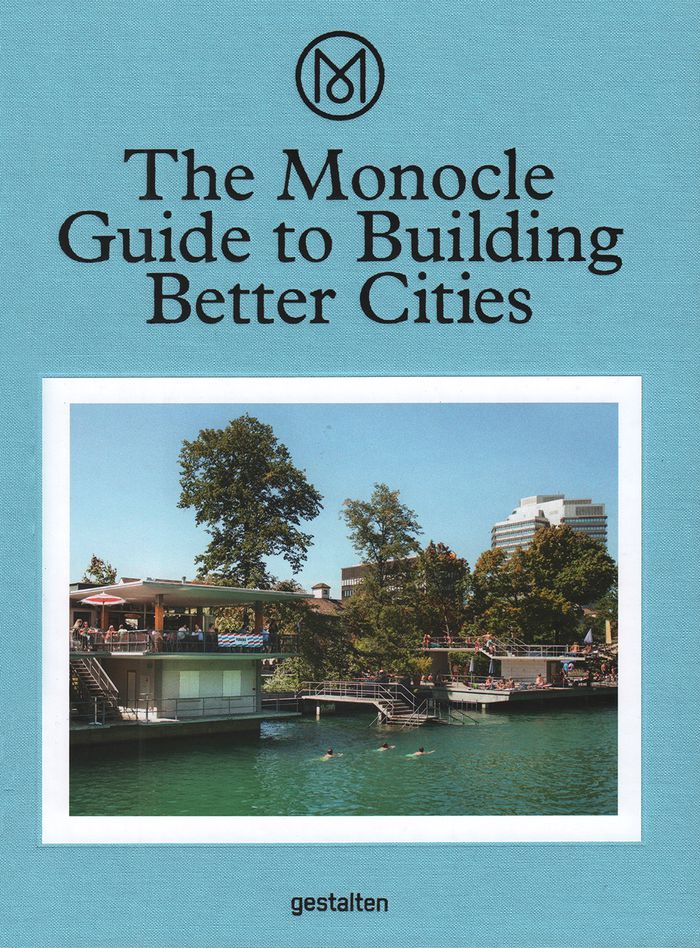
The Monocle guide to building better cities
Actions:
Price:
$74.95
(available to order)
Summary:
How do we make better cities – places that work for people of all ages and backgrounds? How do we make cities that provide the obvious essentials – great transport, good places to work – as well as the softer elements that truly deliver quality of life, from urban swimming pools to rooftop clubs? Since its launch in 2007, Monocle has been passionate about making better places to live. Every year it publishes a Quality of Life Survey, which names the top 25 cities to call home. In addition, across the issues, it has interviewed the best mayors, looked at the metropolises putting pedestrians first and met the people creating the best parks, both pocket and grand. Discover how you too can have a High Line, create the most covetable housing or turn a dirty river into a summer asset.
Form:
books
books
Publication:
September 2018
September 2018
Form:
books
books
Actions:
Price:
$48.00
(available to order)
Summary:
This book examines the work of US-born photographer Yasuhiro Ishimoto (1921–2012) through its connections to Chicago, where he lived for over a decade and returned to repeatedly throughout his life. Long celebrated in Japan as one of the most influential photographers of the twentieth century, Ishimoto also maintained deep ties to his adopted home city of Chicago, where(...)
Title:
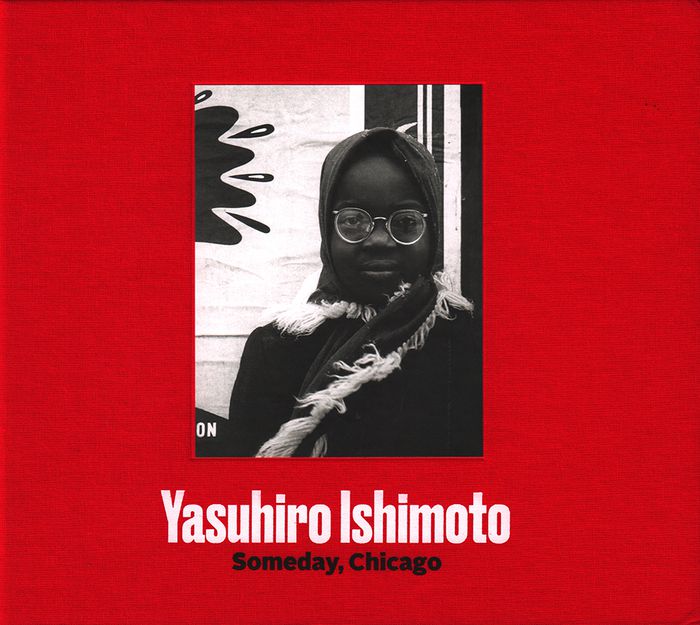
Yasuhiro Ishimoto: Someday, Chicago
Actions:
Price:
$48.00
(available to order)
Summary:
This book examines the work of US-born photographer Yasuhiro Ishimoto (1921–2012) through its connections to Chicago, where he lived for over a decade and returned to repeatedly throughout his life. Long celebrated in Japan as one of the most influential photographers of the twentieth century, Ishimoto also maintained deep ties to his adopted home city of Chicago, where he arrived in 1945 after having been imprisoned in a US internment camp during WWII. It was in Chicago that he developed his uniquely modernist vision in two key ways. First, he created works that engaged in important conversation with that of Laszlo Moholy-Nagy, Harry Callahan, Aaron Siskind, and others at the historic Institute of Design. Second, he immersed himself directly in the city's neighborhoods, where he captured important social changes reflective of broader shifts elsewhere in the US.
Form:
books
books
Publication:
November 2018
November 2018
Subject:
Photography monographs
Photography monographs
Form:
books
books
Actions:
Price:
$72.50
(available to order)
Summary:
With his very first building of 1924, the single-family home titled the Wohnmaschine (machine for living in), Bauhaus architect and designer Carl Fieger (1893–1960) made architectural history, greatly influencing his modernist colleagues. Later, in the '50s, he was responsible for Germany's first prefab housing. Today Fieger is probably best known as a draftsman,(...)
Title:
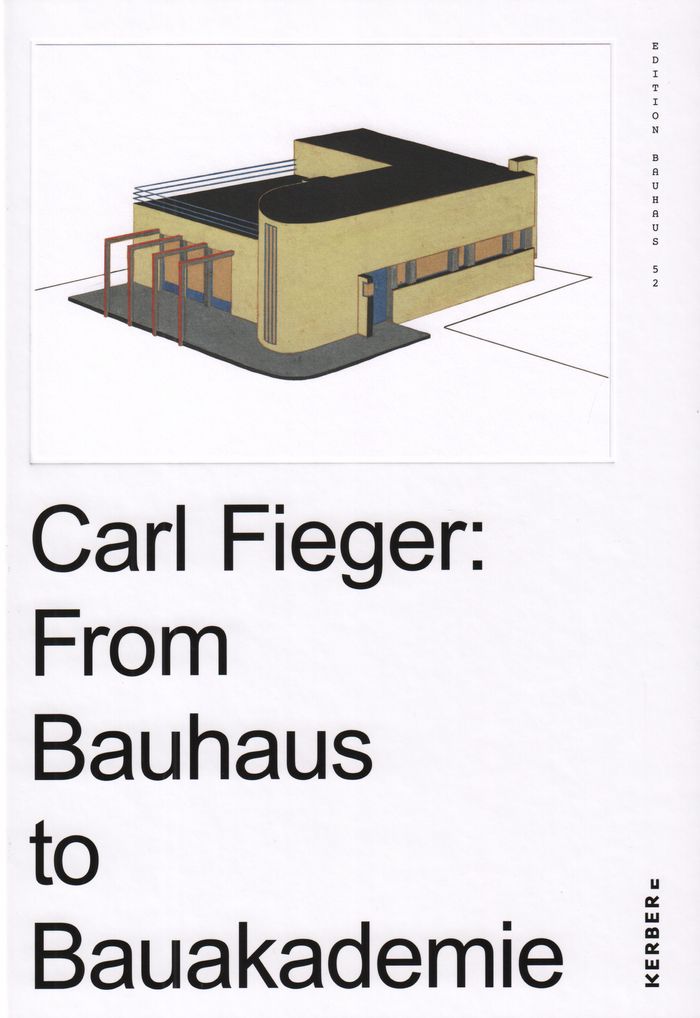
Carl Fieger: from the Bauhaus to Bauakademie
Actions:
Price:
$72.50
(available to order)
Summary:
With his very first building of 1924, the single-family home titled the Wohnmaschine (machine for living in), Bauhaus architect and designer Carl Fieger (1893–1960) made architectural history, greatly influencing his modernist colleagues. Later, in the '50s, he was responsible for Germany's first prefab housing. Today Fieger is probably best known as a draftsman, initially for Peter Behrens’ office and later for the office of Walter Gropius and Adolf Meyer, where he was involved in planning numerous iconic buildings, among them the Fagus Factory in Alfeld (1922–25), and the Bauhaus Building and Masters’ Houses in Dessau. Between 1925 and 1928 he taught at the Bauhaus Dessau. Reproducing designs, drawings and photographs, this book presents the innovative projects he realized as an independent architect and furniture designer, and examines his close connection to the Bauhaus.
Form:
books
books
Publication:
June 2018
June 2018
Subject:
Architecture Monographs
Architecture Monographs
Form:
books
books
Title:
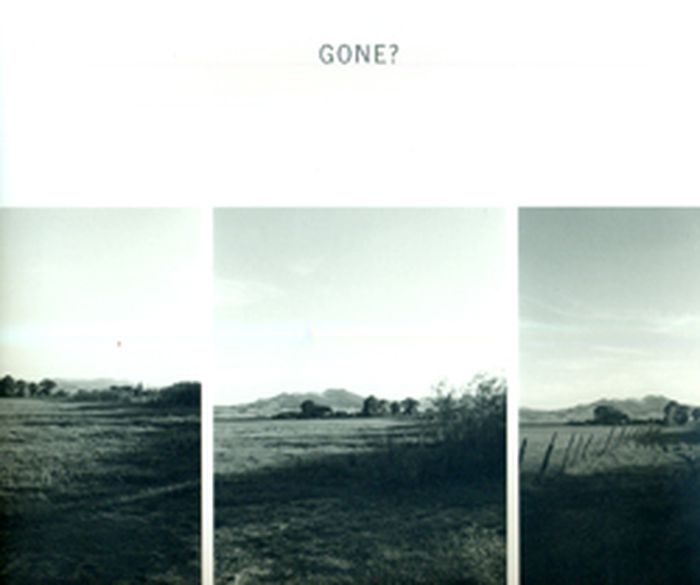
Robert Adams: Gone?
Robert Adams: Gone?
Actions:
Price:
$84.00
(available to order)
Summary:
Robert Adams began by photographing suburban landscapes along the edge of the Rocky Mountains. His goal was to record the erasure of the American wilderness, while attempting to affirm what survives of it. For Adams, photography at this juncture in history presents a melancholy vocation: "It seems to me that we are now compelled to recognize that we have no place to go(...)
Title:
Robert Adams: Gone?
Actions:
Price:
$84.00
(available to order)
Summary:
Robert Adams began by photographing suburban landscapes along the edge of the Rocky Mountains. His goal was to record the erasure of the American wilderness, while attempting to affirm what survives of it. For Adams, photography at this juncture in history presents a melancholy vocation: "It seems to me that we are now compelled to recognize that we have no place to go but where we've been," he judges. "We've got to go look at what we've done, which is oftentimes pretty awful, and see if we can't make of this place a civilized home." In Gone?, his most personal work to date, Adams lives out the implications of these words. In the 1980s, he revisited semi-rural areas he had known as a boy-landscapes that were no longer pristine, but which still retained their own particular qualities of light.
Form:
books
books
Publication:
April 2010, London
April 2010, London
Subject:
Photography monographs
Photography monographs
Form:
books
books

Title:
Jim Dine : tools
Jim Dine : tools
Actions:
Price:
$60.00
(available to order)
Summary:
“When I was born, I came home to my grandfather’s house. His name was Morris Cohen. He was my mother’s father. I lived with him for three years until my parents built a small little house and we moved away. But from the time I was born until he died when I was 19, I either spoke to him or saw him every day. He owned a hardware store that catered to plumbers, electricians,(...)
Title:
Jim Dine : tools
Actions:
Price:
$60.00
(available to order)
Summary:
“When I was born, I came home to my grandfather’s house. His name was Morris Cohen. He was my mother’s father. I lived with him for three years until my parents built a small little house and we moved away. But from the time I was born until he died when I was 19, I either spoke to him or saw him every day. He owned a hardware store that catered to plumbers, electricians, woodworkers, contractors. It was an early version of a contractors’ supply store. It was called ‘The Save Supply Company.’ He was a very large man, and he felt he could do anything with his hands. He made tables, he fixed automobiles, he was an electrician, and he was lousy at all of it. But through sheer force of will, he forged ahead.” - Jim Dine
Form:
books
books
Publication:
October 2015
October 2015
Subject:
Photography monographs
Photography monographs
Form:
books
books
Actions:
Price:
$43.95
(available to order)
Summary:
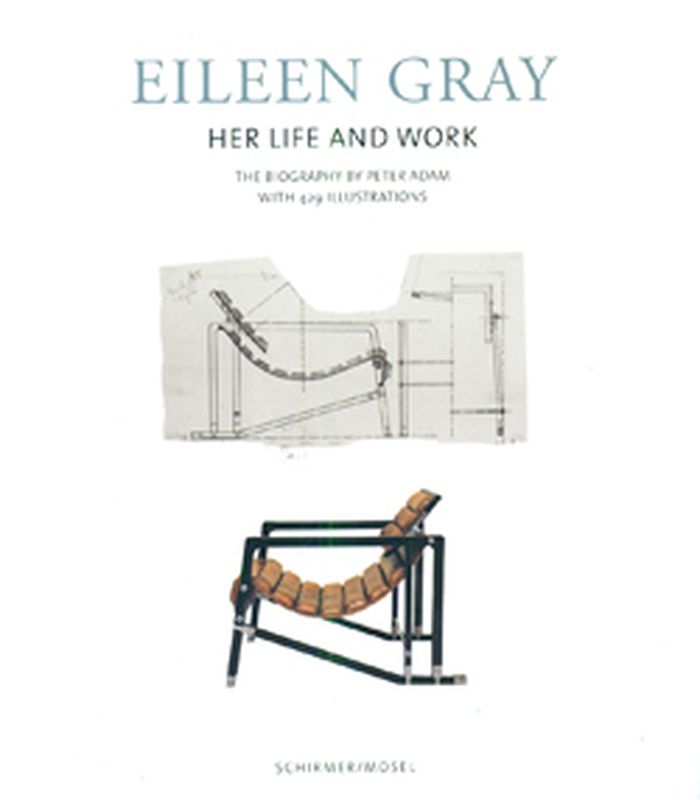
Eileen Gray started her career as a lacquer artist in Paris creating new furniture and living accessories with striking colors and understated shapes. Remaining stalwartly independent, Gray developed an opulent, luxuriant take on geometric forms and industrially produced materials. Her Bibendum chair and E-1027 table today are familiar icons across the world; the(...)
Title:
Eileen Gray:her life and work
Actions:
Price:
$43.95
(available to order)
Summary:
Eileen Gray started her career as a lacquer artist in Paris creating new furniture and living accessories with striking colors and understated shapes. Remaining stalwartly independent, Gray developed an opulent, luxuriant take on geometric forms and industrially produced materials. Her Bibendum chair and E-1027 table today are familiar icons across the world; the ship-shaped home she designed and built on a cliff near Monaco was hailed as a triumph of deluxe modern living; her Dragon chair fetched $28 million at a YSL sale. Her flamboyant beauty captured by photographer Berenice Abbott made her an admired figure among American expatriates such as Gertrude Stein and William Somerset Maugham. Her archives bombed during World War II, she was largely forgotten when one-time peers like Le Corbusier were lionized as visionaries. Rediscovered in 1960, she is today a celebrated pioneer of modern design.
Form:
books
books
Publication:
August 2015
August 2015
Subject:
Design Monographs
Design Monographs
Form:
books
books
Actions:
Price:
$47.50
(available to order)
Summary:
The artist's house is a prism through which to view not only the artistic practice of its inhabitant but also to apprehend broader developments in sculpture and contemporary art in relation to domestic architecture and interior space. Based on a series of interviews and site visits with living artists about the role of their home in relation to their work,(...)
Title:
The artist's house: from workplace to artwork
Actions:
Price:
$47.50
(available to order)
Summary:
The artist's house is a prism through which to view not only the artistic practice of its inhabitant but also to apprehend broader developments in sculpture and contemporary art in relation to domestic architecture and interior space. Based on a series of interviews and site visits with living artists about the role of their home in relation to their work, Cambridge-trained art historian Kirsty Bell looks at the house as receptacle, vehicle, model, theater or dream space. In-depth analyses of these contemporary examples including Jorge Pardo, Miros aw Ba ka, Danh Vo, Gregor Schneider, Frances Stark, Marc Camille Chaimowicz, Dominique Gonzalez-Foerster, Mark Leckey, Monika Sosnowska, Gabriel Orozco and Andrea Zittel are contextualized by key artists of the 20th century such as Kurt Schwitters, Alice Neel, Edward Krasin ski, Carlo Mollino and Louise Bourgeois.
Form:
books
books
Publication:
April 2014
April 2014
Subject:
Architectural Theory
Architectural Theory
Form:
books
books

Actions:
Price:
$91.95
(available to order)
Summary:
The Transported of KwaNdebele is the second of David Goldblatt’s books re-designed and expanded by the artist for Steidl Publishers. Dating originally from 1989, it talks about the workers of an apartheid tribal homeland for blacks, KwaNdebele, which has no industry, very few opportunities for jobs, and is a long way from the nearest industrial-commercial activity of(...)
Title:
The transported of KwaNdebele
Actions:
Price:
$91.95
(available to order)
Summary:
The Transported of KwaNdebele is the second of David Goldblatt’s books re-designed and expanded by the artist for Steidl Publishers. Dating originally from 1989, it talks about the workers of an apartheid tribal homeland for blacks, KwaNdebele, which has no industry, very few opportunities for jobs, and is a long way from the nearest industrial-commercial activity of white-controlled Pretoria. Workers from KwaNdebele catch buses in the very early morning, some as early as 2:45 am, in order to be at their workplaces in Pretoria by 7:00. At the end of the day they repeat the journey in the other direction, to get home at between 8 and 10 pm. Goldblatt takes us on their bone-jarring journeys through the night, which is a metaphor for their arduous struggle toward freedom itself.
Form:
books
books
Publication:
January 2013
January 2013
Subject:
Photography monographs
Photography monographs
Form:
books
books
Title:
The tenant class
The tenant class
Actions:
Price:
$22.95
(available to order)
Summary:
What if there is no housing crisis, but instead a housing market working exactly as intended? What if rent hikes and eviction notices aren’t the work of the invisible hand of the market, but of a parasitic elite systematically funneling wealth away from working-class families? With clarity and precision, Tranjan breaks down pervasive myths about renters, mom-and-pop(...)
Title:
The tenant class
Actions:
Price:
$22.95
(available to order)
Summary:
What if there is no housing crisis, but instead a housing market working exactly as intended? What if rent hikes and eviction notices aren’t the work of the invisible hand of the market, but of a parasitic elite systematically funneling wealth away from working-class families? With clarity and precision, Tranjan breaks down pervasive myths about renters, mom-and-pop landlords, and housing affordability. In a society where home ownership is seen as the most important hallmark of a successful life, Tranjan refuses to absolve the landlords and governments that reap massive profits from the status quo. The tenant class must face powerful systems of disinformation and exploitation to secure decent homes and fair rent. Drawing upon a long, inspiring history of collective action in Canada, Tranjan argues that organized tenants have the power to fight back.
Form:
books
books
Publication:
June 2023
June 2023
Subject:
Humans and cities
Humans and cities
Form:
books
books

Actions:
Price:
$32.95
(available to order)
Summary:
The coming energy crisis caused by a peak in global oil and natural gas production will profoundly affect the lives of all North Americans. As the price of these vital fuels rises, homeowners will scramble to cut their fuel bills. Two options for meeting the upcoming challenge are dramatic improvements in home energy efficiency and efforts to tap into clean, affordable,(...)
Title:
The homeowner's guide to renewable energy
Actions:
Price:
$32.95
(available to order)
Summary:
The coming energy crisis caused by a peak in global oil and natural gas production will profoundly affect the lives of all North Americans. As the price of these vital fuels rises, homeowners will scramble to cut their fuel bills. Two options for meeting the upcoming challenge are dramatic improvements in home energy efficiency and efforts to tap into clean, affordable, renewable energy resources to heat and cool homes, to provide hot water and electricity, and even to cook. These measures can result in huge savings and a level of energy independence. The Homeowner's Guide to Renewable Energy gives readers sufficient knowledge to hire and communicate effectively with contractors and, for those wanting do installations themselves, it recommends more detailed manuals. With a complete resource listing, this well-illustrated and accessible guide is a perfect companion for illuminating the coming dark age.
Form:
books
books
Publication:
February 2006, Gabriola Island
February 2006, Gabriola Island
Subject:
Green Architecture
Green Architecture


