


992 Results
Form:
books
books
Price:
$34.95
(available to order)
Summary:
Présentation d'une cinquantaine de projets architecturaux dessinés à l'occasion des expositions universelles de Paris. Véritables laboratoires, vivants recueils d'architectures et d'ornements, les expositions universelles rythment la vie des grandes capitales, à partir de 1851. L'idée d'une confrontation pacifique, internationale, qui rassemble commerce, industrie et(...)
Title:
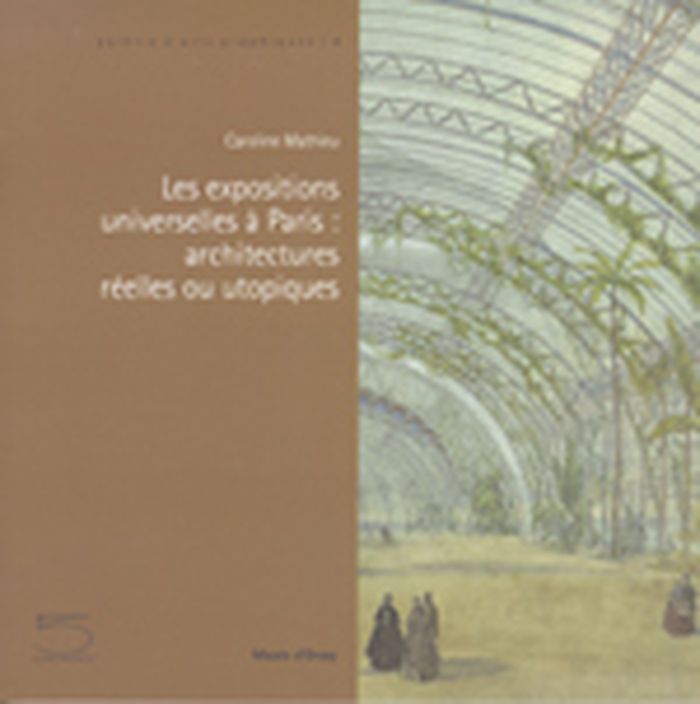
Les expositions universelles à Paris : architectures réelles ou utopiques
Actions:
Price:
$34.95
(available to order)
Summary:
Présentation d'une cinquantaine de projets architecturaux dessinés à l'occasion des expositions universelles de Paris. Véritables laboratoires, vivants recueils d'architectures et d'ornements, les expositions universelles rythment la vie des grandes capitales, à partir de 1851. L'idée d'une confrontation pacifique, internationale, qui rassemble commerce, industrie et beaux-arts se concrétise avec la première Exposition universelle de Londres : Le Crystal Palace, élevé par Joseph Paxton, devient un monument symbolique et novateur par sa transparence, ses dimensions grandioses, le modernisme de sa réalisation. Lors de la première Exposition universelle parisienne de 1855, l'éblouissante réalisation londonienne suscite le vif désir de donner une expression monumentale à un bâtiment conçu pour durer : le Palais de l'industrie, situé au bas des Champs-Elysées. Il accueille les expositions du Salon jusqu'à sa destruction, pour faire place aux Grand et Petit Palais de l'Exposition de 1900. D'abord peu étendues, centrées autour d'un unique palais, les expositions prennent, à partir de 1867, le visage de véritables cités de l'éphémère, bariolées et colorées, qui, lorsqu'elles sont situées au coeur même de la ville, entrent en totale contradiction avec elle. Grâce à la riche collection de dessins d'architecture du musée d'Orsay et du Fonds Eiffel, cet ouvrage permet d'illustrer l'imagination des architectes, la diversité des édifices et ressuscite d'extraordinaires réalisations aujourd'hui disparues.
Form:
books
books
Publication:
May 2007, Paris
May 2007, Paris
Subject:
Museums and Universal Exhibitions
Museums and Universal Exhibitions
Form:
books
books
Title:
Campo Santo
Campo Santo
Actions:
Price:
$8.95
(available to order)
Summary:
This brief volume is the latest and reportedly last collection of essays by German novelist and critic Sebald, who has seemed more prolific since his death in 2001 than in life. Despite the masterful translation, these essays fail to cohere, though they contain elements common to most of Sebald's work: an integration of art, politics and memory, framed by the writer's own(...)
Title:
Campo Santo
Actions:
Price:
$8.95
(available to order)
Summary:
This brief volume is the latest and reportedly last collection of essays by German novelist and critic Sebald, who has seemed more prolific since his death in 2001 than in life. Despite the masterful translation, these essays fail to cohere, though they contain elements common to most of Sebald's work: an integration of art, politics and memory, framed by the writer's own curmudgeonly presence. The essays, however, feel unfinished, lacking polish and structural integrity. The collection is split into two parts, "Prose" and "Essays," with the first—a series of considerations of the landscape, history and social milieu of the island of Corsica—by far the more successful. The second, longer section contains an assortment of literary critical pieces, some detailed, such as a long essay about novelists writing about the destruction of German cities during WWII; others discursive, such as an apparently unfinished review of a book about Kafka's relationship with film that wanders from films Sebald himself viewed to films Kafka may or may not have seen. Although Sebald was a beautiful and intelligent writer, it's hard to see how these essays will appeal to anyone outside of scholars and already committed Sebald fans eager to read every word he ever set to paper.
Form:
books
books
Publication:
January 1900, New York
January 1900, New York
Subject:
sale books
sale books
Form:
books
books
Title:
Chantier public
Chantier public
Actions:
Price:
$26.95
(available in store)
Summary:
Ces expositions ont pour point d’impulsion la récurrence de l’esthétique du chantier dans le travail d’artistes contemporains - tractopelles d’Ange Leccia, bétonneuses de Wim Delvoye, sculptures d’échafaudages de Buren. Pour ces deux expositions, les artistes invités par Anne Langlois et Patrice Goasduff produisaient une nouvelle œuvre dont ils définissaient eux-mêmes(...)
Title:
Chantier public
Actions:
Price:
$26.95
(available in store)
Summary:
Ces expositions ont pour point d’impulsion la récurrence de l’esthétique du chantier dans le travail d’artistes contemporains - tractopelles d’Ange Leccia, bétonneuses de Wim Delvoye, sculptures d’échafaudages de Buren. Pour ces deux expositions, les artistes invités par Anne Langlois et Patrice Goasduff produisaient une nouvelle œuvre dont ils définissaient eux-mêmes la forme et le lieu d’apparition autour de cette esthétique du chantier et de leur fascination respective pour la machinerie, la possibilité d’intervention à l’échelle d’un espace, d’un bâtiment, voir d’une ville. Chantier public rend compte des deux expositions, du travail des artistes invités et plus particulièrement des œuvres qui y ont été produites. Chaque œuvre est représentée et commentée, analysée par un auteur. Rassemblant le travail de Lara Almarcegui, Matthieu Appriou, Yves Gendrea, Patrice Goasduff et Stakler, le premier Chantier Public pointe les relations arts plastiques et architecture qui dépassent largement la conception réductrice selon laquelle l’architecture contient les arts plastiques. Cette première interprétation de chantier public donne lieu à des œuvres performatives et documentaires parlant de construction et de destruction. Avec Chantier publics #2, les créations d’atelier mobile, de Simona Denoclai et d’Ivo Provoost, de Daniel Dewar et Grégory Gicquel, de Le gentil garçon, de Nicolas Milhé, de Benoît-Marie Moriceau et de Bénédicte Olivier parlent recherches, fabrication, techniques, modes de construction.
Form:
books
books
Publication:
March 2006, Rennes / Paris
March 2006, Rennes / Paris
Subject:
Public Space
Public Space
Form:
books
books

Price:
$84.95
(available to order)
Summary:
The all-out war in Ukraine, started by the Russian Federation in 2022 has disproportionally affected housing and residential infrastructure. The destruction is so targeted, and the damage so significant that it has disfigured entire neighborhoods and erased entire cities. With the scale of damage and loss in mind, and the future wide-ranging reconstruction that will(...)
Title:
Mass Housing in Ukraine: Building Typologies and Catalogue of Series
Actions:
Price:
$84.95
(available to order)
Summary:
The all-out war in Ukraine, started by the Russian Federation in 2022 has disproportionally affected housing and residential infrastructure. The destruction is so targeted, and the damage so significant that it has disfigured entire neighborhoods and erased entire cities. With the scale of damage and loss in mind, and the future wide-ranging reconstruction that will inevitably take place after the war, this study examines the history and typologies of mass housing in Ukraine. It does so in order to evaluate what is lost, explain the diversity of modes of urban living that exist in Ukrainian cities, and finally, reconsider the narrative of how Ukrainian housing came about. The study covers the period of the last 100 years: the time of the most dramatic expansion and change in character of Ukrainian cities. It begins with the experimental buildings constructed in the Soviet Central and Eastern Ukraine and Polish Western Ukraine in the 1920s and 1930s, continues by looking at type projects from the Stalin era, as well as the serial apartment blocks built during the reigns of Khrushchev and Brezhnev and in the late USSR. Finally, it showcases individually designed, yet also typical residential buildings from the turbo-capitalist period of the 1990s and 2000s.
Form:
books
books
Publication:
November 2024
November 2024
Subject:
Collective Housing
Collective Housing
Form:
books
books

Actions:
Price:
$58.95
(available in store)
Summary:
Autodidacte, Chris Dorley Brown a formé son éducation culturelle dans le quartier de Stratford à la fin des années 1970, dans un contexte de conflits et de changements politiques fortement polarisés. Les photographies présentées dans ce livre – plus de 100 – ont été prises entre 1984 et 2023. La traversée du livre se fait comme une déambulation : en partant du bord de la(...)
Title:
Chris Dorley Brown : A hstory of the East end
Actions:
Price:
$58.95
(available in store)
Summary:
Autodidacte, Chris Dorley Brown a formé son éducation culturelle dans le quartier de Stratford à la fin des années 1970, dans un contexte de conflits et de changements politiques fortement polarisés. Les photographies présentées dans ce livre – plus de 100 – ont été prises entre 1984 et 2023. La traversée du livre se fait comme une déambulation : en partant du bord de la Tamise, on découvre l'architecture vernaculaire des années 1980, la destruction de ces mêmes immeubles quelques années plus tard, puis des architectures plus récentes. On suit les transformations occasionnées par les travaux pour les Jeux Olympiques, puis les rues désertées lors du confinement pour se retrouver au bord de la Tamise, presque à son embouchure. Des accidents ici et là s'intercalent entre ces principaux thèmes. Des textes et des tracts sont glissés dans le livre. L'auteur y raconte son parcours avec un certaine aisance, qui rappelle, à nous ses éditeurs, ses talents oratoires, dans une construction particulièrement visuelle où l'anecdote côtoie les pensées les plus profondes. Cette œuvre photographique prend toute l'ampleur qu'elle mérite dans le livre, elle déroule une histoire du East End, mais c'est aussi et surtout un témoignage du capitalisme tardif, de sa capacité à toujours prendre de nouvelles formes pour mieux se diffuser.
Form:
books
books
Publication:
September 2024
September 2024
Subject:
Photography monographs
Photography monographs
Form:
books
books
Actions:
Price:
$46.95
(available to order)
Summary:
A stone falls to the Earth. It picks up speed, rolling down the steep side of a mountain until it comes to rest in an empty plain. But the plain won’t remain empty for long: out of the shadows emerge two figures, who immediately start to grapple, using that very stone as a weapon to kill. But those same hands, our human hands, holding the same weight of stone, also shape(...)
Title:
Hard as rock, old as stone: Of humans and war
Actions:
Price:
$46.95
(available to order)
Summary:
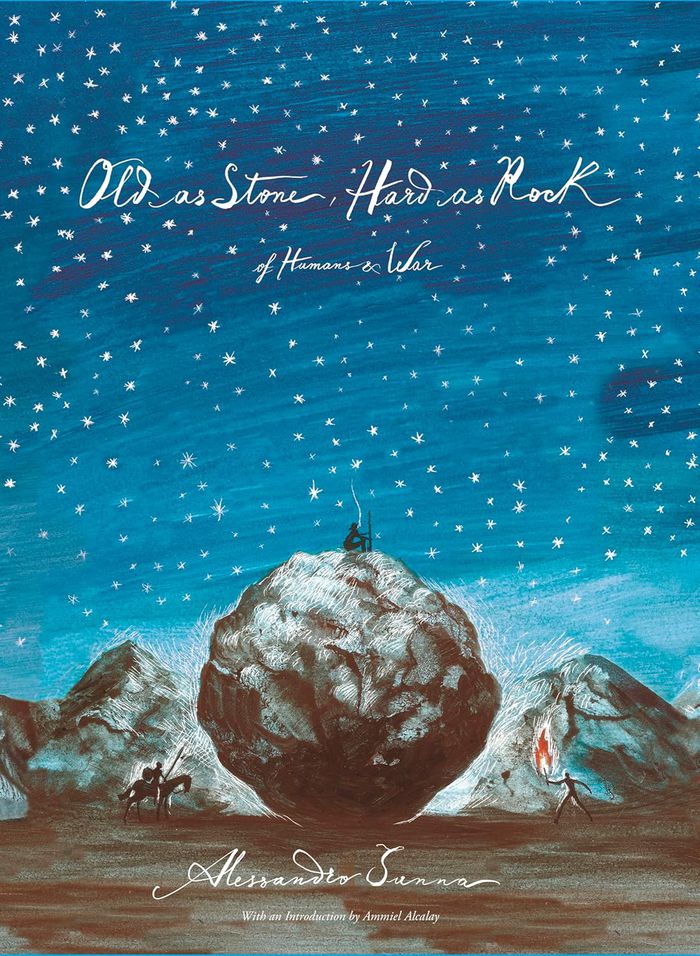
A stone falls to the Earth. It picks up speed, rolling down the steep side of a mountain until it comes to rest in an empty plain. But the plain won’t remain empty for long: out of the shadows emerge two figures, who immediately start to grapple, using that very stone as a weapon to kill. But those same hands, our human hands, holding the same weight of stone, also shape and forge, chisel and build, creating as they destroy, rendering beauty and violence alike. What is the relationship of those twin impulses? In these pages, artist Alessandaro Sanna uses the shaping force of his hands to explore the seemingly endless, perversely steadfast human capacity for destruction. Unflinchingly tracing humanity’s long history of war, from the havoc of armies on horseback, to the violence of the conquistadores, to the carnage of the First World War, to the ghastly terror of the atomic bomb, and the cruel, shockingly intentional attack on the Twin Towers, Sanna records our compulsion to destroy. The hands mold clay, streak color across a sky, define a world, give beauty to the eye; and yet fires burn, an acrid smell arises, smoke blots out the sun. For what and why?
Form:
books
books
Publication:
January 2025
January 2025
Subject:
Illustration
Illustration
Form:
books
books
Price:
$67.95
(available to order)
Summary:
In the mid-nineteenth century, Napoleon III and his prefect, Georges-Eugène Haussmann, adapted Paris to the requirements of industrial capitalism, endowing the old city with elegant boulevards, an enhanced water supply, modern sewers, and public greenery. Esther da Costa Meyer provides a major reassessment of this ambitious project, which resulted in widespread(...)
Title:
Dividing Paris: Urban renewal and social inequality 1852-1870
Actions:
Price:
$67.95
(available to order)
Summary:
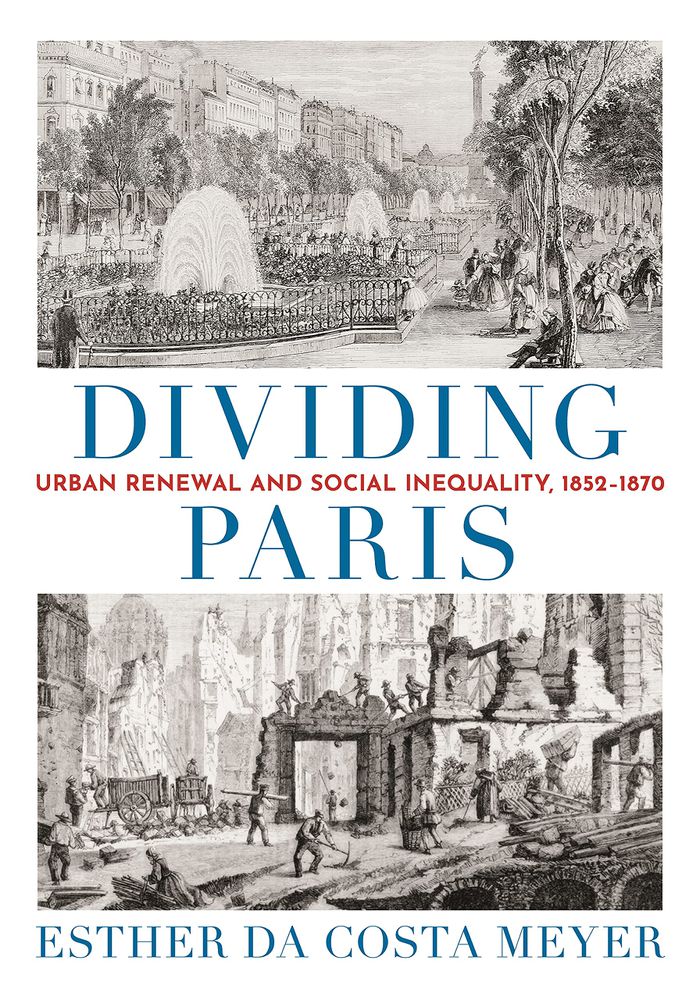
In the mid-nineteenth century, Napoleon III and his prefect, Georges-Eugène Haussmann, adapted Paris to the requirements of industrial capitalism, endowing the old city with elegant boulevards, an enhanced water supply, modern sewers, and public greenery. Esther da Costa Meyer provides a major reassessment of this ambitious project, which resulted in widespread destruction in the historic center, displacing thousands of poor residents and polarizing the urban fabric. Drawing on newspapers, memoirs, and other archival materials, da Costa Meyer explores how people from different social strata?both women and men?experienced the urban reforms implemented by the Second Empire. As hundreds of tenements were destroyed to make way for upscale apartment buildings, thousands of impoverished residents were forced to the periphery, which lacked the services enjoyed by wealthier parts of the city. Challenging the idea of Paris as the capital of modernity, da Costa Meyer shows how the city was the hub of a sprawling colonial empire extending from the Caribbean to Asia, and exposes the underlying violence that enriched it at the expense of overseas territories. This book brings to light the contributions of those who actually built and maintained the impressive infrastructure of Paris, and reveals the consequences of colonial practices for the city's cultural, economic, and political life.
Form:
books
books
Publication:
February 2022
February 2022
Subject:
Urban Theory
Urban Theory
Form:
books
books
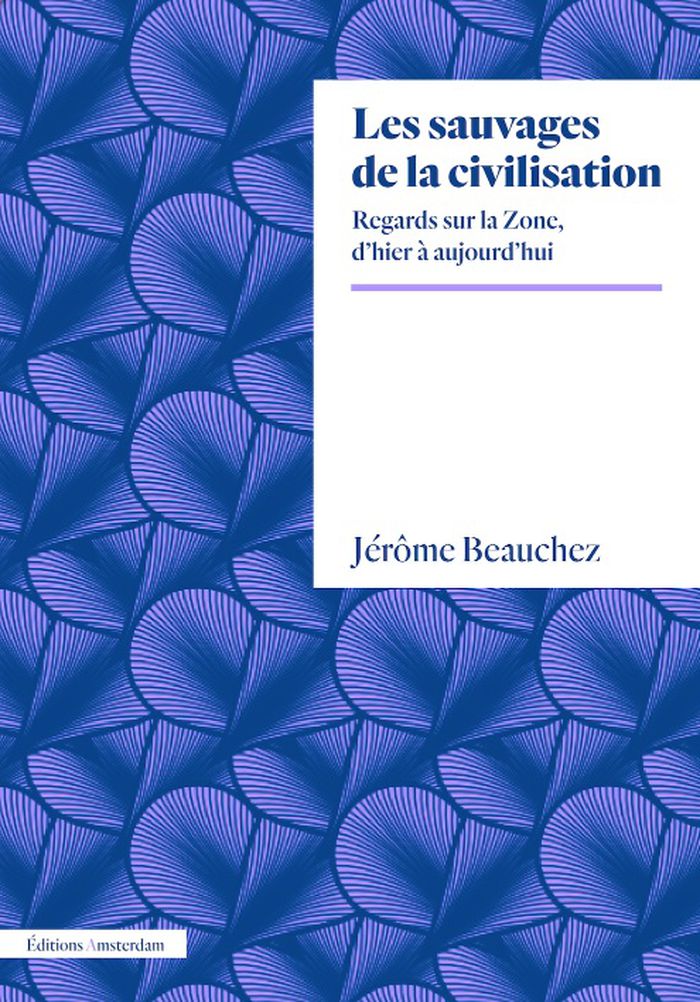
Actions:
Price:
$46.95
(available to order)
Summary:
La « Zone », c’est d’abord une bande de terre large de quelques centaines de mètres qui entoure Paris. Logée entre les fortifications de la ville, édifiées dans les années 1840, et sa banlieue, elle sert aux manœuvres militaires. Là, s’installe progressivement une population interlope – chiffonniers, mendiants, pauvres de toutes sortes – dans un fatras de roulottes, de(...)
Title:
Les sauvages de la civilisation : regards sur la Zone, d'hier à aujourd'hui
Actions:
Price:
$46.95
(available to order)
Summary:
La « Zone », c’est d’abord une bande de terre large de quelques centaines de mètres qui entoure Paris. Logée entre les fortifications de la ville, édifiées dans les années 1840, et sa banlieue, elle sert aux manœuvres militaires. Là, s’installe progressivement une population interlope – chiffonniers, mendiants, pauvres de toutes sortes – dans un fatras de roulottes, de tissus et de métaux. À la fin du siècle, chez ceux de l’extérieur, la Zone devient un objet : objet de curiosité, de fantasmes, d’angoisse, de commisération, de littérature et d’images. Bref, l’objet de perceptions hétérogènes les unes aux autres mais unies par une même tendance à regarder de haut cette population, à la dominer avec plus ou moins de bienveillance. De la Zone, aujourd’hui devenue, par extension, la désignation de toute forme de marginalité, Jérôme Beauchez propose une « archéographie » subtile et sensible, c’est-à-dire l’histoire des regards – ceux de la bohème artistique et des photographes, des chansonniers et des journalistes, des élus et des hygiénistes – qui, en la constituant en objet, ont fabriqué une catégorie d’étrangers de l’intérieur, de « sauvages de la civilisation », dont on perçoit encore la prégnance, bien longtemps après la destruction de cet espace. Des zoniers aux zonards et au-delà, ce livre raconte l’histoire des marges.
Form:
books
books
Publication:
July 2022
July 2022
Subject:
Urban Theory
Urban Theory
Form:
books
books
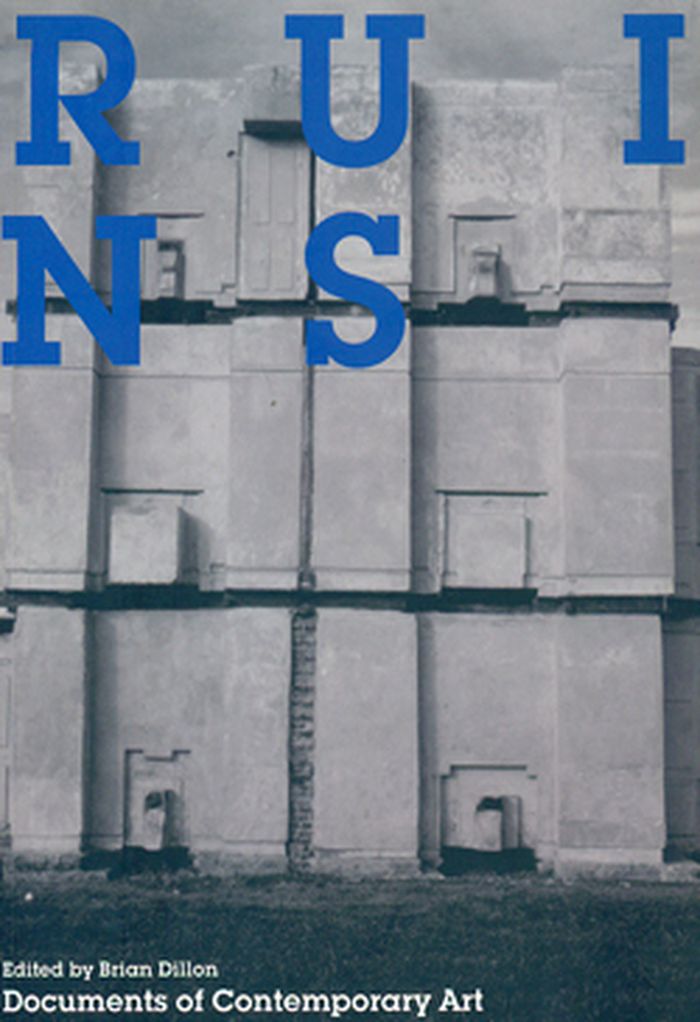
Price:
$35.95
(available to order)
Summary:
The "ruins" of the modern era are the landmarks of recent art’s turn toward site and situation, history and memory. The abiding interest of artists in ruination and decay has led in particular to the concept of the modern ruin - an ambiguous site of artistic and architectural modernism, personal and collective memories, and the cultural afterlife of eras such as those of(...)
Title:
Ruins
Actions:
Price:
$35.95
(available to order)
Summary:
The "ruins" of the modern era are the landmarks of recent art’s turn toward site and situation, history and memory. The abiding interest of artists in ruination and decay has led in particular to the concept of the modern ruin - an ambiguous site of artistic and architectural modernism, personal and collective memories, and the cultural afterlife of eras such as those of state communism and colonialism. Contemporary art’s explorations of the ruin can evoke on the one hand diverse experiences of nostalgia and on the other a ceaselessly renewed encounter with catastrophes of the recent past and apprehensions of the future. For every relic of a harmonious era or utopian dream stands another recalling industrial decline, environmental disaster, and the depredations of war. This anthology provides a comprehensive survey of the contemporary ruin in cultural discourse, aesthetics, and artistic practice. It examines the development of ruin aesthetics from the early modern era to the present; the ruin as a privileged emblem of modernity’s decline; the relic as a portal onto the political history of the recent past; the destruction and decline of cities and landscapes, with the emergence of "non-places" and “drosscape”; the symbolism of the entropic and decayed in critical environmentalism; and the confusing temporalities of the ruin in recent art - its involution of timescales and perspectives as it addresses not just the past but the future.
Form:
books
books
Publication:
September 2011
September 2011
Subject:
Art Theory
Art Theory
Form:
books
books
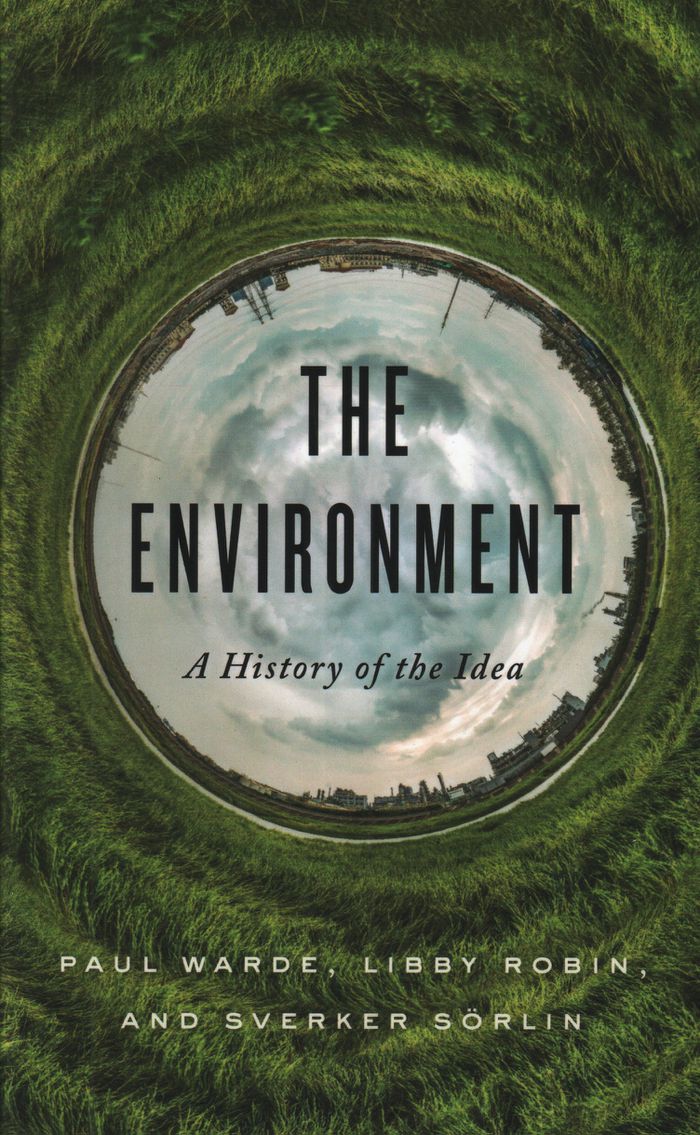
Actions:
Price:
$41.95
(available to order)
Summary:
Is it possible for the economy to grow without the environment being destroyed? Will our lifestyles impoverish the planet for our children and grandchildren? Is the world sick? Can it be healed? Less than a lifetime ago, these questions would have made no sense. This was not because our ancestors had no impact on nature—nor because they were unaware of the serious damage(...)
Subject:
Environment and environmental theory
Environment and environmental theory
Publication:
November 2018
November 2018
Title:
The environment: a history of an idea
Actions:
Price:
$41.95
(available to order)
Summary:
Is it possible for the economy to grow without the environment being destroyed? Will our lifestyles impoverish the planet for our children and grandchildren? Is the world sick? Can it be healed? Less than a lifetime ago, these questions would have made no sense. This was not because our ancestors had no impact on nature—nor because they were unaware of the serious damage they had done. What people lacked was an idea: a way of imagining the web of interconnection and consequence of which the natural world is made. Without this notion, we didn’t have a way to describe the scale and scope of human impact upon nature. This idea was "the environment." Paul Warde, Libby Robin, and Sverker Sörlin trace the emergence of the concept of the environment following World War II, a period characterized by both hope for a new global order and fear of humans’ capacity for almost limitless destruction. It was at this moment that a new idea and a new narrative about the planet-wide impact of people's behavior emerged, closely allied to anxieties for the future. Now we had a vocabulary for talking about how we were changing nature: resource exhaustion and energy, biodiversity, pollution, and—eventually—climate change. With the rise of "the environment," the authors argue, came new expertise, making certain kinds of knowledge crucial to understanding the future of our planet.
Form:
books
books
Publication:
November 2018
November 2018
Subject:
Environment and environmental theory
Environment and environmental theory


