


1024 Results
Form:
books
books
Actions:
Price:
$45.00
(available to order)
Summary:
John M. Lyle (18721945) was an anomaly among architects: a Beaux-Arts classicist who nevertheless found much inspiration in modernism, allowing his own traditionalist practice to be affected in form and detail by a brave new emphasis on minimalism and indigenous influence. With ornamentation showcasing local flora and fauna and a turn to native landscape for inspiration,(...)
Title:
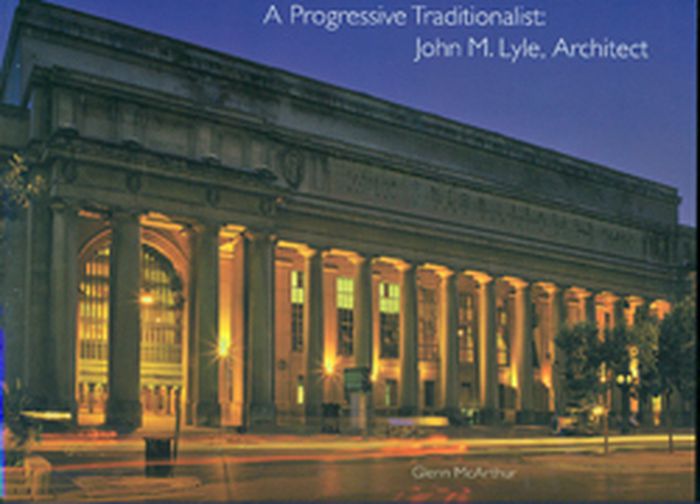
A progressive traditionalist: John M. Lyle, architect
Actions:
Price:
$45.00
(available to order)
Summary:
John M. Lyle (18721945) was an anomaly among architects: a Beaux-Arts classicist who nevertheless found much inspiration in modernism, allowing his own traditionalist practice to be affected in form and detail by a brave new emphasis on minimalism and indigenous influence. With ornamentation showcasing local flora and fauna and a turn to native landscape for inspiration, his innumerable buildings contributed to a burgeoning nationalism in the field. A Progressive Traditionalist traces this aesthetic trajectory, documenting Lyles training at Yale and in Paris, his early career in New York and his later success in Toronto, including countless legendary banks and residences and the iconic Union Station. Part biography and part architectural history, and extensively illustrated with colour photographs and drawings throughout, this book is the first to examine in depth the important contributions of one of the early twentieth centurys foremost architects.
Form:
books
books
Publication:
March 2009
March 2009
Subject:
Architecture in Canada
Architecture in Canada
Form:
books
books
Title:
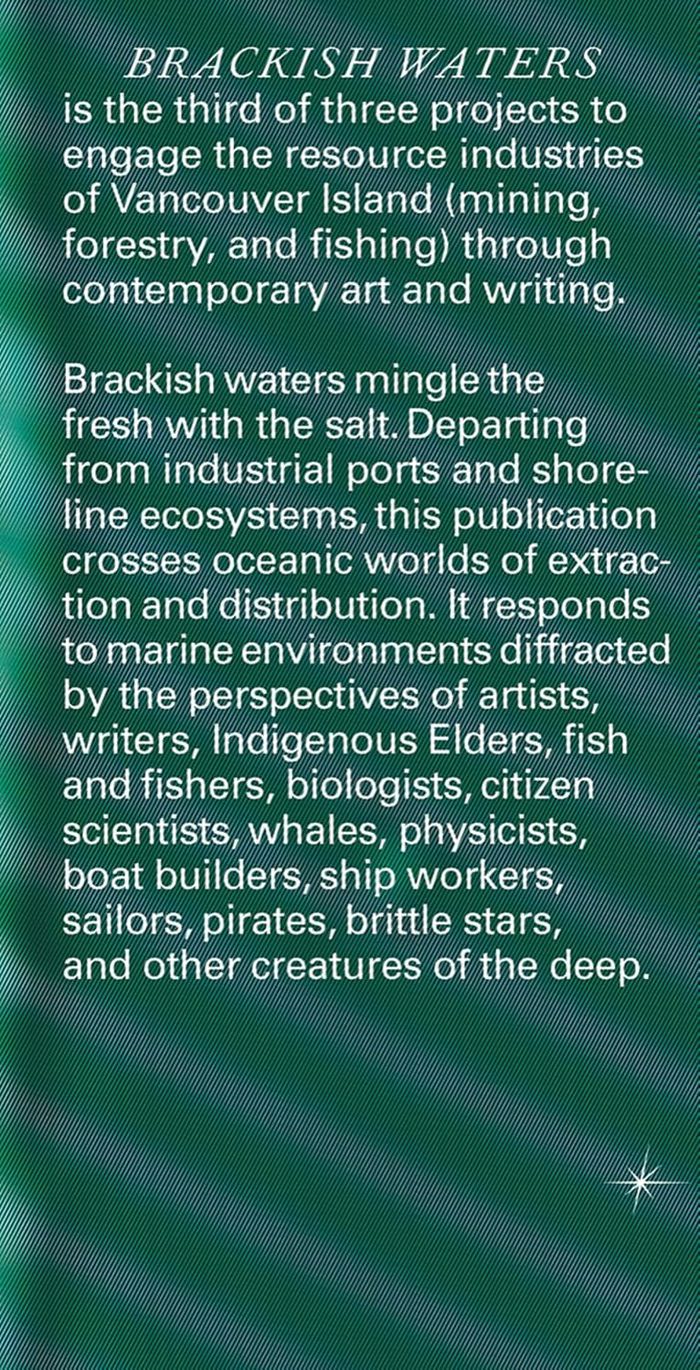
Brackish waters
Brackish waters
Actions:
Price:
$29.95
(available in store)
Summary:
"Brakish waters" is the third of three projects to engage the resource industries of Vancouver Island (mining, forestry, and fishing), through contemporary art and writing. Brackish waters mingle the fresh with the salt. Departing from industrial ports and shoreline ecosystems, this publication crosses oceanic worlds of extraction and distribution. It responds to marine(...)
Title:
Brackish waters
Actions:
Price:
$29.95
(available in store)
Summary:
"Brakish waters" is the third of three projects to engage the resource industries of Vancouver Island (mining, forestry, and fishing), through contemporary art and writing. Brackish waters mingle the fresh with the salt. Departing from industrial ports and shoreline ecosystems, this publication crosses oceanic worlds of extraction and distribution. It responds to marine environments diffracted by the perspectives of artists, writers, Indigenous Elders, fish and fishers, biologists, citizen scientists, whales, physicists, boat builders, ship workers, sailors, pirates, brittle stars, and other creatures of the deep. Nanaimo Art Gallery is located on Snuneymuxw territory, one block from the city’s harbor, a place that has seen the forced displacement of Snuneymuxw villages, the arrival of precarious mine workers from China, the UK, and Scandinavia, and the World War II internment of Japanese Canadians who ran herring salteries and shipyards there.
Form:
books
books
Publication:
March 2026
March 2026
Subject:
Art Theory
Art Theory
Form:
books
books
Actions:
Price:
$36.95
(available to order)
Summary:
In ''Designs for the Pluriverse'' Arturo Escobar presents a new vision of design theory and practice aimed at channeling design's world-making capacity toward ways of being and doing that are deeply attuned to justice and the Earth. Noting that most design—from consumer goods and digital technologies to built environments—currently serves capitalist ends, Escobar argues(...)
Title:
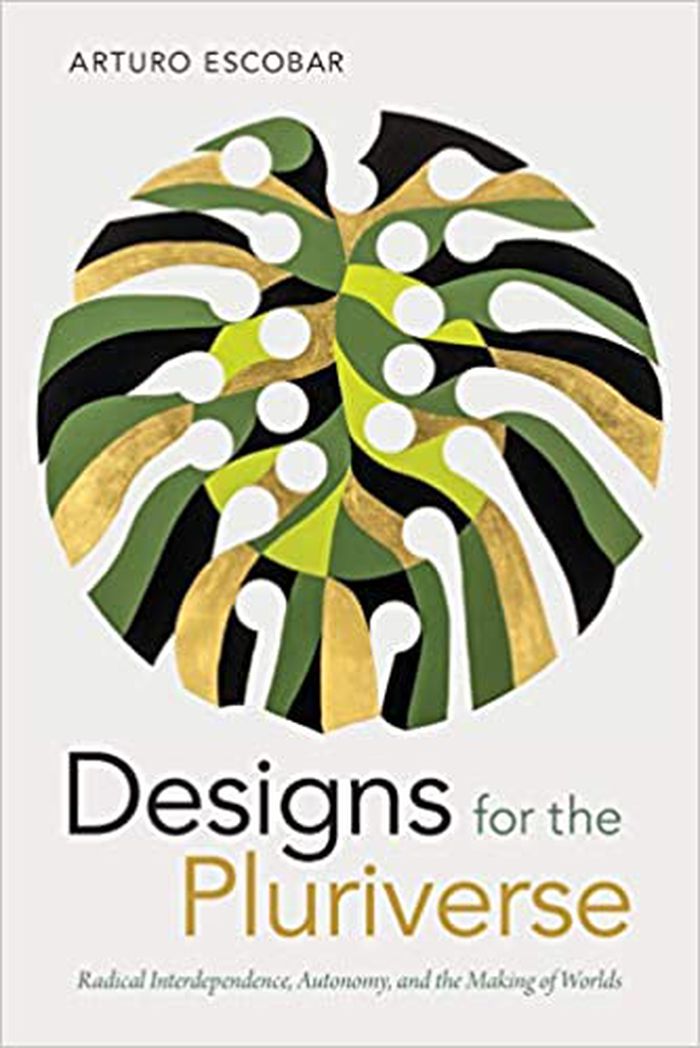
Designs for the pluriverse: Radical interdependence, autonomy, and the making of world
Actions:
Price:
$36.95
(available to order)
Summary:
In ''Designs for the Pluriverse'' Arturo Escobar presents a new vision of design theory and practice aimed at channeling design's world-making capacity toward ways of being and doing that are deeply attuned to justice and the Earth. Noting that most design—from consumer goods and digital technologies to built environments—currently serves capitalist ends, Escobar argues for the development of an 'autonomous design' that eschews commercial and modernizing aims in favor of more collaborative and placed-based approaches. Such design attends to questions of environment, experience, and politics while focusing on the production of human experience based on the radical interdependence of all beings. Mapping autonomous design’s principles to the history of decolonial efforts of indigenous and Afro-descended people in Latin America, Escobar shows how refiguring current design practices could lead to the creation of more just and sustainable social orders.
Form:
books
books
Publication:
March 2018
March 2018
Subject:
Environment and environmental theory
Environment and environmental theory
Form:
books
books

Title:
Rehearsals for living
Rehearsals for living
Actions:
Price:
$32.00
(available to order)
Summary:
When the world entered pandemic lockdown in spring 2020, Robyn Maynard and Leanne Betasamosake Simpson began writing each other letters—a gesture sparked by a desire for kinship and connection in a world shattering under the intersecting crises of pandemic, police killings, and climate catastrophe. These letters soon grew into a powerful exchange about where we go from(...)
Title:
Rehearsals for living
Actions:
Price:
$32.00
(available to order)
Summary:
When the world entered pandemic lockdown in spring 2020, Robyn Maynard and Leanne Betasamosake Simpson began writing each other letters—a gesture sparked by a desire for kinship and connection in a world shattering under the intersecting crises of pandemic, police killings, and climate catastrophe. These letters soon grew into a powerful exchange about where we go from here. Ths book is a captivating and visionary work—part debate, part dialogue, part lively and detailed familial correspondence between two razor-sharp writers. By articulating to each other Black and Indigenous perspectives on our unprecedented here and now, and reiterating the long-disavowed histories of slavery and colonization that have brought us to this moment, Maynard and Simpson create something new: an urgent demand for a different way forward, and a poetic call to dream up other ways of ordering earthly life.
Form:
books
books
Publication:
June 2022
June 2022
Subject:
Social
Social
Form:
books
books
Actions:
Price:
$36.95
(available to order)
Summary:
"Film X Autochthonous struggles today" brings together for the first time filmmakers, activists, film curators, and scholars who share a common interest in filmmaking practices that emerge from and participate in the various situations of struggle that the Autochthonous/Indigenous/Native/Aboriginal/First Nations peoples and communities are involved in worldwide. Starting(...)
Title:
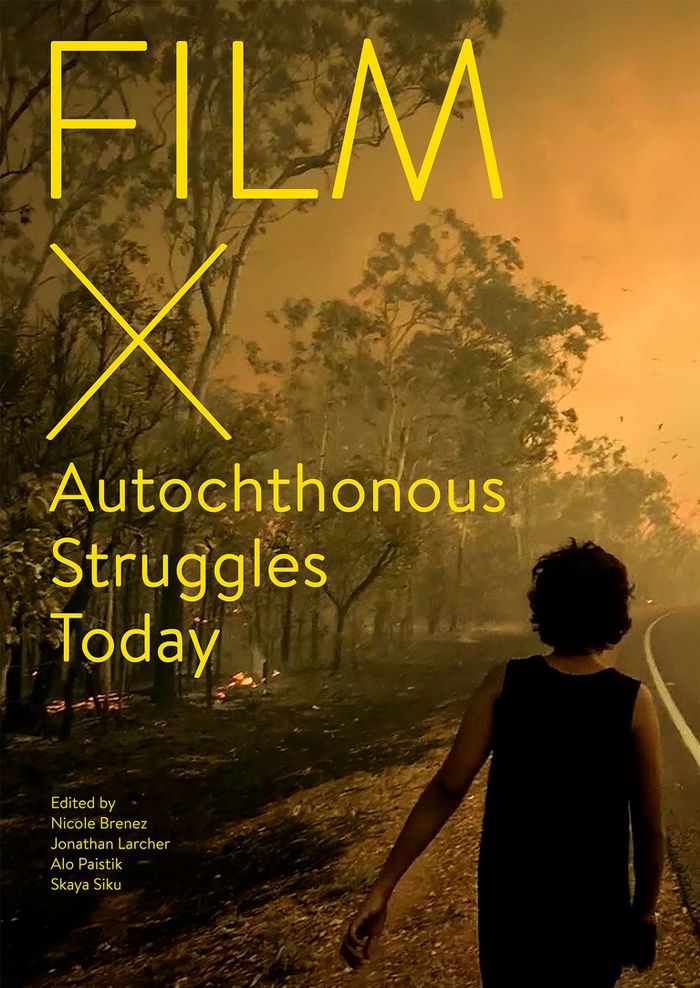
Film X Autochthonous struggles today
Actions:
Price:
$36.95
(available to order)
Summary:
"Film X Autochthonous struggles today" brings together for the first time filmmakers, activists, film curators, and scholars who share a common interest in filmmaking practices that emerge from and participate in the various situations of struggle that the Autochthonous/Indigenous/Native/Aboriginal/First Nations peoples and communities are involved in worldwide. Starting with the Edison Studio’s 1894 short films Buffalo Dance and Sioux Ghost Dance, representations of Autochthonous peoples have been part of cinema right from its inception. The vast majority of these representations, however, have not been produced by nor for Autochthonous peoples. In the wake of political and cultural self-determination movements of the 1960s and 1970s, and with the gradual democratization and accessibility of the tools of moving-image making, Autochthonous communities have displaced and renewed cinema’s forms and means of production, increasingly reclaiming their right for self-representation by way of film and video.
Form:
books
books
Publication:
October 2024
October 2024
Subject:
Art Theory
Art Theory
Form:
books
books
Price:
$41.99
(available in store)
Summary:
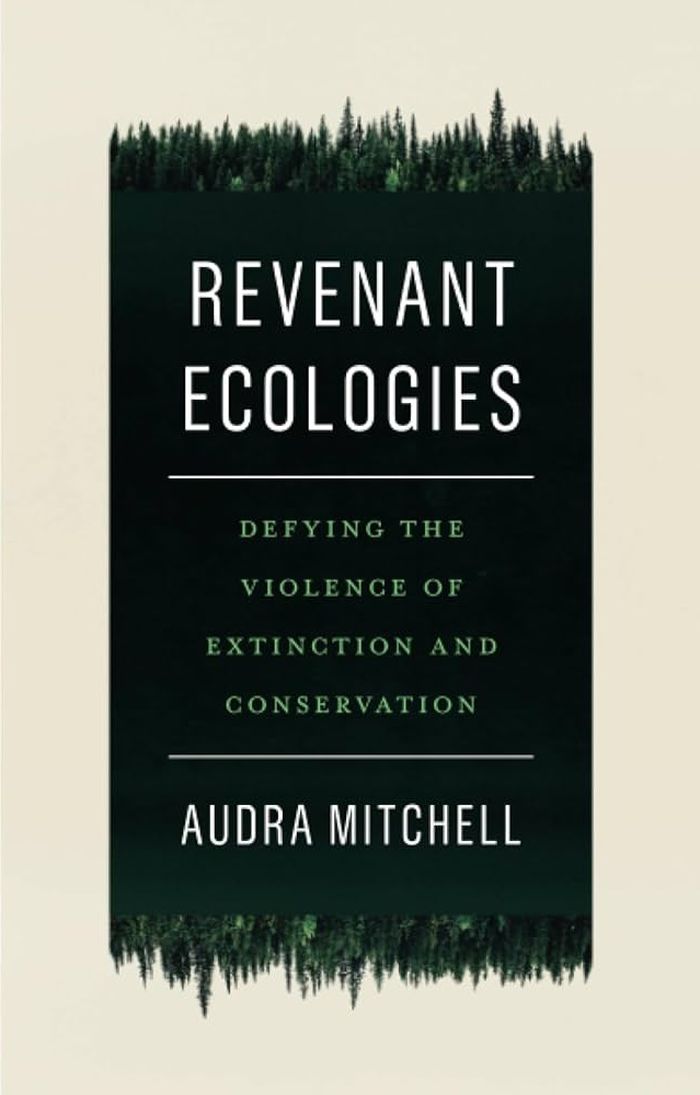
As global rates of plant and animal extinctions mount, anxieties about the future of the earth’s ecosystems are fueling ever more ambitious efforts at conservation, which draw on Western scientific principles to manage species and biodiversity. In "Revenant ecologies," Audra Mitchell argues that these responses not only ignore but also magnify powerful forms of structural(...)
Title:
Revenant ecologies: Defying the violence of extinction and conservation
Actions:
Price:
$41.99
(available in store)
Summary:
As global rates of plant and animal extinctions mount, anxieties about the future of the earth’s ecosystems are fueling ever more ambitious efforts at conservation, which draw on Western scientific principles to manage species and biodiversity. In "Revenant ecologies," Audra Mitchell argues that these responses not only ignore but also magnify powerful forms of structural violence like colonialism, racism, genocide, extractivism, ableism, and heteronormativity, ultimately contributing to the destruction of unique life forms and ecosystems. Critiquing the Western discourse of global extinction and biodiversity through the lens of diverse Indigenous philosophies and other marginalized knowledge systems, "Revenant ecologies," promotes new ways of articulating the ethical enormity of global extinction. Mitchell offers an ambitious framework—(bio)plurality—that focuses on nurturing unique, irreplaceable worlds, relations, and ecosystems, aiming to transform global ecological–political relations, including through processes of land return and critically confronting discourses on "human extinction."
Form:
books
books
Publication:
January 2024
January 2024
Subject:
Environment and environmental theory
Environment and environmental theory
Form:
books
books
Actions:
Price:
$41.50
(available to order)
Summary:
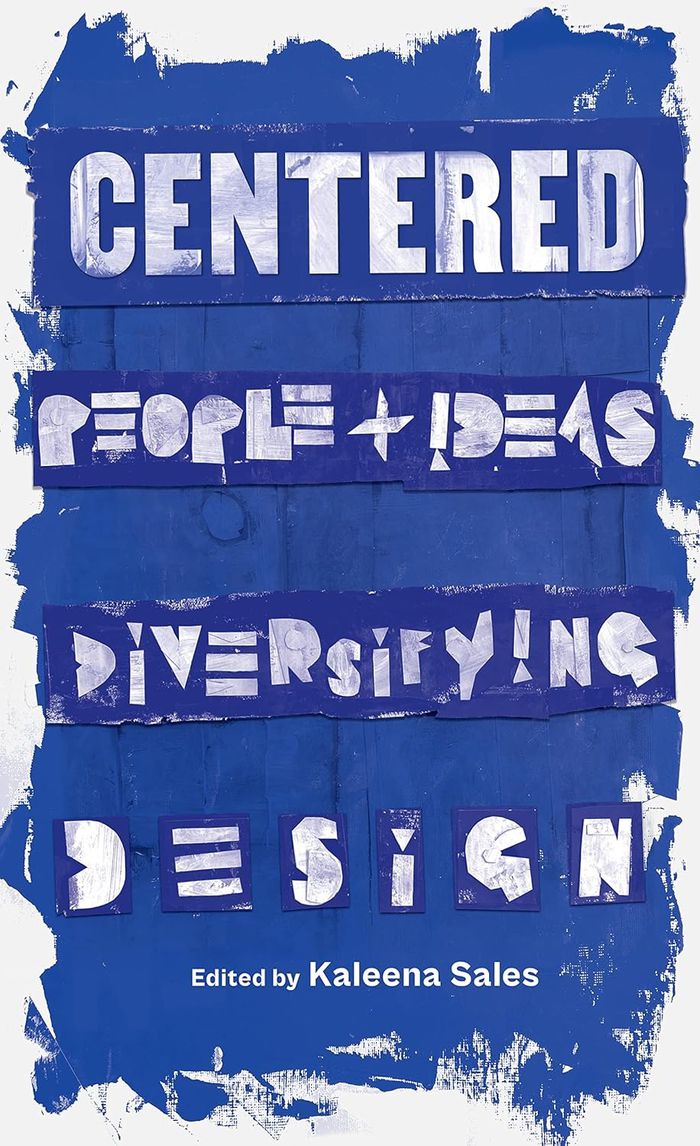
As the design industry reexamines its emphasis on Eurocentric ideologies and wrestles with its conventional practices, ''Centered'' advocates for highlighting and giving a voice to the people, places, methods, ideas, and beliefs that have been eclipsed or excluded by dominant design movements. Curated by Kaleena Sales, a powerful voice and noted advocate for diversity in(...)
Title:
Centered: people and ideas diversifying design
Actions:
Price:
$41.50
(available to order)
Summary:
As the design industry reexamines its emphasis on Eurocentric ideologies and wrestles with its conventional practices, ''Centered'' advocates for highlighting and giving a voice to the people, places, methods, ideas, and beliefs that have been eclipsed or excluded by dominant design movements. Curated by Kaleena Sales, a powerful voice and noted advocate for diversity in the design community, the thirteen essays and interviews in this volume feature important and underrepresented design work and projects, both historical and present-day, including: Gee’s Bend Quilters, by Stephen Child and Isabella D’Agnenica; A Chinese Typographic Archive, by YuJune Park and Caspar Lam; Indigenous Sovereignty and Design: An Interview with Sadie Red Wing (Her Shawl is Yellow); The Truck Art of India, by Shantanu Suman; New Lessons from the Bauhaus: An Interview with Ellen Lupton; Vocal Type: An Interview with Tré Seals; Decolonizing Graphic Design, A Must, by Cheryl D. Miller.
Form:
books
books
Publication:
October 2023
October 2023
Subject:
Design Theory
Design Theory
Form:
books
books
Title:
The african city : a history
The african city : a history
Actions:
Price:
$24.95
(available to order)
Summary:
This unique book is comprehensive both in terms of time coverage, from before the Pharaohs to the present moment and in that it tries to consider cities from the entire continent, not just Sub-Saharan Africa. Apart from factual information and rich description material culled from many sources, it looks at many issues from why urban life emerged in the first place to how(...)
Subject:
Arch Southwest Asia & North Africa
Arch Southwest Asia & North Africa
Publication:
November 2006, New York
November 2006, New York
Title:
The african city : a history
Actions:
Price:
$24.95
(available to order)
Summary:
This unique book is comprehensive both in terms of time coverage, from before the Pharaohs to the present moment and in that it tries to consider cities from the entire continent, not just Sub-Saharan Africa. Apart from factual information and rich description material culled from many sources, it looks at many issues from why urban life emerged in the first place to how present-day African cities cope in difficult times. Instead of seeing towns and cities as somehow extraneous to the real Africa, it views them as an inherent part of developing Africa, indigenous, colonial, and post-colonial and emphasizes the extent to which the future of African society and African culture will likely be played out mostly in cities. The book is written to appeal to students of history but equally to geographers, planners, sociologists and development specialists interested in urban problems.
Form:
books
books
Publication:
November 2006, New York
November 2006, New York
Subject:
Arch Southwest Asia & North Africa
Arch Southwest Asia & North Africa
Form:
journals and magazines
journals and magazines
Actions:
Price:
$16.95
(available in store)
Summary:
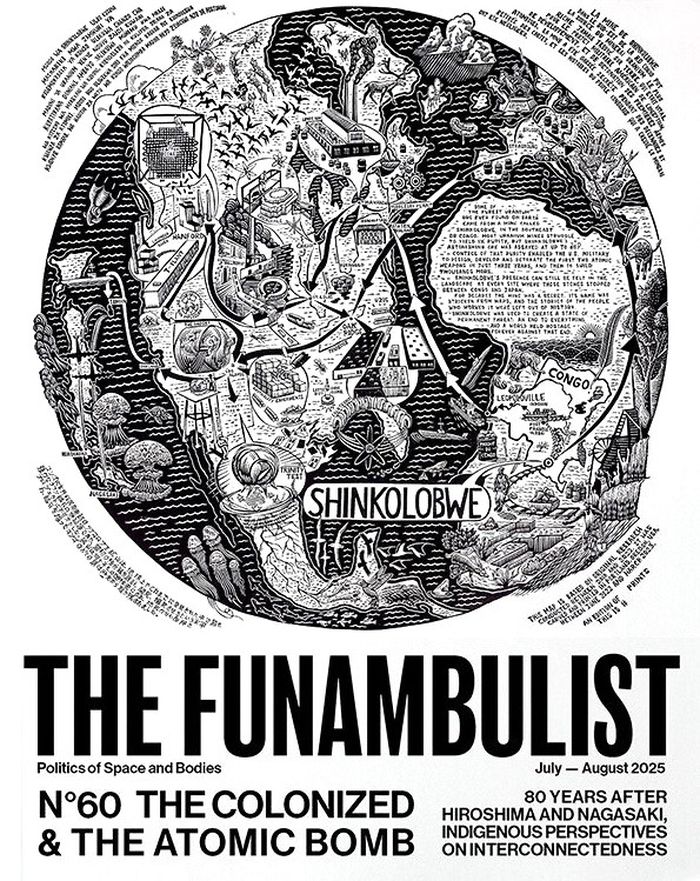
Welcome to the 60th issue of The Funambulist, which concludes the tenth year of publishing the magazine! On August 6th and 9th, The Funambulist will commemorate the 80th anniversary of the devastating US nuclear bombing of the cities of Hiroshima and Nagasaki. Our contribution to the significance of these two massacres consists in convoking Indigenous perspectives from(...)
Title:
The Funambulist n. 60: The colonized & the atomic bomb
Actions:
Price:
$16.95
(available in store)
Summary:
Welcome to the 60th issue of The Funambulist, which concludes the tenth year of publishing the magazine! On August 6th and 9th, The Funambulist will commemorate the 80th anniversary of the devastating US nuclear bombing of the cities of Hiroshima and Nagasaki. Our contribution to the significance of these two massacres consists in convoking Indigenous perspectives from lands that have been exploited for these two bombings. The idea for it came from listening to Glen Sean Coulthard in Dene Country (in what the Canadian settler colony designates as Northwest Territories) about the uranium extracted from his nation’s land to fabricate the atomic bomb and three decades later, the visit of a Dene delegation to Hiroshima to apologize for the role of their labor and land in the nuclear bombing of the city. This understanding of interconnectedness between distant lands and peoples forms the editorial core of this issue.
Form:
journals and magazines
journals and magazines
Publication:
July 2025
July 2025
Subject:
Magazines
Magazines
Form:
books
books
Actions:
Price:
$124.00
(available to order)
Summary:
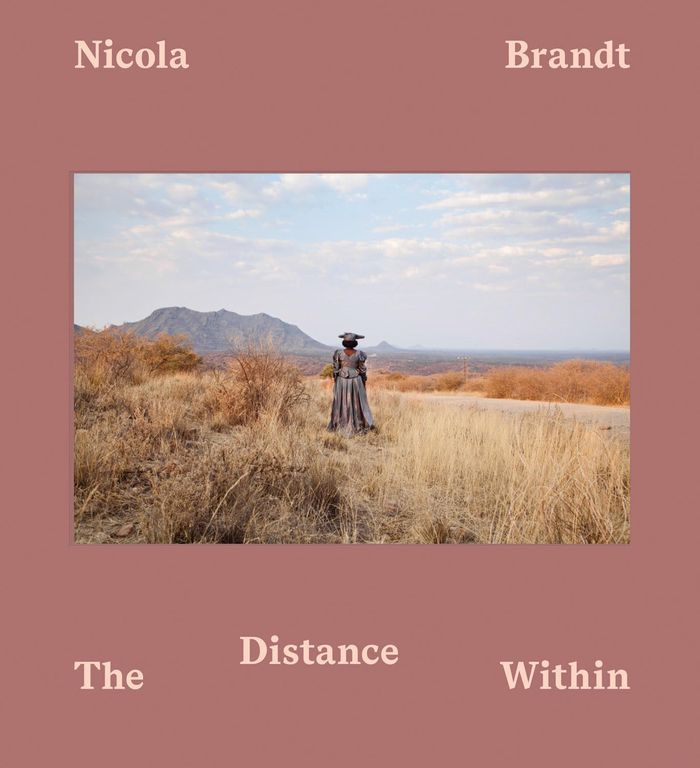
Featuring photographs and video stills made over more than a decade, "The distance within" reflects on Nicola Brandt’s German and Namibian inheritance and deconstructs certain established ways of seeing Namibia. Brandt traveled the country extensively, documenting landscapes and people, structures and encounters, to reveal ensnared histories of German colonialism,(...)
Title:
Nicola Brandt: The distance within
Actions:
Price:
$124.00
(available to order)
Summary:
Featuring photographs and video stills made over more than a decade, "The distance within" reflects on Nicola Brandt’s German and Namibian inheritance and deconstructs certain established ways of seeing Namibia. Brandt traveled the country extensively, documenting landscapes and people, structures and encounters, to reveal ensnared histories of German colonialism, National Socialism and apartheid. Markers of these histories range from the ephemeral and private, such as a dilapidated mound of stones as a roadside memorial, to official sites of remembrance and resistance, particularly for colonial atrocities. Alongside her images, Brandt assembles texts by thought leaders in photography, postcolonial cultures, memory and genocide studies, as well as material from private and public archives, to understand enduring blind spots. The result is an intersectional argument in favor of reclaiming suppressed indigenous stories and identities, undoing romantic notions of whiteness, and, ultimately, illuminating what has not been visible.
Form:
books
books
Publication:
May 2024
May 2024
Subject:
Photography monographs
Photography monographs


