


10284 Results
Form:
books
books
Actions:
Price:
$69.95
(available in store)
Summary:
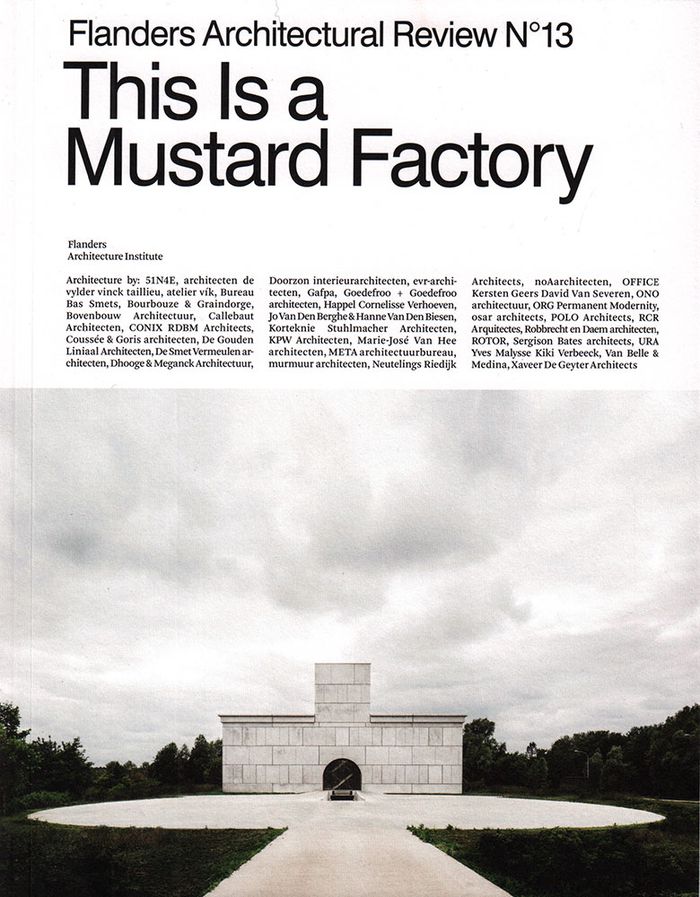
The 13th edition of the Flanders Architectural Review brings together the most high-profile examples of recent architecture in Flanders. Like the mustard factory on the cover, the selected buildings raise questions about the significance of form in architecture. Almost fifty projects are covered by means of extensive plans and photos and they give rise to a critical(...)
$69.95
(available in store)
Summary:
The 13th edition of the Flanders Architectural Review brings together the most high-profile examples of recent architecture in Flanders. Like the mustard factory on the cover, the selected buildings raise questions about the significance of form in architecture. Almost fifty projects are covered by means of extensive plans and photos and they give rise to a critical(...)
Title:
Flanders Architectural Review 13: This is a mustard factory
Actions:
Price:
$69.95
(available in store)
Summary:
The 13th edition of the Flanders Architectural Review brings together the most high-profile examples of recent architecture in Flanders. Like the mustard factory on the cover, the selected buildings raise questions about the significance of form in architecture. Almost fifty projects are covered by means of extensive plans and photos and they give rise to a critical reflection on current developments in Flemish architecture. The book includes articles that deal with such topics as the poetry of utility buildings, the responsibility of architecture for the landscape, the exploration of a new scale and the individual character of Flemish architecture abroad. What the visual essays by four leading photographers have in common is a serious interest in the concrete physical experience. They view the architectural object not as something static, but as a beckoning space that should be explored, studied, tried and tested.
Flanders Architectural Review 13: This is a mustard factory
Actions:
Price:
$69.95
(available in store)
Summary:
The 13th edition of the Flanders Architectural Review brings together the most high-profile examples of recent architecture in Flanders. Like the mustard factory on the cover, the selected buildings raise questions about the significance of form in architecture. Almost fifty projects are covered by means of extensive plans and photos and they give rise to a critical reflection on current developments in Flemish architecture. The book includes articles that deal with such topics as the poetry of utility buildings, the responsibility of architecture for the landscape, the exploration of a new scale and the individual character of Flemish architecture abroad. What the visual essays by four leading photographers have in common is a serious interest in the concrete physical experience. They view the architectural object not as something static, but as a beckoning space that should be explored, studied, tried and tested.
Form:
books
books
Publication:
January 2019
January 2019
Subject:
Architecture since 1900, Europe
Architecture since 1900, Europe
Form:
books
books
Actions:
Price:
$52.00
(available in store)
Summary:
Rising from London’s Erith marshes in the 1960s, Thamesmead was London County Council’s bold attempt to build a new town to address the city’s housing shortage after the Second World War. Noted for its daring, experimental design – concrete modern terraces, blocks of flats and elevated walkways built around a system of lakes and canals – the town received attention from(...)
$52.00
(available in store)
Summary:
Rising from London’s Erith marshes in the 1960s, Thamesmead was London County Council’s bold attempt to build a new town to address the city’s housing shortage after the Second World War. Noted for its daring, experimental design – concrete modern terraces, blocks of flats and elevated walkways built around a system of lakes and canals – the town received attention from(...)
Title:
The towns of tomorrow : 50 years of Thamesmead
Actions:
Price:
$52.00
(available in store)
Summary:
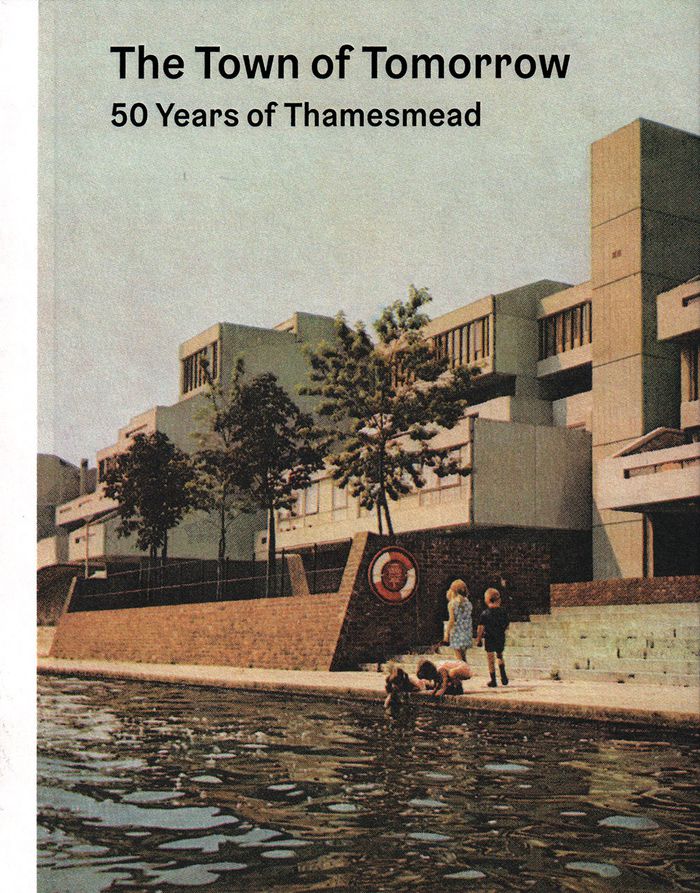
Rising from London’s Erith marshes in the 1960s, Thamesmead was London County Council’s bold attempt to build a new town to address the city’s housing shortage after the Second World War. Noted for its daring, experimental design – concrete modern terraces, blocks of flats and elevated walkways built around a system of lakes and canals – the town received attention from architects, sociologists and politicians throughout the world but also gained notoriety as the backdrop to Stanley Kubrick’s film, ‘A Clockwork Orange’.
The towns of tomorrow : 50 years of Thamesmead
Actions:
Price:
$52.00
(available in store)
Summary:
Rising from London’s Erith marshes in the 1960s, Thamesmead was London County Council’s bold attempt to build a new town to address the city’s housing shortage after the Second World War. Noted for its daring, experimental design – concrete modern terraces, blocks of flats and elevated walkways built around a system of lakes and canals – the town received attention from architects, sociologists and politicians throughout the world but also gained notoriety as the backdrop to Stanley Kubrick’s film, ‘A Clockwork Orange’.
Form:
books
books
Publication:
June 2019
June 2019
Subject:
Architecture since 1900, Europe
Architecture since 1900, Europe
Form:
books
books
Actions:
Price:
$75.00
(available to order)
Summary:
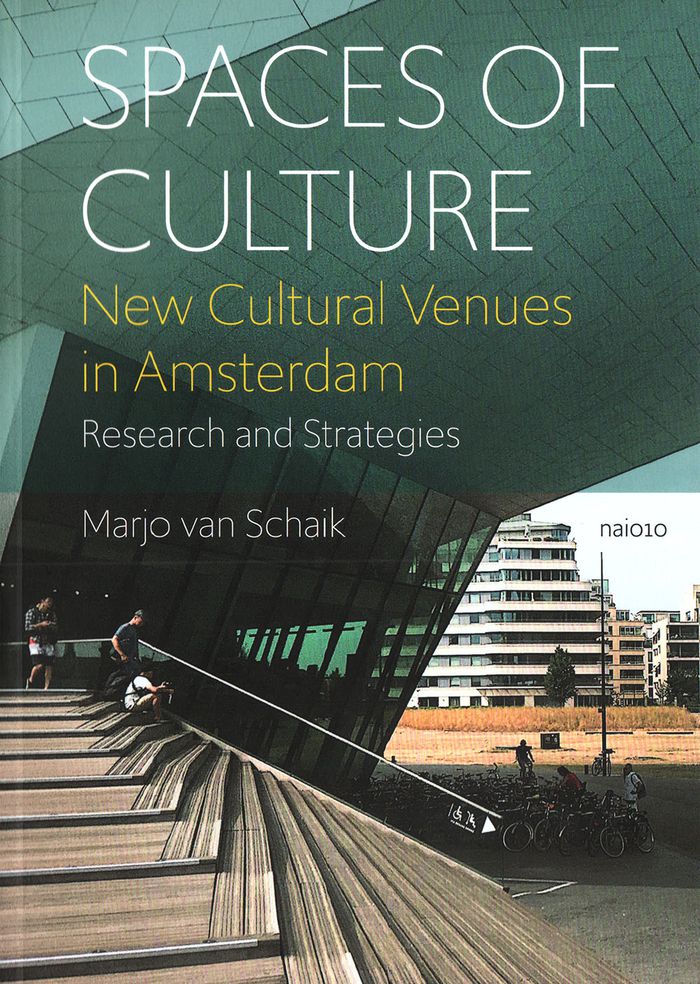
'Spaces of Culture' documents new construction and redevelopment of cultural buildings in Amsterdam between 2000 and 2016. The book presents case studies that illustrate how the exchange between urban planners, developers and architectural researchers can help the cultural sector to address the changing needs of the public.
$75.00
(available to order)
Summary:
'Spaces of Culture' documents new construction and redevelopment of cultural buildings in Amsterdam between 2000 and 2016. The book presents case studies that illustrate how the exchange between urban planners, developers and architectural researchers can help the cultural sector to address the changing needs of the public.
Title:
Spaces of culture: new cultural venues in Amsterdam: research and strategies
Actions:
Price:
$75.00
(available to order)
Summary:
'Spaces of Culture' documents new construction and redevelopment of cultural buildings in Amsterdam between 2000 and 2016. The book presents case studies that illustrate how the exchange between urban planners, developers and architectural researchers can help the cultural sector to address the changing needs of the public.
Spaces of culture: new cultural venues in Amsterdam: research and strategies
Actions:
Price:
$75.00
(available to order)
Summary:
'Spaces of Culture' documents new construction and redevelopment of cultural buildings in Amsterdam between 2000 and 2016. The book presents case studies that illustrate how the exchange between urban planners, developers and architectural researchers can help the cultural sector to address the changing needs of the public.
Form:
books
books
Publication:
September 2019
September 2019
Subject:
Architecture since 1900, Europe
Architecture since 1900, Europe
Form:
books
books
Title:
Architecture du téléphone
Architecture du téléphone
Actions:
Price:
$57.95
(available to order)
Summary:
Le téléphone est inventé en 1876 par l'Américain Graham Bell et le cadran d'appel circulaire apparaît en 1892. Le téléphone fait alors rapidement sa percée en Europe et le central téléphonique, associé ou non à un bâtiment postal, devient un des symboles de la modernité. En Belgique, la Régie des Télégraphes et Téléphones, créée en 1930, confie ses édifices les plus(...)
$57.95
(available to order)
Summary:
Le téléphone est inventé en 1876 par l'Américain Graham Bell et le cadran d'appel circulaire apparaît en 1892. Le téléphone fait alors rapidement sa percée en Europe et le central téléphonique, associé ou non à un bâtiment postal, devient un des symboles de la modernité. En Belgique, la Régie des Télégraphes et Téléphones, créée en 1930, confie ses édifices les plus(...)
Subject:
Architecture since 1900, Europe
Architecture since 1900, Europe
Publication:
September 2019
September 2019
Title:
Architecture du téléphone
Actions:
Price:
$57.95
(available to order)
Summary:
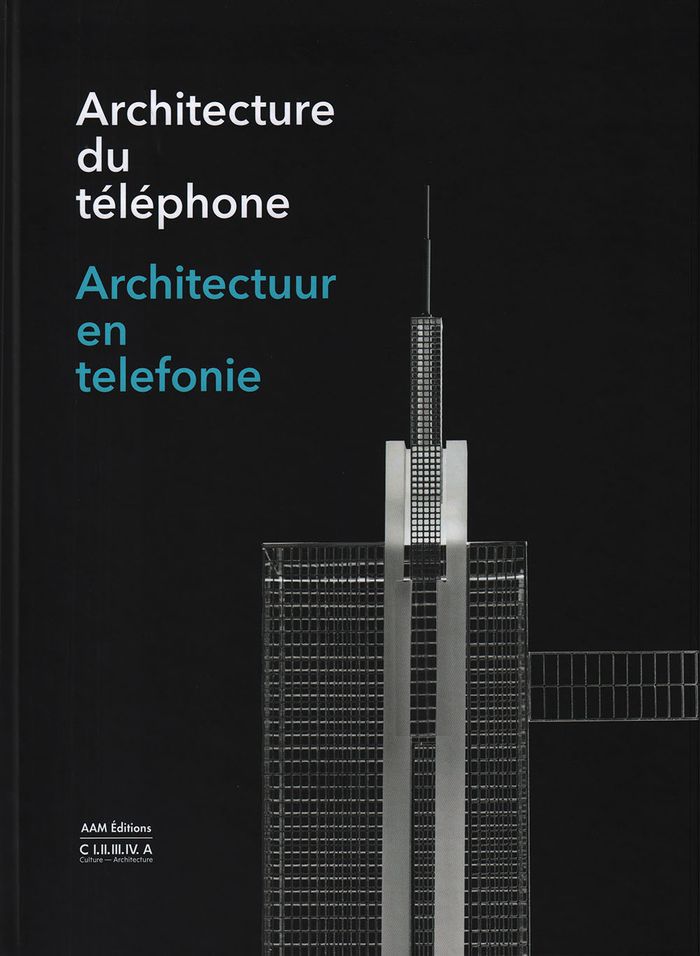
Le téléphone est inventé en 1876 par l'Américain Graham Bell et le cadran d'appel circulaire apparaît en 1892. Le téléphone fait alors rapidement sa percée en Europe et le central téléphonique, associé ou non à un bâtiment postal, devient un des symboles de la modernité. En Belgique, la Régie des Télégraphes et Téléphones, créée en 1930, confie ses édifices les plus emblématiques à de grands architectes. Ces « architectures du téléphone » sont présentées ici d'après des archives, des photographies d'époque et des vues contemporaines réalisées par deux photographes renommés, Karin Borghouts et Filip Dujardin.
Architecture du téléphone
Actions:
Price:
$57.95
(available to order)
Summary:
Le téléphone est inventé en 1876 par l'Américain Graham Bell et le cadran d'appel circulaire apparaît en 1892. Le téléphone fait alors rapidement sa percée en Europe et le central téléphonique, associé ou non à un bâtiment postal, devient un des symboles de la modernité. En Belgique, la Régie des Télégraphes et Téléphones, créée en 1930, confie ses édifices les plus emblématiques à de grands architectes. Ces « architectures du téléphone » sont présentées ici d'après des archives, des photographies d'époque et des vues contemporaines réalisées par deux photographes renommés, Karin Borghouts et Filip Dujardin.
Form:
books
books
Publication:
September 2019
September 2019
Subject:
Architecture since 1900, Europe
Architecture since 1900, Europe
Form:
books
books
Price:
$14.95
(available in store)
Summary:
À la fin de la première guerre mondiale, le gouvernement français a planifié la construction d'un « double » de Paris, une fausse ville destinée à leurrer d'éventuels pilotes allemands en route pour bombarder la capitale. La fausse ville, dont la construction était prévue près de Maisons-Laffitte, au nord-ouest de la capitale, reproduisait certains éléments marquants du(...)
$14.95
(available in store)
Summary:
À la fin de la première guerre mondiale, le gouvernement français a planifié la construction d'un « double » de Paris, une fausse ville destinée à leurrer d'éventuels pilotes allemands en route pour bombarder la capitale. La fausse ville, dont la construction était prévue près de Maisons-Laffitte, au nord-ouest de la capitale, reproduisait certains éléments marquants du(...)
Title:
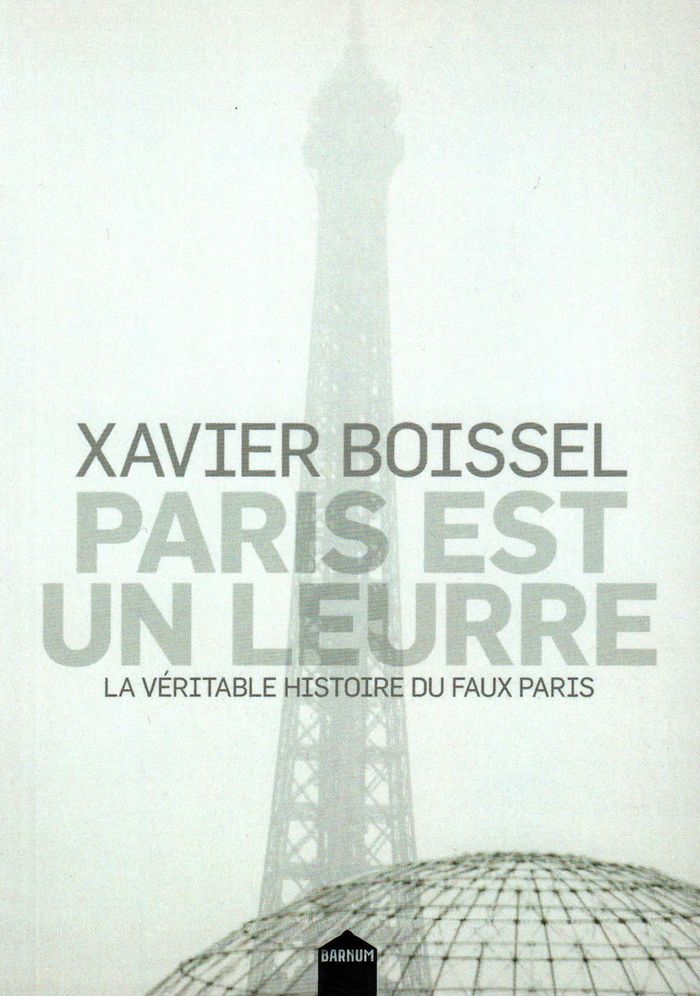
Paris est un leurre : la véritable histoire du faux Paris (n. é.)
Actions:
Price:
$14.95
(available in store)
Summary:
À la fin de la première guerre mondiale, le gouvernement français a planifié la construction d'un « double » de Paris, une fausse ville destinée à leurrer d'éventuels pilotes allemands en route pour bombarder la capitale. La fausse ville, dont la construction était prévue près de Maisons-Laffitte, au nord-ouest de la capitale, reproduisait certains éléments marquants du paysage parisien : un bras de Seine, la place de l'Étoile et celle de l'Opéra, les Grands Boulevards. Certaines cibles que les aviateurs auraient cherché à repérer, comme les gares, devaient également être reproduites. Conçu à une époque où les aviateurs naviguaient sans radar et pouvaient être trompés, de nuit, par de fausses illuminations, ce projet n'a pas fait la preuve de son efficacité... Xavier Boissel dévoile les détails de cette ville-leurre dans un texte fourmillant et littéraire, agrémenté de documents d'époque inédits.
Paris est un leurre : la véritable histoire du faux Paris (n. é.)
Actions:
Price:
$14.95
(available in store)
Summary:
À la fin de la première guerre mondiale, le gouvernement français a planifié la construction d'un « double » de Paris, une fausse ville destinée à leurrer d'éventuels pilotes allemands en route pour bombarder la capitale. La fausse ville, dont la construction était prévue près de Maisons-Laffitte, au nord-ouest de la capitale, reproduisait certains éléments marquants du paysage parisien : un bras de Seine, la place de l'Étoile et celle de l'Opéra, les Grands Boulevards. Certaines cibles que les aviateurs auraient cherché à repérer, comme les gares, devaient également être reproduites. Conçu à une époque où les aviateurs naviguaient sans radar et pouvaient être trompés, de nuit, par de fausses illuminations, ce projet n'a pas fait la preuve de son efficacité... Xavier Boissel dévoile les détails de cette ville-leurre dans un texte fourmillant et littéraire, agrémenté de documents d'époque inédits.
Form:
books
books
Publication:
October 2017
October 2017
Subject:
Architecture since 1900, Europe
Architecture since 1900, Europe
Form:
books
books
Title:
Venise déserte
Venise déserte
Actions:
Price:
$65.95
(available to order)
Summary:
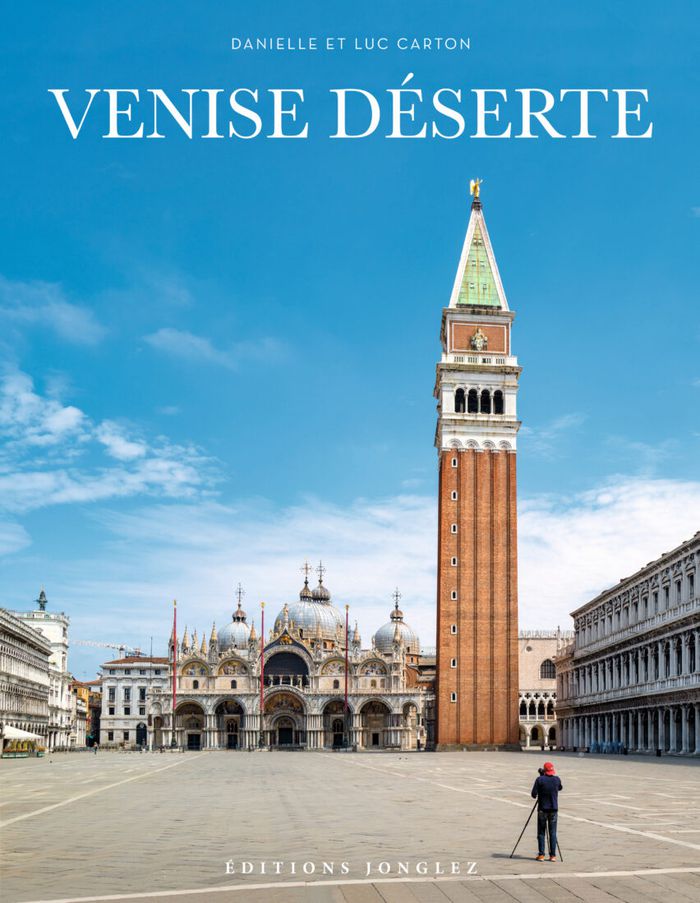
Pendant le confinement dû au Coronavirus, en mars, avril et mai 2020, Venise a été totalement désertée, comme elle ne l’a probablement jamais été dans son histoire. Luc et Danielle Carton, qui habitent à Venise depuis 2005, ont eu la chance de pouvoir photographier cette ville dans ces conditions exceptionnelles. Leurs photos sont un témoignage rare de cette période hors du commun.
$65.95
(available to order)
Summary:
Pendant le confinement dû au Coronavirus, en mars, avril et mai 2020, Venise a été totalement désertée, comme elle ne l’a probablement jamais été dans son histoire. Luc et Danielle Carton, qui habitent à Venise depuis 2005, ont eu la chance de pouvoir photographier cette ville dans ces conditions exceptionnelles. Leurs photos sont un témoignage rare de cette période hors du commun.
Subject:
Architecture since 1900, Europe
Architecture since 1900, Europe
Publication:
September 2022
September 2022
Title:
Venise déserte
Actions:
Price:
$65.95
(available to order)
Summary:
Pendant le confinement dû au Coronavirus, en mars, avril et mai 2020, Venise a été totalement désertée, comme elle ne l’a probablement jamais été dans son histoire. Luc et Danielle Carton, qui habitent à Venise depuis 2005, ont eu la chance de pouvoir photographier cette ville dans ces conditions exceptionnelles. Leurs photos sont un témoignage rare de cette période hors du commun.
Venise déserte
Actions:
Price:
$65.95
(available to order)
Summary:
Pendant le confinement dû au Coronavirus, en mars, avril et mai 2020, Venise a été totalement désertée, comme elle ne l’a probablement jamais été dans son histoire. Luc et Danielle Carton, qui habitent à Venise depuis 2005, ont eu la chance de pouvoir photographier cette ville dans ces conditions exceptionnelles. Leurs photos sont un témoignage rare de cette période hors du commun.
Form:
books
books
Publication:
September 2022
September 2022
Subject:
Architecture since 1900, Europe
Architecture since 1900, Europe
Form:
books
books
Title:
Orthodox chic
Orthodox chic
Actions:
Price:
$52.95
(available to order)
Summary:
''Orthodox chic'' is the second book in a series of visual explorations of architecture and urban space in independent Ukraine. The authors of ''Orthodox chic'', architects Alex Bykov and Oleksandr Burlaka, alongside artist Sasha Kurmaz, turn to photographing post-Soviet religious architecture as a way of capturing its social, political and economic development. The book(...)
$52.95
(available to order)
Summary:
''Orthodox chic'' is the second book in a series of visual explorations of architecture and urban space in independent Ukraine. The authors of ''Orthodox chic'', architects Alex Bykov and Oleksandr Burlaka, alongside artist Sasha Kurmaz, turn to photographing post-Soviet religious architecture as a way of capturing its social, political and economic development. The book(...)
Subject:
Architecture since 1900, Europe
Architecture since 1900, Europe
Publication:
January 2020
January 2020
Title:
Orthodox chic
Actions:
Price:
$52.95
(available to order)
Summary:
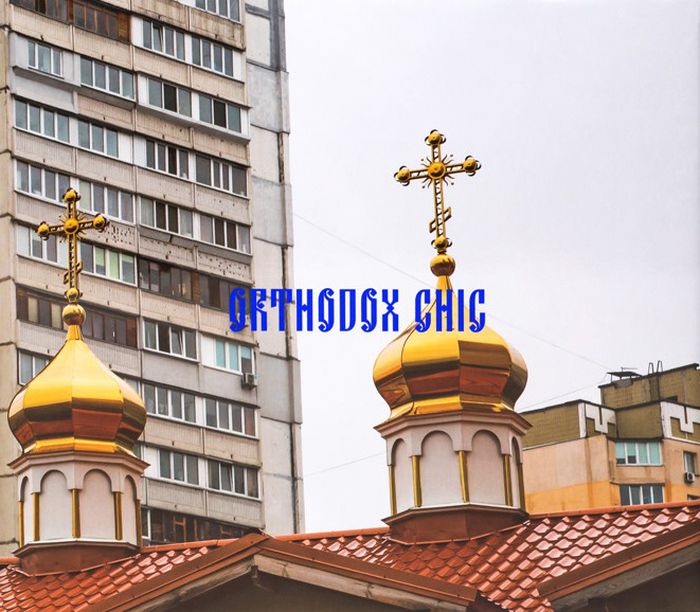
''Orthodox chic'' is the second book in a series of visual explorations of architecture and urban space in independent Ukraine. The authors of ''Orthodox chic'', architects Alex Bykov and Oleksandr Burlaka, alongside artist Sasha Kurmaz, turn to photographing post-Soviet religious architecture as a way of capturing its social, political and economic development. The book portrays new forms of religious architecture, from kiosks, shacks, pop-up chapels attached to giant shopping malls, apartment blocks and magnificent new cathedrals. The author of the introductory text is Asya Bazdyreva, art critic and co-author of research practice at Geocinema.
Orthodox chic
Actions:
Price:
$52.95
(available to order)
Summary:
''Orthodox chic'' is the second book in a series of visual explorations of architecture and urban space in independent Ukraine. The authors of ''Orthodox chic'', architects Alex Bykov and Oleksandr Burlaka, alongside artist Sasha Kurmaz, turn to photographing post-Soviet religious architecture as a way of capturing its social, political and economic development. The book portrays new forms of religious architecture, from kiosks, shacks, pop-up chapels attached to giant shopping malls, apartment blocks and magnificent new cathedrals. The author of the introductory text is Asya Bazdyreva, art critic and co-author of research practice at Geocinema.
Form:
books
books
Publication:
January 2020
January 2020
Subject:
Architecture since 1900, Europe
Architecture since 1900, Europe
Form:
books
books
Title:
Madrid 100% arquitectura
Madrid 100% arquitectura
Actions:
Price:
$69.00
(available to order)
Summary:
text in English, Spanish and Chinese
$69.00
(available to order)
Summary:
text in English, Spanish and Chinese
Title:
Madrid 100% arquitectura
Actions:
Price:
$69.00
(available to order)
Summary:
text in English, Spanish and Chinese
Madrid 100% arquitectura
Actions:
Price:
$69.00
(available to order)
Summary:
text in English, Spanish and Chinese
Form:
books
books
Publication:
July 2009
July 2009
Subject:
Architecture since 1900, Europe
Architecture since 1900, Europe
Form:
books
books
Actions:
Price:
$49.95
(available to order)
Summary:
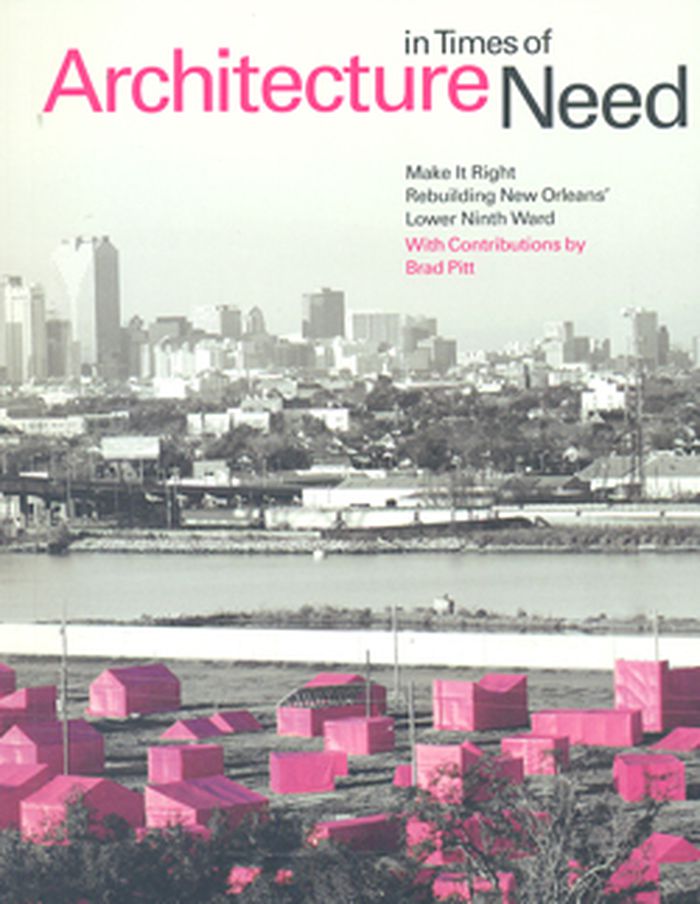
The first book to document the projects and progress made by the Make It Right Foundation, established by actor Brad Pitt, in response to the destruction wrought by Hurricane Katrina of homes throughout New Orleans' Lower Ninth Ward.
$49.95
(available to order)
Summary:
The first book to document the projects and progress made by the Make It Right Foundation, established by actor Brad Pitt, in response to the destruction wrought by Hurricane Katrina of homes throughout New Orleans' Lower Ninth Ward.
Title:
Architecture in times of need
Actions:
Price:
$49.95
(available to order)
Summary:
The first book to document the projects and progress made by the Make It Right Foundation, established by actor Brad Pitt, in response to the destruction wrought by Hurricane Katrina of homes throughout New Orleans' Lower Ninth Ward.
Architecture in times of need
Actions:
Price:
$49.95
(available to order)
Summary:
The first book to document the projects and progress made by the Make It Right Foundation, established by actor Brad Pitt, in response to the destruction wrought by Hurricane Katrina of homes throughout New Orleans' Lower Ninth Ward.
Form:
books
books
Publication:
May 2009
May 2009
Subject:
Architecture since 1900, Europe
Architecture since 1900, Europe
Form:
books
books

Title:
Austrian phenomenon
Austrian phenomenon
Actions:
Price:
$140.00
(available to order)
Summary:
In the Austria of the 1960s, the visionary designs of architects and artists garnered international attention. Described as the "Austrian phenomenon," these projects and installations contained the concentrated creativity of the Austrian architectural neo-avant-garde between 1956 and 1973. In Vienna, these avant-garde dreams came to be symbolized by Hans Hollein’s Retti(...)
$140.00
(available to order)
Summary:
In the Austria of the 1960s, the visionary designs of architects and artists garnered international attention. Described as the "Austrian phenomenon," these projects and installations contained the concentrated creativity of the Austrian architectural neo-avant-garde between 1956 and 1973. In Vienna, these avant-garde dreams came to be symbolized by Hans Hollein’s Retti(...)
Title:
Austrian phenomenon
Actions:
Price:
$140.00
(available to order)
Summary:
In the Austria of the 1960s, the visionary designs of architects and artists garnered international attention. Described as the "Austrian phenomenon," these projects and installations contained the concentrated creativity of the Austrian architectural neo-avant-garde between 1956 and 1973. In Vienna, these avant-garde dreams came to be symbolized by Hans Hollein’s Retti Candle Shop and Hermann Czech’s many cafés and bars, which are still successful today, including the Kleines Café (Little Café), Wunderbar, and Salzamt. The best-known protagonists of this scene include Hans Hollein, Walter Pichler, Raimund Abraham, Coop Himmelblau, Haus-Rucker-Co, Missing Link, and others. The book consists of two parts. The first contains "Documentation" of important publications from the years 1958–1973 in international trade journals like Archigram, Domus, Architectural Record, and Casabella, in which the young architects sought attention for their programs. The second is "Reconstruction," a cross-section of images and texts from publications on the "Austrian phenomenon," elucidated and situated in the context of international architectural history by authors such as Friedrich Achleitner, Bart Lootsma, Stanislaus von Moos, Joseph Rykwert, Anthony Vidler, and others.
Austrian phenomenon
Actions:
Price:
$140.00
(available to order)
Summary:
In the Austria of the 1960s, the visionary designs of architects and artists garnered international attention. Described as the "Austrian phenomenon," these projects and installations contained the concentrated creativity of the Austrian architectural neo-avant-garde between 1956 and 1973. In Vienna, these avant-garde dreams came to be symbolized by Hans Hollein’s Retti Candle Shop and Hermann Czech’s many cafés and bars, which are still successful today, including the Kleines Café (Little Café), Wunderbar, and Salzamt. The best-known protagonists of this scene include Hans Hollein, Walter Pichler, Raimund Abraham, Coop Himmelblau, Haus-Rucker-Co, Missing Link, and others. The book consists of two parts. The first contains "Documentation" of important publications from the years 1958–1973 in international trade journals like Archigram, Domus, Architectural Record, and Casabella, in which the young architects sought attention for their programs. The second is "Reconstruction," a cross-section of images and texts from publications on the "Austrian phenomenon," elucidated and situated in the context of international architectural history by authors such as Friedrich Achleitner, Bart Lootsma, Stanislaus von Moos, Joseph Rykwert, Anthony Vidler, and others.
Form:
books
books
Publication:
December 2009
December 2009
Subject:
Architecture since 1900, Europe
Architecture since 1900, Europe


