


36173 Results
Form:
books
books
Actions:
Price:
$55.00
(available in store)
Summary:
Guillermo Hevia García stands out among the latest generation of Chilean architects for his sensitive focus on his projects’ public impact, expressed in the ways his buildings obey their own internal logic and respect their local cultural, social and spatial contexts.''Every Design Conceals an Order'' compiles 13 of the architect’s designs: built works, projects currently(...)
$55.00
(available in store)
Summary:
Guillermo Hevia García stands out among the latest generation of Chilean architects for his sensitive focus on his projects’ public impact, expressed in the ways his buildings obey their own internal logic and respect their local cultural, social and spatial contexts.''Every Design Conceals an Order'' compiles 13 of the architect’s designs: built works, projects currently(...)
Title:
Guillermo Hevia Garcia: every design conceals an order
Actions:
Price:
$55.00
(available in store)
Summary:
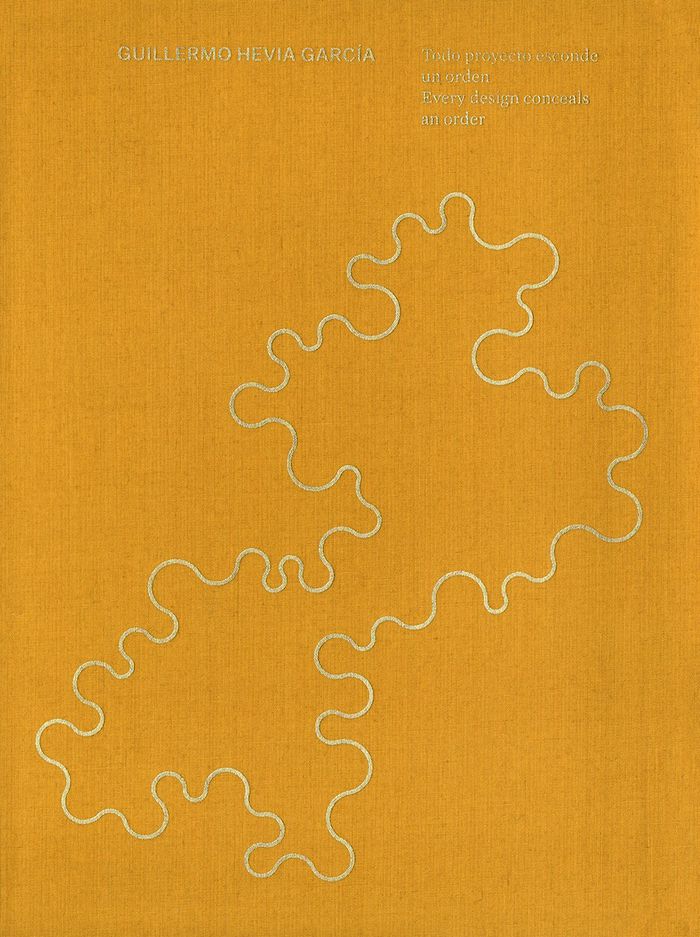
Guillermo Hevia García stands out among the latest generation of Chilean architects for his sensitive focus on his projects’ public impact, expressed in the ways his buildings obey their own internal logic and respect their local cultural, social and spatial contexts.''Every Design Conceals an Order'' compiles 13 of the architect’s designs: built works, projects currently underway and competition entries. Each building is accompanied by a section on the architecture’s imaginary context, the visual references Hevia García mobilized in his working process. The publication also shows Hevia García’s approaches to architectural representation, as he deploys techniques ranging from planimetrics, axonometric projections and models, renders and illustrations.
Guillermo Hevia Garcia: every design conceals an order
Actions:
Price:
$55.00
(available in store)
Summary:
Guillermo Hevia García stands out among the latest generation of Chilean architects for his sensitive focus on his projects’ public impact, expressed in the ways his buildings obey their own internal logic and respect their local cultural, social and spatial contexts.''Every Design Conceals an Order'' compiles 13 of the architect’s designs: built works, projects currently underway and competition entries. Each building is accompanied by a section on the architecture’s imaginary context, the visual references Hevia García mobilized in his working process. The publication also shows Hevia García’s approaches to architectural representation, as he deploys techniques ranging from planimetrics, axonometric projections and models, renders and illustrations.
Form:
books
books
Publication:
April 2019
April 2019
Subject:
Architecture Monographs
Architecture Monographs
Form:
books
books
Actions:
Price:
$62.00
(available to order)
Summary:
Published for David Chipperfield's 2018 exhibition at the Basilica Palladiana in Vicenza, this book documents a selection of 15 current and recent projects by the practice, shown at varying stages in their development in order to convey the range of activities that takes place in an architecture studio today. "It represents our attempt to show how we work, how we develop(...)
$62.00
(available to order)
Summary:
Published for David Chipperfield's 2018 exhibition at the Basilica Palladiana in Vicenza, this book documents a selection of 15 current and recent projects by the practice, shown at varying stages in their development in order to convey the range of activities that takes place in an architecture studio today. "It represents our attempt to show how we work, how we develop(...)
Title:
David Chipperfield architects: works 2018
Actions:
Price:
$62.00
(available to order)
Summary:
Published for David Chipperfield's 2018 exhibition at the Basilica Palladiana in Vicenza, this book documents a selection of 15 current and recent projects by the practice, shown at varying stages in their development in order to convey the range of activities that takes place in an architecture studio today. "It represents our attempt to show how we work, how we develop ideas, how we work in parallel in different projects, cultures, and with different resources, priorities and collaborators, balancing local and global perspectives," says Chipperfield of the exhibition concept informing this volume. Among the nascent or underway enterprises included here are his project for the Fundación Rede de Innovación Arousa in Galicia, Spain, and his concept for Valentino retail.
David Chipperfield architects: works 2018
Actions:
Price:
$62.00
(available to order)
Summary:
Published for David Chipperfield's 2018 exhibition at the Basilica Palladiana in Vicenza, this book documents a selection of 15 current and recent projects by the practice, shown at varying stages in their development in order to convey the range of activities that takes place in an architecture studio today. "It represents our attempt to show how we work, how we develop ideas, how we work in parallel in different projects, cultures, and with different resources, priorities and collaborators, balancing local and global perspectives," says Chipperfield of the exhibition concept informing this volume. Among the nascent or underway enterprises included here are his project for the Fundación Rede de Innovación Arousa in Galicia, Spain, and his concept for Valentino retail.
Form:
books
books
Publication:
May 2019
May 2019
Subject:
Architecture Monographs
Architecture Monographs
Form:
books
books
Price:
$69.95
(available to order)
Summary:
This monograph on the work of Austrian architect Carl Pruscha (born 1936) is divided into the three geographical areas into which his life and legacy falls: the United States, Kathmandu and Vienna. Following his study of architecture at the Academy of Fine Arts Vienna, Pruscha spent the early 1960s at Harvard University’s Graduate School of Design, constantly in search of(...)
$69.95
(available to order)
Summary:
This monograph on the work of Austrian architect Carl Pruscha (born 1936) is divided into the three geographical areas into which his life and legacy falls: the United States, Kathmandu and Vienna. Following his study of architecture at the Academy of Fine Arts Vienna, Pruscha spent the early 1960s at Harvard University’s Graduate School of Design, constantly in search of(...)
Title:
Carl Pruscha: singular personality. Architect, bohemian, activist
Actions:
Price:
$69.95
(available to order)
Summary:
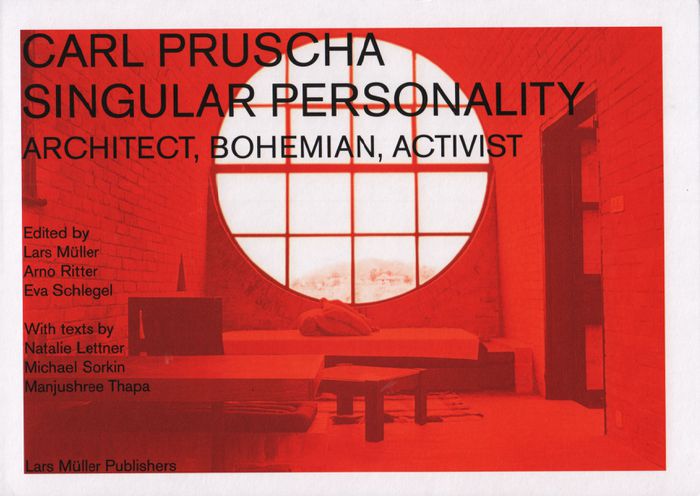
This monograph on the work of Austrian architect Carl Pruscha (born 1936) is divided into the three geographical areas into which his life and legacy falls: the United States, Kathmandu and Vienna. Following his study of architecture at the Academy of Fine Arts Vienna, Pruscha spent the early 1960s at Harvard University’s Graduate School of Design, constantly in search of inspiration and visions. An invitation by the UN to go to Nepal in 1964 enabled him to establish himself there as a practicing architect, embarking on various construction projects and the Kathmandu Valley Development and Preservation Project. After returning to Vienna in 1978, he became the head of the Academy of Fine Arts. The three sections in this book are accompanied by photographic portfolios by Iwan Baan and Hertha Hurnaus, numerous project documentations and a detailed timeline.
Carl Pruscha: singular personality. Architect, bohemian, activist
Actions:
Price:
$69.95
(available to order)
Summary:
This monograph on the work of Austrian architect Carl Pruscha (born 1936) is divided into the three geographical areas into which his life and legacy falls: the United States, Kathmandu and Vienna. Following his study of architecture at the Academy of Fine Arts Vienna, Pruscha spent the early 1960s at Harvard University’s Graduate School of Design, constantly in search of inspiration and visions. An invitation by the UN to go to Nepal in 1964 enabled him to establish himself there as a practicing architect, embarking on various construction projects and the Kathmandu Valley Development and Preservation Project. After returning to Vienna in 1978, he became the head of the Academy of Fine Arts. The three sections in this book are accompanied by photographic portfolios by Iwan Baan and Hertha Hurnaus, numerous project documentations and a detailed timeline.
Form:
books
books
Publication:
December 2019
December 2019
Subject:
Photography monographs
Photography monographs
Form:
books
books
Actions:
Price:
$34.95
(available to order)
Summary:
For much of the 20th century, critique played an important part in what was considered 'modern' architecture; the canon of modern architecture considered itself dedicated to both formal progress and social critique. But as the 1960s spurred a rereading of modern architecture from a perspective informed by Marxism and the decade’s new social movements, many concluded that(...)
$34.95
(available to order)
Summary:
For much of the 20th century, critique played an important part in what was considered 'modern' architecture; the canon of modern architecture considered itself dedicated to both formal progress and social critique. But as the 1960s spurred a rereading of modern architecture from a perspective informed by Marxism and the decade’s new social movements, many concluded that(...)
Title:
Building critique: Architecture and its discontents
Actions:
Price:
$34.95
(available to order)
Summary:
For much of the 20th century, critique played an important part in what was considered 'modern' architecture; the canon of modern architecture considered itself dedicated to both formal progress and social critique. But as the 1960s spurred a rereading of modern architecture from a perspective informed by Marxism and the decade’s new social movements, many concluded that a building practice could not be critical, owing to its interdependent relationship with power and business. With recent economic crises hitting the building and property sectors, and research playing an increasingly large role in architectural practice, we are witnessing a renewed interest in critique in contemporary architecture, especially from postcolonial and feminist positions. The essays contained in this book, authored by a variety of international architects and thinkers, address this revived moment of critique, arguing that, far from being dead, architectural critique is now indispensable.
Building critique: Architecture and its discontents
Actions:
Price:
$34.95
(available to order)
Summary:
For much of the 20th century, critique played an important part in what was considered 'modern' architecture; the canon of modern architecture considered itself dedicated to both formal progress and social critique. But as the 1960s spurred a rereading of modern architecture from a perspective informed by Marxism and the decade’s new social movements, many concluded that a building practice could not be critical, owing to its interdependent relationship with power and business. With recent economic crises hitting the building and property sectors, and research playing an increasingly large role in architectural practice, we are witnessing a renewed interest in critique in contemporary architecture, especially from postcolonial and feminist positions. The essays contained in this book, authored by a variety of international architects and thinkers, address this revived moment of critique, arguing that, far from being dead, architectural critique is now indispensable.
Form:
books
books
Publication:
September 2020
September 2020
Subject:
Architectural Theory
Architectural Theory
Form:
books
books
Actions:
Price:
$62.00
(available to order)
Summary:
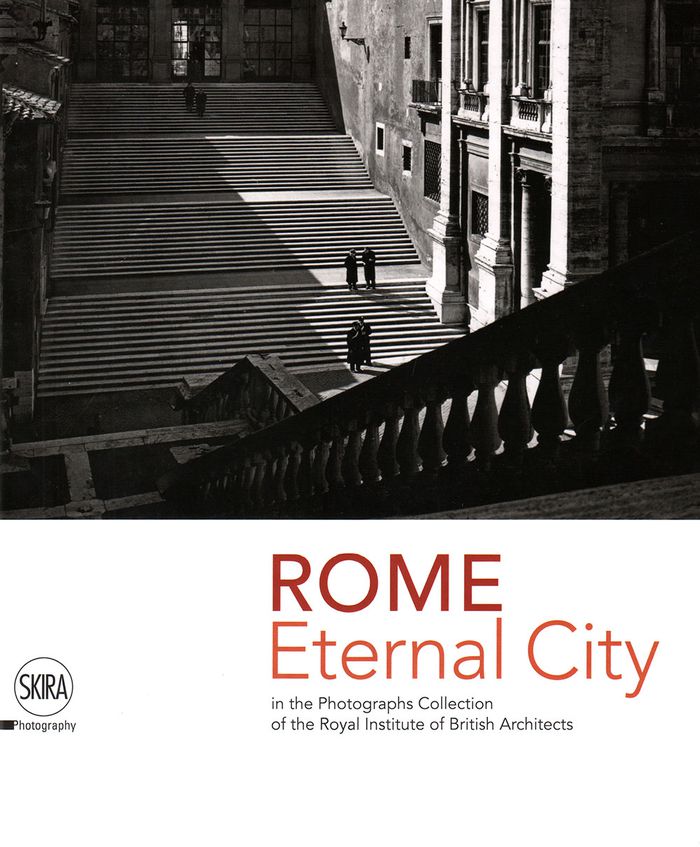
"Rome: Eternal City" presents Rome seen through the eyes of over a century and a half of architectural experts. The breathtaking photographs collected in this volume are drawn from the archives of the Royal Institute of British Architects, founded in London in 1834. Having famassed architectural photography since the conception of photographic media, the RIBA now contains(...)
$62.00
(available to order)
Summary:
"Rome: Eternal City" presents Rome seen through the eyes of over a century and a half of architectural experts. The breathtaking photographs collected in this volume are drawn from the archives of the Royal Institute of British Architects, founded in London in 1834. Having famassed architectural photography since the conception of photographic media, the RIBA now contains(...)
Title:
Rome: Eternal city. Photographs collection of the Royal Institute of British Architects
Actions:
Price:
$62.00
(available to order)
Summary:
"Rome: Eternal City" presents Rome seen through the eyes of over a century and a half of architectural experts. The breathtaking photographs collected in this volume are drawn from the archives of the Royal Institute of British Architects, founded in London in 1834. Having famassed architectural photography since the conception of photographic media, the RIBA now contains one of the largest such collections in the world. Over time, that collection captured Rome from landscape to close archeological detail, through history ranging from antiquity to contemporary structures.
Rome: Eternal city. Photographs collection of the Royal Institute of British Architects
Actions:
Price:
$62.00
(available to order)
Summary:
"Rome: Eternal City" presents Rome seen through the eyes of over a century and a half of architectural experts. The breathtaking photographs collected in this volume are drawn from the archives of the Royal Institute of British Architects, founded in London in 1834. Having famassed architectural photography since the conception of photographic media, the RIBA now contains one of the largest such collections in the world. Over time, that collection captured Rome from landscape to close archeological detail, through history ranging from antiquity to contemporary structures.
Form:
books
books
Publication:
February 2019
February 2019
Subject:
Photography Collections
Photography Collections
Form:
books
books
Actions:
Price:
$62.00
(available to order)
Summary:
A new manifesto from the Why Factory, “Porocity: Opening Up Solidity” makes a case for the intervention of the public realm into the private sphere of the city. The Why Factory raises a critique of the city as excessively closed off, and offers tools for the prying open and aerating of the city in such a way that is socially, environmentally and economically valuable to(...)
$62.00
(available to order)
Summary:
A new manifesto from the Why Factory, “Porocity: Opening Up Solidity” makes a case for the intervention of the public realm into the private sphere of the city. The Why Factory raises a critique of the city as excessively closed off, and offers tools for the prying open and aerating of the city in such a way that is socially, environmentally and economically valuable to(...)
Title:
Porocity: opening up solidity. the why factory.
Actions:
Price:
$62.00
(available to order)
Summary:
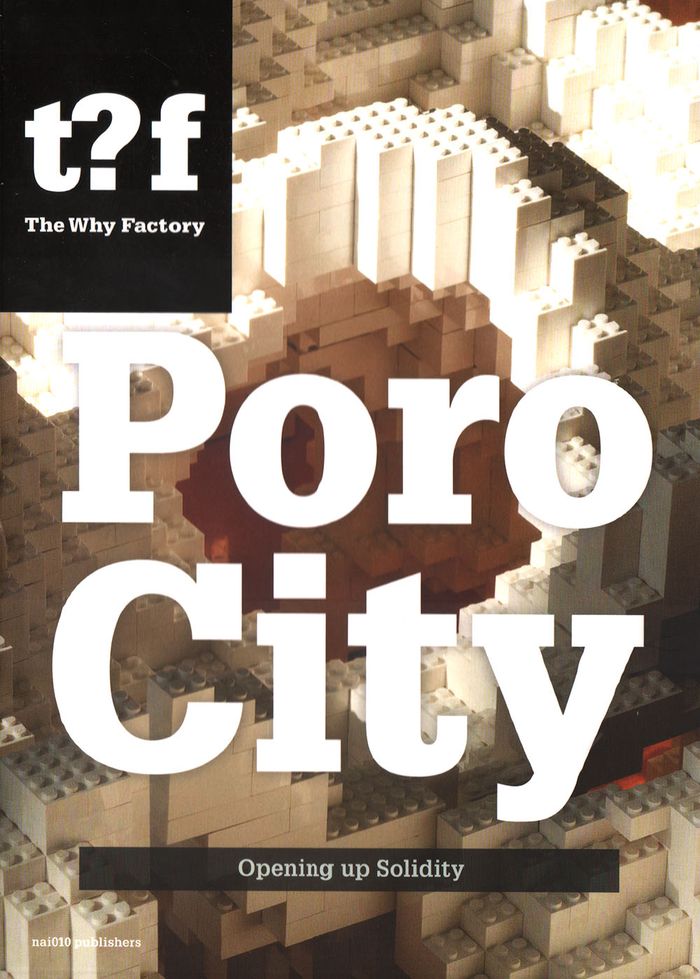
A new manifesto from the Why Factory, “Porocity: Opening Up Solidity” makes a case for the intervention of the public realm into the private sphere of the city. The Why Factory raises a critique of the city as excessively closed off, and offers tools for the prying open and aerating of the city in such a way that is socially, environmentally and economically valuable to its citizens. How can we introduce pockets for encounters, for streams of circulation, for green areas, for tunnels of cooling? What structures can be imagined to allow for this openness? Creating grottos? Splitting towers? Twisting blocks? More than hypotheses, models and examples (as useful as these are), this book even proposes such tools as a computational means of calculating the degree of porosity of architecture, so that urban thinkers and urban doers can turn the critique upon their own cities.
Porocity: opening up solidity. the why factory.
Actions:
Price:
$62.00
(available to order)
Summary:
A new manifesto from the Why Factory, “Porocity: Opening Up Solidity” makes a case for the intervention of the public realm into the private sphere of the city. The Why Factory raises a critique of the city as excessively closed off, and offers tools for the prying open and aerating of the city in such a way that is socially, environmentally and economically valuable to its citizens. How can we introduce pockets for encounters, for streams of circulation, for green areas, for tunnels of cooling? What structures can be imagined to allow for this openness? Creating grottos? Splitting towers? Twisting blocks? More than hypotheses, models and examples (as useful as these are), this book even proposes such tools as a computational means of calculating the degree of porosity of architecture, so that urban thinkers and urban doers can turn the critique upon their own cities.
Form:
books
books
Publication:
March 2019
March 2019
Subject:
Urban Theory
Urban Theory
Form:
books
books
Actions:
Price:
$55.00
(available to order)
Summary:
The cities and urban societies of America and Europe were subject to dramatic shifts of power in the 19th century: the founding of new nation-states, industrialization and the increased mobility that went along with these developments were accompanied by tremendous social changes. New parties strove to participate in shaping society and urban space. New ways of using the(...)
$55.00
(available to order)
Summary:
The cities and urban societies of America and Europe were subject to dramatic shifts of power in the 19th century: the founding of new nation-states, industrialization and the increased mobility that went along with these developments were accompanied by tremendous social changes. New parties strove to participate in shaping society and urban space. New ways of using the(...)
Title:
Recoding the city: thinking, planning and building the city of the 19th century
Actions:
Price:
$55.00
(available to order)
Summary:
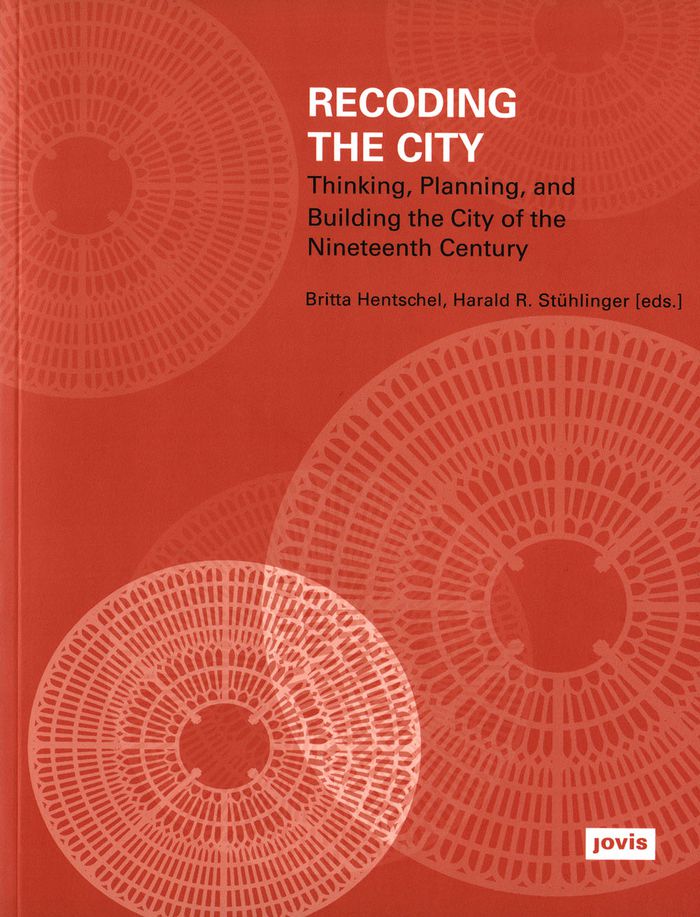
The cities and urban societies of America and Europe were subject to dramatic shifts of power in the 19th century: the founding of new nation-states, industrialization and the increased mobility that went along with these developments were accompanied by tremendous social changes. New parties strove to participate in shaping society and urban space. New ways of using the city not only promoted the physical expansion of the developing capitals and metropolises, but also required a new coding of existing urban structures to meet changing requirements and expectations about life and society. ''Recoding the City'' explores the intentions and claims of the protagonists who shaped the cities of the 19th century. Developed from a series of international research initiatives, ''Recoding the City'' examines this decisive moment in the history of the Western city and considers its continuing influence on our lives in the present day.
Recoding the city: thinking, planning and building the city of the 19th century
Actions:
Price:
$55.00
(available to order)
Summary:
The cities and urban societies of America and Europe were subject to dramatic shifts of power in the 19th century: the founding of new nation-states, industrialization and the increased mobility that went along with these developments were accompanied by tremendous social changes. New parties strove to participate in shaping society and urban space. New ways of using the city not only promoted the physical expansion of the developing capitals and metropolises, but also required a new coding of existing urban structures to meet changing requirements and expectations about life and society. ''Recoding the City'' explores the intentions and claims of the protagonists who shaped the cities of the 19th century. Developed from a series of international research initiatives, ''Recoding the City'' examines this decisive moment in the history of the Western city and considers its continuing influence on our lives in the present day.
Form:
books
books
Publication:
April 2019
April 2019
Subject:
Urban Theory
Urban Theory
Form:
books
books
Actions:
Price:
$55.00
(available to order)
Summary:
Plants and architecture: two seemingly opposite elements. How can we combine them to plan future cities that are closer to nature? What synergies can we explore? Hortitecture seeks to discover the creative and construction potentials of vital plant material, and explores its applications in ecosystem services and urban food production. Through research at the(...)
$55.00
(available to order)
Summary:
Plants and architecture: two seemingly opposite elements. How can we combine them to plan future cities that are closer to nature? What synergies can we explore? Hortitecture seeks to discover the creative and construction potentials of vital plant material, and explores its applications in ecosystem services and urban food production. Through research at the(...)
Title:
Hortitecture: the power of architecture and plants
Actions:
Price:
$55.00
(available to order)
Summary:
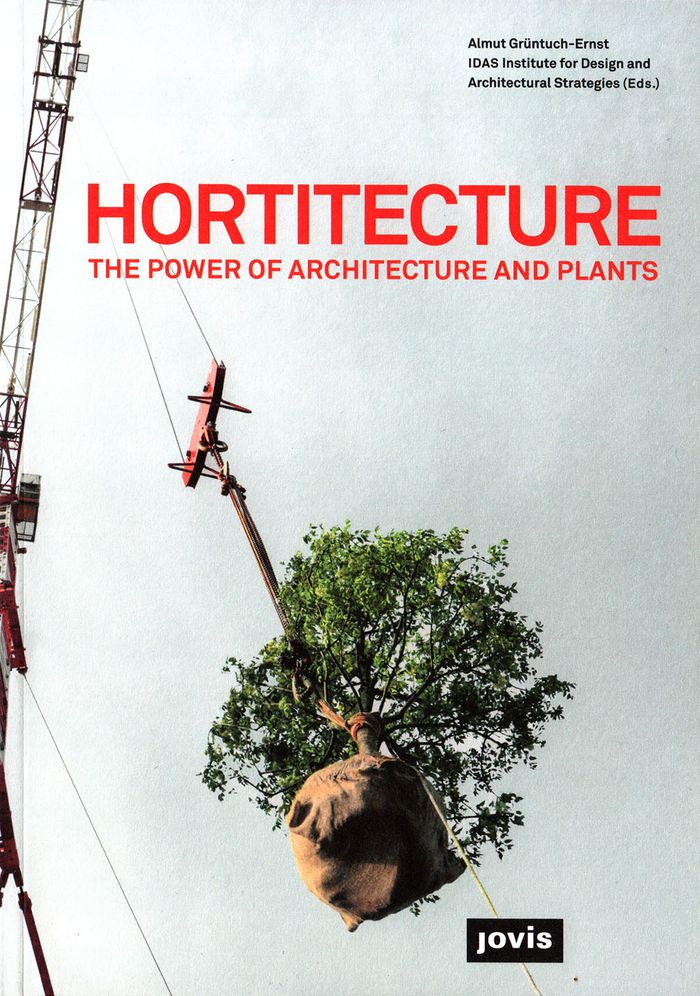
Plants and architecture: two seemingly opposite elements. How can we combine them to plan future cities that are closer to nature? What synergies can we explore? Hortitecture seeks to discover the creative and construction potentials of vital plant material, and explores its applications in ecosystem services and urban food production. Through research at the intersections of architecture, biology and technology, IDAS (Institute for Design and Architectural Strategies) explores this topic with the aim of transferring the knowledge gained to the design of buildings. This book documents the projects, ideas and experiences shared by 33 international experts at symposia held at TU Braunschweig. Their critical reflections advance the awareness and expertise needed to develop a nature-based urban architecture.
Hortitecture: the power of architecture and plants
Actions:
Price:
$55.00
(available to order)
Summary:
Plants and architecture: two seemingly opposite elements. How can we combine them to plan future cities that are closer to nature? What synergies can we explore? Hortitecture seeks to discover the creative and construction potentials of vital plant material, and explores its applications in ecosystem services and urban food production. Through research at the intersections of architecture, biology and technology, IDAS (Institute for Design and Architectural Strategies) explores this topic with the aim of transferring the knowledge gained to the design of buildings. This book documents the projects, ideas and experiences shared by 33 international experts at symposia held at TU Braunschweig. Their critical reflections advance the awareness and expertise needed to develop a nature-based urban architecture.
Form:
books
books
Publication:
April 2019
April 2019
Subject:
Urban Landscapes
Urban Landscapes
Form:
books
books
Actions:
Price:
$55.00
(available to order)
Summary:
Kosovo’s Mitrovica is a divided city. The bridge separating the Serb North and the Albanian South is one of the emblematic sites in the ongoing dispute over Kosovo. Beneath this layer of ethno-political division and post-conflict reconstruction, however, lies the fascinating heritage of the city's rapid industrial and urban development under the Socialist Yugoslav(...)
$55.00
(available to order)
Summary:
Kosovo’s Mitrovica is a divided city. The bridge separating the Serb North and the Albanian South is one of the emblematic sites in the ongoing dispute over Kosovo. Beneath this layer of ethno-political division and post-conflict reconstruction, however, lies the fascinating heritage of the city's rapid industrial and urban development under the Socialist Yugoslav(...)
Subject:
Architecture since 1900, Europe
Architecture since 1900, Europe
Publication:
April 2019
April 2019
Title:
Layers of time in the urban landscape: visions of socialist urbanism in Mitrovica
Actions:
Price:
$55.00
(available to order)
Summary:
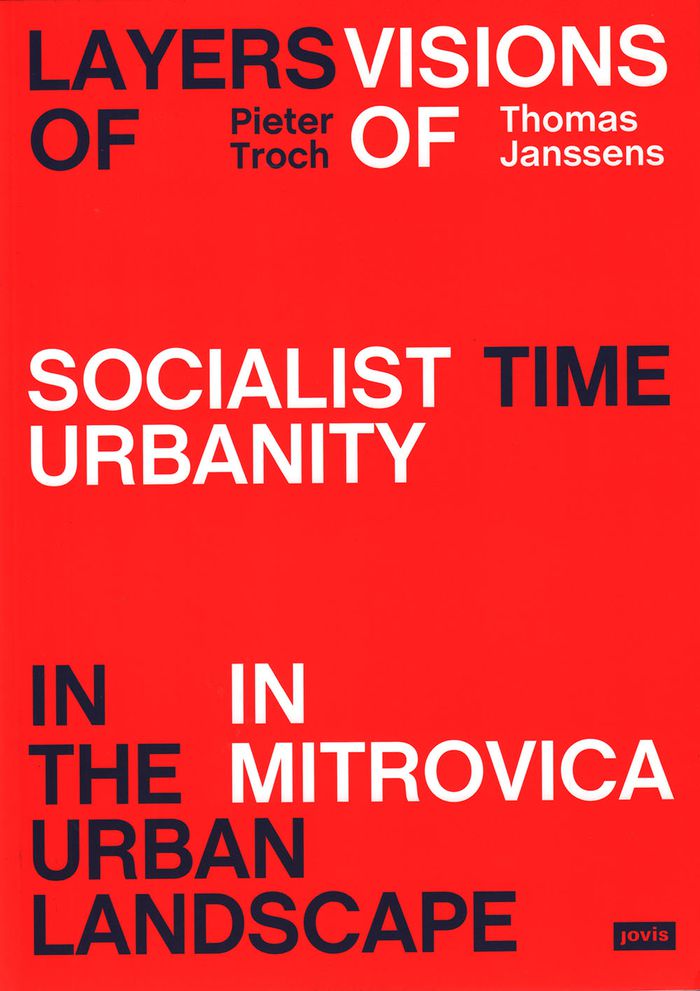
Kosovo’s Mitrovica is a divided city. The bridge separating the Serb North and the Albanian South is one of the emblematic sites in the ongoing dispute over Kosovo. Beneath this layer of ethno-political division and post-conflict reconstruction, however, lies the fascinating heritage of the city's rapid industrial and urban development under the Socialist Yugoslav ideological premises. "Layers of Time in the Urban Landscape" is a cooperative endeavor at the intersection of photography and history, aiming to document the overlaps in the socialist and post-conflict transformations of the city of Mitrovica.
Layers of time in the urban landscape: visions of socialist urbanism in Mitrovica
Actions:
Price:
$55.00
(available to order)
Summary:
Kosovo’s Mitrovica is a divided city. The bridge separating the Serb North and the Albanian South is one of the emblematic sites in the ongoing dispute over Kosovo. Beneath this layer of ethno-political division and post-conflict reconstruction, however, lies the fascinating heritage of the city's rapid industrial and urban development under the Socialist Yugoslav ideological premises. "Layers of Time in the Urban Landscape" is a cooperative endeavor at the intersection of photography and history, aiming to document the overlaps in the socialist and post-conflict transformations of the city of Mitrovica.
Form:
books
books
Publication:
April 2019
April 2019
Subject:
Architecture since 1900, Europe
Architecture since 1900, Europe
Form:
books
books
Actions:
Price:
$75.00
(available to order)
Summary:
In 1974, artist Reinjan Mulder photographed 52 locations, chosen by overlaying a coarse grid on a map of the Netherlands, to capture the objective reality of his country. 42 years later, Cleo Wächter rephotographed these locations. Both sets of photographs are included.
$75.00
(available to order)
Summary:
In 1974, artist Reinjan Mulder photographed 52 locations, chosen by overlaying a coarse grid on a map of the Netherlands, to capture the objective reality of his country. 42 years later, Cleo Wächter rephotographed these locations. Both sets of photographs are included.
Subject:
Architecture since 1900, Europe
Architecture since 1900, Europe
Publication:
March 2019
March 2019
Title:
Objective Netherlands: changing landscape 1974-2017
Actions:
Price:
$75.00
(available to order)
Summary:
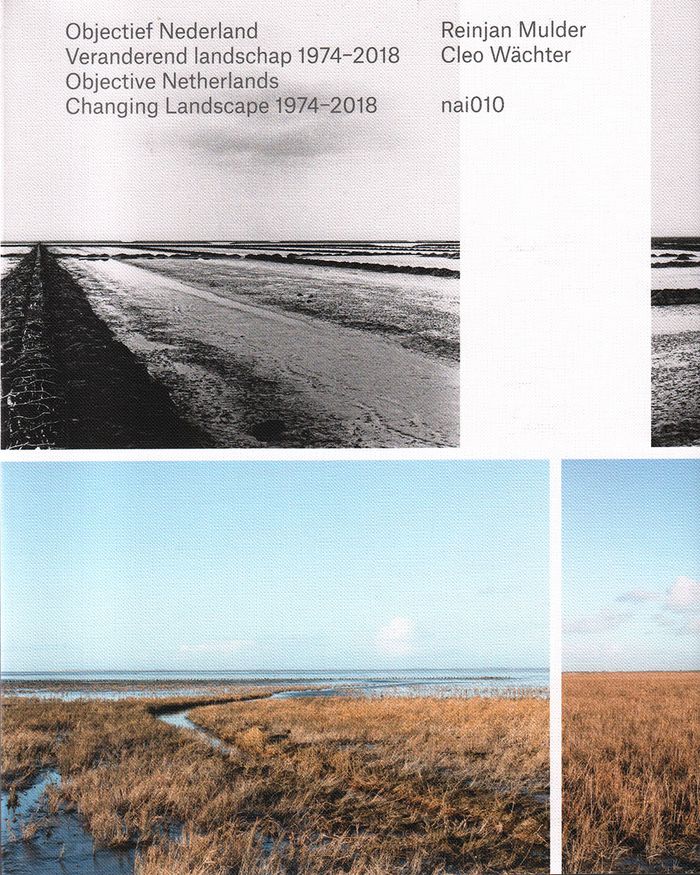
In 1974, artist Reinjan Mulder photographed 52 locations, chosen by overlaying a coarse grid on a map of the Netherlands, to capture the objective reality of his country. 42 years later, Cleo Wächter rephotographed these locations. Both sets of photographs are included.
Objective Netherlands: changing landscape 1974-2017
Actions:
Price:
$75.00
(available to order)
Summary:
In 1974, artist Reinjan Mulder photographed 52 locations, chosen by overlaying a coarse grid on a map of the Netherlands, to capture the objective reality of his country. 42 years later, Cleo Wächter rephotographed these locations. Both sets of photographs are included.
Form:
books
books
Publication:
March 2019
March 2019
Subject:
Architecture since 1900, Europe
Architecture since 1900, Europe


