


990 Results
Form:
books
books
Actions:
Price:
$45.00
(available in store)
Summary:
Geoffrey James directs his gaze to the in-between spaces and forgotten places that resist the idea of a cohesive national identity. With an equable eye, James documents the ephemeral and the monumental: a demolition derby in Quebec, how an inmate at Kingston Penitentiary has decorated his cell, the Dickensian side door of Massey Hall in Toronto. The photographs in this(...)
$45.00
(available in store)
Summary:
Geoffrey James directs his gaze to the in-between spaces and forgotten places that resist the idea of a cohesive national identity. With an equable eye, James documents the ephemeral and the monumental: a demolition derby in Quebec, how an inmate at Kingston Penitentiary has decorated his cell, the Dickensian side door of Massey Hall in Toronto. The photographs in this(...)
Title:
Geoffrey James: Canadian photographs
Actions:
Price:
$45.00
(available in store)
Summary:
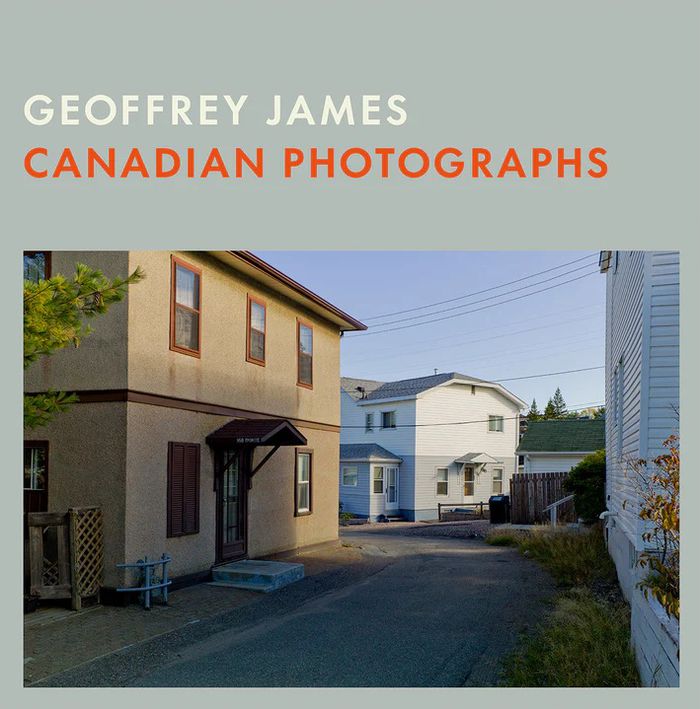
Geoffrey James directs his gaze to the in-between spaces and forgotten places that resist the idea of a cohesive national identity. With an equable eye, James documents the ephemeral and the monumental: a demolition derby in Quebec, how an inmate at Kingston Penitentiary has decorated his cell, the Dickensian side door of Massey Hall in Toronto. The photographs in this collection celebrate the everyday while meditating on the issues James’s adopted home faces: the bifurcation of rural and urban, rapid growth and increasing inequality, and its journey toward truth and reconciliation. Linked by views taken from train windows from British Columbia to Nova Scotia, James’s unofficial portrait of Canada brings into sharp relief the unfinished business of the nation as it lurches into the next century. Canadian Photographs includes a conversation between the photographer and Peter Galassi, former Chief Curator of Photography at the Museum of Modern Art.
Geoffrey James: Canadian photographs
Actions:
Price:
$45.00
(available in store)
Summary:
Geoffrey James directs his gaze to the in-between spaces and forgotten places that resist the idea of a cohesive national identity. With an equable eye, James documents the ephemeral and the monumental: a demolition derby in Quebec, how an inmate at Kingston Penitentiary has decorated his cell, the Dickensian side door of Massey Hall in Toronto. The photographs in this collection celebrate the everyday while meditating on the issues James’s adopted home faces: the bifurcation of rural and urban, rapid growth and increasing inequality, and its journey toward truth and reconciliation. Linked by views taken from train windows from British Columbia to Nova Scotia, James’s unofficial portrait of Canada brings into sharp relief the unfinished business of the nation as it lurches into the next century. Canadian Photographs includes a conversation between the photographer and Peter Galassi, former Chief Curator of Photography at the Museum of Modern Art.
Form:
books
books
Publication:
October 2024
October 2024
Subject:
Photography monographs
Photography monographs
Form:
books
books
Actions:
Price:
$45.00
(available to order)
Summary:
Those familiar with Nova Scotia understand the austere beauty of this Canadian landscape, with its wide open skies and rugged terrain pushing up against the Atlantic. MacKay-Lyons's work responds to this unique topography and to the vernacular building traditions that define its communities. His houses, commercial buildings, and public projects combine regional forms with(...)
$45.00
(available to order)
Summary:
Those familiar with Nova Scotia understand the austere beauty of this Canadian landscape, with its wide open skies and rugged terrain pushing up against the Atlantic. MacKay-Lyons's work responds to this unique topography and to the vernacular building traditions that define its communities. His houses, commercial buildings, and public projects combine regional forms with(...)
Title:
Plain Modern : the architecture of Brian MacKay-Lyons
Actions:
Price:
$45.00
(available to order)
Summary:
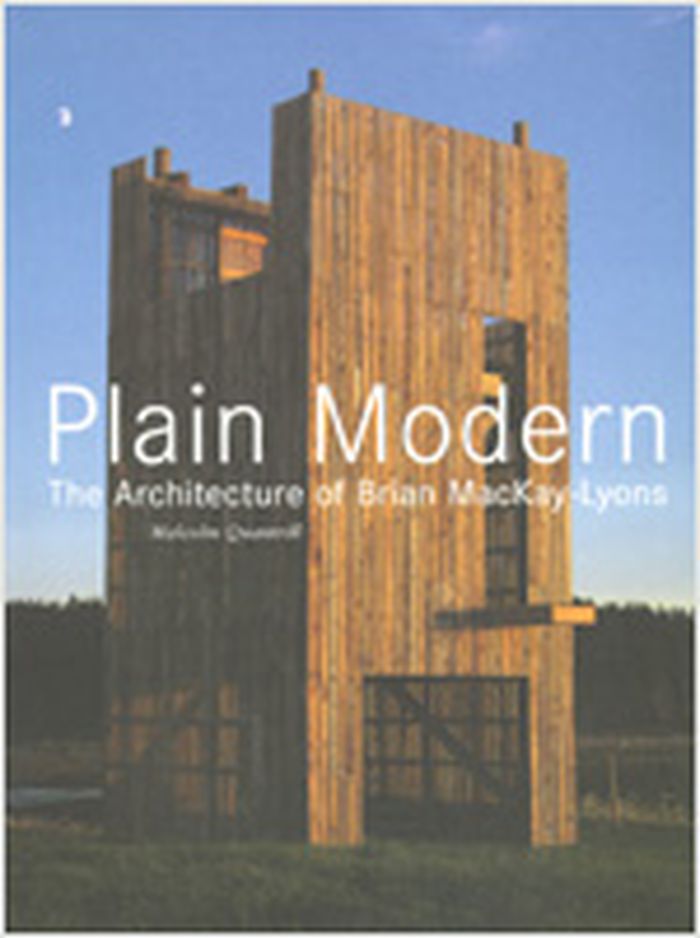
Those familiar with Nova Scotia understand the austere beauty of this Canadian landscape, with its wide open skies and rugged terrain pushing up against the Atlantic. MacKay-Lyons's work responds to this unique topography and to the vernacular building traditions that define its communities. His houses, commercial buildings, and public projects combine regional forms with local materials, technologies, and building practices to create works that are linked to their environments right down to their DNA. Peaked gables, shed roofs, and sliding doors are inspired by local barn types; corrugated metal cladding comes from the buildings used by the area's fishing industry; structural wooden frames are based on local ship-building traditions. These elements communicate a sense of place that is sophisticated, accessible, and free of sentimentality. Novelist and historian Malcolm Quantrill weaves together an intimate portrait of MacKay-Lyons and his work, elucidating the "peculiar regionality" of his subject's architecture.
Plain Modern : the architecture of Brian MacKay-Lyons
Actions:
Price:
$45.00
(available to order)
Summary:
Those familiar with Nova Scotia understand the austere beauty of this Canadian landscape, with its wide open skies and rugged terrain pushing up against the Atlantic. MacKay-Lyons's work responds to this unique topography and to the vernacular building traditions that define its communities. His houses, commercial buildings, and public projects combine regional forms with local materials, technologies, and building practices to create works that are linked to their environments right down to their DNA. Peaked gables, shed roofs, and sliding doors are inspired by local barn types; corrugated metal cladding comes from the buildings used by the area's fishing industry; structural wooden frames are based on local ship-building traditions. These elements communicate a sense of place that is sophisticated, accessible, and free of sentimentality. Novelist and historian Malcolm Quantrill weaves together an intimate portrait of MacKay-Lyons and his work, elucidating the "peculiar regionality" of his subject's architecture.
Form:
books
books
Publication:
July 2005, New York
July 2005, New York
Subject:
Architecture in Canada
Architecture in Canada
Form:
books
books
Price:
$16.95
(available to order)
Summary:
Joan Jonas approaches video as a drawing tool, a mirror, and a framing device. Since 1968, she has used video and performance to explore ways of seeing, the rhythms of ritual, and the archetypal authority of objects and gestures. With her influential 1976 work, I Want to Live in the Country (And Other Romances) Jonas nimbly structures an elliptical narrative that(...)
$16.95
(available to order)
Summary:
Joan Jonas approaches video as a drawing tool, a mirror, and a framing device. Since 1968, she has used video and performance to explore ways of seeing, the rhythms of ritual, and the archetypal authority of objects and gestures. With her influential 1976 work, I Want to Live in the Country (And Other Romances) Jonas nimbly structures an elliptical narrative that(...)
Title:
Joan Jonas: I want to live in the country (and other romances)
Actions:
Price:
$16.95
(available to order)
Summary:
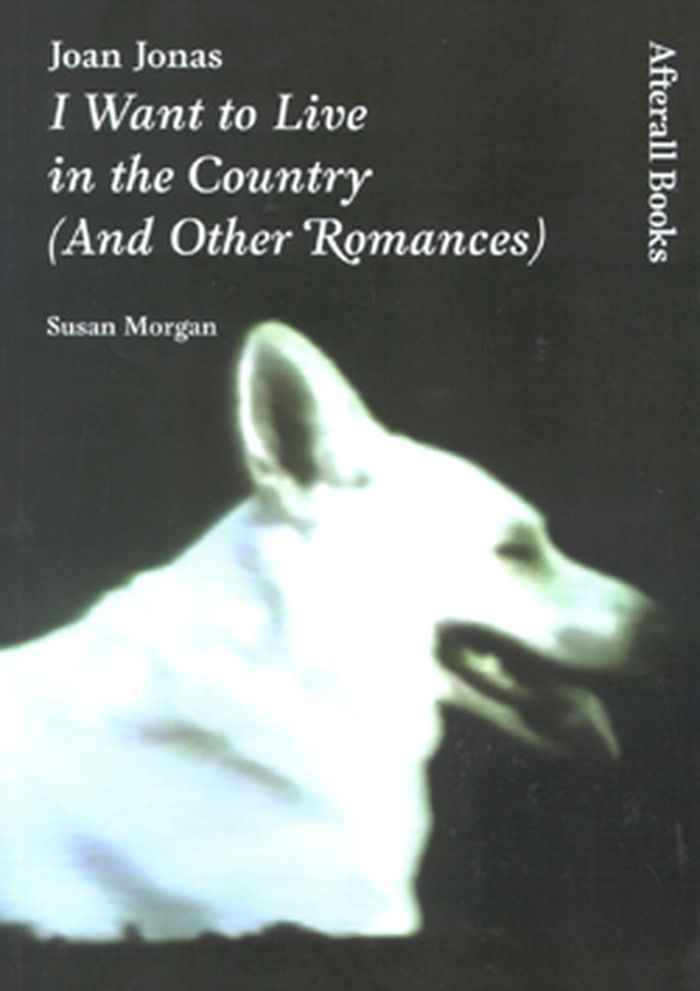
Joan Jonas approaches video as a drawing tool, a mirror, and a framing device. Since 1968, she has used video and performance to explore ways of seeing, the rhythms of ritual, and the archetypal authority of objects and gestures. With her influential 1976 work, I Want to Live in the Country (And Other Romances) Jonas nimbly structures an elliptical narrative that unmistakably establishes her voice and visual lexicon. I Want to Live in the Country features two locations—the untamed landscape of Nova Scotia and a television studio in New York City—as it examines themes of loss, displacement, time, and memory through still life compositions and Super-8 footage. Jonas creates a meditation of frames within frames, monitors within monitors, overlaid with poetic musings—a murmured story of the unconscious. Joan Jonas, Professor of Visual Arts at MIT, is known for her pioneering video and performance art.
Joan Jonas: I want to live in the country (and other romances)
Actions:
Price:
$16.95
(available to order)
Summary:
Joan Jonas approaches video as a drawing tool, a mirror, and a framing device. Since 1968, she has used video and performance to explore ways of seeing, the rhythms of ritual, and the archetypal authority of objects and gestures. With her influential 1976 work, I Want to Live in the Country (And Other Romances) Jonas nimbly structures an elliptical narrative that unmistakably establishes her voice and visual lexicon. I Want to Live in the Country features two locations—the untamed landscape of Nova Scotia and a television studio in New York City—as it examines themes of loss, displacement, time, and memory through still life compositions and Super-8 footage. Jonas creates a meditation of frames within frames, monitors within monitors, overlaid with poetic musings—a murmured story of the unconscious. Joan Jonas, Professor of Visual Arts at MIT, is known for her pioneering video and performance art.
Form:
books
books
Publication:
January 1900, London
January 1900, London
Subject:
Art Theory
Art Theory
Form:
books
books
Actions:
Price:
$25.00
(available in store)
Summary:
This book presents the transcript of a conference held at the Nova Scotia College of Art and Design on October 5–6, 1970, organized by Seth Siegelaub. Attendees at the event included Carl Andre, Joseph Beuys, Ronald Bladen, Daniel Buren, John Chamberlain, Jan Dibbets, Al Held, Robert Irwin, Mario Merz, Robert Morris, Robert Murray, The N.E. Thing Company (Iain and Ingrid(...)
$25.00
(available in store)
Summary:
This book presents the transcript of a conference held at the Nova Scotia College of Art and Design on October 5–6, 1970, organized by Seth Siegelaub. Attendees at the event included Carl Andre, Joseph Beuys, Ronald Bladen, Daniel Buren, John Chamberlain, Jan Dibbets, Al Held, Robert Irwin, Mario Merz, Robert Morris, Robert Murray, The N.E. Thing Company (Iain and Ingrid(...)
Title:
The Halifax Conference: October 5th and 6th, 1970
Actions:
Price:
$25.00
(available in store)
Summary:
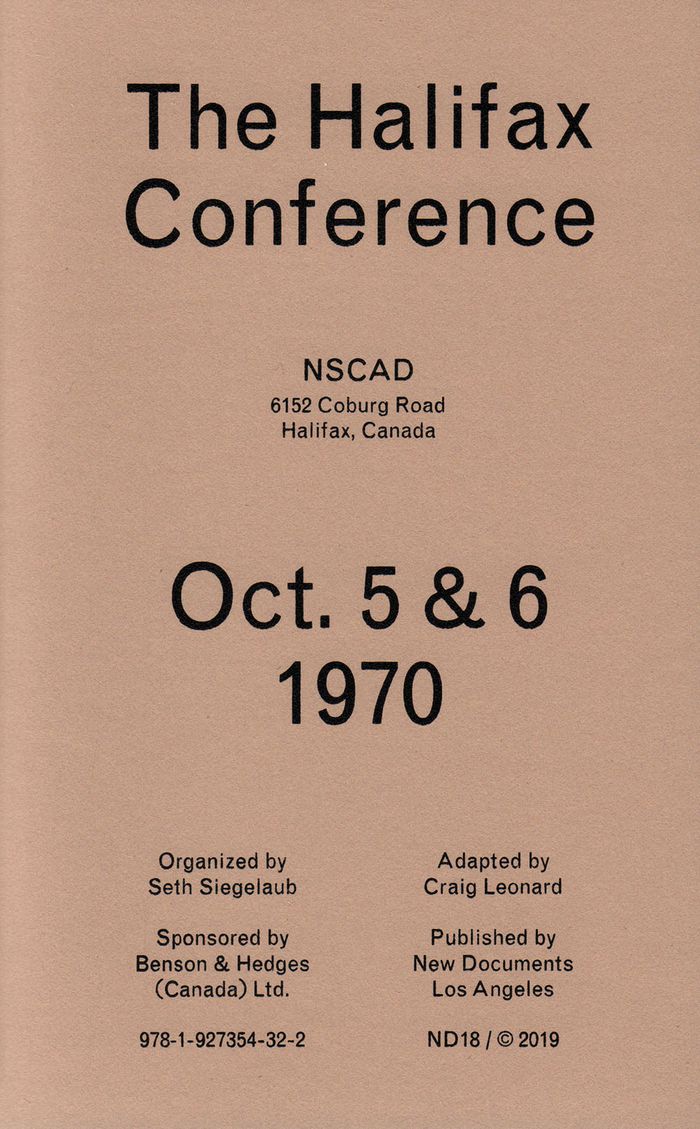
This book presents the transcript of a conference held at the Nova Scotia College of Art and Design on October 5–6, 1970, organized by Seth Siegelaub. Attendees at the event included Carl Andre, Joseph Beuys, Ronald Bladen, Daniel Buren, John Chamberlain, Jan Dibbets, Al Held, Robert Irwin, Mario Merz, Robert Morris, Robert Murray, The N.E. Thing Company (Iain and Ingrid Baxter), Richard Serra, Richard Smith, Robert Smithson, Michael Snow and Lawrence Weiner. The Halifax Conference was conceived as a means of bringing about a meeting of recognized artists representing diverse kinds of art from different parts of the world, in as general a situation as possible. Infamously, the conference was held in the college's boardroom, while students and other interested parties watched the proceedings on a video monitor in a separate space. The result was a conversation that devolved—technologically and ideologically—into quasi-tragicomic farce.
The Halifax Conference: October 5th and 6th, 1970
Actions:
Price:
$25.00
(available in store)
Summary:
This book presents the transcript of a conference held at the Nova Scotia College of Art and Design on October 5–6, 1970, organized by Seth Siegelaub. Attendees at the event included Carl Andre, Joseph Beuys, Ronald Bladen, Daniel Buren, John Chamberlain, Jan Dibbets, Al Held, Robert Irwin, Mario Merz, Robert Morris, Robert Murray, The N.E. Thing Company (Iain and Ingrid Baxter), Richard Serra, Richard Smith, Robert Smithson, Michael Snow and Lawrence Weiner. The Halifax Conference was conceived as a means of bringing about a meeting of recognized artists representing diverse kinds of art from different parts of the world, in as general a situation as possible. Infamously, the conference was held in the college's boardroom, while students and other interested parties watched the proceedings on a video monitor in a separate space. The result was a conversation that devolved—technologically and ideologically—into quasi-tragicomic farce.
Form:
books
books
Publication:
September 2019
September 2019
Subject:
Canadian art
Canadian art
Form:
books
books
Actions:
Price:
$50.00
(available to order)
Summary:
This title, published in 1979 and long since out of print, now appears as a reprint from Lars Muller Publishers. The original book was released in the series of publications Source Materials of the Contemporary Arts initiated by Kasper Konig and produced by the Press of the Nova Scotia College of Art and Design. The publication represents an important document in Dan(...)
$50.00
(available to order)
Summary:
This title, published in 1979 and long since out of print, now appears as a reprint from Lars Muller Publishers. The original book was released in the series of publications Source Materials of the Contemporary Arts initiated by Kasper Konig and produced by the Press of the Nova Scotia College of Art and Design. The publication represents an important document in Dan(...)
Title:
Dan Graham Video - Architecture - Television: Writings on Video and Video Works 1970 - 1978
Actions:
Price:
$50.00
(available to order)
Summary:
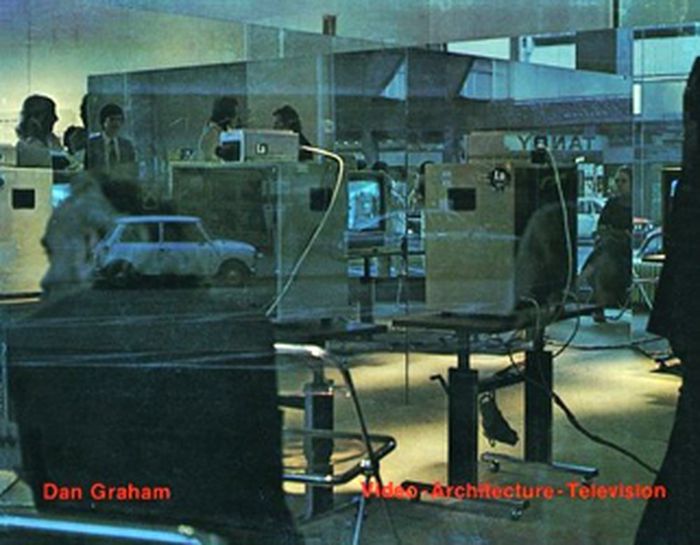
This title, published in 1979 and long since out of print, now appears as a reprint from Lars Muller Publishers. The original book was released in the series of publications Source Materials of the Contemporary Arts initiated by Kasper Konig and produced by the Press of the Nova Scotia College of Art and Design. The publication represents an important document in Dan Graham's artistic examination of the video medium. Graham's installations and performances with video from the years 1970 - 78 are documented with numerous illustrations, photos, and brief descriptions. In addition, the volume contains an essay by the artist in which he examines the various possibilities and forms of representation offered by the video medium, and draws the boundaries between these and representational spaces in television, film, or architecture. The book also offers contributions by Michael Asher and Dara Birnbaum, as well as an annex with a biography and bibliography.
Dan Graham Video - Architecture - Television: Writings on Video and Video Works 1970 - 1978
Actions:
Price:
$50.00
(available to order)
Summary:
This title, published in 1979 and long since out of print, now appears as a reprint from Lars Muller Publishers. The original book was released in the series of publications Source Materials of the Contemporary Arts initiated by Kasper Konig and produced by the Press of the Nova Scotia College of Art and Design. The publication represents an important document in Dan Graham's artistic examination of the video medium. Graham's installations and performances with video from the years 1970 - 78 are documented with numerous illustrations, photos, and brief descriptions. In addition, the volume contains an essay by the artist in which he examines the various possibilities and forms of representation offered by the video medium, and draws the boundaries between these and representational spaces in television, film, or architecture. The book also offers contributions by Michael Asher and Dara Birnbaum, as well as an annex with a biography and bibliography.
Form:
books
books
Publication:
November 2012
November 2012
Subject:
Contemporary Art Monographs
Contemporary Art Monographs
Form:
books
books
Actions:
Price:
$27.95
(available to order)
Summary:
There is an almost elemental appeal in the rural fishing villages of Nova Scotia, Maine, and Newfoundland. Their intimate connection to nature, to the land, water, and (often harsh) weather; their reliance on ingenuity, on-hand materials, and craftsmanship; and their values of thrift and endurance serve as inspiration and as touchstones for those of us caught up in the(...)
$27.95
(available to order)
Summary:
There is an almost elemental appeal in the rural fishing villages of Nova Scotia, Maine, and Newfoundland. Their intimate connection to nature, to the land, water, and (often harsh) weather; their reliance on ingenuity, on-hand materials, and craftsmanship; and their values of thrift and endurance serve as inspiration and as touchstones for those of us caught up in the(...)
Title:
Tilting : house launching, slide hauling, potato trenching, and other tales from a Newfoundland fishing village
Actions:
Price:
$27.95
(available to order)
Summary:
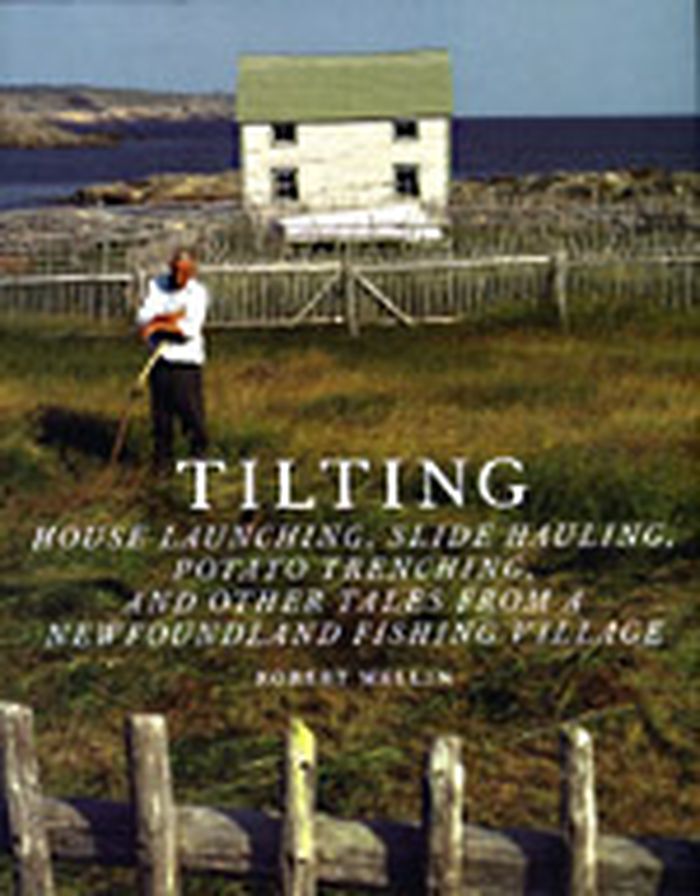
There is an almost elemental appeal in the rural fishing villages of Nova Scotia, Maine, and Newfoundland. Their intimate connection to nature, to the land, water, and (often harsh) weather; their reliance on ingenuity, on-hand materials, and craftsmanship; and their values of thrift and endurance serve as inspiration and as touchstones for those of us caught up in the hubbub of modern life. "Tilting" is a celebration of all these virtues and an eclectic documentation of the buildings, landscape, and lifestyle of this remote community on a small island far off the Canadian coast. Through photographs, firsthand historical anecdotes, and delicate pencil drawings, author Robert Mellin presents a personal account of Tilting's houses, outbuildings, furniture, tools, fences, and docks, and, in the process, the way of life of Tilting. Mellin describes how houses are built for mobility and then "launched," or moved; how houses are detailed and constructed; how cabbage houses are built out of overturned boats; and the difference between picket, paling, and riddle fences.
Tilting : house launching, slide hauling, potato trenching, and other tales from a Newfoundland fishing village
Actions:
Price:
$27.95
(available to order)
Summary:
There is an almost elemental appeal in the rural fishing villages of Nova Scotia, Maine, and Newfoundland. Their intimate connection to nature, to the land, water, and (often harsh) weather; their reliance on ingenuity, on-hand materials, and craftsmanship; and their values of thrift and endurance serve as inspiration and as touchstones for those of us caught up in the hubbub of modern life. "Tilting" is a celebration of all these virtues and an eclectic documentation of the buildings, landscape, and lifestyle of this remote community on a small island far off the Canadian coast. Through photographs, firsthand historical anecdotes, and delicate pencil drawings, author Robert Mellin presents a personal account of Tilting's houses, outbuildings, furniture, tools, fences, and docks, and, in the process, the way of life of Tilting. Mellin describes how houses are built for mobility and then "launched," or moved; how houses are detailed and constructed; how cabbage houses are built out of overturned boats; and the difference between picket, paling, and riddle fences.
Form:
books
books
Publication:
March 2003, New York
March 2003, New York
Subject:
Architecture in Canada
Architecture in Canada
Form:
books
books
Actions:
Price:
$35.00
(available to order)
Summary:
Suddenly fed up with city life and New York, Tomi Ungerer and his wife Yvonne, set out in search of a simpler life. They ended up on an isolated peninsula in Nova Scotia, Canada. The nearest town was two miles away and it was three years before they had a road to the house built, so it offered them the chance to create a totally different life for themselves. While(...)
$35.00
(available to order)
Summary:
Suddenly fed up with city life and New York, Tomi Ungerer and his wife Yvonne, set out in search of a simpler life. They ended up on an isolated peninsula in Nova Scotia, Canada. The nearest town was two miles away and it was three years before they had a road to the house built, so it offered them the chance to create a totally different life for themselves. While(...)
Title:
Far out isn't far enough : life in the back of beyond
Actions:
Price:
$35.00
(available to order)
Summary:
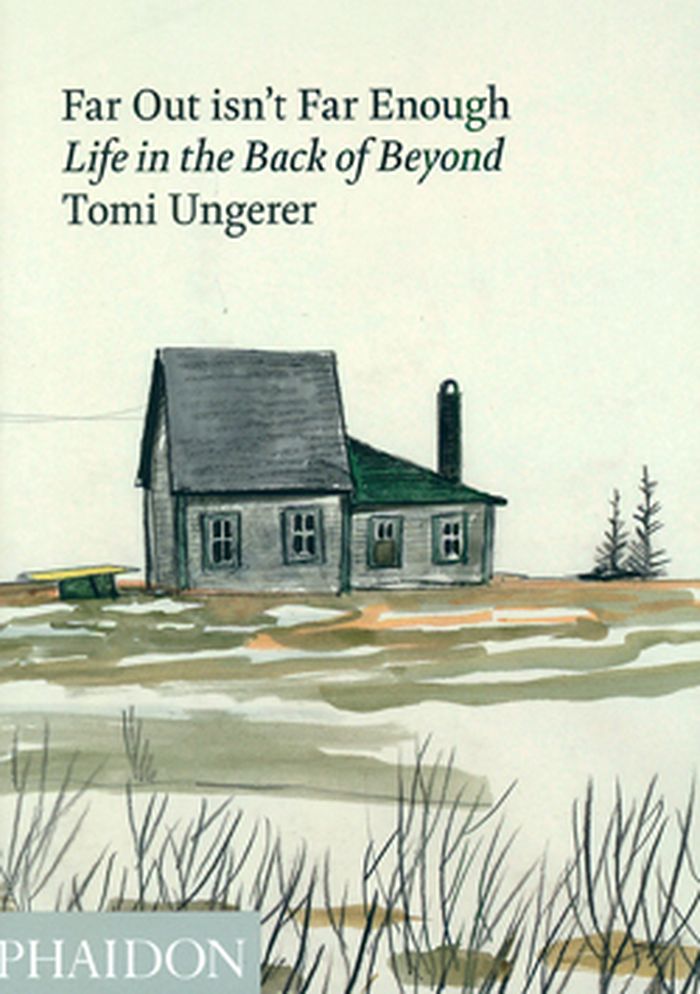
Suddenly fed up with city life and New York, Tomi Ungerer and his wife Yvonne, set out in search of a simpler life. They ended up on an isolated peninsula in Nova Scotia, Canada. The nearest town was two miles away and it was three years before they had a road to the house built, so it offered them the chance to create a totally different life for themselves. While they were there Ungerer continued to paint and write but he also learnt how to be a farmer, a herdsman and, where necessary, a butcher, because without ever intending to establish a farm they gradually acquired sheep, chickens, ducks, geese, rabbits, goats, cows, pigs and horses. In his diary, Ungerer describes in vivid detail their trials, tribulations and at times downright bizarre life on the isolated peninsula. Carefully observed drawings of the landscape, the wild animals, their own domestic flock and bring his words to life and create a distinctive impression of the wild and a times bleak landscape. Originally published in 1983, Far Out isn’t Far Enough is now reissued to introduce a new audience to Tomi Ungerer’s evocative style of drawing and writing.
Far out isn't far enough : life in the back of beyond
Actions:
Price:
$35.00
(available to order)
Summary:
Suddenly fed up with city life and New York, Tomi Ungerer and his wife Yvonne, set out in search of a simpler life. They ended up on an isolated peninsula in Nova Scotia, Canada. The nearest town was two miles away and it was three years before they had a road to the house built, so it offered them the chance to create a totally different life for themselves. While they were there Ungerer continued to paint and write but he also learnt how to be a farmer, a herdsman and, where necessary, a butcher, because without ever intending to establish a farm they gradually acquired sheep, chickens, ducks, geese, rabbits, goats, cows, pigs and horses. In his diary, Ungerer describes in vivid detail their trials, tribulations and at times downright bizarre life on the isolated peninsula. Carefully observed drawings of the landscape, the wild animals, their own domestic flock and bring his words to life and create a distinctive impression of the wild and a times bleak landscape. Originally published in 1983, Far Out isn’t Far Enough is now reissued to introduce a new audience to Tomi Ungerer’s evocative style of drawing and writing.
Form:
books
books
Publication:
April 2011
April 2011
Subject:
Illustration
Illustration
Form:
books
books
Actions:
Price:
$60.00
(available to order)
Summary:
Complete Writings 1959–1975 was first published in 1975 by The Press of the Nova Scotia College of Art and Design, and since then it has been the primary source for Donald Judd’s early writing. Working as an art critic for the magazines Arts, Arts Magazine and, later, Art International, Judd regularly contributed reviews of contemporary art exhibitions between 1959 and(...)
$60.00
(available to order)
Summary:
Complete Writings 1959–1975 was first published in 1975 by The Press of the Nova Scotia College of Art and Design, and since then it has been the primary source for Donald Judd’s early writing. Working as an art critic for the magazines Arts, Arts Magazine and, later, Art International, Judd regularly contributed reviews of contemporary art exhibitions between 1959 and(...)
Title:
Donald Judd: Complete writings 1959-1975
Actions:
Price:
$60.00
(available to order)
Summary:
Complete Writings 1959–1975 was first published in 1975 by The Press of the Nova Scotia College of Art and Design, and since then it has been the primary source for Donald Judd’s early writing. Working as an art critic for the magazines Arts, Arts Magazine and, later, Art International, Judd regularly contributed reviews of contemporary art exhibitions between 1959 and 1965, but continued to write throughout his life on a broad range of subjects. In his reviews and essays, Judd discussed in detail the work of more than 500 artists showing in New York in the early and mid-1960s, and provided a critical account of this significant era of art in America. While addressing the social and political ramifications of art production, the writings frequently addressed the work of such artists as Jackson Pollock, Kazimir Malevich, Barnett Newman, Ad Reinhardt, Lee Bontecou, Yayoi Kusama, John Chamberlain, Dan Flavin, Kenneth Noland and Claes Oldenburg. Judd’s essay "Specific Objects," first published in 1965, remains central to the analysis of the new art developed in the early 1960s. Other essays included in this publication are "Complaints I" (1969), "Complaints II" (1973) and his previously unpublished essay "Imperialism, Nationalism and Regionalism" (1975), all of which establish the polemical importance of Judd’s writing.
Donald Judd: Complete writings 1959-1975
Actions:
Price:
$60.00
(available to order)
Summary:
Complete Writings 1959–1975 was first published in 1975 by The Press of the Nova Scotia College of Art and Design, and since then it has been the primary source for Donald Judd’s early writing. Working as an art critic for the magazines Arts, Arts Magazine and, later, Art International, Judd regularly contributed reviews of contemporary art exhibitions between 1959 and 1965, but continued to write throughout his life on a broad range of subjects. In his reviews and essays, Judd discussed in detail the work of more than 500 artists showing in New York in the early and mid-1960s, and provided a critical account of this significant era of art in America. While addressing the social and political ramifications of art production, the writings frequently addressed the work of such artists as Jackson Pollock, Kazimir Malevich, Barnett Newman, Ad Reinhardt, Lee Bontecou, Yayoi Kusama, John Chamberlain, Dan Flavin, Kenneth Noland and Claes Oldenburg. Judd’s essay "Specific Objects," first published in 1965, remains central to the analysis of the new art developed in the early 1960s. Other essays included in this publication are "Complaints I" (1969), "Complaints II" (1973) and his previously unpublished essay "Imperialism, Nationalism and Regionalism" (1975), all of which establish the polemical importance of Judd’s writing.
Form:
books
books
Publication:
February 2016
February 2016
Subject:
Contemporary Art Monographs
Contemporary Art Monographs
Form:
books
books
Price:
$34.95
(available in store)
Summary:
National historic sites commemorate decisive moments in the making of Canada. But seen through an environmental lens, these sites become artifacts of a bigger story: the occupation and transformation of nature into nation. In an age of pressing discussions about environmental sustainability, there is a growing need to know more about the history of our relationship with(...)
$34.95
(available in store)
Summary:
National historic sites commemorate decisive moments in the making of Canada. But seen through an environmental lens, these sites become artifacts of a bigger story: the occupation and transformation of nature into nation. In an age of pressing discussions about environmental sustainability, there is a growing need to know more about the history of our relationship with(...)
Title:
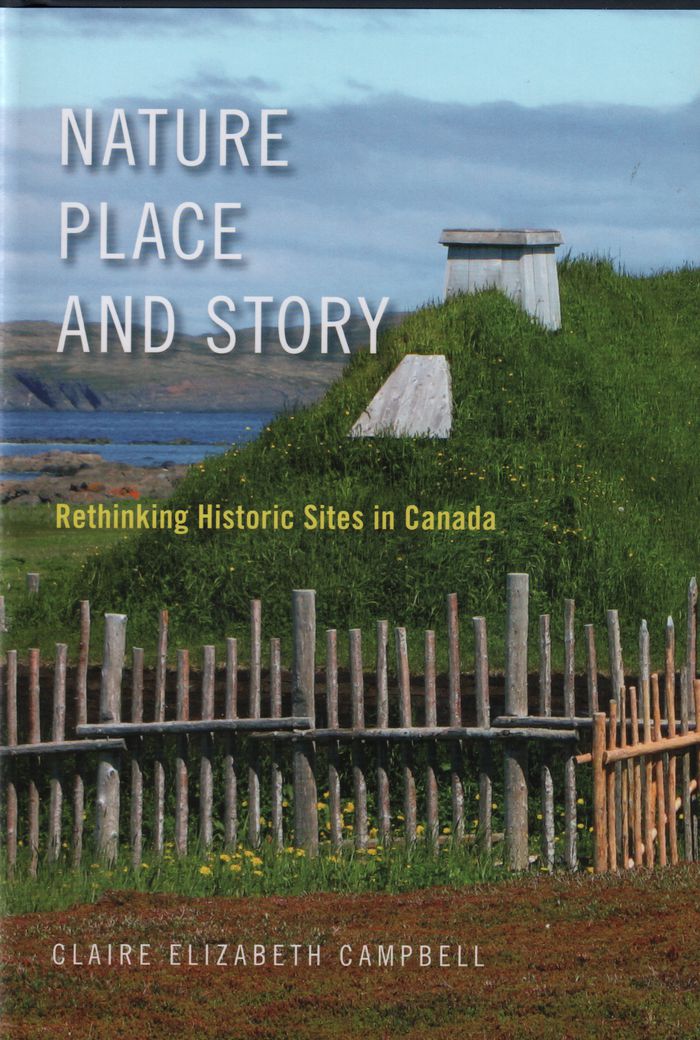
Nature, place, and story: rethinking historic sites in Canada
Actions:
Price:
$34.95
(available in store)
Summary:
National historic sites commemorate decisive moments in the making of Canada. But seen through an environmental lens, these sites become artifacts of a bigger story: the occupation and transformation of nature into nation. In an age of pressing discussions about environmental sustainability, there is a growing need to know more about the history of our relationship with the natural world and what lessons these places of public history, regional identity, and national narrative can teach us. "Nature, place, and story" provides new interpretations for five of Canada’s largest and most iconic historic sites (two of which are UNESCO World Heritage Sites): L’Anse aux Meadows, Newfoundland; Grand Pré, Nova Scotia; Fort William, Ontario; the Forks of the Red River, Manitoba; and the Bar U Ranch, Alberta. At each location, Claire Campbell rewrites public history as environmental history, revealing the country’s debt to the power and fragility of the natural world, and the relevance of the past to understanding climate change, agricultural sustainability, wilderness protection, urban reclamation, and fossil fuel extraction. From the medieval Atlantic to modern ranchlands, environmental history speaks directly to contemporary questions about the health of Canada’s habitat. Bringing together public and environmental history in an entirely new way, "Nature, place, and story" is a lively and ambitious call for a fresh perspective on natural heritage.
Nature, place, and story: rethinking historic sites in Canada
Actions:
Price:
$34.95
(available in store)
Summary:
National historic sites commemorate decisive moments in the making of Canada. But seen through an environmental lens, these sites become artifacts of a bigger story: the occupation and transformation of nature into nation. In an age of pressing discussions about environmental sustainability, there is a growing need to know more about the history of our relationship with the natural world and what lessons these places of public history, regional identity, and national narrative can teach us. "Nature, place, and story" provides new interpretations for five of Canada’s largest and most iconic historic sites (two of which are UNESCO World Heritage Sites): L’Anse aux Meadows, Newfoundland; Grand Pré, Nova Scotia; Fort William, Ontario; the Forks of the Red River, Manitoba; and the Bar U Ranch, Alberta. At each location, Claire Campbell rewrites public history as environmental history, revealing the country’s debt to the power and fragility of the natural world, and the relevance of the past to understanding climate change, agricultural sustainability, wilderness protection, urban reclamation, and fossil fuel extraction. From the medieval Atlantic to modern ranchlands, environmental history speaks directly to contemporary questions about the health of Canada’s habitat. Bringing together public and environmental history in an entirely new way, "Nature, place, and story" is a lively and ambitious call for a fresh perspective on natural heritage.
Form:
books
books
Publication:
August 2017
August 2017
Subject:
Architecture in Canada
Architecture in Canada
Form:
books
books
Actions:
Price:
$25.95
(available to order)
Summary:
We surround ourselves with material things that are invested with memories but can only stand for what we have lost. Physical objects—such as one’s own body—situate and define us; yet at the same time they are fundamentally indifferent to us. The melancholy of this rift is a rich source of inspiration for artists. Peter Schwenger deftly weaves together philosophical(...)
$25.95
(available to order)
Summary:
We surround ourselves with material things that are invested with memories but can only stand for what we have lost. Physical objects—such as one’s own body—situate and define us; yet at the same time they are fundamentally indifferent to us. The melancholy of this rift is a rich source of inspiration for artists. Peter Schwenger deftly weaves together philosophical(...)
Title:
The tears of things : Melancholy and physical objects
Actions:
Price:
$25.95
(available to order)
Summary:
We surround ourselves with material things that are invested with memories but can only stand for what we have lost. Physical objects—such as one’s own body—situate and define us; yet at the same time they are fundamentally indifferent to us. The melancholy of this rift is a rich source of inspiration for artists. Peter Schwenger deftly weaves together philosophical and psychoanalytical theory with artistic practice. Concerned in part with the act of collecting, The Tears of Things is itself a collection of exemplary art objects—literary and cultural attempts to control and possess things—including paintings by Georgia O’Keeffe and René Magritte; sculpture by Louise Bourgeois and Marcel Duchamp; Joseph Cornell’s boxes; Edward Gorey’s graphic art; fiction by Virginia Woolf, Georges Perec, and Louise Erdrich; the hallucinatory encyclopedias of Jorge Luis Borges and Luigi Serafini; and the corpse photographs of Joel Peter Witkin. However, these representations of objects perpetually fall short of our aspirations. Schwenger examines what is left over—debris and waste—and asks what art can make of these. What emerges is not an art that reassembles but one that questions what it means to assemble in the first place. Contained in this catalog of waste is that ultimate still life, the cadaver, where the subject-object dichotomy receives its final ironic reconciliation. Peter Schwenger is professor of English at Mount St. Vincent University in Halifax, Nova Scotia. He is the author of Fantasm and Fiction: On Textual Envisioning, Letter Bomb: Nuclear Holocaust and the Exploding Word, and Phallic Critiques: Masculinity and Twentieth-Century Literature.
The tears of things : Melancholy and physical objects
Actions:
Price:
$25.95
(available to order)
Summary:
We surround ourselves with material things that are invested with memories but can only stand for what we have lost. Physical objects—such as one’s own body—situate and define us; yet at the same time they are fundamentally indifferent to us. The melancholy of this rift is a rich source of inspiration for artists. Peter Schwenger deftly weaves together philosophical and psychoanalytical theory with artistic practice. Concerned in part with the act of collecting, The Tears of Things is itself a collection of exemplary art objects—literary and cultural attempts to control and possess things—including paintings by Georgia O’Keeffe and René Magritte; sculpture by Louise Bourgeois and Marcel Duchamp; Joseph Cornell’s boxes; Edward Gorey’s graphic art; fiction by Virginia Woolf, Georges Perec, and Louise Erdrich; the hallucinatory encyclopedias of Jorge Luis Borges and Luigi Serafini; and the corpse photographs of Joel Peter Witkin. However, these representations of objects perpetually fall short of our aspirations. Schwenger examines what is left over—debris and waste—and asks what art can make of these. What emerges is not an art that reassembles but one that questions what it means to assemble in the first place. Contained in this catalog of waste is that ultimate still life, the cadaver, where the subject-object dichotomy receives its final ironic reconciliation. Peter Schwenger is professor of English at Mount St. Vincent University in Halifax, Nova Scotia. He is the author of Fantasm and Fiction: On Textual Envisioning, Letter Bomb: Nuclear Holocaust and the Exploding Word, and Phallic Critiques: Masculinity and Twentieth-Century Literature.
Form:
books
books
Publication:
May 2006, Minnesota
May 2006, Minnesota
Subject:
Architectural Theory
Architectural Theory


