


19461 Results
Form:
archives
Level of archival description:
Fonds
archives
Level of archival description:
Fonds
Title:
Ernest Cormier fonds
Ernest Cormier fonds
Reference number:
AP001
Synopsis:
Le Fonds Ernest Cormier documente la vie personnelle, artistique et professionnelle d'Ernest Cormier. Le fonds compte près de 30 000 dessins et reproductions ainsi que les dossier administratif relatifs à plus de 110 projets architecturaux réalisés par Cormier entre 1919 et 1964, environ 14 000 documents photographiques, incluant les photographies par Ernest Cormier, sa correspondance et documents personnels, ses oeuvres d'arts, et de nombreux outils et objets utilisés par Cormier pour ses projets artistiques et architecturaux.
AP001
Synopsis:
Le Fonds Ernest Cormier documente la vie personnelle, artistique et professionnelle d'Ernest Cormier. Le fonds compte près de 30 000 dessins et reproductions ainsi que les dossier administratif relatifs à plus de 110 projets architecturaux réalisés par Cormier entre 1919 et 1964, environ 14 000 documents photographiques, incluant les photographies par Ernest Cormier, sa correspondance et documents personnels, ses oeuvres d'arts, et de nombreux outils et objets utilisés par Cormier pour ses projets artistiques et architecturaux.
People:
Date:
1857-1980
1857-1980
Title:
Ernest Cormier fonds
Actions:
AP001
Synopsis:
Le Fonds Ernest Cormier documente la vie personnelle, artistique et professionnelle d'Ernest Cormier. Le fonds compte près de 30 000 dessins et reproductions ainsi que les dossier administratif relatifs à plus de 110 projets architecturaux réalisés par Cormier entre 1919 et 1964, environ 14 000 documents photographiques, incluant les photographies par Ernest Cormier, sa correspondance et documents personnels, ses oeuvres d'arts, et de nombreux outils et objets utilisés par Cormier pour ses projets artistiques et architecturaux.
Ernest Cormier fonds
Actions:
AP001
Synopsis:
Le Fonds Ernest Cormier documente la vie personnelle, artistique et professionnelle d'Ernest Cormier. Le fonds compte près de 30 000 dessins et reproductions ainsi que les dossier administratif relatifs à plus de 110 projets architecturaux réalisés par Cormier entre 1919 et 1964, environ 14 000 documents photographiques, incluant les photographies par Ernest Cormier, sa correspondance et documents personnels, ses oeuvres d'arts, et de nombreux outils et objets utilisés par Cormier pour ses projets artistiques et architecturaux.
Form:
archives
Level of archival description:
Fonds
archives
Level of archival description:
Fonds
Date:
1857-1980
1857-1980
People:
Form:
exhibitions
exhibitions
Actions:
Description:
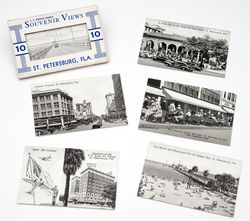
Mass-produced objects are often overlooked in favour of more sophisticated and more scholarly sources as the basis for understanding architecture as it is perceived and interpreted for popular assimilation. Focusing on the United States between the 1890s and the 1960s Popularizing Architecture in the U.S.A. highlights ephemeral items that have created public awareness of(...)
Mass-produced objects are often overlooked in favour of more sophisticated and more scholarly sources as the basis for understanding architecture as it is perceived and interpreted for popular assimilation. Focusing on the United States between the 1890s and the 1960s Popularizing Architecture in the U.S.A. highlights ephemeral items that have created public awareness of(...)
Location:
Hall cases
Hall cases
Date:
14 June 1995 to 29 October 1995
14 June 1995 to 29 October 1995
Title:
Popularizing Architecture in the U.S.A.
Actions:
Description:
Mass-produced objects are often overlooked in favour of more sophisticated and more scholarly sources as the basis for understanding architecture as it is perceived and interpreted for popular assimilation. Focusing on the United States between the 1890s and the 1960s Popularizing Architecture in the U.S.A. highlights ephemeral items that have created public awareness of(...)
Popularizing Architecture in the U.S.A.
Actions:
Description:
Mass-produced objects are often overlooked in favour of more sophisticated and more scholarly sources as the basis for understanding architecture as it is perceived and interpreted for popular assimilation. Focusing on the United States between the 1890s and the 1960s Popularizing Architecture in the U.S.A. highlights ephemeral items that have created public awareness of(...)
Form:
exhibitions
exhibitions
Date:
14 June 1995 to
29 October 1995
14 June 1995 to
29 October 1995
Location:
Hall cases
Hall cases
Form:
photographs
photographs
Actions:
Reference number:
ARCH256501
Description:
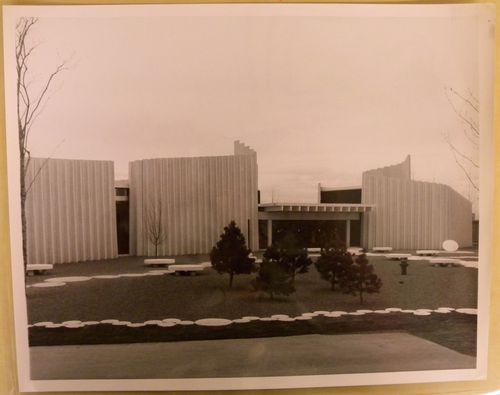
"Le Pavillon des Jeunesses Musicales à l'Expo '67 / Vue du pavillon des Jeunesses Musicales du Canada. L'édifice permanent de $250,000 est commandité par la Portland Cement Association en collaboration avec les J.M.C. A la fin de l'Exposition, le pavillon sera démonté et transporté au village des J.M.C. au Mont Orford, dans les Cantons de L'Est, où il sera reconstruit. / Jeunesses Musicales Pavilion at Expo '67 / This concrete paneled pavilion in Cité du Havre contains exhibits on music in Canada from 1610 and on systems for the musical education of the young. An opportunity to listen to Canadian works and a studio where leading musicians direct practice sessions for students also form part of the display. The world congress of the Jeuneses Musicales International Federation will be held here in mid-summer."--Description.
ARCH256501
Description:
"Le Pavillon des Jeunesses Musicales à l'Expo '67 / Vue du pavillon des Jeunesses Musicales du Canada. L'édifice permanent de $250,000 est commandité par la Portland Cement Association en collaboration avec les J.M.C. A la fin de l'Exposition, le pavillon sera démonté et transporté au village des J.M.C. au Mont Orford, dans les Cantons de L'Est, où il sera reconstruit. / Jeunesses Musicales Pavilion at Expo '67 / This concrete paneled pavilion in Cité du Havre contains exhibits on music in Canada from 1610 and on systems for the musical education of the young. An opportunity to listen to Canadian works and a studio where leading musicians direct practice sessions for students also form part of the display. The world congress of the Jeuneses Musicales International Federation will be held here in mid-summer."--Description.
People:
Date:
1967
1967
Title:
View of the Pavilion of the Jeunesses Musicales of Canada, Expo 67, Montréal, Québec
Actions:
ARCH256501
Description:
"Le Pavillon des Jeunesses Musicales à l'Expo '67 / Vue du pavillon des Jeunesses Musicales du Canada. L'édifice permanent de $250,000 est commandité par la Portland Cement Association en collaboration avec les J.M.C. A la fin de l'Exposition, le pavillon sera démonté et transporté au village des J.M.C. au Mont Orford, dans les Cantons de L'Est, où il sera reconstruit. / Jeunesses Musicales Pavilion at Expo '67 / This concrete paneled pavilion in Cité du Havre contains exhibits on music in Canada from 1610 and on systems for the musical education of the young. An opportunity to listen to Canadian works and a studio where leading musicians direct practice sessions for students also form part of the display. The world congress of the Jeuneses Musicales International Federation will be held here in mid-summer."--Description.
View of the Pavilion of the Jeunesses Musicales of Canada, Expo 67, Montréal, Québec
Actions:
ARCH256501
Description:
"Le Pavillon des Jeunesses Musicales à l'Expo '67 / Vue du pavillon des Jeunesses Musicales du Canada. L'édifice permanent de $250,000 est commandité par la Portland Cement Association en collaboration avec les J.M.C. A la fin de l'Exposition, le pavillon sera démonté et transporté au village des J.M.C. au Mont Orford, dans les Cantons de L'Est, où il sera reconstruit. / Jeunesses Musicales Pavilion at Expo '67 / This concrete paneled pavilion in Cité du Havre contains exhibits on music in Canada from 1610 and on systems for the musical education of the young. An opportunity to listen to Canadian works and a studio where leading musicians direct practice sessions for students also form part of the display. The world congress of the Jeuneses Musicales International Federation will be held here in mid-summer."--Description.
Form:
photographs
photographs
Date:
1967
1967
People:
Form:
photographs
photographs
Actions:
Reference number:
ARCH256101
Description:
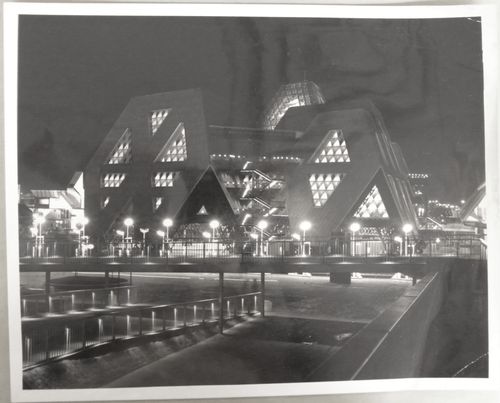
"Le pavillon thématique illustrant 'L'Homme à l'oeuvre' dans l'Ile Notre-Dame brille vraiment de tous ces feux, à la tombée du jour. Cet ensemble de pavillons comme d'ailleurs celui qui illustre 'L'Homme interroge l'Univers', dans l'Ile Sainte-Hélène acquiert de plus en plus une réputation d'excellence, à cause de ses éléments d'exposition. / The theme pavilion devoted to Man the Producer occupies a site facing the Expo Express station on Ile Notre-Dame. Its sections are designed in the shape of truncated tetrahedrons. The pavilion has four levels. The main exhibits entitled 'Resources for Man', 'Progress' and 'Man in Control' are confined to the second and fourth levels. The ground floor contains restaurants and other services, while the third level constitutes a plaza leading to all exhibits."--Description.
ARCH256101
Description:
"Le pavillon thématique illustrant 'L'Homme à l'oeuvre' dans l'Ile Notre-Dame brille vraiment de tous ces feux, à la tombée du jour. Cet ensemble de pavillons comme d'ailleurs celui qui illustre 'L'Homme interroge l'Univers', dans l'Ile Sainte-Hélène acquiert de plus en plus une réputation d'excellence, à cause de ses éléments d'exposition. / The theme pavilion devoted to Man the Producer occupies a site facing the Expo Express station on Ile Notre-Dame. Its sections are designed in the shape of truncated tetrahedrons. The pavilion has four levels. The main exhibits entitled 'Resources for Man', 'Progress' and 'Man in Control' are confined to the second and fourth levels. The ground floor contains restaurants and other services, while the third level constitutes a plaza leading to all exhibits."--Description.
People:
Date:
1967?
1967?
Title:
Night view of the Man the Producer Pavilion, Expo 67, Montréal, Québec
Actions:
ARCH256101
Description:
"Le pavillon thématique illustrant 'L'Homme à l'oeuvre' dans l'Ile Notre-Dame brille vraiment de tous ces feux, à la tombée du jour. Cet ensemble de pavillons comme d'ailleurs celui qui illustre 'L'Homme interroge l'Univers', dans l'Ile Sainte-Hélène acquiert de plus en plus une réputation d'excellence, à cause de ses éléments d'exposition. / The theme pavilion devoted to Man the Producer occupies a site facing the Expo Express station on Ile Notre-Dame. Its sections are designed in the shape of truncated tetrahedrons. The pavilion has four levels. The main exhibits entitled 'Resources for Man', 'Progress' and 'Man in Control' are confined to the second and fourth levels. The ground floor contains restaurants and other services, while the third level constitutes a plaza leading to all exhibits."--Description.
Night view of the Man the Producer Pavilion, Expo 67, Montréal, Québec
Actions:
ARCH256101
Description:
"Le pavillon thématique illustrant 'L'Homme à l'oeuvre' dans l'Ile Notre-Dame brille vraiment de tous ces feux, à la tombée du jour. Cet ensemble de pavillons comme d'ailleurs celui qui illustre 'L'Homme interroge l'Univers', dans l'Ile Sainte-Hélène acquiert de plus en plus une réputation d'excellence, à cause de ses éléments d'exposition. / The theme pavilion devoted to Man the Producer occupies a site facing the Expo Express station on Ile Notre-Dame. Its sections are designed in the shape of truncated tetrahedrons. The pavilion has four levels. The main exhibits entitled 'Resources for Man', 'Progress' and 'Man in Control' are confined to the second and fourth levels. The ground floor contains restaurants and other services, while the third level constitutes a plaza leading to all exhibits."--Description.
Form:
photographs
photographs
Date:
1967?
1967?
People:
Form:
exhibitions
exhibitions
Title:
Toys that Teach
Toys that Teach
Actions:
Description:
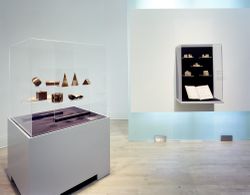
The architectural toy typically looks to the world of “real” buildings, reproducing columns, arches, and windows in miniature form. Toys That Teach, however, presents a range of construction toys based on the elementary forms of geometry found in nature: cubes and spheres, cones and cylinders, rods and prisms. The toys serve not only for building but also for mathematical(...)
The architectural toy typically looks to the world of “real” buildings, reproducing columns, arches, and windows in miniature form. Toys That Teach, however, presents a range of construction toys based on the elementary forms of geometry found in nature: cubes and spheres, cones and cylinders, rods and prisms. The toys serve not only for building but also for mathematical(...)
Location:
Octagonal gallery
Octagonal gallery
Date:
16 December 1992 to 25 April 1993
16 December 1992 to 25 April 1993
Title:
Toys that Teach
Actions:
Description:
The architectural toy typically looks to the world of “real” buildings, reproducing columns, arches, and windows in miniature form. Toys That Teach, however, presents a range of construction toys based on the elementary forms of geometry found in nature: cubes and spheres, cones and cylinders, rods and prisms. The toys serve not only for building but also for mathematical(...)
Toys that Teach
Actions:
Description:
The architectural toy typically looks to the world of “real” buildings, reproducing columns, arches, and windows in miniature form. Toys That Teach, however, presents a range of construction toys based on the elementary forms of geometry found in nature: cubes and spheres, cones and cylinders, rods and prisms. The toys serve not only for building but also for mathematical(...)
Form:
exhibitions
exhibitions
Date:
16 December 1992 to
25 April 1993
16 December 1992 to
25 April 1993
Location:
Octagonal gallery
Octagonal gallery
Form:
events
events
Title:
Gilles Clément
Gilles Clément
Actions:
Description:
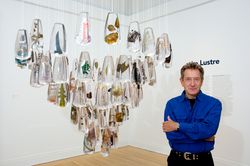
French horticultural engineer and landscape architect Gilles Clément presents his projects and theories in the context of the CCA exhibition Environment: Approaches for Tomorrow (2006). The exhibition proposes a shift in perspective that takes the environment, and not human demands on the environment, as the starting point for reflection. Clément has designed numerous(...)
French horticultural engineer and landscape architect Gilles Clément presents his projects and theories in the context of the CCA exhibition Environment: Approaches for Tomorrow (2006). The exhibition proposes a shift in perspective that takes the environment, and not human demands on the environment, as the starting point for reflection. Clément has designed numerous(...)
Location:
Paul Desmarais Theatre
Paul Desmarais Theatre
Date:
19 October 2006
19 October 2006
Title:
Gilles Clément
Actions:
Description:
French horticultural engineer and landscape architect Gilles Clément presents his projects and theories in the context of the CCA exhibition Environment: Approaches for Tomorrow (2006). The exhibition proposes a shift in perspective that takes the environment, and not human demands on the environment, as the starting point for reflection. Clément has designed numerous(...)
Gilles Clément
Actions:
Description:
French horticultural engineer and landscape architect Gilles Clément presents his projects and theories in the context of the CCA exhibition Environment: Approaches for Tomorrow (2006). The exhibition proposes a shift in perspective that takes the environment, and not human demands on the environment, as the starting point for reflection. Clément has designed numerous(...)
Form:
events
events
Date:
19 October 2006
19 October 2006
Location:
Paul Desmarais Theatre
Paul Desmarais Theatre
Form:
exhibitions
exhibitions
Actions:
Description:
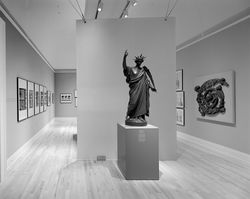
The exhibition examines the important role the Pantheon played in French artistic and political life from its foundation in 1744 well into the twentieth century. Coinciding with the international celebrations of the bicentennial of the French Revolution, the exhibition focuses on one of the central architectural episodes of the Revolution—the transformation of Saint(...)
The exhibition examines the important role the Pantheon played in French artistic and political life from its foundation in 1744 well into the twentieth century. Coinciding with the international celebrations of the bicentennial of the French Revolution, the exhibition focuses on one of the central architectural episodes of the Revolution—the transformation of Saint(...)
Location:
Main galleries
Main galleries
Date:
19 September 1989 to 19 November 1989
19 September 1989 to 19 November 1989
Title:
Le Panthéon: Symbol of Revolution
Actions:
Description:
The exhibition examines the important role the Pantheon played in French artistic and political life from its foundation in 1744 well into the twentieth century. Coinciding with the international celebrations of the bicentennial of the French Revolution, the exhibition focuses on one of the central architectural episodes of the Revolution—the transformation of Saint(...)
Le Panthéon: Symbol of Revolution
Actions:
Description:
The exhibition examines the important role the Pantheon played in French artistic and political life from its foundation in 1744 well into the twentieth century. Coinciding with the international celebrations of the bicentennial of the French Revolution, the exhibition focuses on one of the central architectural episodes of the Revolution—the transformation of Saint(...)
Form:
exhibitions
exhibitions
Date:
19 September 1989 to
19 November 1989
19 September 1989 to
19 November 1989
Location:
Main galleries
Main galleries
Form:
exhibitions
exhibitions
Actions:
Description:
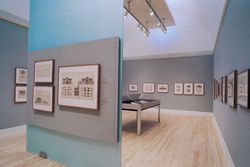
As Building Director of Baden in southwest Germany, Friedrich Weinbrenner (1766–1826) had the unique opportunity to create in Karlsruhe—the capital and his native city—one of the most homogeneous architectural ensembles ever achieved by a single architect. The exhibition focuses on the impact of scientific and administrative reform on the urban and agricultural(...)
As Building Director of Baden in southwest Germany, Friedrich Weinbrenner (1766–1826) had the unique opportunity to create in Karlsruhe—the capital and his native city—one of the most homogeneous architectural ensembles ever achieved by a single architect. The exhibition focuses on the impact of scientific and administrative reform on the urban and agricultural(...)
Location:
Main galleries
Main galleries
Date:
31 January 1990 to 18 March 1990
31 January 1990 to 18 March 1990
Title:
Friedrich Weinbrenner, Architect of Karlsruhe
Actions:
Description:
As Building Director of Baden in southwest Germany, Friedrich Weinbrenner (1766–1826) had the unique opportunity to create in Karlsruhe—the capital and his native city—one of the most homogeneous architectural ensembles ever achieved by a single architect. The exhibition focuses on the impact of scientific and administrative reform on the urban and agricultural(...)
Friedrich Weinbrenner, Architect of Karlsruhe
Actions:
Description:
As Building Director of Baden in southwest Germany, Friedrich Weinbrenner (1766–1826) had the unique opportunity to create in Karlsruhe—the capital and his native city—one of the most homogeneous architectural ensembles ever achieved by a single architect. The exhibition focuses on the impact of scientific and administrative reform on the urban and agricultural(...)
Form:
exhibitions
exhibitions
Date:
31 January 1990 to
18 March 1990
31 January 1990 to
18 March 1990
Location:
Main galleries
Main galleries
Form:
exhibitions
exhibitions
Title:
Dream Houses, Toy Homes
Dream Houses, Toy Homes
Actions:
Description:
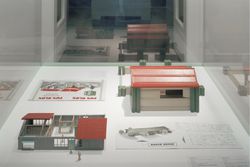
Through selections from the CCA’s collection of architectural toys and games, including 33 European and North American architectural toys dating from the early nineteenth century to 1995, Dream Houses, Toy Homes examines the notions of home, childhood, play, gender, and learning. The exhibition uncovers the potential of toys to embody images and ideas of domestic(...)
Through selections from the CCA’s collection of architectural toys and games, including 33 European and North American architectural toys dating from the early nineteenth century to 1995, Dream Houses, Toy Homes examines the notions of home, childhood, play, gender, and learning. The exhibition uncovers the potential of toys to embody images and ideas of domestic(...)
Title:
Dream Houses, Toy Homes
Actions:
Description:
Through selections from the CCA’s collection of architectural toys and games, including 33 European and North American architectural toys dating from the early nineteenth century to 1995, Dream Houses, Toy Homes examines the notions of home, childhood, play, gender, and learning. The exhibition uncovers the potential of toys to embody images and ideas of domestic(...)
Dream Houses, Toy Homes
Actions:
Description:
Through selections from the CCA’s collection of architectural toys and games, including 33 European and North American architectural toys dating from the early nineteenth century to 1995, Dream Houses, Toy Homes examines the notions of home, childhood, play, gender, and learning. The exhibition uncovers the potential of toys to embody images and ideas of domestic(...)
Form:
exhibitions
exhibitions
Date:
8 November 1995 to
31 March 1996
8 November 1995 to
31 March 1996
Form:
exhibitions
exhibitions
Actions:
Description:
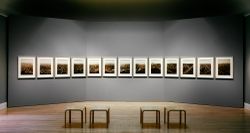
Centring on Eadweard Muybridge’s panoramas, this exhibition examines the representations of San Francisco from 1850 to 1880, a period of phenomenal growth and development for the city. Contextualizing Muybridge’s work, the exhibition includes multi-panel daguerreotype panoramas, photographic panoramas (including sets of stereocards), photographic-view books and albums,(...)
Centring on Eadweard Muybridge’s panoramas, this exhibition examines the representations of San Francisco from 1850 to 1880, a period of phenomenal growth and development for the city. Contextualizing Muybridge’s work, the exhibition includes multi-panel daguerreotype panoramas, photographic panoramas (including sets of stereocards), photographic-view books and albums,(...)
Location:
Main galleries
Main galleries
Date:
31 March 1993 to 25 July 1993
31 March 1993 to 25 July 1993
Title:
Eadweard Muybridge and the Photographic Panorama of San Francisco, 1850-1880
Actions:
Description:
Centring on Eadweard Muybridge’s panoramas, this exhibition examines the representations of San Francisco from 1850 to 1880, a period of phenomenal growth and development for the city. Contextualizing Muybridge’s work, the exhibition includes multi-panel daguerreotype panoramas, photographic panoramas (including sets of stereocards), photographic-view books and albums,(...)
Eadweard Muybridge and the Photographic Panorama of San Francisco, 1850-1880
Actions:
Description:
Centring on Eadweard Muybridge’s panoramas, this exhibition examines the representations of San Francisco from 1850 to 1880, a period of phenomenal growth and development for the city. Contextualizing Muybridge’s work, the exhibition includes multi-panel daguerreotype panoramas, photographic panoramas (including sets of stereocards), photographic-view books and albums,(...)
Form:
exhibitions
exhibitions
Date:
31 March 1993 to
25 July 1993
31 March 1993 to
25 July 1993
Location:
Main galleries
Main galleries


