


1123 Results
Form:
books
books
Actions:
Price:
$44.95
(available to order)
Summary:
On the eve of its 50th anniversary, the Landscape Architecture Foundation asked a diverse group of the world's leading landscape architects to reflect on the last half-century and present bold ideas for what the discipline should achieve in the future. Well beyond the public conception of the profession as "gardener" or "park designer," these landscape architects(...)
$44.95
(available to order)
Summary:
On the eve of its 50th anniversary, the Landscape Architecture Foundation asked a diverse group of the world's leading landscape architects to reflect on the last half-century and present bold ideas for what the discipline should achieve in the future. Well beyond the public conception of the profession as "gardener" or "park designer," these landscape architects(...)
Title:
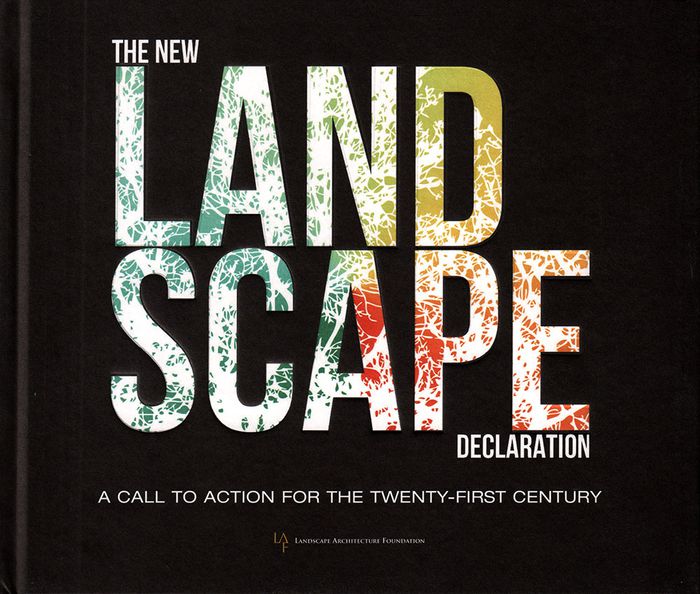
The New Landscape Declaration: a call to action for the twenty-first century
Actions:
Price:
$44.95
(available to order)
Summary:
On the eve of its 50th anniversary, the Landscape Architecture Foundation asked a diverse group of the world's leading landscape architects to reflect on the last half-century and present bold ideas for what the discipline should achieve in the future. Well beyond the public conception of the profession as "gardener" or "park designer," these landscape architects discussed their role in addressing weighty issues like climate change, urbanization, management of vital resources like water, and global inequities. "The New Landscape Declaration" brings together their ideas and experiences in essays from thirty-three preeminent thinkers, including: James Corner, Randy Hester, Kate Orff, Martha Schwartz, Carl Steinitz, Richard Weller, and Kongjian Yu.
The New Landscape Declaration: a call to action for the twenty-first century
Actions:
Price:
$44.95
(available to order)
Summary:
On the eve of its 50th anniversary, the Landscape Architecture Foundation asked a diverse group of the world's leading landscape architects to reflect on the last half-century and present bold ideas for what the discipline should achieve in the future. Well beyond the public conception of the profession as "gardener" or "park designer," these landscape architects discussed their role in addressing weighty issues like climate change, urbanization, management of vital resources like water, and global inequities. "The New Landscape Declaration" brings together their ideas and experiences in essays from thirty-three preeminent thinkers, including: James Corner, Randy Hester, Kate Orff, Martha Schwartz, Carl Steinitz, Richard Weller, and Kongjian Yu.
Form:
books
books
Publication:
November 2017
November 2017
Subject:
Gardens
Gardens
Form:
books
books
Actions:
Price:
$39.95
(available to order)
Summary:
From climate change to migration, all across the world cities are having to come to terms with contemporary challenges for which there are few easy answers. The Amsterdam Agenda invites 12 urban thinkers to share their knowledge, insights, and vision for the future of cities in light of today’s ongoing transformations. Be it the repercussions of over-tourism, alternative(...)
$39.95
(available to order)
Summary:
From climate change to migration, all across the world cities are having to come to terms with contemporary challenges for which there are few easy answers. The Amsterdam Agenda invites 12 urban thinkers to share their knowledge, insights, and vision for the future of cities in light of today’s ongoing transformations. Be it the repercussions of over-tourism, alternative(...)
Subject:
Urban Theory
Urban Theory
Publication:
June 2020
June 2020
Title:
The Amsterdam agenda: 12 good ideas for the future of cities
Actions:
Price:
$39.95
(available to order)
Summary:
From climate change to migration, all across the world cities are having to come to terms with contemporary challenges for which there are few easy answers. The Amsterdam Agenda invites 12 urban thinkers to share their knowledge, insights, and vision for the future of cities in light of today’s ongoing transformations. Be it the repercussions of over-tourism, alternative forms of civic engagement, or incorporating new technologies into existing infrastructure, these are urgent issues with global impact. Based on a 2018 lecture series at the Amsterdam Academy of Architecture, The Amsterdam Agenda brings together the views of today’s brightest names from the fields of architecture, planning, activism, and more.
The Amsterdam agenda: 12 good ideas for the future of cities
Actions:
Price:
$39.95
(available to order)
Summary:
From climate change to migration, all across the world cities are having to come to terms with contemporary challenges for which there are few easy answers. The Amsterdam Agenda invites 12 urban thinkers to share their knowledge, insights, and vision for the future of cities in light of today’s ongoing transformations. Be it the repercussions of over-tourism, alternative forms of civic engagement, or incorporating new technologies into existing infrastructure, these are urgent issues with global impact. Based on a 2018 lecture series at the Amsterdam Academy of Architecture, The Amsterdam Agenda brings together the views of today’s brightest names from the fields of architecture, planning, activism, and more.
Form:
books
books
Publication:
June 2020
June 2020
Subject:
Urban Theory
Urban Theory
Form:
books
books
Actions:
Price:
$42.95
(available to order)
Summary:
Degrowth is an emerging social movement that overlaps with proposals for systemic change such as anti-globalization and climate justice, commons and transition towns, basic income and Buen Vivir. ''Degrowth in Movement(s)'' reflects on the current situation of social movements aiming at overcoming capitalism, industrialism and domination. The essays ask: What is the key(...)
$42.95
(available to order)
Summary:
Degrowth is an emerging social movement that overlaps with proposals for systemic change such as anti-globalization and climate justice, commons and transition towns, basic income and Buen Vivir. ''Degrowth in Movement(s)'' reflects on the current situation of social movements aiming at overcoming capitalism, industrialism and domination. The essays ask: What is the key(...)
Subject:
Critical Theory
Critical Theory
Publication:
June 2020
June 2020
Title:
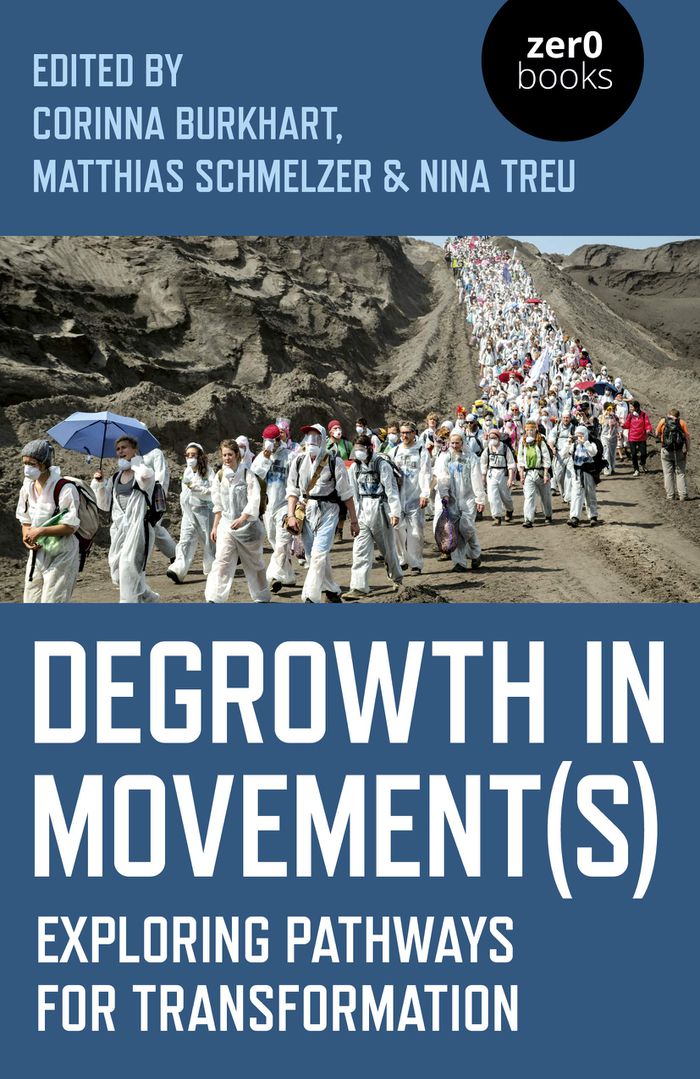
Degrowth in movements: exploring pathways for transformation
Actions:
Price:
$42.95
(available to order)
Summary:
Degrowth is an emerging social movement that overlaps with proposals for systemic change such as anti-globalization and climate justice, commons and transition towns, basic income and Buen Vivir. ''Degrowth in Movement(s)'' reflects on the current situation of social movements aiming at overcoming capitalism, industrialism and domination. The essays ask: What is the key idea of the respective movement? Who is active? What is the relation with the degrowth movement? What can the degrowth movement learn from these other movements and the other way around? Which common proposals, but also which contradictions, oppositions and tensions exist? And what alliances could be possible for broader systemic transformations?
Degrowth in movements: exploring pathways for transformation
Actions:
Price:
$42.95
(available to order)
Summary:
Degrowth is an emerging social movement that overlaps with proposals for systemic change such as anti-globalization and climate justice, commons and transition towns, basic income and Buen Vivir. ''Degrowth in Movement(s)'' reflects on the current situation of social movements aiming at overcoming capitalism, industrialism and domination. The essays ask: What is the key idea of the respective movement? Who is active? What is the relation with the degrowth movement? What can the degrowth movement learn from these other movements and the other way around? Which common proposals, but also which contradictions, oppositions and tensions exist? And what alliances could be possible for broader systemic transformations?
Form:
books
books
Publication:
June 2020
June 2020
Subject:
Critical Theory
Critical Theory
Form:
books
books
Actions:
Price:
$74.00
(available to order)
Summary:
What might the city of the future look like and how might it meet the needs of future generations while limiting damage to our planet's fragile ecosystem? This book introduces pioneering architects, designers and planners whose visions for an alternative urban future address issues such as climate change, population density, infrastructure, transportation and digital(...)
$74.00
(available to order)
Summary:
What might the city of the future look like and how might it meet the needs of future generations while limiting damage to our planet's fragile ecosystem? This book introduces pioneering architects, designers and planners whose visions for an alternative urban future address issues such as climate change, population density, infrastructure, transportation and digital(...)
Title:
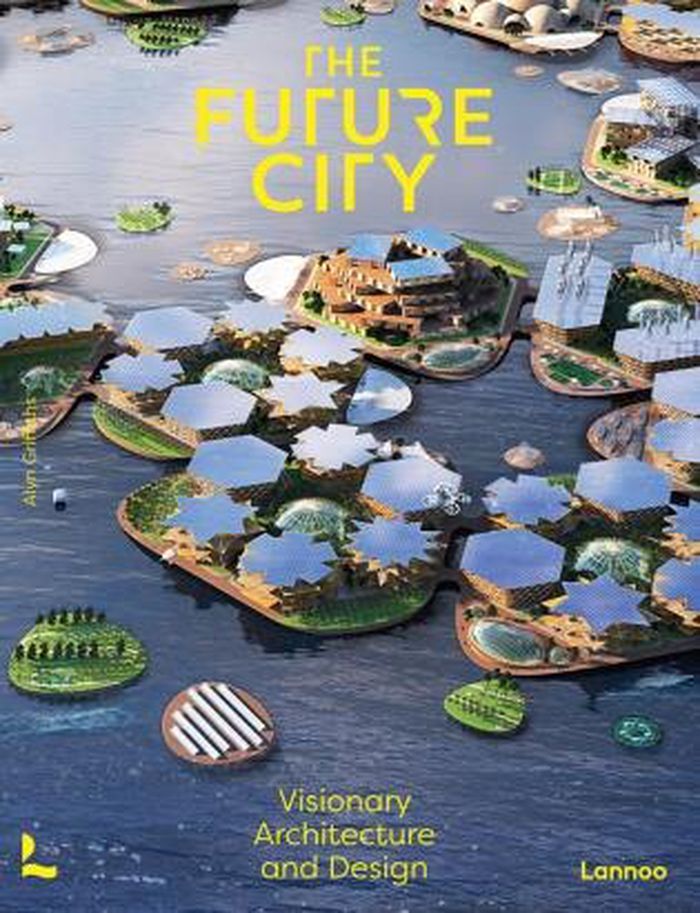
The future city: Visionary urban design and architecture
Actions:
Price:
$74.00
(available to order)
Summary:
What might the city of the future look like and how might it meet the needs of future generations while limiting damage to our planet's fragile ecosystem? This book introduces pioneering architects, designers and planners whose visions for an alternative urban future address issues such as climate change, population density, infrastructure, transportation and digital culture. It includes over 40 radical projects grouped into five key categories: master planning and megacities, transportation and infrastructure, new habitats, green cities/ urban farming, and smart cities. Each category summarises trends that will drive the development of future cities, with each project representing a unique approach to urban development in the 21st century and beyond.
The future city: Visionary urban design and architecture
Actions:
Price:
$74.00
(available to order)
Summary:
What might the city of the future look like and how might it meet the needs of future generations while limiting damage to our planet's fragile ecosystem? This book introduces pioneering architects, designers and planners whose visions for an alternative urban future address issues such as climate change, population density, infrastructure, transportation and digital culture. It includes over 40 radical projects grouped into five key categories: master planning and megacities, transportation and infrastructure, new habitats, green cities/ urban farming, and smart cities. Each category summarises trends that will drive the development of future cities, with each project representing a unique approach to urban development in the 21st century and beyond.
Form:
books
books
Publication:
November 2021
November 2021
Subject:
Urban Theory
Urban Theory
Form:
books
books
Title:
The Anthropocene cookbook
The Anthropocene cookbook
Actions:
Price:
$45.95
(available to order)
Summary:
In the age of the Anthropocene—an era characterized by human-caused climate disaster—catastrophes and dystopias loom. ''The Anthropocene cookbook'' takes our planetary state of emergency as an opportunity to seize the moment to imagine constructive change and new ideas. How can we survive in an age of constant environmental crises? How can we thrive? ''The Anthropocene(...)
$45.95
(available to order)
Summary:
In the age of the Anthropocene—an era characterized by human-caused climate disaster—catastrophes and dystopias loom. ''The Anthropocene cookbook'' takes our planetary state of emergency as an opportunity to seize the moment to imagine constructive change and new ideas. How can we survive in an age of constant environmental crises? How can we thrive? ''The Anthropocene(...)
Title:
The Anthropocene cookbook
Actions:
Price:
$45.95
(available to order)
Summary:
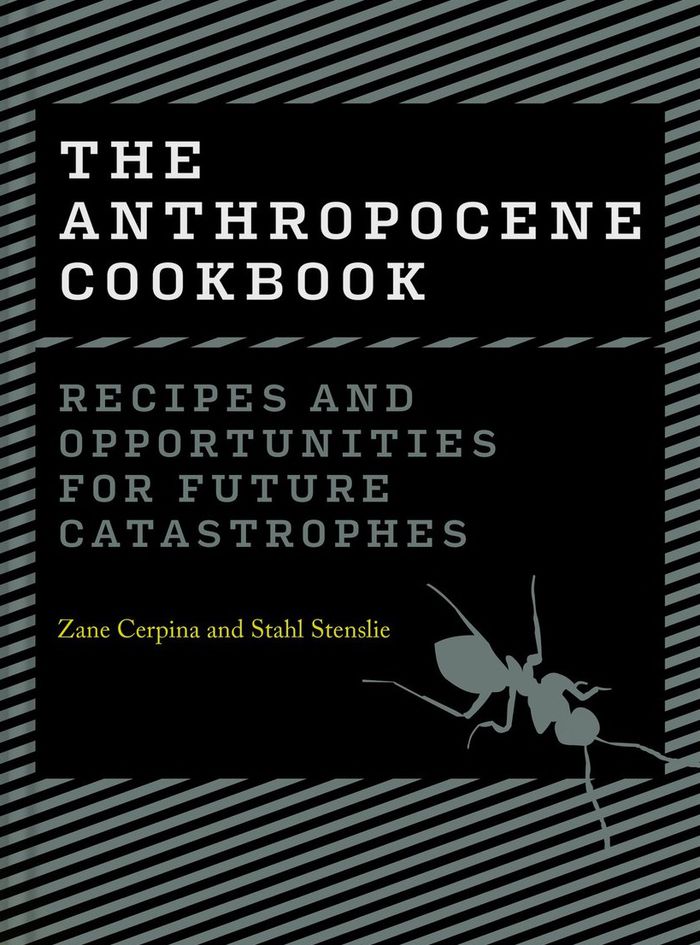
In the age of the Anthropocene—an era characterized by human-caused climate disaster—catastrophes and dystopias loom. ''The Anthropocene cookbook'' takes our planetary state of emergency as an opportunity to seize the moment to imagine constructive change and new ideas. How can we survive in an age of constant environmental crises? How can we thrive? ''The Anthropocene cookbook'' answers these questions by presenting a series of investigative art and design projects that explore how art, food, and creative thinking can prepare us for future catastrophes. This cookbook of ideas rethinks our eating habits and traditions, challenges our food taboos, and proposes new recipes for humanity's survival.
The Anthropocene cookbook
Actions:
Price:
$45.95
(available to order)
Summary:
In the age of the Anthropocene—an era characterized by human-caused climate disaster—catastrophes and dystopias loom. ''The Anthropocene cookbook'' takes our planetary state of emergency as an opportunity to seize the moment to imagine constructive change and new ideas. How can we survive in an age of constant environmental crises? How can we thrive? ''The Anthropocene cookbook'' answers these questions by presenting a series of investigative art and design projects that explore how art, food, and creative thinking can prepare us for future catastrophes. This cookbook of ideas rethinks our eating habits and traditions, challenges our food taboos, and proposes new recipes for humanity's survival.
Form:
books
books
Publication:
October 2022
October 2022
Subject:
Food
Food
Form:
books
books
Actions:
Price:
$30.00
(available to order)
Summary:
A paradigm shift is roiling the environmental world. For decades people have unquestioningly accepted the idea that our goal is to preserve nature in its pristine, pre-human state. But many scientists have come to see this as an outdated dream that thwarts bold new plans to save the environment and prevents us from having a fuller relationship with nature. Humans have(...)
$30.00
(available to order)
Summary:
A paradigm shift is roiling the environmental world. For decades people have unquestioningly accepted the idea that our goal is to preserve nature in its pristine, pre-human state. But many scientists have come to see this as an outdated dream that thwarts bold new plans to save the environment and prevents us from having a fuller relationship with nature. Humans have(...)
Title:
Rambunctious garden: saving nature in a post-wild world
Actions:
Price:
$30.00
(available to order)
Summary:
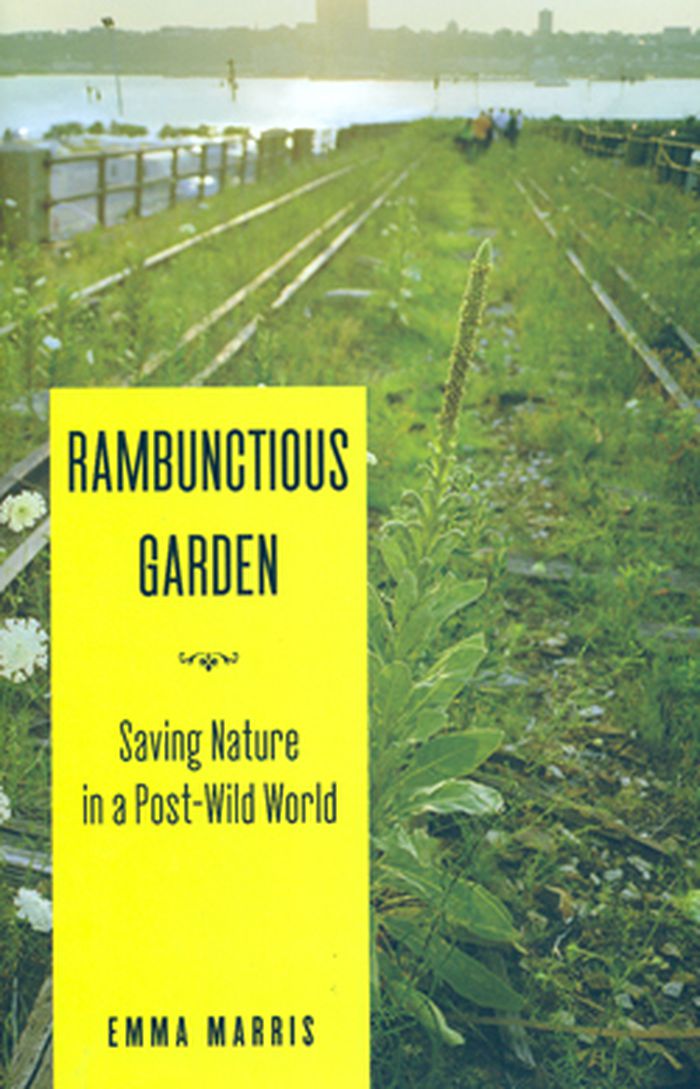
A paradigm shift is roiling the environmental world. For decades people have unquestioningly accepted the idea that our goal is to preserve nature in its pristine, pre-human state. But many scientists have come to see this as an outdated dream that thwarts bold new plans to save the environment and prevents us from having a fuller relationship with nature. Humans have changed the landscapes they inhabit since prehistory, and climate change means even the remotest places now bear the fingerprints of humanity. In this publication, Emma Marris argues convincingly that it is time to look forward and create the "rambunctious garden," a hybrid of wild nature and human management.
Rambunctious garden: saving nature in a post-wild world
Actions:
Price:
$30.00
(available to order)
Summary:
A paradigm shift is roiling the environmental world. For decades people have unquestioningly accepted the idea that our goal is to preserve nature in its pristine, pre-human state. But many scientists have come to see this as an outdated dream that thwarts bold new plans to save the environment and prevents us from having a fuller relationship with nature. Humans have changed the landscapes they inhabit since prehistory, and climate change means even the remotest places now bear the fingerprints of humanity. In this publication, Emma Marris argues convincingly that it is time to look forward and create the "rambunctious garden," a hybrid of wild nature and human management.
Form:
books
books
Publication:
September 2011
September 2011
Subject:
Urban Landscapes
Urban Landscapes
Form:
books
books

Title:
Climatic Architecture
Climatic Architecture
Actions:
Price:
$88.00
(available to order)
Summary:
Architecture and urbanism were traditionally based on climate and health, as we can read in the treatises of Vitruvius, Palladio or Alberti, where exposure to wind and sun, variations in temperature and humidity influenced the forms of cities and buildings. These fundamental causes of urban planning and buildings were ignored in the second half of the 20th century thanks(...)
$88.00
(available to order)
Summary:
Architecture and urbanism were traditionally based on climate and health, as we can read in the treatises of Vitruvius, Palladio or Alberti, where exposure to wind and sun, variations in temperature and humidity influenced the forms of cities and buildings. These fundamental causes of urban planning and buildings were ignored in the second half of the 20th century thanks(...)
Title:
Climatic Architecture
Actions:
Price:
$88.00
(available to order)
Summary:
Architecture and urbanism were traditionally based on climate and health, as we can read in the treatises of Vitruvius, Palladio or Alberti, where exposure to wind and sun, variations in temperature and humidity influenced the forms of cities and buildings. These fundamental causes of urban planning and buildings were ignored in the second half of the 20th century thanks to the enormous use of fossil energy by heating and air conditioning systems, pumps and refrigerators, that today cause the greenhouse effect and global warming. The fight against climate change forces architects and urban designers to take seriously the climatic issue in order to base their design on its the local climatic context and energy resources. Faced with the climatic challenge of the 21st century, we propose to reset our discipline on its intrinsic atmospheric qualities, where air, light, heat or humidity are recognized are real materials of building, convection, thermal conduction, evaporation, emissivity, or effusivity are becoming design tools for composing architecture and cities, and through materialism dialectic, are able to revolutionize esthetic and social values.
Climatic Architecture
Actions:
Price:
$88.00
(available to order)
Summary:
Architecture and urbanism were traditionally based on climate and health, as we can read in the treatises of Vitruvius, Palladio or Alberti, where exposure to wind and sun, variations in temperature and humidity influenced the forms of cities and buildings. These fundamental causes of urban planning and buildings were ignored in the second half of the 20th century thanks to the enormous use of fossil energy by heating and air conditioning systems, pumps and refrigerators, that today cause the greenhouse effect and global warming. The fight against climate change forces architects and urban designers to take seriously the climatic issue in order to base their design on its the local climatic context and energy resources. Faced with the climatic challenge of the 21st century, we propose to reset our discipline on its intrinsic atmospheric qualities, where air, light, heat or humidity are recognized are real materials of building, convection, thermal conduction, evaporation, emissivity, or effusivity are becoming design tools for composing architecture and cities, and through materialism dialectic, are able to revolutionize esthetic and social values.
Form:
books
books
Publication:
November 2023
November 2023
Subject:
Architecture Monographs
Architecture Monographs
Form:
books
books
Actions:
Price:
$41.95
(available in store)
Summary:
In Bangladesh, climate change causes frequent flooding, forcing countless people to find new homes. In response, Bangladeshi architect Marina Tabassum (born 1968) and her team have developed the Khudi Bari (small house): a low-cost structure that can be assembled, disassembled, transported and reassembled in another location by the inhabitants themselves. This publication(...)
$41.95
(available in store)
Summary:
In Bangladesh, climate change causes frequent flooding, forcing countless people to find new homes. In response, Bangladeshi architect Marina Tabassum (born 1968) and her team have developed the Khudi Bari (small house): a low-cost structure that can be assembled, disassembled, transported and reassembled in another location by the inhabitants themselves. This publication(...)
Subject:
Architecture Monographs
Architecture Monographs
Publication:
September 2025
September 2025
Title:
Khudi Barri: A Social Project by Marina Tabassum Architects from Dhaka to Weil am Rhein
Actions:
Price:
$41.95
(available in store)
Summary:
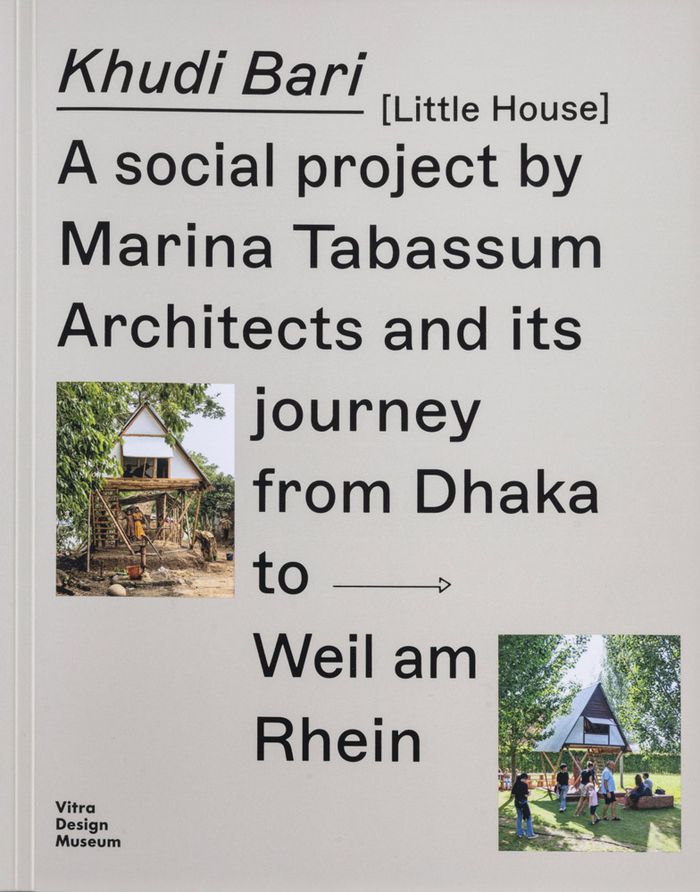
In Bangladesh, climate change causes frequent flooding, forcing countless people to find new homes. In response, Bangladeshi architect Marina Tabassum (born 1968) and her team have developed the Khudi Bari (small house): a low-cost structure that can be assembled, disassembled, transported and reassembled in another location by the inhabitants themselves. This publication contains texts, photographs and illustrations of a Khudi Bari erected on the Vitra Campus in Weil am Rhein, Germany, as an example of a concrete response to problems exacerbated by the climate crisis. Says Tabassum: "Inspiration for this mobile house is rooted in the vernacular style of dwelling that can be found in Bangladesh. These structures are created in the manner of a flatpack system and are generally built along the majestic Padma, Jamuna and Meghna rivers. The houses have a wooden frame structure and corrugated metal facades and roofs, which can be dismantled and relocated in the aftermath of riverbank erosion and reassembled by their owners once they have found a new place to build."
Khudi Barri: A Social Project by Marina Tabassum Architects from Dhaka to Weil am Rhein
Actions:
Price:
$41.95
(available in store)
Summary:
In Bangladesh, climate change causes frequent flooding, forcing countless people to find new homes. In response, Bangladeshi architect Marina Tabassum (born 1968) and her team have developed the Khudi Bari (small house): a low-cost structure that can be assembled, disassembled, transported and reassembled in another location by the inhabitants themselves. This publication contains texts, photographs and illustrations of a Khudi Bari erected on the Vitra Campus in Weil am Rhein, Germany, as an example of a concrete response to problems exacerbated by the climate crisis. Says Tabassum: "Inspiration for this mobile house is rooted in the vernacular style of dwelling that can be found in Bangladesh. These structures are created in the manner of a flatpack system and are generally built along the majestic Padma, Jamuna and Meghna rivers. The houses have a wooden frame structure and corrugated metal facades and roofs, which can be dismantled and relocated in the aftermath of riverbank erosion and reassembled by their owners once they have found a new place to build."
Form:
books
books
Publication:
September 2025
September 2025
Subject:
Architecture Monographs
Architecture Monographs
Form:
books
books
Actions:
Price:
$43.95
(available to order)
Summary:
Le Corbusier famously said, ''A house is a machine for living in.'' We now confront the litany of environmental challenges associated with the legacy of the architectural machine: a changing climate, massive species die-off, diminished air and water quality, and resource scarcities. Brook Muller offers an alternative: water-centric urban design that fosters(...)
$43.95
(available to order)
Summary:
Le Corbusier famously said, ''A house is a machine for living in.'' We now confront the litany of environmental challenges associated with the legacy of the architectural machine: a changing climate, massive species die-off, diminished air and water quality, and resource scarcities. Brook Muller offers an alternative: water-centric urban design that fosters(...)
Title:
Blue architecture: Water, design, and environmental futures
Actions:
Price:
$43.95
(available to order)
Summary:
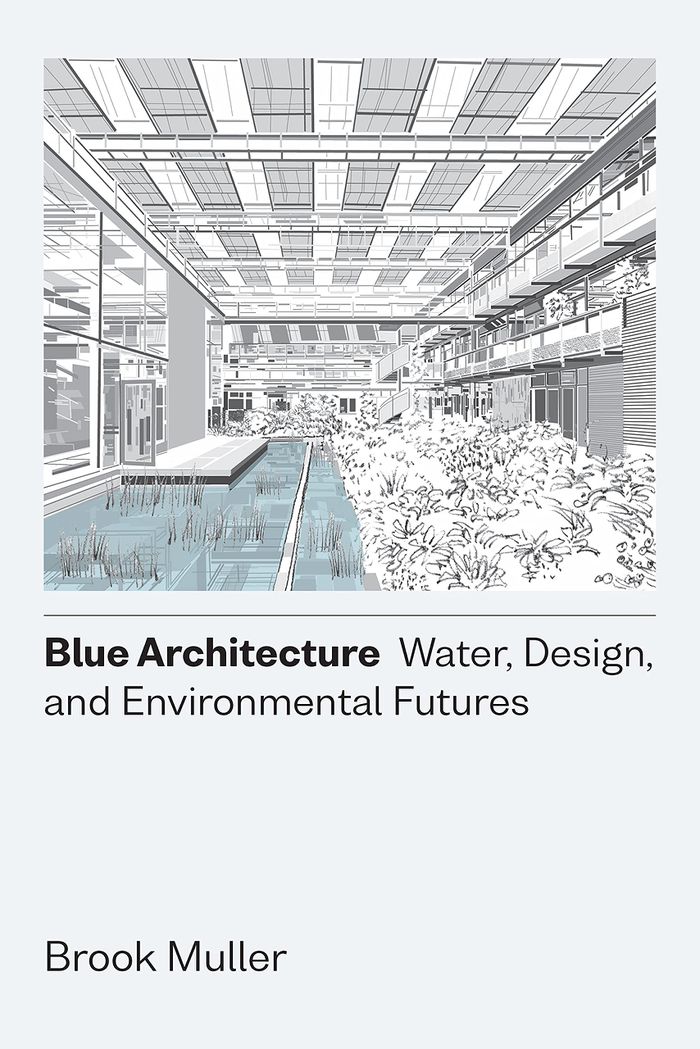
Le Corbusier famously said, ''A house is a machine for living in.'' We now confront the litany of environmental challenges associated with the legacy of the architectural machine: a changing climate, massive species die-off, diminished air and water quality, and resource scarcities. Brook Muller offers an alternative: water-centric urban design that fosters sustainability, equity, and architectural creativity. Inspired by the vernacular, such as the levadas of Madeira Island and both the arid and drenched places of the American West, Muller articulates a ''hydro-logical'' philosophy in which architects and planners begin by conceptualizing interactions between existing waterways and the spaces they intend to develop. From these interactions—and the new technologies and approaches enabling them—aesthetic, spatial, and experiential opportunities follow. Not content merely to work around sensitive ecology, Muller argues for genuinely climate-adapted urban landscapes in which buildings act as ecological infrastructure that actually improve watersheds while delivering functionality and beauty for diverse communities. Rich in images and practical examples, ''Blue architecture'' will change the way we think about our designed world.
Blue architecture: Water, design, and environmental futures
Actions:
Price:
$43.95
(available to order)
Summary:
Le Corbusier famously said, ''A house is a machine for living in.'' We now confront the litany of environmental challenges associated with the legacy of the architectural machine: a changing climate, massive species die-off, diminished air and water quality, and resource scarcities. Brook Muller offers an alternative: water-centric urban design that fosters sustainability, equity, and architectural creativity. Inspired by the vernacular, such as the levadas of Madeira Island and both the arid and drenched places of the American West, Muller articulates a ''hydro-logical'' philosophy in which architects and planners begin by conceptualizing interactions between existing waterways and the spaces they intend to develop. From these interactions—and the new technologies and approaches enabling them—aesthetic, spatial, and experiential opportunities follow. Not content merely to work around sensitive ecology, Muller argues for genuinely climate-adapted urban landscapes in which buildings act as ecological infrastructure that actually improve watersheds while delivering functionality and beauty for diverse communities. Rich in images and practical examples, ''Blue architecture'' will change the way we think about our designed world.
Form:
books
books
Publication:
May 2022
May 2022
Subject:
Green Architecture
Green Architecture
Form:
books
books
Title:
Designing the X
Designing the X
Actions:
Price:
$53.95
(available to order)
Summary:
As the pace of global change accelerates—ecologically, socially, and technologically—our traditional ways of understanding and responding to change fall short. We now live in an era of supercomplexity, where challenges like climate instability, migration, technological disruption, resource depletion, and systemic inequality converge and defy conventional(...)
$53.95
(available to order)
Summary:
As the pace of global change accelerates—ecologically, socially, and technologically—our traditional ways of understanding and responding to change fall short. We now live in an era of supercomplexity, where challenges like climate instability, migration, technological disruption, resource depletion, and systemic inequality converge and defy conventional(...)
Title:
Designing the X
Actions:
Price:
$53.95
(available to order)
Summary:
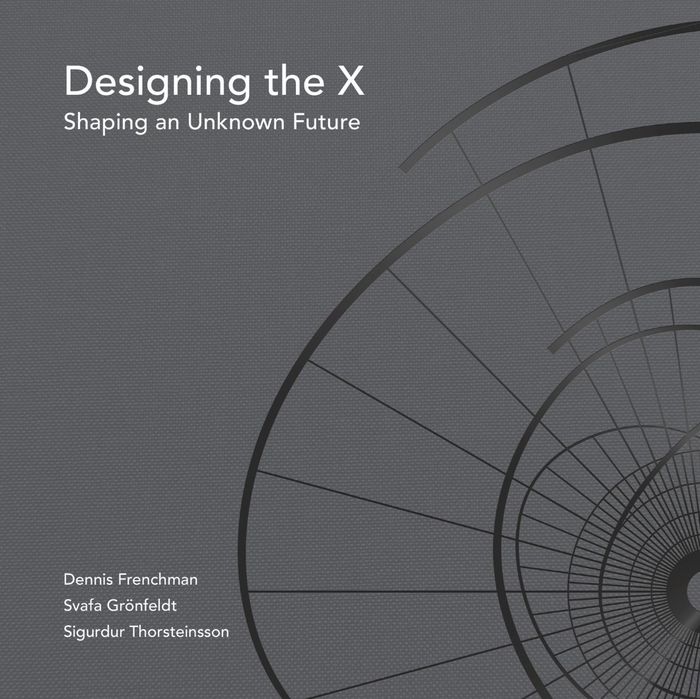
As the pace of global change accelerates—ecologically, socially, and technologically—our traditional ways of understanding and responding to change fall short. We now live in an era of supercomplexity, where challenges like climate instability, migration, technological disruption, resource depletion, and systemic inequality converge and defy conventional solutions. ''Designing the X'' meets this moment with a bold and timely proposition: when data, science, and analysis alone are insufficient to move us forward, we must turn to design as a powerful mode of reasoning through synthesis, where intuition meets insight and imagination drives action. Design enables us to move with complexity, not against it, and to shape futures beyond the limits of the present. Grounded in praxis and research—including 67 interviews with designers, technologists and scientists, innovators and entrepreneurs, urbanists, and educators— ''Designing the X'' makes a compelling case for design as an essential partner to science and technology: integrative, inventive, and profoundly human. The “X” stands for what’s missing in today’s analytic methods: the leap from parts to greater wholes, from current conditions to future potential. This book is for anyone seeking agency in an age of accelerating change. It’s a compass for those ready to imagine—and design—the future we cannot yet see.
Designing the X
Actions:
Price:
$53.95
(available to order)
Summary:
As the pace of global change accelerates—ecologically, socially, and technologically—our traditional ways of understanding and responding to change fall short. We now live in an era of supercomplexity, where challenges like climate instability, migration, technological disruption, resource depletion, and systemic inequality converge and defy conventional solutions. ''Designing the X'' meets this moment with a bold and timely proposition: when data, science, and analysis alone are insufficient to move us forward, we must turn to design as a powerful mode of reasoning through synthesis, where intuition meets insight and imagination drives action. Design enables us to move with complexity, not against it, and to shape futures beyond the limits of the present. Grounded in praxis and research—including 67 interviews with designers, technologists and scientists, innovators and entrepreneurs, urbanists, and educators— ''Designing the X'' makes a compelling case for design as an essential partner to science and technology: integrative, inventive, and profoundly human. The “X” stands for what’s missing in today’s analytic methods: the leap from parts to greater wholes, from current conditions to future potential. This book is for anyone seeking agency in an age of accelerating change. It’s a compass for those ready to imagine—and design—the future we cannot yet see.
Form:
books
books
Publication:
October 2025
October 2025
Subject:
Design Theory
Design Theory


