


9995 Results
Form:
books
books
Title:
Gens du fleuve, gens de l'île : Hochelaga en Laurentie iroquoienne au XVIe siècle / Roland Viau.
Gens du fleuve, gens de l'île : Hochelaga en Laurentie iroquoienne au XVIe siècle / Roland Viau.
Actions:
Holdings:
Description:
344 pages : illustrations, maps ; 23 cm
Description:
344 pages : illustrations, maps ; 23 cm
Author:
Subject:
Publication:
Montréal (Québec) : Boréal, [2021], ©2021
Montréal (Québec) : Boréal, [2021], ©2021
Title:
Gens du fleuve, gens de l'île : Hochelaga en Laurentie iroquoienne au XVIe siècle / Roland Viau.
Actions:
Holdings:
Description:
344 pages : illustrations, maps ; 23 cm
Gens du fleuve, gens de l'île : Hochelaga en Laurentie iroquoienne au XVIe siècle / Roland Viau.
Actions:
Holdings:
Description:
344 pages : illustrations, maps ; 23 cm
Form:
books
books
Publication:
Montréal (Québec) : Boréal, [2021], ©2021
Montréal (Québec) : Boréal, [2021], ©2021
Author:
Subject:
Form:
books
books
Actions:
Holdings:
Description:
416 pages, 15 unnumbered leaves of plates : illustrations (some color) ; 30 cm
Description:
416 pages, 15 unnumbered leaves of plates : illustrations (some color) ; 30 cm
Author:
Subject:
Publication:
London : Paul Hamlyn, ©1963.
London : Paul Hamlyn, ©1963.
Title:
Larousse encyclopedia of Byzantine and medieval art / general editor, René Huyghe.
Actions:
Holdings:
Description:
416 pages, 15 unnumbered leaves of plates : illustrations (some color) ; 30 cm
Larousse encyclopedia of Byzantine and medieval art / general editor, René Huyghe.
Actions:
Holdings:
Description:
416 pages, 15 unnumbered leaves of plates : illustrations (some color) ; 30 cm
Form:
books
books
Publication:
London : Paul Hamlyn, ©1963.
London : Paul Hamlyn, ©1963.
Author:
Subject:
Form:
books
books
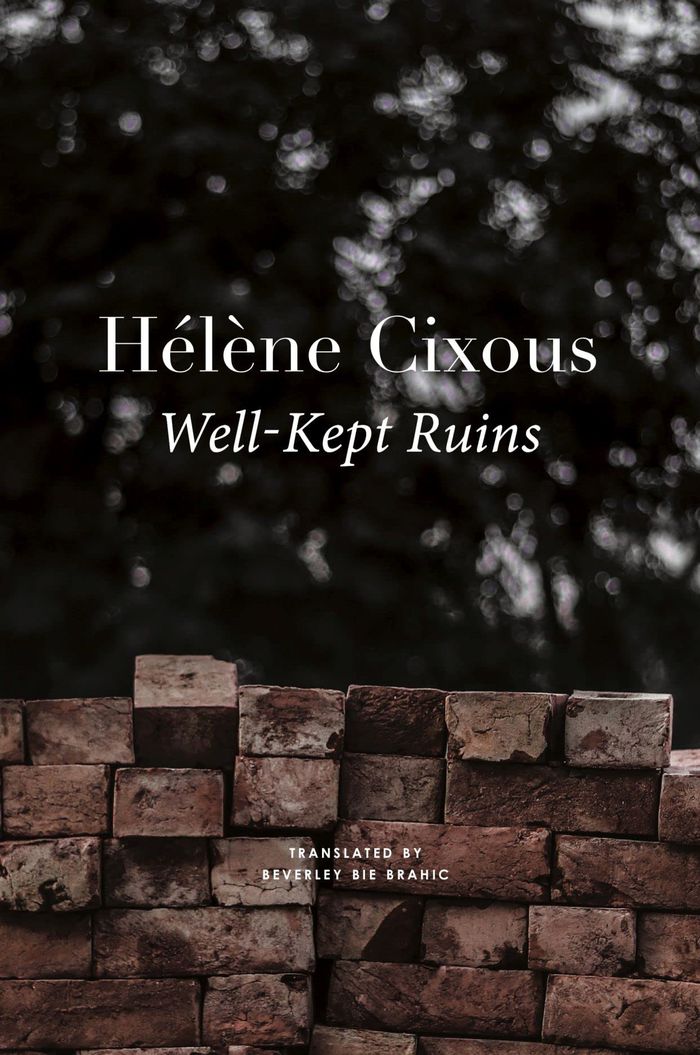
Title:
Well-kept ruins
Well-kept ruins
Actions:
Price:
$33.95
(available to order)
Summary:
In the Lower Saxony region of northwestern Germany sits the city of Osnabrück. This is where, in 1648, the Peace of Westphalia was signed, bringing the Thirty Years’ War and one of the most calamitous periods of European history to an end. But the city was later to witness another calamity. Today, as one walks through Old Synagogue Street in a rich neighborhood of(...)
Title:
Well-kept ruins
Actions:
Price:
$33.95
(available to order)
Summary:
In the Lower Saxony region of northwestern Germany sits the city of Osnabrück. This is where, in 1648, the Peace of Westphalia was signed, bringing the Thirty Years’ War and one of the most calamitous periods of European history to an end. But the city was later to witness another calamity. Today, as one walks through Old Synagogue Street in a rich neighborhood of Osnabrück, one might miss noticing a pile of pale stones held together by chicken wire that sits between two fashionable homes. These are the well-kept ruins from behind which stares a gaping space—a place of memory and oblivion. Four polished plaques tell the tale of the horror-filled night of November 9, 1938—today known as Kristallnacht—when the synagogue that had stood on this spot was desecrated, looted, set on fire, and eventually demolished by Hitler’s forces. On the same day, ninety parishioners were imprisoned by the Gestapo and eventually sent to the Buchenwald concentration camp. Osnabrück was also home to Eve Klein, a member of the city’s early-twentieth-century Jewish community and the mother of author Hélène Cixous. In Well-Kept Ruins, Cixous returns to the historic city in 2019 and reflects on the remains of the synagogue that “express the life lost, the life kept.” Walking the streets of the city, plumbing the depths of the past along with her own family’s history, looking deep into the future, and punctuating her poetic prose with haunting photographs, Cixous explores the ruins at the heart of humanity. Part memoir, part philosophical meditation, ''Well-kept ruins'' is a genre-defying and timely reflection of the contemporary human condition.
Form:
books
books
Publication:
December 2022
December 2022
Subject:
Literature and poetry
Literature and poetry
Form:
books
books
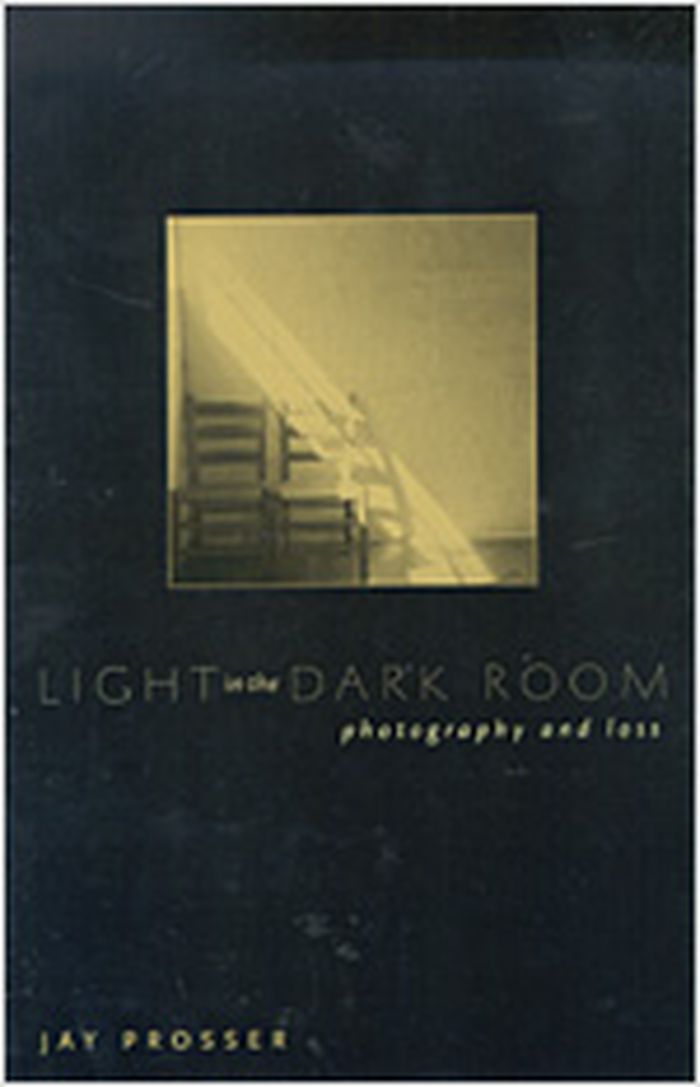
Actions:
Price:
$29.95
(available to order)
Summary:
"Light in the Dark Room" explores photography not as a document of the past but rather as a realization of what we have lost. When we look at a photograph we see a moment that is no more. Photographs place reality into the past tense, representing not memory but memory’s loss. They are not conduits for the return of memory, but memento mori: reminders of the fact of(...)
Title:
Light in the dark room : photography and loss
Actions:
Price:
$29.95
(available to order)
Summary:
"Light in the Dark Room" explores photography not as a document of the past but rather as a realization of what we have lost. When we look at a photograph we see a moment that is no more. Photographs place reality into the past tense, representing not memory but memory’s loss. They are not conduits for the return of memory, but memento mori: reminders of the fact of death itself. And it is in this, Jay Prosser tells us, that we find the gift of photography. Engaging the photographic reflections of figures as different as Roland Barthes and Claude Lévi-Strauss, Gordon Parks and Elizabeth Bishop, "Light in the Dark Room" offers a vision of photography as realization of loss - and a revelation of how photographs can shed light on the dark rooms of our lives. Beginning with an analysis of Roland Barthes’s "Camera Lucida", Prosser explores the relationship of autobiography and photography and then considers Lévi-Strauss’s last published book, his photographic memoir; he uncovers the collection of photography painstakingly assembled by poet Elizabeth Bishop but never published; and he recounts the story of a forgotten Brazilian boy from the 1960s who lost his home as a result of photographs. The losses this book recalls are poignant yet universal - a son loses his mother; an anthropologist, his culture; a photographer, his youth; a poet, her lover. Among these personal and moving losses and the remarkable photographs that accompany them, Prosser weaves his own meditations on photography, on the interdependence of loss and enlightenment, on the emergence of our technologized society - and the world we have lost in the process.
Form:
books
books
Publication:
December 2005, Minneapolis
December 2005, Minneapolis
Subject:
Theory of Photography
Theory of Photography
Form:
books
books

Actions:
Price:
$27.50
(available to order)
Summary:
The American suburban dream house-a single-family, detached dwelling, frequently clustered in tight rows and cul-de-sacs-has been attacked for some time as homogeneous and barren, yet the suburbs are home to half of the American population. Architectural historian John Archer suggests the endurance of the ideal house is deeply rooted in the notions of privacy, property,(...)
Title:
Architecture and suburbia: from english villa to American dream house, 1690-2000
Actions:
Price:
$27.50
(available to order)
Summary:
The American suburban dream house-a single-family, detached dwelling, frequently clustered in tight rows and cul-de-sacs-has been attacked for some time as homogeneous and barren, yet the suburbs are home to half of the American population. Architectural historian John Archer suggests the endurance of the ideal house is deeply rooted in the notions of privacy, property, and selfhood that were introduced in late seventeenth-century England and became the foundation of the American nation and identity. Spanning four centuries, Architecture and Suburbia explores phenomena ranging from household furnishings and routines to the proliferation of the dream house in parallel with Cold War politics. Beginning with John Locke, whose Enlightenment philosophy imagined individuals capable of self-fulfillment, Archer examines the eighteenth-century British bourgeois villa and the earliest London suburbs. He recounts how early American homeowners used houses to establish social status and how twentieth-century Americans continued to flock to single-family houses in the suburbs, encouraged by patriotism, fueled by consumerism, and resisting disdain by disaffected youths, designers, and intellectuals. Finally, he recognizes “hybridized” or increasingly diverse American suburbs as the dynamic basis for a strengthened social fabric. From Enlightenment philosophy to rap lyrics, from the rise of a mercantile economy to discussions over neighborhoods, sprawl, and gated communities, Archer addresses the past, present, and future of the American dream house. John Archer is professor of cultural studies and comparative literature at the University of Minnesota. His book The Literature of British Domestic Architecture, 1715-1842, is the standard reference on the subject, and he also contributed to the Encyclopedia of Urban America and the Encyclopedia of Twentieth-Century Architecture.
Form:
books
books
Publication:
February 2008, Minneapolis, London
February 2008, Minneapolis, London
Subject:
Suburbs
Suburbs
Form:
books
books
Actions:
Price:
$67.95
(available to order)
Summary:
Between 1949 and 1953, Robert Frank continually returned to Europe from his new home in New York to take photographs in France, Switzerland, Spain, and Great Britain, photographs that show the development of his uniquely humanist, poetic, and realist eye. In 1951 and early 1952, Frank visited London--"I liked the light, I liked the fog."--and set out to photograph the(...)
Subject:
Photography monographs
Photography monographs
Publication:
June 2003, Zurich, Berlin and New York
June 2003, Zurich, Berlin and New York
Title:
Robert Frank : London / Wales
Actions:
Price:
$67.95
(available to order)
Summary:
Between 1949 and 1953, Robert Frank continually returned to Europe from his new home in New York to take photographs in France, Switzerland, Spain, and Great Britain, photographs that show the development of his uniquely humanist, poetic, and realist eye. In 1951 and early 1952, Frank visited London--"I liked the light, I liked the fog."--and set out to photograph the unique atmosphere of the city. He followed British financiers around the City, capturing them in their traditional top hats and long coats, creating images that depict them in a poetic dance with their fog-shrouded environment. He shot pictures of workers, men delivering coal, children playing on the streets, people waiting or relaxing in the parks, and images of poverty. In these photographs he juxtaposed money and work, wealth and poverty, creating a dynamic photographic project that has never been shown before in its entirety. Then, in March 1953, before the impending nationalization of the country's coal mines, Frank travelled to the town of Careau, in Wales, to photograph the coal miners whose lives revolved around their work. One miner, Ben James, and his family became the subject of a picture essay (originally published in a 1955 issue of U.S. Camera) in which Frank downplayed the classic modernist photographic moment in favor of a more provocative form that offered informal, revealing glances rather than an official document. In "Robert Frank: London/Wales", Frank returns for the first time to these old negatives. The volume explores a stylistic transformation in his work, a period of development which saw his mode of photography move from an innovative romanticism to a highly charged, metaphorical realism.
Form:
books
books
Publication:
June 2003, Zurich, Berlin and New York
June 2003, Zurich, Berlin and New York
Subject:
Photography monographs
Photography monographs
Form:
books
books
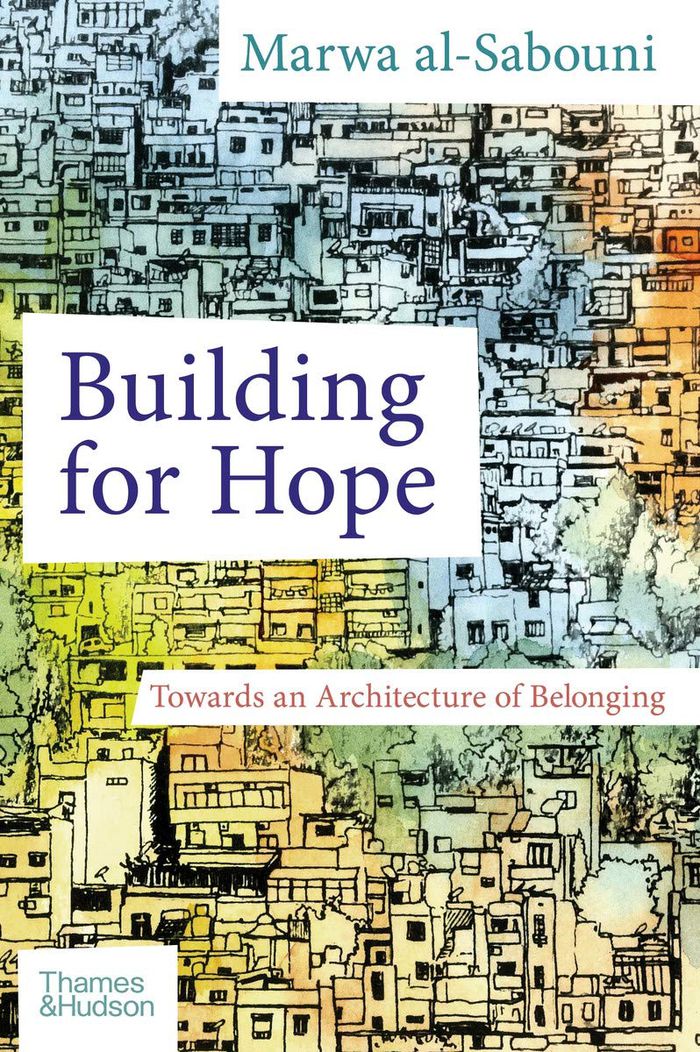
Title:
Building for hope
Building for hope
Actions:
Price:
$39.95
(available to order)
Summary:
This new book by Syrian architect Marwa al-Sabouni, seeks to understand how cities and buildings- scarred by conflict, blight, and pandemic- can be healed through design and urban mindfulness. When Marwa al-Sabouni published Battle for Home in 2016, she was a little-known architect, living in battle-ravaged Homs, Syria, unable to practice her profession. She turned her(...)
Title:
Building for hope
Actions:
Price:
$39.95
(available to order)
Summary:
This new book by Syrian architect Marwa al-Sabouni, seeks to understand how cities and buildings- scarred by conflict, blight, and pandemic- can be healed through design and urban mindfulness. When Marwa al-Sabouni published Battle for Home in 2016, she was a little-known architect, living in battle-ravaged Homs, Syria, unable to practice her profession. She turned her fierce intelligence to chronicling how her city and country were undone through decades of architectural mismanagement and mistakes. Once published, Marwa al-Sabouni’s book and story attracted the attention of international media- CNN, The New York Times- and received critical acclaim worldwide. The United Nations called on her for insights and expertise. She became a TED fellow, was invited to speak to audiences around the world, and some suggested she be nominated for architecture’s highest honor, the Pritzker Prize. Al-Sabouni’s deep understanding of Middle Eastern heritage and architecture gives her insight into a wide range of cities, informing her views on how cities work best, how they might fail, and what can be done to harmonize the lives of all their inhabitants. In this new book, al-Sabouni draws together several narratives: her personal and professional observations of some of the world’s most fascinating cities, from Detroit to Helsinki; the lessons that Western societies might learn from Islamic culture and design; and philosophical reflections on how our personal and communal spaces can provide the basic foundations for happiness. Through this tapestry of personal experience, unblinking perspective, and insight, al-Sabouni offers real-world solutions- and hope- for how peace might be created through mindful urban planning.
Form:
books
books
Publication:
April 2021
April 2021
Subject:
Architectural Theory
Architectural Theory
Form:
books
books
Actions:
Price:
$57.00
(available in store)
Summary:
In 1983, Ursula Schulz-Dornburg accompanied two ethnologists and an architect on a research trip to Tana Toraja on the central Indonesian island of Sulawesi. Initiated by the Royal Tropical Institute of Amsterdam, the trip was intended to “explore the changing patterns in architecture and symbolism among the Sa‘dan Toraja”. On the way back from Rantepao to Ujung Pandang(...)
Title:
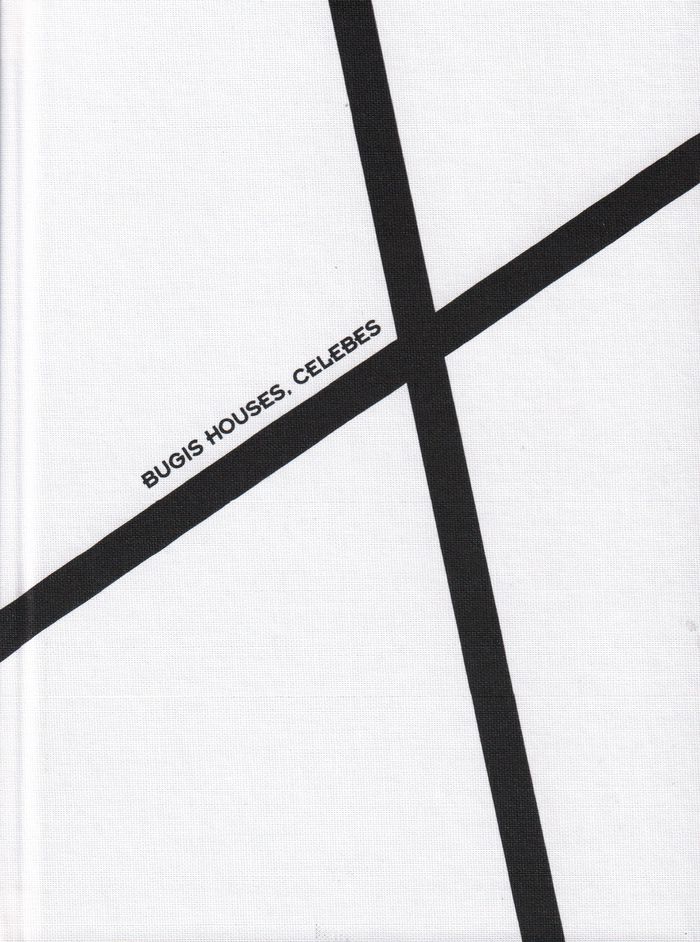
Ursula Schulz-Dornburg: Bugis Houses, Celebes
Actions:
Price:
$57.00
(available in store)
Summary:
In 1983, Ursula Schulz-Dornburg accompanied two ethnologists and an architect on a research trip to Tana Toraja on the central Indonesian island of Sulawesi. Initiated by the Royal Tropical Institute of Amsterdam, the trip was intended to “explore the changing patterns in architecture and symbolism among the Sa‘dan Toraja”. On the way back from Rantepao to Ujung Pandang airport, Schulz-Dornburg passed the distinctive houses of the Bugis or To-Ugiq people, perched on the yellow paddy fields. Fascinated by their complex, expressive architectures, she began to photograph the houses in the short time she had before leaving, realising that the structures would likely not exist in their traditional form for much longer. The result is a body of work that not only surveys the houses’ physical forms but also considers wide-ranging ideas of physical and emotional homebuilding and the precarious place of tradition in the present day. Poised between heaven and earth and standing above the water when the rice fields are flooded, the Bugis houses reflect the creation myth of their people, in which the gods of the upper and lower worlds came together to create man to populate the uninhabited middle world. The farmers depicted by Schulz-Dornburg are likewise suspended between historic tradition and the impending pressures of the contemporary world. As they go about their work or greet her camera, they and their homes are held in the balance between past and future, mythology and everyday reality. With these shrewd and sensitive images, Schulz-Dornburg captures life as it is built and lived within a particular culture and landscape, offering a searching reflection on the places we call home.
Form:
books
books
Publication:
July 2021
July 2021
Subject:
Photography monographs
Photography monographs
Form:
books
books
Title:
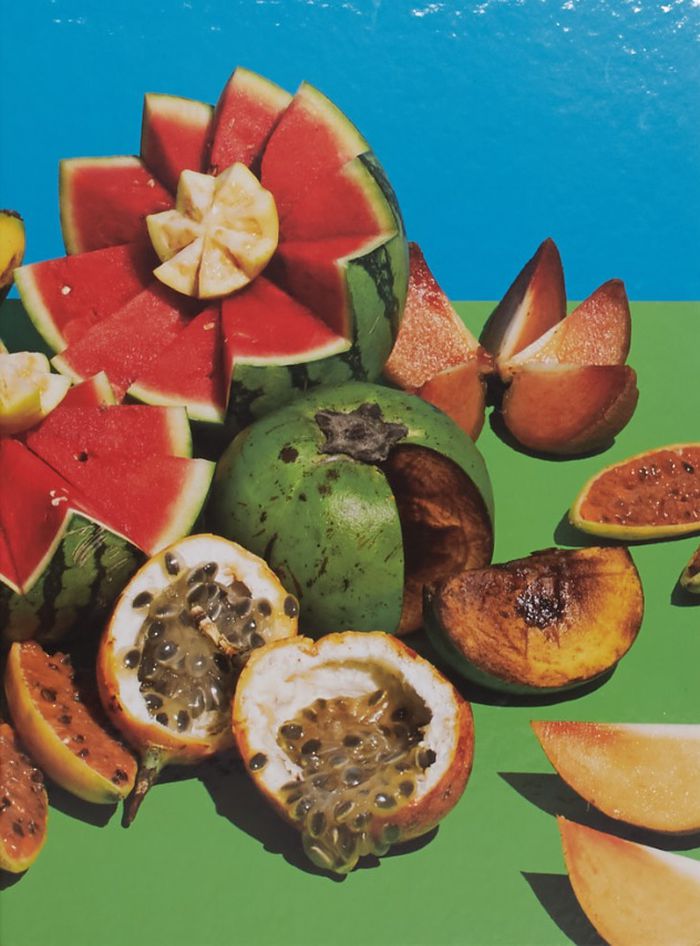
Phyllis Ma: Special nothing
Phyllis Ma: Special nothing
Actions:
Price:
$65.00
(available to order)
Summary:
In a supermarket in Berlin, wandering through aisle after aisle of processed meats, the artist Phyllis Ma conceived of Special Nothing, a collection of travel photos that take the form of still lifes. To Ma, ''special nothings'' are those everyday objects that, on the right day, or in the right moment, are sources of pure delight: a very hairy flower; a block of head(...)
Title:
Phyllis Ma: Special nothing
Actions:
Price:
$65.00
(available to order)
Summary:
In a supermarket in Berlin, wandering through aisle after aisle of processed meats, the artist Phyllis Ma conceived of Special Nothing, a collection of travel photos that take the form of still lifes. To Ma, ''special nothings'' are those everyday objects that, on the right day, or in the right moment, are sources of pure delight: a very hairy flower; a block of head cheese the size and shape of an iPhone; a gherkin that looks especially perverse. If you pay attention, you can find these special nothings in your home or on your block, but we tend to be more attuned to them when we’re in an unfamiliar place. In a new country, the most mundane sights and tasks are often fascinating, difficult, and strange: doing laundry, boarding a bus, buying groceries. But it’s in supermarkets, with their promise of familiarity — the same bright overhead lighting, neat aisles, and row of checkout counters can be found the world over — where things become most uncanny. In today’s global economy, you can visit a supermarket in any major city and find many of the same goods and brands that you would in your hometown. And yet everything isn’t the same. Refrigeration practices differ, labels confuse. You are seduced by a product’s packaging, want to buy it badly, but then realize you’re not even sure what type of food it is. This feeling of wonderment is at the heart of Ma’s fantastical aesthetic. Created in Berlin, London, Tokyo, Mexico City and New York, ''Special nothing'' is a unique travel diary, a distillation of those moments when the commonplace and the strange coalesce, turn into something magical, surreal.
Form:
books
books
Publication:
October 2020
October 2020
Subject:
Photography monographs
Photography monographs
Form:
books
books
Actions:
Holdings:
Description:
250 pages : color illustrations, color maps ; 32 cm
Description:
250 pages : color illustrations, color maps ; 32 cm
Author:
Subject:
Publication:
Marseille : Parenthèses : Bibliothèque municipale de Marseille, 1998.
Marseille : Parenthèses : Bibliothèque municipale de Marseille, 1998.
Title:
Pascal Coste, toutes les Egypte.
Actions:
Holdings:
Description:
250 pages : color illustrations, color maps ; 32 cm
Pascal Coste, toutes les Egypte.
Actions:
Holdings:
Description:
250 pages : color illustrations, color maps ; 32 cm
Form:
books
books
Publication:
Marseille : Parenthèses : Bibliothèque municipale de Marseille, 1998.
Marseille : Parenthèses : Bibliothèque municipale de Marseille, 1998.
Author:
Subject:


