


9995 Results
Form:
books
books
Actions:
Holdings:
Description:
xi, 260 pages : illustrations, maps ; 24 cm
Description:
xi, 260 pages : illustrations, maps ; 24 cm
Author:
Subject:
- Historic sites United States.,
- Landscapes Social aspects United States History.,
- Sex role United States History.,
- Man-woman relationships United States History.,
- Social archaeology United States.,
- Archaeology and history United States.,
- Feminist archaeology United States.,
- Paysages Aspect social États-Unis Histoire.,
- Rôle selon le sexe États-Unis Histoire.,
- Relations entre hommes et femmes États-Unis Histoire.,
- Archéologie sociale États-Unis.,
- Archéologie et histoire États-Unis.,
- Féminisme et archéologie États-Unis.,
- Antiquities,
- Archaeology and history,
- Feminist archaeology,
- Historic sites,
- Landscapes Social aspects,
- Man-woman relationships,
- Sex role,
- Social archaeology,
- Geschlechterverhältnis,
- Stadtentwicklung,
- Soziale Situation,
- Gender roles,
- United States Antiquities.,
- United States History, Local.,
- États-Unis Antiquités.,
- United States,
- USA,
- History,
- Local history
(See more)
Publication:
Knoxville : University of Tennessee Press, ©2003.
Knoxville : University of Tennessee Press, ©2003.
Title:
Shared spaces and divided places : material dimensions of gender relations and the American historical landscape / edited by Deborah L. Rotman and Ellen-Rose Savulis.
Actions:
Holdings:
Description:
xi, 260 pages : illustrations, maps ; 24 cm
Shared spaces and divided places : material dimensions of gender relations and the American historical landscape / edited by Deborah L. Rotman and Ellen-Rose Savulis.
Actions:
Holdings:
Description:
xi, 260 pages : illustrations, maps ; 24 cm
Form:
books
books
Publication:
Knoxville : University of Tennessee Press, ©2003.
Knoxville : University of Tennessee Press, ©2003.
Author:
Subject:
- Historic sites United States.,
- Landscapes Social aspects United States History.,
- Sex role United States History.,
- Man-woman relationships United States History.,
- Social archaeology United States.,
- Archaeology and history United States.,
- Feminist archaeology United States.,
- Paysages Aspect social États-Unis Histoire.,
- Rôle selon le sexe États-Unis Histoire.,
- Relations entre hommes et femmes États-Unis Histoire.,
- Archéologie sociale États-Unis.,
- Archéologie et histoire États-Unis.,
- Féminisme et archéologie États-Unis.,
- Antiquities,
- Archaeology and history,
- Feminist archaeology,
- Historic sites,
- Landscapes Social aspects,
- Man-woman relationships,
- Sex role,
- Social archaeology,
- Geschlechterverhältnis,
- Stadtentwicklung,
- Soziale Situation,
- Gender roles,
- United States Antiquities.,
- United States History, Local.,
- États-Unis Antiquités.,
- United States,
- USA,
- History,
- Local history
(See more)
Form:
books
books
Actions:
Holdings:
Description:
153 pages : illustrations (some color) ; 36 cm
Description:
153 pages : illustrations (some color) ; 36 cm
Subject:
- Ma, Yansong, 1975- Exhibitions.,
- Ma, Yansong, 1975-,
- MAD Ltd. Exhibitions.,
- MAD Ltd.,
- Architecture, Chinese Exhibitions.,
- Architecture, Modern 21st century Exhibitions.,
- Architecture chinoise Expositions.,
- Architecture 21e siècle Expositions.,
- Architecture, Modern,
- Architecture, Chinese,
- Exhibition catalogs.
(See more)
Publication:
Orléans : Éditions Hyx, [2019], ©2019
Orléans : Éditions Hyx, [2019], ©2019
Title:
Mad X : 10 projects by MAD Architects / Ma Yansong ; curateur, Frédéric Migayrou.
Actions:
Holdings:
Description:
153 pages : illustrations (some color) ; 36 cm
Mad X : 10 projects by MAD Architects / Ma Yansong ; curateur, Frédéric Migayrou.
Actions:
Holdings:
Description:
153 pages : illustrations (some color) ; 36 cm
Form:
books
books
Publication:
Orléans : Éditions Hyx, [2019], ©2019
Orléans : Éditions Hyx, [2019], ©2019
Subject:
- Ma, Yansong, 1975- Exhibitions.,
- Ma, Yansong, 1975-,
- MAD Ltd. Exhibitions.,
- MAD Ltd.,
- Architecture, Chinese Exhibitions.,
- Architecture, Modern 21st century Exhibitions.,
- Architecture chinoise Expositions.,
- Architecture 21e siècle Expositions.,
- Architecture, Modern,
- Architecture, Chinese,
- Exhibition catalogs.
(See more)
Form:
books
books
Actions:
Holdings:
Description:
xiii, 341 pages ; 24 cm.
Description:
xiii, 341 pages ; 24 cm.
Subject:
- Urban ecology (Sociology) Europe History.,
- Urbanization Environmental aspects Europe History.,
- Cities and towns Europe History.,
- Human ecology Europe History.,
- Nature Effect of human beings on Europe History.,
- Écologie urbaine Europe Histoire.,
- Urbanisation Aspect de l'environnement Europe Histoire.,
- Villes Europe Histoire.,
- Homme Influence sur la nature Europe Histoire.,
- Cities and towns.,
- Human ecology.,
- Nature Effect of human beings on.,
- Urban ecology (Sociology),
- Urbanization Environmental aspects.,
- Humanökologie,
- Landnutzung,
- Landschaftsentwicklung,
- Landschaftsplanung,
- Naturraum,
- Stadtökologie,
- Stadtplanung,
- Stadtsoziologie,
- Umweltbelastung,
- Verstädterung,
- Europe.,
- Europa,
- History.
(See more)
Publication:
New York : Routledge, 2019.
New York : Routledge, 2019.
Title:
Urbanizing nature : actors and agency (dis)connecting cities and nature since 1500 / edited by Tim Soens, Dieter Schott, Michael Toyka-Seid, and Bert De Munck.
Actions:
Holdings:
Description:
xiii, 341 pages ; 24 cm.
Urbanizing nature : actors and agency (dis)connecting cities and nature since 1500 / edited by Tim Soens, Dieter Schott, Michael Toyka-Seid, and Bert De Munck.
Actions:
Holdings:
Description:
xiii, 341 pages ; 24 cm.
Form:
books
books
Publication:
New York : Routledge, 2019.
New York : Routledge, 2019.
Subject:
- Urban ecology (Sociology) Europe History.,
- Urbanization Environmental aspects Europe History.,
- Cities and towns Europe History.,
- Human ecology Europe History.,
- Nature Effect of human beings on Europe History.,
- Écologie urbaine Europe Histoire.,
- Urbanisation Aspect de l'environnement Europe Histoire.,
- Villes Europe Histoire.,
- Homme Influence sur la nature Europe Histoire.,
- Cities and towns.,
- Human ecology.,
- Nature Effect of human beings on.,
- Urban ecology (Sociology),
- Urbanization Environmental aspects.,
- Humanökologie,
- Landnutzung,
- Landschaftsentwicklung,
- Landschaftsplanung,
- Naturraum,
- Stadtökologie,
- Stadtplanung,
- Stadtsoziologie,
- Umweltbelastung,
- Verstädterung,
- Europe.,
- Europa,
- History.
(See more)
Form:
books
books
Actions:
Holdings:
Description:
viii, 247 pages : illustrations (some color) ; 31 cm
Description:
viii, 247 pages : illustrations (some color) ; 31 cm
Author:
Subject:
- Struss, Karl, 1886-1981.,
- Struss, Karl 1886-1981,
- Struss, Karl, (1886-1981),
- Struss, Karl photographies.,
- Photography, Artistic.,
- Cinematographers United States Biography.,
- Photographie artistique.,
- Directeurs de la photographie États-Unis Biographies.,
- art photography.,
- Cinematographers,
- Fotografie,
- Foto's.,
- Photographes États-Unis.,
- Directeurs de la photographie États-Unis.,
- United States,
- Biography.,
- Exhibition publications.,
- Biographies,
- Biografie.
(See more)
Publication:
Fort Worth, Tex. : Amon Carter Museum ; Albuquerque, N.M. : University of New Mexico Press, [1995], ©1995
Fort Worth, Tex. : Amon Carter Museum ; Albuquerque, N.M. : University of New Mexico Press, [1995], ©1995
Title:
New York to Hollywood : the photography of Karl Struss / Barbara McCandless, Bonnie Yochelson, Richard Koszarski ; introduction by William I. Homer ; afterword by John and Susan Edwards Harvith.
Actions:
Holdings:
Description:
viii, 247 pages : illustrations (some color) ; 31 cm
New York to Hollywood : the photography of Karl Struss / Barbara McCandless, Bonnie Yochelson, Richard Koszarski ; introduction by William I. Homer ; afterword by John and Susan Edwards Harvith.
Actions:
Holdings:
Description:
viii, 247 pages : illustrations (some color) ; 31 cm
Form:
books
books
Publication:
Fort Worth, Tex. : Amon Carter Museum ; Albuquerque, N.M. : University of New Mexico Press, [1995], ©1995
Fort Worth, Tex. : Amon Carter Museum ; Albuquerque, N.M. : University of New Mexico Press, [1995], ©1995
Subject:
- Struss, Karl, 1886-1981.,
- Struss, Karl 1886-1981,
- Struss, Karl, (1886-1981),
- Struss, Karl photographies.,
- Photography, Artistic.,
- Cinematographers United States Biography.,
- Photographie artistique.,
- Directeurs de la photographie États-Unis Biographies.,
- art photography.,
- Cinematographers,
- Fotografie,
- Foto's.,
- Photographes États-Unis.,
- Directeurs de la photographie États-Unis.,
- United States,
- Biography.,
- Exhibition publications.,
- Biographies,
- Biografie.
(See more)
Form:
audio
audio
Description:
1 online resource.
Title:
June 21, 2018 : Listening for Southwest Key in San Diego.
Actions:
Description:
1 online resource.
June 21, 2018 : Listening for Southwest Key in San Diego.
Actions:
Description:
1 online resource.
Form:
audio
audio
Publication:
[Place of publication not identified] : Lateral Addition, 2018.
[Place of publication not identified] : Lateral Addition, 2018.
Form:
books
books
Actions:
Price:
$37.95
(available to order)
Summary:
The idea of fashion under socialism conjures up images of babushka headscarves and black market blue jeans. And yet, as Djurdja Bartlett shows in this groundbreaking book, the socialist East had an intimate relationship with fashion. Official antagonism—which cast fashion as frivolous and antirevolutionary—eventually gave way to grudging acceptance and creeping(...)
Title:
Fashion East : the spectre that haunted socialism
Actions:
Price:
$37.95
(available to order)
Summary:
The idea of fashion under socialism conjures up images of babushka headscarves and black market blue jeans. And yet, as Djurdja Bartlett shows in this groundbreaking book, the socialist East had an intimate relationship with fashion. Official antagonism—which cast fashion as frivolous and antirevolutionary—eventually gave way to grudging acceptance and creeping consumerism. Bartlett outlines three phases in socialist fashion, and illustrates them with abundant images from magazines of the period: postrevolutionary utopian dress, official state-sanctioned socialist fashion, and samizdat-style everyday fashion. Utopian dress, ranging from the geometric abstraction of the constructivists under Bolshevism in the Soviet Union to the no-frills desexualized uniform of a factory worker in Czechoslovakia, reflected the revolutionary urge for a clean break with the past. The highly centralized socialist fashion system, part of Stalinist industrialization, offered official prototypes of high fashion that were never available in stores—mythical images of smart and luxurious dresses that symbolized the economic progress that socialist regimes dreamed of. Everyday fashion, starting in the 1950s, was an unofficial, do-it-yourself enterprise: Western fashions obtained through semiclandestine channels or sewn at home. The state tolerated the demand for Western fashion, promising the burgeoning middle class consumer goods in exchange for political loyalty. Bartlett traces the progress of socialist fashion in the Soviet Union, Czechoslovakia, Hungary, East Germany, Poland, and Yugoslavia, drawing on state-sponsored socialist women’s magazines, etiquette books, socialist manuals on dress, private archives, and her own interviews with designers, fashion editors, and other key figures. Fashion, she suggests, with all its ephemerality and dynamism, was in perpetual conflict with the socialist regimes’ fear of change and need for control. It was, to echo the famous first sentence from the Communist Manifesto, the spectre that haunted socialism until the end.
Form:
books
books
Publication:
October 2010
October 2010
Subject:
Fashion Design
Fashion Design
Form:
books
books
Price:
$39.95
(available to order)
Summary:
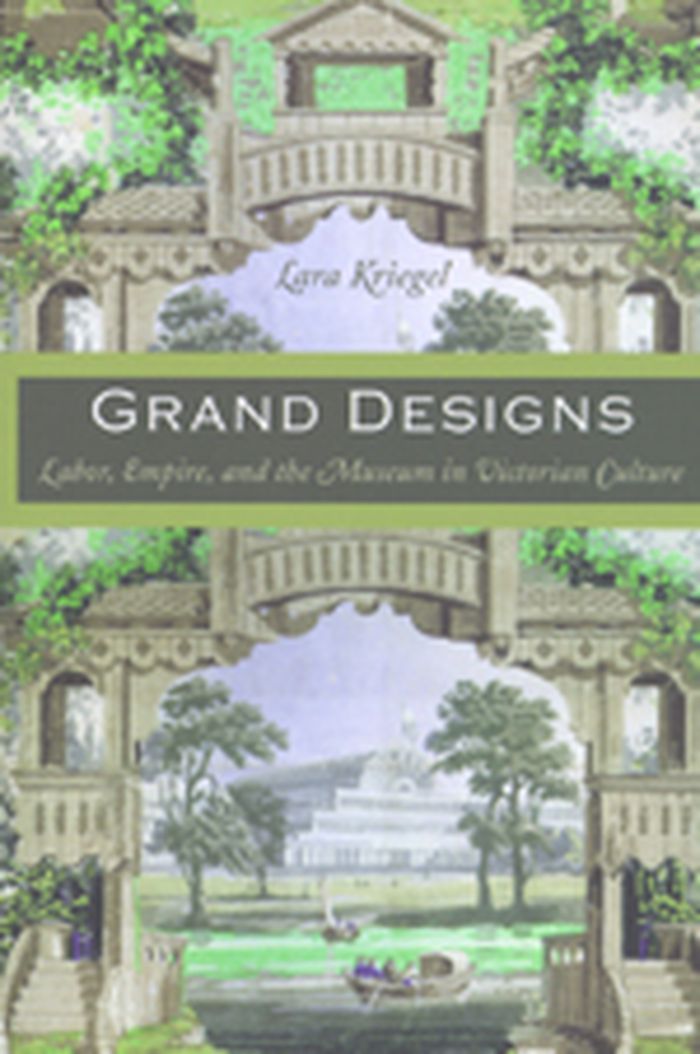
With this richly illustrated history of industrial design reform in nineteenth-century Britain, Lara Kriegel demonstrates that preoccupations with trade, labor, and manufacture lay at the heart of Victorian-era debates about cultural institutions. Through aesthetic reform, Victorians sought to redress the inferiority of British crafts in comparison to those made on the(...)
Title:
Grand Designs: Labor, empire and the museum in Victorian culture
Actions:
Price:
$39.95
(available to order)
Summary:
With this richly illustrated history of industrial design reform in nineteenth-century Britain, Lara Kriegel demonstrates that preoccupations with trade, labor, and manufacture lay at the heart of Victorian-era debates about cultural institutions. Through aesthetic reform, Victorians sought to redress the inferiority of British crafts in comparison to those made on the continent and in the colonies. Declaring a crisis of design and workmanship among the British laboring classes, reformers pioneered schools of design, copyright protections, and spectacular displays of industrial and imperial wares, most notably the Great Exhibition of 1851. Their efforts culminated with the establishment of the South Kensington Museum, predecessor to the Victoria and Albert Museum, which stands today as home to the world’s foremost collection of the decorative and applied arts. Kriegel’s identification of the significant links between markets and museums, and between economics and aesthetics, amounts to a rethinking of Victorian cultural formation. Drawing on a wide range of sources, including museum guidebooks, design manuals, illustrated newspapers, pattern books, and government reports, Kriegel brings to life the many Victorians who claimed a stake in aesthetic reform during the middle years of the nineteenth century. The aspiring artists who attended the Government School of Design, the embattled provincial printers who sought a strengthened industrial copyright, the Exhibition-going millions who visited the Crystal Palace, the lower-middle-class consumers who learned new principles of taste in metropolitan museums, and the working men of London who critiqued the city’s art and design collections are all cast by Kriegel as leading cultural actors of their day. Grand Designs shows how these Victorians vied to upend aesthetic hierarchies in an imperial age and, in the process, to refashion London’s public culture.
Form:
books
books
Publication:
November 2007
November 2007
Subject:
Museology
Museology
Form:
books
books
Title:
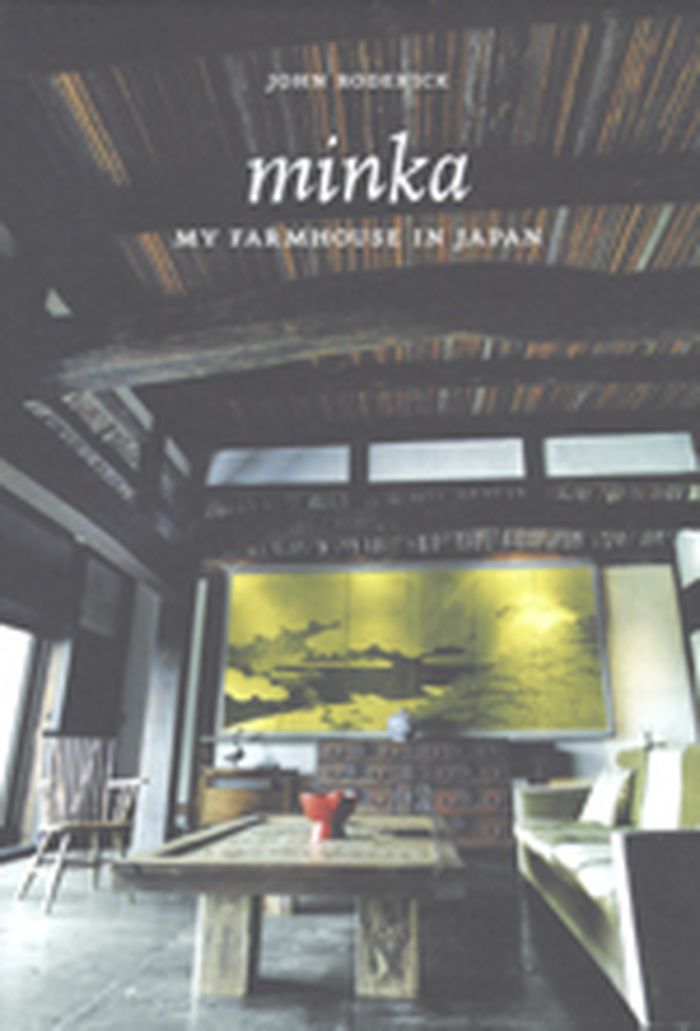
Minka, my farmhouse in Japan
Minka, my farmhouse in Japan
Actions:
Price:
$27.95
(available to order)
Summary:
In 1959 the journalist John Roderick joined the Tokyo bureau of the Associated Press. There, he befriended a Japanese family, the Takishitas. After musing offhandedly that he would like to one day have his own house in Japan, the family unbeknownst to John set out to grant his wish. They found Roderick a 250-year-old minka, or hand-built farmhouse, with a thatched roof(...)
Title:
Minka, my farmhouse in Japan
Actions:
Price:
$27.95
(available to order)
Summary:
In 1959 the journalist John Roderick joined the Tokyo bureau of the Associated Press. There, he befriended a Japanese family, the Takishitas. After musing offhandedly that he would like to one day have his own house in Japan, the family unbeknownst to John set out to grant his wish. They found Roderick a 250-year-old minka, or hand-built farmhouse, with a thatched roof and held together entirely by wooden pegs and joinery. It was about to be washed away by flooding and was being offered for only fourteen dollars. Roderick graciously bought the house, but was privately dismayed at the prospect of living in this enormous old relic lacking heating, bathing, plumbing, and proper kitchen facilities. So the minka was dismantled and stored, where Roderick secretly hoped it would stay, as it did for several years. But Roderick's reverence for natural materials and his appreciation of traditional Japanese and Shinto craftsmanship eventually got the better of him. Before long a team of experienced carpenters were hoisting massive beams, laying wide wooden floors, and attaching the split-bamboo ceiling. In just forty days they rebuilt the house on a hill overlooking Kamakura, the ancient capital of Japan. Working together, they renovated the farmhouse, adding features such as floor-to-ceiling sliding glass doors and a modern kitchen, bath, and toilet. From these humble beginnings, Roderick's minka has become internationally known and has hosted such luminaries as Senator Hillary Clinton. John Roderick's architectural memoir "Minka" tells the compelling and often poignant story of how one man fell in love with the people, culture, and ancient building traditions of Japan, and reminds us all about the importance of craftsmanship and the meaning of place and home in the process.
Form:
books
books
Publication:
November 2007, New York
November 2007, New York
Subject:
Contemporary Asian Architecture
Contemporary Asian Architecture
Form:
books
books
Actions:
Price:
$45.00
(available to order)
Summary:
From the summer of 1933 to the fall of 1934, more than 38 million fairgoers visited a 3-mile stretch along Lake Michigan, home to Chicago’s second World’s Fair. Millions more experienced the Century of Progress International Exposition through newspaper and magazine articles, newsreels, and souvenirs. Together, all marveled at the industrial, scientific, consumer, and(...)
Subject:
Museums and Universal Exhibitions
Museums and Universal Exhibitions
Publication:
August 2007, Minneapolis, London
August 2007, Minneapolis, London
Title:
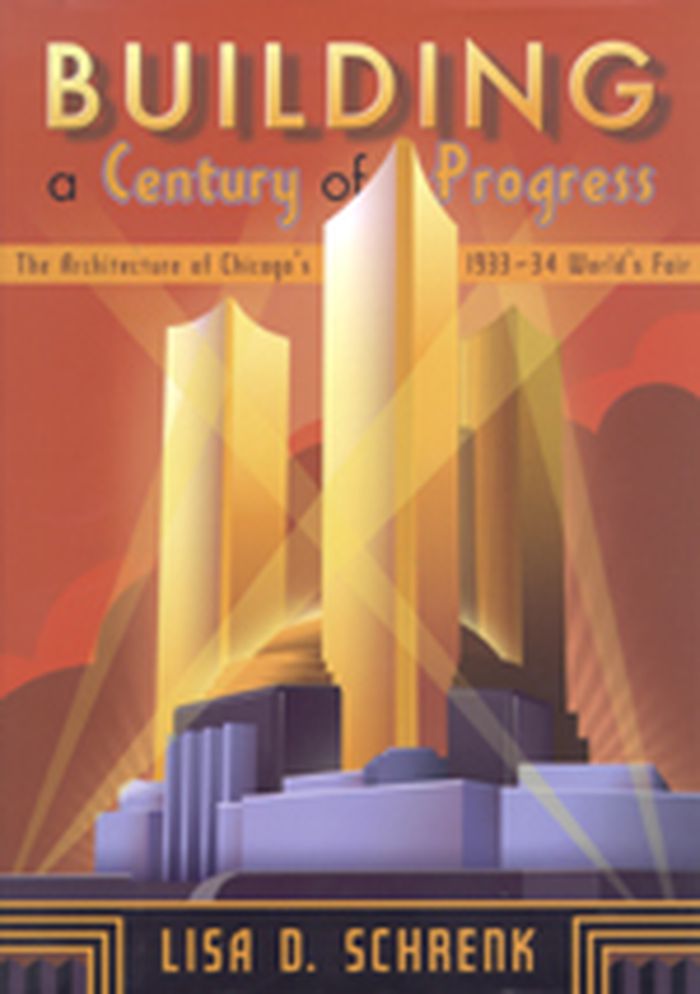
Building a century of progress : the architecture of Chicago's 1933-34 World's Fair
Actions:
Price:
$45.00
(available to order)
Summary:
From the summer of 1933 to the fall of 1934, more than 38 million fairgoers visited a 3-mile stretch along Lake Michigan, home to Chicago’s second World’s Fair. Millions more experienced the Century of Progress International Exposition through newspaper and magazine articles, newsreels, and souvenirs. Together, all marveled at the industrial, scientific, consumer, and cultural displays, many of which were housed in fifty massive and colorful exhibition halls, the largest architectural project realized in the United States during the Great Depression. In the richly illustrated "Building a century of progress", Lisa D. Schrenk explores the pivotal role of the 1933 Chicago World’s Fair in modern American architecture. She recounts how the exposition’s architectural commission promoted a broad definition of modern architecture, not relying on purely aesthetic characteristics but instead focusing on new design solutions. The fair’s pavilions incorporated recently introduced building materials such as masonite and gypsum board; structural innovations (for example, the first thin-shell concrete roof and the first suspended roof structures built in the United States); and new construction processes, most notably the use of prefabrication. They also featured curiosities like the giant, constantly operating mayonnaise maker and the glass-walled House of Tomorrow, which had no operable windows. Schrenk shows how the halls’ designs reflected cultural and political developments of the period, including the expanding relationships between science, industry, and government; the rise of a corporate consumer culture; and the impact of the Great Depression. Many of the designs provoked intense responses from critics and other prominent architects, including Frank Lloyd Wright and Ralph Adams Cram, fueling heated debates over the appropriate direction for architecture in the United States. Demonstrating the rich diversity of progressive American building design seen at the fair, this book captures a crucial moment in American modernism.
Form:
books
books
Publication:
August 2007, Minneapolis, London
August 2007, Minneapolis, London
Subject:
Museums and Universal Exhibitions
Museums and Universal Exhibitions
Form:
books
books
Title:
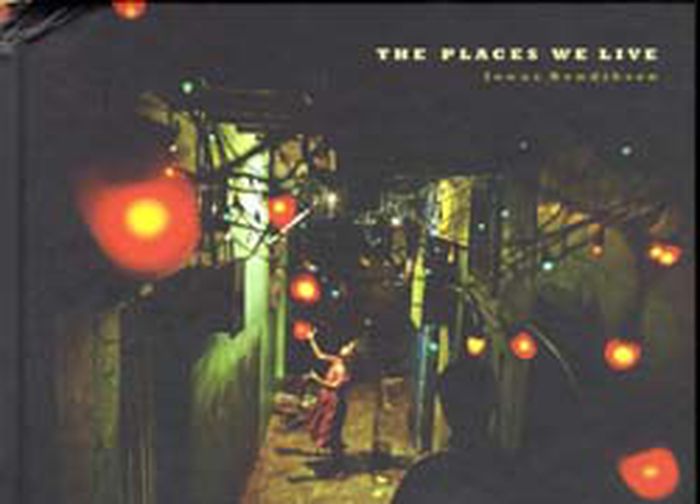
The place we live
The place we live
Actions:
Price:
$42.00
(available to order)
Summary:
The year 2008 has witnessed a major shift in the way people across the world live: for the first time in human history more people live in cities than in rural areas. This triumph of the urban, however, does not entirely represent progress, as the number of people living in urban slums—often in abject conditions—will soon exceed one billion. From 2005 to 2007 Jonas(...)
Title:
The place we live
Actions:
Price:
$42.00
(available to order)
Summary:
The year 2008 has witnessed a major shift in the way people across the world live: for the first time in human history more people live in cities than in rural areas. This triumph of the urban, however, does not entirely represent progress, as the number of people living in urban slums—often in abject conditions—will soon exceed one billion. From 2005 to 2007 Jonas Bendiksen documented life in the slums of four different cities: Nairobi, Kenya; Mumbai, India; Jakarta, Indonesia; and Caracas, Venezuela. His lyrical images capture the diversity of personal histories and outlooks found in these dense neighborhoods that, despite commonly held assumptions, are not simply places of poverty and misery. Yet, slum residents continuously face enormous challenges, such as the lack of health care, sanitation, and electricity. The Places We Live includes twenty double-gatefold images, each representing an individual home and its denizen’s story. Through its innovative design and experiential approach, The Places We Live brings the modern-day Dickensian reality of these individuals into sharp focus. Artist / Writer Biography A member of Magnum Photos, Jonas Bendiksen (born in Tønsberg, Norway, 1977) has received numerous awards, including the 2003 Infinity Award from the International Center of Photography and first prize in the Pictures of the Year International Awards. His photographs have appeared in National Geographic, Geo , Newsweek, and the Sunday Times Magazine, among other publications. His bestselling first book, Satellites: Photographs from the Fringes of the Former Soviet Union, was published in 2006 by Aperture. In 2007, the Paris Review received a National Magazine Award for Bendiksen’s project The Places We Live. Philip Gourevitch (introduction) is editor of the Paris Review and author of Standard Operating Procedure (a collaboration with Errol Morris) and We Wish to Inform You That Tomorrow We Will Be Killed With Our Families: Stories from Rwanda.
Form:
books
books
Publication:
August 2008, New York
August 2008, New York
Subject:
Photography monographs
Photography monographs


