


88 Results
Form:
exhibitions
exhibitions
Title:
With an Acre
With an Acre
Actions:
Description:
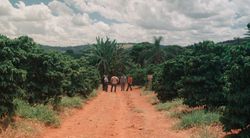
With an Acre follows architect Carla Juaçaba as she develops a museum in solidarity with Flor de Café, a collective of smallholder farmers in Minas Gerais. Inspired by the temporality of Indigenous collective structures and the form of highway billboards that mark the extended rural landscape in the region, Juaçaba proposes a landmark on an elevated plantation overlooking(...)
With an Acre follows architect Carla Juaçaba as she develops a museum in solidarity with Flor de Café, a collective of smallholder farmers in Minas Gerais. Inspired by the temporality of Indigenous collective structures and the form of highway billboards that mark the extended rural landscape in the region, Juaçaba proposes a landmark on an elevated plantation overlooking(...)
Location:
Main Galleries Keyword(s):
Brazil, Carla Juacaba, Groundwork, coffee, Nepomuceno, Minas Gerais, Irene Chin, Francesco Garutti, Joshua Frank
Main Galleries Keyword(s):
Brazil, Carla Juacaba, Groundwork, coffee, Nepomuceno, Minas Gerais, Irene Chin, Francesco Garutti, Joshua Frank
Date:
19 June 2025 to 12 October 2025
19 June 2025 to 12 October 2025
Title:
With an Acre
Actions:
Description:
With an Acre follows architect Carla Juaçaba as she develops a museum in solidarity with Flor de Café, a collective of smallholder farmers in Minas Gerais. Inspired by the temporality of Indigenous collective structures and the form of highway billboards that mark the extended rural landscape in the region, Juaçaba proposes a landmark on an elevated plantation overlooking(...)
With an Acre
Actions:
Description:
With an Acre follows architect Carla Juaçaba as she develops a museum in solidarity with Flor de Café, a collective of smallholder farmers in Minas Gerais. Inspired by the temporality of Indigenous collective structures and the form of highway billboards that mark the extended rural landscape in the region, Juaçaba proposes a landmark on an elevated plantation overlooking(...)
Form:
exhibitions
exhibitions
Date:
19 June 2025 to
12 October 2025
19 June 2025 to
12 October 2025
Location:
Main Galleries Keyword(s):
Brazil, Carla Juacaba, Groundwork, coffee, Nepomuceno, Minas Gerais, Irene Chin, Francesco Garutti, Joshua Frank
Main Galleries Keyword(s):
Brazil, Carla Juacaba, Groundwork, coffee, Nepomuceno, Minas Gerais, Irene Chin, Francesco Garutti, Joshua Frank
Form:
films
films
Title:
With an Acre
With an Acre
Actions:
Description:
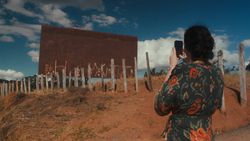
With an Acre is the third chapter of Groundwork, a three-part film and exhibition series exploring the conceptual development and field research of contemporary architects cultivating alternative modes of practice.
With an Acre is the third chapter of Groundwork, a three-part film and exhibition series exploring the conceptual development and field research of contemporary architects cultivating alternative modes of practice.
Date:
2025
2025
Title:
With an Acre
Actions:
Description:
With an Acre is the third chapter of Groundwork, a three-part film and exhibition series exploring the conceptual development and field research of contemporary architects cultivating alternative modes of practice.
With an Acre
Actions:
Description:
With an Acre is the third chapter of Groundwork, a three-part film and exhibition series exploring the conceptual development and field research of contemporary architects cultivating alternative modes of practice.
Form:
films
films
Date:
2025
2025
Form:
photographs
photographs
Actions:
Reference number:
PH1980:0048.01:044
PH1980:0048.01:044
People:
Subject:
architecture, engineering, military
architecture, engineering, military
Date:
1859-1860
1859-1860
Title:
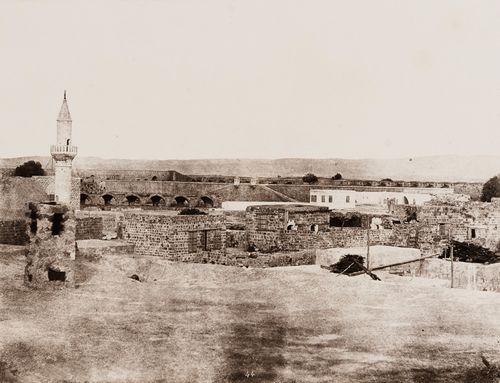
View of the French batteries with an aqueduct in the background, Acre, Ottoman Empire (now in Israel)
Actions:
PH1980:0048.01:044
View of the French batteries with an aqueduct in the background, Acre, Ottoman Empire (now in Israel)
Actions:
PH1980:0048.01:044
Form:
photographs
photographs
Date:
1859-1860
1859-1860
People:
Subject:
architecture, engineering, military
architecture, engineering, military
Form:
articles
articles
Title:
Dimensions of an Idea
Dimensions of an Idea
Actions:
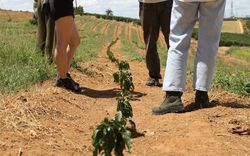
Carla Juaçaba and Marina Oba in conversation
Issue:
Forces of Friction
Forces of Friction
Published:
16 June 2025
16 June 2025
Issue:
Forces of Friction
Forces of Friction
Form:
archives
Level of archival description:
Fonds
archives
Level of archival description:
Fonds
Actions:
Reference number:
AP106
Synopsis:
The Faubourg Québec project records, 1989-1994, document the redevelopment of Faubourg Québec, a 30 acre site east of the Old Port of Montréal, into an urban residential neighbourhood. Materials in these project records consist of approximately 253 drawings (including reprographic copies) and 0.33 of l.m. textual materials.
AP106
Synopsis:
The Faubourg Québec project records, 1989-1994, document the redevelopment of Faubourg Québec, a 30 acre site east of the Old Port of Montréal, into an urban residential neighbourhood. Materials in these project records consist of approximately 253 drawings (including reprographic copies) and 0.33 of l.m. textual materials.
People:
Date:
1989-1994
1989-1994
Title:
Faubourg Québec project records
Actions:
AP106
Synopsis:
The Faubourg Québec project records, 1989-1994, document the redevelopment of Faubourg Québec, a 30 acre site east of the Old Port of Montréal, into an urban residential neighbourhood. Materials in these project records consist of approximately 253 drawings (including reprographic copies) and 0.33 of l.m. textual materials.
Faubourg Québec project records
Actions:
AP106
Synopsis:
The Faubourg Québec project records, 1989-1994, document the redevelopment of Faubourg Québec, a 30 acre site east of the Old Port of Montréal, into an urban residential neighbourhood. Materials in these project records consist of approximately 253 drawings (including reprographic copies) and 0.33 of l.m. textual materials.
Form:
archives
Level of archival description:
Fonds
archives
Level of archival description:
Fonds
Date:
1989-1994
1989-1994
People:
Form:
archives
Level of archival description:
Fonds
archives
Level of archival description:
Fonds
Actions:
Reference number:
AP225
Synopsis:
The Roderick Robbie Katimavik project records describe Robbie's collaboration with his architectural partners at the Toronto-based firm Ashworth Robbie Vaughan and Williams to create Katimavik, an entry for the competition for the design of the Canadian Government’s pavilion at Expo 67. The records in this fonds relate to the project's design process, the reception of the completed structure in Canadian and international architectural discourse, reporting on the project to the Canadian government, and Expo 67 memerobilia.
AP225
Synopsis:
The Roderick Robbie Katimavik project records describe Robbie's collaboration with his architectural partners at the Toronto-based firm Ashworth Robbie Vaughan and Williams to create Katimavik, an entry for the competition for the design of the Canadian Government’s pavilion at Expo 67. The records in this fonds relate to the project's design process, the reception of the completed structure in Canadian and international architectural discourse, reporting on the project to the Canadian government, and Expo 67 memerobilia.
People:
Date:
1966-2017
1966-2017
Title:
Roderick Robbie Katimavik project records
Actions:
AP225
Synopsis:
The Roderick Robbie Katimavik project records describe Robbie's collaboration with his architectural partners at the Toronto-based firm Ashworth Robbie Vaughan and Williams to create Katimavik, an entry for the competition for the design of the Canadian Government’s pavilion at Expo 67. The records in this fonds relate to the project's design process, the reception of the completed structure in Canadian and international architectural discourse, reporting on the project to the Canadian government, and Expo 67 memerobilia.
Roderick Robbie Katimavik project records
Actions:
AP225
Synopsis:
The Roderick Robbie Katimavik project records describe Robbie's collaboration with his architectural partners at the Toronto-based firm Ashworth Robbie Vaughan and Williams to create Katimavik, an entry for the competition for the design of the Canadian Government’s pavilion at Expo 67. The records in this fonds relate to the project's design process, the reception of the completed structure in Canadian and international architectural discourse, reporting on the project to the Canadian government, and Expo 67 memerobilia.
Form:
archives
Level of archival description:
Fonds
archives
Level of archival description:
Fonds
Date:
1966-2017
1966-2017
People:
Form:
articles
articles
Title:
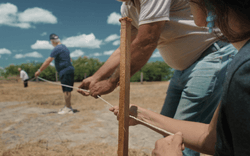
Making Groundwork
Making Groundwork
Actions:
Joshua Frank and Alexandra Pereira-Edwards in conversation
Issue:
Forces of Friction
Forces of Friction
Published:
6 October 2025
6 October 2025
Issue:
Forces of Friction
Forces of Friction
Level of archival description:
Project
Project
Actions:
Reference number:
AP206.S1.2000.PR01
Description:
This project series documents buildings for the Guru Jambheshwar University of Science and Technology in Hisar, India around 2000. The project consisted of the design of many new campus buildings, including the Administrative Block, offices, Health Centre, student and employee hostels, professors' houses and VIP houses, the Teaching Block, cafeteria, library, and University Works buildings. The University, previously known as Punjab Agricultural University, was established in 1995 by the Haryana state government and had a campus that sprawled over 372 acres. By 2007, around 200 acres had been developed with buildings and landscaping. Prakash had previously worked on projects for this campus, formerly known as the Punjab Agricultural University, in the 1960s. This project series contains the records for three buildings: the library, the Health Centre, and the Sports Hall. The library was notable for it's round shape, large entrance arch and domed skylight ceiling. The materials also emphasize the development of a large mural in the library depicting the astrological signs. The Health Centre was a diamond shaped building with an outdoor courtyard at its centre. The Sports Hall was a rectangular building with a trussed roof consisting primarily of an open, multipurpose space. This project is recorded through drawings, photographs of the finished buildings, and textual records dating from 2000-2007. The drawings are largely originals and include plans, sections, elevations, perspectives and details. The textual records consist of correspondence and a brochure on the campus construction program.
AP206.S1.2000.PR01
Description:
This project series documents buildings for the Guru Jambheshwar University of Science and Technology in Hisar, India around 2000. The project consisted of the design of many new campus buildings, including the Administrative Block, offices, Health Centre, student and employee hostels, professors' houses and VIP houses, the Teaching Block, cafeteria, library, and University Works buildings. The University, previously known as Punjab Agricultural University, was established in 1995 by the Haryana state government and had a campus that sprawled over 372 acres. By 2007, around 200 acres had been developed with buildings and landscaping. Prakash had previously worked on projects for this campus, formerly known as the Punjab Agricultural University, in the 1960s. This project series contains the records for three buildings: the library, the Health Centre, and the Sports Hall. The library was notable for it's round shape, large entrance arch and domed skylight ceiling. The materials also emphasize the development of a large mural in the library depicting the astrological signs. The Health Centre was a diamond shaped building with an outdoor courtyard at its centre. The Sports Hall was a rectangular building with a trussed roof consisting primarily of an open, multipurpose space. This project is recorded through drawings, photographs of the finished buildings, and textual records dating from 2000-2007. The drawings are largely originals and include plans, sections, elevations, perspectives and details. The textual records consist of correspondence and a brochure on the campus construction program.
People:
Date:
2000-2007
2000-2007
Title:
Guru Jambheshwar University of Science and Technology, Hisar, India (2000-2004)
Actions:
AP206.S1.2000.PR01
Description:
This project series documents buildings for the Guru Jambheshwar University of Science and Technology in Hisar, India around 2000. The project consisted of the design of many new campus buildings, including the Administrative Block, offices, Health Centre, student and employee hostels, professors' houses and VIP houses, the Teaching Block, cafeteria, library, and University Works buildings. The University, previously known as Punjab Agricultural University, was established in 1995 by the Haryana state government and had a campus that sprawled over 372 acres. By 2007, around 200 acres had been developed with buildings and landscaping. Prakash had previously worked on projects for this campus, formerly known as the Punjab Agricultural University, in the 1960s. This project series contains the records for three buildings: the library, the Health Centre, and the Sports Hall. The library was notable for it's round shape, large entrance arch and domed skylight ceiling. The materials also emphasize the development of a large mural in the library depicting the astrological signs. The Health Centre was a diamond shaped building with an outdoor courtyard at its centre. The Sports Hall was a rectangular building with a trussed roof consisting primarily of an open, multipurpose space. This project is recorded through drawings, photographs of the finished buildings, and textual records dating from 2000-2007. The drawings are largely originals and include plans, sections, elevations, perspectives and details. The textual records consist of correspondence and a brochure on the campus construction program.
Guru Jambheshwar University of Science and Technology, Hisar, India (2000-2004)
Actions:
AP206.S1.2000.PR01
Description:
This project series documents buildings for the Guru Jambheshwar University of Science and Technology in Hisar, India around 2000. The project consisted of the design of many new campus buildings, including the Administrative Block, offices, Health Centre, student and employee hostels, professors' houses and VIP houses, the Teaching Block, cafeteria, library, and University Works buildings. The University, previously known as Punjab Agricultural University, was established in 1995 by the Haryana state government and had a campus that sprawled over 372 acres. By 2007, around 200 acres had been developed with buildings and landscaping. Prakash had previously worked on projects for this campus, formerly known as the Punjab Agricultural University, in the 1960s. This project series contains the records for three buildings: the library, the Health Centre, and the Sports Hall. The library was notable for it's round shape, large entrance arch and domed skylight ceiling. The materials also emphasize the development of a large mural in the library depicting the astrological signs. The Health Centre was a diamond shaped building with an outdoor courtyard at its centre. The Sports Hall was a rectangular building with a trussed roof consisting primarily of an open, multipurpose space. This project is recorded through drawings, photographs of the finished buildings, and textual records dating from 2000-2007. The drawings are largely originals and include plans, sections, elevations, perspectives and details. The textual records consist of correspondence and a brochure on the campus construction program.
Level of archival description:
Project
Project
Date:
2000-2007
2000-2007
People:
Form:
articles
articles

Actions:
Carla Juaçaba on permanence and fragility
Published:
11 August 2025
11 August 2025
Form:
events
events
Actions:
Description:
On New Year’s Eve 1987, the people of Gonaïves, an impoverished port town on Haiti’s west coast, awoke to 4,000 tons of toxic ash. Amidst political turmoil in Haiti, officials had approved the import of toxic waste from the United States classified as “fertilizer.” In this case, the ash came from Philadelphia, which was facing a waste management crisis brought on by the(...)
On New Year’s Eve 1987, the people of Gonaïves, an impoverished port town on Haiti’s west coast, awoke to 4,000 tons of toxic ash. Amidst political turmoil in Haiti, officials had approved the import of toxic waste from the United States classified as “fertilizer.” In this case, the ash came from Philadelphia, which was facing a waste management crisis brought on by the(...)
Keyword(s):
Canada, environment, Jodoin, Müller, It's all happening so fast, toxic, Haiti, voluntary exchange, garbage imperialism, Gonaives
Canada, environment, Jodoin, Müller, It's all happening so fast, toxic, Haiti, voluntary exchange, garbage imperialism, Gonaives
Date:
16 March 2017
16 March 2017
Title:
Here It Is Toxic, There It Is Not
Actions:
Description:
On New Year’s Eve 1987, the people of Gonaïves, an impoverished port town on Haiti’s west coast, awoke to 4,000 tons of toxic ash. Amidst political turmoil in Haiti, officials had approved the import of toxic waste from the United States classified as “fertilizer.” In this case, the ash came from Philadelphia, which was facing a waste management crisis brought on by the(...)
Here It Is Toxic, There It Is Not
Actions:
Description:
On New Year’s Eve 1987, the people of Gonaïves, an impoverished port town on Haiti’s west coast, awoke to 4,000 tons of toxic ash. Amidst political turmoil in Haiti, officials had approved the import of toxic waste from the United States classified as “fertilizer.” In this case, the ash came from Philadelphia, which was facing a waste management crisis brought on by the(...)
Form:
events
events
Date:
16 March 2017
16 March 2017
Keyword(s):
Canada, environment, Jodoin, Müller, It's all happening so fast, toxic, Haiti, voluntary exchange, garbage imperialism, Gonaives
Canada, environment, Jodoin, Müller, It's all happening so fast, toxic, Haiti, voluntary exchange, garbage imperialism, Gonaives


